
 1 month ago
42
1 month ago
42

Published Aug 8, 2026, 10:00 PM EDT
These hotly debated endings have split fans straight down the middle
 Image: Pierrot
Endings can be hard to pull off. A perfectly serviceable anime might ruin its well-earned goodwill with a particularly disappointing or shocking ending. Death Note suffers from this problem, as its brilliant cat-and-mouse build-up feels upended by a rushed resolution that is significantly different from the manga.
At other times, abstract or confusing endings can leave audiences feeling dissatisfied, as is the case with the “Congratulations!” final scene in the original Neon Genesis Evangelion. While this anime ending has its thematic merits, fan reactions remain split, especially when contextualized against the fleshed-out conclusions of The End of Evangelion and the Rebuild tetralogy.
While anime with well-received endings (like Fullmetal Alchemist: Brotherhood or Mob Psycho 100) are not immune to constructive criticism, such discourse rarely sparks heated debates. Conversely, the majority might be inclined to agree that a series like The Promised Neverland wasted its potential with a notoriously lackluster ending.
With these distinctions in mind, here are five anime with endings that are considered controversial and hotly debated, with reactions ranging from mixed to split right down the middle.
This article contains spoilers for the anime endings referenced below
1 Erased
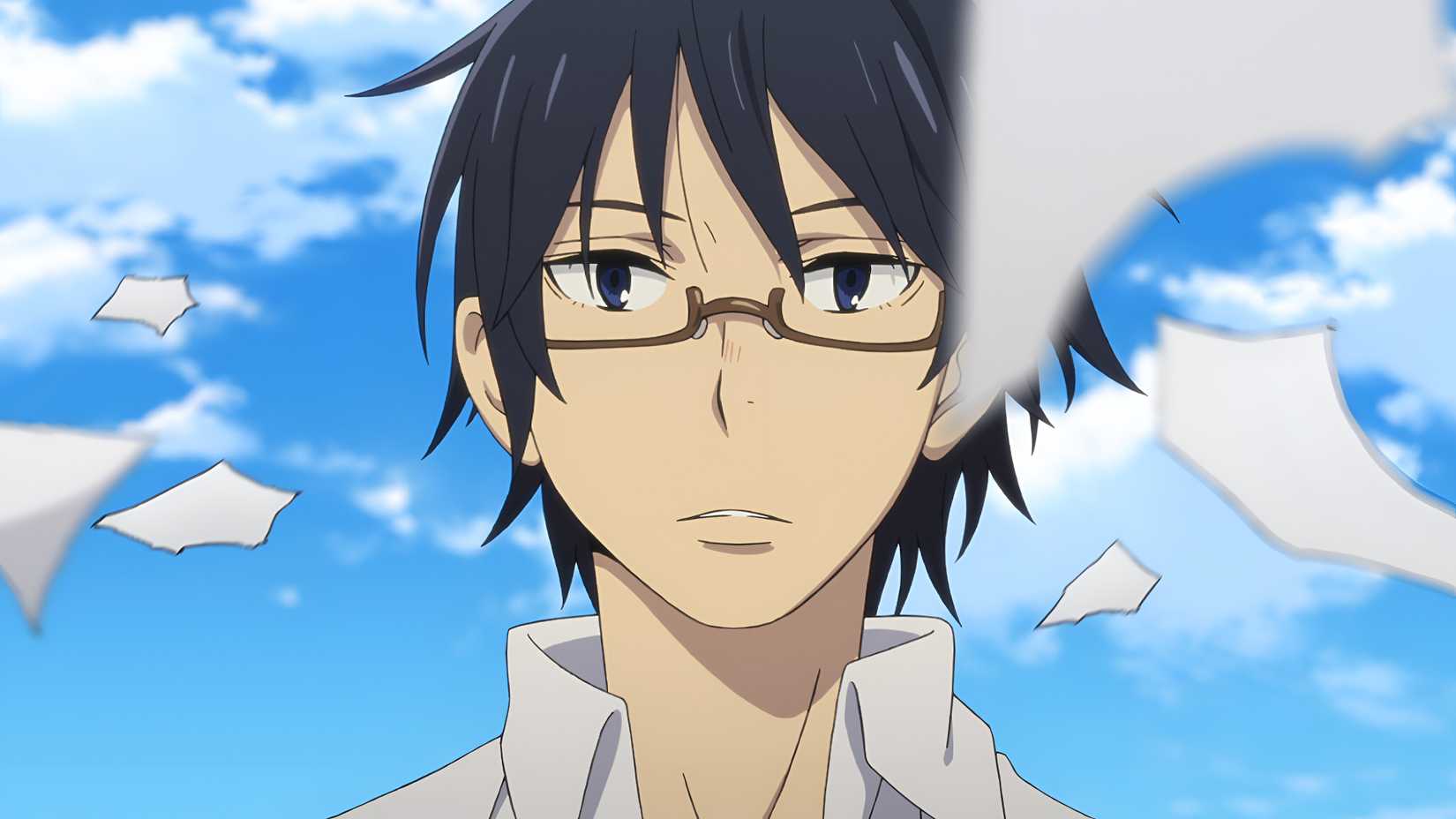 Image: A-1 Pictures
Erased uses time travel to weave a devastating tale about second chances. In this story, a struggling manga artist named Satoru involuntarily triggers the ability to send his consciousness back in time to right before a tragedy. Things get complicated after a serial killer threatens the lives of his loved ones, prompting Satoru to prevent more than one catastrophe. Although Erased does a brilliant job of exploring the nostalgia of revisiting the past, its ending leaves much to be desired.
While Satoru is able to avert loss and save more than one person, the anime ending condenses several hard-hitting manga chapters into a single episode. This leads to an abrupt conclusion that isn’t given enough time to breathe after a satisfying buildup. What’s more, Satoru’s final confrontation with antagonist Gaku Yashiro is supposed to be a pivotal moment that feels rather underwhelming in the adaptation. The final episode ostensibly delivers an abbreviated version of the source material, so we lose out on key context, motivations, and backstory that could enrich what’s happening on-screen. One might argue that Erased retains its emotional core until the end, but a sudden pivot to heavy-handed reveals cheapens what could’ve been a brilliant conclusion.
2 Attack on Titan
Hajime Isayama’s dark fantasy shonen grapples with complex morality and how it can change someone like Eren Yeager, who starts as a hero worth rooting for in Attack on Titan. The manga’s extended ending fixes most of the criticisms levied at the original conclusion, but sentiments are decidedly mixed when it comes to the Attack on Titan anime. Although breathtaking in its adaptation of the uncompromising final chapter, the ending introduces a drastic change to Eren’s motivations, which retroactively alters how we perceive the story as a whole.
For some, such a shocking heel turn works, giving the sprawling saga a radical, if bittersweet perspective. On the flip side, Eren’s hidden vulnerability isn’t a weakness in itself — the issue lies in the abrupt nature of the reveal, subverting longstanding expectations associated with the character. This, combined with underdeveloped side plots, rushed exposition dumps, and a lack of meaningful consequences, makes the ending feel somewhat hollow. Although Isayama’s ending is meant to critique the cyclical nature of violence, the anime approaches that critique with a brand of thematic incoherence that undermines what makes Attack on Titan so special.
3 Darling in the Franxx
 Image: A-1 Pictures/Trigger/CloverWorks
Few endings are as divisive as that of Darling in the Franxx, which takes place in a dystopian society where adults and children live in completely different environments. All children are artificially created and indoctrinated into defending whatever’s left of civilization, with the story revolving around Hiro and Zero Two. The ending is rather bittersweet, where our leads sacrifice themselves in a major space war and reincarnate generations later on Earth, which has now been rebuilt.
Although there’s a heartfelt thematic closure to an anime about fate and enduring love (which surpasses even death), Darling in the Franxx accomplishes this in the most jarring way imaginable. Stories like Cowboy Bebop or Akudama Drive have similarly dared to end with major character deaths, but Darling in the Franxx rushes its most anticipated story beats for a conclusion that feels unearned. The manga takes a more grounded approach to Hiro and Zero Two’s fates, while also taking considerable time to provide its secondary cast with closure. For a show that consistently questions what it means to be human, its ending betrays that sentiment by reincarnating its leads without any emotional tether to ground them.
4 Tokyo Ghoul: Root A
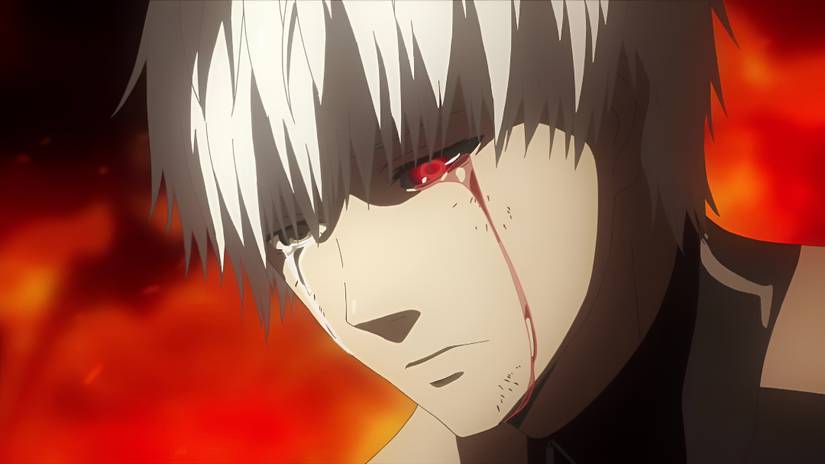 Image: Pierrot
The devastating final shot of Kaneki Ken carrying his dying best friend, Hide, across the snow haunts the entirety of Tokyo Ghoul: Root A. The drawbacks of Root A aren’t confined to its silent, tragic ending, as the entire season diverges from Sui Ishida’s brilliant source material by taking some inspired (and baffling) artistic liberties. One might argue that the bitterness of the ending is emotionally resonant, as it highlights the cost that Kaneki has had to pay right before his implied standoff against Special Class Ghoul Investigator, Kishou Arima. Even so, the blatant absence of a payoff is frustrating, especially with the fall of Anteiku in the backdrop.
Tokyo Ghoul: Root A fails to end on a meaningful note. As the anime takes a different route than the manga, huge chunks of the story feel rushed and unexplained, with no catharsis to cushion the blow. As the fight with Arima (and Kaneki’s eventual defeat) is implied, it has left most viewers confused about major character fates. Ambiguous cliffhangers only work with foolproof character writing and competent pacing. Since Root A lacks both, such a tragic climax falls flat. This is a shame, because Ishida constructs a vivid, reference-heavy world in a manga with a crystal-clear vision about its troubled and complex characters.
5 School Days
 Image: TNK
Visual novels often have branching endings where even the most shocking routes are contextualized against a string of choices. An adaptation of a visual novel like School Days doesn’t have the luxury of doing the same, but this 12-episode anime ends on a shocking note. The story opens with first-year high school student Makoto Itou becoming the love interest of several female classmates, which gradually takes a toll on his sense of self and interpersonal relationships. While the visual novel offers up to 22 different endings, the anime ends with Sekai fatally stabbing Makoto before being killed by the intensely jealous Kotonoha.
Some viewers like this conclusion, as it actively subverts tropes associated with otome narratives and assigns serious consequences for toxic, manipulative behavior. Moreover, the shift from a semi-toxic story about adolescent love into full-blown psychological horror makes for a lasting impression, no matter how dark. Conversely, School Days gives in to gratuitous shock value to make up for its inconsistent quality, subjecting its characters to extreme fates that don’t do any justice to their motivations. This bad-faith tonal leap hurts what could’ve been a meaningful teen drama about complex emotions.



 English (US) ·