

A new pair of smart glasses just launched on Kickstarter that you might not have heard much about yet: they’re the MemoMind One specs, and after taking them for a whirl over the past few days I can see the appeal, but I’m not convinced they’re useful enough for a couple of key reasons.
Smart glasses are coming in all shapes and sizes, and I don’t just mean their literal design — I mean that calling something “a pair of smart glasses” can tell you basically nothing about what it is apart from where on your body you’ll wear it. Many focus on AI functionality, others on XR video as a private display for your favorite tech, and some offer a blend of both with a display that delivers AI assistance through audio and visual elements.
The MemoMind glasses fall mostly into that last category, but instead of interactive AR pieces you can manipulate like you’re Tony Stark designing a new Iron Man suit, you’ll get a read-out in green text (and sometimes basic diagrams) that are simple but effective for the tasks the glasses can help with.
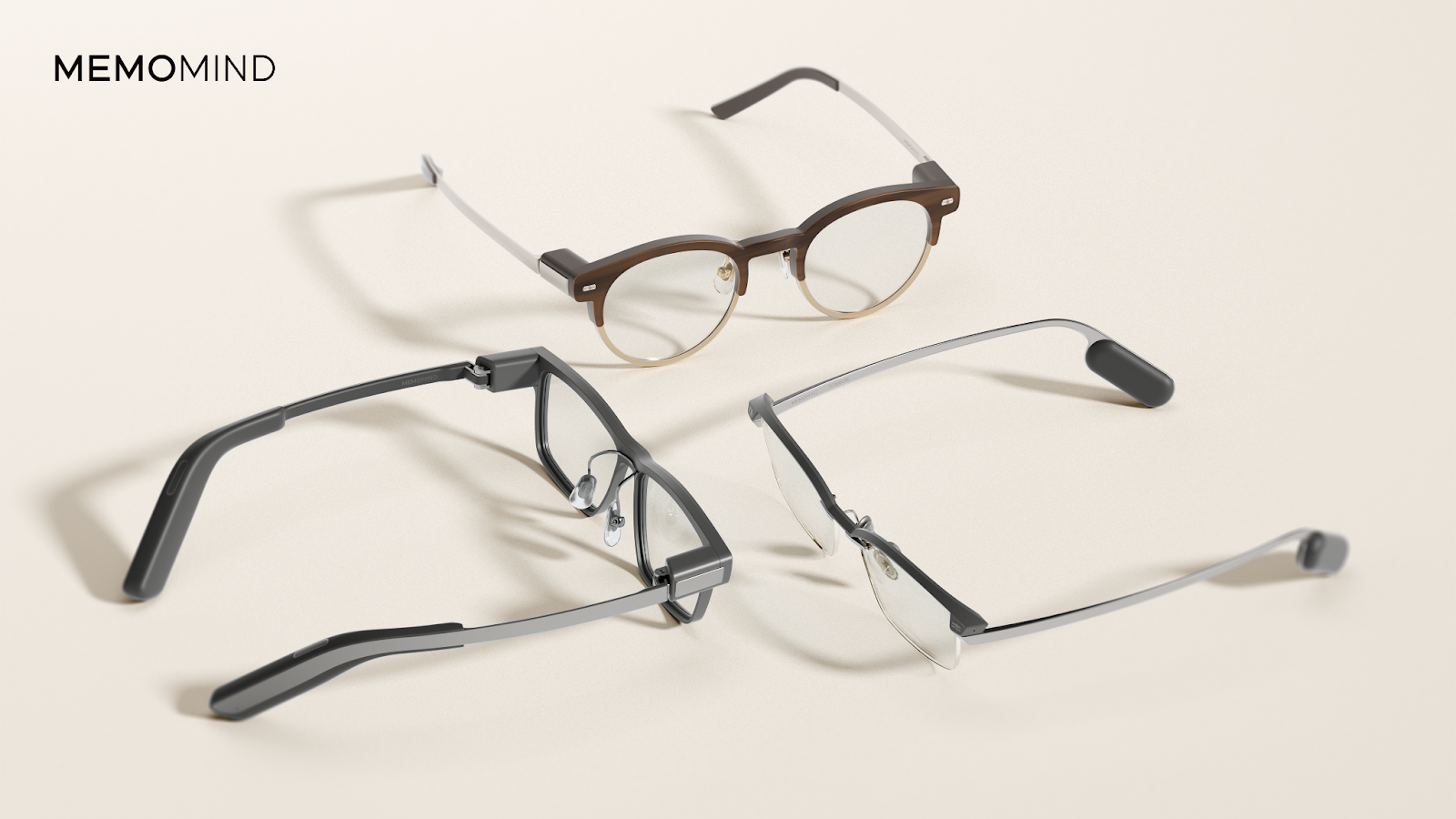
This includes notification popups from your connected phone apps, a teleprompter you can load up with scripts, a calendar readout of your day’s upcoming events, a basic map with navigation instructions, and translation subtitles that tell you what someone else has said in a foreign language.
You’ll also find some speakers hidden in the arms of the glasses, which are ideal for taking calls or listening to music while wearing the specs.
Left wanting more
I’ve tried similar smart glasses in the past from the likes of Even Realities and Rokid, and they have all offered a reasonably affordable way to get some AR wearable utility without breaking the bank.
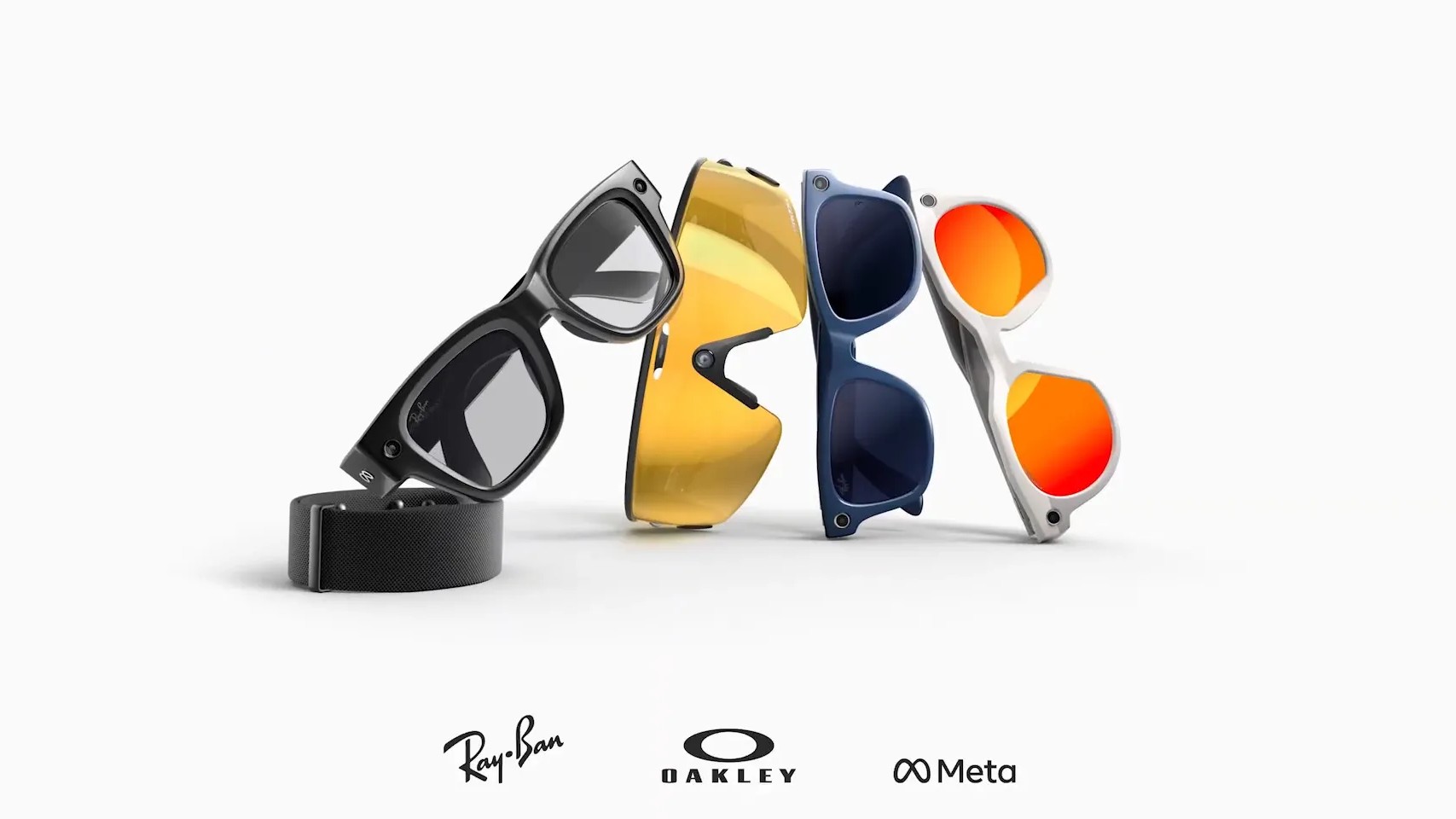
Case in point, these MemoMind glasses are on preorder for $399 (around £300 / AU$575), and will retail for $599 (around £450 / AU$865), which is less than Meta’s Ray-Ban Display specs, which cost $799 (around £600/ AU$1,155) or the latest Snap Specs that retail for $2,195 (around £1,655 / AU$3,175).
The downside is that MemoMind One is not a proper AR device like the Specs, and you will lose some of the usefulness that comes with a full-color display on the Meta Ray-Bans. Crucially, with the MemoMind One glasses, you also miss out on a camera, which I think drastically reduces the specs' usefulness.
Some will see the lack of a camera as a major privacy win, but I found it takes so much away — especially outside of work and travel. Cameras on smart glasses allow you to snap photos and videos in the moment without reaching for your phone, which both takes time, thus ruining the spontaneity, and forces you back rather than letting you revel in the experience.
The more smart glasses I try without a camera, the more I’m convinced it’s an essential feature for the tech as it stands today — as the other features don’t yet offer enough to make cameraless specs feel like a complete package.
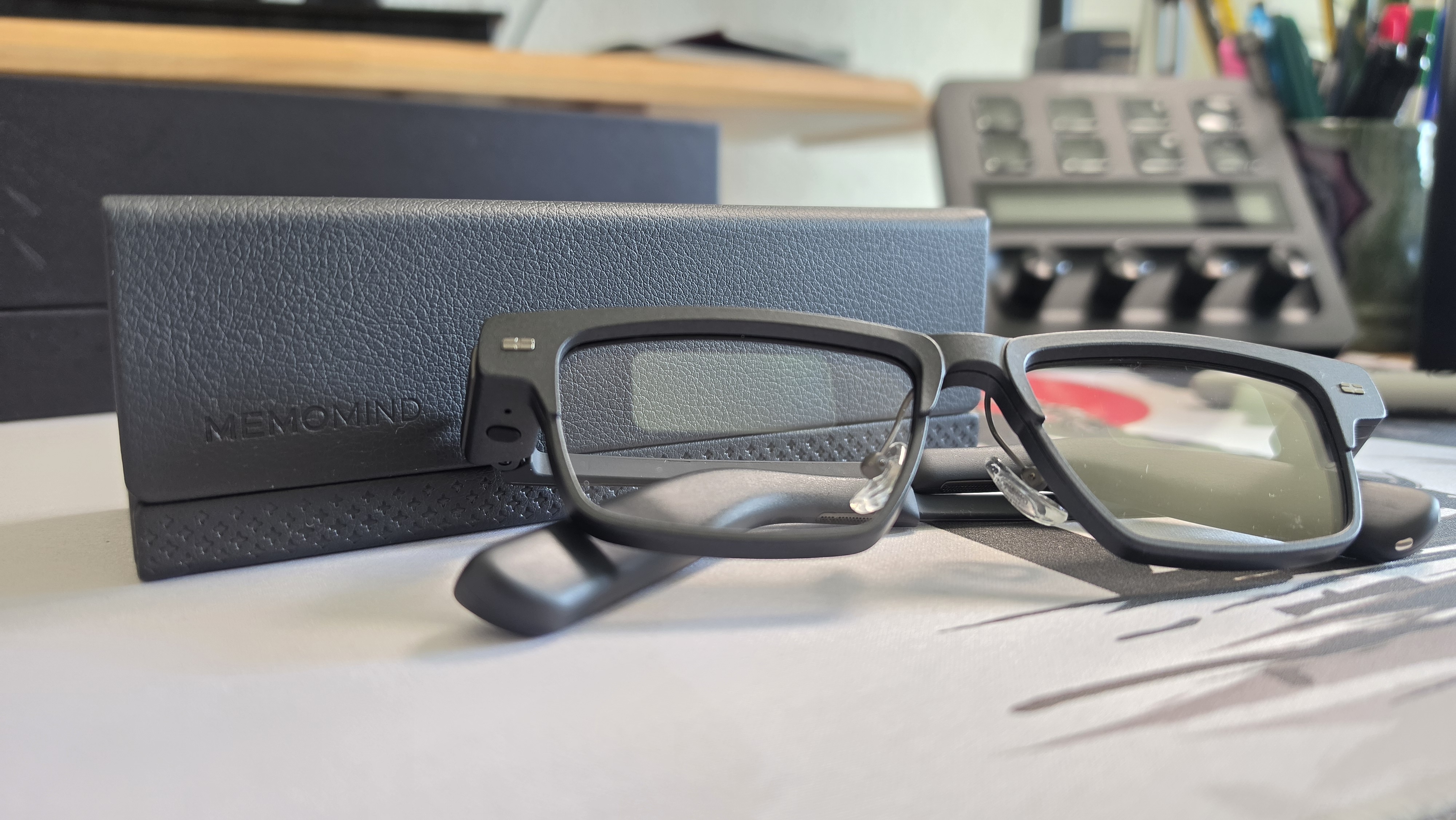
Inside the glasses’ display is very legible, but the moment I went outside in brighter weather they became useless. When the map directions did work, I then struggled to actually follow them — I couldn’t see where to go as the green text didn’t show up against the bright blue sky even at max brightness. Further, the glasses ask you to look up to activate the display, compounding my problem.
This again highlights why photochromic or electrochromic lenses are a must, not an optional add-on, for smart specs with or without a display.
The speakers aren’t the best either. For calls, I had no trouble, but music left me feeling empty — bass was nonexistent, and everything had an overly airy quality that ironically took the wind out of every track’s sails.
Not terrible, not amazing either
Despite leaving what reads like an overly negative impression, I don’t think the Memomind One glasses are terrible.
At $399, they are a reasonable and generally smooth to set up and use, something I can’t say about all smart glasses. And for the right person, there’s a decent level of utility here, especially if you give lots of presentations and have a lot of international business chats across different languages.
The trouble is smart glasses are having a real boom at the moment with new models launching every other week. In this sea of choice, there’s unfortunately not much room for specs with as many flaws as the MemoMind One glasses.
Maybe the MemoMind Twos can learn from the mistakes of its predecessors.

Follow TechRadar on Google News and add us as a preferred source to get our expert news, reviews, and opinion in your feeds.







 English (US) ·