
 4 weeks ago
28
4 weeks ago
28
There’s something about wildlife photography that hits different. Maybe it’s the silence you can almost hear, or the tension locked inside a stare. These 35 majestic wildlife photos don’t just show animals—they pull you into their world. No fences. No filters. Just raw moments where nature runs the show.
Each image feels earned. You can sense the patience behind the frame, the long hours waiting for the right light, the right movement, the right breath. From close-up portraits of wild animals to wide scenes that place a single creature against an endless landscape, these photographs are all about respect. Respect for space. Respect for timing. Respect for the fact that humans are visitors here.
What makes this collection powerful isn’t just the animals themselves—it’s the way composition and framing are used to tell a story. A lion framed low against the sky feels unstoppable. A bird captured mid-flight feels suspended between instinct and freedom. These are animals in their natural habitat, photographed without forcing drama, because nature already brings plenty of it.
Shot across continents, these wildlife photos from around the world highlight both beauty and fragility. You’ll see strength, vulnerability, stillness, and chaos—sometimes all in the same frame. The photographers behind these images don’t chase spectacle; they wait for truth. And that truth quietly supports something bigger: wildlife conservation. Every honest image reminds us what’s at stake and why preserving these environments matters.
This isn’t just amazing work by great photographers. It’s a visual reminder that the wild still exists—powerful, unpredictable, and absolutely worth protecting.
#1
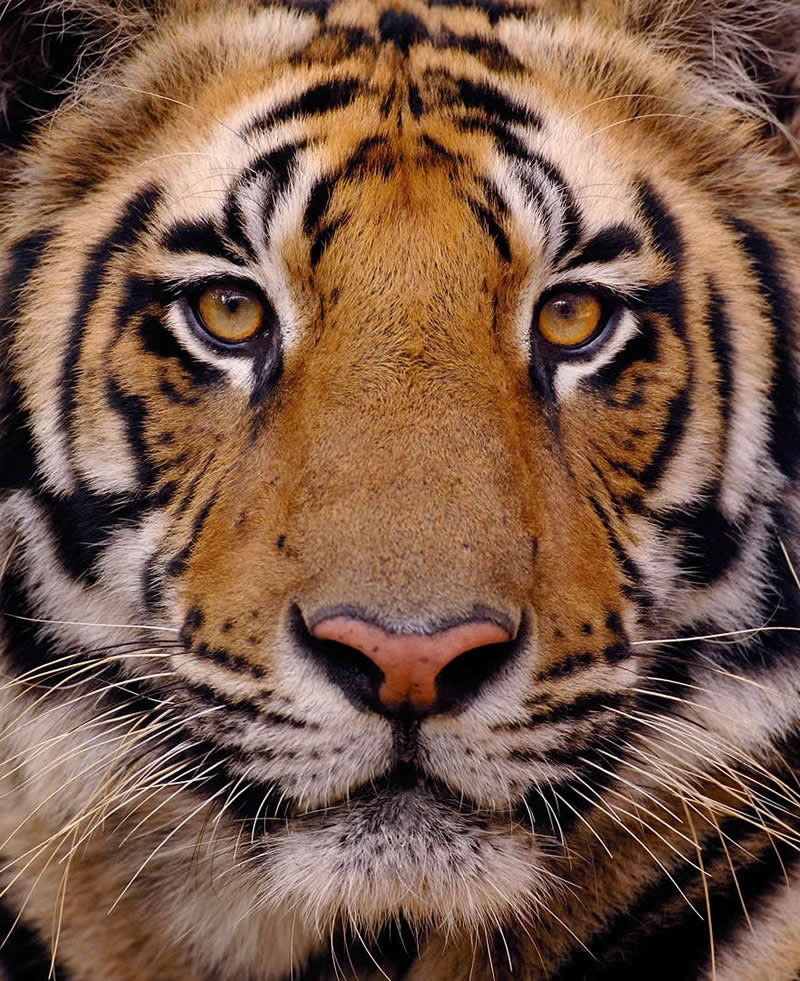
Photo by: Andy Parkinson
#2
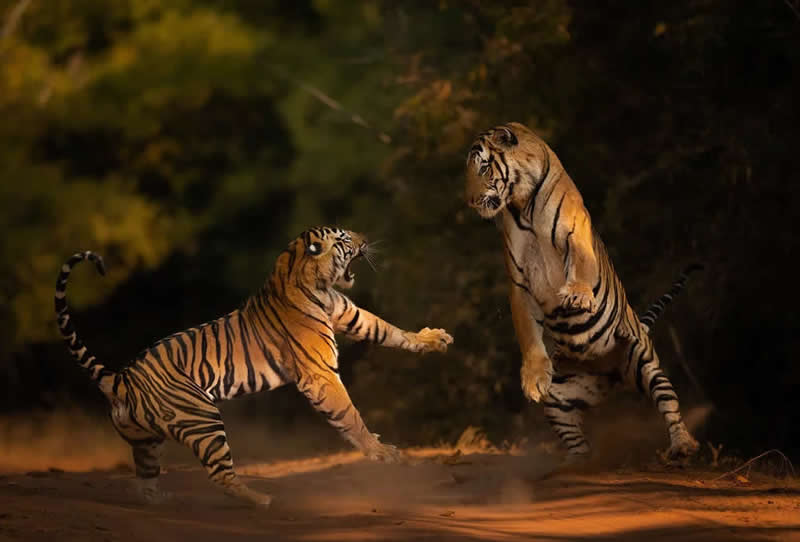
Photo by: Andy Parkinson
#3
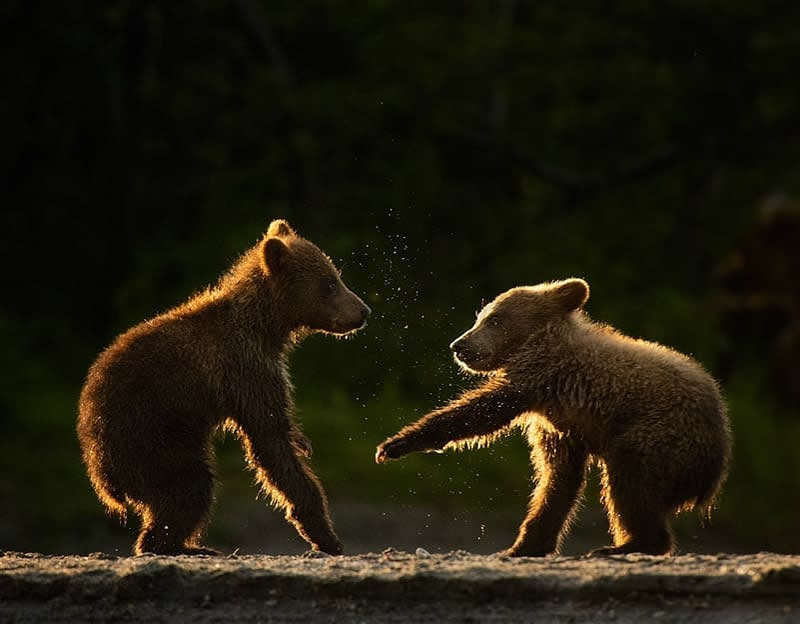
Photo by: Andy Parkinson
#4
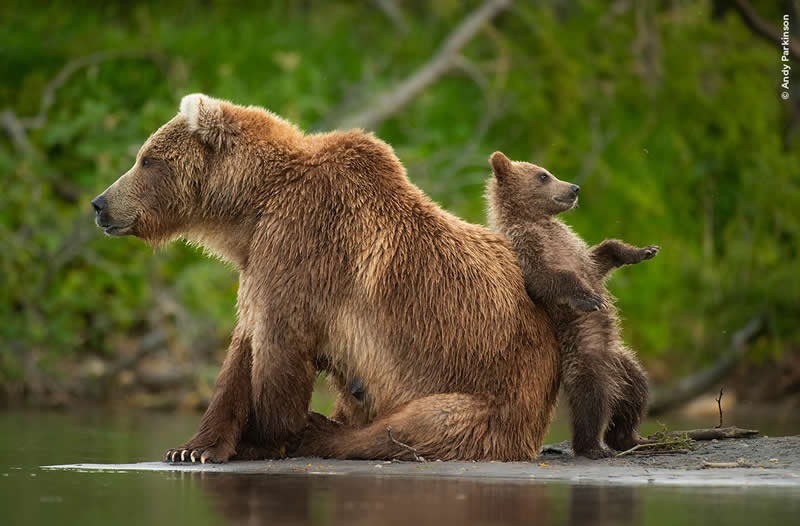
Photo by: Andy Parkinson
#5
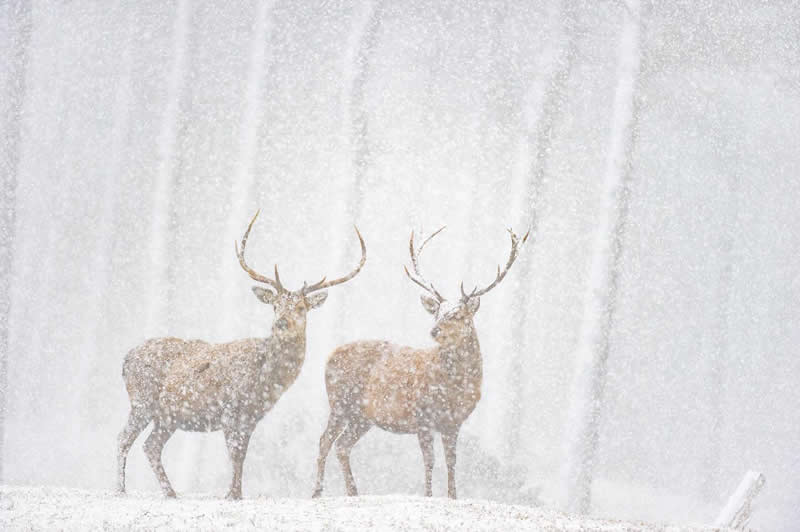
Photo by: Andy Parkinson
Respect the Animal’s Space
- Use longer lenses instead of moving closer
- Watch for stress signals like frozen posture or repeated glances
- Never block escape routes or feeding paths
- Let the animal control the distance, not you
- If behavior changes, you’re already too close
#6
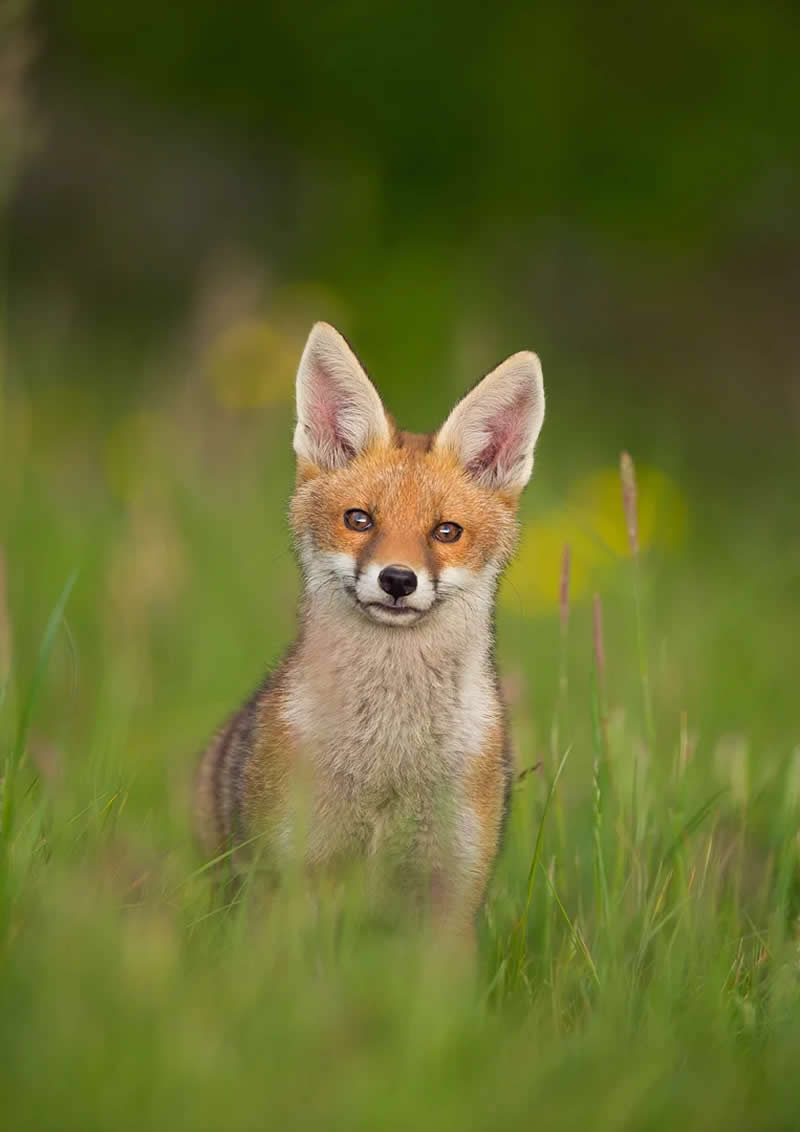
Photo by: Andy Parkinson
#7
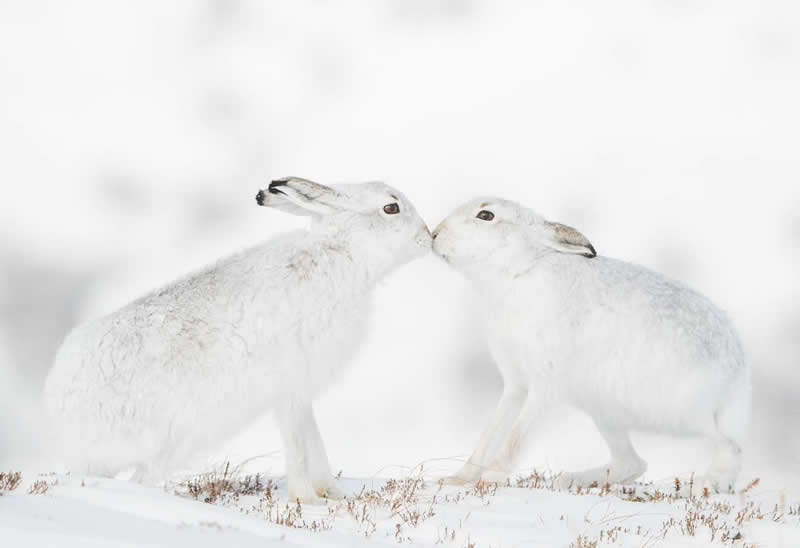
Photo by: Andy Parkinson
#8
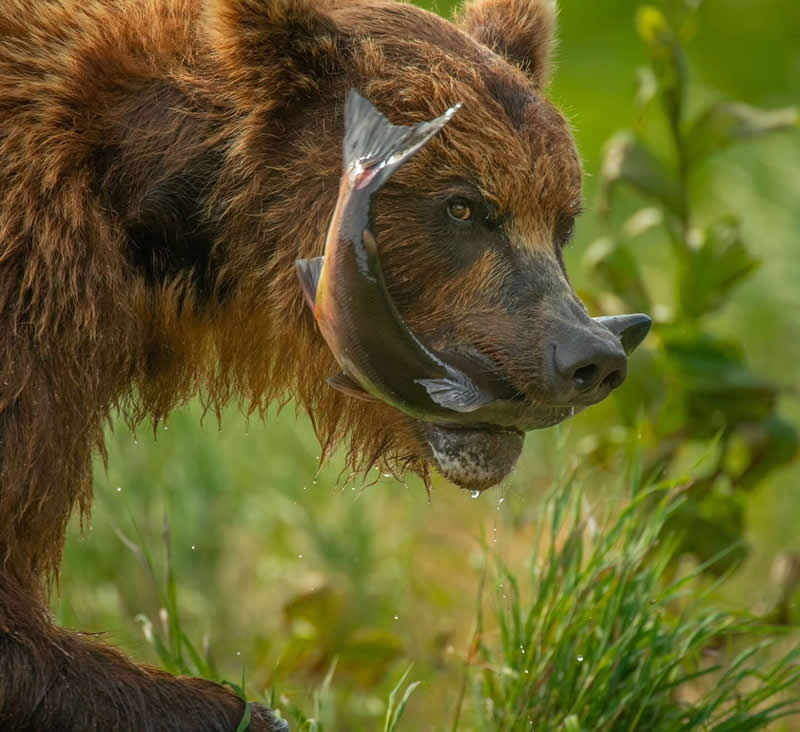
Photo by: Andy Parkinson
#9
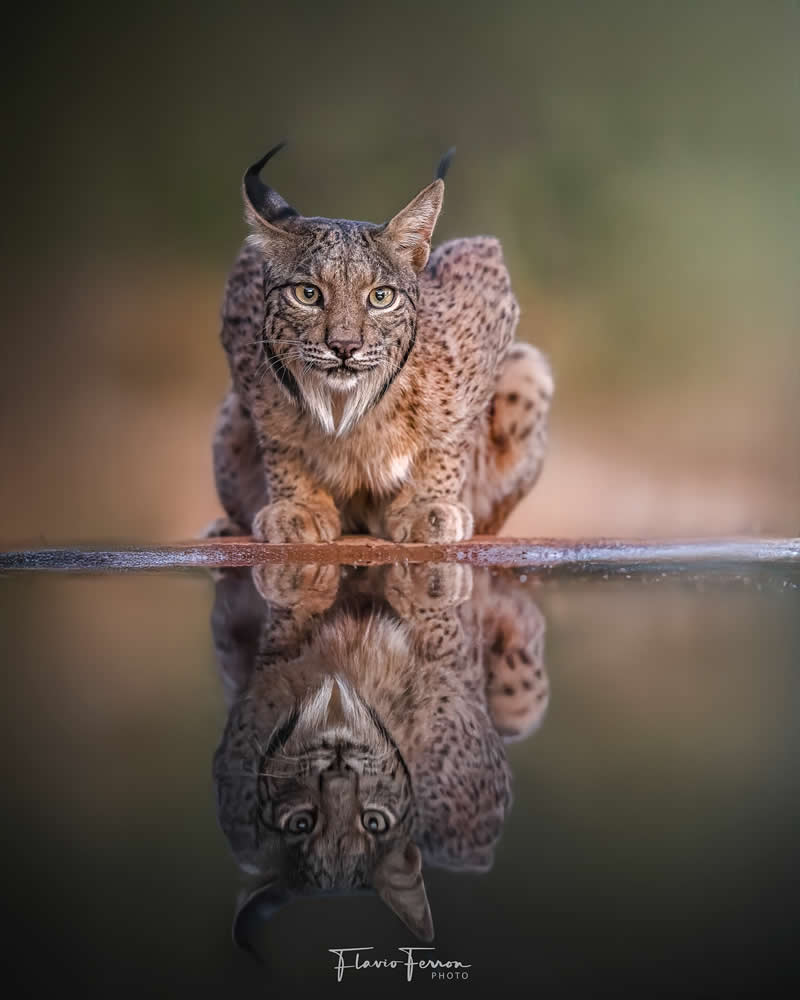
Photo by: Flavio Ferron
#10
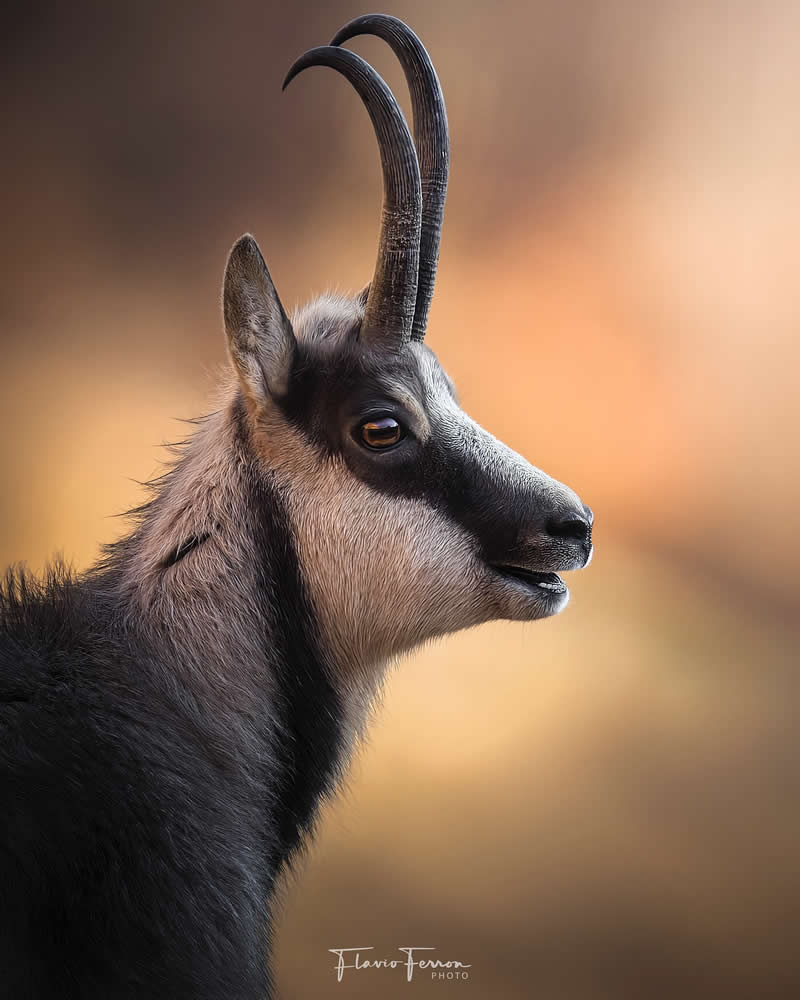
Photo by: Flavio Ferron
Photograph Natural Behavior, Not Reactions
- Avoid baiting, calling, or provoking animals
- Skip artificial sounds or playback calls
- Observe patterns before raising your camera
- Capture moments that would happen without you
- Let patience replace interference
#11
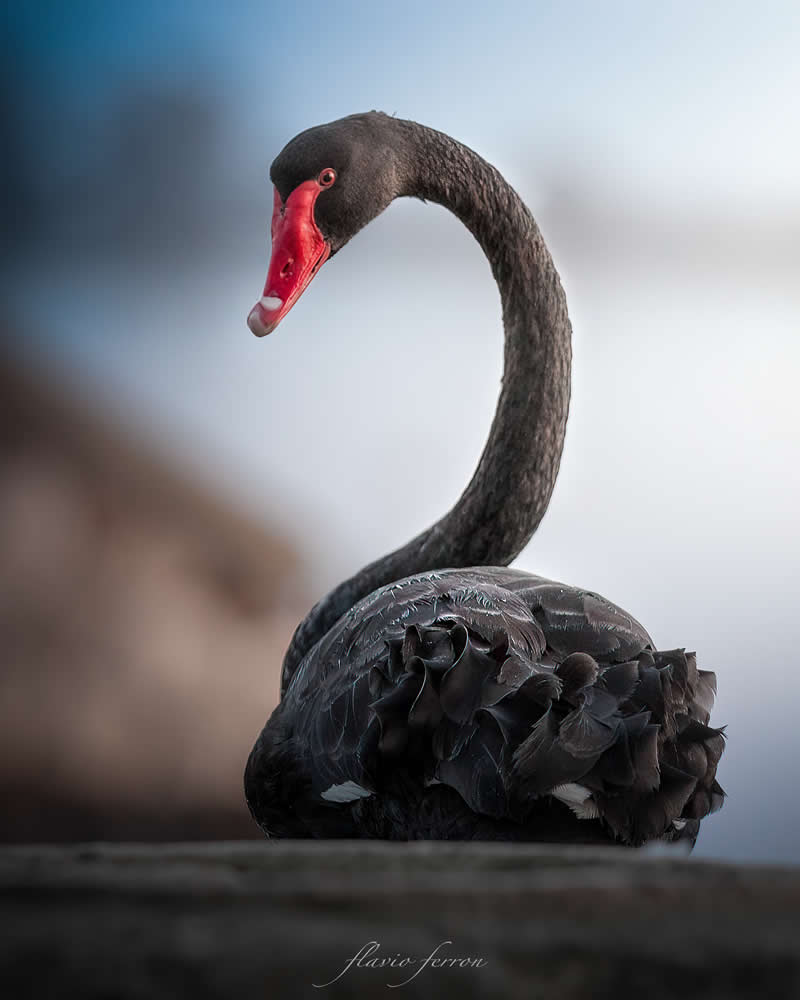
Photo by: Flavio Ferron
#12
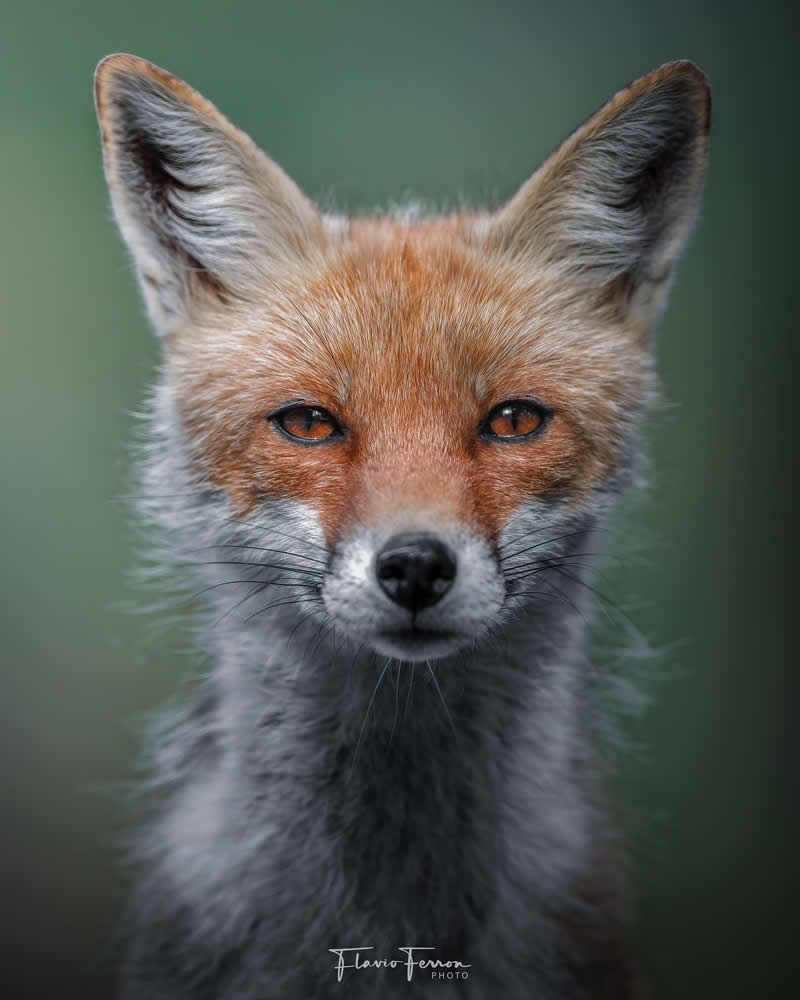
Photo by: Flavio Ferron
#13
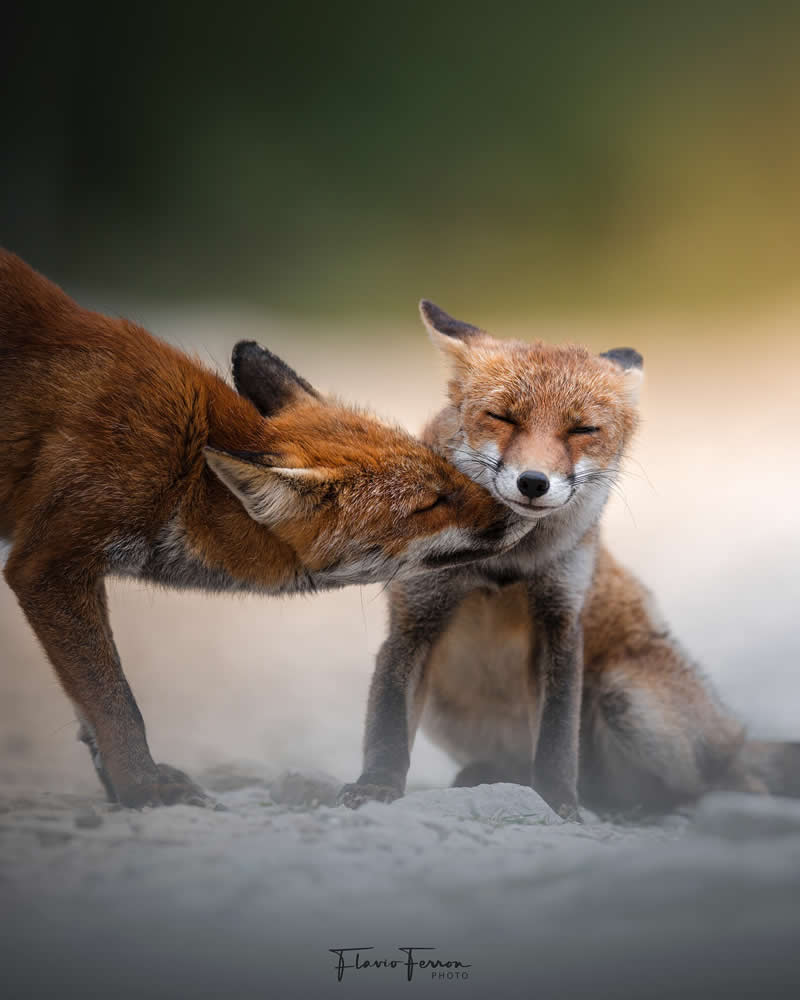
Photo by: Flavio Ferron
#14
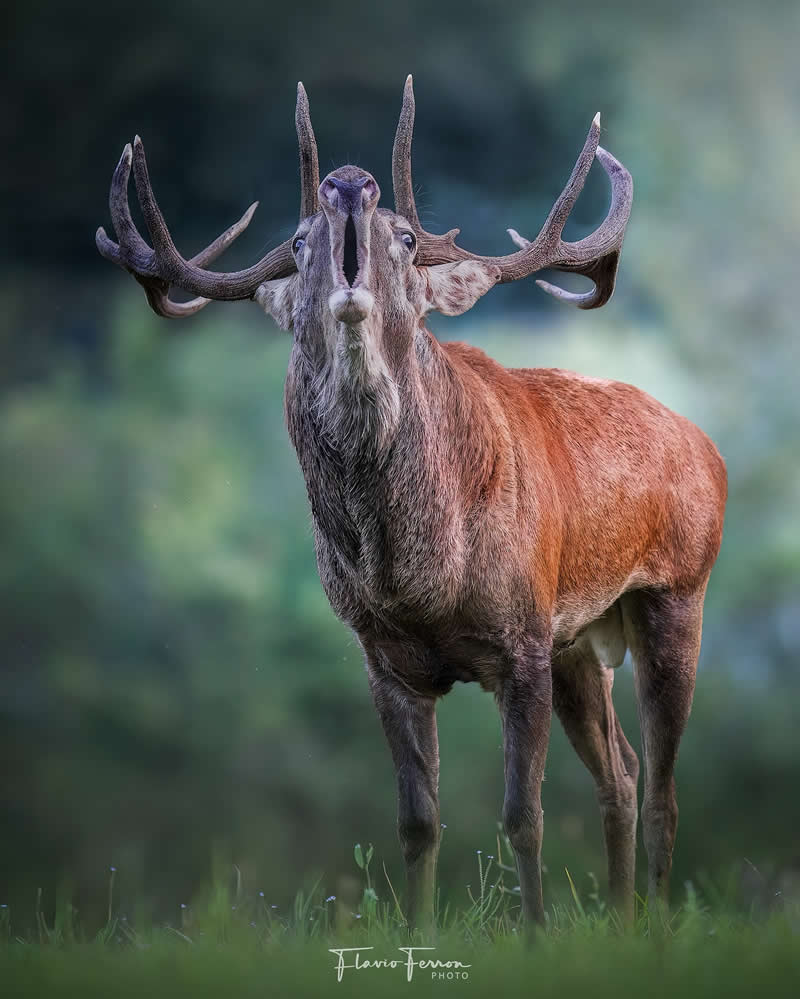
Photo by: Flavio Ferron
#15
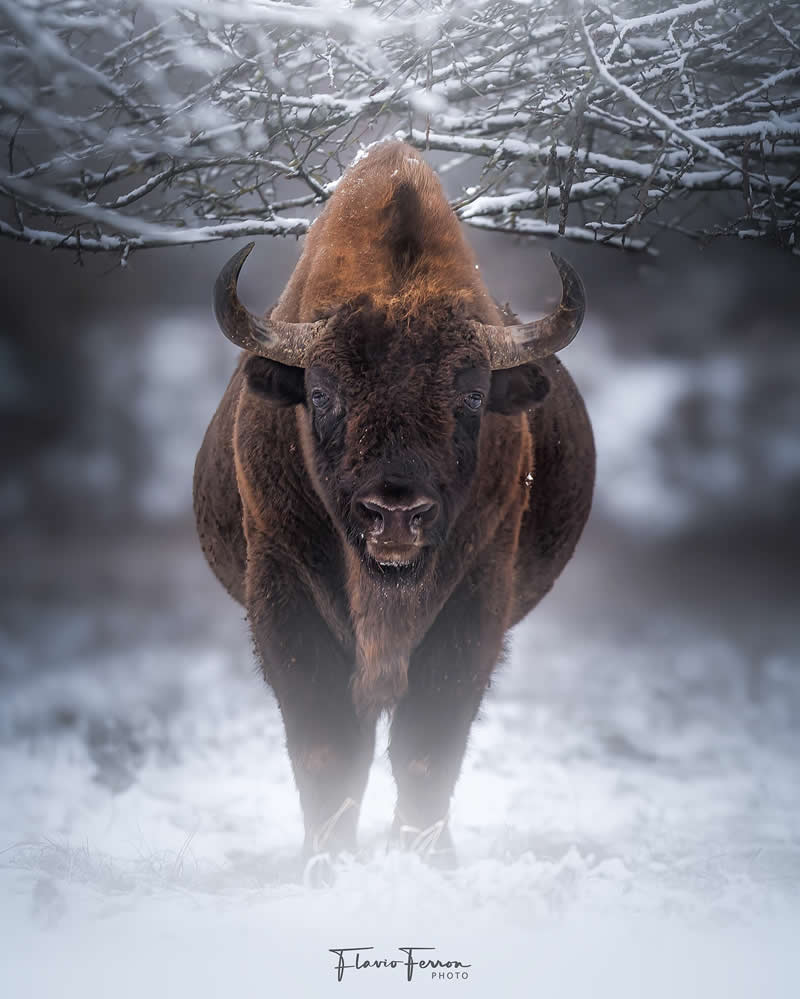
Photo by: Flavio Ferron
Blend In, Don’t Stand Out
- Wear neutral, earth-toned clothing
- Keep movements slow and predictable
- Use natural cover instead of open approaches
- Stay low and avoid sudden silhouettes
- Minimize gear noise and unnecessary motion
#16
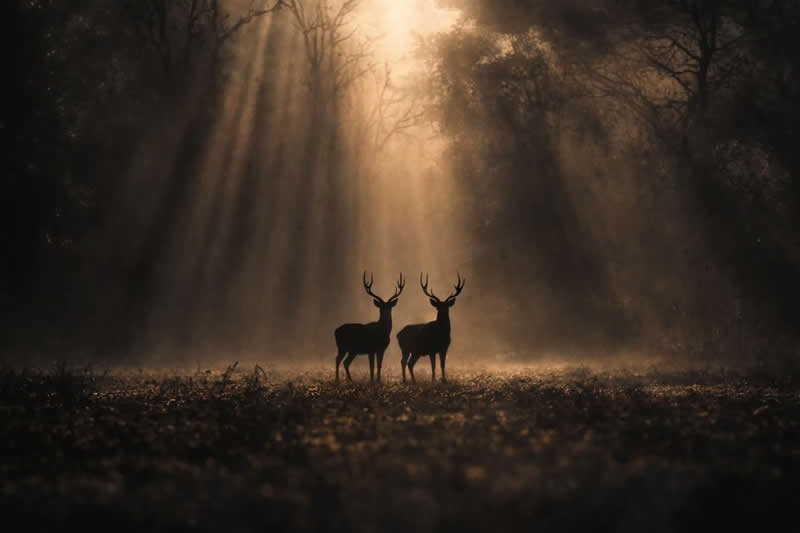
Photo by: Ashok Sikri
#17
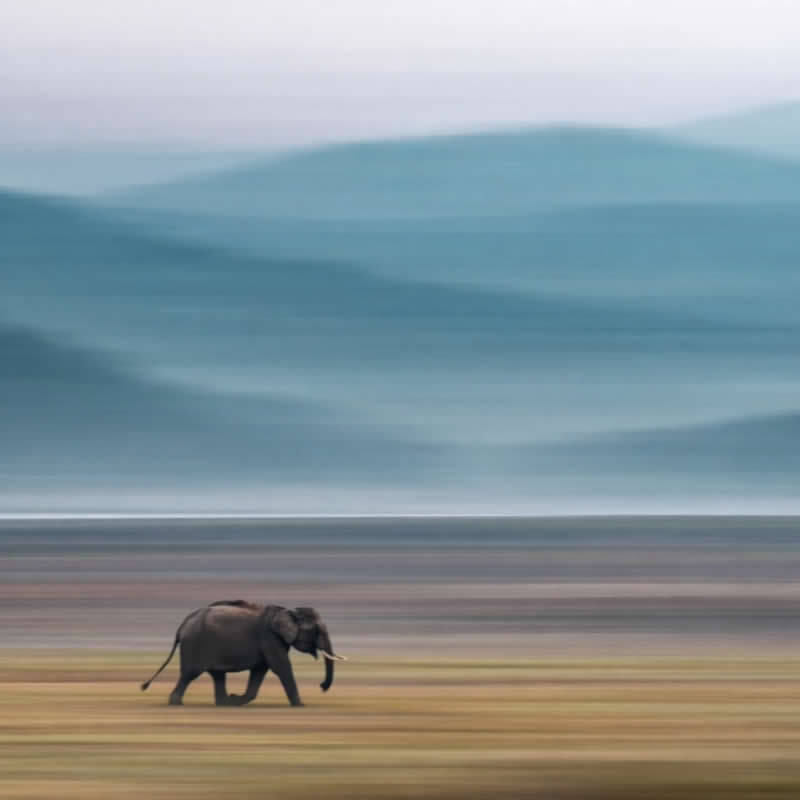
Photo by: Ashok Sikri
#18
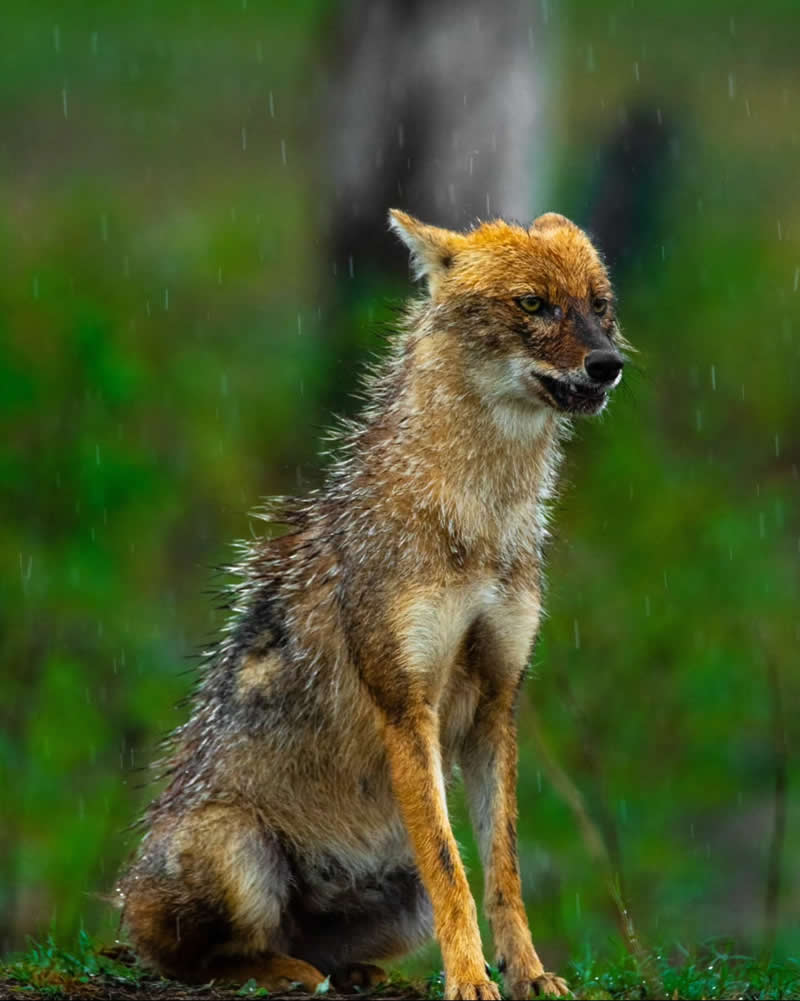
Photo by: Ashok Sikri
#19
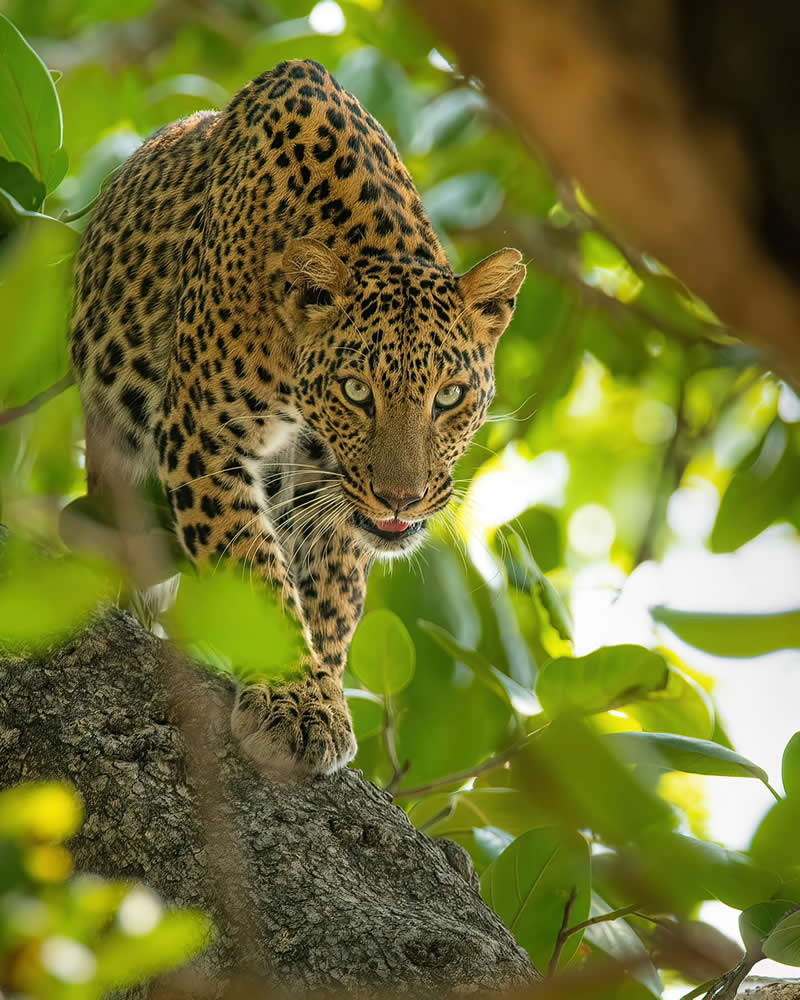
Photo by: Ashok Sikri
#20
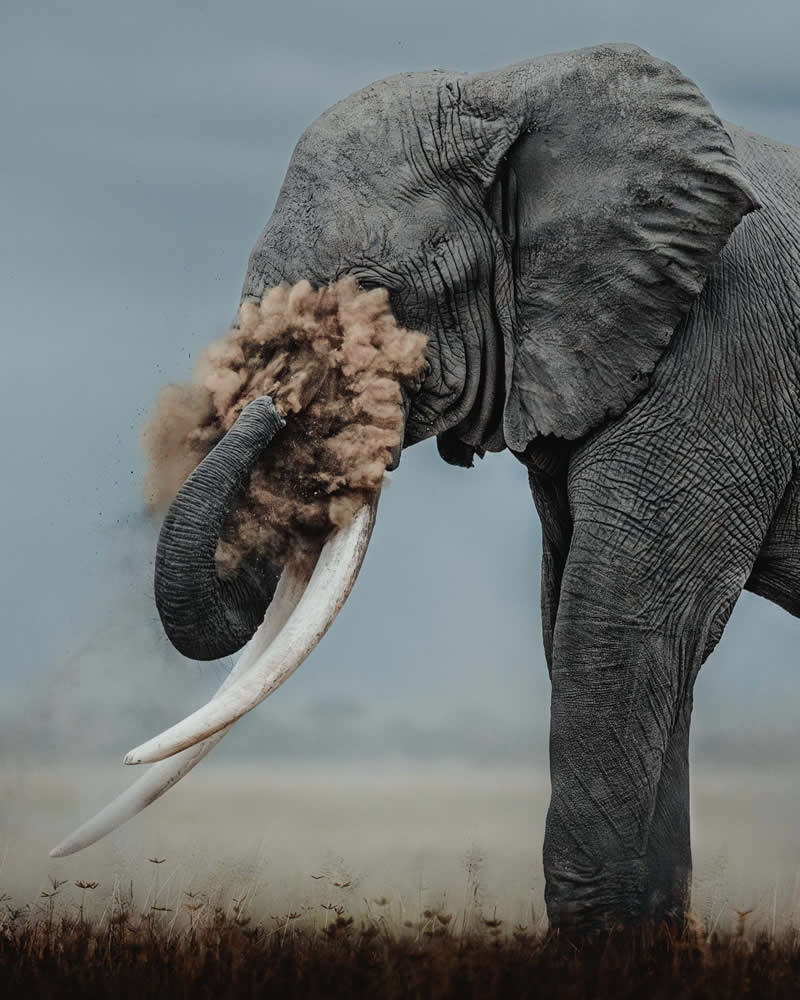
Photo by: Donal Boyd
Leave No Trace—Literally
- Never disturb nests, dens, or resting areas
- Stick to existing paths whenever possible
- Pack out everything you bring in
- Avoid trampling vegetation for a “better angle”
- Respect protected areas and local guidelines
#21

Photo by: Donal Boyd
#22
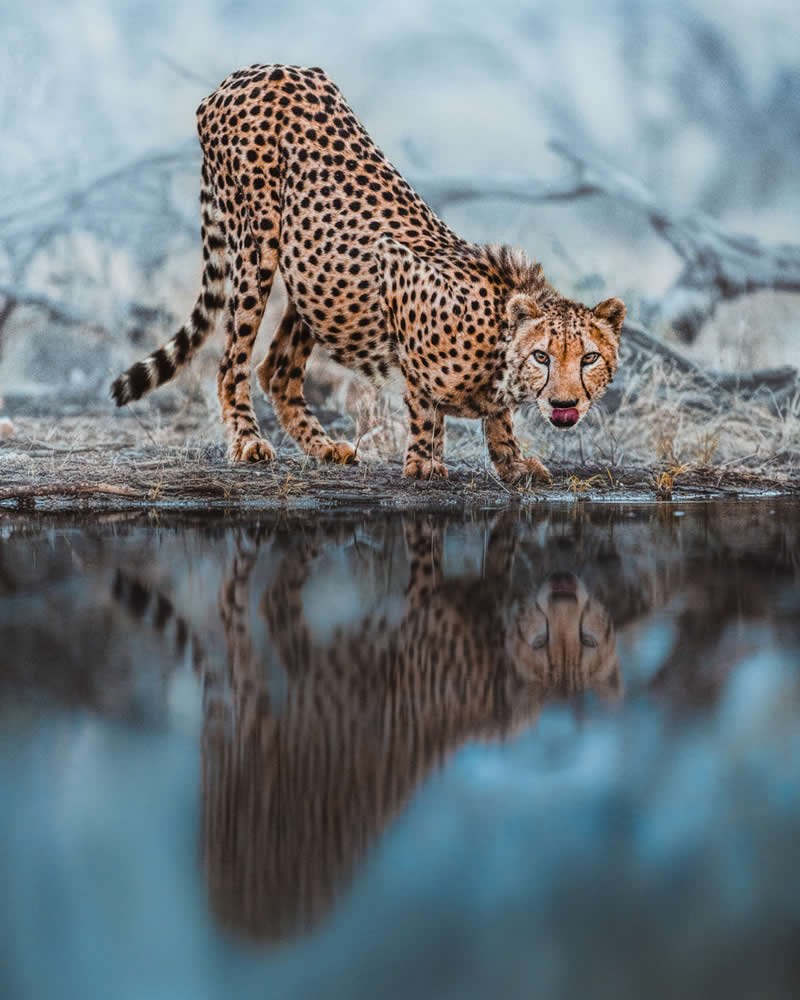
Photo by: Donal Boyd
#23
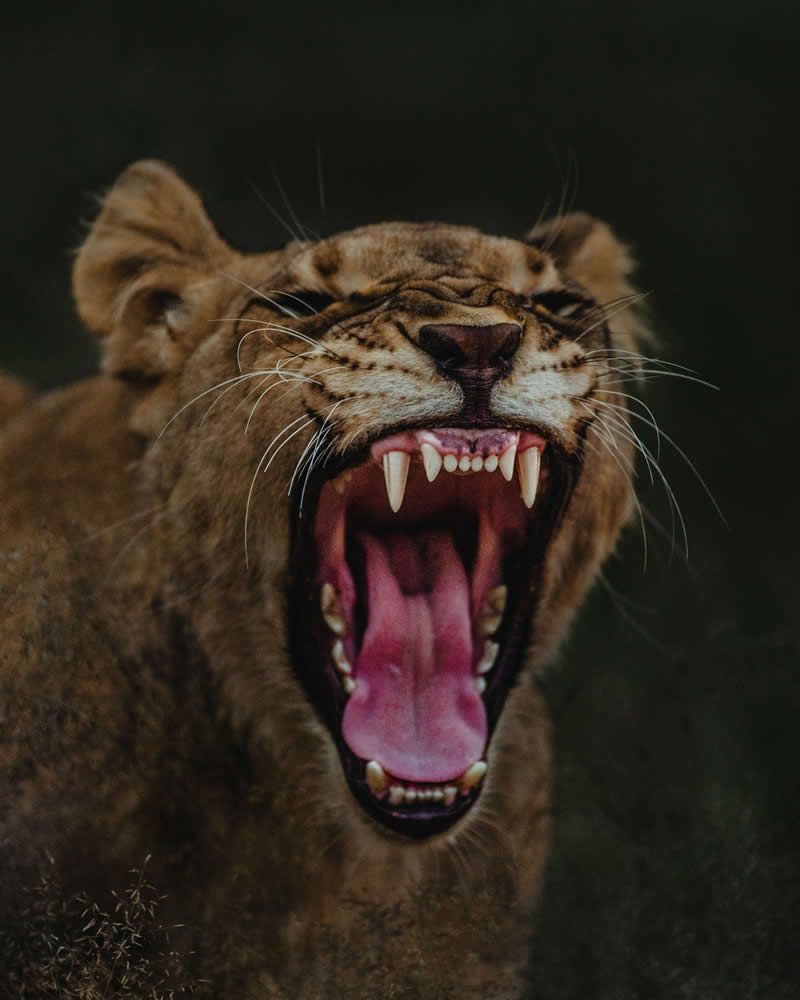
Photo by: Donal Boyd
#24
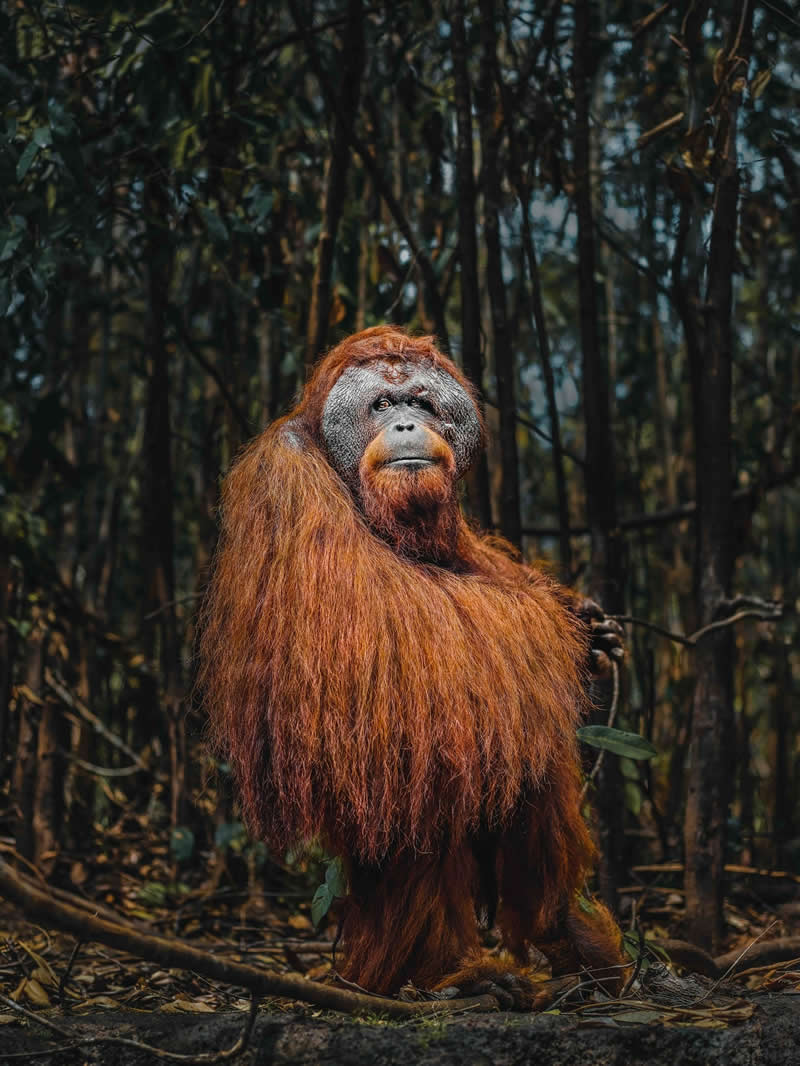
Photo by: Donal Boyd
#25
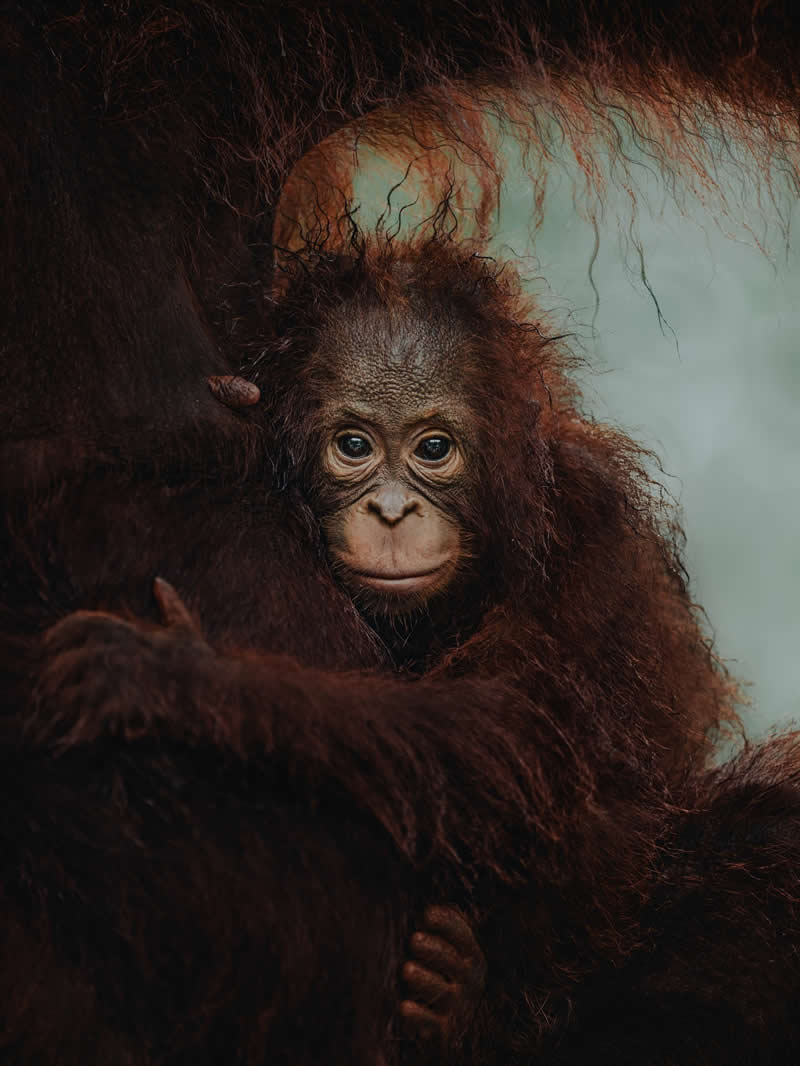
Photo by: Donal Boyd
Tell Honest Stories Through Composition
- Frame animals within their natural habitat
- Show scale using landscape and environment
- Avoid images that imply captivity or stress
- Don’t over-edit to the point of deception
- Let authenticity carry the emotional weight
#26
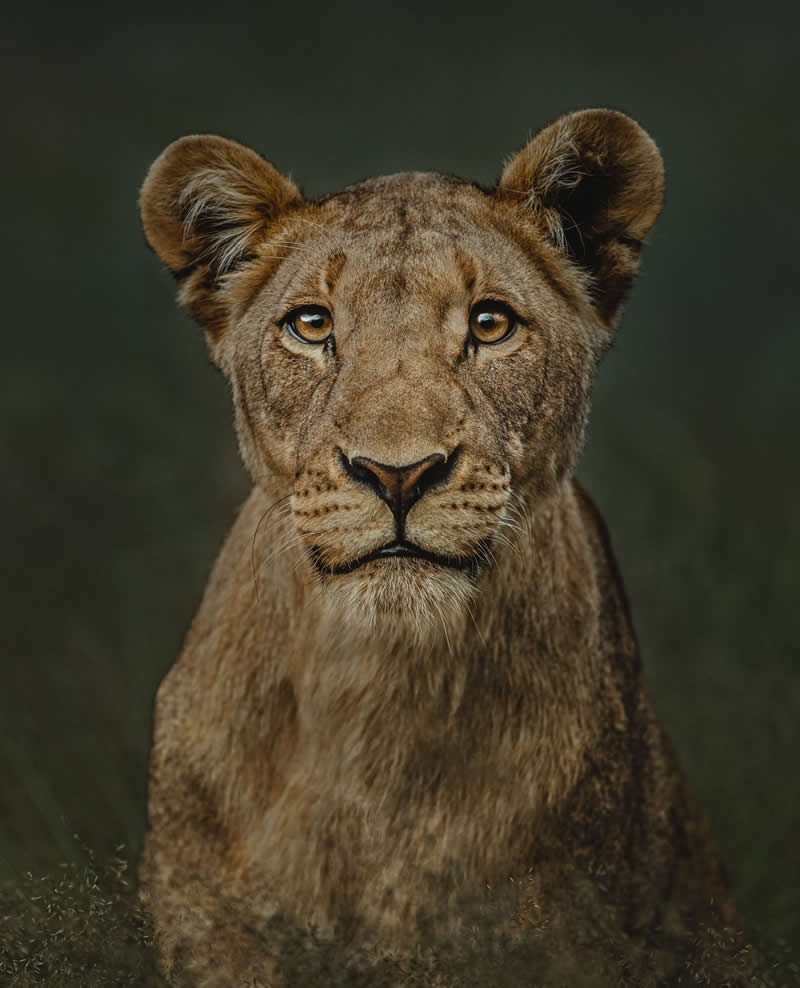
Photo by: Donal Boyd
#27
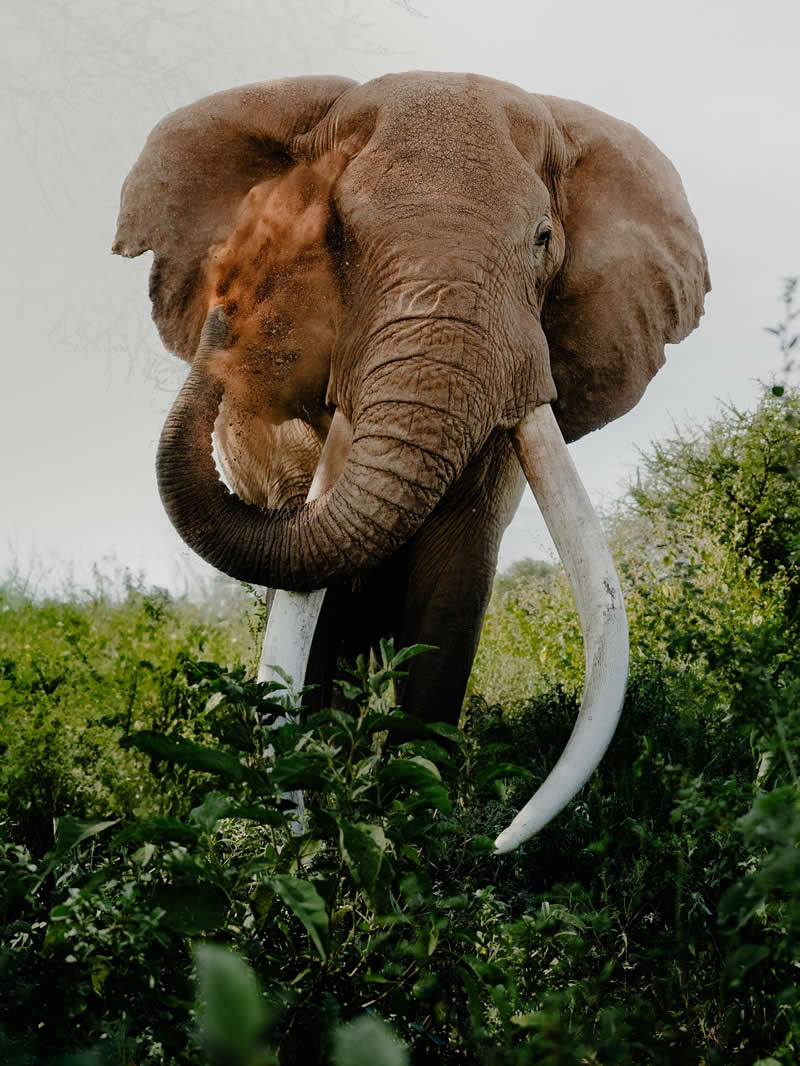
Photo by: Donal Boyd
#28
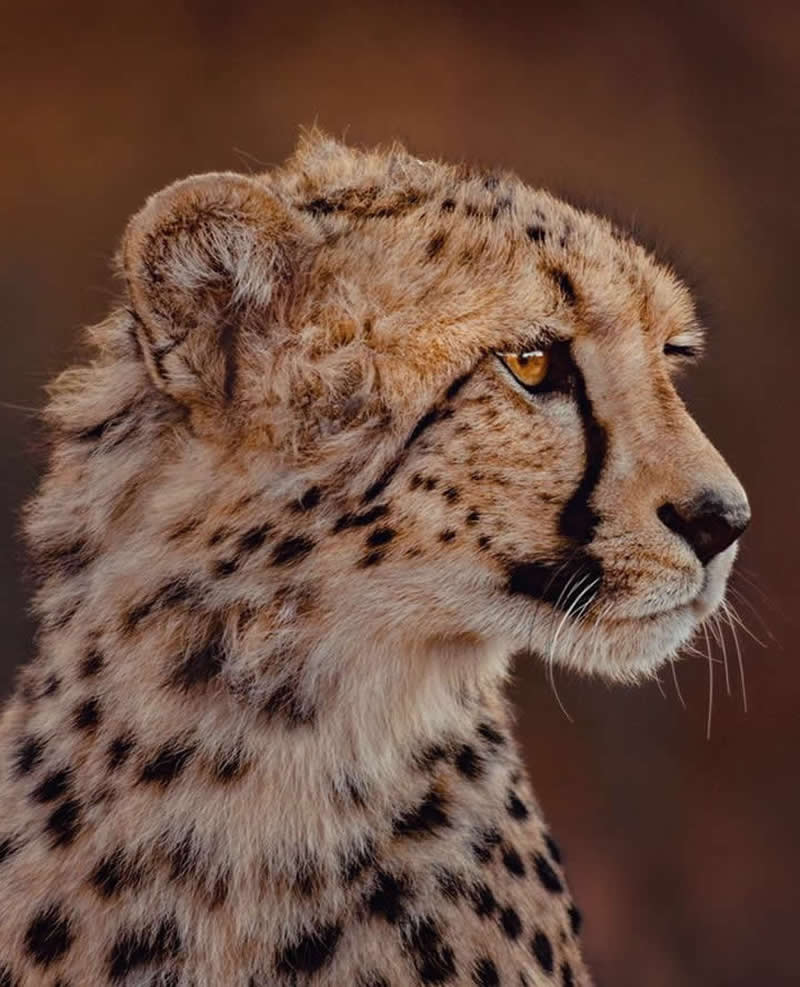
Photo by: Donal Boyd
#29
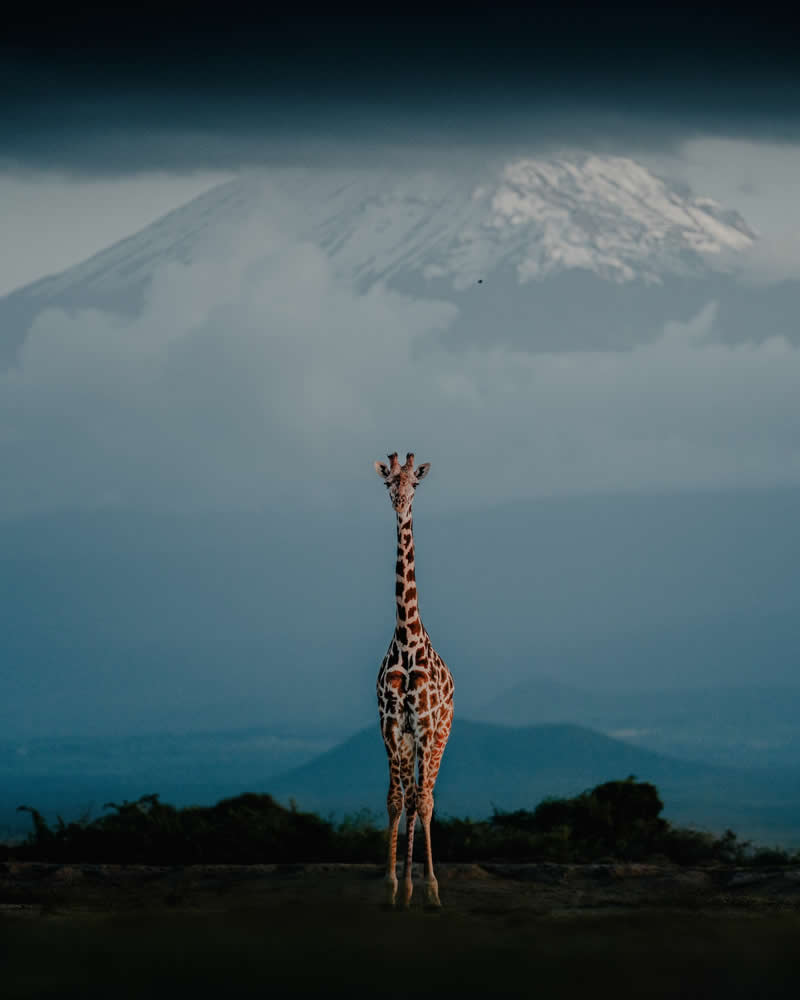
Photo by: Donal Boyd
#30
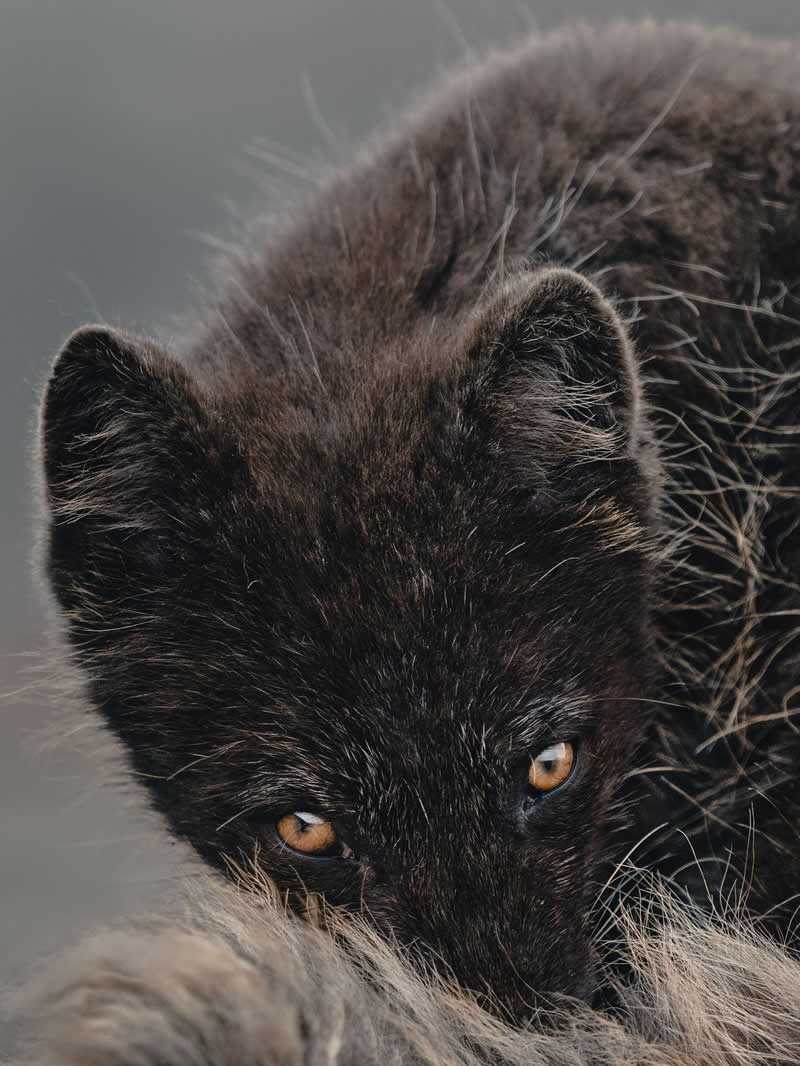
Photo by: Donal Boyd
Use Your Images to Support Conservation
- Share context when posting wildlife photos
- Credit locations responsibly—avoid sensitive tagging
- Collaborate with conservation organizations
- Educate viewers without preaching
- Let your work advocate quietly but clearly
#31
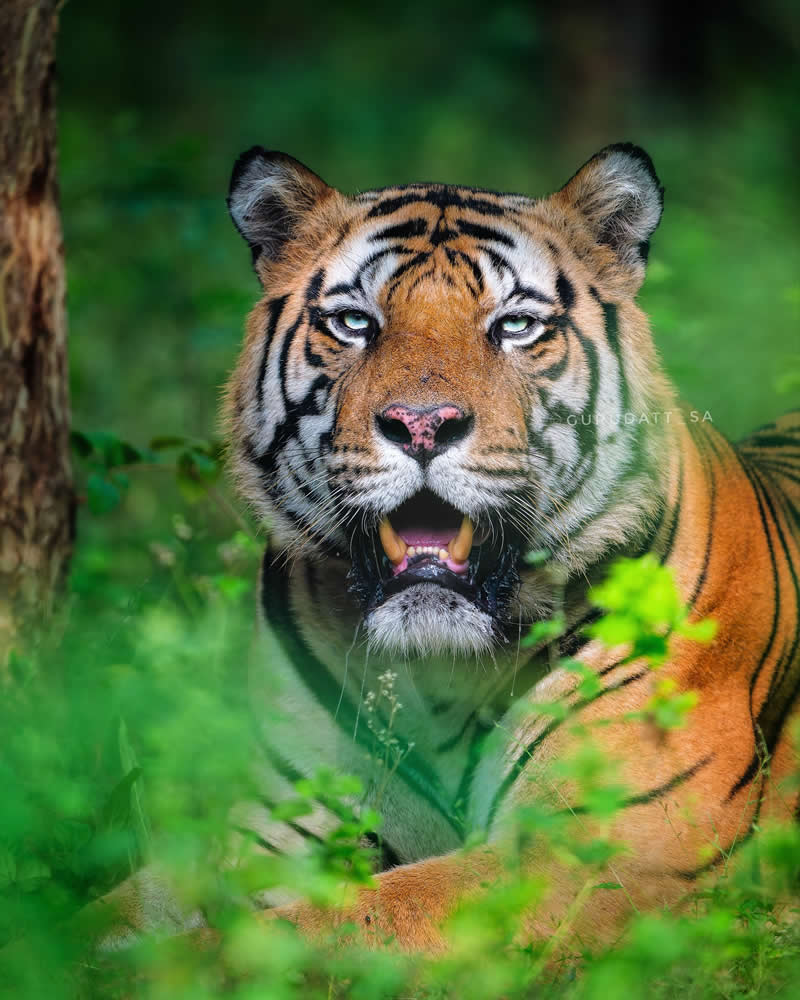
Photo by: Gurudatt S A
#32
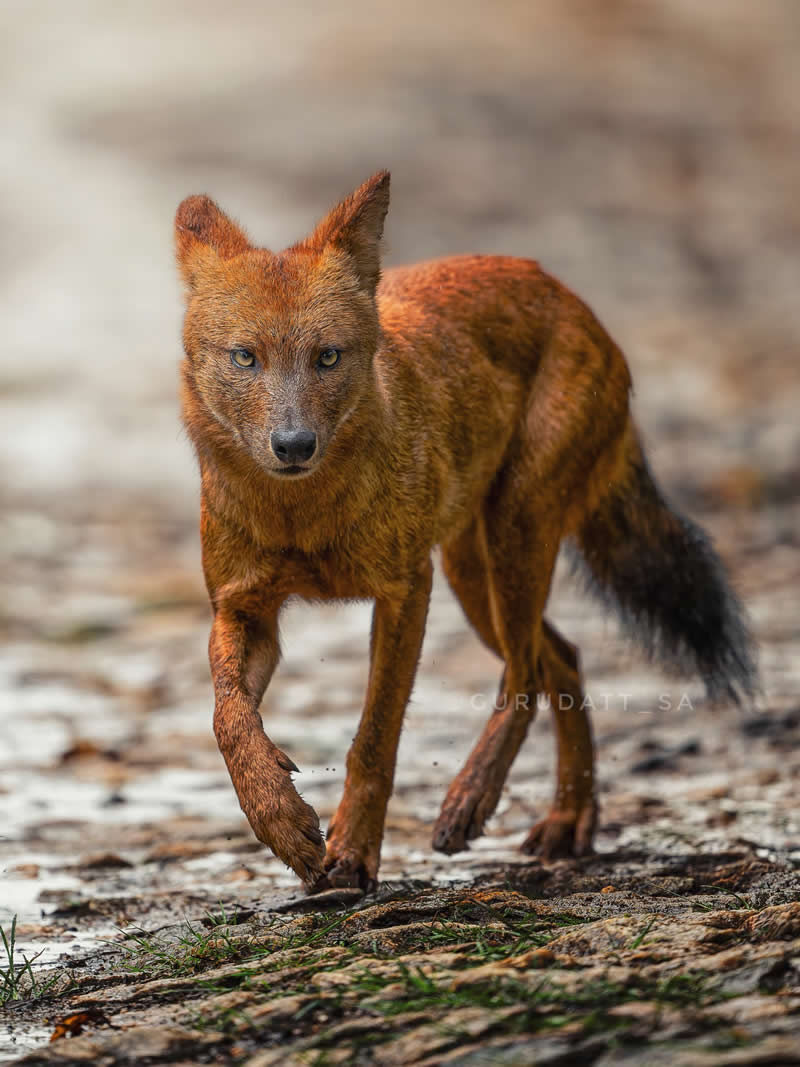
Photo by: Gurudatt S A
#33
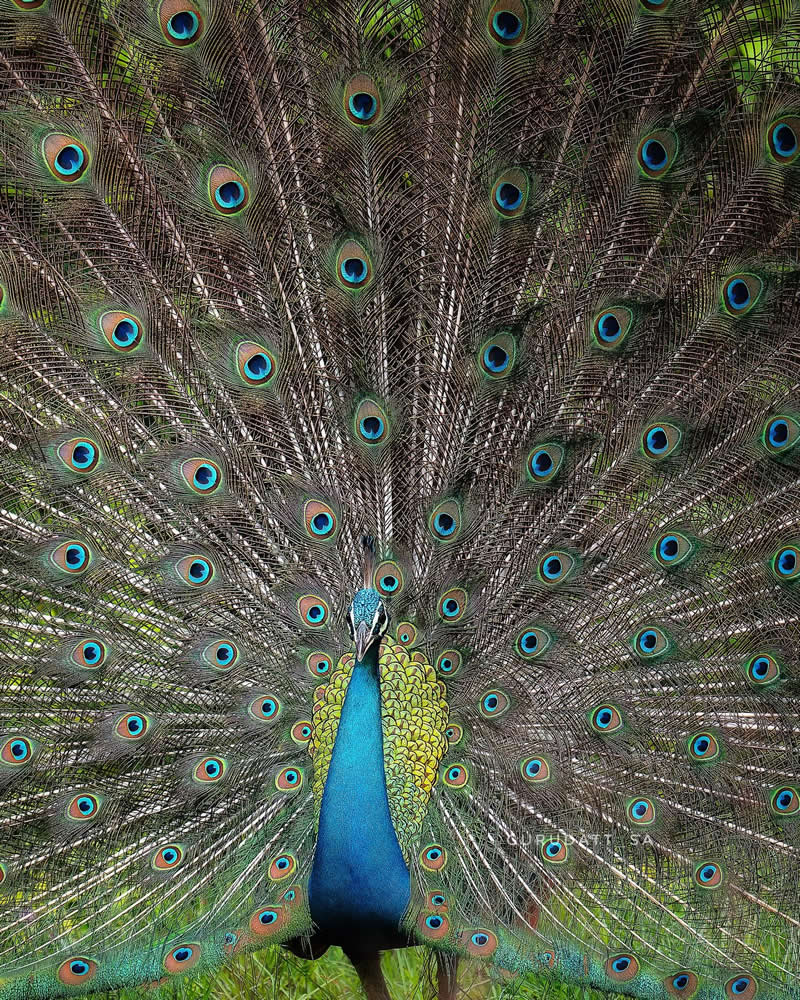
Photo by: Gurudatt S A
#34
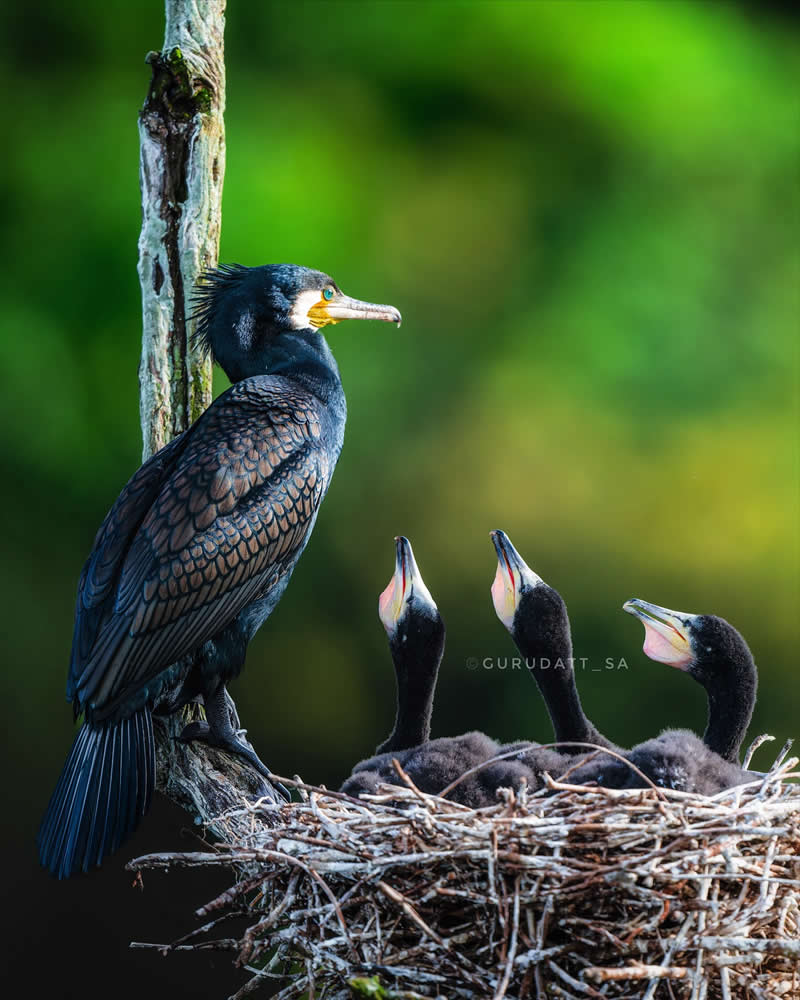
Photo by: Gurudatt S A
#35
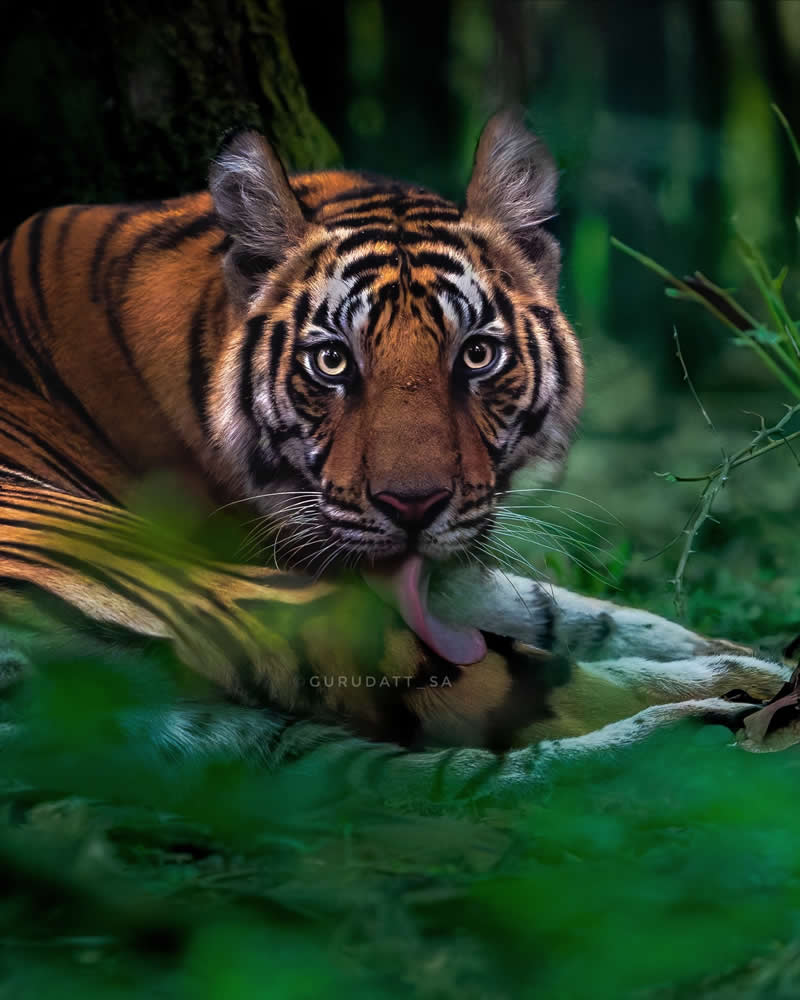
Photo by: Gurudatt S A
In Summary
What is this photo collection about?
- It showcases 35 powerful wildlife photos celebrating animals in their natural habitat.
What style of wildlife photography is featured?
- A mix of close-up portraits and wide environmental shots with strong composition and framing.
Where were these wildlife photos taken?
- Across different regions worldwide, highlighting global biodiversity.
Who captured these images?
- Talented wildlife photographers known for patience, skill, and ethical practices.
Why is wildlife conservation important in photography?
- These images raise awareness and remind viewers why protecting wild spaces matters.







 English (US) ·