
 3 weeks ago
57
3 weeks ago
57
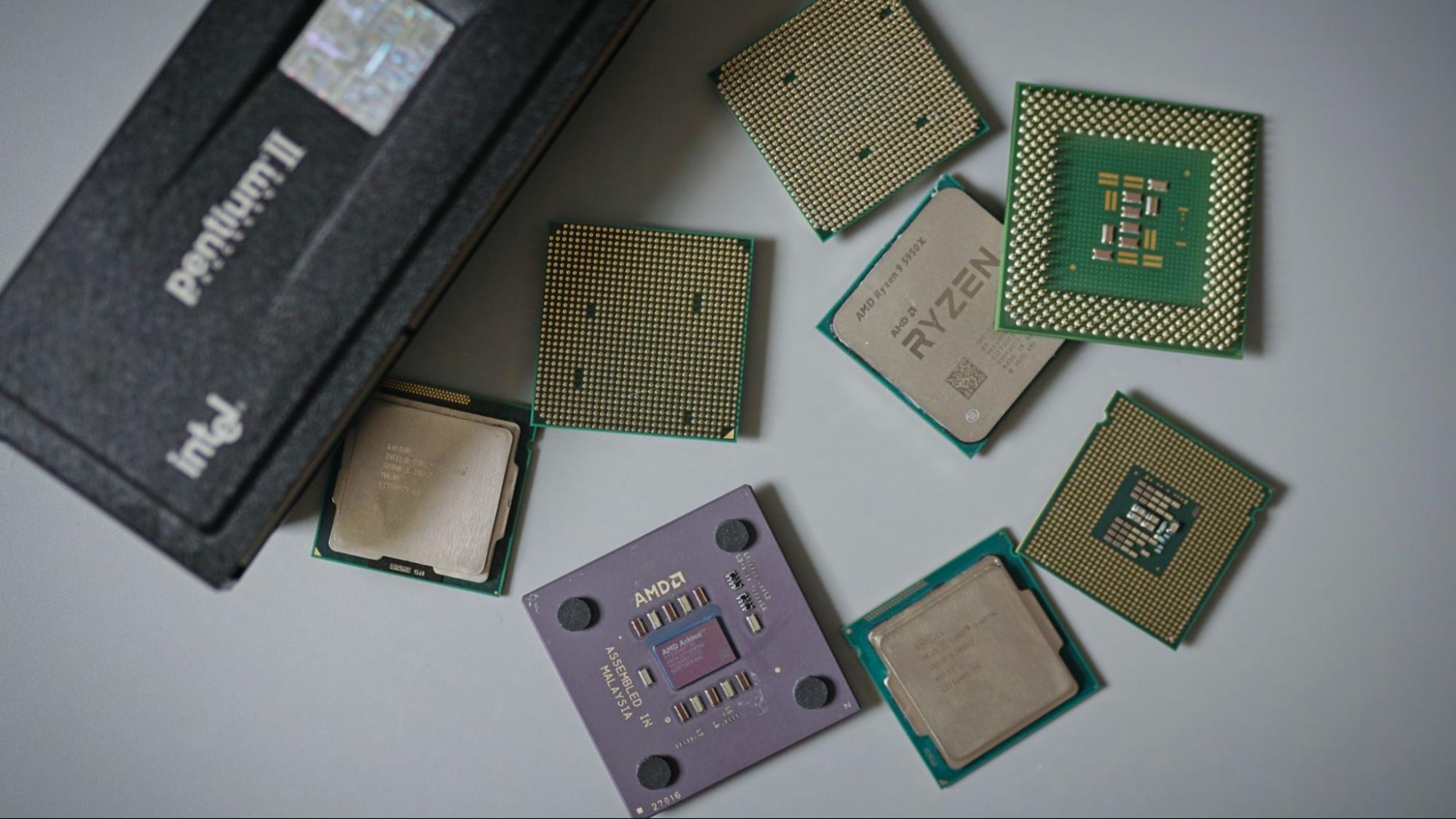
We're celebrating the 30th anniversary of Tom's Hardware. Since the beginning of Tom’s Hardware in 1996, we’ve been covering CPUs. Over the course of the past 30 years, we’ve maintained a comprehensive list of the best CPUs for gaming by reviewing each new release, and we’ve compiled thousands of data points spanning years to compile our CPU benchmark hierarchy. From the Pentium II and the introduction of Dual Data Rate memory to dual 3D V-Cache CPUs, Tom’s Hardware has been there for it all.
It’s time to look back, not just on Tom’s Hardware’s role in the world of CPUs over the past 30 years, but on the broader CPU market. Earth-shattering releases at a given time turned out to be footnotes in hindsight, and bubbling competition that seemed like no real threat turned into seismic shifts in the AMD vs. Intel battle. Hopefully, along the way, we’ll see some reflections of what’s going on in the world of CPUs today.
This is a celebration of 30 years of CPU coverage here at Tom’s Hardware, a history lesson about how the AMD and Intel of yesteryear arrived at the positions they’re in today, and a retrospective of the CPUs that stood the test of time against the refreshes that faded into obscurity just as soon as they were released. We hope you enjoy it.
Ruffling feathers from day one (1996 - 1998)
Ruffling feathers from day one (1996 - 1998)
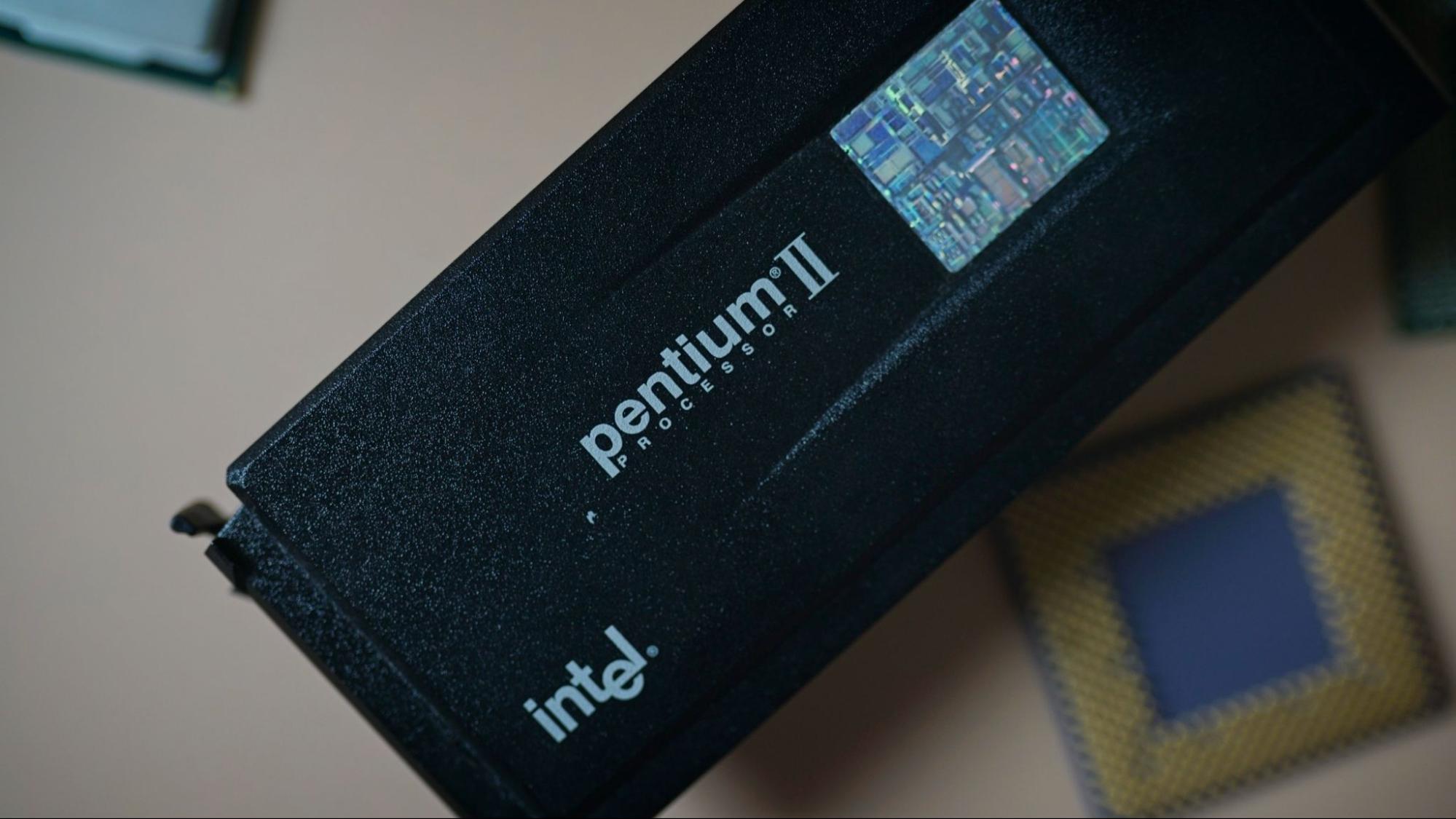
Like much of the early internet, the true beginnings of Tom’s Hardware (or, rather, Tom’s Hardware Guide) is difficult to pin down, but the earliest archived article concerns the SoftMenu BIOS, which allowed you to change CPU settings through software rather than physical jumper cables; it should go without saying that this article was from July 1, 1996. There were articles before this one, with the original domain of sysdoc.pair.com going online in February 1996.
Tom’s Hardware gained a lot of traction a year later with a CPU review: a look at the Intel Pentium II ‘Klamath’ processor.
Swipe to scroll horizontally
| Row 0 - Cell 0 | Pentium II Klamath |
Core Ultra 7 270K Plus |
Ryzen 9 9950X |
Transistors |
7.5 million |
17.8 billion |
16.63 billion |
Node |
350 nm |
3 nm |
4 nm |
Die size |
203 mm² |
243 mm² |
2 x 70.6 mm² |
Max clock speed |
300 MHz |
5.5 GHz |
5.7 GHz |
Price (w/ Inflation) |
~$700 (~$1,450) |
$300 |
$500 |
Tom’s Hardware’s founder, Thomas Pabst, had discussed CPUs previously, like in a dense CPU guide published the same year, but the Intel Pentium II review marked a turning point. It was published March 1, 1997, more than two months before Intel launched the Pentium II 80522 (or Klamath). It was not positive: “...since I wouldn't eat [Mad Cow Disease] infected beef, I wouldn't be interested in risking an infection of my computer with this CPU either,” wrote Pabst.
The CPU wasn’t officially available, but Pabst was able to test the chip with a pre-release unit shared by two German magazines: C'T Magazin fur Computertechnik and PC Professionell. Following the publication of all three reviews, Intel targeted the two German magazines, threatening to withhold advertising dollars and take legal action against them. Pabst publicized this fiasco and was contacted by The New York Times, which also covered the story. Intel backed down. Pabst later wrote that “...this 'David against Goliath'-incident made Tom's Hardware Guide very famous.”
In the following months, Pabst focused on CPUs quite a bit, breaking from the performance-tuning guides and general enthusiast information the website had previously published. The situation with Intel made Pabst a “secret star,” so much so that AMD not only offered Pabst a free review unit of the upcoming K6, but also apparently offered to cover legal fees should Intel pursue the situation further.
Although the unofficial review of the Pentium II predates it, the first review that looks most like the technical reviews that have been published on Tom’s Hardware for decades came in April 1997 with a review of the AMD K6, a CPU that established AMD as a true competitor to Intel, claiming Pentium II-like speeds for less money.
The performance wasn’t quite on the level of a Pentium II, most notably because the K6 originally arrived at 233 MHz, when 266 MHz was promised. But it was competitive, particularly when compared to the Pentium II 233, and much cheaper. Pabst concluded the review, “All in all I'm sure that this CPU will be very successful… Whoever is contemplating the purchase of an Intel Pentium or Pentium MMX CPU can forget about this now. The AMD K6 is faster and cheaper.”
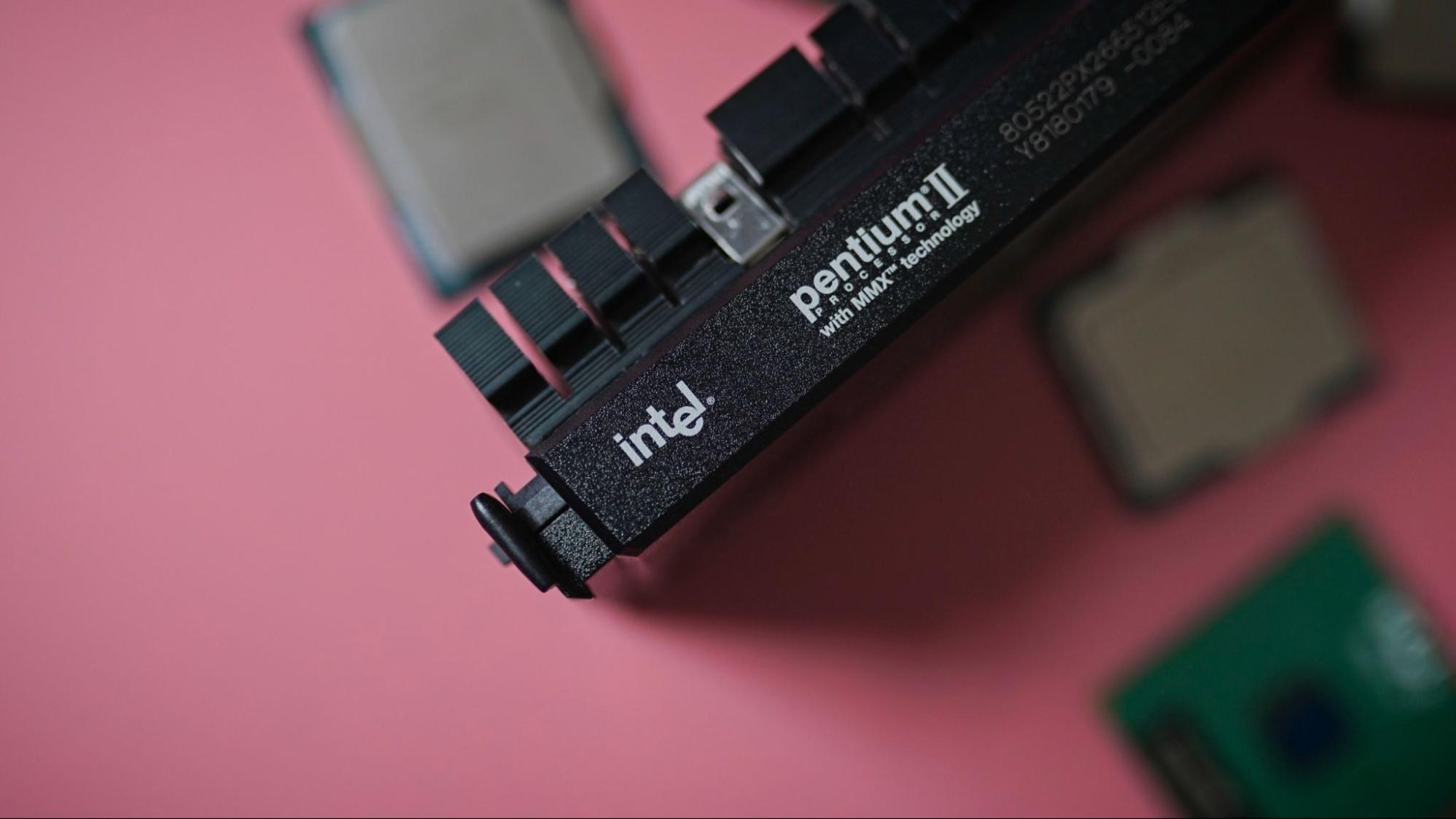
Later that same month, Pabst published a proper review of the Pentium II, now using finalized silicon. In DOS games and the 32-bit Windows NT, Pentium IIs showed a commanding lead over the K6, though the battle on Windows 95 was closer. “The world is back to normal. Intel’s managers can sleep quietly again. The Pentium II shows that Intel is still the leader in the CPU market,” the review concluded.
A review of the Cyrix/IBM 6x86MX went live in 1997, as well, showing competitive performance with the K6, but much of the rest of the year was focused elsewhere after the Pentium II/K6 showdown. Looking back, it’s interesting to note the dynamic at play between AMD and Intel, with Pabst using a running gag of referring to Intel as the “Empire,” and competitors like AMD and Cynix as “Rebels.” Although Intel backed away from further action on Pentium II, it wouldn’t be the last time Pabst and Intel butted heads.
The Pentium III incident (1999 - 2001)
The Pentium III incident (1999 - 2001)
The competitive performance of K6 brought AMD into focus as the rival to Intel, which Pabst often described as “almost-monopolistic” at the time. However, AMD really put itself on the map with the release of K7, or as it’s better known, Athlon, in June 1999. In our review, we described it as “a milestone in the whole processor scene,” due in part to AMD’s unique three-way instruction decoder, which allows instructions of variable complexity through all three lanes. Intel’s P6 architecture in Pentium III also had a three-way instruction decoder, but they were segmented based on the complexity of the instruction.
We’re still firmly in the single-core era of CPUs here, so an architectural divergence like this, even before testing, represented a goldmine of speed gains. Rather than releasing several variants of silicon sliced up in different ways, as we see with modern CPUs, Intel and AMD refined their chips and released new versions with faster clock speeds. AMD released the Athlon 600 as the fastest chip in the range at 600 MHz first, but less than two months later, it introduced the Athlon 650, and two months after that, the Athlon 700.
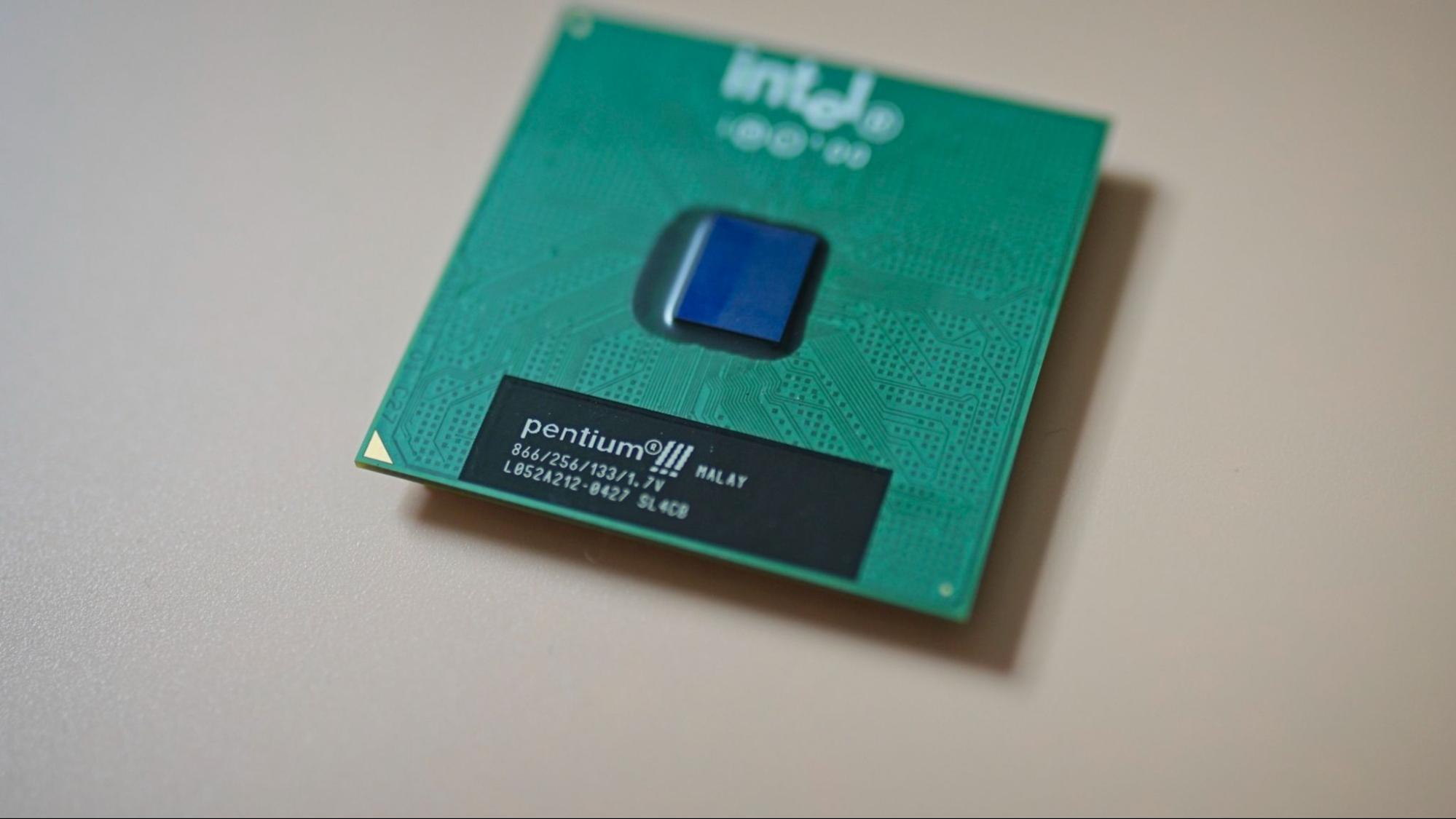
Intel was caught off guard and quickly introduced the Pentium III 600 to counter AMD. The original Pentium III range, codenamed Katmai, was largely a refinement of Pentium II ‘Deschutes’ chips; both were built using a 250nm node, in fact. In our original Athlon review, we noted instability with the Pentium III 600, suggesting the architecture couldn’t handle such high clock speeds.
The original ‘Katmai’ range of Pentium IIIs was short-lived, and later in 1999, Intel introduced a new revision called Coppermine. Coppermine introduced an on-chip L2 cache for Intel, and it was built on a 180nm node, allowing Intel to go from 9.5 million transistors on Katmai to 28 million on Coppermine, as well as push clock speeds up to 733 MHz with the initial range, squeezing out a minor increase over the Athlon 700. Less than two months later, AMD introduced Orion, or Athlon Model 2, which also used a 180nm node and clocked up to 750 MHz. This back and forth of minor clock speed improvements is going to stick with us for at least another half of a decade, so strap in.
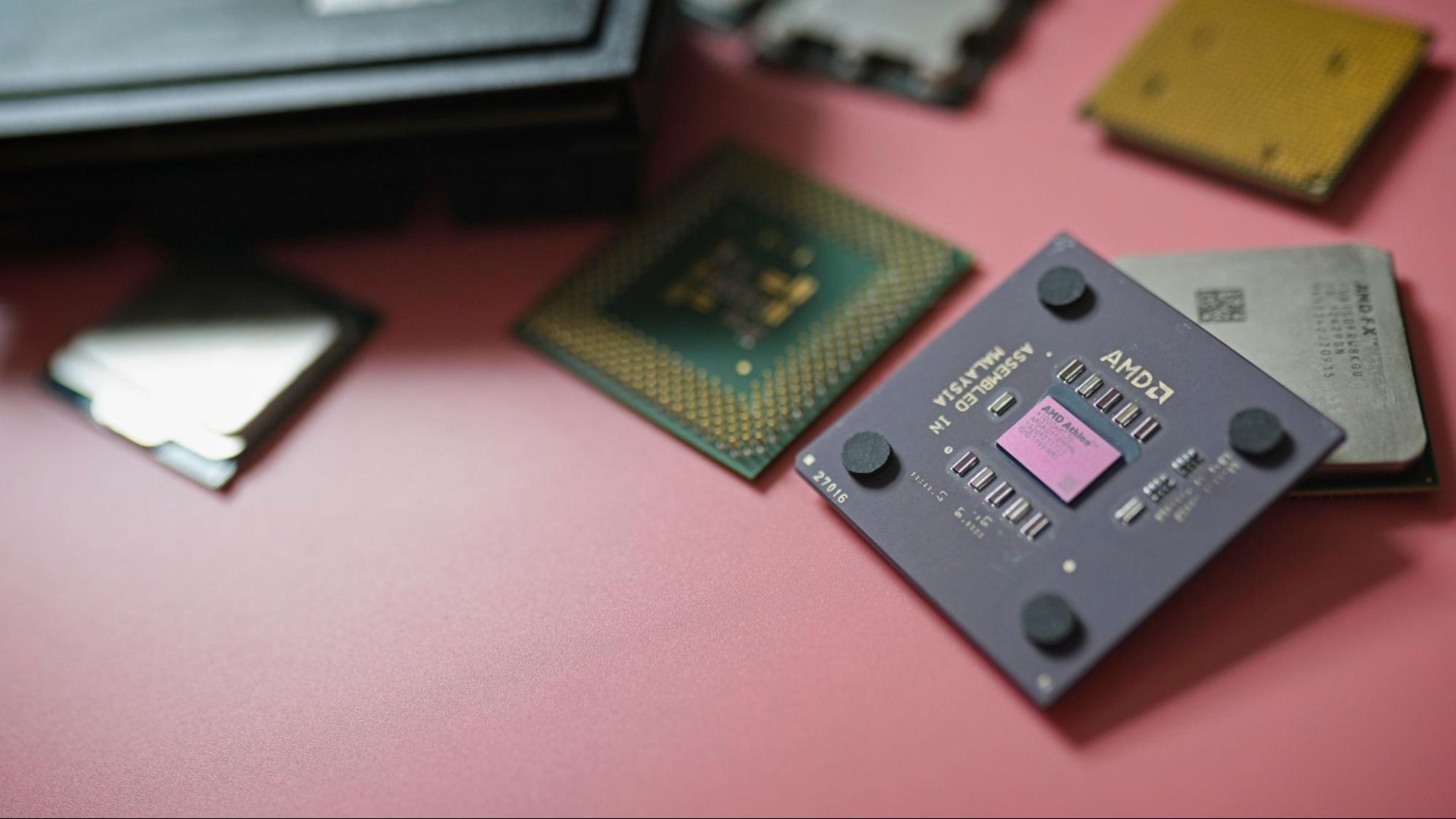
The goal, of course, was the first 1 GHz CPU, a milestone that AMD claimed for itself in March 2000 with the introduction of the Athlon 1000. Intel had shown a 1 GHz Pentium III, but AMD released a 1 GHz Athlon first. Intel followed shortly after with its first CPU to hit the gigahertz milestone. Intel didn’t want to place second again, so it went to work on the Pentium III 1.13 GHz, which it introduced in July.
Swipe to scroll horizontally
| Row 0 - Cell 0 | Athlon 1000 |
Core Ultra 7 270K Plus |
Ryzen 9 9950X |
Transistors |
22 million |
17.8 billion |
16.63 billion |
Node |
180 nm |
3 nm |
4 nm |
Die size |
103 mm² |
243 mm² |
2 x 70.6 mm² |
Max clock speed |
1 GHz |
5.5 GHz |
5.7 GHz |
Price (w/ Inflation) |
~$1,300 (~$2,500) |
$300 |
$500 |
Pentium II made Tom’s Hardware a name in the PC industry, but the Pentium III 1.13 GHz gave it a name among enthusiasts. Our review found that the processor wasn’t stable at 1.13 GHz, and less than a month after introducing the chip, Intel recalled it. The Pentium 1.13 GHz would eventually come back in 2001, but at the pace of CPU innovation at the time, even a six-month delay was detrimental.
In June 2000, AMD introduced a refinement of Athlon, codenamed Thunderbird, and days before Intel’s recall, introduced the Athlon 1100. AMD remained uncontested throughout the rest of the year, pushing Thunderbird up to 1.2 GHz. Intel was closing the curtain on Pentium III and trying to move attention away from Athlon toward its upcoming Pentium 4 range.
Going for gigahertz (2001 - 2004)
Going for gigahertz (2001 - 2004)
Intel was struggling to keep pace with Athlon, but work was going on behind the scenes on the new NetBurst microarchitecture, which was set to become the successor to P6. It was introduced to the world with the Willamette core inside the first Pentium 4. Like most major microarchitecture shifts we’ve seen from Intel and AMD, NetBurst wasn’t an immediate success. However, Pabst noted in our review: “I am certain that Intel will deliver very fast Pentium 4 processors very soon. Intel has finally won back the ability to make AMD's life a lot harder.”
Intel pushed P6 down to a 130nm node with the release of Tualatin Pentium III chips, but the focus was on Pentium 4 and optimizing NetBurst. In March, AMD introduced the Athlon 1333, but Team Red was losing steam. Intel had already released a Pentium 4 1.5 GHz, and it introduced the Pentium 4 1.7 GHz (along with a price cut to the range) in April 2001. With a new microarchitecture seemingly bursting with potential, it was only a matter of time before Intel made its way back to the top.
That came in August, when Intel planted its flag on the 2 GHz milestone with Pentium 4, and beat out AMD’s fastest Athlon chip. AMD didn’t like that. Later in the year, in October, AMD introduced its Athlon XP range, and with it came a sneaky switch in marketing strategy. Rather than include the clock speed as part of the processor name (i.e., Athlon 1333), AMD started using model names. No, the Athlon XP 1500+ wasn’t clocked at 1.5 GHz; it was clocked at 1.3 GHz. This nomenclature climbed all the way to the top, with the Athlon XP 2100+, which was not 2.1 GHz, but rather 1.7 GHz.
Swipe to scroll horizontally
| Row 0 - Cell 0 | Pentium 4 2 GHz |
Core Ultra 7 270K Plus |
Ryzen 9 9950X |
Transistors |
42 million |
17.8 billion |
16.63 billion |
Node |
180 nm |
3 nm |
4 nm |
Die size |
217 mm² |
243 mm² |
2 x 70.6 mm² |
Max clock speed |
2 GHz |
5.5 GHz |
5.7 GHz |
Price (w/ Inflation) |
~$560 (~$1,050) |
$300 |
$500 |
At the time, AMD described this shift as an alignment with what it was able to deliver with Athlon. During this era, we start to see more significant architecture divergences between Intel and AMD, so much so that like-for-like clocks could result in vastly different performance. That’s what we found in our Athlon XP review, in fact, with the Athlon XP 1800+ (clocked at 1,533 MHz) contesting the Pentium 4 2 GHz. Still, it’s not hard to see what AMD was trying to do. In January 2002, Intel introduced its Northwood core for Pentium 4, which could clock up to 2.2 GHz. AMD wasn’t able to break the 2 GHz barrier yet, but it used product names to suggest it had.
Names weren’t enough. By the middle of 2002, Northwood had picked up steam and could clock as high as 2.8 GHz; even the 2.4 GHz Pentium 4 was able to beat AMD’s fastest Athlon XP 2100+ across our benchmarks. AMD was working on the Thoroughbred revision of Athlon XP, including a node shrink down to 130nm to match Intel’s new Northwood core, which it trickled out through 2002. By the end of the year, AMD had shown the Athlon XP 2800+ as a rival to the Pentium 4 2.8 GHz.
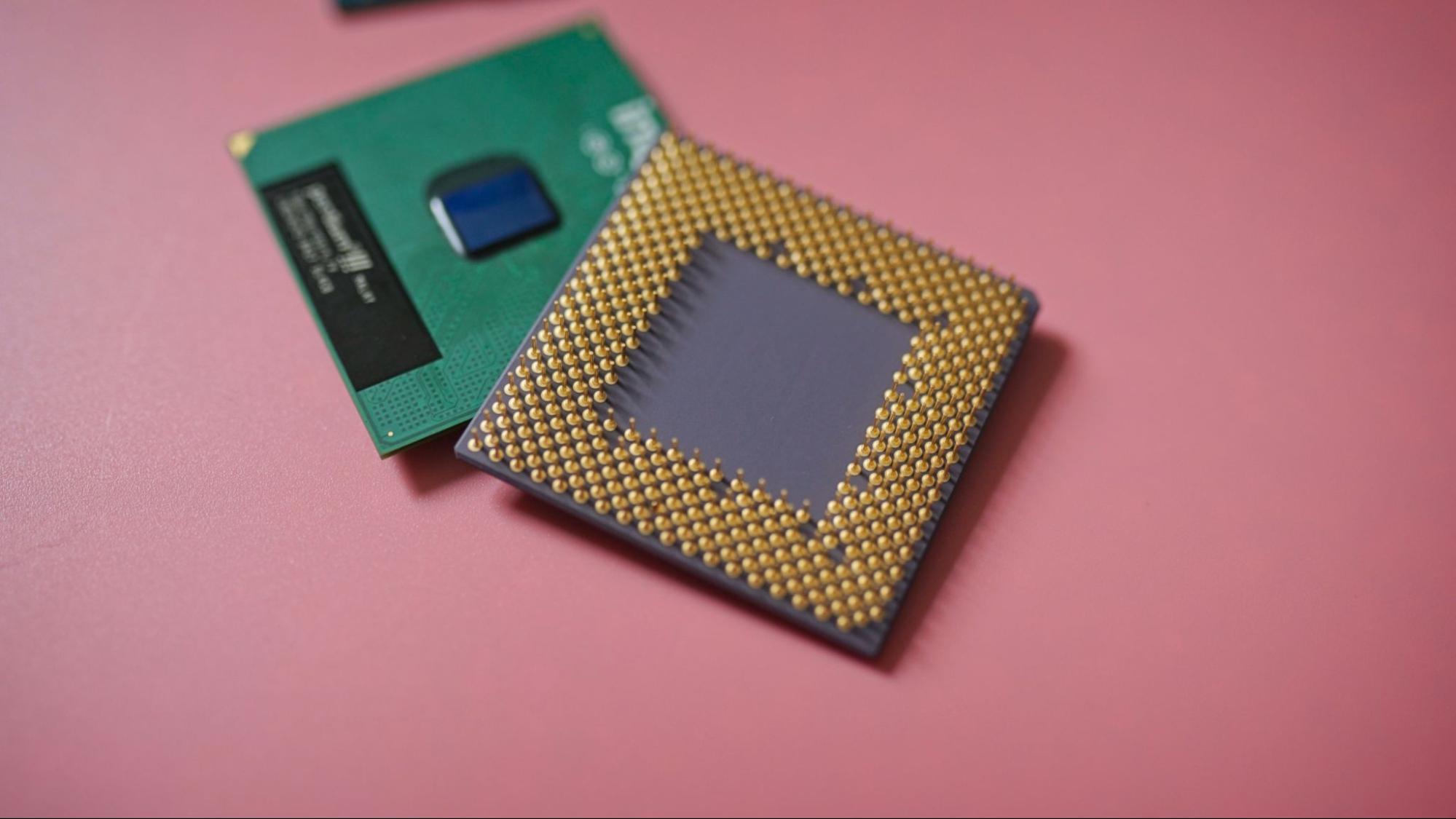
Despite lagging in clocks, AMD had become quite popular during this time due to the competitive performance of Athlon XP and (most importantly) a lower price point than the expensive Pentium 4s. Still, there was a stalemate in technology between Intel and AMD, and Intel would break it in November 2002 with the Pentium 4 3.06 GHz.
It was the first consumer CPU to clock to 3 GHz out of the box, adding another notch to Intel’s belt, but it was also the first CPU to bring Intel’s long-standing simultaneous multithreading implementation, called Hyper-Threading, to market. With higher clocks and two threads to play with, the Pentium 4 3.06 GHz cemented Intel at the top of the performance charts, beating out AMD’s fastest Athlon XP and even a 3.6 GHz Pentium 4 (no Hyper-Threading) in some benchmarks. Tom’s Hardware actually benchmarked the Pentium 4 3.6 GHz nearly a year before it was available, and had data in time to compare to the Pentium 4 3.06 GHz with Hyper-Threading.
More cores, more fun (2004 - 2007)
More cores, more fun (2004 - 2007)
The clock speed battle from the late 90s and early 2000s was starting to fall apart. AMD had demonstrated that performance was more than peak clocks with Athlon XP, and Intel was pushing ahead with Hyper-Threading to get more work done simultaneously each clock cycle. The first half of 2003 was dull in the world of CPUs as Intel worked on its Prescott core and AMD mulled over “ClawHammer,” which would eventually become Athlon 64.
Athlon 64 would be the first to bring AMD’s x86-64 ISA extension (called AMD64) to the desktop market (it previously showed up in Opteron). It rolled out in September 2003, and just a week before release, Intel launched the Pentium 4 Extreme Edition, which was widely considered a panic switch in response to Athlon 64 while Prescott was still under wraps. Although Intel maintained the performance crown with P4 Extreme against the Athlon 64 FX-51, it did so at a much higher price.
Still, this late-stage battle as Intel and AMD moved toward a 90nm node was important. Intel started marketing expensive, high-performance processors directly to enthusiasts in a market that would eventually get the HEDT, or high-end desktop, name. Meanwhile, AMD designated some Athlon XP chips with the FX name, which signaled high-performance chips with unlocked multipliers.
Intel was first to get down to 90nm with its highly anticipated Prescott core, though it arrived with a whimper. It clocked slower, allowing the FX-51 to remain competitive and Northwood chips to remain at the top of the charts in our review. There, our reviewer Patrick Schmid wrote: “In our opinion, Intel today does not care about Prescott as a processor, but as a marketing instrument. It is fast enough, which is mainly what counts, and since the 90 nm production process yields cheap processors in vast quantities, the Santa Clara-based company gains new flexibility.”
AMD made it down to 90nm later in the year with the FX-55. The FX-55 allowed AMD to close the gap with higher-clocked Pentium 4s, as we found in our review. However, it was becoming clear that the chase for higher clocks wouldn’t be enough. In our review, Schmid wrote in 2004: “Today, the performance gap between the fastest and the slowest processors in our benchmark charts is rather small.”
Intel fired back at the beginning of 2005 with Prescott 2M, a minor revision to the Prescott core with 64-bit ISA extensions, and released the Pentium 4 Extreme Edition 3.73. The tide shift came in the summer of 2005 when AMD launched the Athlon 64 X2, built on a 90nm node, and featuring two cores on the same package.
Intel had released its double-core Pentium D just weeks earlier, which was also a dual-core chip, but the design forced Intel to compromise clock speeds — an important spec given how few applications could actually leverage a dual-core chip in consumer software. AMD ultimately won the battle with the Athlon 64 X2, largely due to the fact that it could keep pace with single-core Athlons in most benchmarks, as you can see in our early preview of the chip.
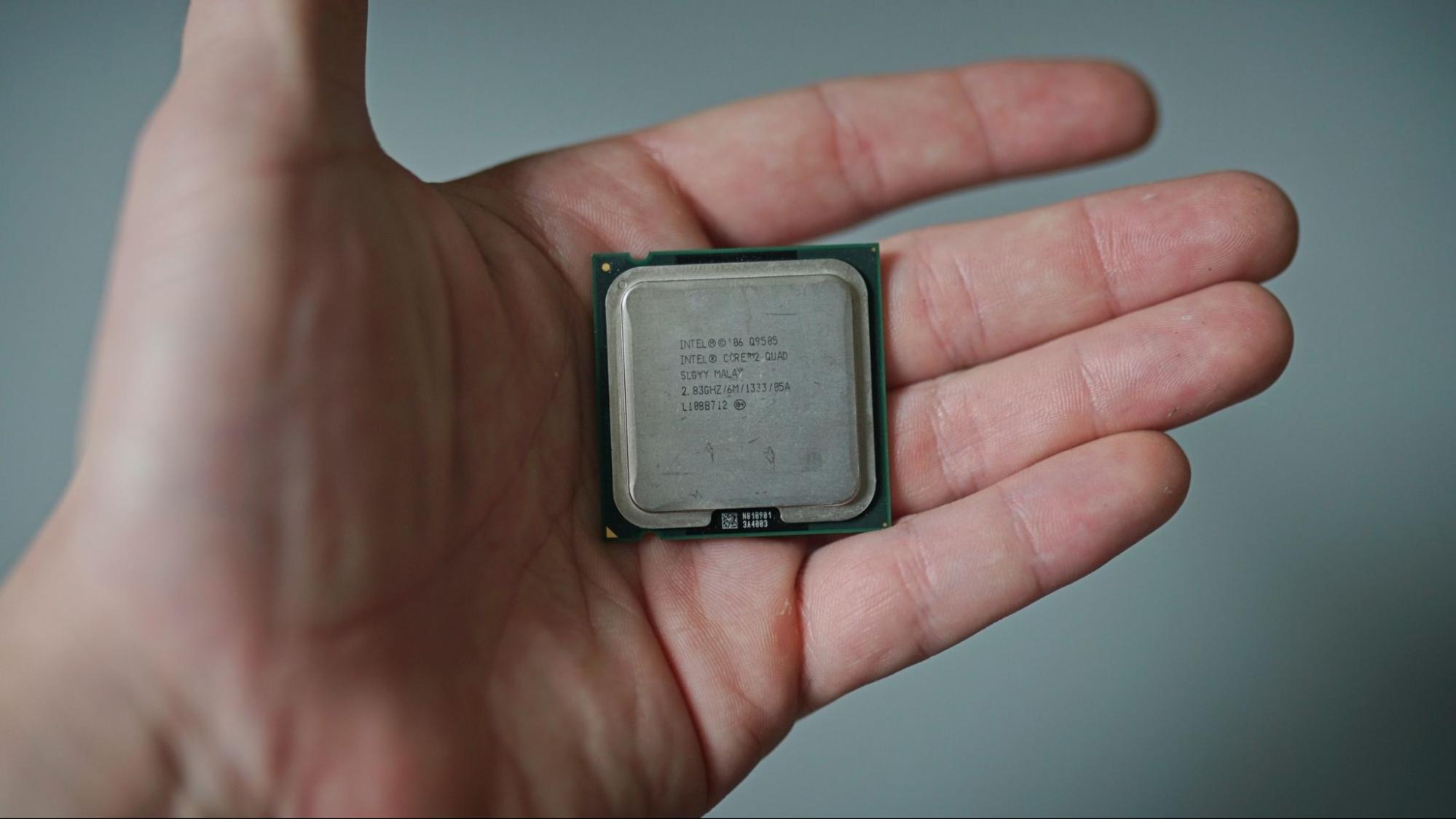
AMD released more Athlon 64 X2 chips throughout 2005, while Intel rolled out various chips under different Pentium brands, including the Smithfield core on Pentium D. Intel built out the range into 2006, using another node shrink down to 65nm with the Presler core, which was the final revision under the Pentium brand. In January 2006, Tom’s Hardware first reported that Intel planned to drop the Pentium brand, a name that it had kept for over a decade.
In its place? The new Core microarchitecture, finally moving on from NetBurst, which had been plagued with thermal issues as clocks climbed. Built out of Intel’s work in mobile chips, the Core 2 Duo was Intel’s first proper dual-core processor — the “double-core” Pentium D was just two Pentium dies fused together. It was a tide shift.
Swipe to scroll horizontally
| Row 0 - Cell 0 | Core 2 Extreme X6800 |
Core Ultra 7 270K Plus |
Ryzen 9 9950X |
Transistors |
291 million |
17.8 billion |
16.63 billion |
Node |
65 nm |
3 nm |
4 nm |
Die size |
143 mm² |
243 mm² |
2 x 70.6 mm² |
Max clock speed |
2.933 GHz |
5.5 GHz |
5.7 GHz |
Price (w/ Inflation) |
~$1,000 (~$1,600) |
$300 |
$500 |
As we found in our Core 2 Duo review, the base E6600 and E6700 often beat, or at least matched, AMD’s Athlon 64 FX-62, while the supercharged Core 2 Extreme X6800 established a new performance tier at the high-end. Further, it did so at reasonable power levels, finally taking the efficiency fight back to AMD.
Intel doubled down, literally, with the Core 2 Extreme QX6700 at the end of 2006. Although Intel had introduced a four-thread processor previously, the Core 2 Extreme QX6700 was the first CPU with four cores to hit the market. It took two dual-core dies from Core 2 Duo and put them together on a single package. AMD brute-forced a quad-core with the 4x4 platform and dual Athlon 64 FX-70 chips, but there was a major tradeoff in cost, thermals, and power demands.
The coast of Nehalem (2007 - 2010)
The coast of Nehalem (2007 - 2010)
For the first time in the early aughts, Intel was firmly in the driver’s seat for enthusiasts. AMD drummed up some interest with its dual-chip Athlon 64 systems, and it finally moved down to a 65nm node at the start of 2007. But Intel was on a tear, and it would continue its momentum for years to come.
That started by formalizing the success of the Core microarchitecture. Instead of squeezing everything out of a microarchitecture for several generations, as it had done with P6 and NetBurst, Intel transitioned to its well-known tick-tock cycle. First, there’s a node shrink on its existing architecture, then there’s a new microarchitecture on that node, and the cycle continues. Core was the tock at 65nm, and it would move down to Penryn revision at 45nm later in 2007.
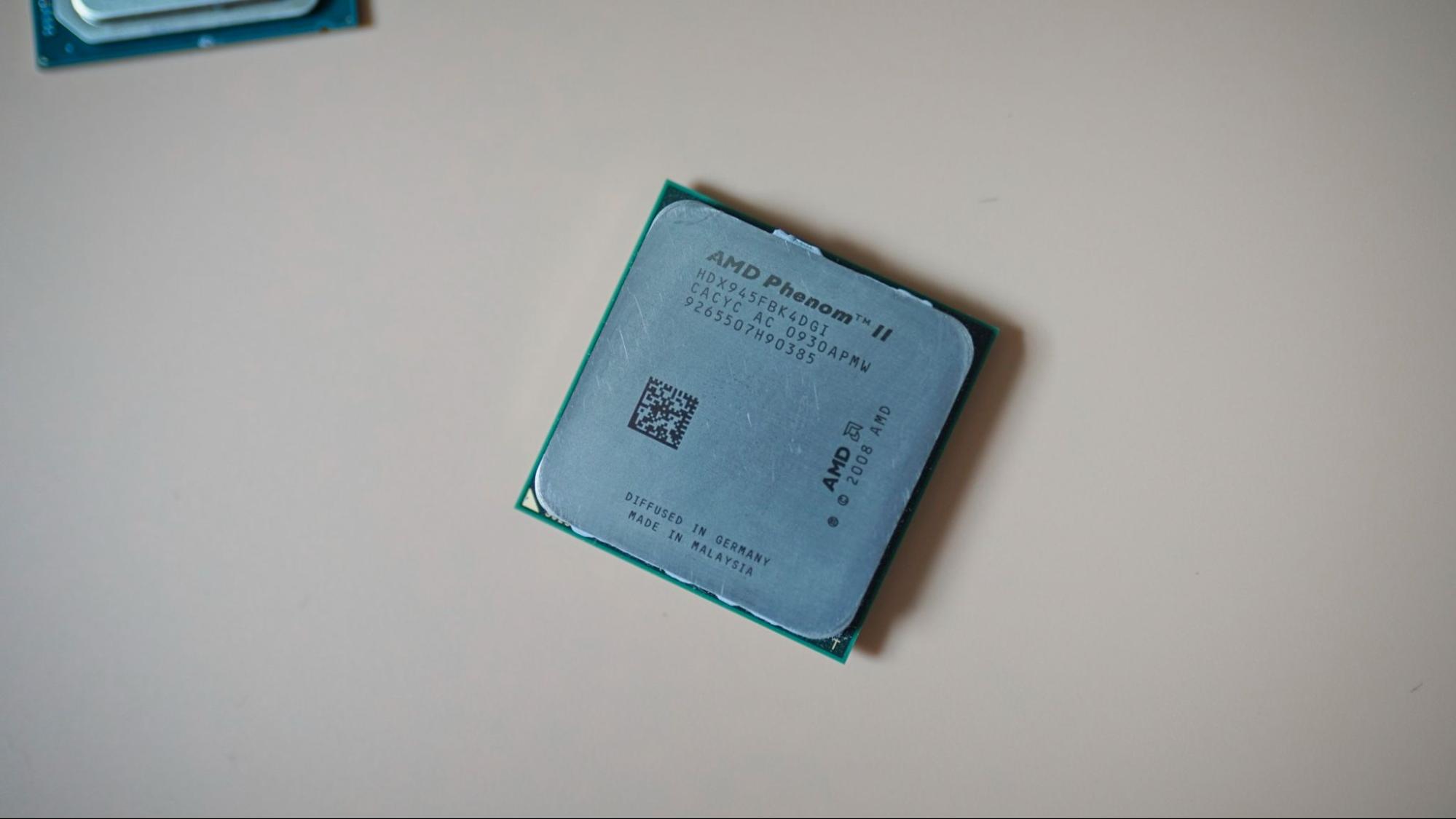
AMD struggled to keep pace. After introducing its AM2 socket in 2006, it continued refining the Athlon 64 X2 lineup with a new 65nm node, but Intel was firmly in the lead, forcing AMD to slash prices and settle into the market as a budget-focused alternative to the shiny Core 2 Duos. AMD doubled down in this area with its K8 microarchitecture, releasing a series of efficient “BE” series chips throughout the back half of 2007, which we found were excellent for efficiency and price-to-performance in our review.
Team Red had its chips on K10, and specifically, the new Phenom brand that it made noise about throughout 2006 and 2007. The Phenom X4 series launched in November, featuring the first true quad-core design; that is, using a monolithic die as opposed to MCM like Intel’s Core 2 Quad. Unlike Intel’s Core 2 Extreme, which was reserved for only the most entrenched enthusiasts, AMD targeted midrange builders.
Swipe to scroll horizontally
| Row 0 - Cell 0 | Phenom X4 9600 |
Core Ultra 7 270K Plus |
Ryzen 9 9950X |
Transistors |
450 million |
17.8 billion |
16.63 billion |
Node |
65 nm |
3 nm |
4 nm |
Die size |
285 mm² |
243 mm² |
2 x 70.6 mm² |
Max clock speed |
2.3 GHz |
5.5 GHz |
5.7 GHz |
Price (w/ Inflation) |
~$280 (~$450) |
$300 |
$500 |
In our Phenom 9700 review, we found that Intel still maintained the performance crown, but AMD offered a cheaper quad-core and offered identical price-to-performance at release. Further, AMD offered support for the chips on both the AM2 socket and the new AM2+ socket, starting a trend of socket longevity that we can still see in action today. With cheaper quad-core CPUs and less upgrade cost, AMD focused less on battling Intel at the high-end and more on delivering in the midrange.
Intel continued to release more Core 2 Duo and Core 2 Quad models throughout 2008, but behind the scenes, it was working on its next major architectural shift: Nehalem. AMD built out its Phenom line, meanwhile, introducing a tri-core variant, as well as several “Black Edition” models that featured peak clocks and unlocked multipliers for enthusiasts, likely in a bid to grab some attention from Intel’s Extreme lineup.
Nealem came onto the scene in late 2008 in the form of Bloomfield chips. They required an entirely new platform and DDR3 memory, but also promised entirely new performance benefits. Intel managed to create a true quad-core chip with Bloomfield, and one that enthusiasts could actually afford, with the range going down as low as $280. Further, it reintroduced Hyper-Threading after ditching the technology during the early dual-core days, giving enthusiasts eight threads to play with.
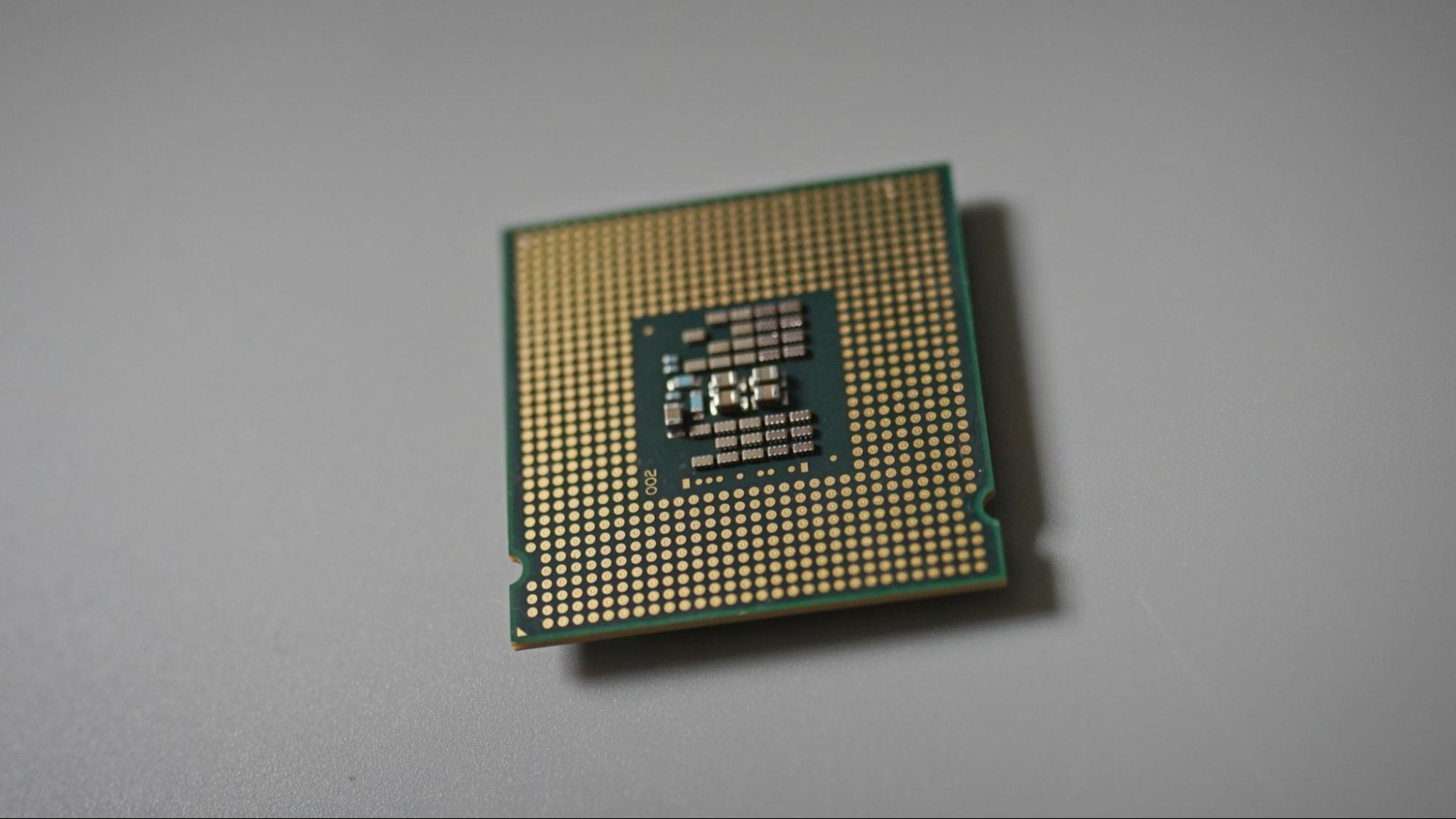
The spread between Intel and AMD grew wider. In our review of the Core i7-965 Extreme, we found it was 64% faster than AMD’s fastest chip at the time. Despite offering compelling products at competitive prices, AMD was falling further behind. Intel was far ahead; it had a die shrink ahead, and the legendary Sandy Bridge microarchitecture was waiting in the wings to pick up the tick-tock cycle once again.
AMD bit back in early 2009 with Phenom II (along with Athlon II), finally moving down to 45nm. It brought Team Red back up in the rankings, but Bloomfield still held onto top-end performance. In our original Phemon II review, we found that Intel was about 22% ahead of AMD at the high-end, but AMD offered compelling performance given the platform costs. Sounds familiar.
With tight integration of design and manufacturing under one roof, Intel was moving faster than AMD on process improvements, allowing it to keep a consistent lead in performance, particularly at the high-end. Intel had its Lynnfield chips at 45nm, as well as Clarkdale chips at 32nm, but the 32nm successor to Bloomfield came in early 2010, known as Gulftown. And with Gulftown, Intel could claim a multi-core milestone on a monolithic die for the first time with the six-core Core i7-980X.
At $1,000, the Core i7-980X still only appealed to a small number of enthusiasts. AMD helped fill the gap later in the year with the Phenom X6 launch, introducing six-core models of its own. AMD couldn’t match the 980X at the high-end, but Phenom represented an affordable entry-point to six-core chips if you ran heavily-threaded workloads, as we noted in our review. Still, Phenom X6 was AMD trying to keep pace with Intel. Behind the scenes, AMD was working on a new microarchitecture called Bulldozer, which was built from the ground up for a new generation of chips and finally allowed AMD to move down to 32nm.
Bulldozer bulldozes world records, thermals (2010 - 2013)
Bulldozer bulldozes world records, thermals (2010 - 2013)
It’s easy to pick on Bulldozer in hindsight, but leading up to release, the anticipation was palpable. K8 was a smash success, and K10 built on that success, but Bulldozer was built from the ground up, presumably for the position AMD had found itself in the market. Nearly a year before Bulldozer showed up on the market, however, Intel introduced an architecture that still resonates among enthusiasts today — Sandy Bridge.
Intel unified its product stack with Sandy Bridge and set much of the foundation for the company’s releases through Raptor Lake Refresh. Instead of two broad ranges, Intel placed most of the Sandy Bridge lineup on a single socket. It also brought integrated graphics to all the chips in the lineup, at least in the initial range (some later releases cut the iGPU), as well as unlocked the multiplier on some non-Extreme SKUs to compete with AMD’s unlocked Black Edition chips.
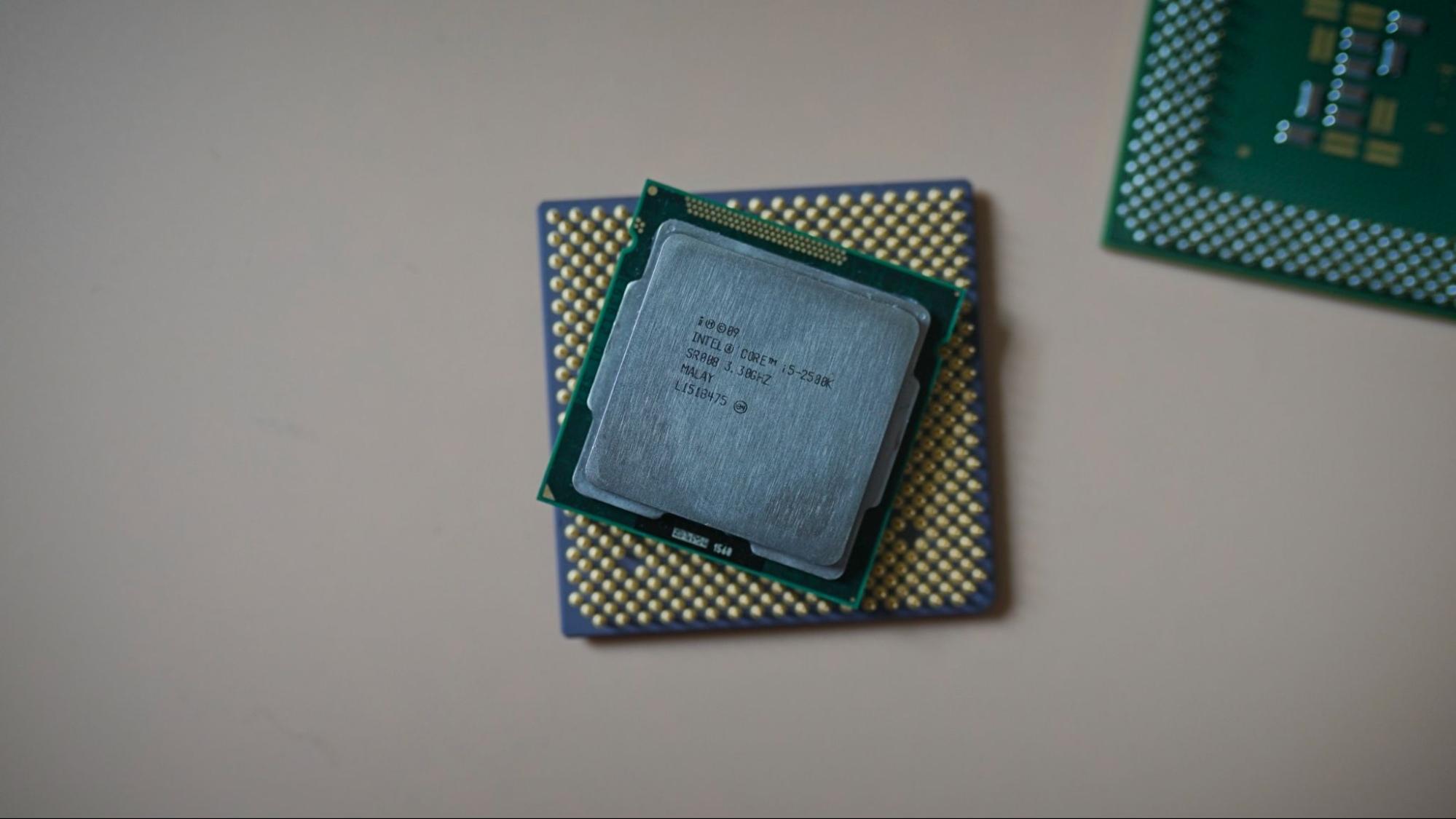
It was a smash success. Reviewing four Sandy Bridge chips, our reviewer Chris Angelini wrote: “Existing Lynnfield- and Clarkdale-based processors already offer strong performance compared to AMD’s lineup. Significant gains, clock-for-clock, compound in the face of notable frequency increases across the board (thanks to a mature 32 nm process), giving Sandy Bridge an even more commanding position.”
Swipe to scroll horizontally
| Row 0 - Cell 0 | Core i7-2700K |
Core Ultra 7 270K Plus |
Ryzen 9 9950X |
Transistors |
1.16 billion |
17.8 billion |
16.63 billion |
Node |
32 nm |
3 nm |
4 nm |
Die size |
216 mm² |
243 mm² |
2 x 70.6 mm² |
Max clock speed |
3.9 GHz |
5.5 GHz |
5.7 GHz |
Price (w/ Inflation) |
~$330 (~$490) |
$300 |
$500 |
Raw performance improvements are one thing, but Sandy Bridge was attractive for several other reasons, as well. Overclocking still represented a solid performance boost in this era, and Intel was offering overclocking capabilities at mainstream price points alongside chart-topping performance out of the box. They also introduced Quick Sync to accelerate video encode/decode, and although we have video encode/decode acceleration in modern GPUs, Quick Sync still serves as a fundamental feature for video editing and media servers.
AMD’s response was Bulldozer, which was rumored ahead of release to outperform Intel’s Core i7-950 by upwards of 50%, as well as introduce a true eight-core chip to the consumer market for the first time. If that wasn’t enough, prior to release, the flagship FX-8150 set a world record for clock speed, peaking at 8.429 GHz. AMD would be the first to release a consumer CPU with eight cores, but just about every other aspect of Bulldozer was problematic.
Achieving eight cores in a single package came with significant trade-offs. Up to this point, AMD hadn’t used any form of simultaneous multithreading, but it implemented a version of SMT in Bulldozer. Unlike Intel’s traditional SMT implementation, Bulldozer used two integer units on a core, but shared floating point resources. The major trade-off was how small the integer execution clusters were in order to save space. AMD designed an architecture for a world of heavily-threaded software that just didn’t exist at the time, and it traded very important single-core speeds to achieve that design.
The flagship FX-8150 was marketed as an eight-core chip, with the eight-core count coming from AMD’s odd SMT implementation. Although there were two integer execution units per “module,” as AMD calls them, the floating point unit was shared. This discrepancy was actually the focal point of a 2015 lawsuit, which AMD settled in 2019 to the tune of over $12 million.
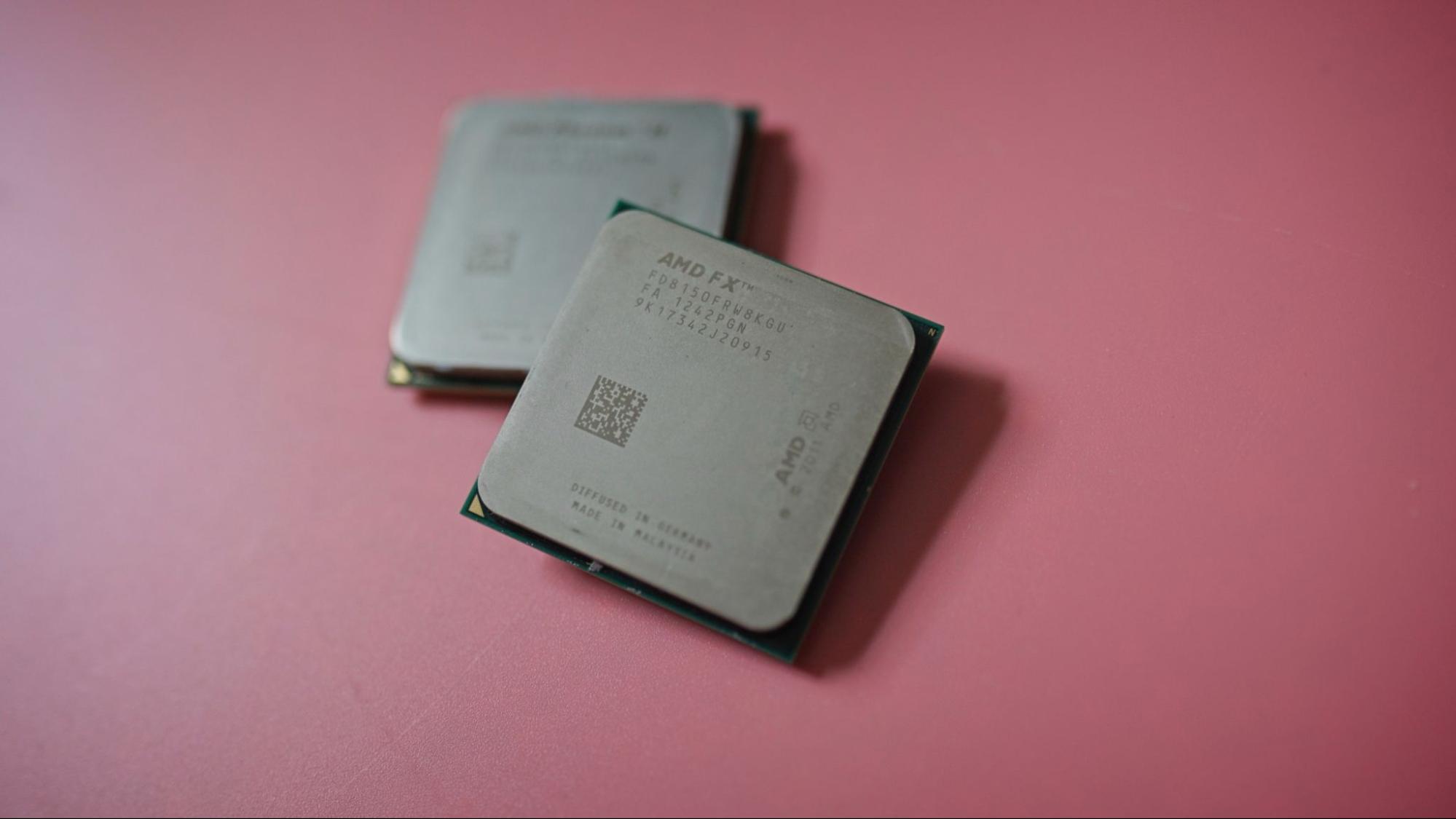
It was a flop. Angelini sums up the issue nicely in his October 2011 review of the FX-8150: “[Intel doesn’t] have to do anything at all. Its nearly year-old 95 W parts fend for themselves without even a price adjustment.” Intel had new chips of its own, as well. Just six months later, it introduced Ivy Bridge, taking the solid foundation of Sandy Bridge and moving it down to a 22nm node.
Ivy Bridge wasn’t a big hit on desktop, but it didn’t need to be, given the advantage Intel had already established with Sandy Bridge. Improvements were in the single digits, as we noted in our Core i7-3770K review, but Ivy Bridge brought improvements to integrated graphics to fight against AMD’s burgeoning lineup of APUs and thermal improvements targeting small form factor devices — especially laptops in a new category of “ultrabooks” that Intel was targeting.
12 months after the FX-8150 was introduced, AMD released a revision of the Bulldozer architecture named Piledriver. It promised better IPC and higher clock speeds, which was compelling, as AMD’s FX-4170 released earlier in the year as the first CPU to hit 4 GHz out of the box. Piledriver had a test run earlier in the year through AMD’s Trinity APUs, as well, showing around a 15% improvement compared to Bulldozer.
The flagship Piledriver, the FX-8350, was indeed better than its Bulldozer predecessor, but it was clear the underlying architecture had issues that wouldn’t allow AMD to scale up. AMD’s flagship was only competitive with Intel’s Core i5 options, and power use, although tamed in Piledriver, still meant the chip ran hot. It was immediately forced into a price cut upon release. After two failures to launch flagships, Intel effectively owned the high-end, which it continued to dominate with CPUs like the Core i7-3970X.
Around six months after Piledriver chips shipped, AMD released another two chips, both running at an insane 220W TDP and shipping with their own liquid cooling system. The highest-end offering, the FX-9590, was the first CPU to hit 5 GHz out of the box. AMD had learned the hard way what it had preached back in the Athlon XP days — clock speed isn’t everything.
The dawn of 14nm (2014 - 2016)
The dawn of 14nm (2014 - 2016)
With a 22nm product shipped, Intel went back to a tock and came out the other side with Haswell. Today, Haswell is heralded as a legendary architecture; we’ve all seen forum comments about gaming with a Core i7-4770K more than a decade after it was released. At the time, however, it established a narrative that would follow Intel for the next several years. That narrative being that Intel ships a new generation of quad-cores, each year, with minor IPC improvements and not much more. That’s certainly the impression Angelini came away with after reviewing the Core i7-4770K.
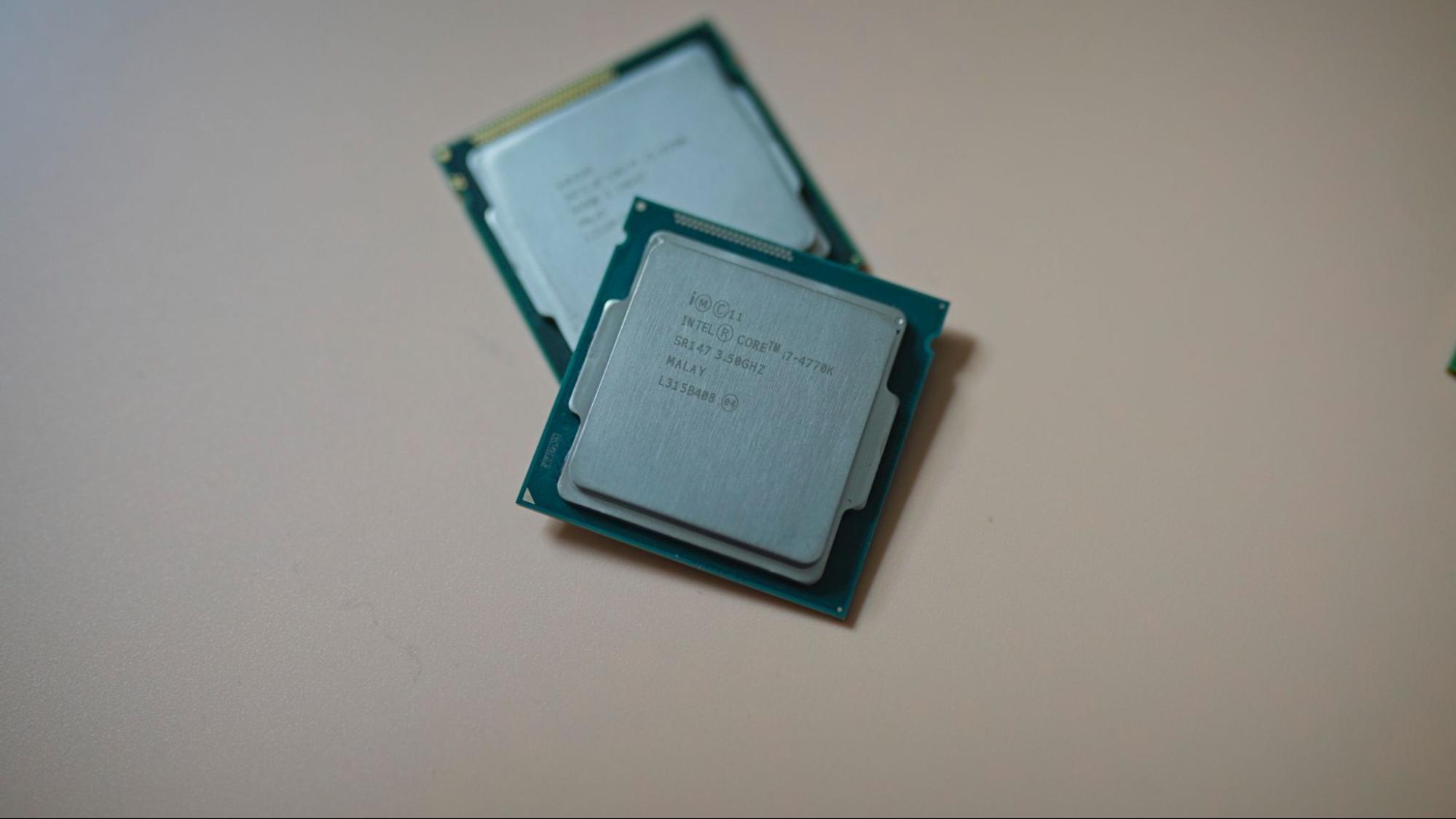
Intel didn’t have to move the needle beyond that point. Although AMD had shipped Bulldozer and Piledriver, a lot of turmoil was going on behind the scenes. Two further revisions of Bulldozer, Steamroller, and Excavator were planned, but AMD largely canceled the two revisions outside of a few low-end products. During this time, AMD underwent a series of sweeping layoffs and executive changes, cutting thousands of employees. Looking back at the time through a modern lens, some long-time AMD employees say that the company would’ve faced bankruptcy had it not been for semi-custom partnerships with Microsoft and Sony for their game consoles.
From the release of Piledriver in late 2012 through 2017, AMD didn’t release a ton of new CPUs. It released some revisions of Piledriver chips like the FX-8370, but we didn’t see any new microarchitecture. And planned node shrinks with Steamroller and Excavator were canned, with only a handful of desktop CPUs surviving, which were repurposed as low-end Athlon X4 CPUs years later. Intel had won.
It didn’t immediately rest on its laurels, however. Hearing the criticism of Haswell for desktop enthusiasts, Intel introduced the Core i7-4790K alongside other ‘Devil’s Canyon’ chips in mid-2014 as it worked on another tick behind the scenes down to 14nm. The result, which arrived almost a year to the day after Devil’s Canyon, was Broadwell. The Broadwell-H range — not Broadwell-E, which shows up later — isn’t very big and didn’t have much for enthusiasts. But Broadwell got Intel down to 14nm, and it would stay there until the release of Alder Lake CPUs in 2021.
Swipe to scroll horizontally
| Row 0 - Cell 0 | Core i7-4790K |
Core Ultra 7 270K Plus |
Ryzen 9 9950X |
Transistors |
1.4 billion |
17.8 billion |
16.63 billion |
Node |
22 nm |
3 nm |
4 nm |
Die size |
177 mm² |
243 mm² |
2 x 70.6 mm² |
Max clock speed |
4.4 GHz |
5.5 GHz |
5.7 GHz |
Price (w/ Inflation) |
~$350 (~$490) |
$300 |
$500 |
We didn’t know that at the time, though. Broadwell laid the 14nm foundation for Skylake, which came hot on the heels of Broadwell-H after that architecture experienced a series of delays. Intel’s first true eight-core chip, the Core i7-5960X from the Haswell-E range, still gave the HEDT market what they were looking for, but Skylake was pushing ahead in the mainstream. In early performance testing, we said Skylake was the first architecture “to really get enthusiasts excited since Sandy Bridge.”
Intel didn’t need to rush at the time, so it didn’t. There wasn’t an Athlon 64 breathing down Team Blue’s neck. A year later, in 2016, Intel launched Broadwell-E for HEDT, marking the first-ever 10-core desktop CPU with the Core i7-6950X. It wasn’t a massive leap forward over Haswell-E, but Intel was competing with itself. “Intel’s clearly the prettiest girl in the room, is well aware of this fact and, based on Broadwell-E's pricing, doesn't need to beat the ‘value’ of last generation's -Es by much,” our reviewer Igor Wallossek wrote in his Broadwell-E review.
Although Intel was a clear market leader, it was slowing down significantly. Earlier in 2016, it quietly revised its tick-tock cycle, moving to a tick-tock-tock cadence where we’d see a new process followed by a new microarchitecture followed by an optimization of that architecture. Intel wasn’t juiced up with Moore’s Law like it was in the early aughts, but it competed in a category of one. What were you going to do? Buy AMD?
Feeling Zen (2017 - 2020)
Feeling Zen (2017 - 2020)
Shortly after the ball dropped into 2017, Intel released its Kaby Lake range of CPUs, now sporting the “14nm+” process and serving as the first optimization pass in Intel’s new release cadence. It was fine. The range came with a clock speed bump over Skylake, but otherwise, Intel released the same architecture sporting nearly identical specs, from core counts to cache sizes.
Behind the scenes, trouble was brewing. Six months before Kaby Lake made its way to market, AMD detailed its first entirely new microarchitecture since Bulldozer, named Zen. In addition to promising a 40% improvement in IPC over Excavator, the Zen platform would come with support for DDR4 and finally move AMD down to a 14nm node. For the architecture itself, AMD implemented SMT, completely redesigned its cache hierarchy, and added a micro-op cache to aid an updated branch predictor.
Two months after Kaby Lake rolled out, AMD launched the Ryzen 7 1800X. The revolution didn’t happen in a day. In our Ryzen 7 1800X review, reviewer Paul Alcorn (now Tom’s Hardware editor-in-chief) wrote: “AMD's Ryzen 7 launch represents more than just a new CPU family. For most of our readers, it signals the return of competition to the enthusiast-oriented processor market. And considering the flagship 1800X’s potent cost advantage compared to Intel's Core i7-6900K… Ryzen 7 does deliver. It's just not as universally superior as the company wanted everyone to believe.”
Swipe to scroll horizontally
| Row 0 - Cell 0 | Core i7-4790K |
Core Ultra 7 270K Plus |
Ryzen 9 9950X |
Transistors |
4.8 billion |
17.8 billion |
16.63 billion |
Node |
14 nm |
3 nm |
4 nm |
Die size |
213 mm² |
243 mm² |
2 x 70.6 mm² |
Max clock speed |
4 GHz |
5.5 GHz |
5.7 GHz |
Price (w/ Inflation) |
~$500 (~$680) |
$300 |
$500 |
AMD still had quite the year ahead. A month later, the Ryzen 5 1600X launched with performance that could rival Broadwell-E, just for a much cheaper price. And by Summer, the Ryzen 3 1300X proved you didn’t need an expensive CPU and motherboard to get into overclocking. AMD capped its Ryzen rollout with Threadripper, scaling up the Zen microarchitecture to massive core arrays and finally bringing something to the HEDT market — a market that Intel had almost wholly owned since the Pentium 4 days.
Still, Zen had shortcomings, particularly in games, where just about any quad-core from Intel still ruled the roost. AMD was competitive, but Intel was still firmly in the driver’s seat. It barely reacted to the Ryzen onslaught over the summer, rolling out its high-end Skylake-X and Kaby Lake-X HEDT offerings throughout the back half of 2017. Even then, however, problems started emerging.
Kaby Lake-X was effectively a rerelease of Kaby Lake with a bit of extra headroom, but restricted to the expensive X299 platform. It was discontinued less than a year after release. Skylake-X was Intel’s true next-gen HEDT offering, signaled by the first use of “Core i9” in front of its flagship SKU. It performed like an Extreme Edition, and it was priced like one too, despite an issue in thermal dissipation that we uncovered in our Core i9-7900X review. Meanwhile, AMD was rapid-firing firmware and chipset updates for its small Ryzen range, and fixing several issues that came up in reviews in the process.
Less than a year after Kaby Lake launched, Intel released Coffee Lake, which was yet another Skylake revision built on 14nm, but this time with extra cores in tow. As you can read in our Core i7-8700K review, Coffee Lake did what Intel wanted it to do, shoring up the fight in heavily-threaded productivity applications against AMD while maintaining leadership in games. Still, AMD was making headway. By the end of 2017, estimates suggest AMD took back anywhere from 2% to 12% market share from Intel, with the higher end of the spectrum coming mainly from the DIY PC market. That’s no small feat for a company that was dead in the water with CPUs 12 months earlier.
Back on more even footing, the next goal post was a node shrink. Intel was gunning for 10nm, which is a milestone it failed to meet with both Kaby Lake and Coffee Lake. AMD, as a fabless designer, was at the mercy of its then-partner GlobalFoundries for the next node shrink. AMD struck first with Ryzen 2000 in early 2018, built on GlobalFoundries 12LP node, which was a revision of the 14LP (14nm) node used in the original Zen. Fittingly, AMD called it Zen+.
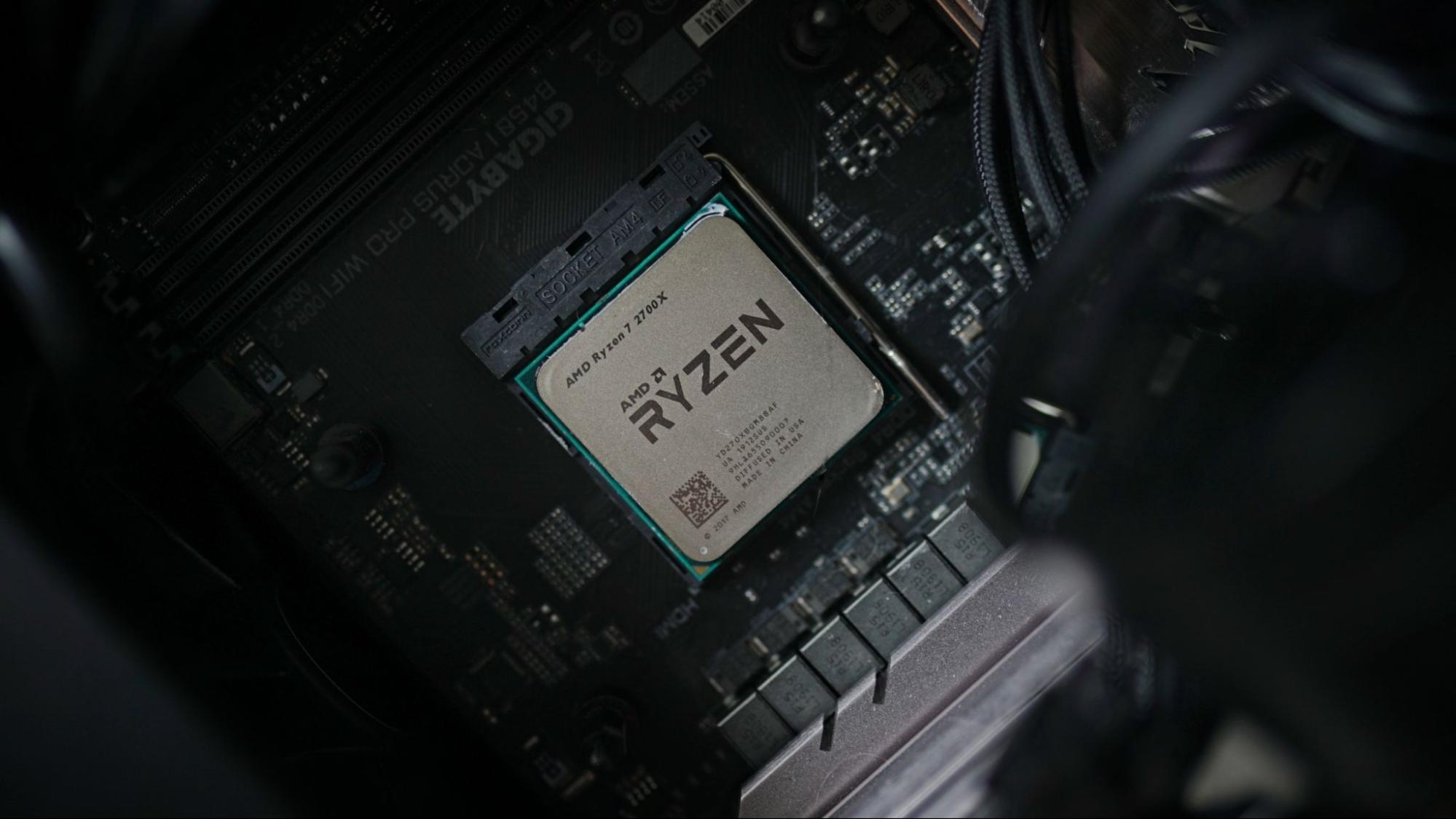
Debuting the architecture was the Ryzen 7 2700X, which was an iterative update. However, it helped reacquaint the market with the progress AMD had made. Zen+ came with higher frequencies and reduced memory latency, and all of the software adjustments AMD had made after the original Zen launch. And the range seemed specifically designed to undermine Intel, offering overclocking support across the full stack (and with B-series chipsets), and bundling a surprisingly decent cooler in the box.
Intel still held the edge in gaming, but the margins were narrowing, especially with a bit of overclocking thrown into the mix. Intel was feeling the heat, due in no small part to its continued issues moving down to 10nm. It responded in late 2018 with Coffee Lake Refresh, bringing the Core i9 branding into its main lineup for the first time with the Core i9-9900K and offering an eight-core, 16-thread chip. The strategy, it seems, was to push out AMD at the high-end, as Ryzen 7 was closing in on Core i7.
It worked. Intel had the fastest gaming processor on the market, and even the Core i7-9700K managed to push Intel’s lead in the Ryzen 7 battle higher. These marginal updates were buying time for AMD and Intel. Both companies clearly understood that whoever could go below 14nm first would have a massive advantage, and likely define an entirely new market dynamic.
AMD claimed that advantage for itself with the introduction of Zen 2 in mid-2019. Bolstered by TSMC’s 7nm node, AMD pushed out the Ryzen 9 3900X, moving beyond eight cores to AMD’s first 12-core consumer design. Intel held a slight edge in gaming through Coffee Lake Refresh, as you can read in our Ryzen 7 3800X review, but that delta was becoming less important as AMD took the lead in heavily-threaded workloads.
Later in the year, AMD rolled out the Ryzen 9 3950X, the first 16-core desktop processor ever. It was a bloodbath. Less than a year earlier, Intel had introduced its Skylake-X HEDT platform, including the Core i9-9980XE priced at $2,000. Now, at stock settings, the $750 Ryzen 9 3950X offered better multithreaded performance, along with competitive single-threaded and gaming performance. And you didn’t need to shell out for Intel’s expensive HEDT platform. And you could unlock PCIe 4.0, whereas Skylake-X (and even the following Cascade Lake-X) were locked to PCIe 3.0. You don’t spend top dollar on an HEDT platform for last-gen connectivity.
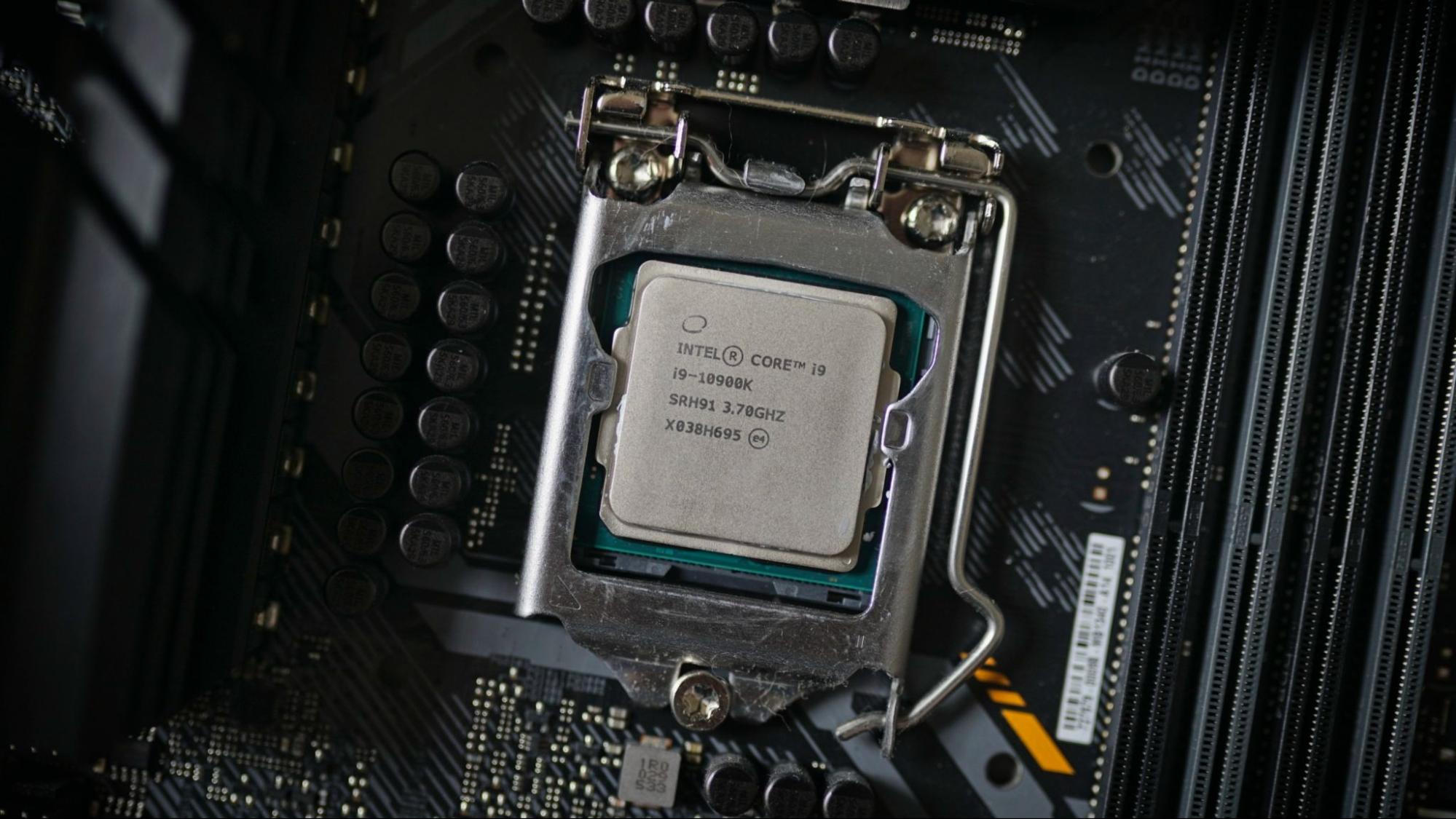
Intel was getting pushed into a corner, and it followed up less than six months later with Comet Lake to stave off AMD’s Ryzen onslaught. The flagship Core i9-10900K allowed Intel to maintain the lead in gaming, but now, AMD was in a clear lead in applications with the Ryzen 9 3950X.
Reviewing the Core i9-10900K, Alcorn wrote: “The Core i9-10900K is exactly what we would expect from an overclocked 10-core 14nm Skylake derivative: Exceptional performance in gaming and lightly-threaded workloads, competitive performance in multi-threaded work, and downright ugly power consumption and thermal output. And that's pretty much what you get with the Core i9-10900K – an overclocked 14nm processor right out of the box.”
AMD didn’t let up. It moved onto Zen 3 later in the year, launching its 16-core Ryzen 9 5950X alongside the main range in late 2020. And with its fourth Ryzen salvo launched, the battle was over. Opening our Ryzen 9 5950X review, Alcorn wrote, “With the Ryzen 5000 series, it's fair to say that AMD has finally, and fully, eclipsed Intel's performance dominance in desktop PCs.” It was a clean sweep, with AMD taking the lead in gaming, multithreaded, and single-threaded performance. Three years and four CPU generations later, AMD was back on top.
Forging a new path (2021 - 2024)
Forging a new path (2021 - 2024)
In the years leading up to 2021, it had become clear that a tick-tock, or even a tick-tock-tock, wasn’t possible any longer. Process shrinks were arriving later, and a pesky little pandemic threw the tight supply chain required for chip manufacturing into a frenzy. Both AMD and Intel knew they needed a different approach, but that would manifest in wildly different ways.
Intel was all-in on a hybrid architecture, using a mixture of microarchitectures on a single package to bolster core counts, similar to Arm-based designs. Intel talked a lot about Alder Lake leading into 2021, overshadowing its own launch of 11th-Gen Rocket Lake chips. The flagship Core i9-11900K was a massive disappointment, carrying all of the issues of the previous-gen Core i9-10900K while packing two fewer cores. Yes, Intel actually cut two cores from its flagship.
It seems Intel knew the issues with Rocket Lake. The chips launched with little to no fanfare, and as opposed to a gradual rollout like we see with most CPU generations, Intel blasted every model of Rocket Lake onto the market, knowing full well that Alder Lake chips would take their place eight months later. AMD, with renewed confidence, slowly built out the Zen 3 lineup with new APUs and variations of Ryzen 5000 as it worked on its next-gen Zen 4 architecture.
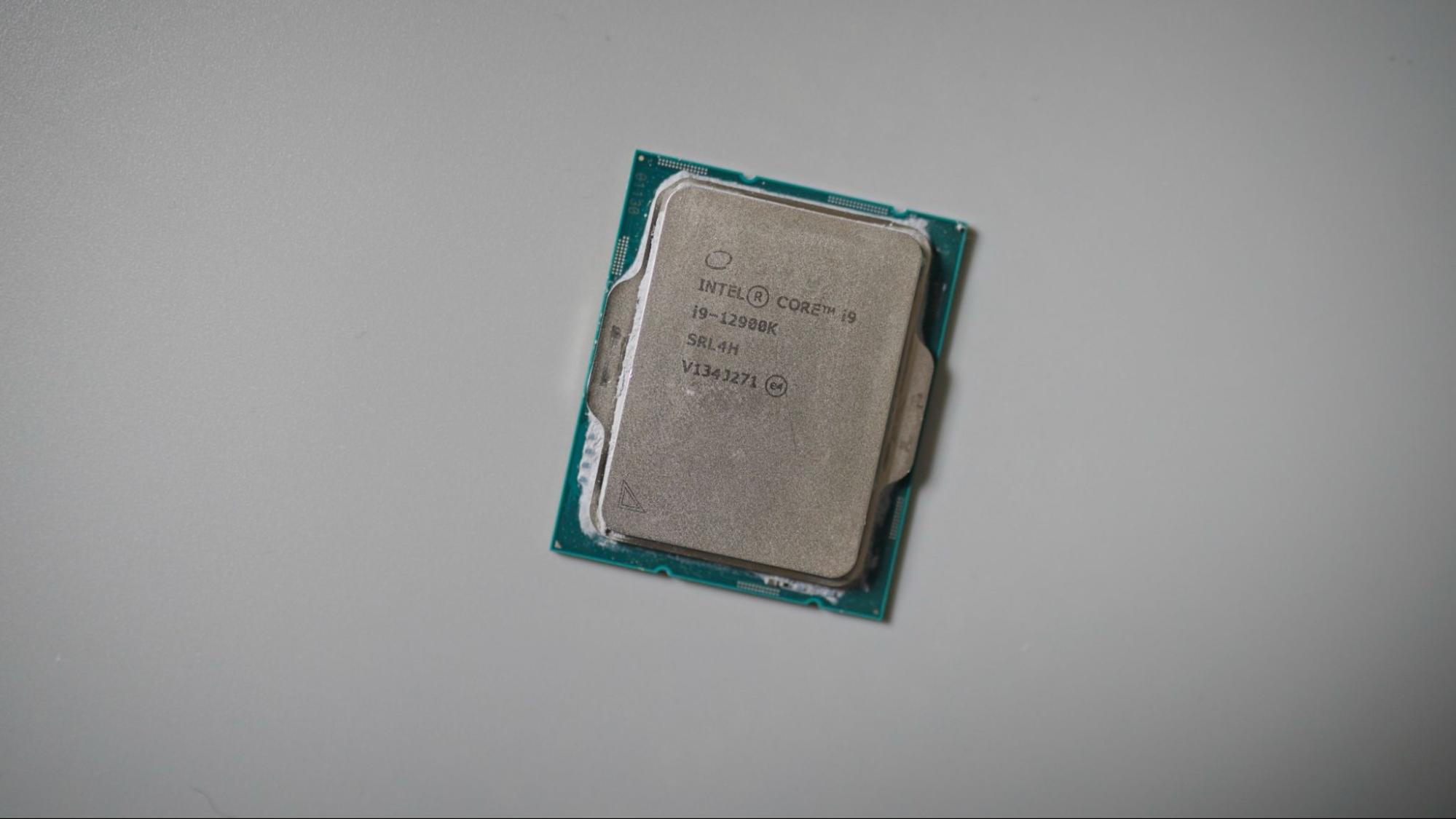
In late 2021, Intel swept Rocket Lake under the rug with the release of Alder Lake. Intel had finally moved on from 14nm with Intel 7 (10nm), and it was mostly successful. Intel reclaimed top placements in gaming, multithreaded, and single-threaded performance, and although the margins were thin, Alder Lake made it clear that Intel wouldn’t go quietly. “The Alder Lake processors mark a massive generational leap forward for Intel in nearly all facets, including gaming, performance in lightly- and heavily-threaded work, power consumption, overclocking, and platform connectivity options,” wrote Alcorn in our Core i9-12900K review.
AMD was working on something unique of its own, however. Zen 4 was in the oven, and it was clear there would be a competitive battle with Alder Lake. But before Zen 4 arrived, AMD introduced the Ryzen 7 5800X3D. It was the first processor with AMD’s 3D V-Cache packaging, and at the time, it looked like a slightly-tuned processor targeting gamers, with somewhere in the range of a 10% to 15% uplift in gaming performance specifically. In a surprising turn, the speculation actually undersold just how big of a deal the Ryzen 7 5800X3D would become.
Six months after the release of the Core i9-12900K, AMD was back on top of the gaming charts with the Ryzen 7 5800X3D, no less sporting a last-gen architecture and an SRAM stacking technique that limited boost clocks and locked the multiplier down. It outran the Core i9-12900K by nearly 10% in games while costing hundreds less, and it was nearly 30% faster than a stock Ryzen 7 5800X, as you can see in our Ryzen 7 5800X3D review.
Intel would come back with Raptor Lake in late 2022, but the Ryzen 7 5800X3D established a new category of true gaming CPUs that traded some application performance for peak frame rates. And that’s a category of chips that even today Intel hasn’t managed to crack.
AMD came first, however, launching Zen 4 in September 2022. The flagship Ryzen 9 7950X managed to leapfrog the Core i9-12900K, as you can see in our Ryzen 9 7950X review, but not by much, and the Ryzen 7 5800X3D remained at the top of the gaming charts. Immediately, speculation around 3D V-Cache chips for Zen 4 went into motion. Also tampering the Zen 4 release was an entirely new platform, which required costly DDR5 memory.
Intel capitalized with Raptor Lake mere weeks later. The flagship Core i9-13900K was back on top across tests, even managing to outclass the Ryzen 7 5800X3D in games. For the first time since the heyday of Athlon, we had a hotly competitive CPU market with AMD and Intel leapfrogging each other with each new release. Still, there was a niche that wasn’t being filled. 3D V-Cache disrupted the status quo for gaming processors, but it came with a significant trade-off to application performance. The stage was set for a CPU that could offer the best of both worlds.
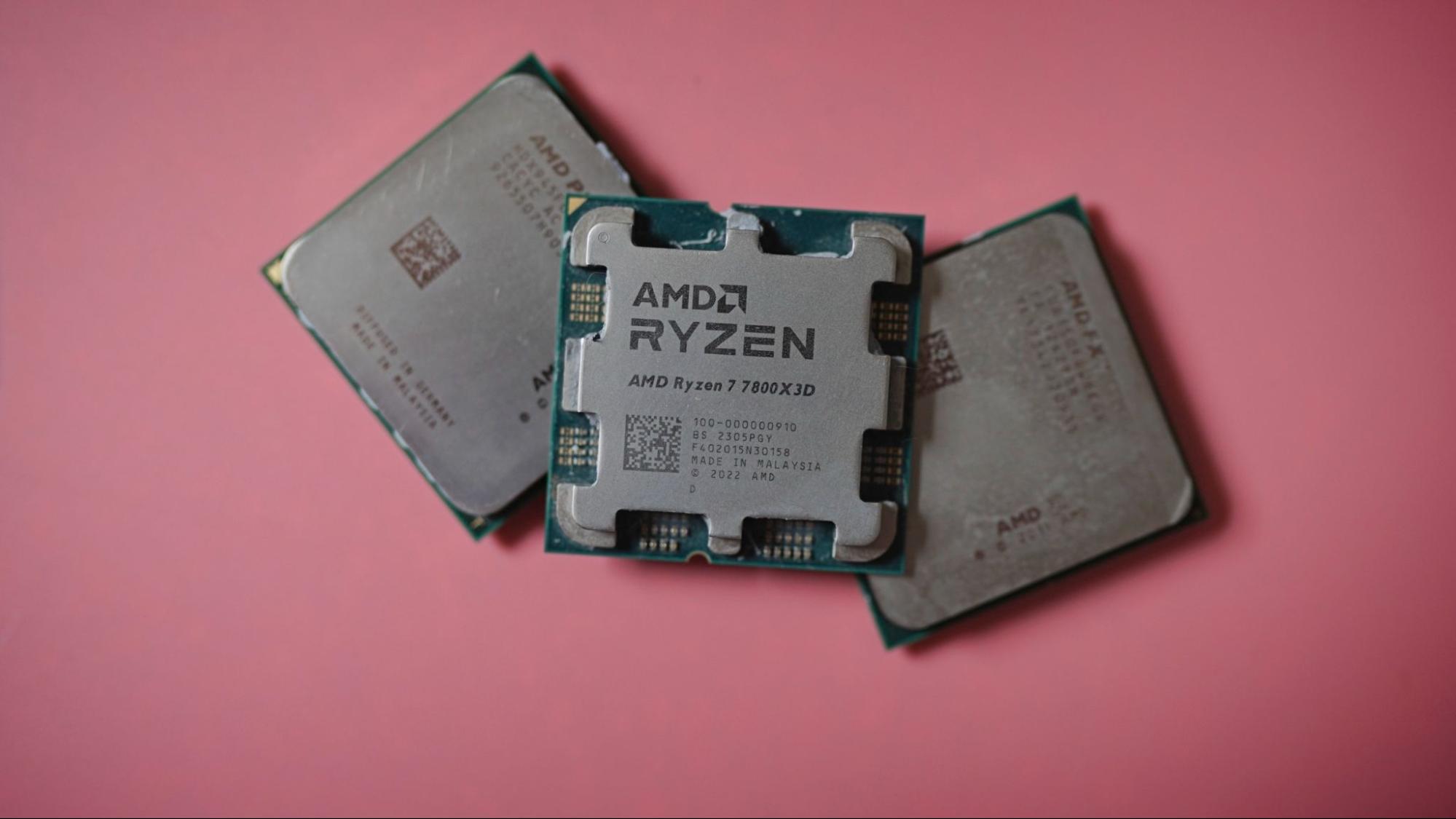
AMD delivered that in early 2023 with the Ryzen 9 7950X3D and (to a much lesser degree) Ryzen 9 7900X3D. A couple months before, Intel cracked the 6 GHz barrier out of the box with the Core i9-13900KS, but AMD was offering something more compelling than peak clocks. The Ryzen 9 7950X3D managed to outclass Intel in multithreaded and single-threaded performance, all while offering a double-digit jump in gaming performance thanks to 3D V-Cache.
Raptor Lake saw a refresh later in 2023, and although the flagship was able to close the application performance gap in our Core i9-14900K review, AMD still held a firm grip on gaming performance, especially with the trimmed-down and relatively affordable Ryzen 7 7800X3D. AMD had taken the lead, but Intel, finally, executed its tick-tock-tock strategy and set its eyes on a radically new architecture in the form of Arrow Lake.
Reckoning with the real world (2024 - today)
Reckoning with the real world (2024 - today)
Under AMD’s thumb and clearly behind in pace, Intel needed to innovate. The result was Arrow Lake. Like Bulldozer, it’s easy to write Arrow Lake off in hindsight, especially given how recent it is. As you can read in our Core Ultra 9 285K review, Arrow Lake chips only marginally improved in application performance over their 14th-Gen counterparts, and they were actually slower across most games. But, architecturally, Arrow Lake is as big a swing as Bulldozer was.
For the first time, Intel outsourced manufacturing to TSMC, clearly behind the Taiwanese manufacturer for cutting-edge nodes. It disabled Hyper-Threading, killing off a staple of Intel CPUs for decades, and it doubled down on Intel’s hybrid architecture. Those bets didn’t pay off, but they were big bets for a company struggling to reckon with a reinvigorated AMD.
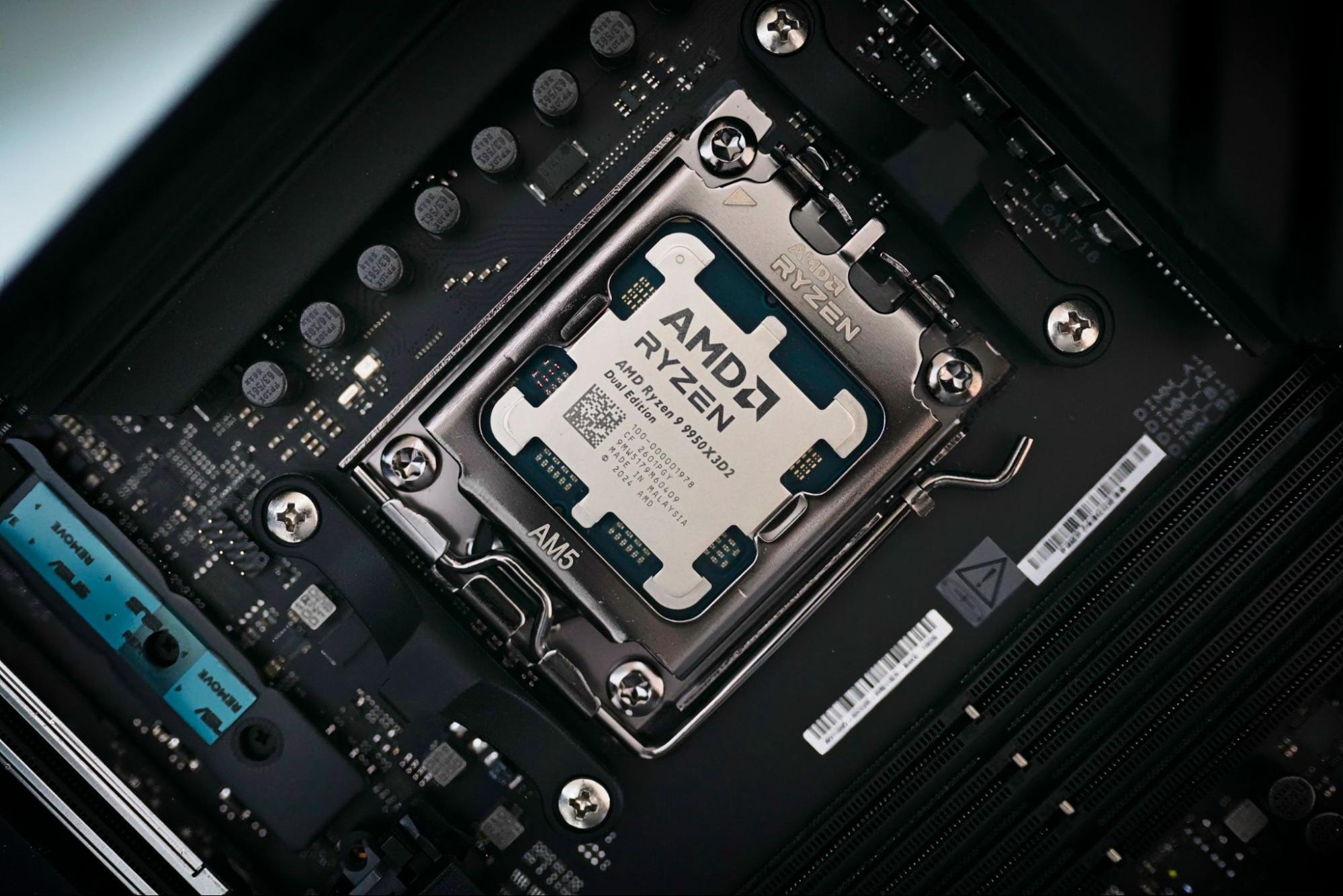
AMD followed up Zen 4, predictably, with Zen 5 in mid-2024, shortly before the Arrow Lake release. With Arrow Lakes' struggles, it’s easy to forget the problems Zen 5 had at launch, and the relatively small generational uplift it offers even today. AMD has continued to build out this lineup with X3D chips, and it finally delivered 3D V-Cache on both CCDs with the Ryzen 9 9950X3D2. But going back to our Ryzen 9 9950X review, Zen 5, at its core, isn’t the massive uplift we had become accustomed to in the early days of Zen.
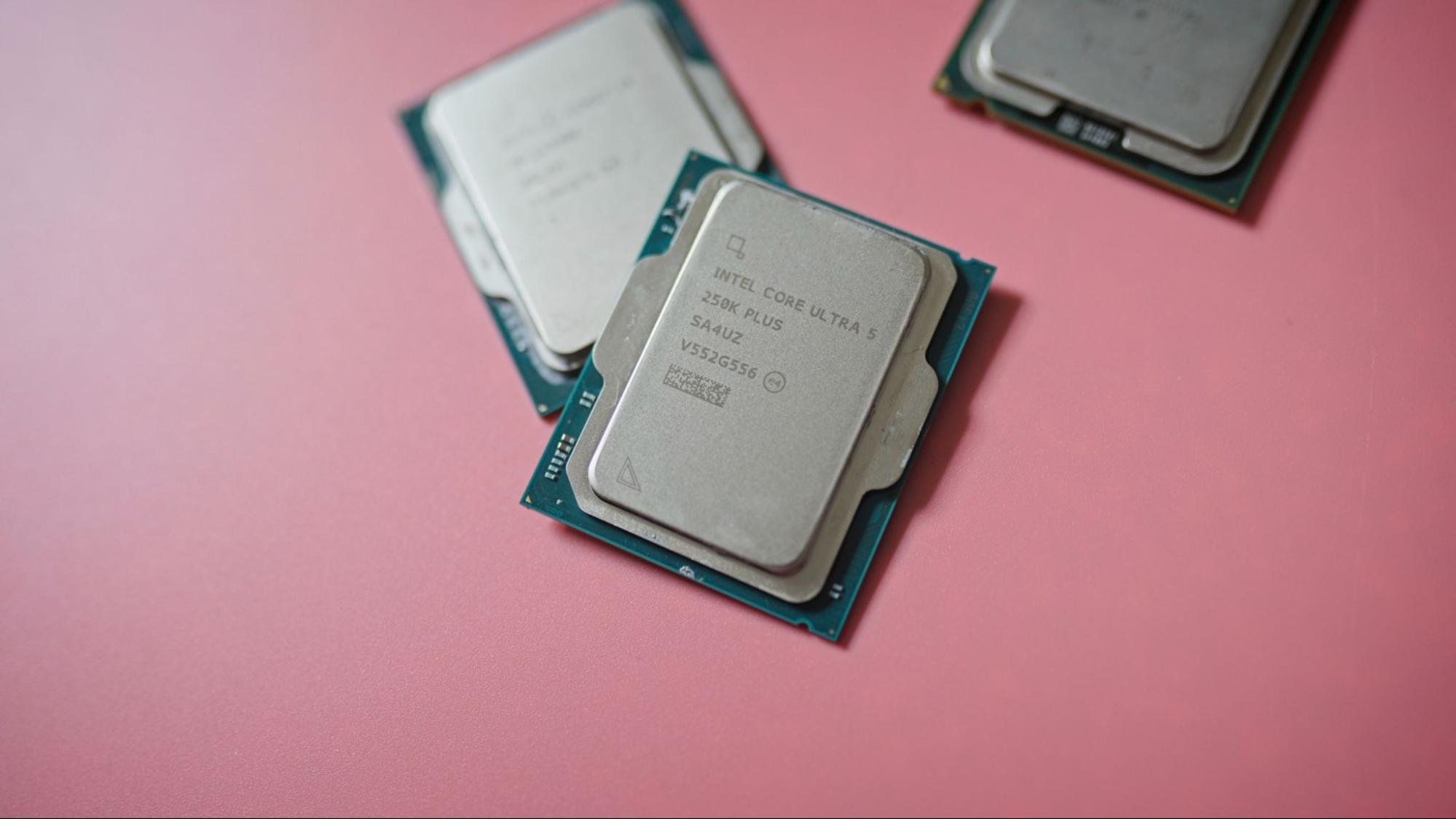
Intel tried to give Arrow Lake a bit more life with a small refresh earlier this year in the form of the Core Ultra 7 270K Plus and Core Ultra 5 250K Plus, and those CPUs set the stage for the next era of CPUs. They put Intel into the position AMD found itself during the Bulldozer/Steamroller days, clearancing off silicon to maintain a competitive position in the market.
That’s where we are today, with our sights set on Zen 6 and Nova Lake. But there are some realities in the PC enthusiast space that we have to contend with today. DRAM pricing is out of control, and showing no signs of slowing down, and a sudden boost in demand for CPUs for agentic AI means consumer chips have taken a backseat. Zen 6 and Nova Lake were both expected by the end of the year; it’s looking more likely that they’ll slip into 2027.
History doesn’t repeat, but it often rhymes, and we can see traces of days past over the last 30 years start to creep into the dynamics today. Today, we see a defiant AMD and an Intel that seems ready to get scrappy in order to earn back market share. Will it pay off? We don’t know, but Tom’s Hardware will be here to cover whatever comes next in the world of CPUs, just as we’ve been for the past 30 years.





 English (US) ·