
 2 hours ago
4

Published Nov 8, 2026, 11:00 PM EST
The machines are winning, but at least the movies are free
 Image: Warner Brothers/Everett Collection
Some science fiction franchises are so ambitious they become their own cinematic languages. Star Wars built an entire galaxy with a mythology that’s still growing almost 50 years later, while Blade Runner helped define the vision of a far-future Los Angeles through rampant tech advancement and unchecked capitalism. They’re the kinds of franchises that can change the way we imagine the future, influencing everything from fashion and technology to the stories other filmmakers want to tell. Plenty of franchises have tried to capture that same vibe, but few have managed to pull it off quite like The Matrix.
Released in 1999, Lana and Lilly Wachowski’s cyberpunk action thriller introduced one of the most original sci-fi concepts in modern cinema (by shamelessly ripping off cyberpunk literature and golden age anime). The story follows Thomas Anderson (Keanu Reeves), a computer programmer and net surfer living under the hacker alias "Neo," who discovers that the everyday world of the late 1990s is just a complex simulation called the Matrix. Built by sentient machines, this fake reality keeps humanity docile and unconscious while harvesting their bioelectric energy in a real-world wasteland. Neo violently wakes up to the truth, joining forces with a mysterious rebel leader in Morpheus (Laurence Fishburne) and a skilled operative named Trinity (Carrie-Anne Moss). With the entire four-movie saga currently streaming free on Pluto TV, what better way to spend a weekend than by delving back into the digital rabbit hole that changed cinema forever?
Red pills, bullet time, and millennial paranoia
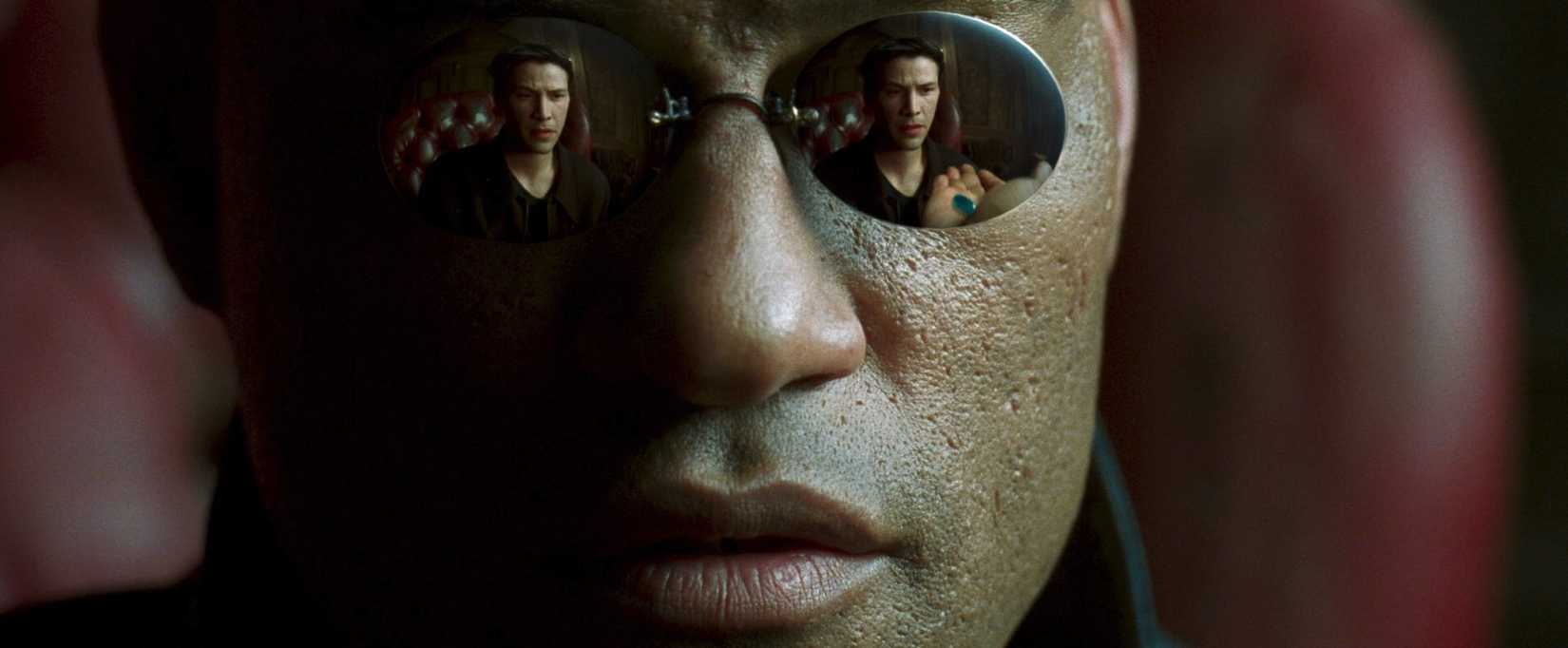 Image: Warner Bros. Pictures
Landing on the doorstep of the new millennium, The Matrix hit upon the exact cultural fears and anxieties surrounding the internet at the time. On the cusp of the impending Y2K bug, a widely feared computer glitch that threatened to disrupt everything from banking systems to power grids when the calendar rolled into 2000, the Wachowskis captured a palpable dread about future technologies, transforming fears of rogue code and automated systems into a leather-clad action movie that completely rewired 2000s sci-fi and action cinema. It’s no surprise that The Matrix became the blueprint for a whole decade of internet-obsessed action-thrillers, from Kurt Wimmer’s Equilibrium to Michael Bay’s The Island.
Despite striking gold, the Wachowskis weren't working from a blank slate. Mamoru Oshii's 1995 masterpiece Ghost in the Shell shaped the film's aesthetic and ideas, with the Wachowskis even reportedly showing the film to producer Joel Silver while pitching their vision. The Matrix inevitably combined those influences with Western cyberpunk, religious imagery, and martial arts cinema to create a singular blend of philosophical science fiction and blockbuster spectacle unlike any other. Its famous bullet-time sequences became a sensation, with the iconic rooftop showdown between Agent Smith and Neo still one of its slickest. It was visual storytelling at its finest, physically demonstrating that Neo was finally beginning to understand the rules of the simulation as he surpassed the boundaries of his human limitations.
 Photo: Murray Close/Warner Bros. Pictures
The original film's breakout success led to The Matrix Reloaded and The Matrix Revolutions, which expanded the mythology into a multi-layered epic exploring the political machinery of Zion. The sequels might not have captured the same cultural lightning as their predecessor, but they deserve credit for refusing to simply repeat the first film's formula. Reloaded introduced more complicated questions about the cyclical nature of the Matrix, while Revolutions brought Neo's conflict with the machines to an appropriately operatic conclusion. The franchise also expanded into the digital realm with The Animatrix, a nine-part anime anthology featuring legendary Japanese directors, as well as assorted video games, and other multimedia projects, creating a sprawling sci-fi universe that showed little signs of dying.
Eighteen years after Revolutions brought Neo’s journey to a definitive close, The Matrix seemingly still had stories left to tell with 2021’s The Matrix Resurrections. Directed solely by Lana Wachowski, the fourth installment reunited Reeves and Carrie-Anne Moss, but its greatest ambition also proved to be its biggest stumbling block. Rather than delivering another nostalgic action spectacle, Resurrections tried to tackle Hollywood’s relentless obsession with reboots and legacy sequels through a self-referential lens. It was a hard sell for fans hoping for another revolutionary sci-fi leap, with the film struggling to strike a satisfying balance between its cerebral commentary and the blockbuster storytelling that made the 1999 film a masterpiece.
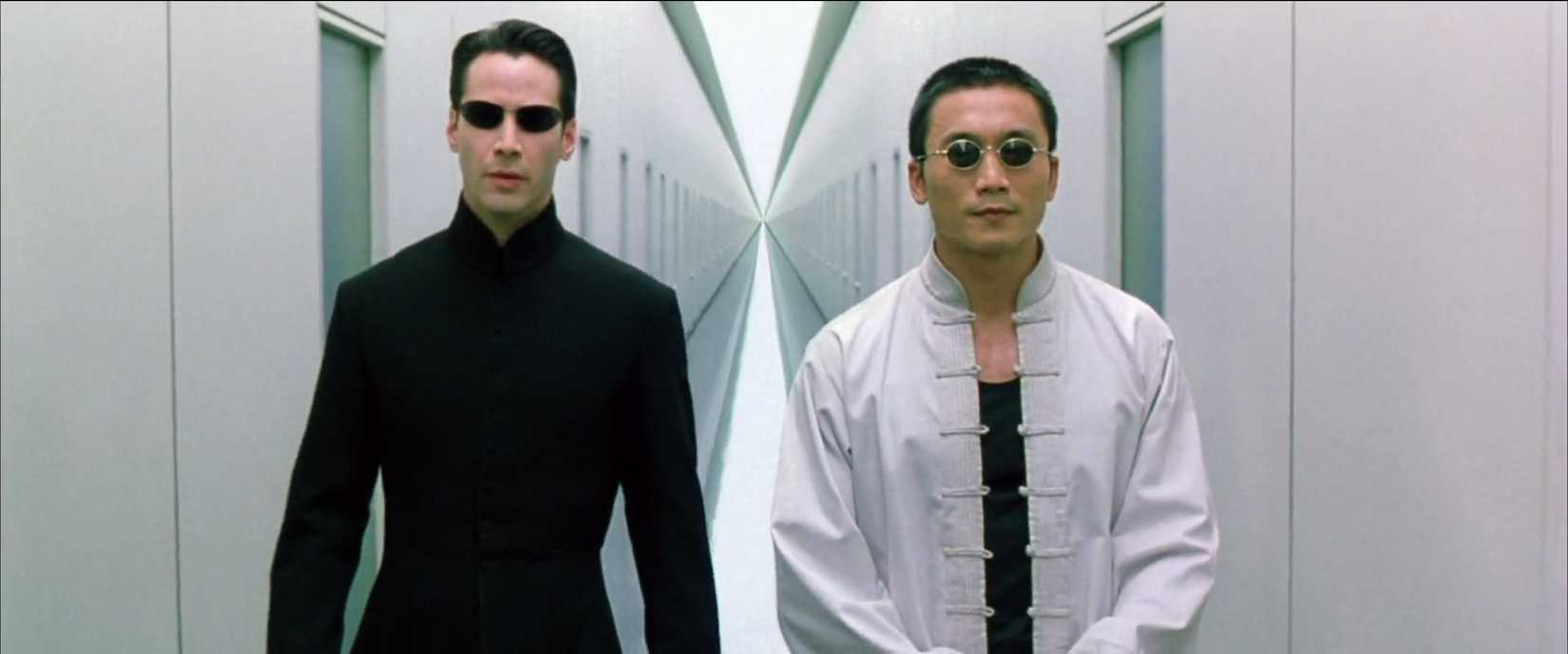 Image: Warner Bros. Pictures
Still, an uneven fourth installment can't erase what The Matrix accomplished. Its vision of artificial intelligence and simulated reality feels particularly relevant today, even if we're still waiting for someone to invent a pair of sunglasses that look quite as cool. For anyone who missed the phenomenon the first time around, or simply wants to revisit one of Hollywood's most influential sci-fi universes, there's never been a better excuse to follow the white rabbit again.








 English (US) ·