
 Image via MovieStillsDB
Published Sep 13, 2026, 3:00 PM EDT
Faith Roswell is a Senior Writer on Screen Rant's Classic TV team. Since earning her degree in Creative Writing over a decade ago, Faith has written articles on film and TV from a variety of different angles. Faith now combines her knowledge of psychology with her love of monster movies to give more insight into what makes the best ones.
You may have read her Screen Rant lists and features covering horror, sci-fi, and fantasy, or read her Amazon Top 10 book, "Movie Monsters of the Deep."
Faith has had an extensive career as a writer, appearing on BBC live radio, researching true crime for Rotten Mango podcast, and writing for publications including Mental Floss, Atlas Obscura, and The Daily Jaws before beginning here at Screen Rant.
Sign in to your ScreenRant account
The Sopranos has such a legacy among HBO's greatest TV shows that it is sometimes easy to forget that the show broke virtually every rule in the TV writing book. Since the show aired, The Sopranos has inspired countless other TV series, from Mad Men to Breaking Bad, and even its polarizing ending has, in hindsight, been recontextualized. Being drastically different from the more explosive and action-packed crime TV shows popular in the 1990s made The Sopranos hard to get into at first, but the series soon won fans over, becoming a show that is endlessly rewatchable.
The Sopranos was more than a family drama. Through Tony Soprano, the series was a character study featuring one of the most unusual protagonists ever seen in a TV show. Tony was a mafia boss and a father, and could be cruel, vulnerable, arrogant, and deeply introspective all at once, with the best Sopranos episodes showcasing multiple aspects of him within the same scene thanks to James Gandolfini's career-defining performance. Many Sopranos episodes are masterpieces, but one changed the game entirely for both the show and TV by breaking the rules of character writing.
"College" Was A Pivotal Episode For The Sopranos
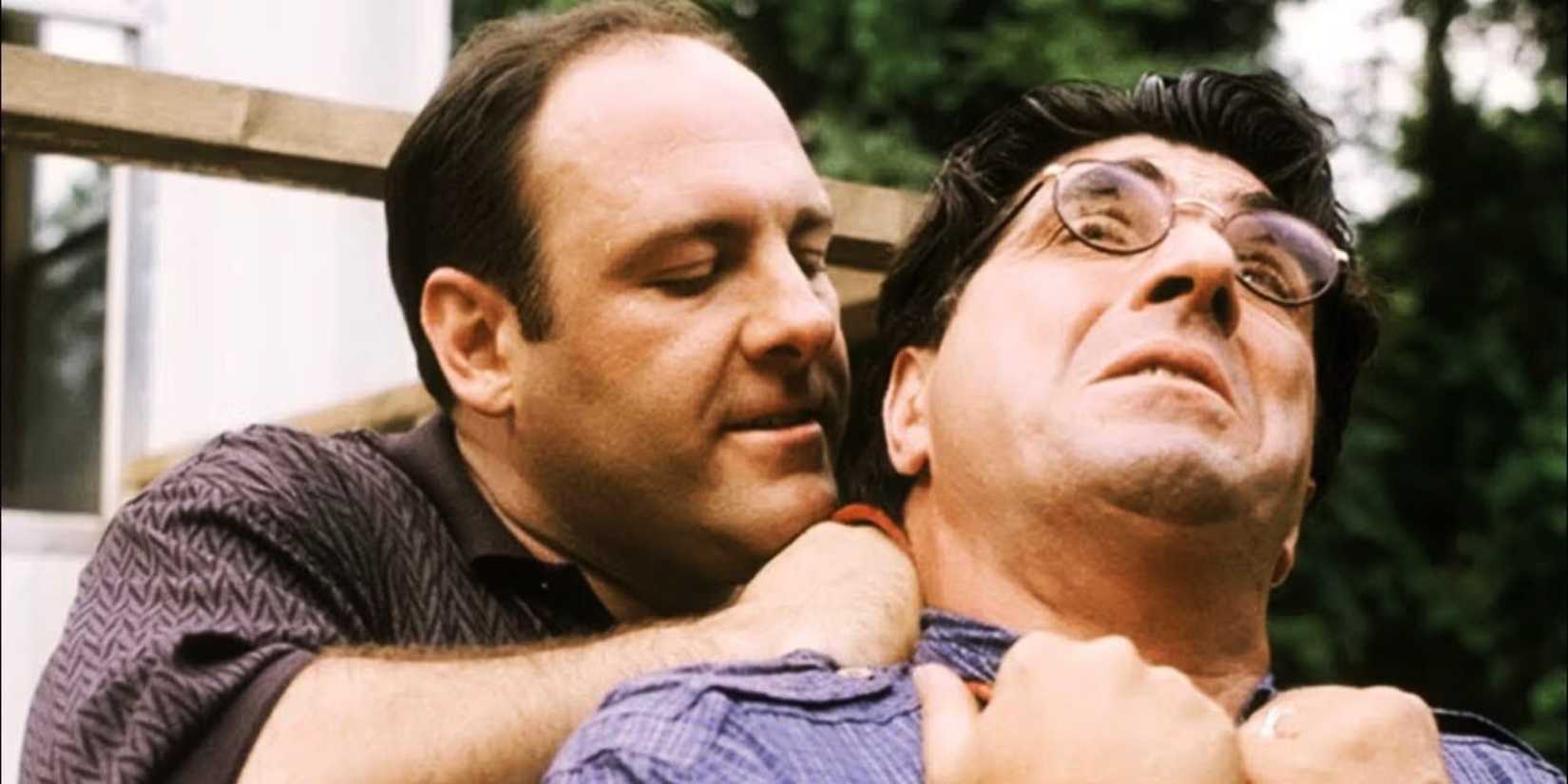
From the first episode, The Sopranos had shown that there was more to Tony than his job in "waste management," featuring his life as a father and husband alongside his obligations to the mafia. His position as a mob boss came with plenty of implications for the viewer, but the reality of his life became impossible to ignore just a few hours into the show. The season 1 episode "College" put The Sopranos on the map by revealing a side to Tony that had always been implied but was difficult to finally watch.
Tony takes Meadow on a road trip to look at colleges, but after an awkward conversation full of half-truths about his mafia activities, he spots an associate who had gone into Witness Protection. Then, with the two main interests in his life fighting for attention, Tony spends the episode juggling discussing his daughter's higher education with his desire for revenge. When he finally tracks down and strangles his former colleague, it is the final confirmation that Tony is not just a flawed character but a villain. This broke the rules of character writing by making the protagonist a "bad guy."
The Episode Began A Character Writing Trend That Continues Today
 Credit: MovieStillsDB
Tony's former colleague, Febby, had actually spotted him and was already making plans to kill him. However, Tony was not aware of this, and had no excuse for his actions, which, in killing a man with his bare hands, were particularly brutal and fitting for his character. With Tony revealed to behave like an antagonist yet without giving audiences somebody else to root for in his place, The Sopranos began a character writing trend that is still popular today. The episode "College" was not only one of James Gandolfini's best Tony Soprano performances; it was the birth of the antihero.
The Sopranos has been nominated for 111 Primetime Emmy Awards, winning 21.
Over two decades later, the episode, while still a masterpiece, stands out less because there are now many well-written TV antiheroes. It is important to remember that without this episode and The Sopranos, many of TV's best antihero characters would not exist. HBO is known for dramas that feature complex main characters, and following The Sopranos' success, Mad Men's Don Draper, The Wire's Omar Little, and even True Blood's Eric Northman became the next wave of iconic antiheroes on HBO. Later, Breaking Bad creator Vince Gilligan would tell The Hollywood Reporter, "Without Tony Soprano, there would be no Walter White."
The Sopranos Would Break More Rules Of TV Writing

The Sopranos was such a departure from the TV writing norm that the series should not have been a success. However, the acting, writing, and references to classic movies like The Godfather soon revealed The Sopranos to be lightning in a bottle, and putting a typically villainous character in the role of the protagonist was just the beginning. Many great TV shows are praised for their tight writing and complete lack of unresolved storylines. On the other hand, The Sopranos contains a world of unfinished business, from the brutal attack on Jennifer Melfi to the ending.
One of The Sopranos' many perfect episodes is "Pine Barrens," which sees Paulie Walnuts and Christopher on a mission to do business with a Russian man. However, things go downhill and the Russian ends up dead, with Paulie and Christopher driving to the woods to bury his body. It is soon revealed that he is not only still alive, but seemingly impossible to kill, resulting in some hilarious exchanges between the increasingly frustrated men, and a lot of character development in the process. The Russian's fate is never revealed, becoming another of the show's loose ends.
Not all of these open-ended storylines were popular, with Melfi's attack still being controversial, but nobody can say that The Sopranos was clichéd or glamorized. Released during a time in which mafia stories were often given the cinematic treatment, The Sopranos' focus on the mundane aspects of life, from food poisoning to household budgeting, broke more rules by including details that many shows would have cut in order to move the plot along, and yet in doing this, provided more subtle context than any well-timed close-up could.
27 Years Later, The Sopranos Still Feels Groundbreaking

Even for such a comparatively old show, The Sopranos still feels fresh and new, which is largely due to the fact that very few TV shows have broken the same rules and been successes. Mad Men came close, showcasing the grit and boredom behind the glossy world of advertising, but The Sopranos' tension mixed with dark comedy gives it more of an edge and a position at the top of most lists of the greatest TV shows ever made. Some pioneering shows feel dated despite their innovation and influence, but there is one main reason The Sopranos does not.
|
Season |
Rotten Tomatoes critics' rating |
Rotten Tomatoes audience rating |
|
1 |
98% |
96% |
|
2 |
94% |
97% |
|
3 |
100% |
97% |
|
4 |
92% |
96% |
|
5 |
93% |
96% |
|
6 |
89% |
95% |
|
7 |
84% |
95% |
Many groundbreaking TV shows that changed the game have since been surpassed, while The Sopranos has not. Sci-fi and fantasy can become dated through advancement in special effects, romances can feel less romantic in hindsight, and great TV twists lose the element of surprise once people have seen them in another show. Great writing and character development are timeless, and this is where The Sopranos excelled, becoming the blueprint for prestige drama by knowing what is essential for a perfect show, and what rules were made to be broken.
Source: The Hollywood Reporter
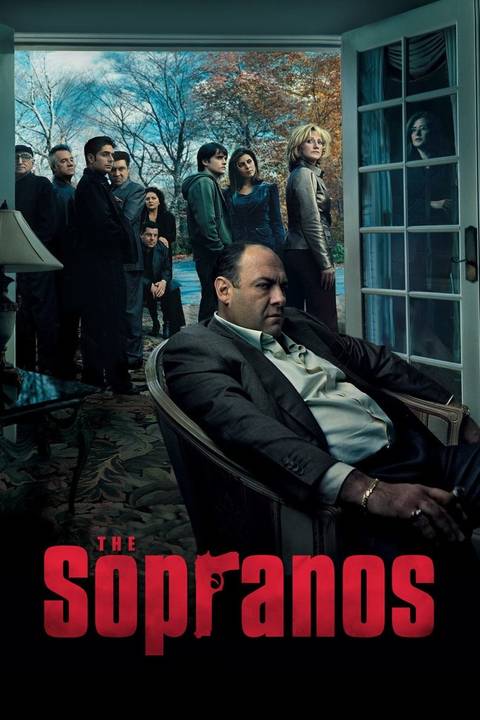
Release Date 1999 - 2007-00-00
Network HBO
Showrunner David Chase
Writers Michael Imperioli, Jason Cahill, Lawrence Konner, David Flebotte, James Manos, Jr., Salvatore Stabile, Toni Kalem, Mark Saraceni, Nick Santora
-

James Gandolfini
Tony Soprano
-





 English (US) ·