
 Via MovieStillsDB
Published Aug 14, 2026, 12:00 PM EDT
Ben Sherlock is a Tomatometer-approved film and TV critic who runs the massively underrated YouTube channel I Got Touched at the Cinema. Before working at Screen Rant, Ben wrote for Game Rant, Taste of Cinema, Comic Book Resources, and BabbleTop. He's also an indie filmmaker, a standup comedian, and an alumnus of the School of Rock.
Sign in to your ScreenRant account
Throughout television history, a small handful of landmark shows have revolutionized the entire medium, and marked a watershed moment: there was TV before The Wire, and TV after The Wire. I Love Lucy created the sitcom as we know it today. The Twilight Zone used sci-fi and horror allegories to sneak timely social commentary past nervous censors and advertisers. Twin Peaks and Band of Brothers brought cinematic visuals to the small screen. Breaking Bad used the long-form medium of television to tell a story about change.
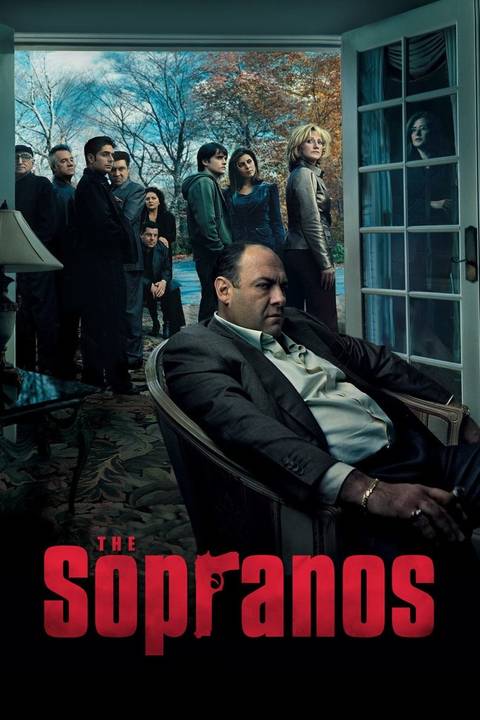
It’s hard to think of a series that’s had a bigger impact on the wider television landscape than The Sopranos. David Chase used the lenient content restrictions on HBO to redefine what a TV show could be. The Sopranos wasn’t a polished, family-friendly filmed play; it was a rich, cinematic, profane, violent, rough, gritty, raw, honest look at real human lives. It plays on the tropes of mob movies, but its depiction of life in the mafia has a refreshing verisimilitude — like Goodfellas, The Sopranos feels like a mafia home movie.
The Sopranos season 1 was a promising start, but, like many TV shows, it didn’t quite find its feet right away. In its pilot episode, the show feels more like a quirky dark comedy, as opposed to a drama with some black humor, and the rest of the season has a lighter, more episodic approach than the groundbreaking subsequent seasons. Season 2 was when The Sopranos truly became a game-changer.
Once The Sopranos Found Its Feet, It Was Untouchable
 Via MovieStillsDB
Season 2 is where The Sopranos really became The Sopranos. The first season had plenty of dark humor, plenty of Lynchian dream sequences, and plenty of deeper subtext to interpret, but season 2 perfected all that stuff. It has shocking twists, like Janice killing her husband; curious side quests, like Chris’ trip to Hollywood; and maybe the greatest season finale in TV history, with “Funhouse.”
The storylines in season 2 nailed the unique tonal blend that made The Sopranos feel so special. Big Pussy becoming an FBI informant had the genre thrills of his double life, the slapstick humor of his ill-fated independent sting operation, and the nuanced human drama of a jaded man being betrayed by one of his oldest and closest friends. The writers concluded that storyline in the most brilliantly unexpected way possible: Tony’s suspicions manifest in an iconic fish-market nightmare sequence in between bouts of vomiting and diarrhea from Artie Bucco-induced food poisoning.
The second season of The Sopranos busted the entire medium wide open, like Breathless or The Starry Night. For the next four seasons, The Sopranos more or less maintained the same level of quality, but it was never quite as mind-blowing as season 2.
Even At Its Worst, The Sopranos Was Still Pretty Good

Most successful, long-running TV shows don’t get the luxury of a perfect run. The Office has some of the funniest sitcom episodes you’ve ever seen, but it also has some of the absolute worst in the post-Michael Scott seasons. The Last of Us had a stellar first season, but took a nosedive in season 2 as it started to adapt the less linear and straightforward of the two video games.
But The Sopranos is about as close to perfect as a TV show can get. Much like the other three shows on the Mount Rushmore of gritty TV dramas — The Wire, Breaking Bad, and Mad Men — its writing is so layered, and its cast’s performances are so rich and nuanced, and its direction is so sharp, that even at its worst, it’s still a pretty good show. Even in that ham-fisted Columbus Day episode, The Sopranos is still better than 99% of the television out there.
Release Date 1999 - 2007-00-00
Network HBO
Showrunner David Chase
Writers Michael Imperioli, Jason Cahill, Lawrence Konner, David Flebotte, James Manos, Jr., Salvatore Stabile, Toni Kalem, Mark Saraceni, Nick Santora
-

James Gandolfini
Tony Soprano
-







 English (US) ·