


Published Apr 22, 2026, 5:21 PM EDT
Brandon Zachary is a Lead Writer for Screen Rant's New Movie Team. He also writes or has written for Comicbook.com, CBR, That Hashtag Show, Just Watch, and TVBrittanyF. Brandon is an Emerging Screenwriters Semi-Finalist, co-writer of a Screencraft Quarter-Finalist, a seasoned on-screen interviewer, and a MASSIVE nerd. You can reach him at [email protected]
The following contains light spoilers for Baby BoyReleased twenty-five years ago, Baby Boy remains one of John Singleton's most impressive films and feels even more relevant in today's charged climate. The third part of John Singleton's Hood Trilogy, Baby Boy focuses on the daily life of Tyrese Gibson's Jody as he lives in Los Angeles.
Despite being a father to two children with two different women, Jody is selfishly focused on his own desires and motivations. He still lives at home with his mother, won't commit to his girlfriend Yvette, and figures out a luxury clothing scheme rather than get a formal job to support his loved ones.
Jody's life is turned upside down when his mother starts dating Melvin, an ex-con who has been where Jody is and has grown through his own traumatic experiences. While Jody wrestles with jealousy and frustration, Yvette's dangerous ex, Rodney, is released from prison and reenters her life whether they want him to or not.
The film is a true spiritual successor to Boyz n the Hood and Poetic Justice, with all three currently available through the Criterion Collection as John Singleton's Hood Trilogy. Those prior two had larger casts and broader stories, while Baby Boy is a specific deconstruction of a young man that highlights why he needs to grow up.
The film takes a more focused approach to a single man's life and perspective, highlighting his growth from the baby boy of the title into an actual man through desperation, revenge, and epiphanies. Given the spread of misogynistic mentalities in places like the manosphere, Baby Boy's themes and morals land harder now than ever.
Baby Boy Is All About A Grown Man Finally Learning To Act Like It
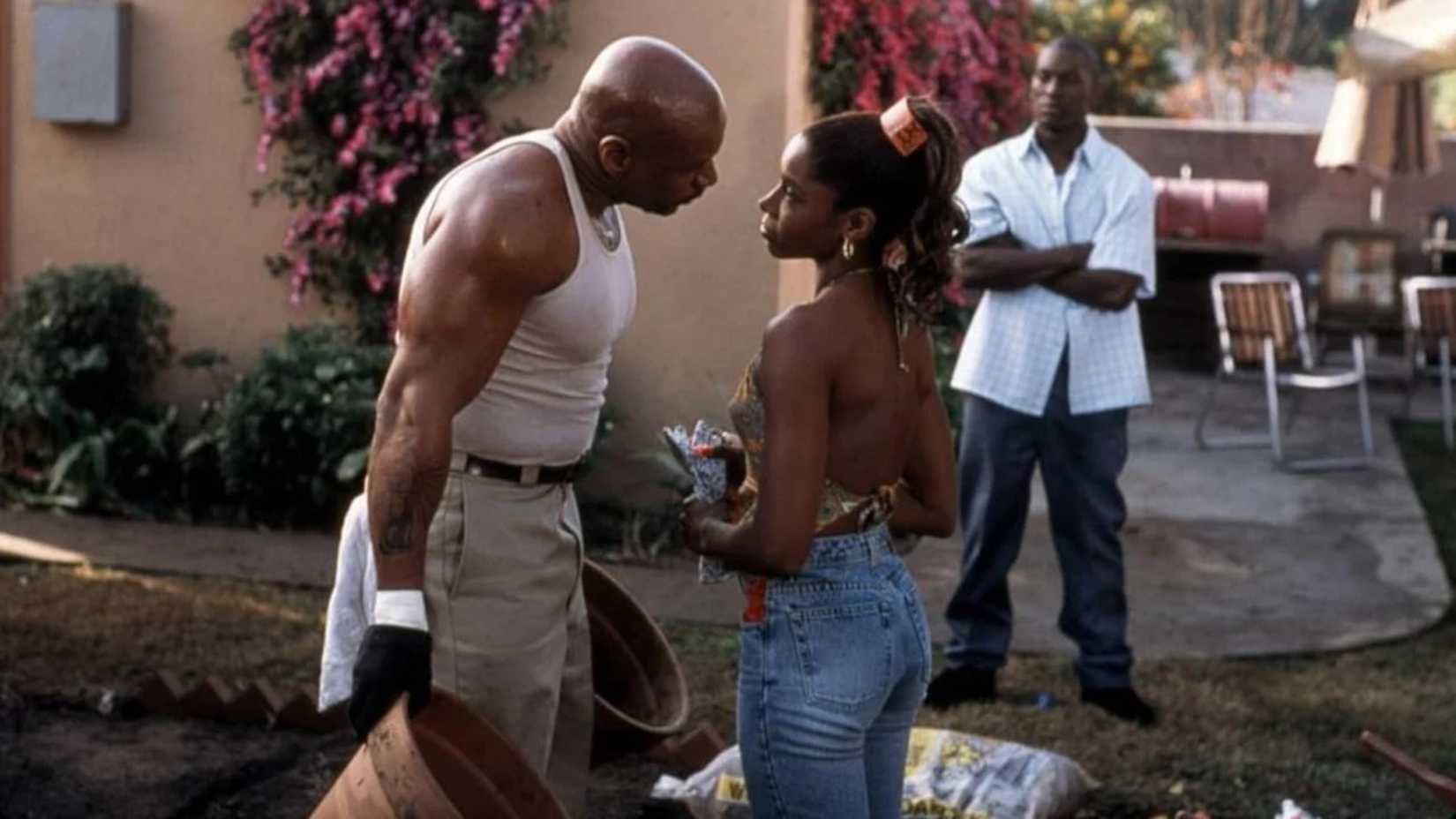
The themes of Baby Boy are obvious from the dreamy visuals of a fully grown Jody in the womb. The entire film depicts Jody's selfish and impulsive nature as a stunted development. Jody ignores his responsibilities, cheats, and dreams big without actual plans. He's, at least in spirit, still a child. It's what makes Melvin such an effective contrast.
Jody is wiry, scrambles for money, and treats his girlfriend dismissively when he doesn't want something. Melvin is muscular, has his own company, and is a respectful lover to Juanita. The film notably never really takes Jody's side, painting him as the cause of much of his own conflict. Melvin is a man in all the ways Jody isn't.
Jody is flawed, but the film teases out his potential, his intellect, and his charm. He's almost playful, acting out and easily emotional in contrast to the more reserved and respectful Melvin. Jody isn't the only "weaker" man in the narrative, with Rodney in particular standing in as the ultimate example of the kind of person Jody is acting like.
The difference is that Rodney takes that "all take, no give" approach to life to a horrifying space, trying to kill Jody for complicating his relationship with Yvette and almost sexually assaulting her when she refuses his advances. Even Rodney's eventual fate plays into the arc surrounding Jody's dawning horror about who he's become.
Baby Boy Has A Lot To Say About Toxic Men And How They Can Save Themselves
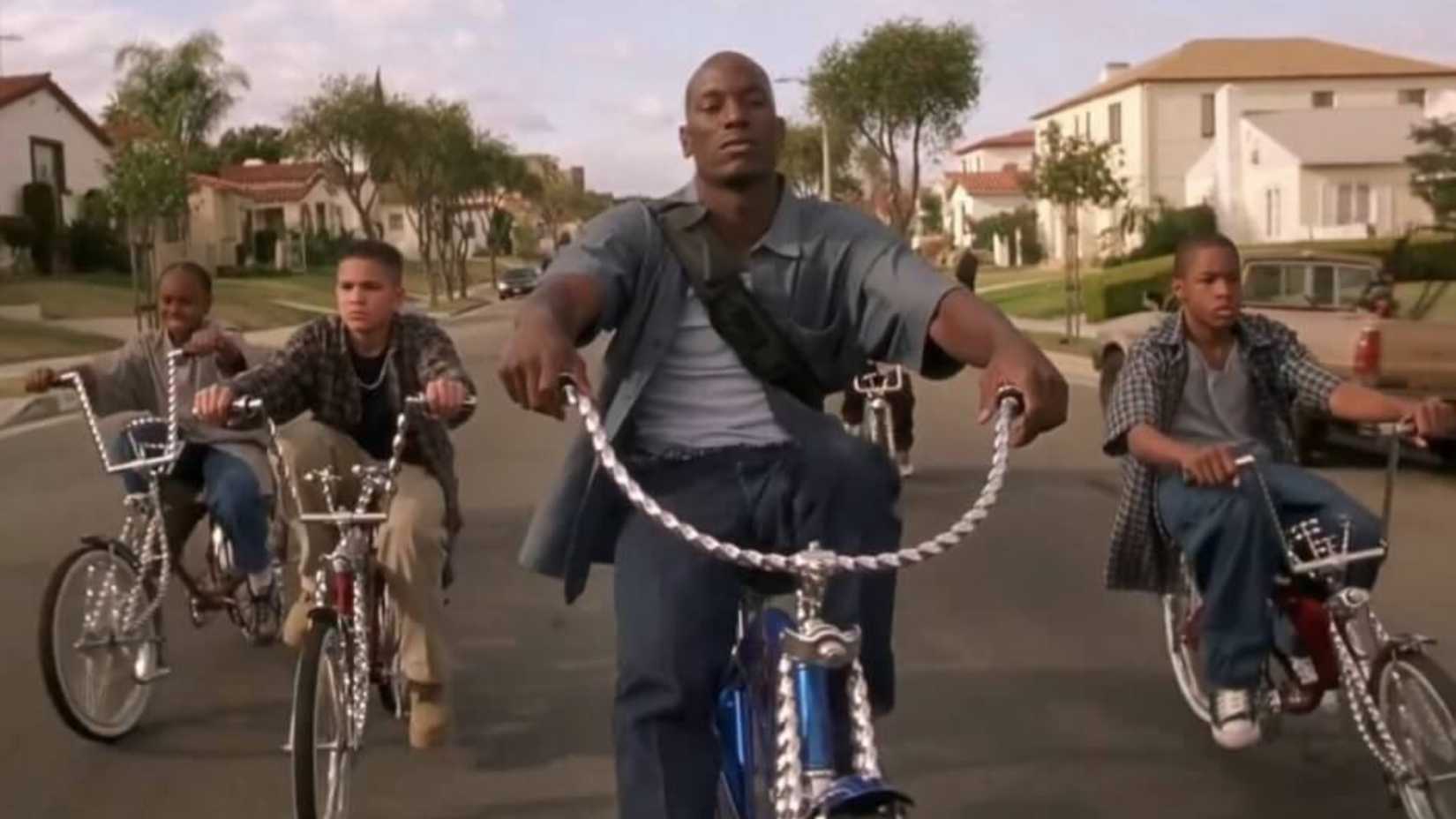
The interplay of casual misogyny, sudden violence, and performance confidence in Baby Boy lands a lot harder in modern society, given the impact of phenomena like the manosphere. The online trend of men preaching toxic masculinity towards women and embracing dangerous behavior has highlighted how widespread Jody's mentality can be in young men.
Jody's arc in the film is rooted in the realization that his own behavior is why he's so often left scrambling. He has no career because he never went looking for one, lives at home because he can't mature enough to get his own life, and treats his girlfriends with a hypocritical perspective on commitment.
In Baby Boy, that mentality is treated as a flaw that men have to overcome. Jody grows more mature while his friend Sweetpea develops faith in contrast to the bleakness around them. Melvin admits he used to be a lot like Jody, but life beat him down until he changed and grew and became the kind of man Juanita needs.
In an age where violent screeds against women have inspired acts of violence in the real world, Jody's perspective feels all the more harrowing. Jody espouses the kind of hustler mentality that plenty of online personalities champion. While Jody learns his lessons, that selfish, dismissive, and violent perspective on life has been embraced by a disquieting number of young men.
Baby Boy is all about how young men, especially those who feel disenfranchised by the world around them, can become their own worst enemies. They can ruin the lives of their loved ones, endanger their families, and in extreme cases, can become villains like Rodney. John Singleton's
The Hood Trilogy is a terrific examination of the interplay between youth and maturity in a complex and unfair world. Baby Boy takes that sentiment inwards, reflecting on men who allow themselves to remain immature and cruel. It's a movie that takes on additional weight in light of how many young men might now see Jody's initial situation as aspirational.
Baby Boy is all about how the perspective that suggests misogyny, cruelty, and violence are masculine is wrong. It's not about being the most charming or being the most lethal. It's all about helping your loved ones, empathizing with your peers, and actually acting like a man instead of pretending to be one.

Baby Boy
Release Date June 27, 2001
Runtime 130 Minutes
Director John Singleton
Writers John Singleton



 English (US) ·