
 4 hours ago
26
4 hours ago
26
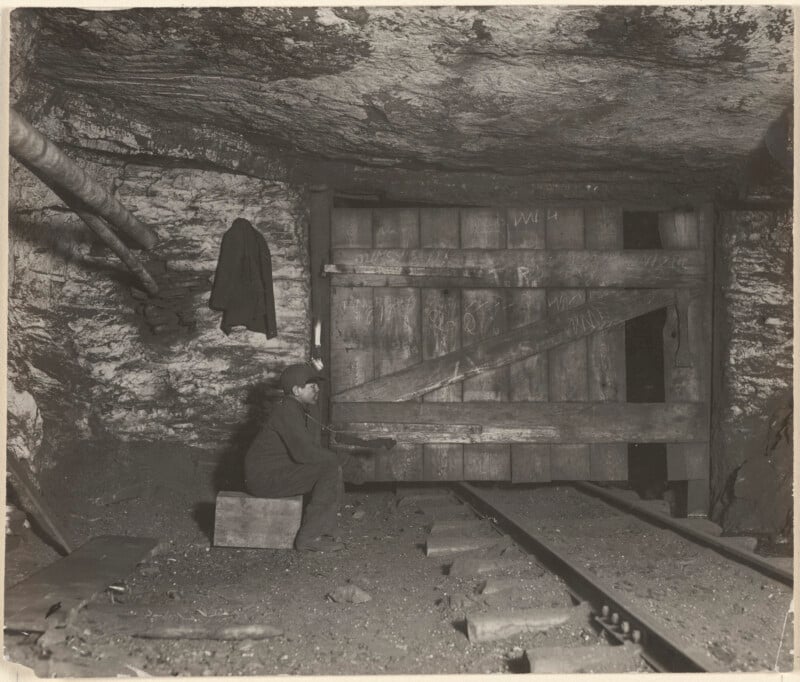 Lewis Wickes Hine, “A lonely job.” Willie Bryden, a nipper, 13 yrs old, Pittston, Pa., 1911 | Milwaukee Art Museum, Gift of Robert Mann
A new exhibition will examine how generations of photographers have captured mining and industry in the United States, from early daguerreotypes depicting the California Gold Rush to images of rapid industrialization in the 20th century.
The upcoming exhibition, titled Beneath the Surface: Mining and American Photography, is being presented by the National Gallery of Art in Washington. According to the museum, it is the first exhibition dedicated exclusively to exploring the relationship between resource extraction and American photography across nearly 200 years of history.
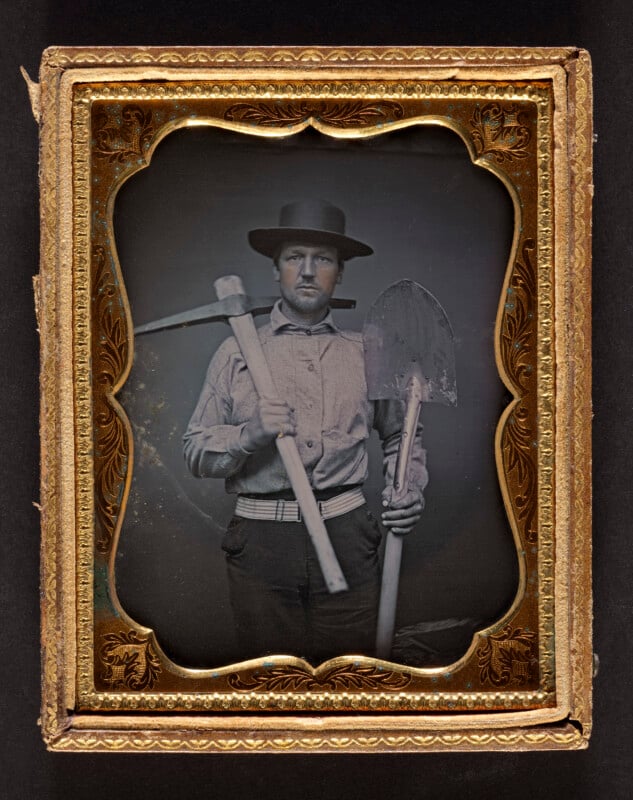 Unknown Portrait of a California gold miner with pick and shovel, c. 1855 quarter-plate daguerreotype | The Nelson-Atkins Museum of Art, Kansas City, Missouri (Gift of the Hall Family Foundation) 2017.68.279
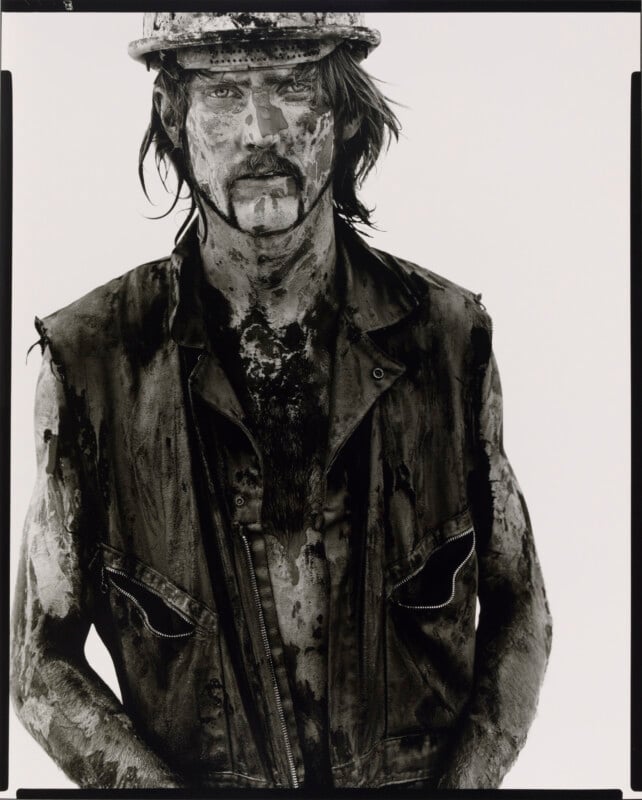 Richard Avedon Tom Stroud, oil field worker, Velma, Oklahoma, 6/12/80 | Amon Carter Museum of American Art, Fort Worth, Texas © The Richard Avedon Foundation
The exhibition examines how photographers have documented the often unseen processes and effects of extracting minerals, coal, and fossil fuels, as well as the industries connected to them.
“As a defining visual medium of our modern age, photography is an essential tool to capture and communicate our shared history,” Kaywin Feldman, director of the National Gallery of Art says in a statement. “Beneath the Surface brings together a dynamic range of works to shed light on the medium’s intersections with a shaping force in American history and industry.”
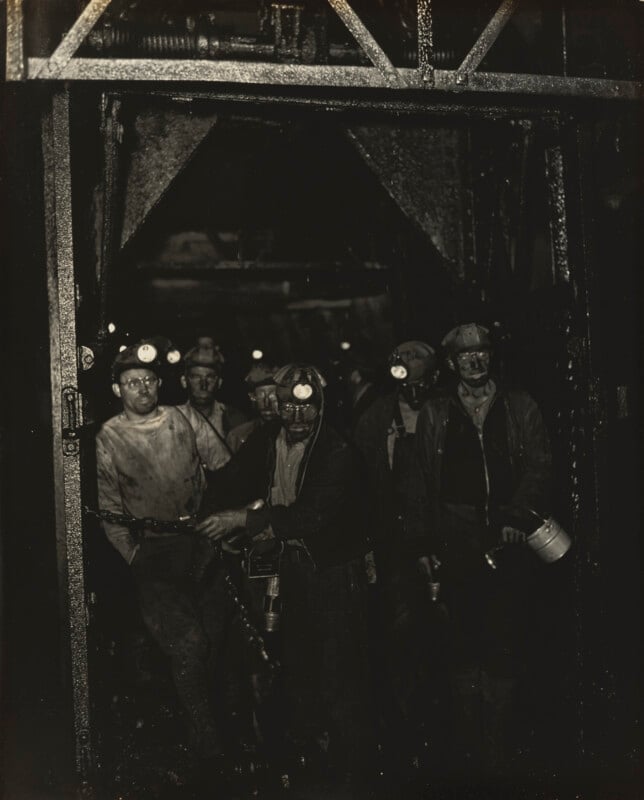 Jack Delano, Anthracite Coal Mine Near Pottsville, Pennsylvania, 1938 | National Gallery of Art, Washington, Gift of the UBS Art Collection, 2023.30.53
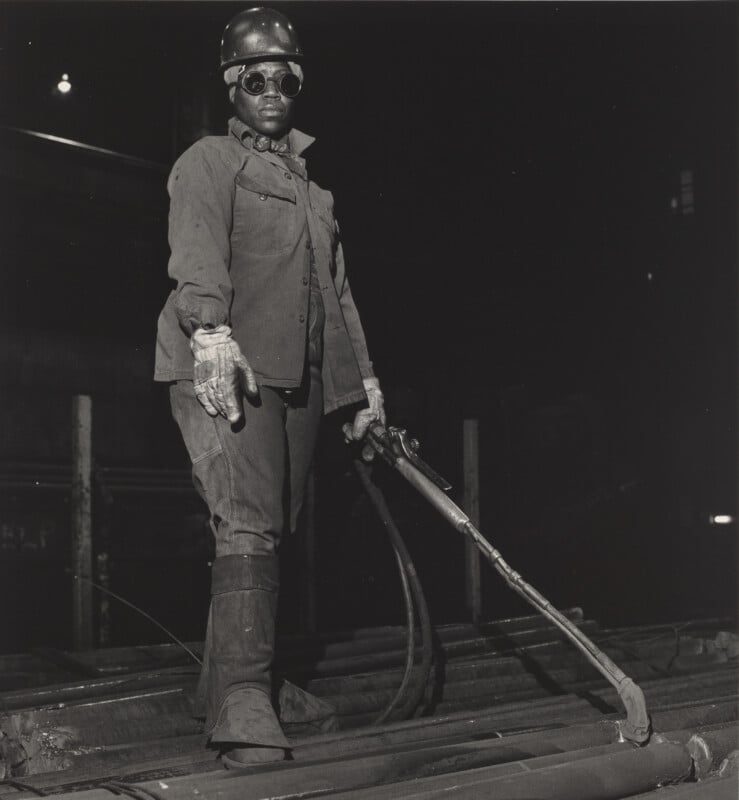 Milton Rogovin, Doris McKinney, Republic Steel, 1978–1979 | National Gallery of Art, Washington, Gift of Pierre Cremieux and Denise Jarvinen, 2010.138.32 © 2025, the Estate of Milton Rogovin
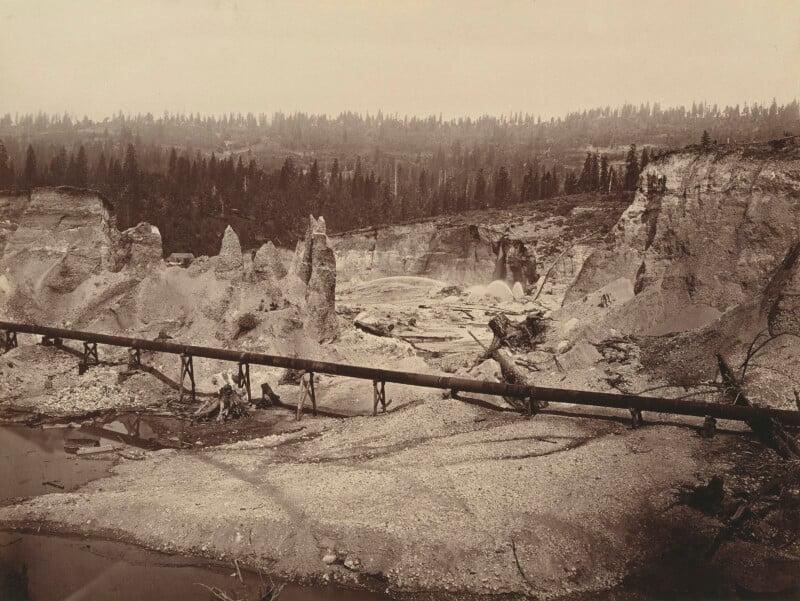 Carleton E. Watkins, Malakoff Diggins, North Bloomfield, Nevada County [California], 1871 | Amon Carter Museum of American Art, Fort Worth, Texas
The exhibition features around 150 images by 100 photographers and spans 185 years of American society and industry. It includes works by Richard Avedon, Dorothea Lange, and Gordon Parks, among others. The collection shows how photographers have used changing technologies and different visual approaches to document industries that have shaped modern life.
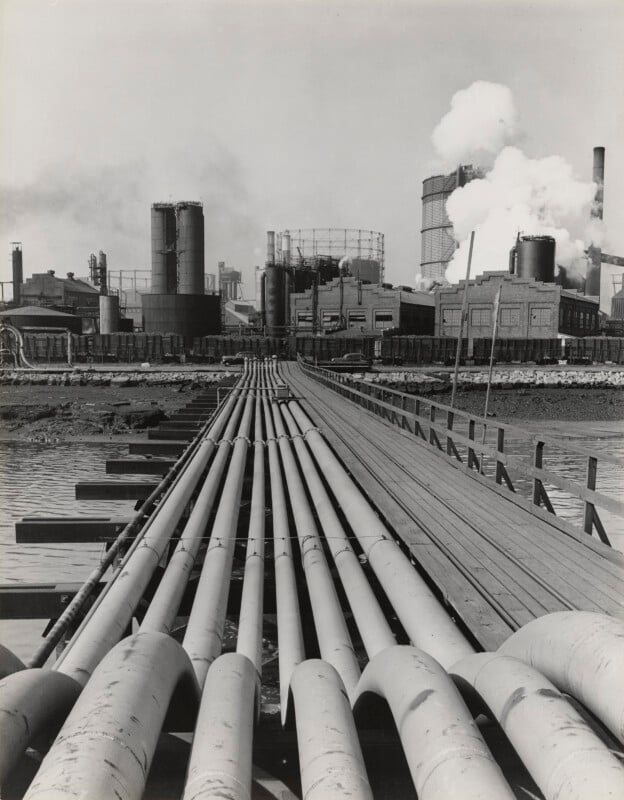 Gordon Parks, Crude oil, fuel oil, gas oil, range oil and gasoline pipelines leading from the waterfront to the Everett Refinery. Everett, Massachusetts, May 1944, c. 1944 | Photography Collection, Miriam and Ira D. Wallach Division of Art, Prints and Photographs, The New York Public Library, Astor, Lenox and Tilden Foundations Courtesy of Exxon Mobil Corporation
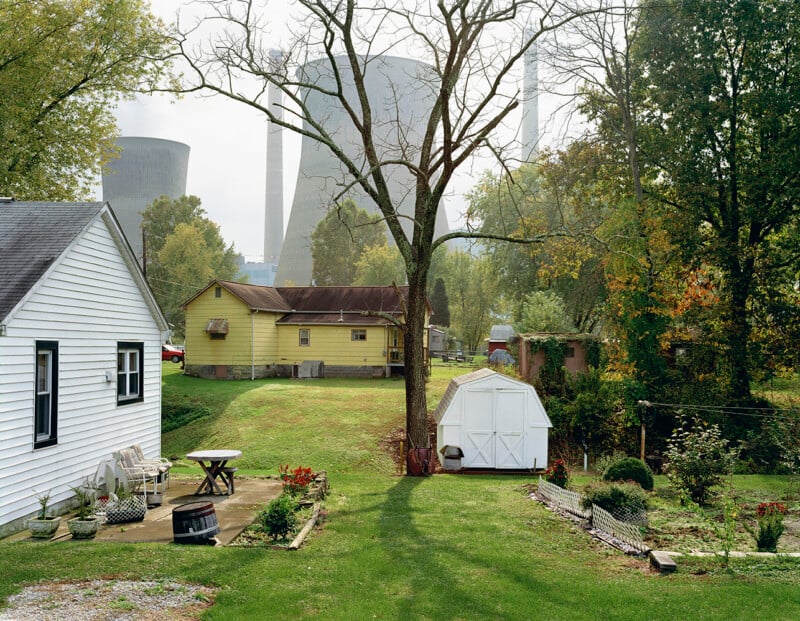 Mitch Epstein, Amos Coal Power Plant, Raymond City, West Virginia 2004, printed 2025 | National Gallery of Art, Washington, Gift of the artist, 2025.70.1 © Mitch Epstein
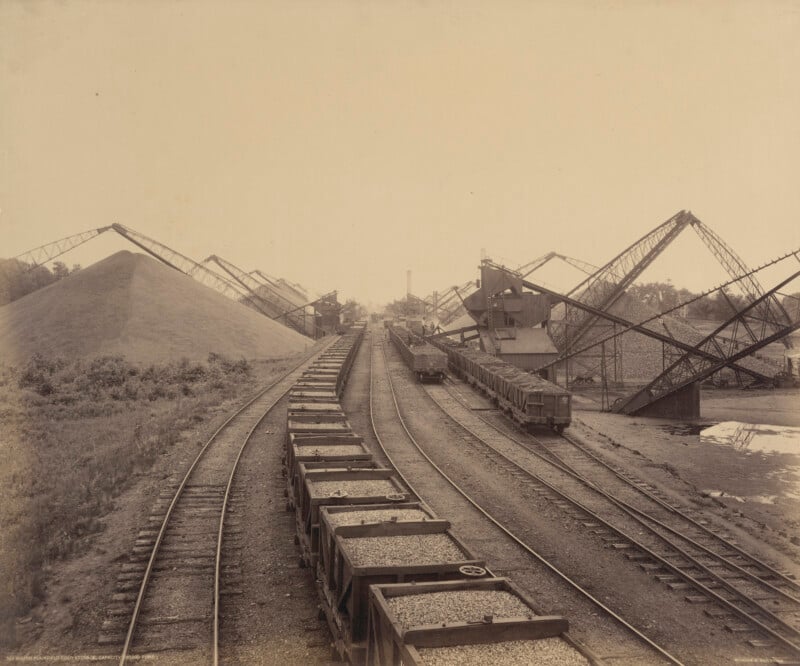 William H. Rau, South Plainfield Coal Storage, capacity 100,000 tons, c. 1890 | Collection of Paul Sack
Many of the works come from the National Gallery’s photography collection. The images range from early daguerreotypes created during the California Gold Rush in the mid-1800s to photographs of large-scale industrial growth in the 20th century and contemporary works produced on a massive scale. Together, the photographs trace the history of resource extraction and show how artists have used photography to examine the relationship between industry, society, and the natural environment.
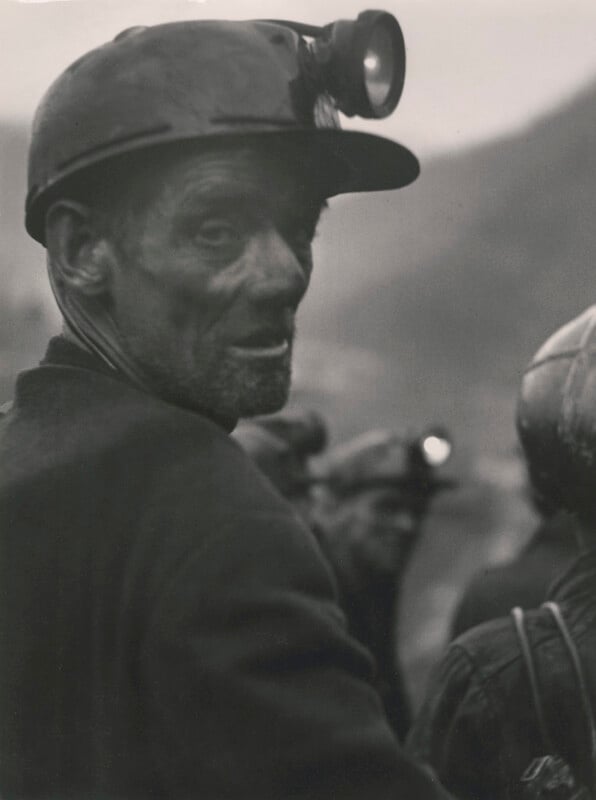 Fons Ianelli, Jim Faye returning from the mines, Harlan County, Appalachia, 1946 | Black Dog Collection Courtesy Steven Kasher Gallery
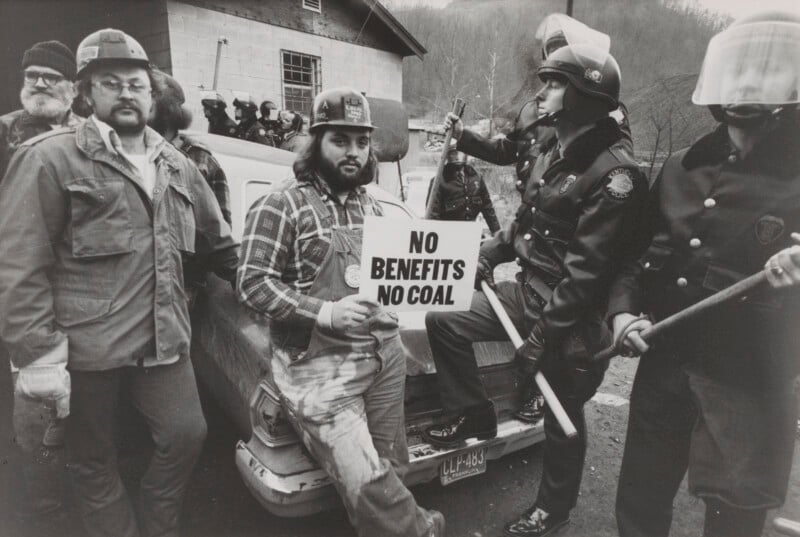 Arthur Grace, Coal Miners’ Strike, Kelley’s Creek Hollow, West Virginia, December 1977 | The J. Paul Getty Museum, Los Angeles, 2009.2.9 © Arthur Grace
“Photography itself is dependent on precious metals for its very existence, from the light sensitivity of silver in early processes to the copper of contemporary digital-camera batteries. At the same time, it has been the principal visual medium employed to depict extractive industries, evolving alongside the expansion of mining on an industrial scale since the 19th century,” says Diane Waggoner, co-curator of the exhibition and curator of photographs at the National Gallery of Art. “Beneath the Surface unites photographs made for a variety of purposes, from explicitly promotional and commercial uses to documentation efforts and socially engaged activism, shedding light on both the rewards and costs of resource extraction.”
Beneath the Surface will be on view at the National Gallery of Art from May 23 to August 23, 2026, before traveling to the Milwaukee Art Museum in Wisconsin and the Amon Carter Museum of American Art in Fort Worth, Texas.
Image credits: All photos courtesy of the National Gallery of Art.







 English (US) ·