
 35 minutes ago
12

Published Nov 17, 2026, 6:00 AM EST
The $600 gamble that nearly sank PlayStation
 Image: AP/Kevork Djansezian
A few years back, I was fortunate enough to visit Sony’s top-secret internal museum at its Tokyo headquarters in Minato City. Under one roof, it houses almost everything Sony has built over the many years since its inception. Being the gamer that I am, I was instantly pulled toward the rows of consoles lining the walls behind a massive Spider-Man sculpture. As we walked through Sony’s gaming hardware history, I told the guide that my favorite console was the PlayStation 3, to which she laughed, saying I was the first person to ever say that.
It’s fascinating now to think what a total gamble the PS3 was at the time of its release. Even after all these years, there’s no doubt in my mind it’s one of the greatest (and craziest) inventions the video game industry ever came up with. Nowadays, it’s lauded as the most ridiculous, expensive, and over-engineered console ever made. Yet when looking back at Sony circa 2001, just months after the PS2 launched and began its march to becoming the best-selling console of all time (a feat it still holds today), what was Sony supposed to do to top that? Make the PlayStation 3 do literally everything.
Released in November 2006 in North America, the original PS3 carried a staggering $600 price tag for its flagship 60GB model, amounting to roughly $1,000 today. It was an outrageous sum to demand for a video game machine (even with the PS6 set to be twice that). But when you take a closer look at what Sony was selling, it's hard not to appreciate the sheer audacity of the thing. This wasn't just a video game machine; the PS3 functioned as a high-end Blu-ray player, a DVD player, a CD player, an advanced digital media hub, and, for tech enthusiasts willing to tinker, a computer capable of running Linux.
All of those features came before you even got to its gaming capabilities. The PS2’s Emotion Engine and Graphics Synthesizer chips were soldered directly onto the motherboard of the original 60GB PS3, allowing it to natively play PS2 games. Combined with its support for PS1 games, it effectively consolidated three generations of Sony consoles into a single living room device. Not only that, but it even featured built-in Wi-Fi, an HDMI output, and physical memory card readers for transferring legacy saves and photos. Such a level of multipurpose functionality is something I sorely miss in modern hardware design, but with prices where they are today, perhaps it’s a blessing Sony gave up on overengineering its consoles.
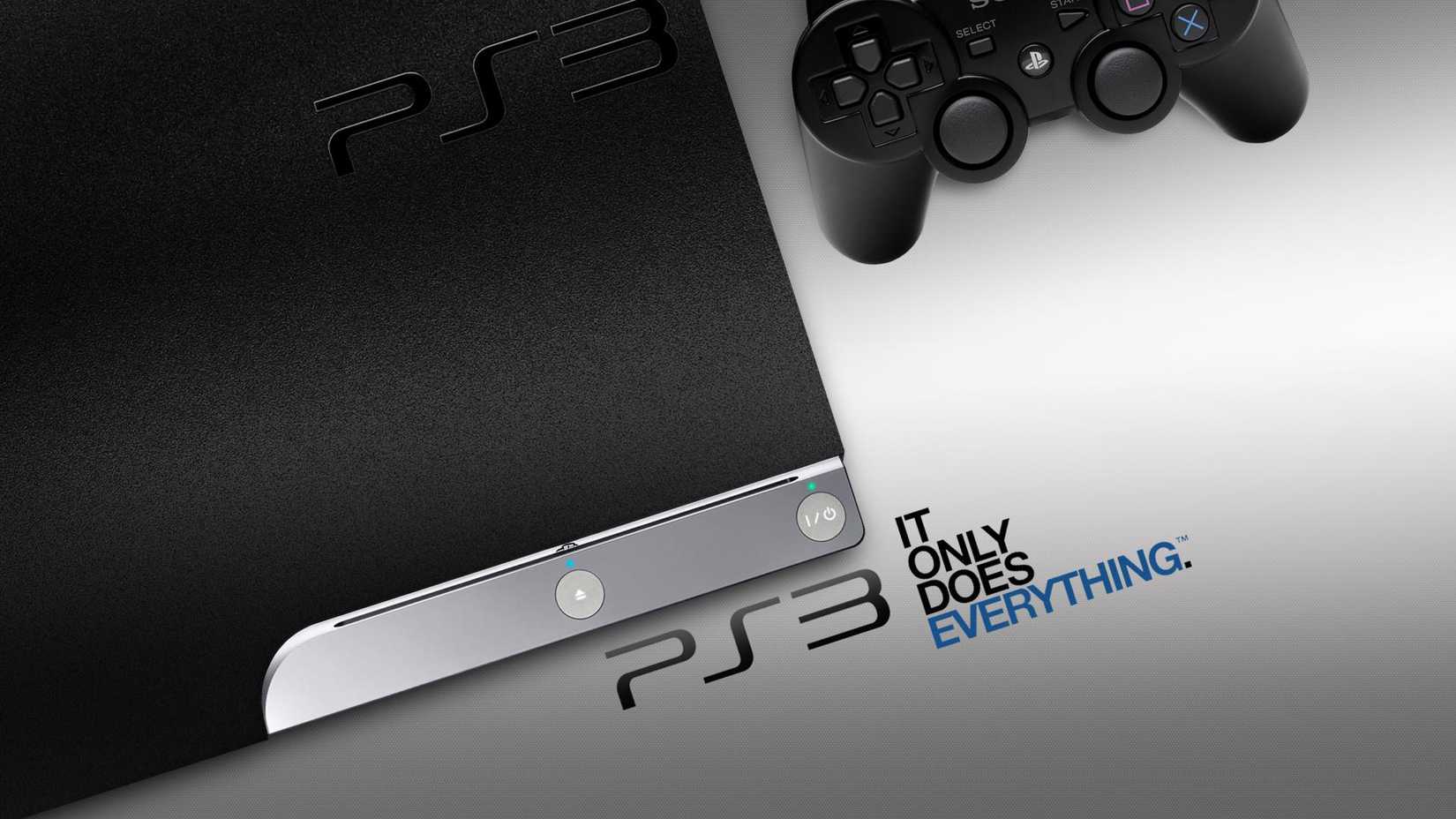 Image: Sony
Sony built the PS3 around its proprietary Cell Broadband Engine processor, a fairly remarkable piece of engineering developed in collaboration with IBM and Toshiba. Rather than relying on a conventional processor with general-purpose cores, the Cell combined a main PowerPC processing unit with eight specialized Synergistic Processing Elements (SPEs), each designed to handle specific computational workloads. The idea was to simultaneously distribute demanding calculations across multiple processing units, giving the PS3 a leg up in intensive tasks like physics simulations and complex animations. Sony likened the Cell processor to a "supercomputer on a chip."
The problem? Actually taking advantage of all that horsepower required learning an entirely new way of programming to fully utilize the Cell's SPEs, making the PS3 infamous among developers. While first-party studios like Naughty Dog and Guerrilla Games eventually figured out how to extract extraordinary graphical performance from the hardware in games like The Last of Us and Killzone, third-party developers struggled to match the multiplatform parity found on Microsoft's Xbox 360. What initially looked like a technological marvel quickly became something of an industry punchline, and Sony paid a hefty price for its ambitions. The company recorded operating losses of 232.3 billion yen in its gaming division during the 2007 fiscal year alone, followed by another 124.5 billion yen the next year, largely due to the enormous costs associated with the development and launch of the PS3.
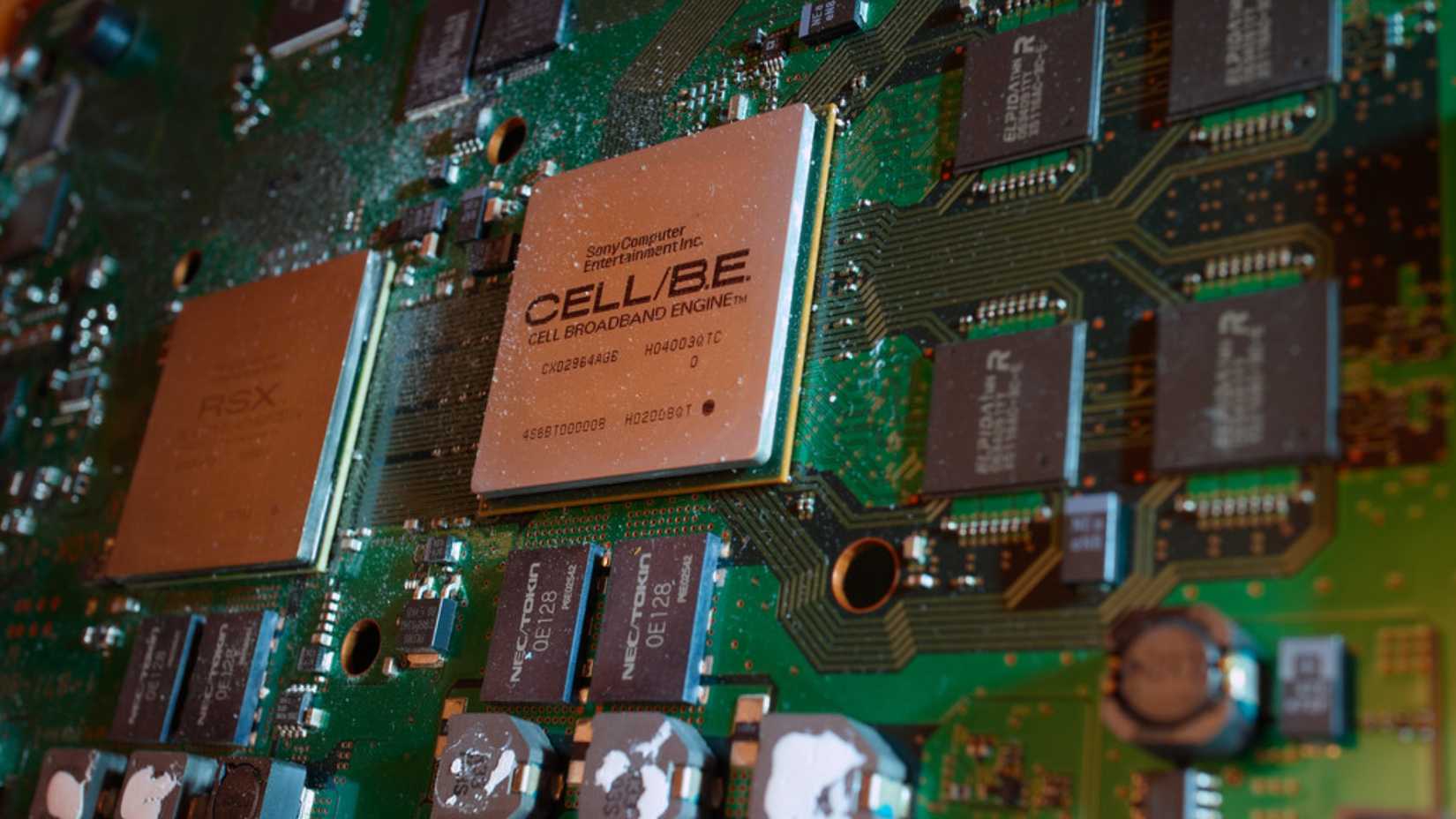 Image: Jeff Jackowski
Despite nearly bankrupting Sony's gaming division, the console's strangest design choices stemmed from a surprising philosophy of openness. Sony initially allowed users to install alternative operating systems through a feature called OtherOS, effectively transforming the console into a Linux-based workstation. It was an unusual feature for a living room gaming device, and would eventually be disabled in 2010 over security concerns. Still, OtherOS remains a fascinating glimpse into an era when the company encouraged hardware experimentation, an ambition that extended to nearly every aspect of the PS3's multimedia capabilities, including everything from web browsing and photo galleries to media streaming across local home networks (like PSP games).
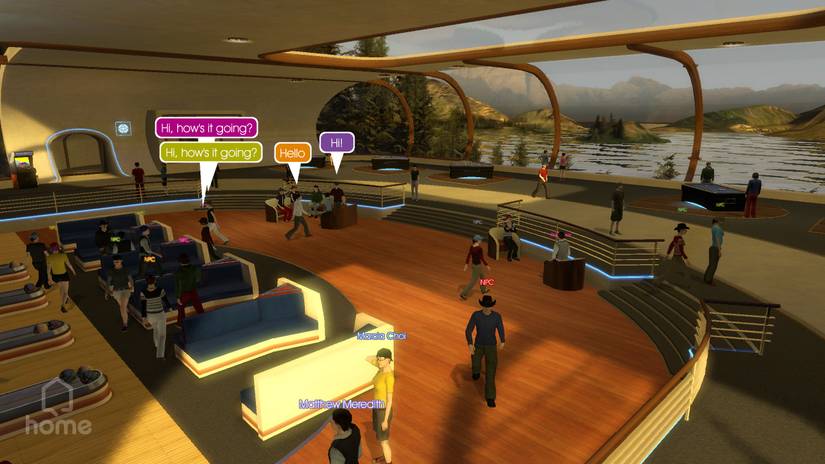
One of my favorite examples of how the PS3 was way ahead of its time was PlayStation Home. Launched in December 2008, the free virtual social space served as an early precursor to the metaverse, allowing PS3 owners to create customizable avatars, decorate their own digital apartments, explore public spaces, and socialize with other players. Sony later reported that Home had attracted 41 million “registered accounts” (me included), but the company ultimately shut down the service in 2015 in favor of the forthcoming PS4, and due to the complexity of overseeing such a massive digital playground. PlayStation CEO Jim Ryan later described PlayStation Home as "10 to 15 years ahead of its time," with Sony essentially vying to construct a virtual community well before tech giants like Microsoft and the aptly renamed Meta started chasing that same idea.
 PlayStation Home.Image: Sony Interactive Entertainment
And, although it took some time, the console’s lineup of games eventually delivered in spades. Powered by exclusives like Uncharted 2: Among Thieves, The Last of Us, Metal Gear Solid 4: Guns of the Patriots, Demon's Souls, LittleBigPlanet, and Journey, the system carved out a fiercely distinct identity by the end of its lifecycle that mirrored its eccentric hardware. The same daring design philosophy that made the PS3 a commercial headache also made it one of the most fascinating machines in gaming history. Sony could easily have built a cheaper box that met consumer expectations, but it swung for the fences and attempted to architect an entire digital entertainment ecosystem unlike anything anyone had ever seen before. Not every gamble paid off, yet that level of sheer ambition deserves praise, especially today as Sony aims to strip physical discs out of the equation by early 2028.
Modern consoles offer incredible power and increasingly refined development tools, but the hardware landscape has become remarkably homogenized. We rarely see manufacturers take wild architectural risks or introduce eccentric multimedia features that make you stop and wonder what engineers were thinking, sometimes for good reason. Even in the face of lower entry costs and efficiency, however, I still miss the days when console makers were determined to reinvent what a home entertainment device could do. The PlayStation 3 was far too expensive, complicated, frustrating, and ambitious for its own good.
Two decades later, that’s exactly why I look back on it with such affection. It was a machine that tried to do just about everything imaginable — and came remarkably close to pulling it off.







 English (US) ·