
 1 hour ago
11
1 hour ago
11

Published Oct 1, 2026, 3:00 PM EDT
One line perfectly captures the gangster's obsession with power
 Image: Warner Bros.
In crime cinema, a lethal line carries as much weight as a loaded gun. Martin Scorsese's Goodfellas hooks audiences with Henry Hill's seductive declaration, “As far back as I can remember, I always wanted to be a gangster,” framing a life of crime as the ultimate aspiration. Miller's Crossing offers Tom Reagan's wonderfully blunt take on underworld survival, while Casino, Scarface, and The Godfather overflow with dialogue that has long since bled into the cultural lexicon. Immortal phrases like “keep your friends close, but your enemies closer” and “an offer you can’t refuse” remain cinematic icons in their own right.
Yet, for all the memorable quotes the genre has produced, there is one that forever tops them all in sheer gravity. In the opening seconds of Martin Scorsese's The Departed, spoken over documentary footage of 1970s Boston desegregation riots and the unmistakable hum of the Rolling Stones' "Gimme Shelter," Frank Costello (Jack Nicholson) transcends standard tough-guy dialogue with a chilling monologue.
"I don't wanna be a product of my environment. I want my environment to be a product of me."
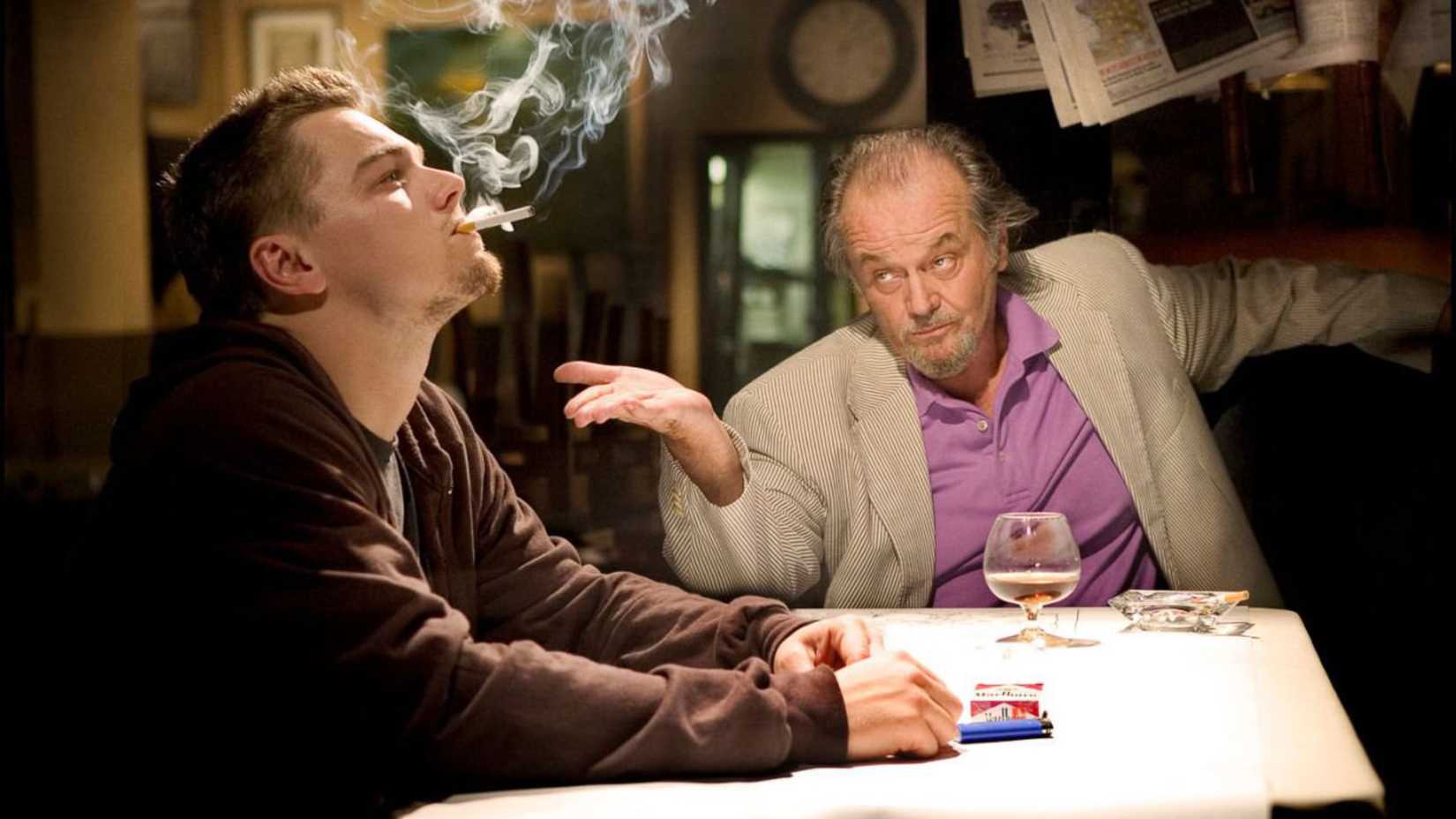 Image: Warner Bros.
Two decades later, that phrase still stands apart as truly unforgettable in crime cinema. Costello's introduction is not just a cool piece of gangster posturing, but a cold statement of identity and absolute control, delivered by a sociopath who refuses to accept the world on any terms but his own. His entire worldview defies the natural order.
Released in 2006, The Departed takes that idea and builds one of the most intricate crime stories around it. Set in Boston and centered on the Irish-American underworld, the movie follows a tangled web of cops, criminals, informants, and undercover agents, with Costello sitting at the center of it all. Scorsese opens the film not with a smoke-filled shootout or a glamorous portrait of organized crime, but with archival footage of the racial tensions and protests that shook the city. Over these historical images, Costello lays out his philosophy of the streets and his supreme place within them.
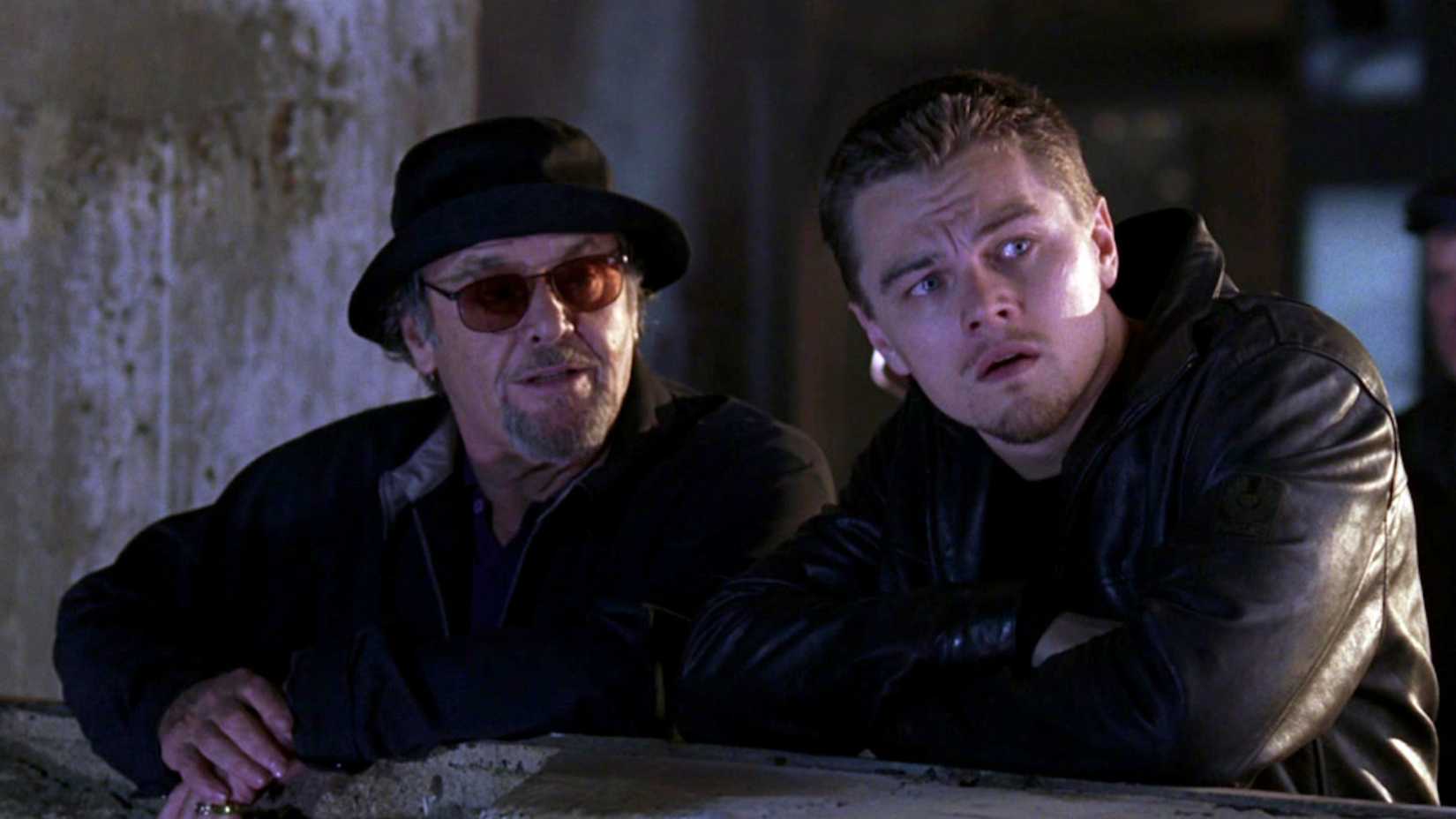 Image: Warner Bros.
The terrifying genius of Costello's philosophy is that it completely strips away the romantic tragedy of the gangster. He was not backed into a corner by a hard life; he chose the corner and claimed it. To him, South Boston is simply raw material for the taking. Following the opening montage, Scorsese drops us into Costello’s neighborhood, where he wields his influence with the casual arrogance of a king inspecting his fiefdom. When he walks into a local corner store to collect a payoff and buys groceries for a young Colin Sullivan (Matt Damon), it’s an investment, not charity. The sequence doesn’t simply establish Costello's backstory. It shows us that he views every human in his orbit purely as a tool to be leveraged.
Costello's version of self-determination has nothing to do with becoming a better person. He simply wants to be the one holding the leash. His speech about Boston's Irish-American history is especially revealing because he turns genuine historical marginalization into a justification for his own philosophy. Costello talks about the Church, the Knights of Columbus, Irish immigrants struggling to find work, and eventually John F. Kennedy's presidency. He doesn’t use that history to argue that circumstances shape people. He uses it to argue that people must seize whatever they want. Nobody gives you power; you have to take it.
The Architecture of Control
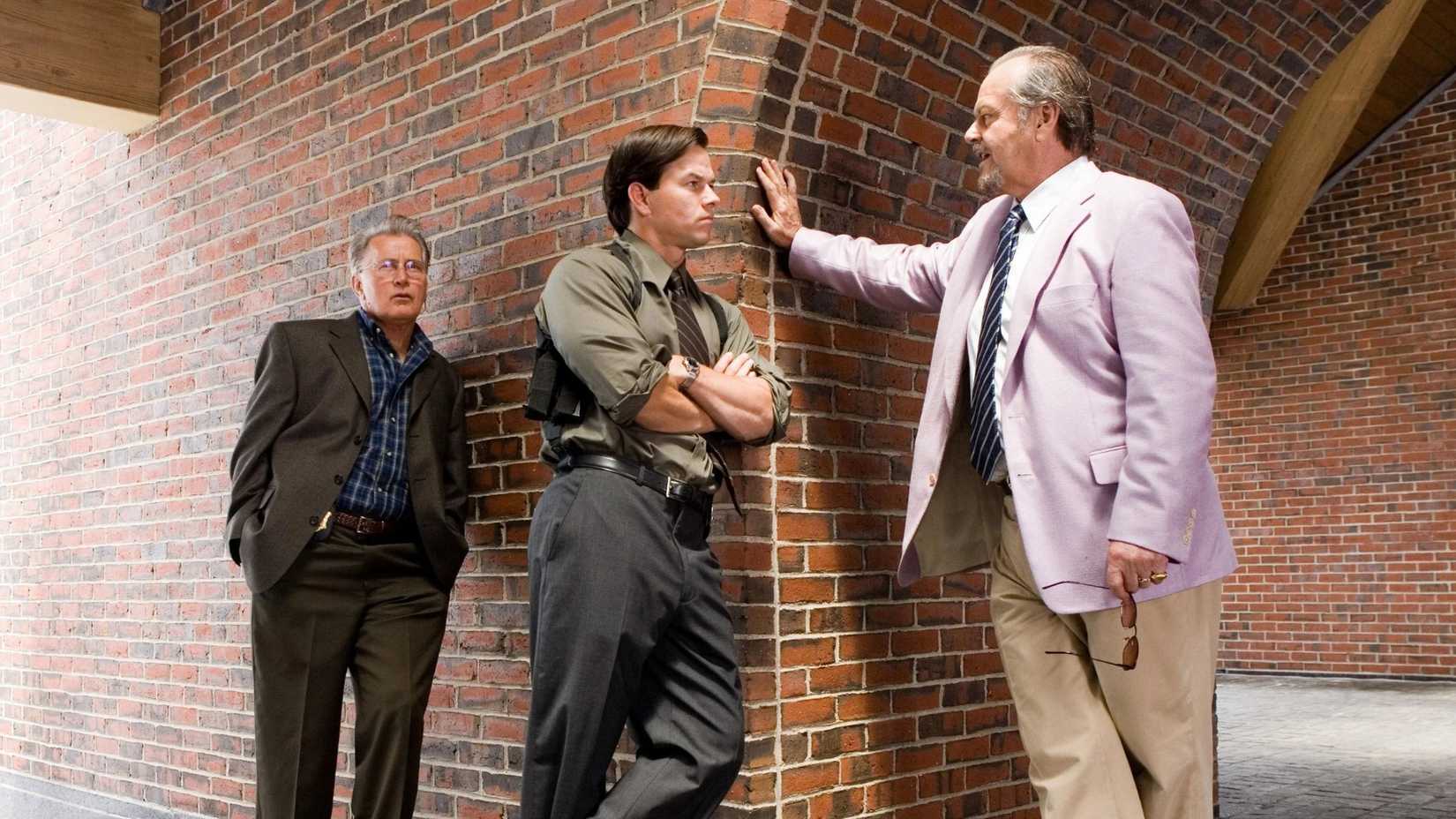 Image: Warner Bros.
This philosophy serves as the thematic backbone of The Departed. Rather than operating within the established rules of the city, Costello systematically infects its institutions from the ground up, effectively reshaping the criminal underworld in his own violent image. To Frank, every human connection is reduced to pure transaction, whether he's tossing hush money to a local priest, handing off stolen microchips in the back of a sleazy adult theater, or casually executing a woman on a marshland beach.
The relentless corruption running throughout the film creates the tragic dichotomy at the heart of the story. While characters like Billy Costigan (Leonardo DiCaprio) are utterly trapped and tortured by their environment, driven into psychological ruin because a Southie bloodline makes him the ideal undercover pawn, Costello remains obsessed with proving he is the sole master of his universe. Where everyone else in The Departed is desperately trying to survive the oppressive weight of their world, Costello insists on forcing the world to bend to his will.
What makes Nicholson’s delivery so hypnotic is its utter lack of doubt. He doesn’t sound like a man pitching a philosophy or defending a criminal lifestyle; he speaks with the quiet and terrifying calm of someone declaring an unassailable law of nature. Such unshakeable certainty is precisely what elevates the line into the upper echelon of mob cinema. The greatest figures in crime fiction are never content with simply surviving their circumstances. They demand complete mastery over them. Frank Costello strips away the romantic myths of the genre and carries that ambition to its monstrous extreme.







 English (US) ·