
 3 hours ago
12
3 hours ago
12
Intelligent System upgrade.
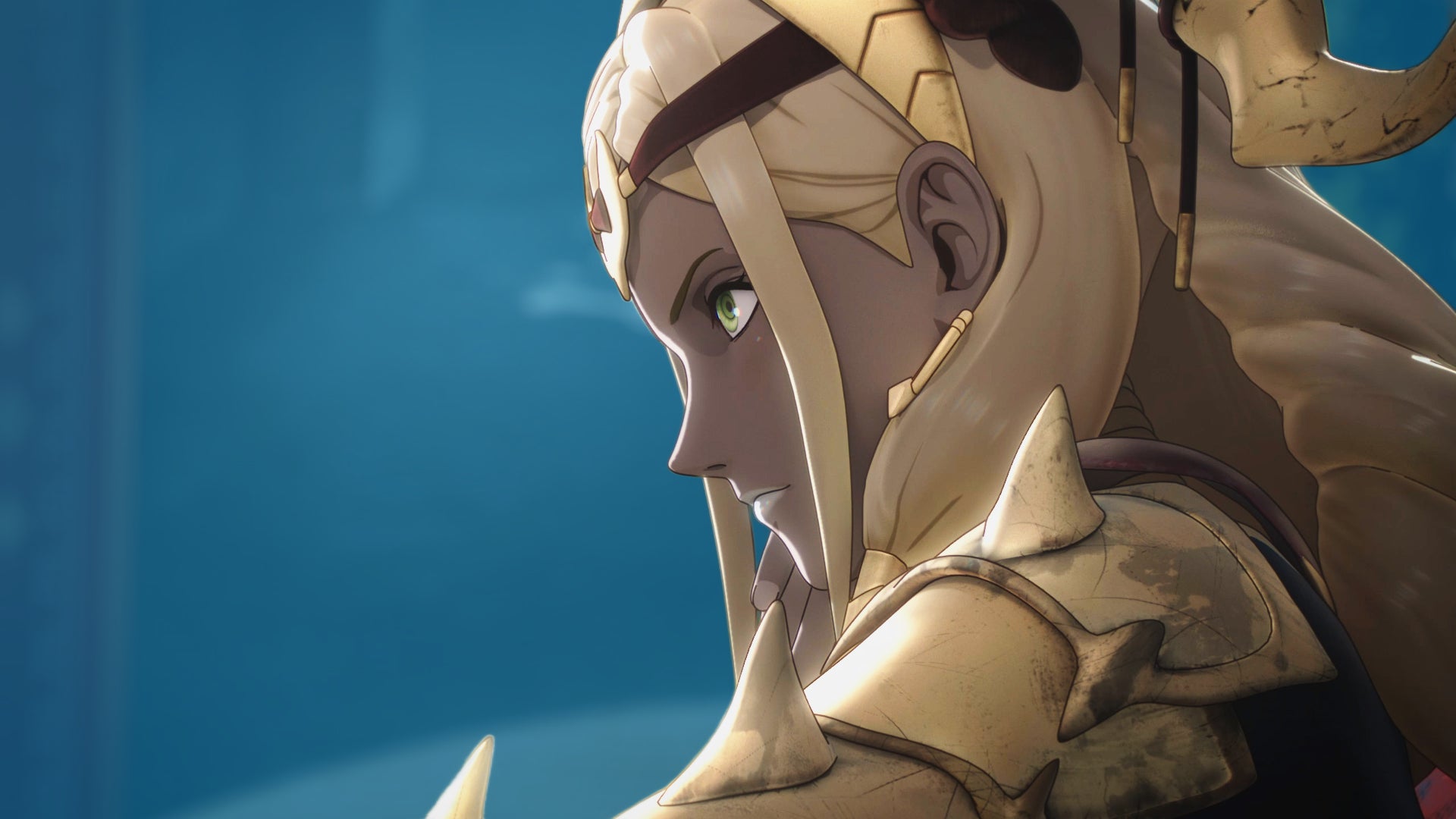
Fire Emblem: Fortune's Weave is massive. If you're coming to Intelligent Systems' Switch 2 RPG after playing even Three Houses or Engage, you're going to be shocked by the scale of it. Within the first 10 hours of the game, you are given choices that show you just how broad the scope of the game is. As you play, more avenues open up before you in concertina, a bafflingly complex bloom of consequence, intrigue, and narrative that blossoms and blossoms.
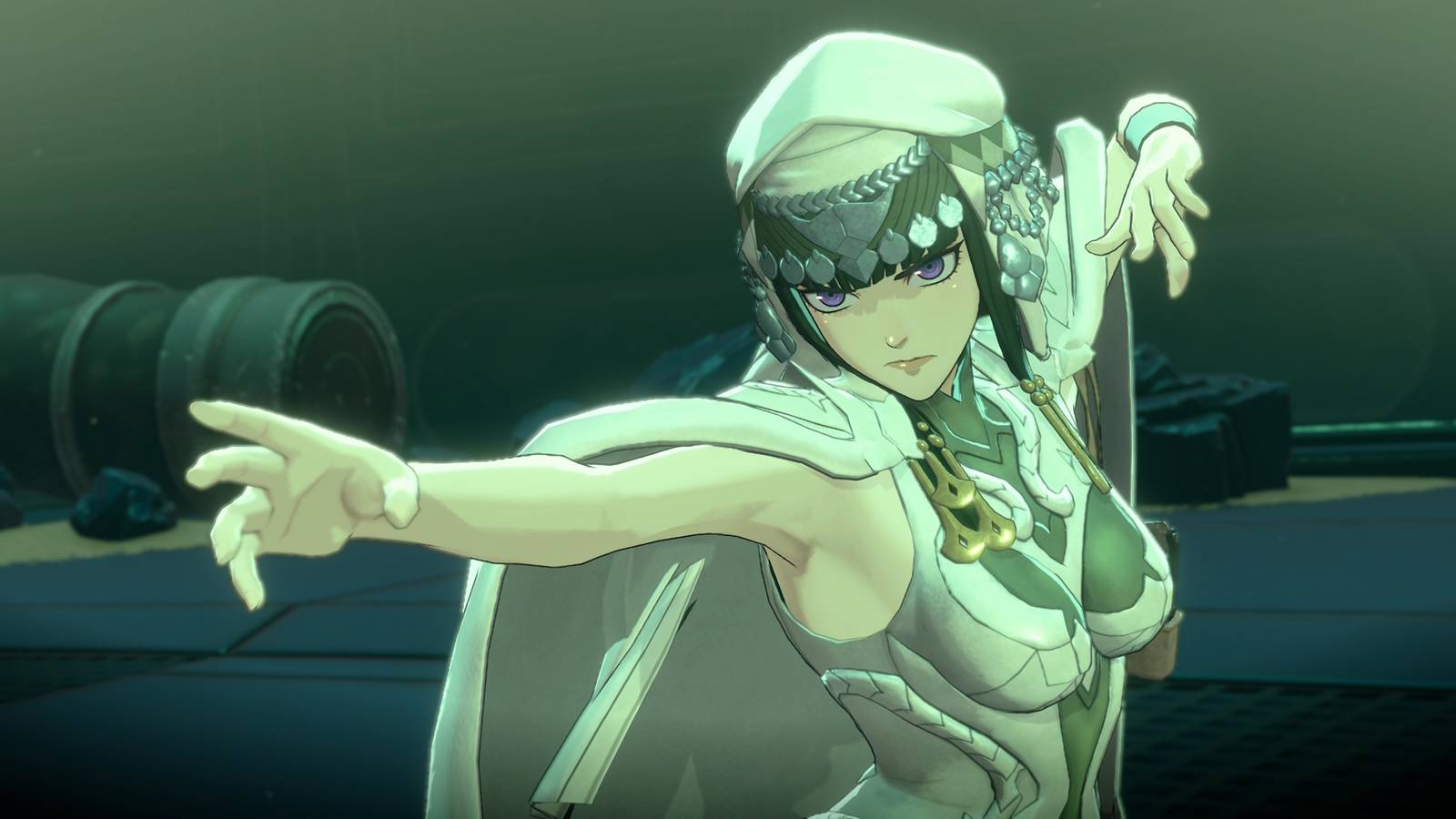
I'm almost intimidated by it. From the trailers, you've probably seen that there are multiple playable characters whose stories you can follow; the four main protagonists are Theodora (a warrior queen determined to do right by her people), Dietrech (a foreign swordsman intrigued by this land's martial customs), Cai (a young village boy caught up in a peculiar conspiracy), and Leda (a traveling performer lusting for revenge). How Intelligent Systems has crammed this into a 29.5GB file, I'll never know.
Instantly, the game establishes one clear maxim: this is not Engage. There is not one path. This is a labyrinthine, deliciously textured story you're going to need a wall chart and plenty of string in order to keep up with. It makes the plot of Three Houses look indolent by comparison. I'm only allowed to talk about the first few chapters in this preview, but that's enough. You only need to play for a few hours to see the potential this game has. It looks like it's going to be the biggest Fire Emblem ever - and possibly the most definitive.
After an introductory sequence that lands some pretty heavy contextualisation regarding the fate of the world, you start to unpick the knotty story about the four heroes' journey through the Heroic Games: a tournament hosted in the region's capital city of Dagison that will grant one of the protagonists an audience with the Divine Sovereign, who will in turn grant them one wish. Unity, vengeance, knowledge, power - it's all very fantasy, with enough Proper Nouns thrown into the mix to make George R. R. Martin blush. There is so much lore in the first 30 minutes alone that I'm sure Fire Emblem historians are going to have a field day, unearthing all the links to past games and in-universe events. But even if you're not a lore goblin, you're going to find the way that Intelligent Systems has just grown everything outwards is stunning.
Let's start with combat, Fire Emblem's beating heart. The turn-based, grid-restricted system is back and - on the surface - the same as it ever was. Choose a unit, move them around, attack an enemy, see how they respond. Rinse, repeat. But certain units - like chariots - have special skills beyond simple attacks that allow them to, say, mow down entire rows of enemies. More advanced classes can combine offensive weapons (like spears) with utility (like white magic). Each protagonist has access to special abilities that make them stand out on the battlefield and have more functionality than their wards and guards - I played as Theodara initially, and her penchant for chucking rocks across the battlefield ended some battles before they even began in earnest. But these abilities cost HP, and more often than not if your lead unit dies, you lose. It's risk/reward writ large.
Intelligent Systems is throwing off the training weights with Fortune's Weave, I think. There has always been plenty of choice in the Fire Emblem series, but here, it feels like we get access to a full toybox far earlier on than in Three Houses, Fates, or Awakening. You can start recruiting other characters to your army nice and early, too, giving you a distinct sense of achievement and intent from the little hours onwards. Whilst many units can use multiple weapons, the way that specialist classes have been tinkered with means you can build ultra-specific strategies on the battlefield - more so than in any Fire Emblem game I've played to date. Enemy AI (at least on the harder modes) seems cannier and crueller, too: I found them routinely targeting my weakest unit and rolling the dice with their critical shots, to sometimes disgusting effect, even in the earlier missions. Mascochists, they finally listened to us!
The animation and attack systems have been overhauled, too: with so many new units - and a couple of special weapons - we need more texture. The skirmishes themselves look remarkable; dynamic, responsive, punchy. The only criticism I'll level here comes down to critical hits; they land quite lethargically, perhaps undercut by the flashy animations that precede them. Back in the Path of Radiance days, crits used to land like the splash of a cymbal; here they're more like a dampened snare. Not bad, just different. And a tiny nitpick in the scheme of things, really.
Between your qualifiers and elimination rounds in the Heroic Games, you're given free time (Persona-style) that's measured in turns. Here you'll encounter a frankly embarrassing number of NPCs that can be charmed, recruited, or trained to beef you up for the coming fights. Exploring the capital city actually takes more time than battling, in my experience so far, because there is so much to do. Train at the arena, go perform tasks for the Gods, engage with side missions, run errands for townsfolk, comb the world for supplies to send back to your homeland, upgrade your weapons, trade with multiple different trading companies that even have their own stories, perform in plays, go to the spa, eat a meal at the tavern, find random encounters out on the world map (inspired by medieval Spain)… the list goes on, and on, and on.
Each of the four protagonists have their 'main characters' for their respective parties, but that doesn't mean you can't chat to - and try to recruit - loyal subjects from other teams. I've played as Theodora and Cai so far, and I am stunned by the amount of character-specific dialogue in this game. It reminds me of playing a PS1 RPG with how much volume there is, how reactive the world is to who you are, the possibilities that feel like they're running out in front of you at any given moment. There are also bond links between characters - now a Fire Emblem staple - that give you even more (voiced!) dialogue if you have two people who spend enough time together.
And, of course, all this socialising makes you stronger. Once you've got a tight knit army full of companionable allies, you can take to the world map: a large-scale overworld view that takes time to traverse, meaning you have to plan your forays in advance. But, out here in the wild, there's yet another aspect of Fire Emblem: Fortune's Weave that is really surprising: dungeons. These make a return from the 3DS title, Fire Emblem Echoes: Shadows of Valentia, and include their own dedicated battle system that removes the grid-based SRPG stuff entirely and replaces it with a turn-based system more comparable to old-school Final Fantasy or Dragon Quest. They're not particularly deep or revelatory, but in a game that is probably going to take hundreds of hours to complete, they're a nice change of pace and provide a decent way of levelling up combatants you may neglect in the more plot-critical encounters.
There is so much more to go into, but I don't want to spoil too much of the game for people that want to go in somewhat blind. Safe to say, though, that even in the opening hours of Fire Emblem: Fortune's Weave, I feel like this is one of the best games in the series. It's already, by far, the best and most ambitious game I've played on the Switch 2. Who knows how the back half will feel (and I actually think this is where both Three Houses and Engage lose marks for me; they become top-heavy and fail to 'stick the landing', so to speak). But from my time with Fortune's Weave so far, I am compelled to say: I don't think Fire Emblem has ever looked, or felt, better.
Fire Emblem: Fortune's Weave arrives 17th September, 2026, exclusively on Switch 2.





 English (US) ·