

Published Nov 25, 2026, 2:02 AM EST
Cathal Gunning has been writing about movies, television, culture, and politics online and in print since 2017. He worked as a Senior Editor in Adbusters Media Foundation from 2018-2019 and wrote for WhatCulture in early 2020. He has been a Senior Features Writer for ScreenRant since 2020.
One Netflix show’s deliberate pacing, smart avoidance of genre clichés, and intelligent, measured writing resulted in the streaming service canceling the series at the height of its popularity. Plenty of very silly TV shows have become incredibly popular with viewers, thus reaffirming the common conception that the medium caters to the lowest common denominator. However, a lot of very smart TV shows have also disproved this idea.
For every enjoyably silly, brainless hit, there is a smart, successful series like Netflix’s three-season time travel epic Dark, a sci-fi drama that was as intellectually challenging and cerebral as it was enjoyable and engaging. Admittedly, the fact that the Yellowstone franchise and its sequels dominate streaming charts proves that escapist silliness is still as popular as ever, but there are plenty of other examples of smart shows becoming mainstream hits.
Sadly, this often results in streaming services pulling the plug on these titles for fear that they don’t appeal to a big enough audience, regardless of how popular they may have been proven to be so far. This was the fate of the two-season psychological thriller Mindhunter, based on the non-fiction book Mindhunter: Inside the FBI's Elite Serial Crime Unit. Set during the inception of the FBI’s Behavioral Science Unit, Mindhunter follows Jonathan Groff’s rookie Holden Ford and Holt McCallany’s veteran Bill Tench as they interview serial killers.
Mindhunter’s Perfect Pacing And Solemn Tone Didn’t Work For Netflix
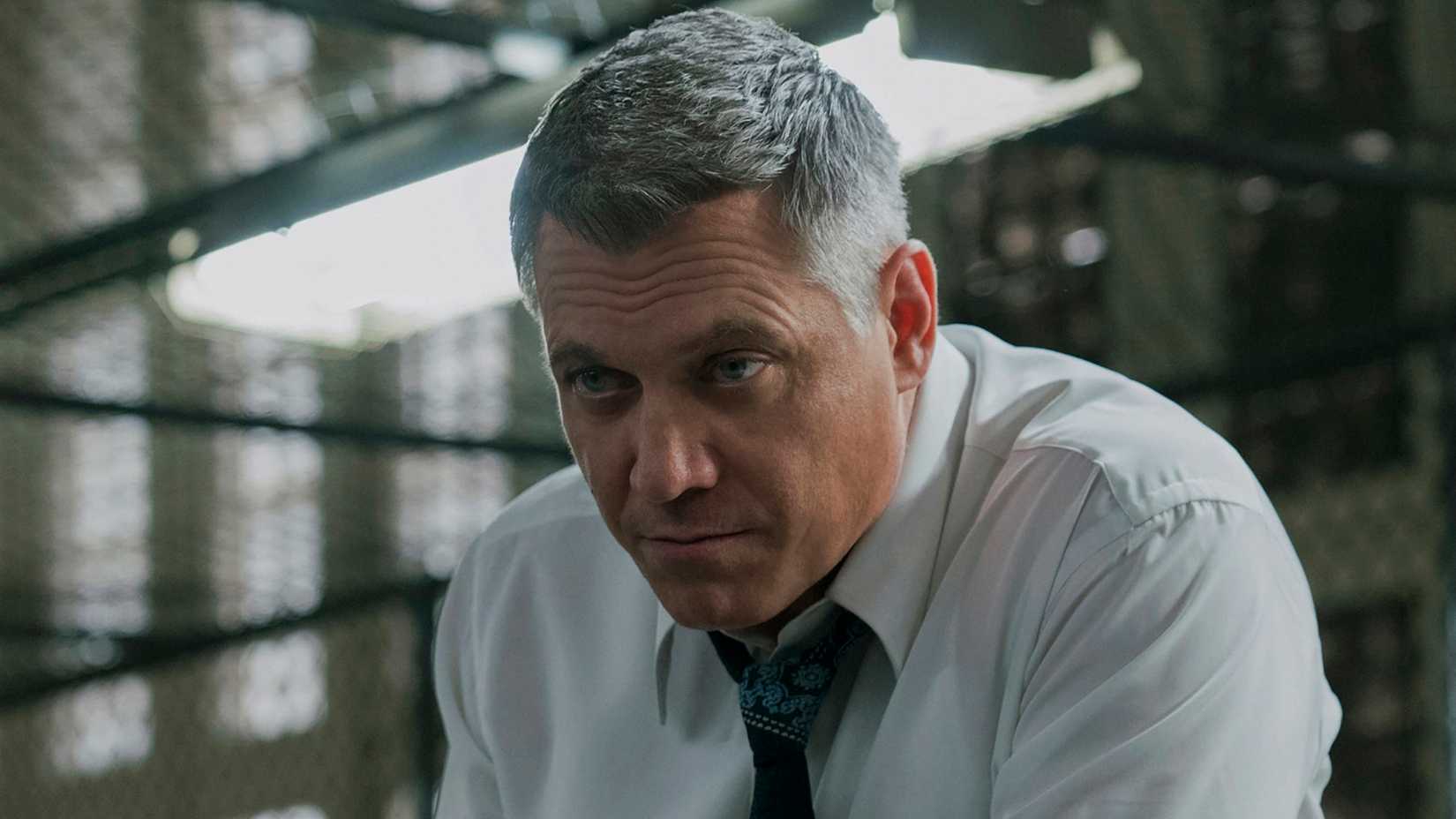 Image courtesy of Everett Collection
At least, their serial killer interviews are the shocking promise that the show dangles in front of viewers to get them invested. With the reluctant assistance of Anna Torv’s psychologist Wendy Carr, Ford and Tench attempt to use interviews with notorious real-life serial killers like Edmund Kemper, Richard Speck, and Dennis Reader to establish a psychological profile of potential murderers.
There is a strange sense of inevitability to proceedings, since viewers knew from shows like Criminal Minds and movies like Silence of the Lambs that these efforts eventually pay off. However, like HBO’s similarly critically acclaimed Mare of Easttown, Mindhunter learns from the approach of True Detective and proves that the true appeal of a murder mystery isn’t always in the final reveal, but rather learning more about the detectives along the way.
Whether Ford, Tench, and Carr will foil a specific killer on time is less important than Mindhunter’s broader concern about the science behind their work as a whole. Mindhunter calls into question the legitimacy of the FBI’s Behavioral Science Unit time and again, and the show is deliberately ambiguous about how much the group’s work is helping to make the world safer.
Mindhunter Was Better Off Ending Early Than Changing Its Style and Story
 Image via MovieStillsDB
The result is a chilling masterpiece that can go toe to toe with True Detective season 1 or HBO’s recent DC hit Lanterns as a classic moody, morally ambiguous small-screen detective thriller. As such, it is almost inevitable that Netflix famously told executive producer David Fincher that Mindhunter was too slow and even wanted it to be "more like CSI.”
When the streaming service suggested adding sequences where characters are running and using their guns, Fincher decided that pulling the plug on Mindhunter earlier was a smarter move than subjecting viewers to a dumbed-down take on the material. It was a choice that proved wise in the years since, as plenty of shows have attempted to replicate Mindhunter’s appeal, but few have succeeded.
The disastrous critical reception of shows like 2026’s soapy Patricia Cornwell adaptation Scarpetta proves that upping the drama and action quotient of a dark, somber psychological thriller can sometimes be a terrible idea, and this retroactively justifies Fincher’s choice. Mindhunter may only have released 19 episodes, but these outings are at least true to the creator’s plan for the Netflix thriller series.
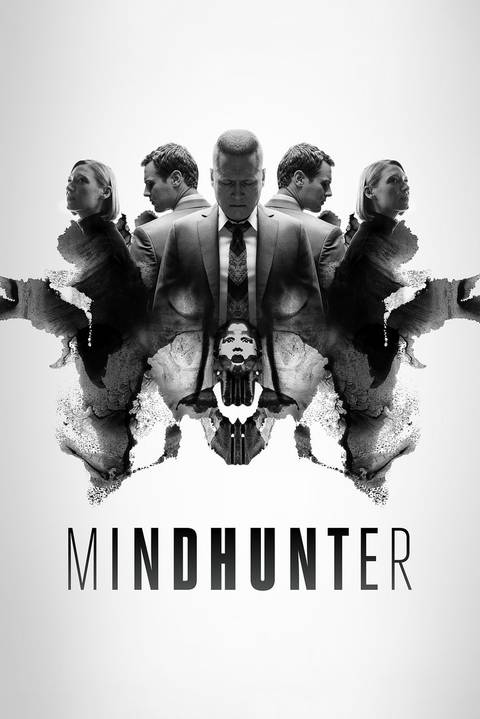
Release Date 2017 - 2019
Network Netflix
Showrunner Joe Penhall
Writers Joe Penhall, Jennifer Haley, Joshua Donen, Courtenay Miles, Carly Wray, Pamela Cederquist
-

Holt McCallany
Bill Tench
-





 English (US) ·