Today, Grave of the Fireflies is still considered one of the most powerful anti-war films ever created, and fans looking for another film that shares the same anti-war sentiment need look no further. Another Ghibli film, Hayao Miyazaki's The Wind Rises, revisits many of the same ideas from a completely different perspective. While the film is not as closely intertwined with the war as Grave of the Fireflies, it stands out for how it explores tragedy in an equally heartbreaking, unforgettable way that captures the devastating cost of war.
The Wind Rises Is One of Studio Ghibli’s Most Powerful Achievements
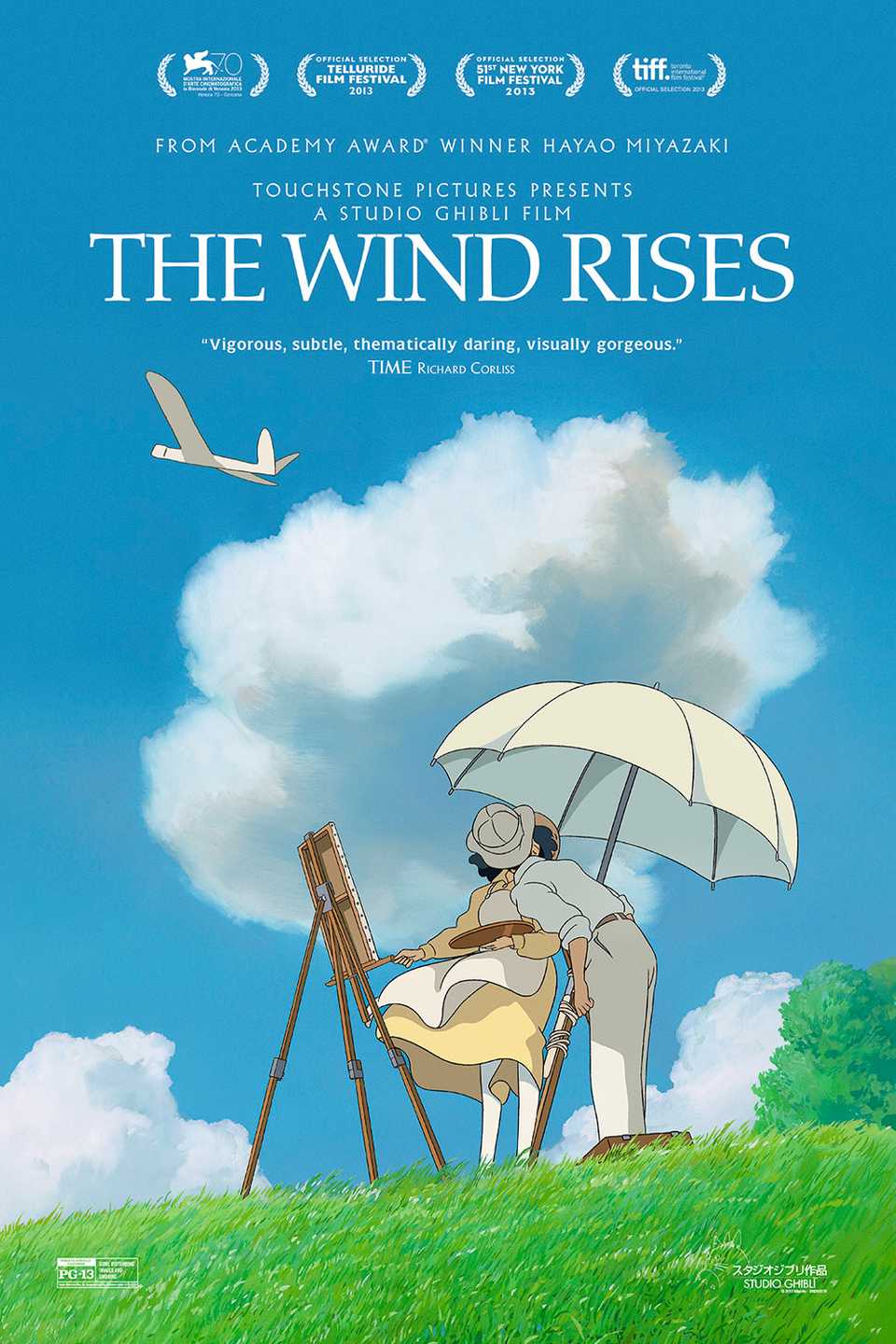
Originally released in Japan on July 20, 2013, The Wind Rises marked Miyazaki’s first film aimed toward adults with a grounded premise based on the life of Jiro Horikoshi, a real engineer who designed Japan’s World War II fighter planes. The film is rated PG-13 but is filled with complex, mature themes that explore a difficult time in 20th-century Japan, spanning from the late 1910s to the aftermath of World War II.
 Related
Viewers have decided the greatest anime film ever created, and it's a movie that Hayao Miyazaki has publicly criticized.
Inspired by the life of the engineer behind the Mitsubishi A6M Zero fighter plane, the film follows Jiro’s lifelong pursuit of designing beautiful airplanes despite never being able to fly them himself due to his poor eyesight. The story also explores his relationship with Nahoko Satomi, whose declining health serves as an emotional anchor and counter to Jiro’s demanding career.
While the story is grounded in real events, the film adds a touch of fantasy through recurring dreams where Jiro meets the Italian aircraft designer Giovanni Battista Caproni. Within these dreams, Jiro is offered guidance and inspiration, initially sharing his joyous fascination with flight, but over time, these dreams begin to shift to more haunting depictions of destruction that Jiro must face.
The Wind Rises Is Hayao Miyazaki’s Most Morally Complex and Tragic Film
Unlike many of Miyazaki’s previous films, The Wind Rises doesn’t offer a clear-cut moral resolution and completely blurs the line between triumph and tragedy. From the beginning to the end, Jiro’s dream of creating beautiful aircraft remains genuine, yet every achievement and milestone carries with it an underlying sense of dread for what these creations will inevitably be used for.
The historical context of the film looms over Jiro’s journey, adding tension and emotional weight. He constantly expresses admiration for airplanes as engineered works of art, but despite never intending to create weapons of destruction, his wonder and love of the craft are twisted into instruments of war. The devastating reality of World War II ultimately claims the final cost of his breakthroughs, taking countless lives.
Rather than framing Jiro’s story as one of success or failure, the film portrays him as someone whose passion is irrevocably tied to consequences beyond his control.
While the war isn’t directly depicted in The Wind Rises, Miyazaki effectively explores its cost through hindsight and inevitable consequences. By grounding the film in real events from the perspective of someone whose work is repurposed for war, Ghibli delivered a masterful and sobering reflection of how innovative ambitions can lead to grave, unintended outcomes.
Rather than framing Jiro’s story as one of success or failure, the film portrays him as someone whose passion is irrevocably tied to consequences beyond his control. While his accomplishments are extraordinary, the historical reality of what they’re used for completely changes its legacy. The Wind Rises may not be Studio Ghibli’s most well-known or talked-about work, but its themes and messaging make it one of its most haunting and unforgettable films.
Release Date
July 20, 2013
Runtime
126 minutes

 Custom Image by Casandra Ronning







 English (US) ·