

Published Aug 12, 2026, 6:01 PM EDT
Cathal Gunning has been writing about movies, television, culture, and politics online and in print since 2017. He worked as a Senior Editor in Adbusters Media Foundation from 2018-2019 and wrote for WhatCulture in early 2020. He has been a Senior Features Writer for ScreenRant since 2020.
It’s been over 12 years since the debut of one of HBO’s most acclaimed detective dramas ever, and it’s now clearer than ever that the series managed to redefine the genre in the time since its premiere. The detective drama has worn many faces over the decades, but it has been a reliable TV staple. From the early years of Dragnet to classics from the ‘70s and ‘80s like Magnum PI, Starsky & Hutch, ChiPs, and the soon-to-be rebooted The Rockford Files, there is a diverse array of cop shows on the airwaves.
Some are more comedic, like Barney Miller or Brooklyn Nine-Nine, while others take themselves much more seriously, like the stony-faced shows of Dick Wolf’s Law & Order franchise. Ever since the success of The X-Files in the ‘90s, a plethora of supernatural cop shows invited elements of fantasy, horror, and sci-fi into the otherwise grounded genre. Lucifer, Grimm, Evil, and even Buffy the Vampire Slayer all followed the basic cop show formula, but threw in ghosts, ghouls, monsters, and vampires to keep things fresh.
However, even this playful genre experimentation wasn’t enough to maintain audience interest in the detective drama during the early 2010s. By this stage, Prestige TV was at its peak, and this was unexpectedly bad news for one cable institution, the edgy detective show. Iconic critical hits like The Wire and The Shield had given viewers a more nuanced, critical view of the police and their role in society, while The Sopranos and Breaking Bad had turned criminals into unlikely antiheroes. The detective drama needed a new era. Fortunately for us, True Detective season 1 arrived to provide one.
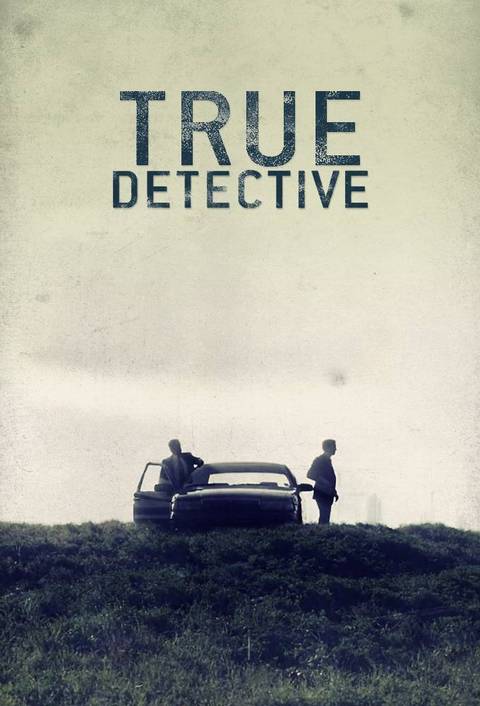
True Detective Season 1 Revived The Detective Drama

Penned by then-unknown screenwriter and author Nic Pizzolatto, True Detective season 1 was a sweaty Southern Gothic potboiler with a difference. Told across two intersecting timelines, season 1 of the anthology followed Matthew McConaughey’s troubled Rust Cohle and Woody Harrelson’s charismatic family man Marty Hart, a mismatched pair of detectives tasked with solving a series of horrifying murderers that were seemingly arranged as occult ritual sacrifices.
As Marty and Rust get closer to the truth, their personal lives begin to unravel. Marty’s marriage falls apart, Rust descends further into alcoholism, and their first attempt to track down the powerful predators at the heart of the show’s shadowy human trafficking ring ends in abject failure. The show’s focus then shifts to the contemporary timeline, wherein the reunited duo must put their differences aside to finally bring these monsters to justice.
Borrowing real-life inspiration from cases like the Franklin Credit Union scandal and the crimes of Jeffrey Epstein, True Detective season 1 was dark, heavy, and unapologetically bleak. However, unlike the then-recent flop Low Winter Sun, the show wasn’t so brutally hopeless that viewers saw no reason to keep watching. In a move that would be borrowed by the Bosch franchise in the year that followed, True Detective got about as gritty, dark, and R-rated as a cop show could while still feeling like a thrilling must-watch.
By bringing full-blown movie stars to TV, True Detective season 1 got away with levels of tonal weight that most shows couldn’t pull off. A network procedural with less star power would have a hard time convincing viewers to stick with a story about a multi-decade investigation into a child murder ring, but McConaughey and Harrelson’s presence, along with season 1’s slick direction and dynamite script, made the show unmissable.
True Detective Never Outdid Season 1’s Success

The casting of A-list stars as the embittered antiheroes of a dark crime drama is something that has since been borrowed by Mare of Eastown, Task, The Sinner, Under the Banner of Heaven, The Outsider, Sharp Objects, and Long Bright River, among others. Even lighter mystery thrillers like Big Little Lies and The Undoing took inspiration from this approach, bringing A-list names like Reese Witherspoon and Alexander Skarsgård back to the small screen to entice viewers.
Even though it inspired legions of imitators, True Detective itself was never able to live up to the outsized promise of season 1 again. Season 2 had no shortage of star power, with Rachel McAdams, Colin Farrell, Vince Vaughn, and a career-best Taylor Kitsch leading its cast. However, the show’s unbelievably messy plotting, comically dour tone, and lack of narrative progress made season 2 a parody of Prestige TV’s worst excesses and one of the most notable small-screen flops of the 2010s.
By the time Mahershala Ali starred in 2019’s surprisingly solid season 3, the franchise's shine had worn off. 2024’s True Detective: Night Country was similarly successful with critics, but the blockbuster success of the original series couldn’t be replicated both because of season 2’s disastrous fall from grace and another, more pertinent problem. Namely, the fact that everyone else had long since stolen the show’s modus operandi.
When True Detective season 1 began, it was striking and unexpected to see A-list stars on the small screen, playing the lead roles in a detective show. The 8MM/ Se7en-style mystery plot was a huge part of the show’s success, but its novelty value came from the HBO series bringing cinema-level production values and acting talent to a crime drama TV series, and this has since become commonplace in the genre.
True Detective Kick-Started The Careers of Numerous Stars

Fortunately, the success of True Detective season 1 did more than merely revive McConaughey’s career and give the ailing detective drama format a much-needed shot in the arm. The show also helped launch the careers of some emerging stars.
As well as fueling McConaughey and Harrelson’s respective comebacks after the success of Mud, Killer Joe, and The Hunger Games the year before, True Detective served as Alexandra Daddario’s calling card. Although Daddario appeared in White Collar before True Detective, it was her breakout role in the HBO show that led to starring roles in the blockbusters San Andreas and Baywatch, and, eventually, acclaimed turns in The White Lotus and Why Women Kill.
Meanwhile, Erin Moriarty’s role as Hart’s daughter in the early season 1 timeline set up her supporting role in Captain Fantastic, which in turn led to her role in The Boys and her subsequent A-list stardom. Thus, True Detective’s impact extended far beyond the show’s revival of the detective drama, as impressive as this genre resurrection was on its own.
Release Date January 12, 2014
Network HBO Max
Showrunner Nic Pizzolatto
Directors Cary Fukunaga
Writers Nic Pizzolatto




 English (US) ·