

Published Nov 22, 2026, 5:30 PM EST
Arielle Port started as a TV producer, developing content for Netflix (Firefly Lane, Brazen) and Hallmark (The Santa Stakeout, A Christmas Treasure) before transitioning into entertainment journalism. Her love of story went from interest to lifelong passion while at The University of Pennsylvania, where she fell in with a student-run web series, Classless TV, and it was a gateway drug. Arielle Port has been a Writer for Screen Rant since August 2024. She lives in Los Angeles with her boyfriend and more importantly, her cat, Boseman.
2000-2010 was a transformative decade for sitcoms, bridging the gap between traditional multi-camera comedies and the more experimental, character-driven shows that would define the 2010s. While network hits like Friends and Everybody Loves Raymond carried over their ratings dominance from the '90s into the early 2000s, a new generation of sitcoms challenged the genre's established conventions.
Throughout the decade, sitcoms increasingly embraced unconventional storytelling, surreal humor, and more complicated protagonists. Shows like The Office and Curb Your Enthusiasm helped popularize mockumentary techniques and cringe comedy. Other sitcoms experimented with serialized storytelling, genre-blending, and narrative structures that rewarded attentive viewers. These innovations helped lay the groundwork for the increasingly ambitious sitcoms of the 2010s.
The 2000s also produced some remarkably prescient social satire. Comedy could explore cultural anxieties that would only become more relevant with time. Corporate greed, celebrity obsession, technological advancement, and changing social expectations provided fertile ground for comedies whose observations now feel surprisingly contemporary.
However, the most successful sitcoms of the 2000s haven’t always aged well, like Two and a Half Men. Meanwhile, DVD box sets and reruns allowed audiences to discover overlooked comedies, while shows that struggled during their original runs developed cult followings and earned critical reevaluation. Some even received unexpected revivals years after their cancellations.
Ultimately, the 2000s sitcoms that have aged like fine wine weren’t necessarily considered the biggest, funniest, or even the best during their original run. Some were timeless from the beginning, while others were so far ahead of their time that audiences are only now fully appreciating them.
Scrubs (2001-2010)
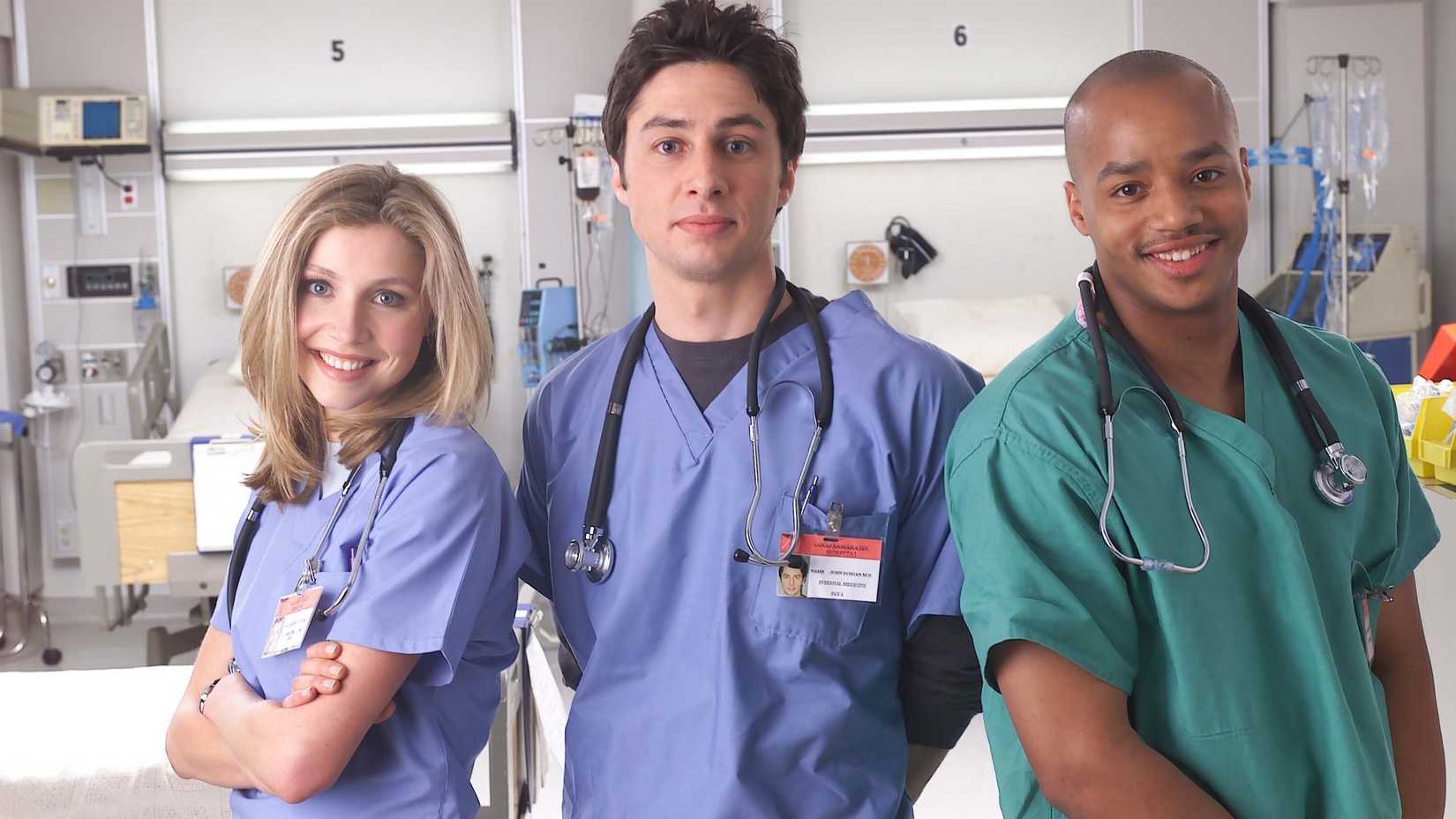
Scrubs was beloved during its original run, but its blend of surrealist comedy and emotional realism has become even more distinctive. While J.D.'s elaborate daydreams provided absurdist humor, Scrubs embraced truly sad episodes, never shying away from the grief, burnout, and moral dilemmas that come with working in a life-or-death profession.
More importantly, it recognized that humor wasn't a distraction from those experiences, but a necessary coping mechanism for healthcare workers. That understanding has helped the show remain perennially popular, leading to the 2026 Scrubs revival that feels like a natural continuation rather than an exercise in nostalgia.
The Bernie Mac Show (2001-2006)
 Carin Baer / TM and Copyright © 20th Century Fox Film Corp
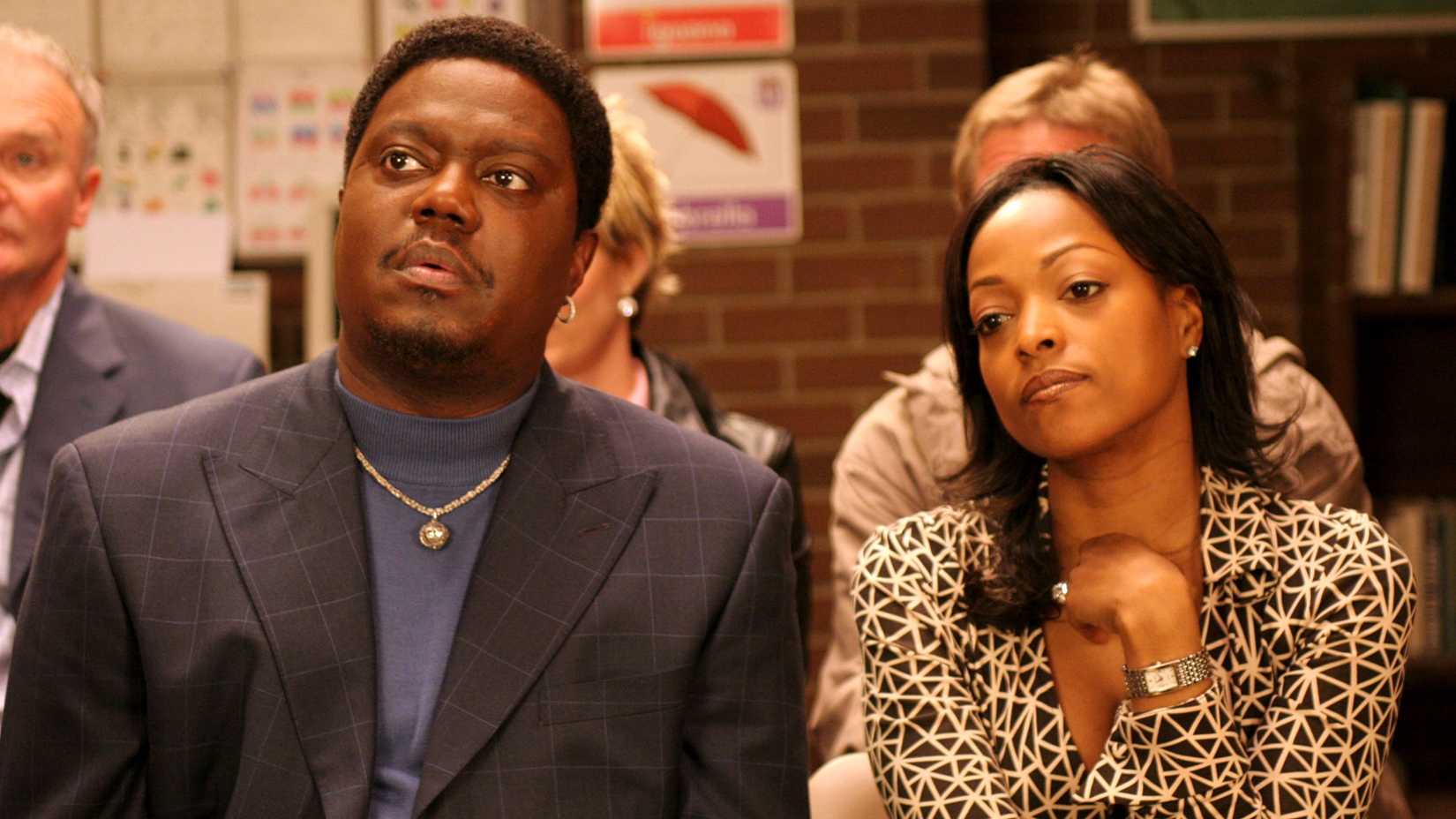
The Bernie Mac Show was ahead of its time in its refreshingly unconventional portrayal of Black family life. Rather than depicting an idealized father figure, Bernie Mac played an impatient, frequently overwhelmed guardian who reluctantly takes in his sister's three children.
Breaking the fourth wall to address the audience directly, the show explores resentment, discipline, and the sacrifices of raising children. This feels particularly relevant as contemporary family comedies increasingly embrace imperfect caregivers and nontraditional households. Its use of direct-to-camera confessionals and uncomfortable family truths also anticipated the mockumentary storytelling that would become a sitcom staple later in the years to come.
My Name Is Earl (2005-2009)
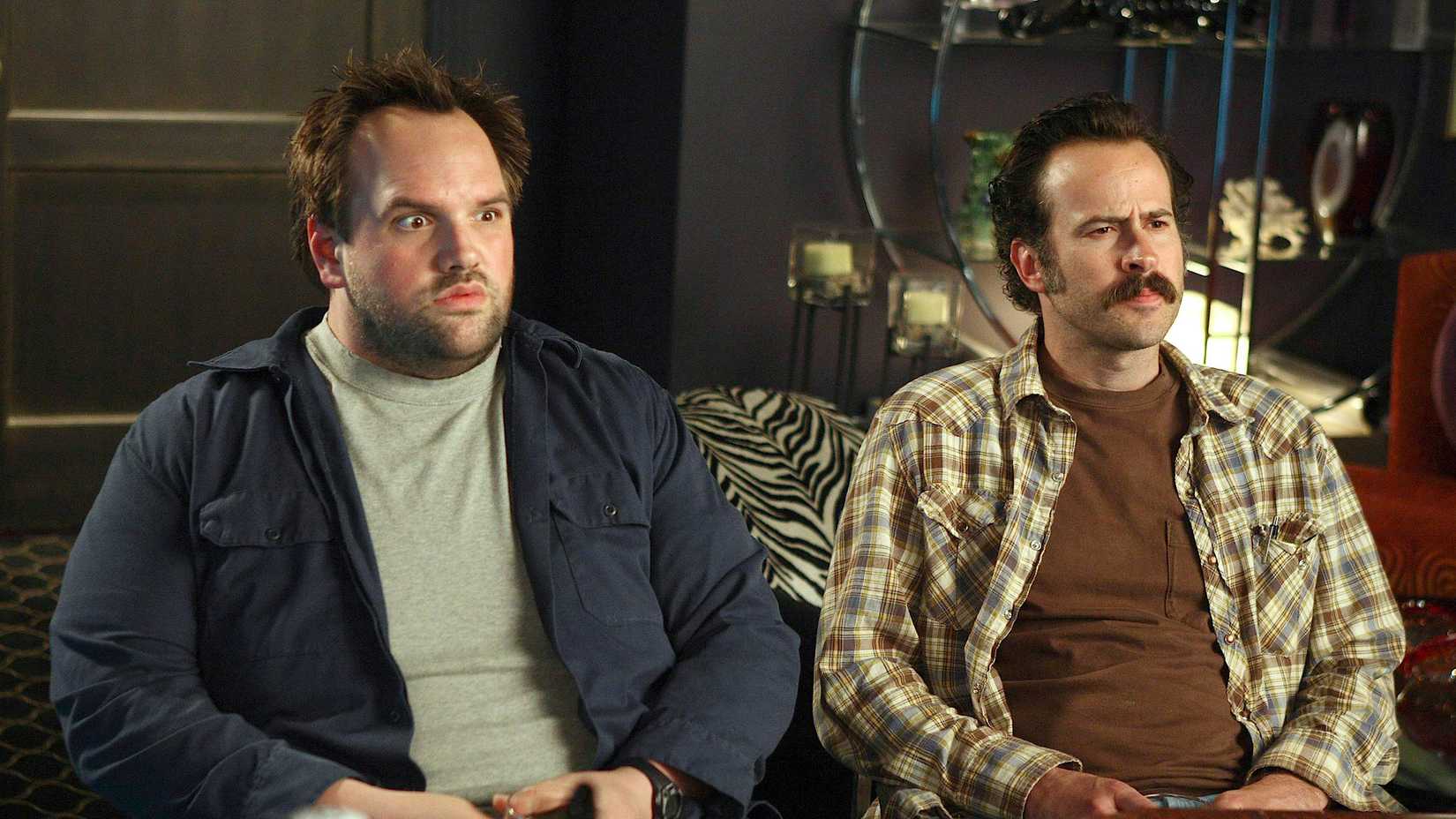 Image via Everett Collection
My Name Is Earl has only gotten better with age, especially in its refreshingly optimistic approach to redemption and accountability. At a time when television increasingly embraced morally bankrupt antiheroes, Earl Hickey was something of an anti-antihero: a petty criminal determined to become a better person by making amends for his past mistakes.
Rather than mocking its working-class characters for their shortcomings, the sitcom treated them with genuine empathy, recognizing that even deeply flawed people are capable of change. Its emphasis on personal responsibility, forgiveness, and second chances feels especially refreshing in an era of increasingly polarized moral judgments.
My Name Is Earl’s unresolved cliffhanger ending remains a bitter aftertaste. However, the show's underlying philosophy has aged beautifully.
Girlfriends (2000-2008)
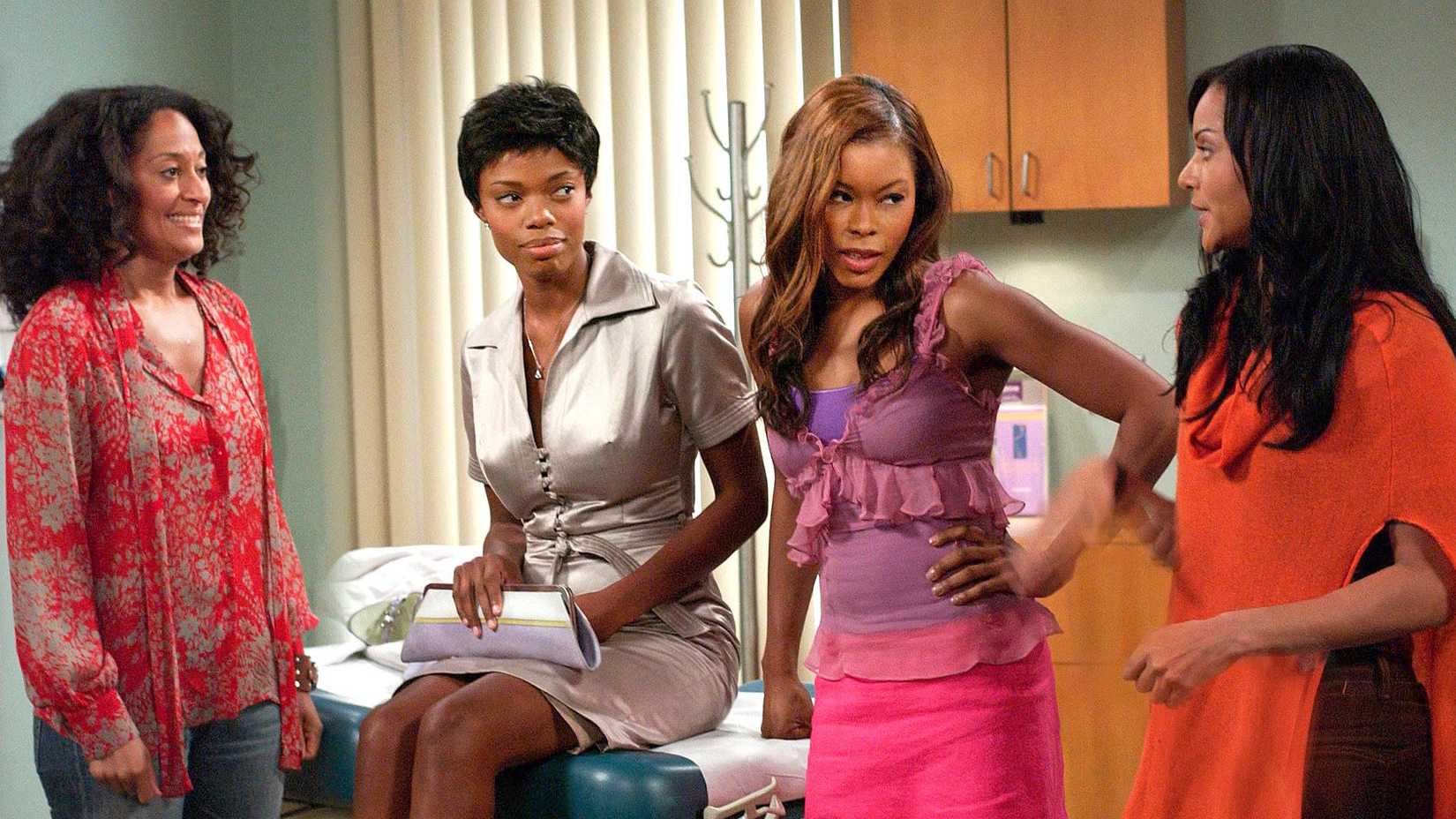 Image via Everett Collection
Girlfriends was groundbreaking during its original run, but its portrayal of Black female friendship has only become more significant with time. Following four women as they navigate careers, relationships, and personal growth in Los Angeles, the sitcom challenged the limited roles available to Black women on television without reducing its characters to stereotypes.
More than two decades later, Girlfriends feels like a precursor to shows such as Insecure, particularly in its exploration of professional ambition, sexual independence, and complicated female friendships. Its frank discussions of Black womanhood also remain strikingly relevant, demonstrating how many of the social pressures its characters confronted have persisted long after Girlfriends' series finale.
Arrested Development (2003-2006)

Arrested Development is the definitive example of a sitcom that found a larger audience after its cancellation. The comedy struggled with ratings during its run, only to become a cult phenomenon through DVD sales and streaming. Arrested Development reshaped American sitcoms — its densely layered jokes, elaborate callbacks, unreliable narration, and interconnected storylines were practically designed for binge-watching.
Beyond its innovative storytelling, Arrested Development's satire of a wealthy, self-absorbed family whose privilege repeatedly shields them from consequences feels increasingly relevant. Two decades later, the Bluth family's entitlement and spectacular incompetence have only become satirically sharper with time.
Aliens in America (2007-2008)
 Image via Everett Collection
Aliens in America was arguably a decade ahead of its time, tackling Islamophobia, xenophobia, and cultural prejudice through the unlikely premise of a teenage sitcom. Premiering in 2007, the short-lived comedy followed Raja, a Pakistani Muslim exchange student who moves in with a Wisconsin family expecting someone else entirely.
Rather than making Raja the punchline, Aliens in America frequently turned its humor toward the ignorance and prejudices of his American hosts, challenging stereotypes while remaining genuinely funny. At a time when hit dramas like 24 routinely associated Muslim characters with terrorism, Aliens in America pushed back against American ignorance and Islamophobia.
30 Rock (2006-2013)
 Image via Everett Collection
Winning three consecutive Outstanding Comedy Emmys, 30 Rock was a masterpiece but never a mainstream ratings juggernaut. When the sitcom entered its final season in 2012, it had roughly one-third the audience of The Big Bang Theory.
However, its cultural footprint has grown considerably. The comedy's rapid-fire jokes, obscure pop culture references, background gags, and elaborate callbacks reward repeat viewing, making 30 Rock particularly well-suited to the streaming era.
Meanwhile, its relentless satire of media consolidation, celebrity branding, and corporate interference in entertainment has become increasingly prescient. What was once an industry-insider comedy now feels like a remarkably accurate portrait of modern Hollywood.
Peep Show (2003-2015)

Peep Show has created an enduring cultural legacy through its painfully relatable portrayal of social anxiety and arrested adulthood. Following two dysfunctional roommates perpetually struggling to be adults, Peep Show is an anti-sitcom that took cringe comedy to uncomfortable new heights.
Its innovative first-person camerawork and internal monologues exposed the disconnect between its characters' outward behavior and private thoughts, trapping viewers inside the insecurities and selfish impulses behind their humiliating decisions. This psychological realism anticipated the painfully self-aware humor of shows like Fleabag.
More than two decades after its premiere, Peep Show's examination of social awkwardness, self-sabotage, and the inability to get one's life together feels more relevant than ever. Like a bold red wine, it might make you pucker at first, but those with a sophisticated palate will appreciate its complexity.
The Boondocks (2005-2014)

The Boondocks is an animated sitcom whose biting satire of American society feels just as relevant two decades after its premiere. Following brothers Huey and Riley Freeman as they navigate life in a predominantly white suburb, the Adult Swim comedy fearlessly tackles racism, politics, consumerism, and celebrity worship.
Rather than limiting its criticism to white America, The Boondocks also challenged contradictions within Black popular culture, particularly the glorification of violence, materialism, and fame. Its episodes satirizing sensationalist media coverage, celebrity scandals, and the commercialization of Black identity often feel almost prophetic.
Better Off Ted (2009-2010)
 Image via Everett Collection
Set within the morally bankrupt corporation Veridian Dynamics, Better Off Ted satirized corporate greed, unethical innovation, and the prioritization of profits over people. Nothing better illustrates how far ahead of its time the show was than its infamous “Racial Sensitivity” episode, where the company devises increasingly ridiculous workarounds rather than fixing the technology that can’t recognize Black employees.
What seemed like absurdist satire in 2009 now feels like a remarkably accurate critique of corporate irresponsibility and reliance on flawed technology. ABC canceled Better Off Ted after two seasons, but there was plenty of juice left. Underappreciated during its original run, Better Off Ted is one of the best obscure sitcoms that everyone should watch.








 English (US) ·