

Published Apr 18, 2026, 8:55 AM EDT
Angela Davis is a freelance movies writer for Screen Rant. She specializes in English with concentrations in media analysis and grammar. She's watched a movie every day for the past eight years and learned some of the best ways to write stories during her time at college.
The horror film that "scared the hell" out of master of horror Stephen King is officially celebrating its 10th anniversary this year. For years, King has shared other media that have intrigued him with his massive fanbase. His opinions have helped many films gain wider recognition, with one of his most famous examples being his recommendation for Sam Raimi's The Evil Dead from 1981.
However, 10 years ago, another film caught King's eye and captivated his imagination. Robert Eggers' The Witch, which originally debuted at Sundance in 2015 but gained a nationwide release in 2016, became one of his strongest recommendations. He tweeted on X, or Twitter at the time, that The Witch was "tense and thought-provoking, as well as visceral."
King's word and high praise from critics turned The Witch into a must-watch horror film. When it was released on February 19, 2016, it became a massive success and launched Robert Eggers' career. Now, 10 years later, the film is regarded as not just one of Eggers' best, but also one of the greatest horror films of the 21st century.
Its atmospheric storytelling blended with dialogue devoted to historical realism made it a film unlike any other at the time. Without The Witch, it's unlikely that many modern horror classics would have been made as it became incredibly influential for the horror community and laid the groundwork for many great scary movies to come.
Robert Eggers' The Witch Popularized Folk Horror For A New Generation
One of the greatest things about The Witch is how enriched it is in sticking to folklore of the time. The settings, costumes, and performances do a brilliant job transporting the viewer into the time of Puritan settlers. However, it's the writing that takes from real publications from the 17th century that immerse the audience entirely.
The use of early modern English to tell this story is such a clever tool to turn The Witch into an infatuating period piece. It's akin to listening to the words of Nathaniel Hawthorne performed on the screen. There's hefty imagery in their language that exaggerates scenarios, showcasing how folk horror takes shape.
This different take on historical horror whetted the appetites of many horror fans because of how new it was in a genre that had been coasting on films set during the 20th and 21st centuries. Sending viewers back to the 1600s was a breath of fresh air and opened the gates for an entirely new subset of terror.
The Horror Of The Witch Comes From Unseen Fear, Not An External Threat
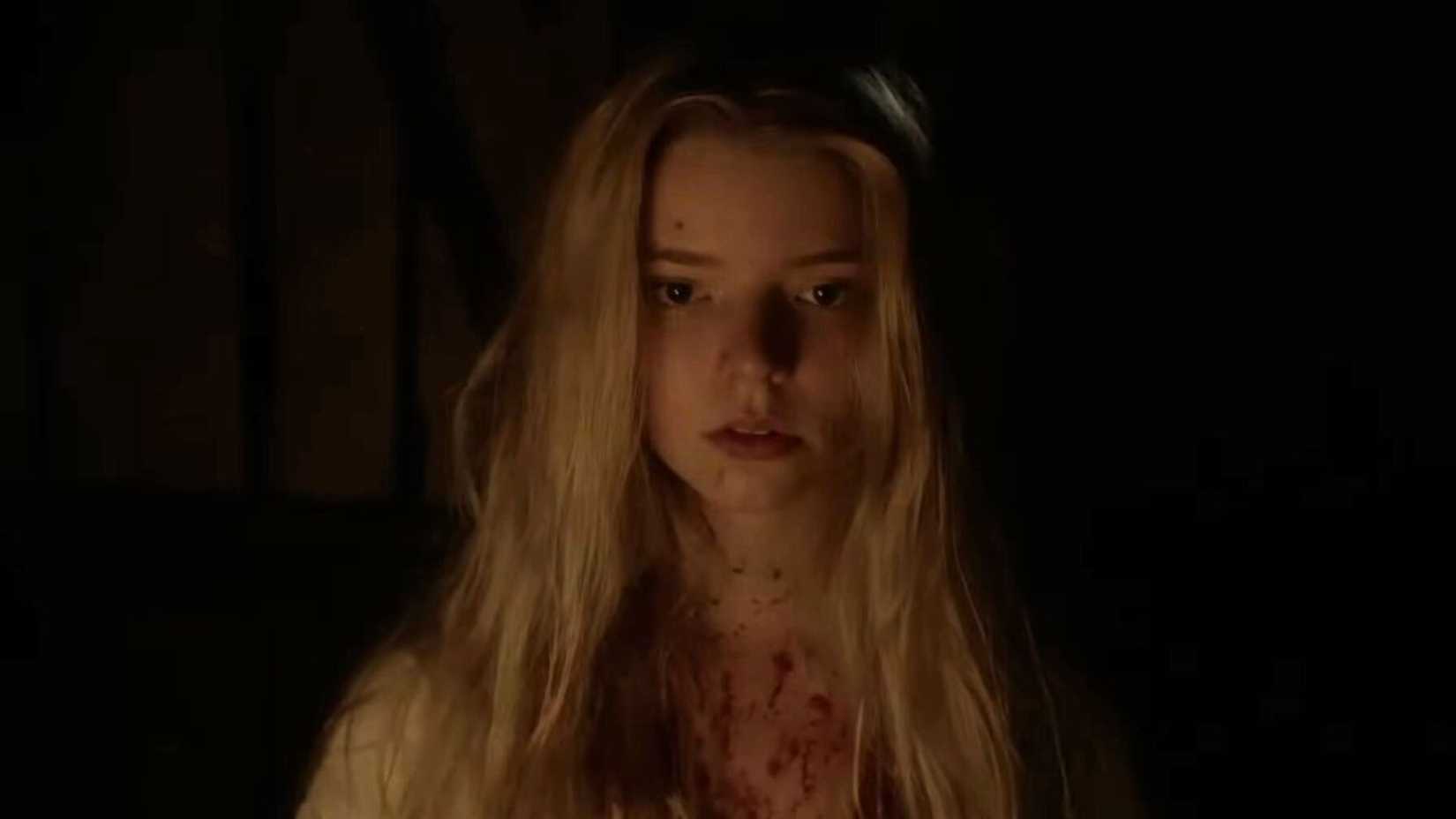
The beauty of The Witch is the way it preys on the audience's imagination. There's no telling what is real and what isn't. While there are certainly times when a witch is shown, such as the infamous baby-eating scene, the film is undeniably told through an unreliable lens because of how the characters react to what's around them.
The key motif of The Witch is paranoia. No matter what comes, Thomasin and her family are always afraid of anything that may lurk in the shadows. They constantly trade accusations with each other as their fear of the unseen continues to grow.
This exaggeration in the characters' dialogue makes the audience question if the events of the film truly were a witch's doing, rather than perfectly reasonable explanations.
Even the ending, which is by far the most supernatural moment of the film, can be chalked up to fear of the unknown. The entire agreement with Black Phillip and the infamous quote "Wouldst thou like to live deliciously" could be in Thomasin's mind as she's slowly driven mad and wanders into the woods following the death of her family.
It's all left to the viewer's interpretation and imagination, which is exactly what Thomasin's family goes through as they deal with the horrors of living alone in the wilderness.
The Witch Put A24 On The Map
Simply put, A24 wouldn't be where it is today without The Witch. While the studio had certainly been around by the time The Witch came out, the films they were releasing were largely dropped under the radar and accumulated more appreciation after physical release.
When The Witch released in theaters though, everything changed for the studio. It was met with such high praise that A24 was eventually labeled as the studio for exceptional modern horror. In fact, it gave birth to the term "elevated horror," which was deemed horror that had far more below the surface than typical genre-fare.
While this term has since been abandoned due to many coming to appreciate the genre regardless of how "elevated" it was, it still brought about a new wave of creators who were inspired by The Witch.
Filmmakers like Ari Aster (Hereditary), Jane Schoenbrun (I Saw The TV Glow), and the Phillippou Brothers (Talk To Me) looked at the slow burn, thematic style of The Witch and other films that followed to create their own works.
After 10 incredible years of great horror films, The Witch still holds up today as one of the major cornerstones of 21st century horror. Robert Eggers has since released three more films since his directorial debut, with a new film called Werwulf due out in 2026.
It's amazing to see just how influential The Witch and Eggers have become since its release, and if they can "scare the hell" out of Stephen King, then they're absolutely doing something right for the genre.
Source: X

Release Date February 19, 2016
Runtime 92 minutes
Producers Daniel Bekerman, Jay Van Hoy, Jodi Redmond, Lars Knudsen, Rodrigo Teixeira




 English (US) ·