
A key appeal of anime generally is that it never stops testing how far it can go. Certain titles push past every limit by combining wild absurdity, trippy visuals, and storytelling that feels completely off the rails. These shows toss out the usual rules and leave behind scenes that stick with viewers through nonstop chaos or deeply strange imagery.
My Deer Friend Nokotan

My Deer Friend Nokotan flips normal high school life on its head thanks to one antlered transfer student. Torako Koshi buried her delinquent past to build a perfect image. Then Noko Shikanoko shows up, acting like an actual deer. The chaos explodes as this girl dangles from power lines and pulls everyone into deer club madness, packed with detachable heads.
Those antics never bother explaining themselves. The whole series dives headfirst into unhinged fun and refuses to apologize for it. One watch makes clear why smart bursts of controlled madness hit so hard in short form. The viral opening, plus nonstop escalation, makes it essential viewing for anyone chasing raw comedy.
Sarazanmai
.jpg?q=49&fit=crop&w=825&dpr=2)
Sarazanmai transforms three middle school boys into kappa creatures after they meet a strange being named Keppi. They fight zombie-like enemies across Asakusa while fishing out literal desire orbs from their targets. Director Kunihiko Ikuhara hides heavy themes of connection, loss, and identity beneath catchy musical numbers and grotesque touches of body horror.
Strong emotions mix with grotesque, surreal touches to create a mood unlike anything else. People end up caring about the boys despite the bizarre wrapping. A single viewing peels away layers of genuine feeling buried inside the weirdness. The result stands as one of the boldest looks at human relationships around.
Cromartie High School

Cromartie High School plants a serious honor student named Takashi Kamiyama in the middle of the most ridiculous delinquents imaginable. The campus overflows with robots, a straight-up gorilla, Freddie Mercury lookalikes, and every other oddball in a loving parody of classic tough-guy school tales. Short episodes deliver rapid jokes built on deadpan reactions to ever-growing nonsense.
Background madness and wild character designs crank up the laughs without even trying hard. Fans enjoy how it lovingly mocks old delinquent tropes while keeping everything light and fun. One full sitting proves that minimal animation paired with maximum personality sells absurd ideas better than anything else.
Nichijou

Nichijou turns everyday school routines into pure exploding chaos and wild visual nonsense. Yuuko Mio and Mai deal with regular friendship headaches while hanging around Nano, that robot girl with the giant wind-up key sticking out of her back, plus the tiny inventor kid who built her, and one very sarcastic talking cat.
Principal deer wrestling matches and those ridiculous slow-motion bread falling scenes push every single joke way past the breaking point. Rapid slapstick crashes right into soft, quiet character beats, creating a real balance throughout. Sketch-like episodes let each segment breathe on its own without any rush.
Daily life gets stretched, twisted, and magnified into spectacles that somehow stay hilarious the entire run. One watch through explains exactly why this thing masters absurd comedy so well. Constant energy, combined with razor-sharp timing, keeps the laughs firing nonstop from start to finish.
Panty & Stocking with Garterbelt

Panty & Stocking with Garterbelt drops two fallen angels onto Earth, where the pair fight ghosts using weapons made straight from their own underwear. One chases every casual fling possible while the other stuffs face full of sweets nonstop. Crude battles explode across Daten City under the watch of one extremely foul-mouthed priest barely holding everything together.
Vulgar jokes slam together with slick action moves and art style flips that never let the visuals settle. A total lack of good taste becomes the biggest weapon here. Gainax pours chaotic power into every frame with bold animation risks that pay off. One viewing captures the unfiltered, irreverent attitude that sets this apart from usual action comedies.
Mind Game

Mind Game throws a struggling guy named Nishi into a psychedelic trip right after a deadly yakuza run-in. The path slides from death straight into heaven, then into the insides of a giant whale, and all kinds of body-twisting weirdness, alongside a longtime crush and her sister. Director Masaaki Yuasa flips art styles constantly to match racing thoughts and shifting emotions.
Experimental looks back up a life-affirming core message that lifts everything above normal storytelling. Surreal stretches challenge the audience while reinforcing themes of empowerment. Momentum holds steady in tone and direction throughout. One experience shows the innovative animation’s deep growth impact. The whole ride feels like a fever dream that somehow snaps into surprising coherence by the final moments.
Cat Soup
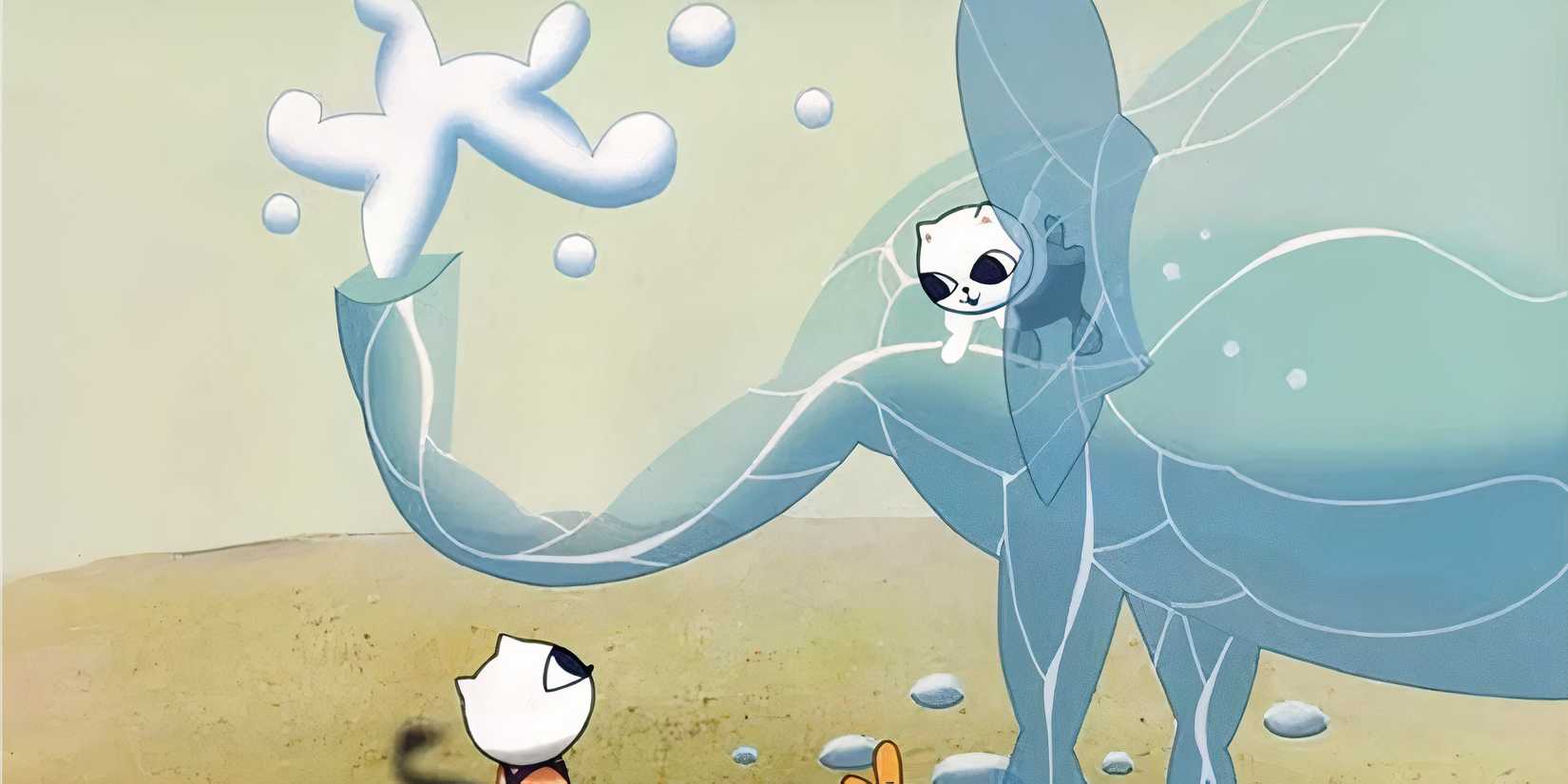
Cat Soup follows two cat siblings as they drift through eerie, surreal landscapes. Nyatta works to recover half of Nyako’s soul after a crushing loss. Minimalist progression relies on disturbing images and quiet philosophical layers pulled from the original Nekojiru manga. Almost no dialogue, putting all focus on powerful visuals and a thick atmosphere that builds slowly and heavily.
Death and acceptance themes surface inside nightmarish but carefully composed sequences. The short creates the exact feeling of walking straight into an unsettling dream. Fans of experimental animation call this one essential for the unique approach. Under thirty minutes delivers serious emotional weight using barely any words. Haunting beauty sticks around long after the credits roll.
Mawaru Penguindrum

Mawaru Penguindrum starts at an aquarium when a terminally ill girl named Himari collapses without any warning. A bizarre penguin hat revives her using a possessive spirit called the Princess of the Crystal. That spirit orders her brothers Kanba and Shoma to hunt down the mysterious Penguindrum if they want to keep the girl alive.
Three strange penguins that only they can see bring plenty of wild chaos to the whole frantic search. Kunihiko Ikuhara directs the show with his signature dense symbolism running through every single episode. The story mixes hidden family secrets, questions of fate, heavy sacrifice, and faint echoes of real tragedy, such as the Tokyo subway sarin attack.
Penguins offer silly comic relief that cuts through the intense metaphors about destiny, abuse, and love. Viewers get the most out of watching the entire series at least once. The thick layers of symbolism and the powerful emotional payoff leave a real mark. That rare blend of pure absurdity and true depth turns Mawaru Penguindrum into something impossible to forget.
Bobobo-bo Bo-bobo
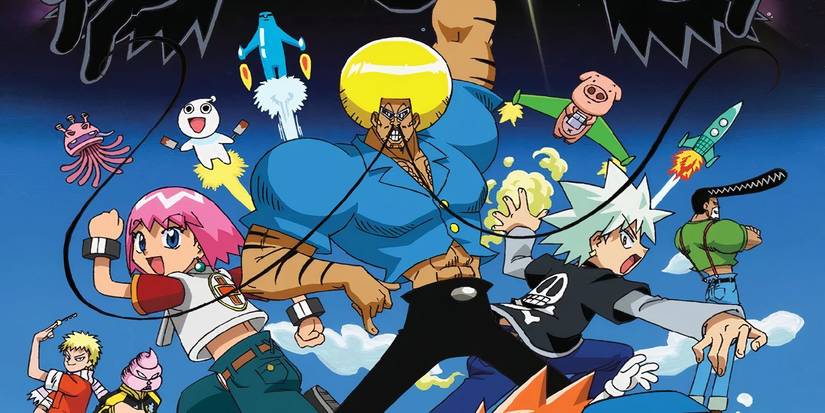
In the distant year 300X, the overbearing Maruhage Empire hunts down hair everywhere on the planet. The hero charges in with his Super Fist of the Nose Hair, lashing out long nose hairs as weapons. Alongside him stand wild allies like the fart-powered Heppokomaru and the totally unpredictable Don Patch, turning every fight into complete madness.
Yoshio Sawai crafted the whole thing as one giant parody of classic shonen tropes. Battles revolve around absurd hair techniques, nonsense rules, and fourth-wall breaks. The episodes just keep piling on more ridiculous situations that poke fun at normal action storytelling.
Thanks to the manga’s popularity, the anime ran for a good stretch filled with one unpredictable surprise after another. This show stands out because it offers raw, joyful chaos without any filter. Anyone tired of serious plots will feel genuine relief in how it refuses to make sense on purpose. One watch proves anime can deliver fun with zero apologies.
Welcome to Irabu’s Office

Welcome to Irabu’s Office revolves around the quirky psychiatrist Dr. Ichiro Irabu and his very strange treatment style. Every episode introduces new patients, from a trapeze artist scared of failing to a tough yakuza who panics at sharp objects. Irabu’s childish attitude and weird obsession with giving injections keep things constantly off-balance.
Drawn from Hideo Okuda’s original stories, the series mixes live-action segments with animation. Patients’ heads suddenly turn into different animals right in the middle of sessions. The separate cases slowly link together over time. Irabu keeps shifting forms, bearing a head one moment, effeminate the next, then childlike while dishing out harsh truths without sugarcoating.
The show deserves a watch for how it combines real psychological insight with daring visual tricks. It tackles mental health through bizarre humor that still rings true. In the end, it shows that tough personal struggles can be both entertaining and meaningful.





 English (US) ·