
 Image via 20th Century Studios

Published May 24, 2026, 8:34 AM EDT
Michael Block is a 14 time GLAM Award nominated writer, producer, and host of the podcast Block Talk. Throughout his time in the entertainment industry, he has worked on and off Broadway as a stage manager, written several produced plays, critiqued hundreds of theatrical performances, drag and cabaret shows, and has produced events randing from drag competitoons to variety concerts!
On Block Talk, he interviews nightlife personalities, covers the wide world of entertainment through features, ranking episodes, and recaps ALL of Drag Race, as well as Dragula and Survivor. He has interviewed hundreds of RuGirls that span the globe at DragCon NYC, DragCon LA, and DragCon UK.
In his free time, he makes one-of-a-kind jewelry and gift baskets with his mom. He is a proud member of the LGBTQ+ community.
Sign in to your Collider account
In the world of science fiction, we tend to give the greatest reverence to big-name, blockbuster titles, like Star Wars, Alien, Star Trek, and The Matrix. But sprinkled in within the mammoth movies are the films that shine brightly, but we tend not to notice. These movies may have had their moment, but nowadays, we are sleeping on them. Well, it’s time to wake up!
From underrated space stories to terrifying technological thrillers, the ten titles on this list are truly amazing and have been ignored for far too long. Though they may be left out of the masterpiece conversation, they each bring something unique that has impacted the greater genre, whether we realize it or not. If you’ve slept on these movies, now’s the time to get into them and learn what made them amazing in the first place.
'Attack the Block' (2011)
 Image via Optimum Releasing
Often, we let box-office performance dictate success. If a film underperforms, even in a limited release, finding its footing post-release may be difficult. That’s partially why Attack the Block may have been slept on. Directed by Joe Cornish, it follows a teenage street gang in South London as they defend their housing estate against a sudden alien invasion on Bonfire Night. After initially mugging a nurse named Samantha Adams (Jodie Whittaker), the group, led by Moses (John Boyega), teams up with her to battle black, glowing-toothed, furry, gorilla-like extraterrestrials on Guy Fawkes Night, turning their apartment block into a fortress.
With a then-largely unknown cast that has since become major stars, Attack the Block tackles themes of class and urban alienation through a unique coming-of-age story that counters "hoodie horror" tropes by turning delinquent teens into heroes. Oh, and that's all set against a backdrop of aliens. A prime example of urban sci-fi, this high-octane film is an adrenaline rush that provides sharp social commentary within a smartly written, grounded story filled with heart and humor blended with genuine fear. It established a sensational atmosphere, both in its visuals and script, through the inclusion of street slang. Oh, and Nick Frost as local drug lord Ron is a gem.
'Chronicle' (2012)
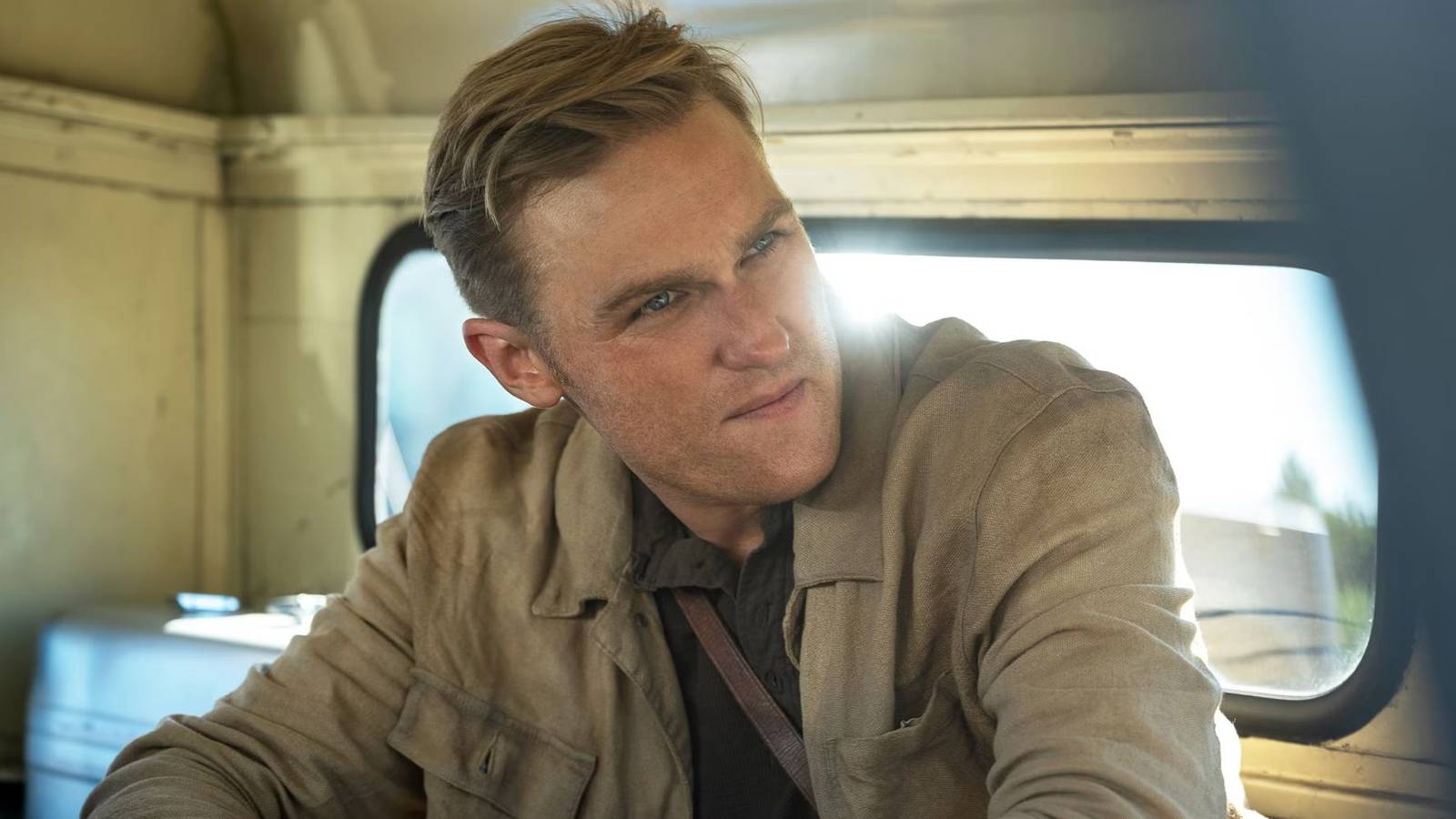
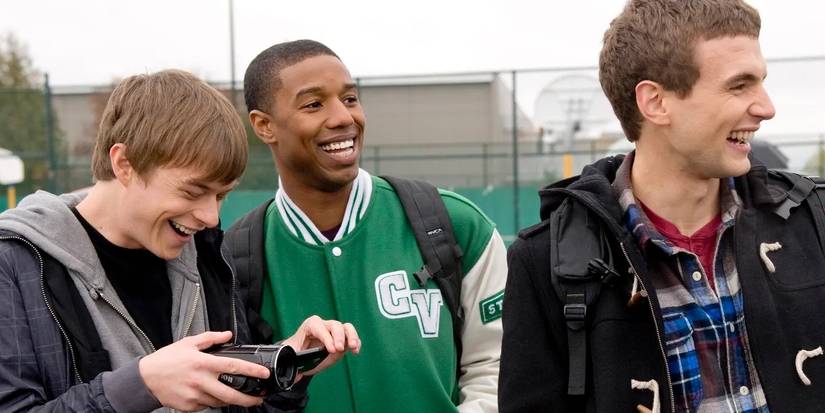 Image via 20th Century Studios
We all wish we had superpowers. We may believe we’d use it for good, but as cinema has taught us, some are gifted with such powers and use them to fight back against those who’ve wronged us. Such is the case for the superhero flick without massive IP appeal, Chronicle. Directed by Josh Trank in his directorial debut, it chronicles three Seattle high school seniors — socially isolated Andrew Detmer (Dane DeHaan), his cousin Matt Garetty (Alex Russell), and popular Steve Montgomery (Michael B. Jordan) — who gain telekinetic powers after encountering a mysterious, glowing underground object.
A brilliant and gritty found-footage-style film, Chronicle is a dark exploration of isolation and the power within. It's a bold, innovative film with keen visual effects that subvert clichéd vigilantism in favor of a dark, character-driven underdog story. Released in the midst of big-screen Marvel and DC blockbusters, Chronicle was the little superhero film that could, thanks to a truly high-impact story with exceptional world-building that challenged the blockbuster approach to superhero films without compromising its mission. Rather than focusing solely on action, the film delves into the profound psychological and emotional consequences of power, particularly on a troubled, bullied teenager.
'Evolution' (2001)
Who says all science fiction films have to be dramatic? Just look at Evolution; it’s hilarious! Directed by Ivan Reitman, the film focuses on a rapidly evolving alien organism that crashes to Earth as a meteor. When the creatures quickly turn Arizona into a dangerous primordial jungle, a college professor (David Duchovny) and his colleagues, geology professor Harry Block (Orlando Jones), a fire-fighting cadet (Seann William Scott), and CDC scientist Allison Reed (Julianne Moore), attempt to save the world, discovering the alien's weakness is selenium, found in dandruff shampoo.
Wacky and ridiculous, but fun nevertheless, Evolution takes the joy that Reitman introduced through Ghostbusters and gave it an alien invasion makeover. Smartly directed and wittily written by David Diamond and David Weissman, Evolution is a turn-your-brain-off sci-fi where fun overrides science, reveling in nostalgia as one of those purposefully ridiculous films that made the late ‘90s and early ‘00s iconic. The chemistry is fantastic, with Duchovny delivering camp in a post-The X-Files world. In a time when sci-fi parodies were aplenty, and the comparison to Ghostbusters was top of mind, Evolution has become a time capsule.
'Idiocracy' (2006)
 Image via 20th Century Studios
Let’s keep with the comedies, shall we? An essentially buried film upon release, Idiocracy may have been deemed a failure, but its cult classic status disagrees. Mike Judge's cult classic follows Joe Bauers (Luke Wilson), a completely average U.S. Army librarian selected for a top-secret hibernation experiment. The experiment is forgotten after a scandal, and instead of waking up in one year, Joe wakes up 500 years in the future, in 2505, when society has become incredibly dumbed down, driven by mindless consumerism, extreme garbage buildup, and the decline of critical thinking.
A hilarious satire that mocks over-commercialization, corporate dominance, and the devaluation of education, Idiocracy feels like it might be a documentary. A high-concept comedy that's frighteningly prophetic, its uncanny ability to predict the trajectory of modern society is what makes the conceit resonate today. Both crude and smart, the film plays with the “average Joe” trope in a wonderful way. Wilson serves as a strong lead, even if it means he’s leading a script filled with low-brow and potty humor. Perhaps being buried by the studio for mocking corporations was the sign that the film was actually onto something.
'Meet the Robinsons' (2007)
 Image via Walt Disney Animation
As a victim of the second Disney Dark Age and arriving right before the rise of the 3D wave, Meet the Robinsons epitomized the company’s mission despite the lack of attention. The story follows Lewis (Jordan Fry and Daniel Hansen), a brilliant 12-year-old orphan inventor who feels rejected after his inventions fail to attract adoptive parents. Desperate to remember his birth mother, he builds a memory scanner, but the villainous Bowler Hat Guy (Stephen Anderson) steals it.
Bringing the fascination of innovation with time travel and the mantra of “keep moving forward,” Meet the Robinsons integrates serious real-world themes, including the power of chosen family, while reminding young viewers that failure is not the end, just a step toward success. A genuine hidden gem with a vibrant aesthetic, Meet the Robinsons went beyond science fiction to tell a beautiful, family-focused story. Through the lens of adoption, it presents the lingering effects of the absence of unconditional love in early childhood while creating an optimistic, charming story about the power of individuality and chosen family.
'Midnight Special' (2016)
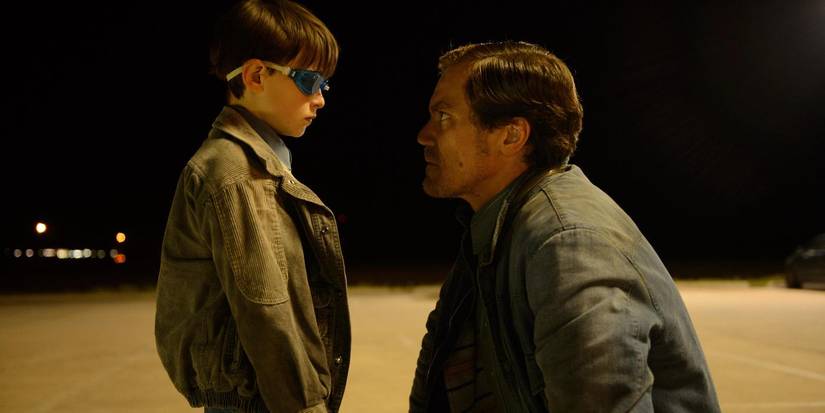 Image via Warner Bros. Pictures
Midnight Special is perhaps one of the most incredible films you have been sleeping on. After taking him from the “Ranch,” Roy (Michael Shannon) and his friend Lucas (Joel Edgerton) go on the run to protect his 8-year-old son, Alton (Jaeden Lieberher), who possesses extraordinary, supernatural powers. Pursued by federal agents and a religious cult, they travel by night to reach a mysterious destination.
A low-key indie film that reads like a big-budget blockbuster, Midnight Special evokes the heartfelt science fiction films of Steven Spielberg. Blending intense science-fiction thrills with a genuine, heartfelt narrative, it evokes an effective sense of wonder in a story that's more than its genre, centering on unconditional love set against a science-fiction backdrop. It's a unique take on superhero tropes, grounded in emotional impact over sensationalized spectacle. Written and directed by Jeff Nichols, the film is visually breathtaking through a smartly plotted, well-paced story.
'Moon' (2007)
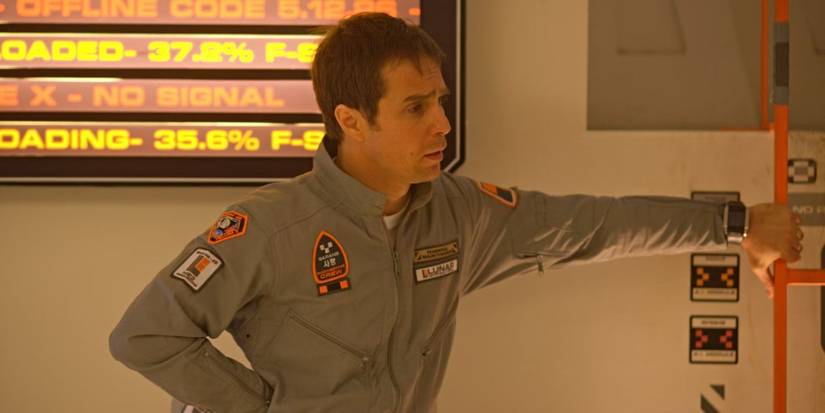 Image via Sony Pictures Classics
Sam Rockwell is the science fiction gift that keeps on giving, and he gave a remarkable performance in 2009's Moon. Written by Nathan Parker, based on a story by director Duncan Jones, Moon centers on Sam Bell (Rockwell), an astronaut nearing the end of a three-year solitary stint mining helium-3 on the far side of the Moon. Though he's looking forward to reuniting with his wife and young daughter (Dominique McElligott and Kaya Scodelario), Sam's health takes a drastic turn for the worse, leading to hallucinations and an almost fatal accident.
A slow-burning psychological drama in space, Moon masterfully tackles themes of identity and the ethical implications of technology. Though created in the 21st century, it has a classic sci-fi sensibility. Evoking imagery reminiscent of 2001: A Space Odyssey, the film thrives by keeping the focus on the concepts rather than flashy visual effects. Rockwell delivers a nuanced, multifaceted portrayal of an isolated man confronting his own humanity. Though there were many space films with big stars that followed, Moon remains a hidden gem.
'See You Yesterday' (2019)
 Image via Netflix
In See You Yesterday, two Brooklyn teenage prodigies, C.J. Walker (Eden Duncan-Smith) and Sebastian Thomas (Danté Crichlow), invent backpacks capable of time travel. After a police officer wrongfully kills C.J.'s older brother, Calvin (Brian "Stro" Bradley), the duo uses their invention to travel back in time to save him. Produced by Spike Lee, the film addresses the complexities of grief and the desire to reverse a traumatic, unjust event.
A profound premise that blends science fiction with themes of police brutality, racial injustice, and the consequences of trying to alter the past, See You Yesterday is an urgent and important film. Through a coming-of-age narrative with a heartfelt emotional core, the film showcases Black communities with intelligence, ambition, and depth. The "Afrofuturist" take on time travel, with real-world social commentary, is smart and seamless, and the authenticity of Brooklyn life heightens the atmosphere by avoiding stereotypes in portraying the community.
Collider Exclusive · Sci-Fi Personality Quiz Which Sci-Fi Hero Are You Most Like? Paul Atreides · Captain Kirk · Princess Leia · Ellen Ripley · Max Rockatansky
Five iconic heroes. Five completely different ways of facing an impossible universe. One of them shares your instincts, your values, and your particular way of refusing to back down. Eight questions will tell you which one.
🏜️Paul Atreides
🖖Capt. Kirk
✊Princess Leia
🔦Ellen Ripley
🔥Max Rockatansky
FIND YOUR HERO →
01
How do you lead when the stakes couldn't be higher? The way you lead under pressure is the most honest thing about you.
AI absorb everything — every variable, every pattern — and move only when I know the path forward. BI read the room, make the call, and own the consequences. Hesitation costs more than mistakes. CI rally people. A cause needs a voice, and I refuse to let fear be louder than conviction. DI assess the threat, establish what needs doing, and get it done without waiting for permission. EI don't lead. I act. Others can follow or not — I'm already moving.
NEXT QUESTION →
02
What is your greatest strength in a crisis? The quality that keeps you alive when everything else fails.
APrescience — the ability to see further ahead than anyone else and plan accordingly. BImprovisation — I'm at my best when the plan falls apart and I have to invent a new one. CConviction — I know what I'm fighting for, and that certainty doesn't waver under fire. DComposure — I stay functional when everyone around me is falling apart. Panic is a luxury. EEndurance — I outlast things. I take the hit and keep moving long after others have stopped.
NEXT QUESTION →
03
What is the thing you'd sacrifice everything else for? Your deepest motivation is your truest compass.
AThe survival and dignity of my people — even if I have to become something frightening to ensure it. BThe safety of my crew — every single one of them. No one gets left behind. CFreedom — for my people, for every world still crushed under the weight of an empire. DThe truth — what actually happened, what's actually out there, whether anyone believes me or not. EThe one person — or the one memory — that still makes any of this worth surviving for.
NEXT QUESTION →
04
How do you relate to the people around you? Who you are to others under pressure is who you really are.
AWith intensity and distance — I care deeply, but the weight I carry makes closeness complicated. BWith warmth and irreverence — I take the mission seriously, not myself. CWith directness and trust — I say what I mean, and I expect the people I work with to rise to it. DWith professional care but clear limits — I'll protect you, but I won't pretend we're family. EWith wariness that slowly becomes loyalty — I don't trust easily, but when I do, it holds.
NEXT QUESTION →
05
You're facing a threat that no one else believes is real. What do you do? How you respond when you're the only one who sees it defines everything.
APrepare in silence. If they won't listen, I'll be ready when they finally have to. BKeep pushing until someone listens — and if no one does, handle it myself. CBuild the case, find the allies, and make the threat impossible to ignore. DDocument everything. The truth matters even if no one believes it yet. EStop trying to convince anyone. Survive it. That's the only argument that counts.
NEXT QUESTION →
06
What has your heroism cost you personally? Every hero pays. The question is what — and whether they'd pay it again.
AMy innocence — I've seen what I'm capable of, and I can't unsee it. BPeople I loved — the command chair has a view, but it's a lonely one. CA normal life — I gave up everything ordinary the moment I chose the cause. DMy sense of safety — I know exactly what's out there now, and I can't pretend otherwise. EAlmost everything — and I'm still not sure what I'm carrying it all for. But I keep going.
NEXT QUESTION →
07
How do you feel about the rules of the world you're in? Every hero has a relationship with the system. What's yours?
AI understand them deeply — and I know exactly which ones must be broken, and why. BI respect the spirit of them and bend the letter when the situation demands it. CThe system is the problem. I'm not here to work within it — I'm here to dismantle it. DI follow protocol until protocol stops being useful. Then I make the call myself. EThe rules collapsed a long time ago. What's left is instinct, and mine are reliable.
NEXT QUESTION →
08
When everything is on the line, what keeps you going? The answer is the most honest thing about you.
ADestiny — or something that feels so much like it that the difference no longer matters. BThe people on my ship — their faces, their trust, the fact that they're counting on me. CThe belief that what we're fighting for is worth every sacrifice, including this one. DSheer refusal to let it win — whatever it is. I don't stop. That's just who I am. EI'm not sure anymore. But the road is still there, and I'm still on it.
REVEAL MY HERO →
Your Hero Has Been Identified Your Sci-Fi Hero Is…
Your answers point to the iconic sci-fi hero who shares your instincts, your values, and your particular way of facing the impossible.
Paul Atreides
You carry a weight most people would crumble under — the knowledge of what you're capable of, and the burden of what you might have to become.
- You see further ahead than others and you plan accordingly, even when the vision frightens you.
- You are driven by loyalty to your people and a sense of destiny you didn't ask for but can't escape.
- Paul Atreides is not simply a hero — he is someone who understands the cost of power and chooses to bear it anyway.
- That gravity, that willingness to carry what others won't, is exactly you.
Captain Kirk
You lead with instinct, warmth, and an absolute refusal to accept a no-win scenario — because you've always believed there's a third option nobody else has thought of yet.
- You take the mission seriously without ever taking yourself too seriously.
- Your crew would follow you anywhere, not because you demand it, but because you've earned it.
- Kirk's genius isn't tactical — it's human. He reads people, bends rules with purpose, and wills outcomes into existence through sheer conviction.
- That combination of warmth, audacity, and relentless optimism is unmistakably yours.
Princess Leia
You are the kind of person who holds the line when everyone else is losing faith — not because you're fearless, but because giving up simply isn't something you're capable of.
- You lead through conviction. Your voice carries because your belief is unshakeable.
- You gave up everything ordinary the moment you chose the cause, and you've never looked back.
- Leia is not a supporting character in her own story — she is the moral centre of the entire rebellion.
- That same fierce, principled, unbreakable core is what defines you.
Ellen Ripley
You are not reckless, not grandiose, and not particularly interested in being anyone's hero — you just refuse to stop when it matters.
- You see threats clearly, you document the truth even when no one listens, and when the time comes you handle it yourself.
- Ripley's heroism is earned, not performed. She doesn't have a speech — she has a flamethrower and a plan.
- You share her composure under the worst possible pressure, and her refusal to pretend the monster isn't there.
- When it counts, you don't flinch. That's everything.
Max Rockatansky
You have been through fire that would break most people — and what came out the other side is something the world underestimates at its peril.
- You don't ask for help, don't need validation, and don't wait for anyone to tell you the rules no longer apply.
- Your loyalty, when it finally arrives, is absolute — but it's earned in silence and tested in action, not in words.
- Max is not a nihilist. He is someone who lost everything and found, against his will, that he still has something worth protecting.
- That bruised, stubborn, ultimately human core is exactly yours.
↻ RETAKE THE QUIZ
'They Cloned Tyrone' (2023)
 Image via Netflix
In the underrated Netflix film They Cloned Tyrone, an unlikely trio comprised of a drug dealer, a pimp, and a sex worker stumble upon a vast government conspiracy to clone Black people in their neighborhood for social control. After Fontaine (John Boyega) is shot, only to wake up the following morning seemingly unharmed, he teams up with Slick Charles (Jamie Foxx) and Yo-Yo (Teyonah Parris) to uncover the conspiracy that the government uses specific items, like fried chicken and grape juice, to control the population to assimilate them into a more "desirable" suburban class system.
An homage to'70s blaxploitation films and '90s sci-fi thrillers at its roots, They Cloned Tyrone brings you into a terrifying reality that infuses laughs while frightening you with the tense reality that could be. As a commentary on systemic racism and the historical exploration of Black communities, the film's dark humor is eerie and deliberate, with its laughs paired with insightful concepts. The film draws upon real-life examples of government conspiracies, including the Tuskegee Syphilis Study, as inspiration for the story. Directed by Juel Taylor, The Cloned's genre-blending complexity may have made it difficult to find the right marketability.
'Upgrade' (2018)
 Image via Universal Pictures
One of the most relentless science fiction thrillers is the action-horror film Upgrade. Directed by Leigh Whannell, Upgrade follows pseudo-everyman Grey Trace (Logan Marshall-Green), whose body and wife, Asha (Melanie Vallejo), are destroyed by upwardly mobile cyborgs with a God complex during a brutal mugging. Soon after, a billionaire inventor offers Grey a cure — an artificial intelligence implant called STEM that enhances his body. Now with the ability to walk, Grey finds that it also comes with superhuman strength and agility — skills he uses to seek revenge against the individuals who destroyed his life.
Upgrade is a whip-smart thriller that blends cyberpunk and body horror with a wickedly dark and twisted sensibility, forcing us to consider our growing reliance on technology and artificial intelligence as we grapple with the fear of losing our autonomy. Even with a low budget, Whannell excels at creating a distinct atmosphere while capturing the B-movie cyberpunk and body-horror aesthetic. Marshall-Green is at his career-best, bringing terror within his full-body performance. Upgrade is a tightly paced thriller that doesn’t fill time with worthless frills.






 English (US) ·