
 Image via Netflix
Published Jun 20, 2026, 5:41 PM EDT
Diego Pineda has been a devout storyteller his whole life. He has self-published a fantasy novel and a book of short stories, and is actively working on publishing his second novel.
A lifelong fan of watching movies and talking about them endlessly, he writes reviews and analyses on his Instagram page dedicated to cinema, and occasionally on his blog. His favorite filmmakers are Andrei Tarkovsky and Charlie Chaplin. He loves modern Mexican cinema and thinks it's tragically underappreciated.
Other interests of Diego's include reading, gaming, roller coasters, writing reviews on his Letterboxd account (username: DPP_reviews), and going down rabbit holes of whatever topic he's interested in at any given point.
Sign in to your Collider account
Science fiction is a genre of television that lends itself perfectly to having some of the most mind-blowing plot twists in the medium's history, what with its hugely imaginative stories that often involve mind-bending elements of time travel, extraterrestrial threats, and hyper-advanced technology. It's one thing for a show to be one of the sci-fi shows with the most plot twists, but another kind of achievement altogether for it to be one of the shows with the most mind-blowing twists.
There's nothing quite like a good, properly jaw-dropping plot twist that completely recontextualizes the ongoing story of a sci-fi show. From mystery box classics like Lost to anthology masterpieces like Black Mirror, there have been plenty of great sci-fi series that have demonstrated the power of a genuinely mind-blowing plot twist over the course of the genre's history.
10 'The Twilight Zone' (1959–1964)
 Image via CBS
It goes without saying that Rod Serling's The Twilight Zone was far ahead of its time, and that means that it still stands as a massively influential masterclass in virtually every aspect of sci-fi television-making. It's a masterclass in exploiting the unique qualities of the anthology format to their fullest extent, in sci-fi storytelling that never runs out of fresh ideas, and—of course—in telling sci-fi stories that live and die by their plot twists.
The Twilight Zone can still be said to contain several of the best sci-fi TV plot twists ever, even if by this point they have been imitated so often that they no longer hold quite as much of the mind-blowing potential that they had in the '50s and '60s. Serling and his writing team virtually pioneered the art of the sci-fi television twist ending, taking viewers on a mind-bending and thought-provoking ride only to surprise them at the end with a conclusion filled with shock, originality, and narrative irony.
9 'Fringe' (2008–2013)
 Image via FOX
Fringe is one of those underrated sci-fi shows worth watching over and over again, a thematically profound meditation on the collective trauma and security paranoia of a post-9/11 world. The first season starts out somewhat slow and far more episodic, a sort of spiritual successor to shows like The X-Files and The Twilight Zone. But what Fringe transforms into as soon as its second season picks up steam is entirely its own thing.
As soon as it grows more serialized and intensely original, Fringe transforms into one of the greatest sci-fi thrillers of the 21st century so far, one packed with character-driven plot twists that never cease to surprise and up the stakes significantly. The show often uses "monster-of-the-week" elements to lay the building blocks of its serialized mythology, one that constantly provides material for surprises grounded in actual scientific concepts like string theory and quantum entanglement.
8 'The OA' (2016–2019)
 Image via Netflix
Blending science fiction with supernatural elements, The OA is far and away one of Netflix's best original shows of the 2010s. Alas, it's one of many canceled Netflix shows that had immense potential. It was originally planned as a self-contained five-season story, but the streaming giant brought it to an end after only two, causing the show to end on a cliffhanger.
Even still, The OA is still worth watching today, particularly for those who enjoy twist-heavy stories. Famous for how heavily meta they keep causing the show to seem, The OA's myriad of plot twists consistently subvert the established reality of the series, causing it to metamorphose at every turn. They're the sort of plot twists that keep viewers constantly on their feet from beginning to end, looking out for what will transform the story next.
7 'Person of Interest' (2011–2016)
 Image via CBS
Yet another instance of an incredible modern sci-fi show that's deeply and fundamentally rooted in the post-9/11 sociopolitical landscape both narratively and thematically, Person of Interest is one of the best sci-fi shows with exactly five seasons. It's also similar to Fringe in that it begins as more of a case-of-the-week episodic procedural, but gradually transforms into a philosophically complex, considerably serialized sci-fi epic.
This pivoting is largely reliant on just how mind-blowing and game-changing the show's many twists are. Season three in particular changes the way the whole show operates, causing seasons four and five to have some of the most high-stakes and genre-bending plot twists the sci-fi genre has seen in recent memory. The whole thing is deliriously entertaining from beginning to end.
6 '12 Monkeys' (2015–2018)
 Image via Syfy
Back in 1995, Terry Gilliam of the Monty Python troupe made Twelve Monkeys, which soon became one of the most beloved sci-fi cult classics of the '90s. Two decades later came Syfy's 12 Monkeys, and though TV shows based on movies don't always work out the way fans of the originals would hope, this one is arguably just as clever and entertaining as Gilliam's time travel classic.
Gritty, complex, and one of those few sci-fi shows which admirably actually make sense, 12 Monkeys is one of the most underrated sci-fi TV masterpieces of the 21st century. Like all the best-written time travel shows of television's history, 12 Monkeys is one packed with game-changing twists, ones which are intricately connected with the series' thematic exploration of predestination and free will.
Collider Exclusive · Sci-Fi Survival Quiz Which Sci-Fi World Would You Survive? The Matrix · Mad Max · Blade Runner · Dune · Star Wars
Five universes. Five completely different ways the future went wrong — or sideways, or up in flames. Only one of them is the world your instincts were built for. Eight questions will figure out which dystopia, galaxy, or desert wasteland you'd actually make it out of alive.
💊The Matrix
🔥Mad Max
🌧️Blade Runner
🏜️Dune
🚀Star Wars
TEST YOUR SURVIVAL →
01
You sense something is deeply wrong with the world around you. What do you do? The first instinct is often the truest one.
APull on every thread until I understand the system — then figure out how to break it. BStop asking questions and start stockpiling — food, fuel, weapons. Questions don't keep you alive. CKeep my head down, observe carefully, and trust no one until I know who's pulling the strings. DStudy the patterns. Every system has a rhythm — learn it, and you learn how to survive it. EFind the people fighting back and join them. You can't fix a broken galaxy alone.
NEXT QUESTION →
02
In a world of scarcity, what resource do you guard most fiercely? What we protect reveals what we believe survival actually requires.
AKnowledge. If you understand the system, you don't need resources — you can generate them. BFuel. Everything else — movement, power, escape — runs on it. CTrust. In a world of fakes and informants, a truly reliable ally is rarer than any commodity. DWater. And after water, information — the two things empires are truly built on. EShips and credits. The galaxy is big — you survive it by being able to move through it freely.
NEXT QUESTION →
03
What kind of threat keeps you up at night? Fear is useful data — if you're honest about what you're actually afraid of.
AThat reality itself is a lie — that everything I experience has been constructed to keep me compliant. BA raid. No warning, no mercy — just the roar of engines and then nothing left. CBeing identified. Once someone with power decides you're a problem, you're already out of time. DBeing outmanoeuvred — losing a political game I didn't even know I was playing. EThe Empire tightening its grip until there's nowhere left to run.
NEXT QUESTION →
04
How do you deal with authority you don't trust? Every dystopia has a power structure. Your approach to it determines everything.
ASubvert it from the inside — learn its rules well enough to weaponise them against it. BIgnore it and stay out of its reach. The further from any power structure, the better. CAppear to comply while doing exactly what I need to do. Visibility is the enemy. DManoeuvre within it carefully. You can't beat a system you refuse to understand. EResist openly when I have to. Some things are worth the risk of being seen.
NEXT QUESTION →
05
Which environment could you actually endure long-term? Survival isn't just tactical — it's physical, psychological, and very much about where you are.
AUnderground bunkers and server rooms — cramped, artificial, but with access to everything that matters. BOpen wasteland — brutal sun, no shelter, constant movement. At least the threat is honest. CA dense, rain-soaked city where you can disappear into the crowd and nobody asks questions. DMerciless desert — extreme heat, no water, and something enormous living beneath the sand. EThe fringe — backwater planets and busy spaceports where the Empire's attention rarely reaches.
NEXT QUESTION →
06
Who do you want in your corner when things fall apart? The company you keep is the clearest signal of who you actually are.
AA tight crew of believers who've seen behind the curtain and have nothing left to lose. BOne or two people I'd trust with my life. Any more than that and someone talks. CNobody, ideally. Alliances are liabilities. I work alone unless I have no choice. DA community bound by shared hardship and mutual survival — people who need each other to last. EA ragtag team with wildly different skills and total commitment when it counts.
NEXT QUESTION →
07
Where do you draw the line — if you draw one at all? Every survivor eventually faces a moment that tests what they're actually made of.
AI won't harm the innocent — even the ones who'd report me without hesitation. BI do what I have to to protect the people I've chosen. Everything else is negotiable. CThe line shifts depending on who's asking and what's at stake. DI draw a long-term line — nothing that compromises my people's future, even if it'd help now. ESome lines, once crossed, can't be uncrossed. I know which ones they are.
NEXT QUESTION →
08
What would actually make survival worth it? Staying alive is one thing. Having a reason to is another.
AWaking others up — dismantling the illusion so no one else has to live inside it. BFinding somewhere — or someone — worth protecting. A reason to keep moving. CAnswers. Understanding what I am, what any of this means, before time runs out. DLegacy — shaping the future in a way that outlasts me by generations. EFreedom — for myself, for others, for every world still living under someone else's boot.
REVEAL MY WORLD →
Your Fate Has Been Calculated You'd Survive In…
Your answers point to the world your instincts were built for. This is the universe your temperament, your survival instincts, and your particular brand of stubbornness were made for.
The Matrix
You took the red pill a long time ago — probably before anyone offered it to you. You're a systems thinker who can't help but notice the seams in things.
- You're drawn to understanding how the system works before figuring out how to break it.
- You'd find the Resistance, or it would find you — your instinct for spotting constructed realities is the machines' worst nightmare.
- You function best when you have access to information and the freedom to act on it.
- The Matrix built an airtight prison. You'd be the one probing the walls for the door.
Mad Max
The wasteland doesn't reward the clever or the well-connected — it rewards those who are hard to kill and harder to break. That's you.
- You don't need comfort, community, or a cause larger than the next horizon.
- You need a vehicle, a clear threat, and enough fuel to outrun it — and you're good at all three.
- You are unsentimental enough to survive that world, and decent enough — just barely — to be something more than another raider.
- In the wasteland, that distinction is everything.
Blade Runner
You'd survive here because you know how to exist in moral grey areas without losing yourself completely.
- You read people accurately, keep your circle small, and ask the questions others prefer not to answer.
- In a city where humanity is a legal designation rather than a feeling, you hold onto something that keeps you functional.
- You're not a hero. But you're not lost, either.
- In Blade Runner's world, that distinction is everything.
Dune
Arrakis is the most hostile environment in the known universe — and you are precisely the kind of person it rewards.
- Patience, discipline, and political awareness are your core strengths — and on Arrakis, they're survival tools.
- You understand that the long game matters more than any single victory.
- Others come to Dune and are consumed by it. You'd learn its logic and earn its respect.
- In time, you wouldn't just survive Arrakis — you'd begin to reshape it.
Star Wars
The galaxy far, far away is vast, loud, and in a constant state of violent political upheaval — and you wouldn't have it any other way.
- You find meaning in being part of something larger than yourself — a cause, a crew, a rebellion.
- You'd gravitate toward the Rebellion, or the fringes, or whatever pocket of the galaxy still believes the Empire's grip can be broken.
- You fight — not because you have to, but because standing aside isn't something you're capable of.
- In Star Wars, that willingness is what makes all the difference.
↻ RETAKE THE QUIZ
5 'The Prisoner' (1967–1968)
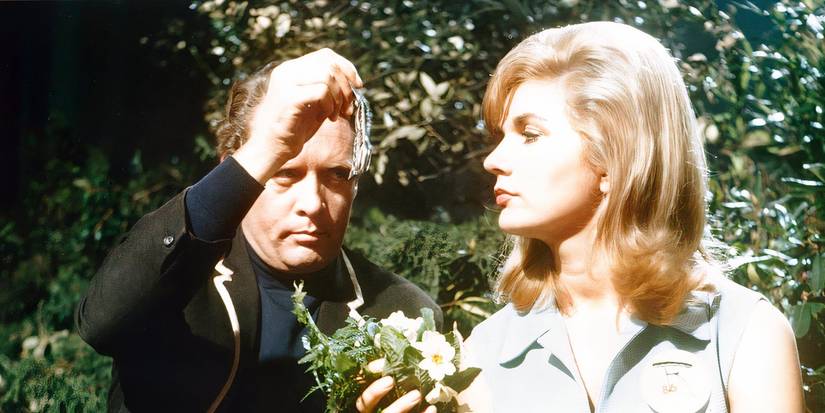 Image via Channel 3
Before the '90s, it was the norm for sci-fi television to be heavily episodic, making The Prisoner's approach to serialization and narrative nothing short of revolutionary. Indeed, this British classic has aged as one of the greatest sci-fi shows from before the genre's '90s Golden Age, a heavily surreal and intensely allegorical spy thriller unlike anything else '60s television ever produced.
It's one of those classic sci-fi shows that still hold up surprisingly well, a cult classic that stands as a defining piece of countercultural art from the era. What starts out as a more conventional Cold War thriller transforms into a Kafkaesque, anti-authoritarian psychological puzzle as the show progresses, all through some of the most delectably avant-garde—and undeniably mind-blowing—plot twists that sci-fi saw at any point during this era of television.
4 'Severance' (2022–Present)
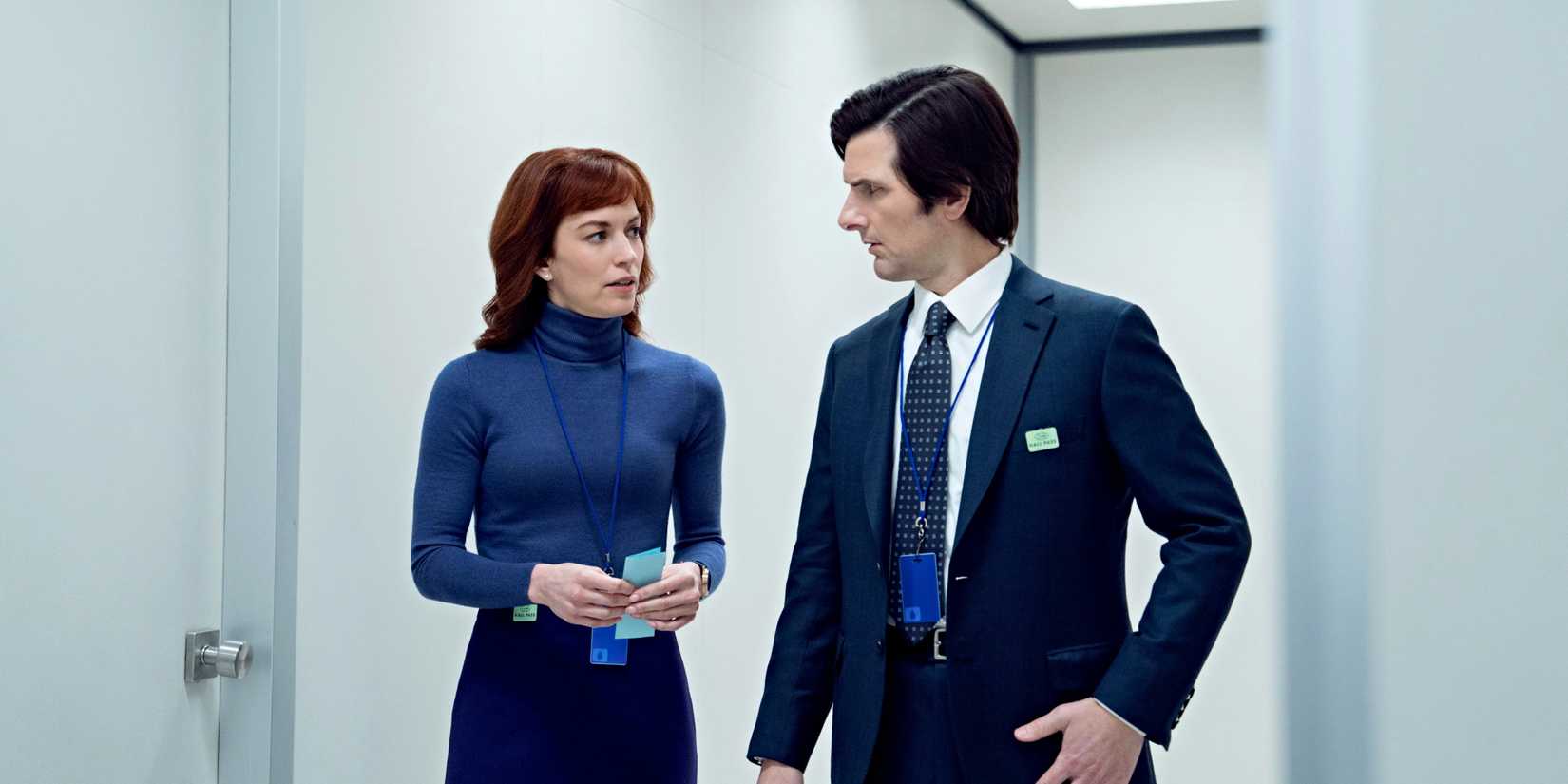 Image via Apple TV
The mystery box genre is all about highly complex stories full of mysteries, secrets, and shocking surprises. Every generation gets their own genre-defining mystery box sci-fi show, and this generation's is Apple TV's Severance. With no sign of it approaching its conclusion anytime soon, it can already be counted among those 2020s TV shows that have changed television forever.
For every answer that it provides through one of the most jaw-dropping twists the sci-fi genre has seen on the small screen during the 2020s, Severance brings up another two fascinating mysteries. It never overplays its hand by allowing the mysteries and surprises to overbear the engrossing character work and thematic complexity, however, making for a complete sci-fi experience that has the potential to go down in history as one of the best sci-fi TV series ever.
3 'Black Mirror' (2011–Present)
 Image via Netflix
Many shows have tried to be "the next Twilight Zone" ever since the show's conclusion all the way back in 1964, and we're lucky to be alive during the run of the first show to genuinely, fully succeed at that immensely ambitious task, the modern British cult classic Black Mirror. In precisely the same way that The Twilight Zone spoke to the anxieties of nuclear annihilation, McCarthyism, and the loss of individuality of the '60s, Black Mirror reflects the modern era's worries regarding the many dangers of emerging technologies.
Thanks to this, Black Mirror is easily one of the best sci-fi TV shows of all time. It constantly turns familiar sci-fi premises into psychological and philosophical gut-punches through some of the most mind-bending plot twists in modern television, allowing the Twilight Zone formula of story-recontextualizing twists to live on. It's an absolute masterclass in science fiction storytelling.
2 'Lost' (2004–2010)
 Image via ABC
Just like Severance is this generation's pop-culture-defining mystery box sci-fi show, the 2000s had Lost. At the time, it felt like everyone and their grandmother was watching this masterclass in sci-fi broadcast television storytelling; and even though the show's conclusion was understandably polarizing, it's nevertheless still one of those sci-fi shows that keep you hooked from start to finish.
Throughout its run, the show masterfully weaponized its own story structure in ways that allowed it to consistently subvert expectations and change the rules of its universe, always surprising the audience without ever causing them to feel cheated. It's clear that if there ever was a plan for the show's six-part story arc, it was only in broad strokes, but at least this allowed for some of the most mind-blowing plot twists in the history of genre television.
1 'Dark' (2017–2020)
 Image via Netflix
Netflix's German-language time travel and multiverse masterpiece Dark is one of the best thriller shows of the last 10 years, a brilliant sci-fi masterpiece so intelligent, so complex, and so labyrinthine in every sense imaginable that it almost becomes necessary to watch it with a notebook by one's side. But while it's definitely a daunting watch, it's also an absolutely engrossing one, truly one of the greatest drama shows of the last decade.
The sheer volume of twists in Dark is astonishing, so not all of them cause one's jaw to drop to the floor; but the biggest twists of the show are indeed mind-blowing to the nth degree. They force the viewer to entirely rethink what they believe they know about the show's universe, rules, and characters, all of it relying on one of the most intricately written multiversal stories in history.
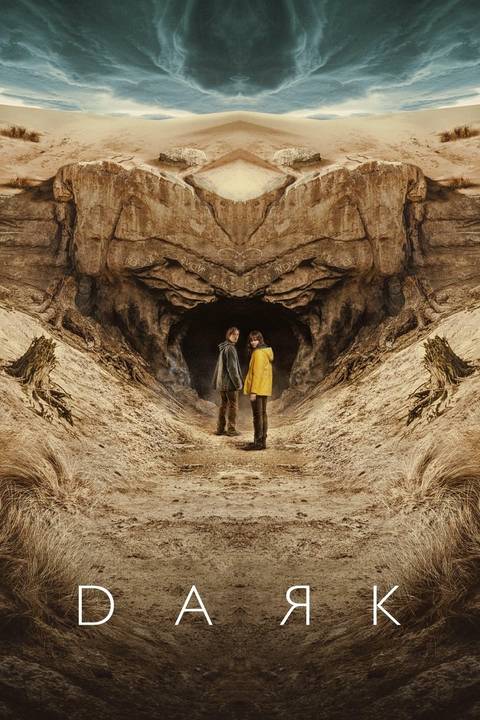
Dark
Release Date 2017 - 2020
Network Netflix
Showrunner Jantje Friese
Directors Baran bo Odar
-

Louis Hofmann
Jonas Kahnwald
-

Lisa Vicari
Martha Nielsen







 English (US) ·