

Published Aug 27, 2026, 5:13 AM EDT
Senior Music Editor at Screen Rant, Sarah's love of sound and story drive the beat. A globetrotting brand whisperer and award-winning journalist, she’s built cross-cultural narratives around the world—but music has always been her true north. She launched DJ Mag North America, successfully introducing the iconic UK brand to the U.S. market. Previously, she carved a space for EDM inside the pages of VIBE, blending electronic and hip-hop culture long before it was trendy.
Western movies have spent more than a century shaping how audiences picture the American frontier. The classic version usually comes with recognizable rules: lawmen are the good guys, outlaws are the threat, and a man with a gun can restore order when everything else fails. Even many of the best Westerns for Yellowstone and Kevin Costner fans still draw on those traditions, even when they complicate them.
Revisionist Westerns deliberately question those rules. Rather than treating the cowboy or gunslinger as an uncomplicated hero, they look at who gets hurt by frontier justice and whether violence ever fixes much of anything. They may also challenge the romantic picture of westward expansion itself. In other words, being grim or unusually violent doesn't automatically make a movie revisionist. The film has to push back against something the traditional Western taught audiences to expect.
That approach eventually helped pave the way for the neo-Westerns associated with filmmakers like Taylor Sheridan, but filmmakers were questioning Western conventions long before Yellowstone. Some of the results became classics, including Unforgiven, The Wild Bunch, and McCabe & Mrs. Miller. Others were every bit as interesting and somehow fell out of the conversation.
The movies below rethink everything from the heroic gunslinger to the supposedly glamorous life of a working cowboy. Some are also among the most suspenseful kinds of Westerns precisely because their characters cannot rely on the usual rules of the genre to save them. These 10 revisionist Westerns deserve considerably more attention than they get today.
Day Of The Outlaw (1959)

At first, Day of the Outlaw looks like it is heading toward a familiar frontier showdown. Robert Ryan plays Blaise Starrett, a hard-edged Wyoming cattleman furious that local homesteaders are putting up barbed wire. His feud with Hal Crane is also personal: Starrett is in love with Crane's wife, Helen, and seems perfectly willing to kill him over it.
Then Jack Bruhn arrives. Played by Burl Ives, Bruhn leads a gang of outlaws who take the snowbound town hostage, instantly making Starrett's grievances look petty by comparison. The movie's revisionist streak comes from making its supposed hero morally suspect before forcing him to become something better. Rather than riding into town to restore order, Starrett starts the movie as one of the reasons the place needs saving.
Lonely Are The Brave (1962)

The opening of Lonely Are the Brave tells you almost everything you need to know. Kirk Douglas' Jack Burns looks like a cowboy who has wandered out of a classic Western, complete with his horse and sleeping roll. Then jets cross the sky above him. Jack isn't living in the Old West at all. He is trying to live like he is.
Douglas considered Jack one of his favorite performances, and it is easy to understand why. Burns still believes in open land and personal freedom, but modern New Mexico has highways, fences, police radios and helicopters. A traditional Western would admire his refusal to be hemmed in. Lonely Are the Brave asks the more uncomfortable question of whether a man can cling to that ideal forever without destroying himself. Dalton Trumbo's screenplay turns the great lone cowboy into someone the modern world has simply passed by.
The Shooting (1966)

The Shooting feels strange almost immediately and only gets stranger. Warren Oates plays former bounty hunter Willet Gashade, who agrees to guide an unnamed woman played by Millie Perkins across the desert. She refuses to fully explain where they are going or why. Eventually, Jack Nicholson appears as Billy Spear, a dangerous gunman who seems to know more about the journey than Gashade does.
Monte Hellman's Western gives viewers almost none of the reassurance the genre normally provides. Who deserves our sympathy keeps changing, motives remain murky, and even the revenge story at its center becomes difficult to pin down. The result is often cited as an early acid Western, taking recognizable genre ingredients and turning them into something closer to an existential nightmare. It also happens to be one of those rare overlooked Westerns that has earned a perfect Rotten Tomatoes score.
The Culpepper Cattle Co. (1972)

The 1970s produced some of the greatest Westerns ever made, but The Culpepper Cattle Co. rarely gets mentioned beside them. Gary Grimes plays Ben Mockridge, a teenager who joins a cattle drive expecting the kind of adventure that countless older Westerns had made look irresistible. His education begins almost immediately.
There is nothing glamorous about the cowboy life Ben discovers. The work is exhausting, experienced cattlemen aren't especially interested in mentoring an eager kid, and violence can arrive without providing anybody with a heroic moment afterward. Director Dick Richards makes the cattle drive itself feel like work rather than a backdrop for adventure. Through Ben's growing disillusionment, the film challenges one of the Western's most persistent fantasies: that becoming a cowboy was something every young man should dream about.
The Claim (2000)

Michael Winterbottom took Thomas Hardy's The Mayor of Casterbridge and moved it to a remote California mining town for The Claim. Peter Mullan plays Daniel Dillon, who has become wealthy enough to effectively own Kingdom Come. His comfortable position begins falling apart when two women from his past arrive at the same time a railroad surveyor is deciding whether the new line will pass through town.
The Gold Rush is usually an easy shorthand for opportunity, but Dillon's success has an ugly foundation. Years earlier, he traded away his wife and baby daughter in exchange for a gold claim. Now the life he built from that decision is starting to collapse. The Claim doesn't portray the frontier as a magical place where someone can leave the past behind and become a new man. Dillon tried exactly that. The movie is about discovering that reinvention does not erase what you did to get there.
Tracker (2010)

Tracker is the geographical outlier on this list, since its frontier is New Zealand rather than the American West. The Western structure, however, is unmistakable. Set in 1903, the movie stars Ray Winstone as Arjan van Diemen, an Afrikaner veteran of the Second Boer War who accepts a bounty to track Kereama, a Māori man accused of murdering a British soldier.
What initially looks like a conventional hunter-versus-fugitive story becomes much harder to read once the two men actually begin talking. Van Diemen has firsthand experience with British colonial violence, while Kereama knows how little protection the colonial justice system offers him. The man supposedly bringing civilization's law to a fugitive gradually has to question whose law he is enforcing. Moving the Western framework overseas gives Tracker a fresh way to examine an issue that American revisionist Westerns have wrestled with for decades: who got to decide what counted as justice on a colonized frontier?
Blackthorn (2011)
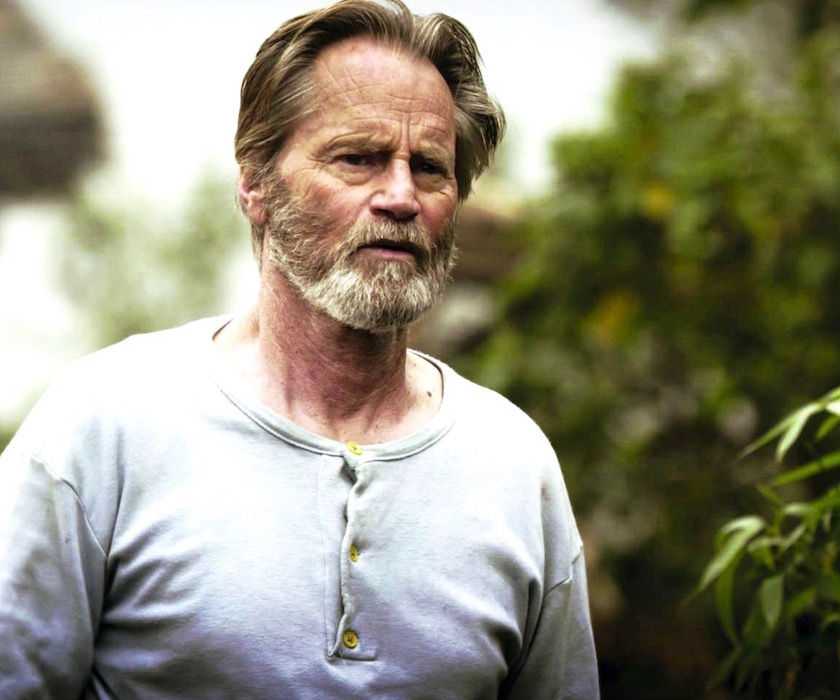
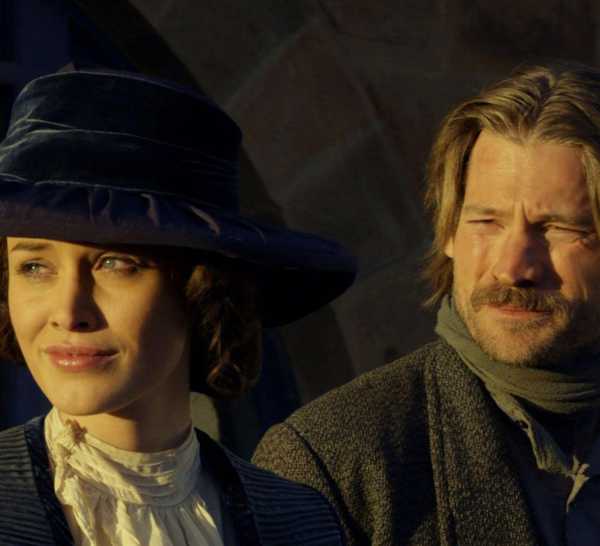
The generally accepted story of Butch Cassidy ends in Bolivia in 1908, although exactly what happened to him has been debated ever since. Blackthorn takes advantage of that uncertainty and imagines that Cassidy survived. Decades later, Sam Shepard's aging outlaw is living quietly in Bolivia as James Blackthorn and thinking about finally returning to the United States.
That alone makes the movie a fascinating companion to Butch Cassidy and the Sundance Kid, which helped turn Cassidy into one of cinema's most lovable outlaws. Blackthorn gets to deal with the less romantic question of what happens if the outlaw actually grows old. Shepard isn't playing a young man racing toward immortality. He plays someone who has lived long enough to see the world change around him and must decide how much of his old identity he still wants. It is less interested in creating a legend than wondering what living with one might feel like.
The Salvation (2014)

The Salvation looks more traditional than several movies on this list, which makes its revisionist side easy to miss. Mads Mikkelsen plays Jon, a Danish immigrant living in 1870s America who has spent years waiting for his wife and son to join him. Their reunion ends horrifically, and Jon kills the men responsible. Unfortunately, one of them is the brother of the local gang leader, Delarue, played by Jeffrey Dean Morgan.
Normally, this is where a revenge Western would let its righteous gunman clean up the town. Instead, the townspeople are willing to hand Jon over if it means protecting themselves. Local authority proves equally compromised, while powerful business interests sit behind much of what is happening. The movie still delivers the pleasures of an old-school revenge Western, but its frontier community is hardly waiting for a hero. Self-preservation wins out until Jon is essentially left to save himself.
Slow West (2015)
Jay Cavendish has arrived in America with exactly the sort of romantic ideas the movie's title is preparing to dismantle. Played by Kodi Smit-McPhee, the young Scotsman travels across 1870s Colorado searching for Rose, the woman he loves. Michael Fassbender's Silas agrees to protect him, although the experienced bounty hunter has reasons of his own for staying close.
Jay sees a great adventure and a love story. Nearly everyone around him sees money, danger, or simply another day that needs surviving. That disconnect gives Slow West much of its dark humor, while bursts of violence tend to be abrupt rather than triumphant. The movie won the World Cinema Dramatic Jury Prize at Sundance, but remained a relatively small release, and even Fassbender's presence hasn't prevented it from becoming one of his more overlooked films. Thankfully, it has recently become much easier to find on streaming.
The Ballad Of Lefty Brown (2017)

The revision here is hiding in plain sight. Lefty Brown is the guy who would normally spend an entire Western standing several feet behind the hero. Bill Pullman plays the aging, frequently underestimated sidekick to Edward Johnson, a respected lawman who has just been elected to the U.S. Senate. When Johnson is murdered, Lefty suddenly finds himself in the role that movies have spent decades telling him he isn't built to play.
This is a gentler kind of revisionism than The Shooting, but the idea is clever. Lefty doesn't suddenly become a flawless gunfighter because the story has promoted him to leading man. He still makes mistakes and knows that almost everyone around him sees him as second-rate. By giving the Western sidekick his own revenge story, The Ballad of Lefty Brown looks past the celebrated frontier hero and asks what life might have been like for the loyal man who never got his name in the story.






 English (US) ·