
 Image via Sony Pictures, Prime Video
Published Jun 28, 2026, 8:21 AM EDT
Ryan Heffernan is a Senior Writer at Collider. Storytelling has been one of his interests since an early age, with his appreciation for film and television becoming a particular interest of his during his teenage years.
This passion saw Ryan graduate from the University of Canberra in 2020 with an Honours Degree in Film Production. In the years since, he has found freelance work as a videographer and editor in the Canberra region while also becoming entrenched in the city's film-making community.
In addition to cinema and writing, Ryan's other major interest is sport, with him having a particular love for Australian Rules football, Formula 1, and cricket. He also has casual interests in reading, gaming, and history.
Sign in to your Collider account
With the onset of on-demand entertainment and the ability of streaming platforms to produce miniseries with added confidence that they’ll be successful, the limited series format has become a pillar of television drama in recent years. Adolescence, The Queen’s Gambit, and The Penguin are just some of the titles that have risen to critical acclaim and significant cultural impact of late, and it should come as no surprise that there is a procession of miniseries that are must-watch in 2026.
Naturally, this list will include some of the biggest and best releases of the year, but 2026 also marks major anniversaries for some of the greatest miniseries to have ever been released. Including everything from new release hits to iconic classics worthy of rewatch and celebration, and even to a couple of underrated gems that are due to be rediscovered, 2026 is the perfect time to enjoy these small-screen masterpieces.
10 'Band of Brothers' (2001)
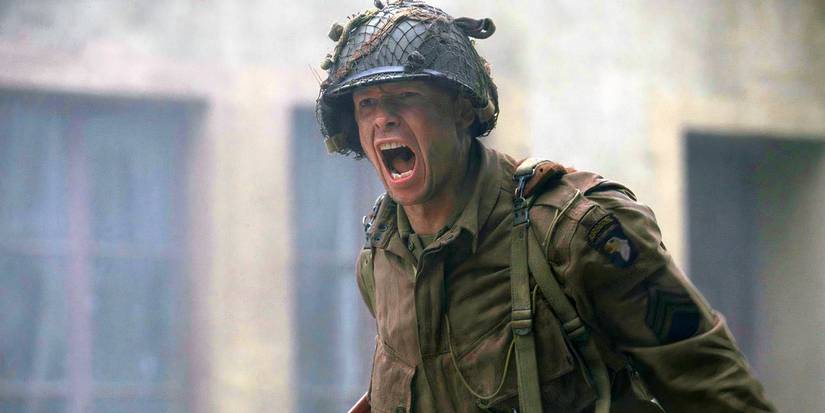 Image via HBO
Regarded by many as being the greatest miniseries ever made, Band of Brothers presents a stunning, albeit confronting, descent into the European Theater of WWII from the perspective of Easy Company, tracking their campaign from their drop into Normandy on the eve of D-Day through to their presence in Germany at the end of the war. 2026 marks the 25th anniversary of the groundbreaking series, and its quality has not wilted one bit over the years.
Powered by the creative input of Steven Spielberg and Tom Hanks, and grounded by the testimonies of the real soldiers whose experiences it depicts, Band of Brothers excels through its refusal to glorify war. Instead, it emphasizes the camaraderie and compassion that developed between the troops, highlights the psychological toll of combat, and illustrates the brutality of war to visceral effect. A truly perfect miniseries, even if it is a harrowing one, Band of Brothers deserves to be revisited in 2026.
9 'The Night Of' (2016)
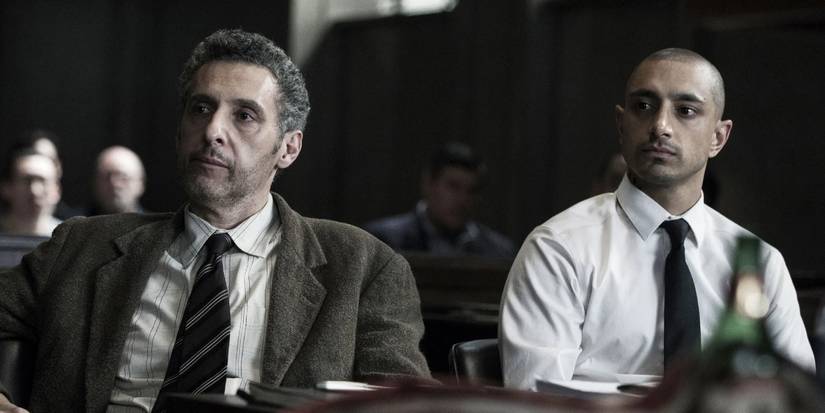 Image via HBO
One of the most criminally underrated series of the 2010s, The Night Of functions as a compelling murder mystery, a scorching indictment of the legal system, and a grim coming-of-age behind bars as it follows Nasir Khan (Riz Ahmed) as he is charged with murder. With its stunning yet bleak cinematic visuals, pressing slow-burn intensity, and its bold subversion of crime television tropes, the HBO miniseries makes a lasting impression on those who have seen it.
With 2026 marking 10 years since the limited series was released, this year is a perfect opportunity for so many who missed out on the terrifically tense show to discover it anew. Even with the litany of outstanding, atmospheric, and addictively suspenseful crime miniseries that have been released in recent years, The Night Of remains at the pinnacle of the genre over the course of the past decade. Furthermore, its thematic interest in racial prejudice, systemic failings, and corporate suspicion is even more relevant today than they were in 2016.
8 'A Knight of the Seven Kingdoms' (2026)
 Image via HBO
An instant classic that immediately imposed itself as one of the best and most invigorating fantasy series television has ever seen, A Knight of the Seven Kingdoms marks the second spin-off of Game of Thrones. A masterful exercise in tone and storytelling, it follows an aspiring knight, Duncan (Peter Claffey), whose good nature and naïve notion of nobility see him grow into a hero of the small folk when he travels to a tourney attended by several prominent members of the ruling House Targaryen.
Surprisingly sweet and charming, especially in the focus on Dunk’s bond with his young squire, Egg (Dexter Sol Ansell), the series thrives through its endeavor to champion values of kindness, hope, and the defense of the innocent. While a second season is in production, A Knight of the Seven Kingdoms’ anthology approach—based on the vignette-style stories presented in George R. R. Martin’s “The Tales of Dunk and Egg” series of novellas—ensures each season can easily be enjoyed as a self-contained tale in its own right.
7 'Rich Man, Poor Man' (1976)
 ABC
ABCWhile the 21st century has certainly been the prevailing era for miniseries at large, the format saw a plethora of exceptional stories presented in the decades prior. Rich Man, Poor Man might not be among the best known of them, especially in today’s world, but its enduring quality and pioneering influence should not be forgotten. Based on Irwin Shaw’s novel of the same name, it transpires in the decades following WWII, focusing on two German-American brothers who take vastly different courses in life: Rudy (Peter Strauss), a straight-arrow high-achiever who triumphs over his background, and Tom (Nick Nolte), a hard-edged rebel who turns to boxing.
Flaunting a strong ensemble of compelling performances and stirring thematic ideas revolving around the American dream, the morality of both upward mobility and working-class life, and the impact of generational trauma on sibling relationships, Rich Man, Poor Man is a thought-provoking and ageless masterclass of television drama. With 2026 being the 50th anniversary of the miniseries, now is a perfect time to go back and revisit what is a groundbreaking gem of small-screen drama.
6 'I, Claudius' (1976)
 Image via BBC
Another great miniseries turning 50 in 2026, I, Claudius has proven itself to be a stunning feat of television production, an achievement that is incredibly easy to appreciate in modern times with respect to what the show accomplishes in the era it was made. The 12-part miniseries runs as a reflection on an elderly Emperor Claudius (Derek Jacobi) as he looks back on his reign and the many political betrayals he’s witnessed while coming to accept his looming, inevitable assassination.
Based on “I, Claudius” and “Claudius the God” by Robert Graves, the series features brilliant writing to go with the might of its production, reveling in complex and richly philosophical ideas tied to politics and society while capturing the violent turmoil of Ancient Rome. A quintessential watch for history buffs, but a worthwhile viewing for all television lovers as well, I, Claudius is a masterpiece of period drama and detail that deserves to be celebrated half a century on from its release.
Collider Exclusive · Sci-Fi Survival Quiz Which Sci-Fi World Would You Survive? The Matrix · Mad Max · Blade Runner · Dune · Star Wars
Five universes. Five completely different ways the future went wrong — or sideways, or up in flames. Only one of them is the world your instincts were built for. Eight questions will figure out which dystopia, galaxy, or desert wasteland you'd actually make it out of alive.
💊The Matrix
🔥Mad Max
🌧️Blade Runner
🏜️Dune
🚀Star Wars
TEST YOUR SURVIVAL →
01
You sense something is deeply wrong with the world around you. What do you do? The first instinct is often the truest one.
APull on every thread until I understand the system — then figure out how to break it. BStop asking questions and start stockpiling — food, fuel, weapons. Questions don't keep you alive. CKeep my head down, observe carefully, and trust no one until I know who's pulling the strings. DStudy the patterns. Every system has a rhythm — learn it, and you learn how to survive it. EFind the people fighting back and join them. You can't fix a broken galaxy alone.
NEXT QUESTION →
02
In a world of scarcity, what resource do you guard most fiercely? What we protect reveals what we believe survival actually requires.
AKnowledge. If you understand the system, you don't need resources — you can generate them. BFuel. Everything else — movement, power, escape — runs on it. CTrust. In a world of fakes and informants, a truly reliable ally is rarer than any commodity. DWater. And after water, information — the two things empires are truly built on. EShips and credits. The galaxy is big — you survive it by being able to move through it freely.
NEXT QUESTION →
03
What kind of threat keeps you up at night? Fear is useful data — if you're honest about what you're actually afraid of.
AThat reality itself is a lie — that everything I experience has been constructed to keep me compliant. BA raid. No warning, no mercy — just the roar of engines and then nothing left. CBeing identified. Once someone with power decides you're a problem, you're already out of time. DBeing outmanoeuvred — losing a political game I didn't even know I was playing. EThe Empire tightening its grip until there's nowhere left to run.
NEXT QUESTION →
04
How do you deal with authority you don't trust? Every dystopia has a power structure. Your approach to it determines everything.
ASubvert it from the inside — learn its rules well enough to weaponise them against it. BIgnore it and stay out of its reach. The further from any power structure, the better. CAppear to comply while doing exactly what I need to do. Visibility is the enemy. DManoeuvre within it carefully. You can't beat a system you refuse to understand. EResist openly when I have to. Some things are worth the risk of being seen.
NEXT QUESTION →
05
Which environment could you actually endure long-term? Survival isn't just tactical — it's physical, psychological, and very much about where you are.
AUnderground bunkers and server rooms — cramped, artificial, but with access to everything that matters. BOpen wasteland — brutal sun, no shelter, constant movement. At least the threat is honest. CA dense, rain-soaked city where you can disappear into the crowd and nobody asks questions. DMerciless desert — extreme heat, no water, and something enormous living beneath the sand. EThe fringe — backwater planets and busy spaceports where the Empire's attention rarely reaches.
NEXT QUESTION →
06
Who do you want in your corner when things fall apart? The company you keep is the clearest signal of who you actually are.
AA tight crew of believers who've seen behind the curtain and have nothing left to lose. BOne or two people I'd trust with my life. Any more than that and someone talks. CNobody, ideally. Alliances are liabilities. I work alone unless I have no choice. DA community bound by shared hardship and mutual survival — people who need each other to last. EA ragtag team with wildly different skills and total commitment when it counts.
NEXT QUESTION →
07
Where do you draw the line — if you draw one at all? Every survivor eventually faces a moment that tests what they're actually made of.
AI won't harm the innocent — even the ones who'd report me without hesitation. BI do what I have to to protect the people I've chosen. Everything else is negotiable. CThe line shifts depending on who's asking and what's at stake. DI draw a long-term line — nothing that compromises my people's future, even if it'd help now. ESome lines, once crossed, can't be uncrossed. I know which ones they are.
NEXT QUESTION →
08
What would actually make survival worth it? Staying alive is one thing. Having a reason to is another.
AWaking others up — dismantling the illusion so no one else has to live inside it. BFinding somewhere — or someone — worth protecting. A reason to keep moving. CAnswers. Understanding what I am, what any of this means, before time runs out. DLegacy — shaping the future in a way that outlasts me by generations. EFreedom — for myself, for others, for every world still living under someone else's boot.
REVEAL MY WORLD →
Your Fate Has Been Calculated You'd Survive In…
Your answers point to the world your instincts were built for. This is the universe your temperament, your survival instincts, and your particular brand of stubbornness were made for.
The Matrix
You took the red pill a long time ago — probably before anyone offered it to you. You're a systems thinker who can't help but notice the seams in things.
- You're drawn to understanding how the system works before figuring out how to break it.
- You'd find the Resistance, or it would find you — your instinct for spotting constructed realities is the machines' worst nightmare.
- You function best when you have access to information and the freedom to act on it.
- The Matrix built an airtight prison. You'd be the one probing the walls for the door.
Mad Max
The wasteland doesn't reward the clever or the well-connected — it rewards those who are hard to kill and harder to break. That's you.
- You don't need comfort, community, or a cause larger than the next horizon.
- You need a vehicle, a clear threat, and enough fuel to outrun it — and you're good at all three.
- You are unsentimental enough to survive that world, and decent enough — just barely — to be something more than another raider.
- In the wasteland, that distinction is everything.
Blade Runner
You'd survive here because you know how to exist in moral grey areas without losing yourself completely.
- You read people accurately, keep your circle small, and ask the questions others prefer not to answer.
- In a city where humanity is a legal designation rather than a feeling, you hold onto something that keeps you functional.
- You're not a hero. But you're not lost, either.
- In Blade Runner's world, that distinction is everything.
Dune
Arrakis is the most hostile environment in the known universe — and you are precisely the kind of person it rewards.
- Patience, discipline, and political awareness are your core strengths — and on Arrakis, they're survival tools.
- You understand that the long game matters more than any single victory.
- Others come to Dune and are consumed by it. You'd learn its logic and earn its respect.
- In time, you wouldn't just survive Arrakis — you'd begin to reshape it.
Star Wars
The galaxy far, far away is vast, loud, and in a constant state of violent political upheaval — and you wouldn't have it any other way.
- You find meaning in being part of something larger than yourself — a cause, a crew, a rebellion.
- You'd gravitate toward the Rebellion, or the fringes, or whatever pocket of the galaxy still believes the Empire's grip can be broken.
- You fight — not because you have to, but because standing aside isn't something you're capable of.
- In Star Wars, that willingness is what makes all the difference.
↻ RETAKE THE QUIZ
5 'Mildred Pierce' (2011)
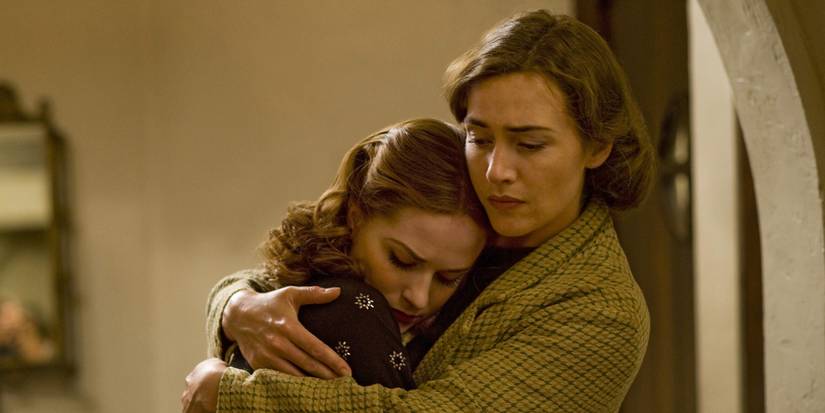 Image via HBO
Based on James M. Cain’s 1941 novel of the same name, Mildred Pierce thrives on the back of its rich cinematic style and outstanding performances to deliver a breathtaking adaptation that captures the book’s intense story of class and social opportunity in America. Set during the Great Depression, it follows self-sacrificing single mother Mildred Pierce (Kate Winslet) as she struggles to manage a restaurant while using whatever influence she can garner to propel her temperamental daughter’s ascent to a higher social setting.
With Winslet as commanding and captivating as always in the lead part, and complemented by brilliant support acts from Guy Pearce and Evan Rachel Wood, Mildred Pierce presents a medley of excellent performances that are only strengthened by the miniseries' faithfulness to the source material and the stunning period detail of the production. Released in 2011, and having come to be something of a forgotten masterpiece over the years, the 15th anniversary of Mildred Pierce presents a fantastic opportunity for lovers of small-screen drama to revisit it and enjoy it anew.
4 'Half Man' (2026)
 Image via HBO
Created by Richard Gadd, the Scottish comic behind 2024’s Baby Reindeer, Half Man presents a similarly absorbing work of dark comedy as it follows the strenuous and surprisingly violent reunion between two men who were raised as brothers. Niall (Jamie Bell) is readying for his wedding day when Ruben (Gadd) arrives unexpectedly after years of estrangement. As chaos erupts in the present, the series reflects on how the tight-knit boyhood bond of the two men shared in their youth fragmented.
Combining pitch-black hysterics with a scorching meditation on toxic masculinity while delving into such themes as memory, brotherhood, repressed sexuality, and the lingering impact of adolescent trauma, Half Man is a big swing defined by Gadd’s bold writing and both stars’ excellent performances. It perhaps hasn’t garnered the same fanfare as Baby Reindeer, but its ability to be both deeply unsettling and entirely captivating makes it a must-watch miniseries of 2026.
3 'Portobello' (2026)
 Image via HBO Max
Another underrated gem of miniseries drama in 2026, Portobello is a fascinating biographical drama from Italy that delves into a stranger-than-fiction true story with both dark Kafkaesque surrealism and sharp social commentary on the nature of legal systems. Beginning in 1983, it follows Italian television personality Enzo Tortora (Farbizio Gifuni) as his career is abruptly interrupted when he is falsely accused of being involved in a mafia crime syndicate.
Portobello revels in the sheer absurdity of its story, engrossing viewers in a manic and unpredictable journey that soars off the back of Marco Bellocchio’s impressionable direction, which bolsters the legal drama with stunning theatricality and rich inflections of biting humor. Released on HBO Max in February this year, it has been largely overlooked, but it has already established itself as one of the best miniseries of the year thus far.
2 'Station Eleven' (2021)
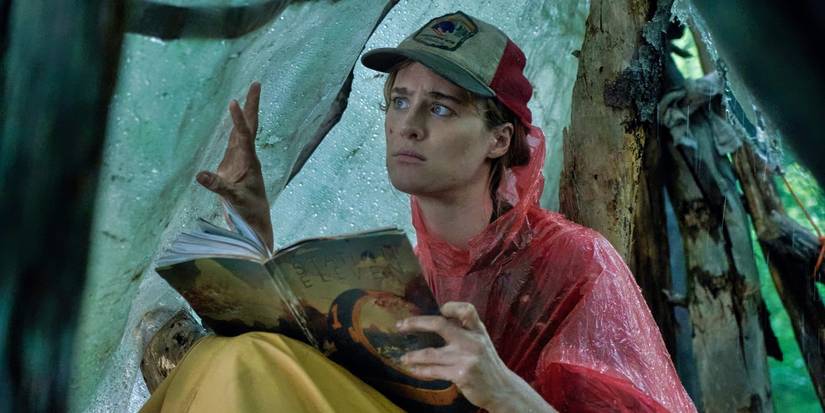 Image via HBO Max
A great series released at the wrong time, Station Eleven offered a rich and textured descent into a post-apocalyptic world reeling from a devastating flu virus in the midst of the COVID-19 era. It is understandable that many viewers were put off by it at the time, but it has seen the HBO miniseries become a criminally underrated gem of modern television. Based on Emily St. John Mandel’s novel, it offers a surprisingly optimistic view of humanity at the end of days as it follows a traveling acting troupe.
While the underseen HBO series does feature intense moments and a villainous force in the form of a violent cult, Station Eleven holds a hopeful elegance that is refreshing for the genre. Its emphasis on art and human connection is beautifully complemented by the tender writing and nuanced performances, even as it juggles a non-linear narrative that oscillates between the outbreak of the virus and the reality of the world 20 years later. With 2026 marking five years since it was released, now is the perfect time for viewers to seek out Station Eleven and experience its majesty and idealism.
1 'Spider-Noir' (2026)
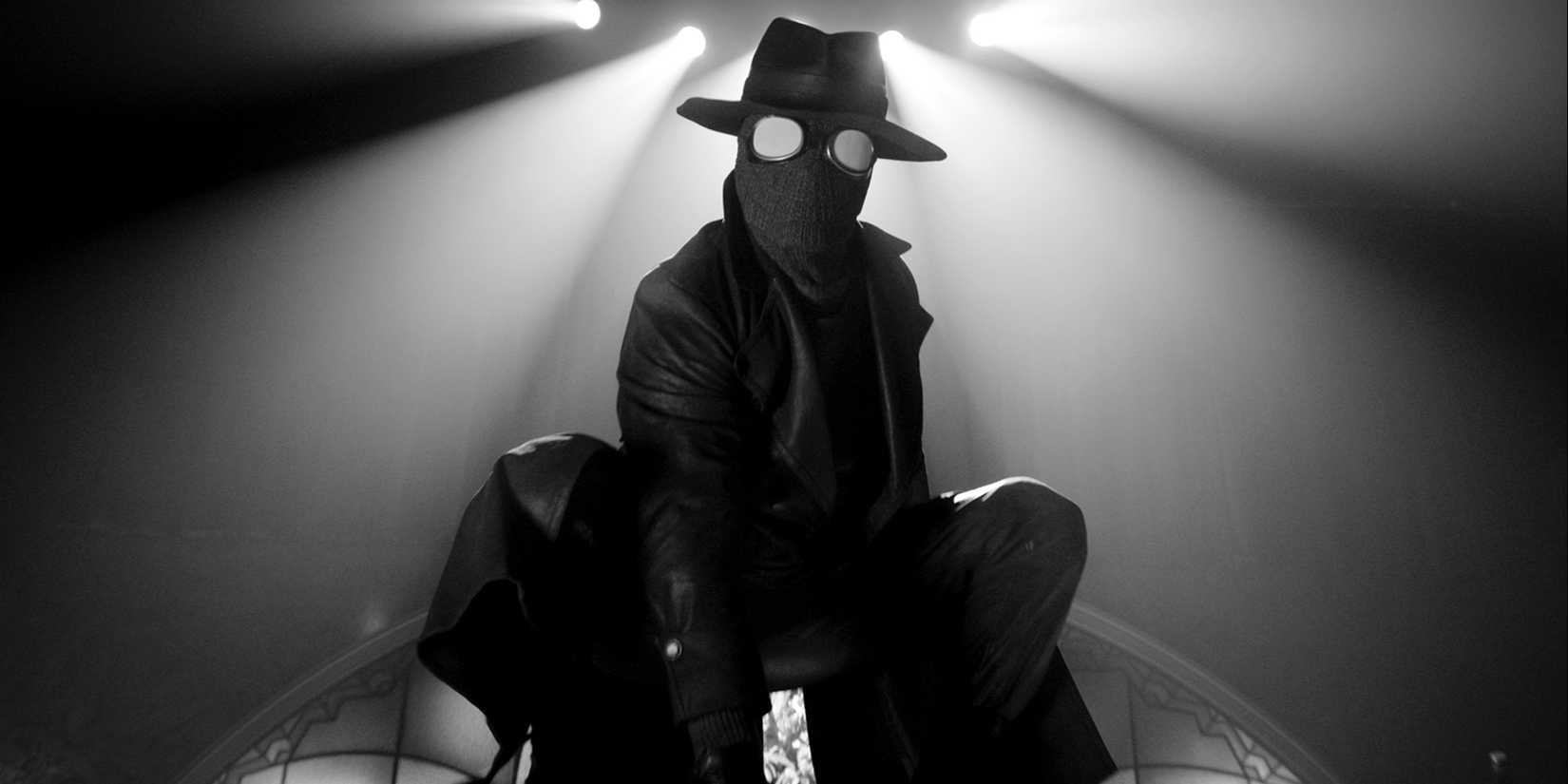 Image via Prime Video
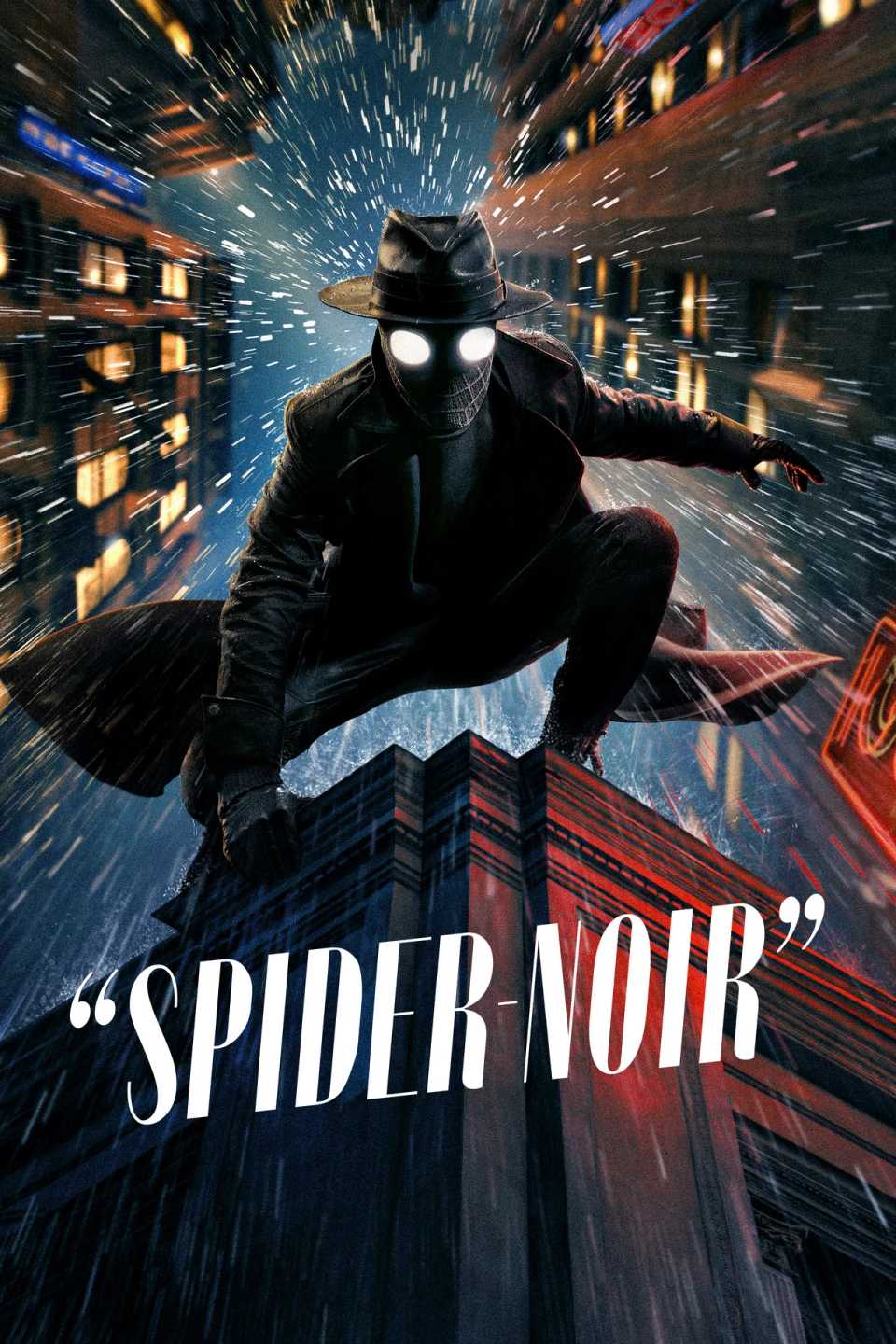
One of the most striking spins on Marvel’s Spider-Man character that audiences have ever been treated to in film and television thus far, Spider-Noir mixes the energized excitement of superhero action with the gritty mystery intensity of classic film noir. Working as a private detective in 1930s New York, Ben Reilly (Nicolas Cage) grapples with his past life and personal struggles. When a particularly strange case comes his way, the aging Reilly is forced to bring back The Spider, his vigilante moniker from years prior.
A refreshing entry to the superhero genre, Spider-Noir focuses on the intricacies of the case and the complexity of the character to generate stakes rather than a world-ending threat or a city-destroying supervillain. Complimenting this unique genre-marriage with its traditional noir aesthetic—a display of harsh shadows and moody imagery that can be enjoyed in black-and-white or color—and Cage’s delightfully unrestrained lead performance, Spider-Noir is an intriguing and impressionable gem of superhero drama.
Spider-Noir
Release Date May 27, 2026
Network MGM+
Showrunner Oren Uziel, Steve Lightfoot
Directors Harry Bradbeer
 English (US) ·