
Of all movie and TV show genres, film noir is easily one of the most visually distinctive, with character archetypes that have stood the test of time even when individual projects have not. That said, while the genre that defined 1940s and 1950s cinema might have fallen out of fashion, the success of Spider-Noir has confirmed the neo-noir revival is well underway. This fresh new take on Spider-Man has drawn attention to some of the best neo-noir TV shows of the past decade, which evoke the greatest film noir movies of all time while adding something new and original.
The film noir genre, with its troubled and morally-grey detective characters, was generally combined with crime, giving gritty crime dramas a cinematic feel. However, top neo-noir TV shows have been expanding on this, adding its influence to some surprising genres, like the phenomenal Western-noir, Dark Winds. Still, there is more to neo-noir than just a distinctive aesthetic. Keeping its tone without feeling forced was a challenge that has ended the success of many otherwise perfect TV series, like Altered Carbon. Still, some neo-noir TV shows have got it right from start to finish, proving how versatile noir can really be.
The Penguin

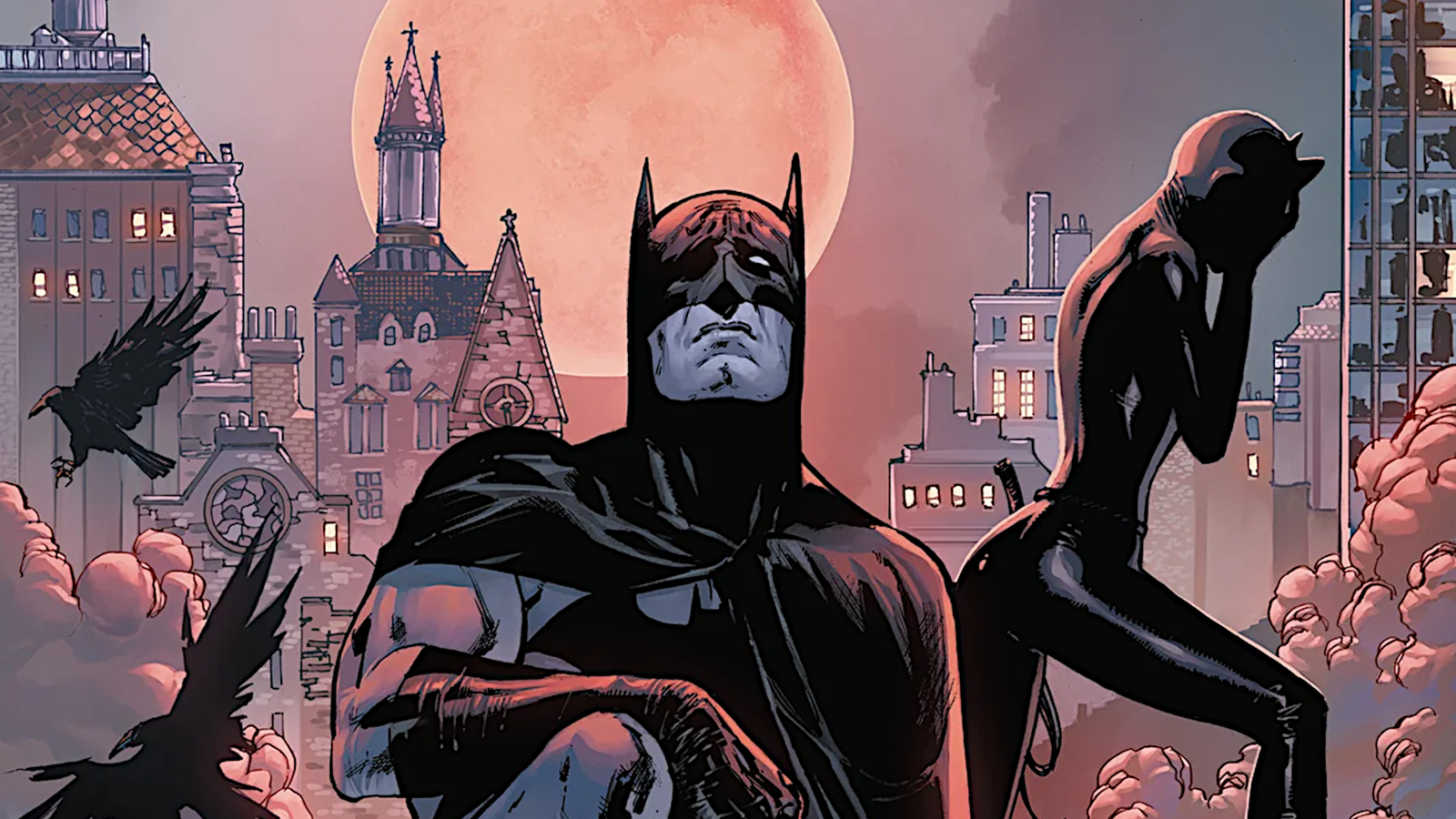
The superhero genre is home to some of the most ludicrous-sounding concepts that somehow work when given the right treatment. The name Oswald Chesterfield Cobblepot hardly conjures up the image of a terrifying gangster, and neither does the name of his famous alter-ego, The Penguin. However, while Danny DeVito did his best in Batman Returns, the character's appearance was more funny than frightening and did not live up to the sinister potential of the criminal kingpin. The Penguin reimagines the character as Oz Cobb, the looming and heartbroken gangster with an unusual walk.
The Penguin was nominated for 24 Emmy Awards, winning 9.
The Penguin is so good that it beats the movie it is based on, leaning away from many of the more outlandish tropes in older comics and becoming a gritty and violent crime saga that can be understood even by viewers unfamiliar with Batman. The show embraces the noir aesthetic, centering on Gotham City and its most monstrous residents. Within just eight episodes, Colin Farrell expands his role in The Batman, proving that the character needed a spinoff that did him justice, while delivering a shockingly bleak ending that calls out for a sequel with the bat signal in the sky.
Twin Peaks
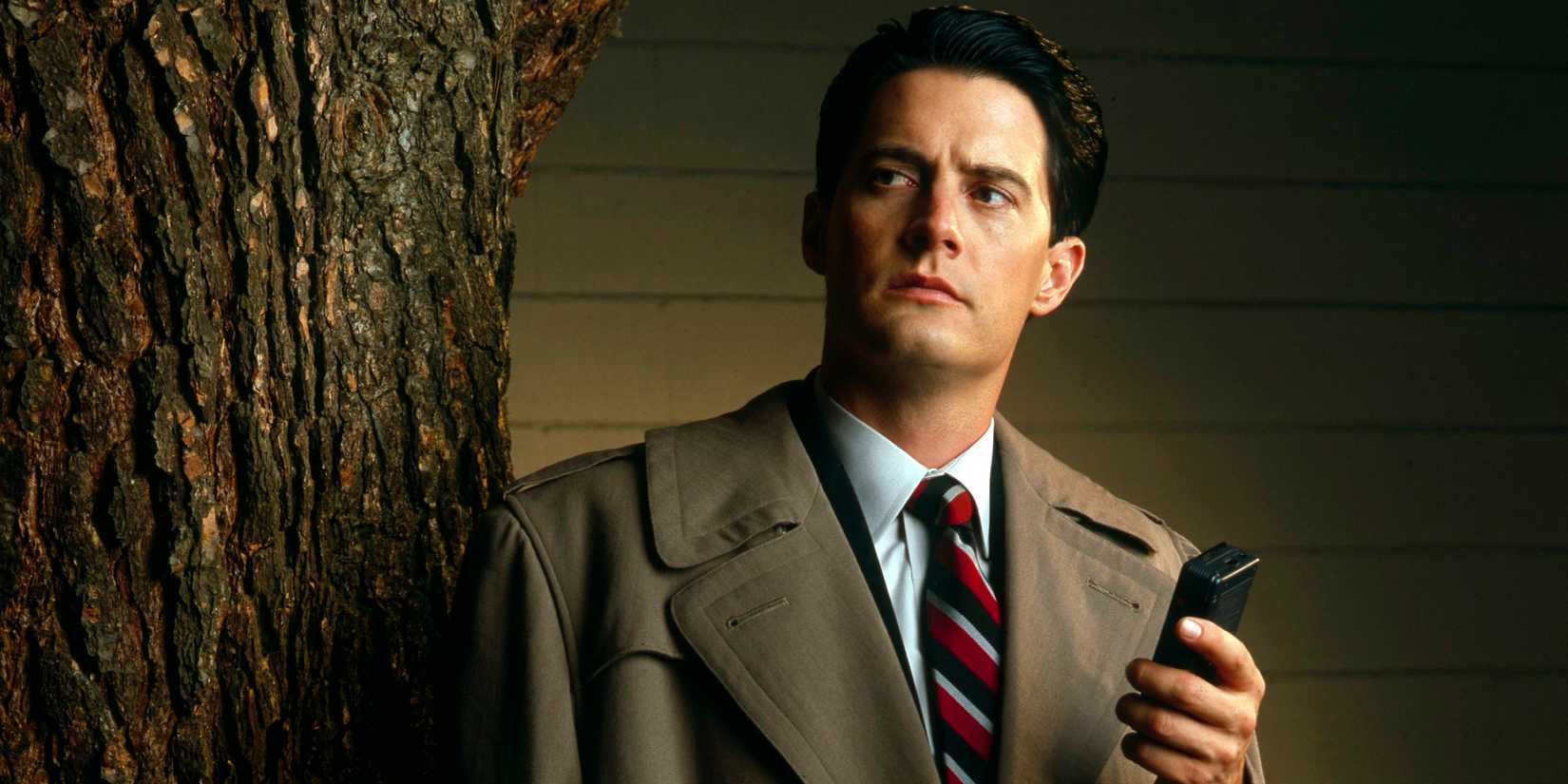
David Lynch's Twin Peaks is the ultimate neo-noir show that redefined the genre, taking the story from a simple murder mystery to an existential question exploring what evil is. When the coffee-loving and eccentric Special Agent Dale Cooper is tasked with solving the murder of Laura Palmer, he takes on the role of a typical film noir lead confronted with a combination of victim and femme fatale. Twin Peaks is heavily inspired by the film noir genre, referencing many classic movies through visuals and character names.
That said, even though Lynch is responsible for the modern noir masterpieces Mulholland Drive and Blue Velvet, the show never feels derivative, blending genres to the point that the series almost transcends genre altogether. Lynch takes the tone of the classic 1940s style and city setting, applying it to a small town where trees take the place of skyscrapers and vivid dreams replace memories. 36 years later, Twin Peaks is still inspiring movies and TV shows, and even after the murder was solved, the story offered new mysteries, maintaining its disconcerting atmosphere.
Batman: The Animated Series

The five seasons of Batman: The Animated Series have an impressive 94% positive audience rating on Rotten Tomatoes, with some seasons earning the show a perfect 100% score. Despite being aimed at children and originally airing on the Fox Kids network, the show was much darker than most animated series with young audiences, and is likely to be many 90s kids' first introduction to the neo-noir genre. Batman is essentially a film noir hero in a cape, and even the scariest villains are often tragic figures, while remaining dangerous and disturbing.
Virtually every episode balances a detective story with genuine character development, with many of the actors' depictions becoming the defining version of the character, like Mark Hamill's Joker. The series depicts mental illness, heartbreak, and even a character being shot, which was virtually unheard-of at the time. This considerable risk paid off, with many episodes of Batman: The Animated Series being considered masterpieces in superhero storytelling and the series standing out, not just as a perfect neo-noir, but as a perfect animated TV show.
Dark Winds
 Michael Moriatis/AMC
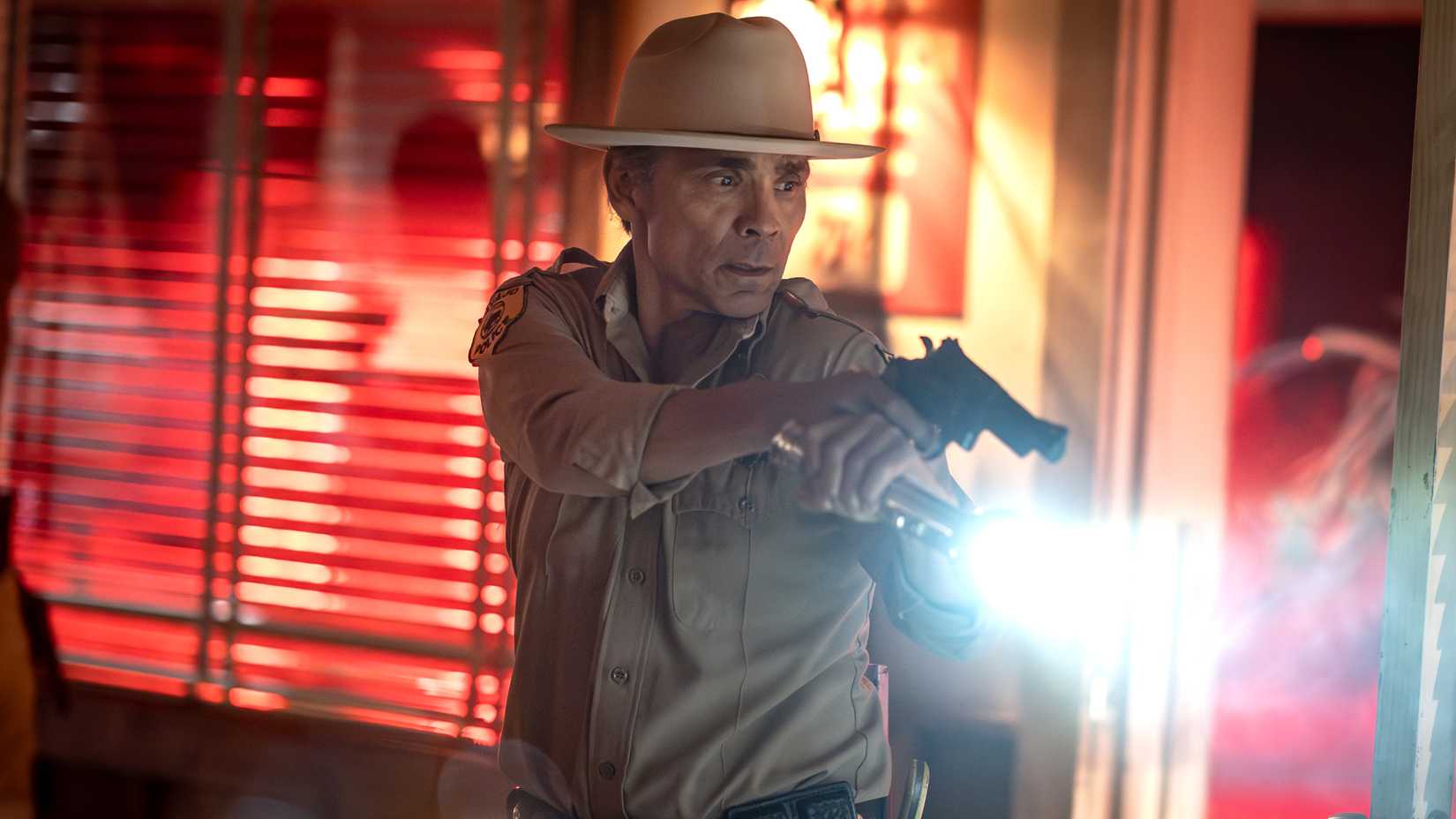
It may surprise Game of Thrones fans to know that George R. R. Martin's best show is not fantasy, but a neo-noir Western which he executive produced, set in 1970s America. Dark Winds has an extremely impressive legacy, with each of its four seasons getting a perfect 100% Rotten Tomatoes score from critics. Based on the Leaphorn & Chee novel series by Tony Hillerman, Dark Winds combines the tone of a film noir with the aesthetic of a Western, and still creates something that feels entirely new.
Rather than centering typical characters like cowboys while stereotyping Native American characters, Dark Winds has a largely Native American team and has worked to accurately depict Navajo culture. The series follows Detective Joe Leaphorn, who has the troubled background and intense presence that make him a perfect neo-noir protagonist, while the disturbing power at the center of the crimes he investigates adds a supernatural twist to the groundbreaking series.
Monsieur Spade

As the protagonist of the 1930 novel, The Maltese Falcon, Sam Spade is one of the original film noir detectives. When Humphrey Bogart played the character in the 1941 movie adaptation, his portrayal made the character an icon with a place among the greatest film noir detectives of all time. Monsieur Spade is a six-episode neo-noir series that takes place 20 years after the events of The Maltese Falcon and stars Clive Owen as Spade. Playing such an iconic role could have been daunting, but it is Owen's vulnerable take on the character that makes the show so compelling.
Spade, like many great noir characters, is haunted by his past. Owen's choice to emphasize Spade's failing physical strength as he works to solve a mystery that hits extremely close to home adds another layer of danger and risk to the story. The reviews for the show appear mixed, but tend to highlight how difficult reimagining the great Sam Spade is, and this does not do justice to Monsieur Spade. The pacing, attention to historical detail, respect for the film noir genre, and unexpected cameo make the series an underrated triumph that deserves a second season.
Mr. Mercedes

Stephen King has dominated the horror genre for decades, but while Mr. Mercedes has its nightmare-fuel moments, it is a crime thriller at its core, and an extremely dark one. The series is one of the best psychological thrillers of the past decade, and worth watching just for Brendan Gleeson's standout performance. Fans of the noir genre will recognize the typical story with a tormented protagonist on an obsessive hunt, but the series takes the cat and mouse aspect to the extreme.
Gleeson's hardboiled detective character goes head-to-head with a deeply unsettling serial killer, who may or may not have near-supernatural abilities. People already familiar with King's work may have been waiting for the demon or monster to reveal itself, but when the majority of the movie is spent on deeply disturbing visuals and character building rather than the expected horrors, this could have broken the show. However, Mr. Mercedes works so well as a neo-noir that it outshines even the expectations based on its author.
Spider-Noir
 MovieStillsDB
Spider-Noir debuted to stellar Rotten Tomatoes scores, with the show getting a 92% positive rating from Rotten Tomatoes critics and a 90% audience rating. Of all the different incarnations of the character in the Spider-Verse, Spider-Noir stood out in the movie Spider Man: Into the Spider-Verse. With Nicolas Cage bringing his signature eccentricity to the role, which was based on the classic film noir detective characters, and the movie's running gag that Spider-Noir cannot see color as his universe is in black and white, it was immediately clear that there was virtually limitless potential for the character.
Spider-Noir took the character to the 1930s, where the protagonist, the aging private investigator Ben Reilly, must decide whether to become his alter-ego The Spider once more when an irresistible case comes his way. The series fully embraced noir rather than ridiculing it, even offering viewers the ability to watch the show in color or black and white. Of all the Spider-Man TV shows created, Spider-Noir's commitment to the genre and new take on an iconic superhero makes it perfect from start to finish.
Better Call Saul
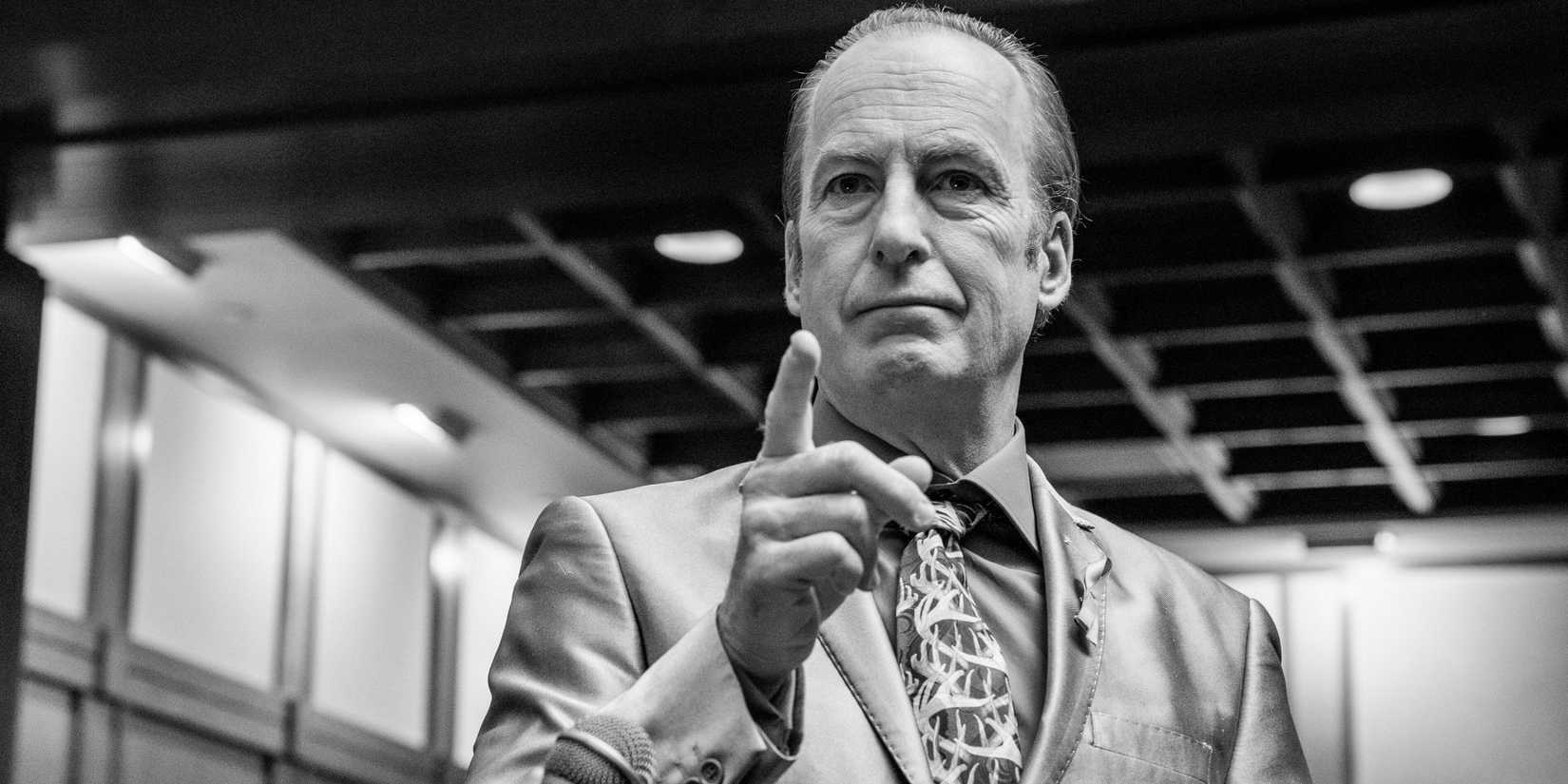
If Breaking Bad was a modern day Western, Better Call Saul was a combination of neo-noir and Shakespearean tragedy. No sequel had the right to be so good, and yet some feel that Better Call Saul even surpassed its source material. The series follows Jimmy "Saul Goodman" McGill, on his journey from a con artist to a lawyer to con artists and other criminals.
|
Season |
Rotten Tomatoes critics rating |
Rotten Tomatoes audience rating |
|
1 |
97% |
95% |
|
2 |
97% |
96% |
|
3 |
98% |
97% |
|
4 |
99% |
97% |
|
5 |
99% |
97% |
|
6 |
99% |
95% |
This is not the typical setup for a neo-noir, but Better Call Saul fits the genre more perfectly than it might seem. Aside from filming present-day sections in black and white, some of the story threads are pure noir. Jimmy's downward spiral follows the typical fallen hero trope, while Better Call Saul has its world-weary detective in the iconic Mike Ehrmantraut. Kim may not be a typical 1940s-style femme fatale, but when acting as Jimmy's partner in crime, she is a very modern one.
Fargo
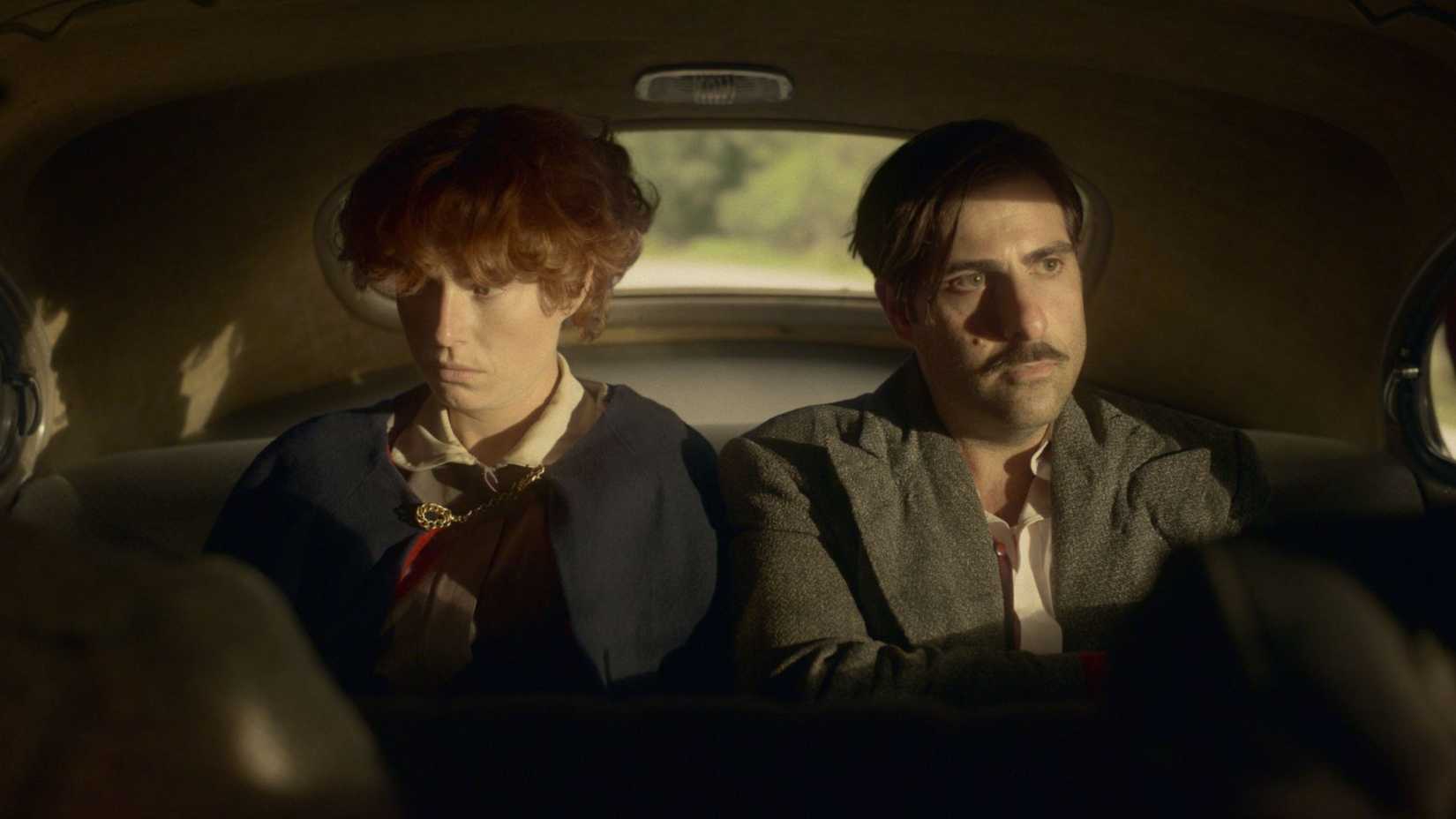
Based on the Coen Brothers' 1996 movie of the same name, Fargo does not just use noir tropes, but also reinvents them. Giving a TV show a different setting and cast of characters is an extremely risky move, but it made Fargo into one of the best anthology series of all time. Fargo has no bad seasons, and while the characters and locations are wildly different, the core thread running through the series is a noir staple.
The events in each season start with a small action or decision that spirals, with ordinary people compromising their values in an attempt to get their lives back on track. This loss of control is a classic theme in film noir, and Fargo takes this to extremes, while using the Midwestern settings in unexpected ways, proving that noir is just as much an atmosphere as a specific outfit or character type. The show has a well deserved 93% positive critics score on Rotten Tomatoes and stars some big names like Martin Freeman, Kirsten Dunst, and Jon Hamm.




 English (US) ·