
 Image via SYFY

Published May 24, 2026, 6:01 AM EDT
Kelcie Mattson is a Senior Features author at Collider. Based in the Midwest, she also contributes Lists, reviews, and television recaps. A lifelong fan of niche sci-fi, epic fantasy, Gothic horror, elaborate action, and witty detective fiction, becoming a pop culture devotee was inevitable once the Disney Renaissance, Turner Classic Movies, BBC period dramas, and her local library piqued her imagination.
Rarely seen without a book in one hand and a cup of coffee in the other, Kelcie explores media history (especially older, foreign, and independent films) as much as possible. In her spare time, she enjoys RPG video games, amateur photography, nerding out over music, and attending fan conventions with her Trekkie family.
Sign in to your Collider account
Too many televised masterpieces have been lost to time. Some groundbreaking programs were popular during their heyday, but cultural relevancy can be a fickle thing indeed. Even viewers who seek out older shows can't possibly discover every property, particularly when a genre has as dense a library as science fiction.
Even though this disclaimer might go without saying, you won't see the more enduring cult classic titles on this list (i.e., Farscape, Firefly, Orphan Black, The OA, Sense8). For simplicity's sake (so many options, not enough time), we've also stuck with series that premiered before 2016 — aside from an underrated exception that would be criminal to exclude. Whether you're an enthusiast seeking out more classic sci-fi, already experienced with hidden gems, or just curious, the below has something for everyone.
1 'The 4400' (2004–2007)
 Image via USA Network
A concentrated beam of light deposits 4,400 missing people near Seattle, Washington's Mount Rainier. None of the individuals has aged since they vanished nor remembers their time away, and some exhibit assorted supernatural powers (telekinesis, telepathy, precognition). Are aliens responsible, or something more nefarious? Whatever the answer, agents Tom Baldwin (Joel Gretsch) and Diana Skouris (Jacqueline McKenzie) monitor and assist the returnees.
Scott Peters and René Echevarria's The 4400 hosts sophisticated ideas, lethal stakes, widespread moral ambiguity, and plentiful character growth. While reminiscent of The X-Files crossed with X-Men on a surface level, the series swerves away from the commonplace extraterrestrial abduction tune. The showrunning duo prefers to highlight the concept's psychological side effects: the isolating displacement of trying to reintegrate into an unrecognizable life, memory loss, social rejection, attempted hate crimes, government and corporate conspiracies, and a too-charismatic-by-half leader advocating first for a protected space for the 4,400, then a global takeover. In a significant bonus, The 4400 platforms Mahershala Ali's star power years before the two-time Oscar-winner's official breakthrough.
2 'Warehouse 13' (2009–2014)
 Image via SYFY
The X-Files meets Indiana Jones in Warehouse 13, one of the Syfy Network's post-rebrand flagship romps. Tucked away within South Dakota's borders lies a top-secret storage facility dedicated to containing powerful mythical artifacts. It's up to Secret Service agents Pete Lattimer (Eddie McClintock) and Myka Bering (Joanne Kelly), under the supervision of long-time caretaker Artie Nielsen (Saul Rubinek), to retrieve these dangerous relics before they unleash catastrophic — or amusingly inconvenient — harm.
For five seasons, creators Jane Espenson and D. Brent Mote milk their premise's potential for all it's worth, whether such creativity means dabbling in fantasy, mythology, and archeology or reinventing history. Warehouse 13 never takes its episodic antiquities too seriously, exuding a quirky and winsome skip in its step even when the series lifts from trope-heavy archetypes. That said, Warehouse 13's impish tone doesn't preclude it from situational severity or meaningful interpersonal progression. Once they settle into their roles, the cast's chemistry is just about flawless. And who can argue with an antiheroine as thoroughly fabulous as Helena G. Wells (Jaime Murray)? The answer: no one.
3 'The Middleman' (2008)
 Image via ABC Family
When a giant tentacled monster destroys her temp agency job, newly unemployed aspiring painter Wendy Watson (Natalie Morales) accepts an unconventional profession: defending innocent civilians against "all kinds of mad scientists and aliens and androids and monsters who want to either take over or destroy the world." Wendy takes to her heroism like a duck to water, much to the delight of her boss and partner, the Middleman (Matt Keeslar) — a goodie-two-shoes who, compared to his grouchy, cynical trainee, drinks milk and never cusses.
Creator Javier Grillo-Marxuach adapts his and Les McClaine's graphic novel into an unsung paragon of unfairly canceled television. A love letter to retro comics, sci-fi, and spy adventures, yet assembled from the ground up as satirically self-aware, The Middleman proved too zany and nerd culture-specific for ABC Family's 2008 programming slate. With Morales and Keeslar's sparkling chemistry and quip-filled, fast-talking rhythm as an anchor, plus a charming character group beset by everyday money problems and artistic burnout, The Middleman might've lasted more than 12 episodes in a post-MCU timeline.
Collider Exclusive · Sci-Fi Personality Quiz Which Sci-Fi Hero Are You Most Like? Paul Atreides · Captain Kirk · Princess Leia · Ellen Ripley · Max Rockatansky
Five iconic heroes. Five completely different ways of facing an impossible universe. One of them shares your instincts, your values, and your particular way of refusing to back down. Eight questions will tell you which one.
🏜️Paul Atreides
🖖Capt. Kirk
✊Princess Leia
🔦Ellen Ripley
🔥Max Rockatansky
FIND YOUR HERO →
01
How do you lead when the stakes couldn't be higher? The way you lead under pressure is the most honest thing about you.
AI absorb everything — every variable, every pattern — and move only when I know the path forward. BI read the room, make the call, and own the consequences. Hesitation costs more than mistakes. CI rally people. A cause needs a voice, and I refuse to let fear be louder than conviction. DI assess the threat, establish what needs doing, and get it done without waiting for permission. EI don't lead. I act. Others can follow or not — I'm already moving.
NEXT QUESTION →
02
What is your greatest strength in a crisis? The quality that keeps you alive when everything else fails.
APrescience — the ability to see further ahead than anyone else and plan accordingly. BImprovisation — I'm at my best when the plan falls apart and I have to invent a new one. CConviction — I know what I'm fighting for, and that certainty doesn't waver under fire. DComposure — I stay functional when everyone around me is falling apart. Panic is a luxury. EEndurance — I outlast things. I take the hit and keep moving long after others have stopped.
NEXT QUESTION →
03
What is the thing you'd sacrifice everything else for? Your deepest motivation is your truest compass.
AThe survival and dignity of my people — even if I have to become something frightening to ensure it. BThe safety of my crew — every single one of them. No one gets left behind. CFreedom — for my people, for every world still crushed under the weight of an empire. DThe truth — what actually happened, what's actually out there, whether anyone believes me or not. EThe one person — or the one memory — that still makes any of this worth surviving for.
NEXT QUESTION →
04
How do you relate to the people around you? Who you are to others under pressure is who you really are.
AWith intensity and distance — I care deeply, but the weight I carry makes closeness complicated. BWith warmth and irreverence — I take the mission seriously, not myself. CWith directness and trust — I say what I mean, and I expect the people I work with to rise to it. DWith professional care but clear limits — I'll protect you, but I won't pretend we're family. EWith wariness that slowly becomes loyalty — I don't trust easily, but when I do, it holds.
NEXT QUESTION →
05
You're facing a threat that no one else believes is real. What do you do? How you respond when you're the only one who sees it defines everything.
APrepare in silence. If they won't listen, I'll be ready when they finally have to. BKeep pushing until someone listens — and if no one does, handle it myself. CBuild the case, find the allies, and make the threat impossible to ignore. DDocument everything. The truth matters even if no one believes it yet. EStop trying to convince anyone. Survive it. That's the only argument that counts.
NEXT QUESTION →
06
What has your heroism cost you personally? Every hero pays. The question is what — and whether they'd pay it again.
AMy innocence — I've seen what I'm capable of, and I can't unsee it. BPeople I loved — the command chair has a view, but it's a lonely one. CA normal life — I gave up everything ordinary the moment I chose the cause. DMy sense of safety — I know exactly what's out there now, and I can't pretend otherwise. EAlmost everything — and I'm still not sure what I'm carrying it all for. But I keep going.
NEXT QUESTION →
07
How do you feel about the rules of the world you're in? Every hero has a relationship with the system. What's yours?
AI understand them deeply — and I know exactly which ones must be broken, and why. BI respect the spirit of them and bend the letter when the situation demands it. CThe system is the problem. I'm not here to work within it — I'm here to dismantle it. DI follow protocol until protocol stops being useful. Then I make the call myself. EThe rules collapsed a long time ago. What's left is instinct, and mine are reliable.
NEXT QUESTION →
08
When everything is on the line, what keeps you going? The answer is the most honest thing about you.
ADestiny — or something that feels so much like it that the difference no longer matters. BThe people on my ship — their faces, their trust, the fact that they're counting on me. CThe belief that what we're fighting for is worth every sacrifice, including this one. DSheer refusal to let it win — whatever it is. I don't stop. That's just who I am. EI'm not sure anymore. But the road is still there, and I'm still on it.
REVEAL MY HERO →
Your Hero Has Been Identified Your Sci-Fi Hero Is…
Your answers point to the iconic sci-fi hero who shares your instincts, your values, and your particular way of facing the impossible.
Paul Atreides
You carry a weight most people would crumble under — the knowledge of what you're capable of, and the burden of what you might have to become.
- You see further ahead than others and you plan accordingly, even when the vision frightens you.
- You are driven by loyalty to your people and a sense of destiny you didn't ask for but can't escape.
- Paul Atreides is not simply a hero — he is someone who understands the cost of power and chooses to bear it anyway.
- That gravity, that willingness to carry what others won't, is exactly you.
Captain Kirk
You lead with instinct, warmth, and an absolute refusal to accept a no-win scenario — because you've always believed there's a third option nobody else has thought of yet.
- You take the mission seriously without ever taking yourself too seriously.
- Your crew would follow you anywhere, not because you demand it, but because you've earned it.
- Kirk's genius isn't tactical — it's human. He reads people, bends rules with purpose, and wills outcomes into existence through sheer conviction.
- That combination of warmth, audacity, and relentless optimism is unmistakably yours.
Princess Leia
You are the kind of person who holds the line when everyone else is losing faith — not because you're fearless, but because giving up simply isn't something you're capable of.
- You lead through conviction. Your voice carries because your belief is unshakeable.
- You gave up everything ordinary the moment you chose the cause, and you've never looked back.
- Leia is not a supporting character in her own story — she is the moral centre of the entire rebellion.
- That same fierce, principled, unbreakable core is what defines you.
Ellen Ripley
You are not reckless, not grandiose, and not particularly interested in being anyone's hero — you just refuse to stop when it matters.
- You see threats clearly, you document the truth even when no one listens, and when the time comes you handle it yourself.
- Ripley's heroism is earned, not performed. She doesn't have a speech — she has a flamethrower and a plan.
- You share her composure under the worst possible pressure, and her refusal to pretend the monster isn't there.
- When it counts, you don't flinch. That's everything.
Max Rockatansky
You have been through fire that would break most people — and what came out the other side is something the world underestimates at its peril.
- You don't ask for help, don't need validation, and don't wait for anyone to tell you the rules no longer apply.
- Your loyalty, when it finally arrives, is absolute — but it's earned in silence and tested in action, not in words.
- Max is not a nihilist. He is someone who lost everything and found, against his will, that he still has something worth protecting.
- That bruised, stubborn, ultimately human core is exactly yours.
↻ RETAKE THE QUIZ
4 'Sapphire & Steel' (1979–1982)
 Image via ITV
Sapphire & Steel, Peter J. Hammond's wonderfully bizarre 34-episode British series, follows two interdimensional guardians tasked with subduing anomalies that compromise time's natural flow. During their investigations, colleagues Steel (David McCallum), taciturn and cold-blooded, and Sapphire (Joanna Lumley), a smidgen more social but still reserved, battle cursed childhood rhymes, a faceless man, and haunted locales at the end of the universe.
Sapphire & Steel mixes science fiction, fantasy, and folk horror to spectacular effect. The meager budget necessitates building an atmosphere of cloying tension through claustrophobic interiors, elevated sound design, and hallucinatory editing. The titular human-yet-not pair enhances the unnerving aura; intriguingly ethereal, aristocratic, and remorseless, Sapphire and Steel's presences lean more ominous than comforting. Hammond teases a wider mythology, but that's the extent of his audience hand-holding. Even though other shows play in neighboring sandboxes (Sapphire & Steel's as elusively idiosyncratic as anything this side of Twin Peaks), no mainstream experiment has quite matched Hammond's innovation.
5 'Planetes' (2003–2004)
 Image via Crunchyroll
By 2075, a potentially lethal consequence of interstellar exploration isn't space itself, but human pollution. Material from various space machinery routinely orbits Earth. Hence, the Technora Corporation's Debris Section, whose working-class employees salvage the litter for minimal pay and maximum danger. The Toy Box spaceship's crew includes Debris newbie Ai Tanabe (Satsuki Yukino), pilot Fee Carmichael (Ai Orikasa), would-be adventurer Hachirota Hoshino (Kazunari Tanaka), and widower Yuri Mihairokov (Takehito Koyasu).
Fold existential conflict (grief, loneliness, longing to forge an individual path but never knowing where to begin) into commentary regarding bureaucratic exploitation, political and technological infrastructure, environmentalism, and racism, and you have Planetes. Writer Ichirō Ōkouchi and director Gorō Taniguchi adapt Makoto Yukimura's standalone manga into a masterpiece of both anime and hard sci-fi, a genre branch drawing from realism-adjacent science. Similarly, the Toy Box quartet are deftly complex and quietly ordinary people. The series' compelling honesty and gentle, slow-burning pace are worth their weight in gold.
6 '12 Monkeys' (2015–2018)
 Image via SYFY
James Cole (Aaron Stanford) has no intention of stepping into a time machine. Since his involvement means averting the viral outbreak that turned the Earth of 2043 into an apocalyptic wasteland, he nevertheless embarks upon a high-risk journey back to 2015. His best leads point toward the shadowy leader of the Army of the 12 Monkeys organization. Meanwhile, Cole locates his strongest ally in Dr. Cassie Railly (Amanda Schull), a virologist whose cryptic message — one which, in her timeline, she hasn't yet recorded — may rewrite their grim future.
The newer show this writer didn't have the heart to omit, 12 Monkeys is one of the 21st century's most phenomenal and under-watched sci-fi achievements, period. Based on Terry Gilliam's 1995 thriller feature, co-creators Terry Matalas and Travis Fickett prove why one never dismissively judges a figurative book by its cover. Their twisty and consequence-laden approach to time travel rules — plus the mental cost of weaving through cause-and-effect mechanics just to encounter yet another destructive paradox, yet another agonizing setback — moves beyond the movie's pandemic into creativity overdrive. 12 Monkeys' stupendous narrative progression keeps improving all the way to a cathartic finale. Thankfully, the Matalas and Fickett dream team addresses their characters' multidimensional perspectives with as much care.
7 'Terminator: The Sarah Connor Chronicles' (2008–2009)
 Image via Fox
Developer Josh Friedman's Terminator: The Sarah Connor Chronicles follows on the plot heels of Terminator 2: Judgment Day. By 2007, Sarah Connor (Lena Headey), her son John (Thomas Dekker), and reprogrammed cyborg Cameron's (Summer Glau) efforts have pushed Judgment Day back by four years, but the AI apocalypse still looms omnipresent on the horizon.
Despite the franchise's temporary move from the silver screen to the small raising a few eyebrows, The Sarah Connor Chronicles loses none of the original duology's bite. If anything, TV's long-form canvas grants the series enough room to expand Terminator's existing philosophical and psychological underpinnings (John's lost adolescence, weighing predetermined fate against defiant choice, and the long-term damage left by continually evading enemies and preparing for war). Headey assumes Linda Hamilton's enormous shoes with supreme depth, balancing parental love, a survivor's indomitable strength, warrior pragmatism, and flashes of traumatized, exhausted futility.
8 'Blake's 7' (1978–1981)
 Image via the BBC
A tyrannical, futuristic Empire rules the colonized galaxy with an iron fist disguised inside a velvet glove. Mass surveillance, kidnapping, torture, brainwashing, and assassination uphold their peaceful facade. Rebellion leader Roj Blake (Gareth Thomas), brainwashed into oblivious obedience, regains his memories and evades his captors with a tenacity, charisma, and idealistic virtue that evokes reverence from his admirers and disdain from his enemies. Backed by a motley crew of reluctant criminals, Blake launches a one-man campaign against their flagrantly corrupt persecutors.
With every passing year, creator Terry Nation's BBC drama becomes even more ahead of its time. Defined by ferocious maturity, moral uncertainty, and a merciless bleakness few modern genre shows dare, Blake's 7's courageous swings compensate for its rickety VFX and periodically weak episodes. Nation helps pioneer ethical dilemmas surrounding whether desperate sacrifices — revolutionaries turning their oppressor's cruel methods against them — justify greater victories, and the deliciously imbalanced power dynamics between a scrappy group with radically contradictory goals. Loyal camaraderie develops among some of the seven recurring characters as often as others regress into their self-serving impulses and lunge for the nearest vulnerable throat. Blake's 7 organically rejects audience hopes at every step. Your favorite space operas about resistance fighters and hopeless causes owe an unquantifiable debt to the audacious, prescient, low-budget show that did it first.
9 'Life on Mars' (2006–2007)
 Image via BBC
British detective Sam Tyler (John Simm) wakes from a 2006 car accident to find himself trapped in the 1970s. As his opening credits narration wonders, are his circumstances due to a coma, inexplicable time travel, or some kind of personalized afterlife? Get comfortable, because the nightmarish visions and breadcrumb clues powering Matthew Graham, Tony Jordan, and Ashley Pharoah's genre-blending thriller-mystery won't make sense until the series finale. And even that resolution invites speculation.
Beyond the persistent focus on Sam's fraying mental health (enough of a hook on its own), Life on Mars blazes brightest when it unflinchingly tackles law enforcement's systemic abuse of power, toxic masculine culture, homophobia, and rampant misogyny. Sam, flawed but forward-thinking, constantly brawls with his boss, Gene Hunt (Philip Glenister), a punch-first-ask-questions-never renegade who — aside from bribery-based police corruption — embodies every aforementioned quality. It's a bold and meticulously intricate experiment that, pun intended, hasn't aged a day.
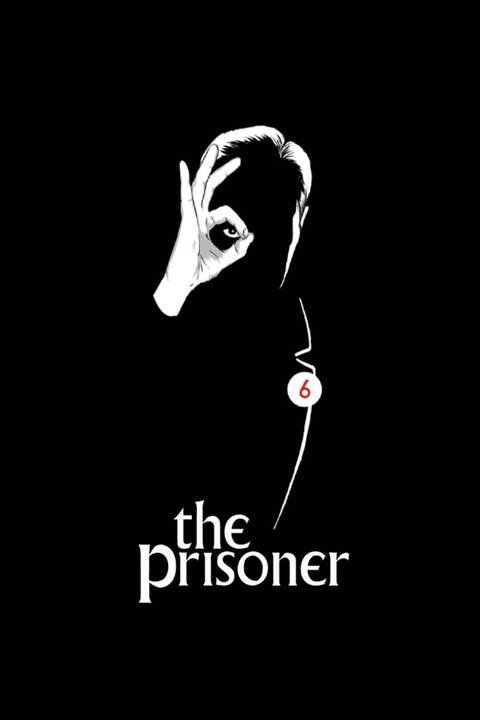
10 'The Prisoner' (1967–1968)
 Image via Channel 3
The same day he furiously quits his job, unknown assailants abduct a British spy known only as Number Six (Patrick McGoohan) for reasons as opaque as their identities. They confine him inside the Village, a cage gilded with a seaside community's idyllic trappings. Ostensibly, the Village's ruling forces seek the reasons that prompted Number Six's resignation. He refuses to share, no matter how routinely his captors subject him to mental and physical torture.
McGoohan designed The Prisoner as a subversive 17-episode psychological thriller with a speculative sci-fi overlay. Unlike his straightforward espionage drama Danger Man, The Prisoner is as elusive as smoke slipping through one's fingers. What couldn't be clearer about McGoohan's engrossing, surreal, horrifying, and career-defining work is its allegory for how authoritarian governments methodically strip individuals of autonomy and identity. In a tightly controlled environment where citizens avoid punishment by obeying the system's mandatory uniformity, Number Six becomes the lone anti-establishment agitator — a man too stubborn, intuitive, and hell-bent on freedom to surrender. If you've never experienced The Prisoner's impeccable step-by-step journey, do yourself an immediate favor.
The Prisoner
Release Date 1967 - 1968-00-00
Network ITV1
Directors Don Chaffey, Pat Jackson, Peter Graham Scott
Writers George Markstein, Anthony Skene, Terence Feely, Vincent Tilsley, Ian Rakoff
-

-
Arthur Gross
Control Room Operator
-
Barbara Yu Ling
Taxi driver
-
Bartlett Mullins
Committee Chairman






 English (US) ·