
 Credit: Everett Collection

Published May 16, 2026, 9:00 PM EDT
Memory Ngulube joined Screen Rant in April 2024 as part of the Movies and TV team. Since then, she has written for the Perennials and Streaming team, covering a wide range of topics from new releases to old movies and TV shows. Memory is currently a Classic TV writer.
Before joining Screen Rant, Memory was a freelance copywriter who specialized in email marketing and social media management. While she enjoyed her job, her true passion was always movies and TV.
When she isn’t writing for Screen Rant, Memory can be found reading, baking (which is one of her passions), or watching her favorite K-drama.
Sign in to your ScreenRant account
Some of the very best hard sci-fi TV shows are those that remain relevant and impactful years after their debut. Typically, science fiction series that ground their stories in real-world physics, speculative technology, and philosophical questions tend to age well as their significance becomes more apparent with time, especially in today’s world, where technology is advancing rapidly. The reason that modern sci-fi TV shows like The Expanse and Battlestar Galactica are so beloved is that they are ultimately ruled by scientific principles.
What makes hard sci-fi TV shows age well and sets them apart from other genre shows isn’t just their ambition but their commitment to logic and scientific authenticity, qualities that in turn allow them to feel just as compelling, if not more so, years after their original release. From exploring interplanetary politics and artificial intelligence to the ethics of space colonization and the fragility of human civilization, some hard sci-fi series seem almost immune to aging because their narratives grow richer as real-world science catches up to their ideas.
Years And Years (2019)

Years and Years isn’t your typical science fiction series filled with distant planets or advanced alien civilizations. The limited British TV show instead tells a story that feels closer to home. Created by Russell T Davies, Years and Years centers around the Lyons and chronicles their and the world’s evolution through a 15-year time frame.
Signal Received · Deep Space Broadcast The Ultimate Sci-Fi TV Trivia Quiz “The truth is out there.”
🚀Deep
SpaceFinal frontiers
⌛Time
TravelWibbly wobbly
👽AliensWe are not alone
👁DystopiaThe black mirror
💡Upside
DownHawkins, 1983
ENGAGE →
01
The most famous opening monologue in TV sci-fi begins: “Space: the final frontier. These are the voyages of the ___.” Complete the line from the original 1966 Star Trek series.
AUSS Voyager BUSS Defiant CStarship Enterprise DUSS Discovery
✓ Engage! William Shatner’s iconic opening — “Its five-year mission: to explore strange new worlds, to seek out new life and new civilizations, to boldly go where no man has gone before” — has become one of the most quoted passages in all television. Later Trek series would adapt it, but the Enterprise is the one that started it all.
✗ Subspace interference! The answer is Starship Enterprise. USS Voyager belongs to the 1995–2001 series, the Defiant to Deep Space Nine, and the Discovery to the modern 2017 series. It’s the original Enterprise, captained by James T. Kirk, that William Shatner immortalized in that final-frontier monologue.
NEXT →
02
The Doctor’s time machine is disguised as a 1960s British police box and is famously bigger on the inside than the outside. What is the acronym it’s known by?
ATRACIS BTARDIS CTRADIS DTANDIS
✓ Allons-y! TARDIS stands for Time And Relative Dimension In Space. The name was coined by the Doctor’s granddaughter Susan in the very first 1963 episode. The police-box shape is the result of its chameleon circuit getting stuck while parked in 1963 London — and it’s stayed that way for sixty-plus years.
✗ Chronal distortion! The answer is TARDIS — Time And Relative Dimension In Space. The other options are invented distractors. The TARDIS first appeared in 1963 and has followed every regeneration of the Doctor since, though its interior famously redesigns itself whenever the showrunners want a fresh look.
NEXT →
03
The acclaimed 2004 Battlestar Galactica reboot — considered one of the greatest sci-fi TV shows ever made — was developed by which writer-producer, a veteran of Star Trek: The Next Generation and Deep Space Nine?
ARonald D. Moore BJ. Michael Straczynski CDavid Eick DGlen A. Larson
✓ So say we all! Ronald D. Moore developed the modern Battlestar Galactica, reimagining Glen A. Larson’s 1978 original as a gritty, post-9/11 political allegory. Moore had cut his teeth writing many of TNG and DS9’s best episodes. His BSG aired 2004–2009 and tackled terrorism, torture, faith, and what it means to be human.
✗ Frak! The answer is Ronald D. Moore. J. Michael Straczynski created Babylon 5, David Eick was Moore’s co-executive-producer on BSG, and Glen A. Larson created the original 1978 Battlestar Galactica. Moore took Larson’s cheesy space opera and rebuilt it into a Peabody Award-winning meditation on war and morality.
NEXT →
04
Netflix’s ’80s-drenched sci-fi hit Stranger Things is set in a small American town sitting above a secret government lab that tore a hole into the “Upside Down.” What is the town called?
ADerry, Maine BCastle Rock, Oregon CHawkins, Indiana DSpringwood, Ohio
✓ Friends don’t lie! Hawkins, Indiana is the fictional town the Duffer Brothers invented for Stranger Things — home to Hawkins National Laboratory, where Dr. Brenner’s MKUltra-style experiments opened a rift into the Upside Down. The show is actually filmed in Jackson, Georgia, but the Hawkins sign is now an iconic TV landmark.
✗ The Upside Down! The answer is Hawkins, Indiana. Derry is Stephen King’s fictional town from IT, Castle Rock is another King town (and an anthology series), and Springwood is from A Nightmare on Elm Street. The Duffer Brothers deliberately evoked King’s small-town horror tradition when creating Hawkins.
NEXT →
05
In The X-Files, Fox Mulder has a famous poster hanging in his FBI basement office — a UFO photograph with a three-word tagline beneath it. What does the tagline say?
A“Trust No One” B“The Truth Is Out There” C“Deny Everything” D“I Want To Believe”
✓ The truth is out there! “I Want To Believe” sits below a blurry UFO photo on the poster that hangs in Mulder’s basement office throughout the series. The line became so associated with the show that it was used as the title of the 2008 feature film, The X-Files: I Want to Believe.
✗ File that one away! The answer is “I Want To Believe.” “Trust No One,” “Deny Everything,” and “The Truth Is Out There” are all iconic X-Files taglines — but it’s “I Want To Believe” that’s literally printed on the UFO poster in Mulder’s office, and which became the title of the franchise’s 2008 movie.
NEXT →
06
Apple TV+’s Severance — about office workers whose memories are surgically divided between their work and personal lives — was created by a first-time showrunner who used to be a customer service rep. Who is he?
ADamon Lindelof BDan Erickson CBen Stiller DJonathan Nolan
✓ Praise Kier! Dan Erickson wrote the Severance pilot while working soul-crushing office jobs — literally daydreaming about splitting his mind so the “work-him” would suffer instead. Ben Stiller came on as executive producer and directed most episodes, but Erickson is the creator whose personal ennui gave us Lumon Industries.
✗ Outie interference! The answer is Dan Erickson. Damon Lindelof created Lost, The Leftovers, and Watchmen; Ben Stiller is Severance’s executive producer and primary director (but not its creator); Jonathan Nolan created Westworld and Person of Interest. Erickson’s script sat on the Black List for years before Stiller championed it.
NEXT →
07
In 2018, Charlie Brooker’s Black Mirror released a groundbreaking feature-length episode that let viewers make choose-your-own-adventure style decisions for the protagonist. What was it called?
ABandersnatch BUSS Callister CSan Junipero DMetalhead
✓ Interactive transmission received! Bandersnatch followed young programmer Stefan as he adapted a choose-your-own-adventure novel in 1984. Viewers could make choices at key moments, branching the story into multiple endings. It was Netflix’s most ambitious interactive experiment — and the meta commentary on viewer control remains quintessential Black Mirror.
✗ Null pointer! The answer is Bandersnatch. USS Callister is the Emmy-winning Star Trek riff, San Junipero is the beloved ’80s romance episode, and Metalhead is the black-and-white robot-dog thriller. All are Black Mirror, but only Bandersnatch was the interactive choose-your-own-adventure special that launched in December 2018.
NEXT →
08
Joss Whedon’s space-western Firefly became a legendary cult classic after Fox infamously cancelled it — airing episodes out of order, burying the pilot, and pulling the plug. How many episodes aired on Fox before cancellation?
A8 B11 C13 D22
✓ Shiny! Only 11 of the 14 produced Firefly episodes aired on Fox in late 2002 before the network pulled the plug. The remaining three (including the two-hour pilot “Serenity”) first aired in proper order on the Sci-Fi Channel and eventually on DVD. Fan outcry led to the 2005 film Serenity — a rare cinematic rescue for a cancelled series.
✗ Fox strikes again! The answer is 11. Fourteen episodes were actually filmed, but Fox only aired 11 before cancellation, and they aired them out of order with the pilot held until last. The complete set finally aired on Sci-Fi Channel and DVD, and the fan-driven “Browncoats” campaign eventually convinced Universal to greenlight Serenity.
REVEAL MY SCORE →
Transmission Complete · Signal Decoded Your Sci-Fi Rating
👽
/ 8
Trekkie-level canon — or still buffering?
⤴ RETRANSMIT
Years and Years has only become more powerful since its release. Many of its subjects, such as political instability and technological advancements, echo real-world events, thus making the series as impactful today as it did the year it debuted. Years and Years is an incredible hard sci-fi because it builds its world from reality. It doesn’t delve into the fanatical aspects of science fiction but remains focused on issues that might affect humans in the future.
Orphan Black (2013)

Orphan Black is a Canadian sci-fi TV show that centers on a woman named Sarah Manning. When Sarah witnesses a stranger who looks exactly like her step in front of a train, she makes a split-second decision to assume the dead woman’s identity. Unbeknownst to Sarah, there is a vast and dangerous conspiracy that the woman whose identity she stole was a part of.
On paper, Orphan Black hinges more on fantasy than it does on reality. After all, human cloning seems like the stuff dreams are made of. However, there are some features of the series that borrow from real scientific principles. Sure, we might not be close to cloning humans, but that doesn’t mean that we will never achieve it.
What Orphan Black does so well is outline autonomy, bodily rights, and the ethics of scientific experimentation. The show gives us a glimpse into what a possible future, when it comes to genetic engineering, might look like and the consequences that may result from it.
Firefly (2002)
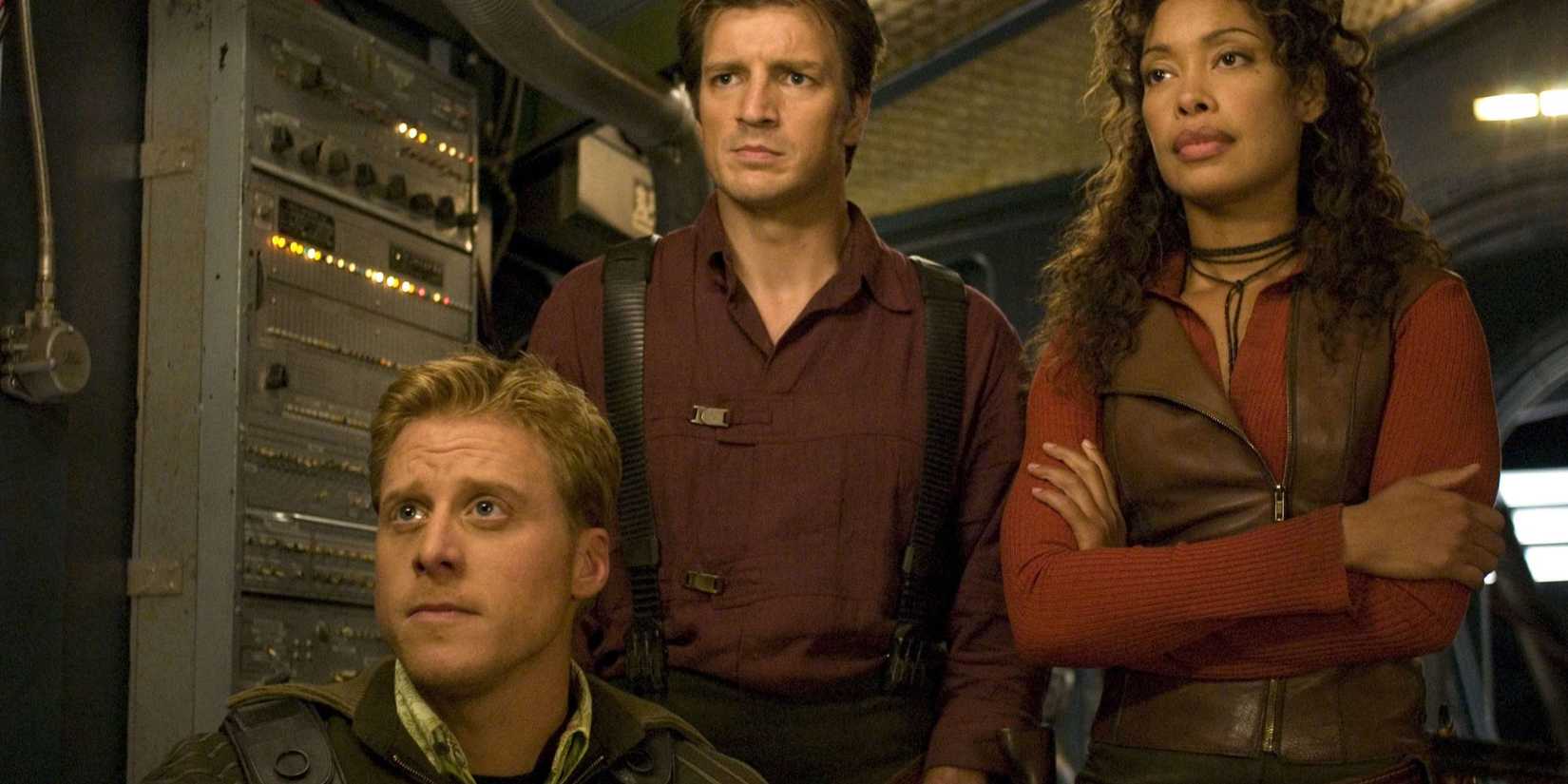
Despite its short run, Firefly has built a passionate fanbase that continues to celebrate and revisit it 14 years after its debut. Created by Joss Whedon, the show is set in 2517, a future where humanity has colonized a new star system after leaving Earth behind. At the center of the story is the crew of the spaceship Serenity, led by the rugged Captain Malcolm Reynolds.
Compared to other sci-fi TV shows that take place in space, Firefly is completely understated. The Serenity isn’t by any means a sleek or futuristic ship. Instead, it’s mechanical, noisy, and constantly in need of repair. Firefly still resonates with audiences because everything looks like it could realistically work, even if it’s set centuries in the future. A Firefly reboot in animated form is officially in development, with the original cast set to return to voice their respective characters.
Maniac (2018)

Maniac surprisingly remains a hidden gem on Netflix despite having a star-studded cast, which includes Emma Stone and Jonah Hill. The genre-blending series focuses on two strangers, Annie and Owen, who sign up for an experimental pharmaceutical trial with the hopes of being able to cure their mental illness.
The limited series is over the top at times as it blends several genres, from fantasy to crime, but its sci-fi markings are hard to miss. As Owen and Annie go through their journey, which is supposed to be emotionally healing, the series shines a spotlight on the AI running the experiment, which behaves almost like a flawed therapist.
Currently, AI has become more integrated into our society, whether it's through therapy, work, or daily life. The fact that Maniac questions whether we should trust machines with our emotions is a concept that isn’t only relevant today but also makes the show feel ahead of its time.
The 100 (2014)

The 100 is a post-apocalyptic sci-fi drama that begins nearly a century after a nuclear war wipes out civilization on Earth. The only humans who survived that blast are forced to live on a cluster of space stations called the Ark. As years go on, the Ark begins to run out of resources, and so the leaders send out 100 juvenile prisoners to Earth to discover if the planet can sustain human life.
Although The 100 at times can feel like a survival series and less like a hard science fiction TV show, there are elements included in the series that are grounded in real science. For instance, it has a plausible post-nuclear Earth, and the Ark has a realistic closed ecological system. While many lament that The 100 dwindled in quality as more installments were added, the fact that it is one of the best sci-fi TV shows of the past decade still remains.
12 Monkeys (2015)
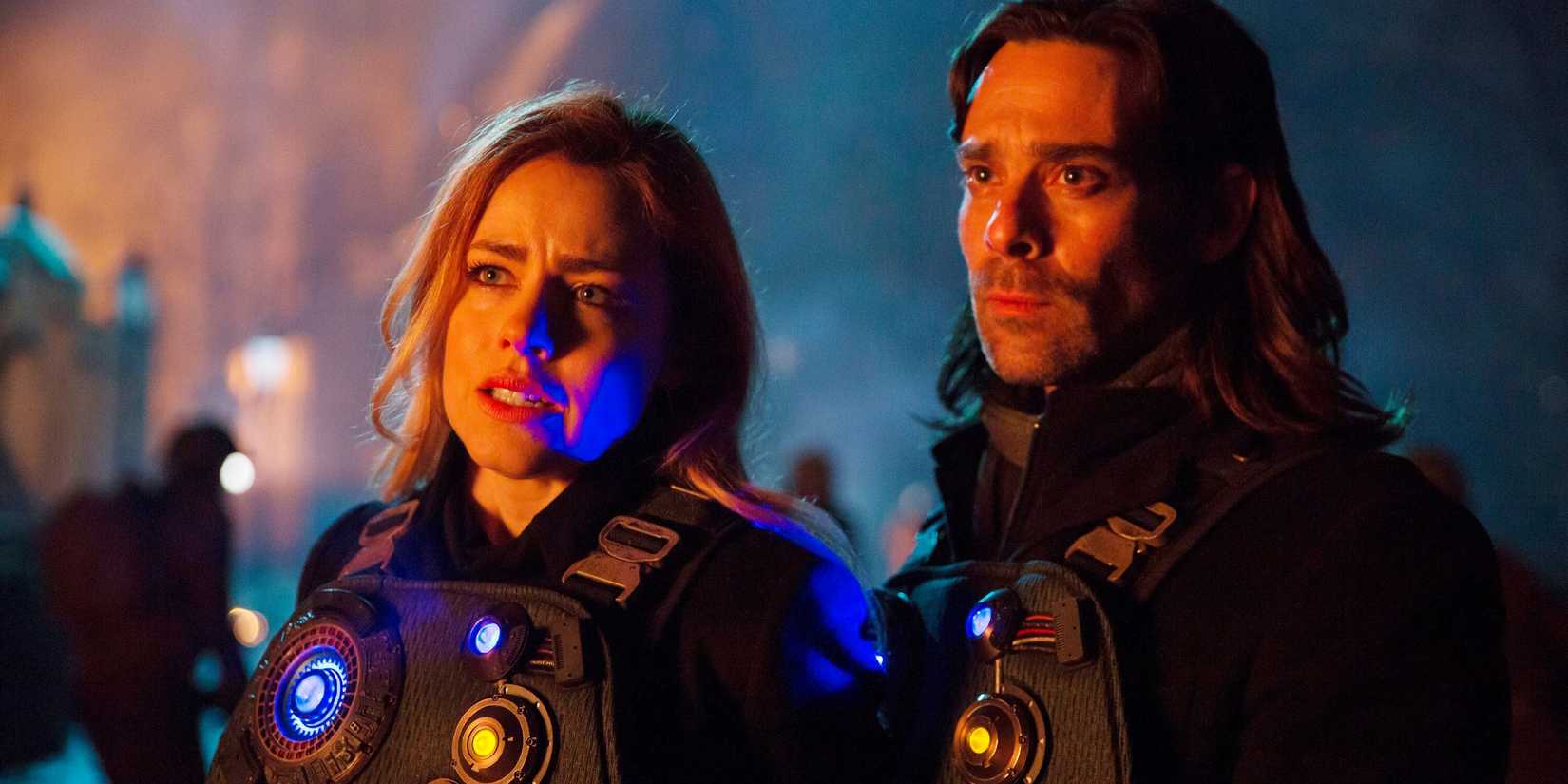
Loosely based on a 1995 movie of the same name starring Bruce Willis, 12 Monkeys begins in a ruined future where humanity has been almost wiped out by a deadly plague, and survivors are forced to live underground. Desperate for a better life, some of the survivors travel back in time with hopes of finding a cure to the virus before the outbreak begins.
 Related
10 Sci-Fi Shows That Were So Close To Being 10/10
There have been dozens of sci-fi shows that fall short of perfection, but some get so close to becoming timeless classics that it's almost frustrating
In some sci-fi TV shows, time travel is often given a mythical status and set up as the easy solution to humanity’s problems. 12 Monkeys, however, treats time travel like an unstable physics problem. For instance, the series ensures that simply going back to the past isn’t going to fix the issues humanity faces in the future. The series is, of course, complex, as many TV shows that delve into time travel are, but there is a realism to the plot that many shows that deal with that subject matter fail to achieve.
Travelers (2016)
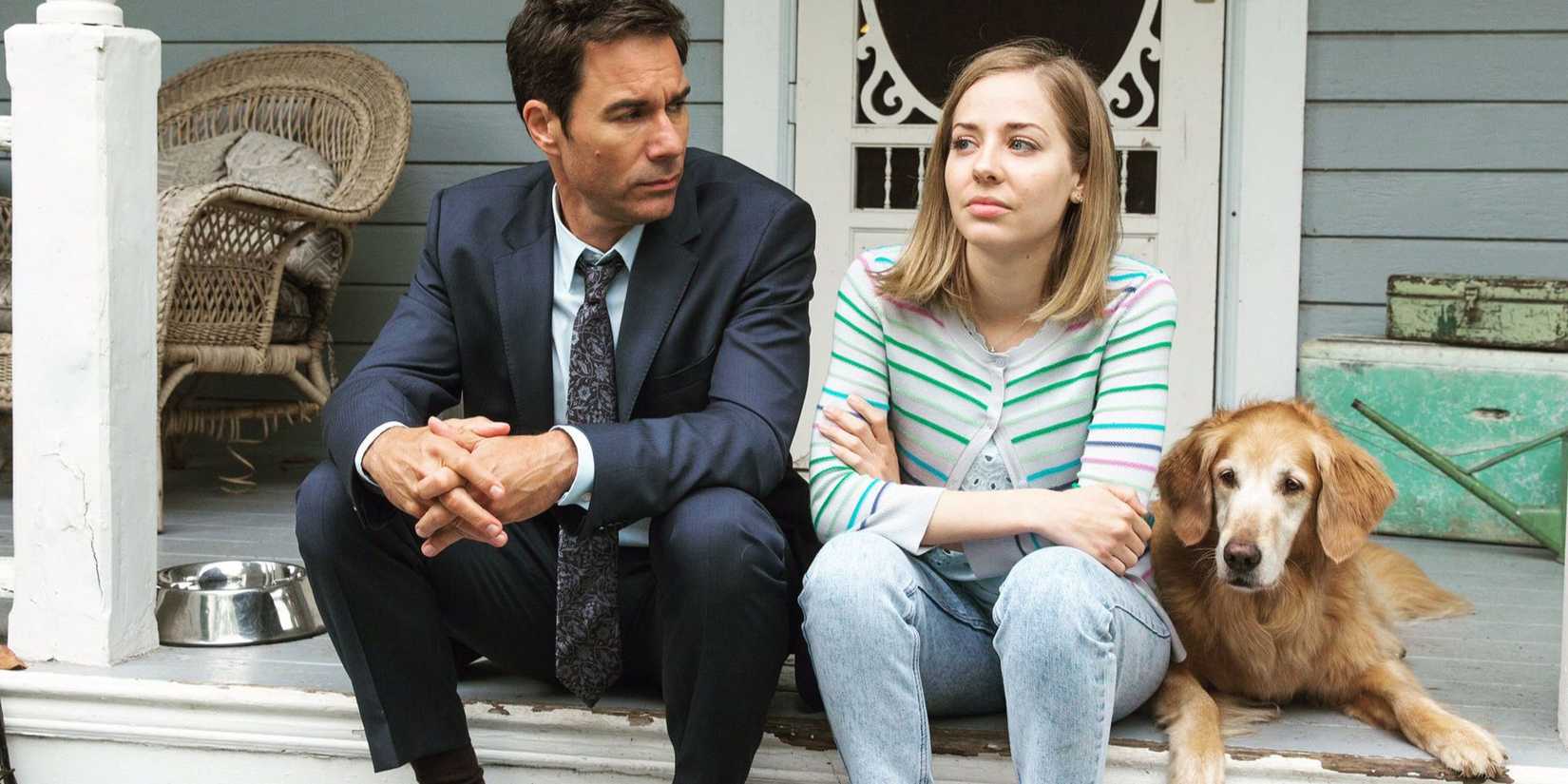
In Travelers, agents from the future send their consciousness back in time into people living in the 21st century. These agents, called travelers, basically overwrite the lives of their hosts who are close to their death. Once inside, they secretly carry out missions designed by a future AI system that was tasked with preventing humanity’s collapse.
Travelers shines because of how it treats its mind-based time travel. There are systems, rules, and consequences that are a core part of the story. Although consciousness can be transmitted back into the past, that doesn’t necessarily mean that it was a free-for-all. The limitations placed on mind-based time travel in the series matter as they avoid the concept of becoming magical as opposed to hard science fiction.
Battlestar Galactica (2004)
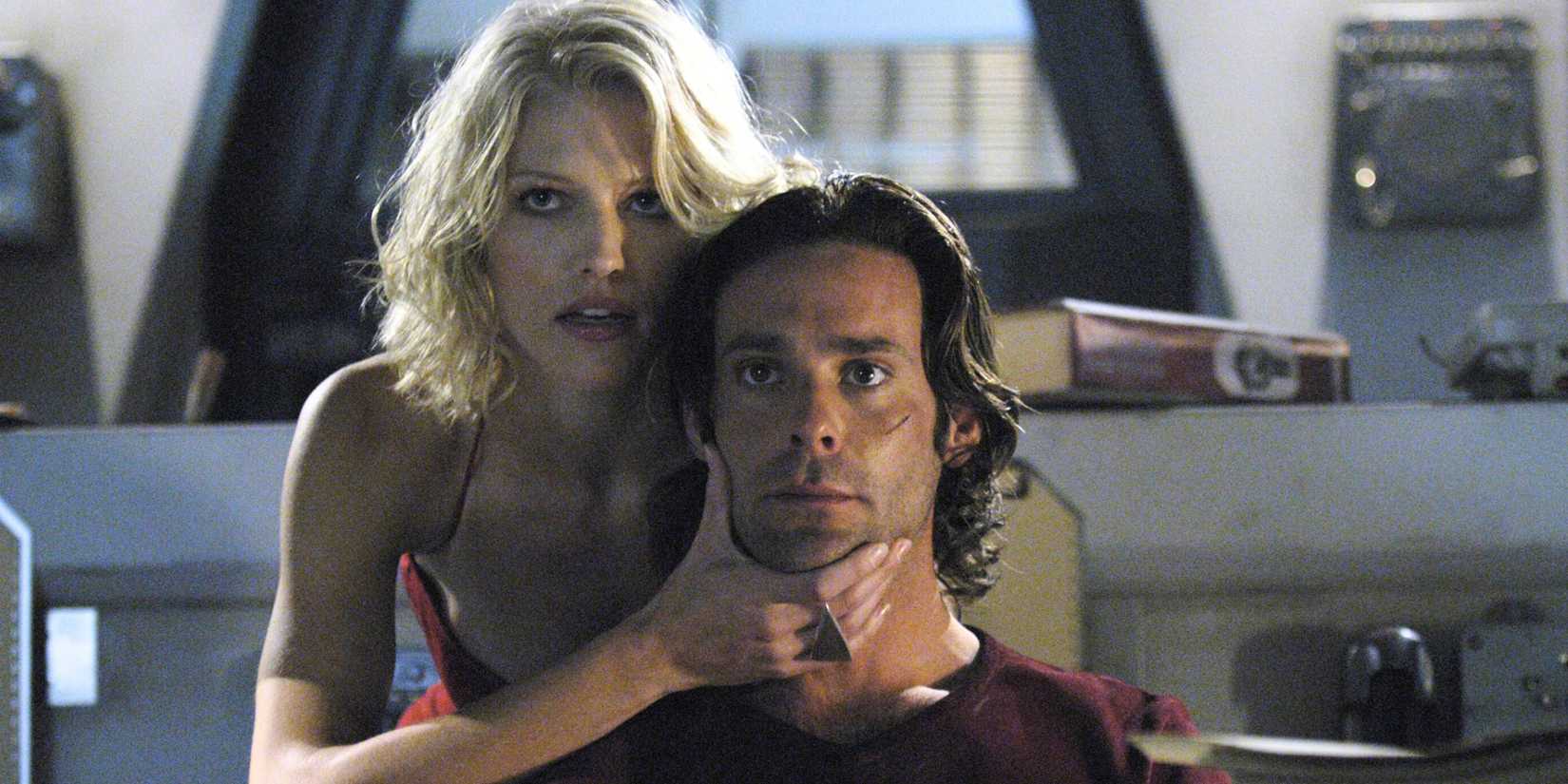
Arguably one of the best science fiction TV shows of the early 2000s, Battlestar Galactica has carved out a name for itself in the genre. In the series, humans living across a group of planets is suddenly devastated by a surprise attack by the Cylons. The strike wipes out most of humanity, with only a few survivors escaping to the aging warship, the Battlestar Galactica.
While some sci-fi TV shows age like milk, Battlestar Galactica is still a top-notch series that paved the way for modern science fiction. The survival aspects of the series feel grounded because nothing is depicted as being easy. The journeys the remaining humans go through aren’t vacations. They face constant threats and have to find ways of surviving.
Devs (2020)
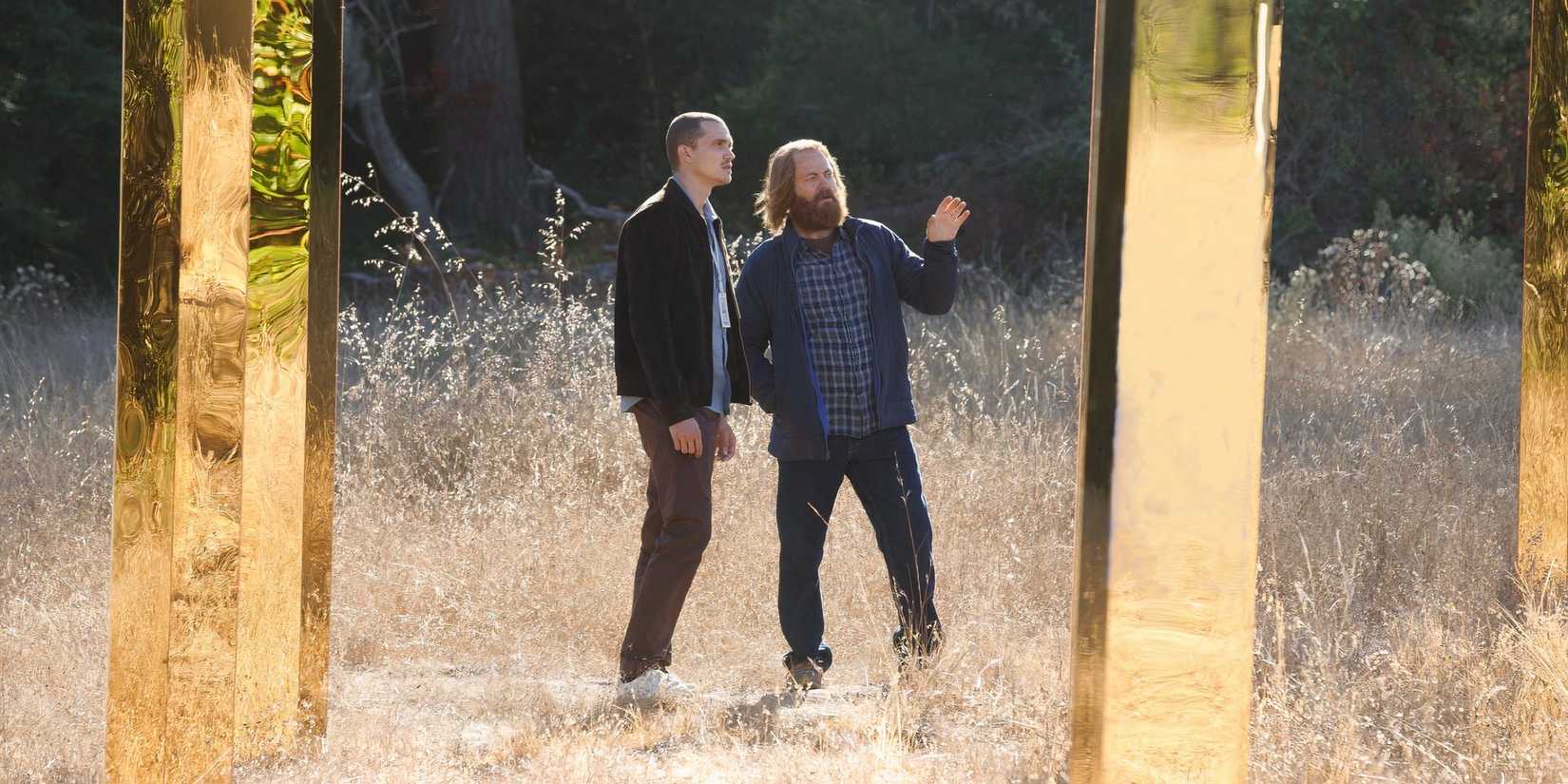
Devs centers around Lily Chan, a software engineer whose boyfriend mysteriously dies after being recruited into the secretive tech company Amaya. As Lily investigates, she discovers that the company’s hidden division, called Devs, is working on a quantum computer capable of reconstructing past and future events by analyzing the full physical state of the universe.
Devs beautifully blends popular philosophical questions with science fiction. The series treats sci-fi as philosophy rather than just advanced technology. The quantum computer isn’t just a plot device but a thought experiment made physical. Instead of focusing on how the technology is engineered, the show zooms in on what it means if such a system works. In turn, that keeps it closer to hard sci-fi tradition, where the priority is logical consequence as opposed to unrealistic use of scientific principles.
The Expanse (2015)
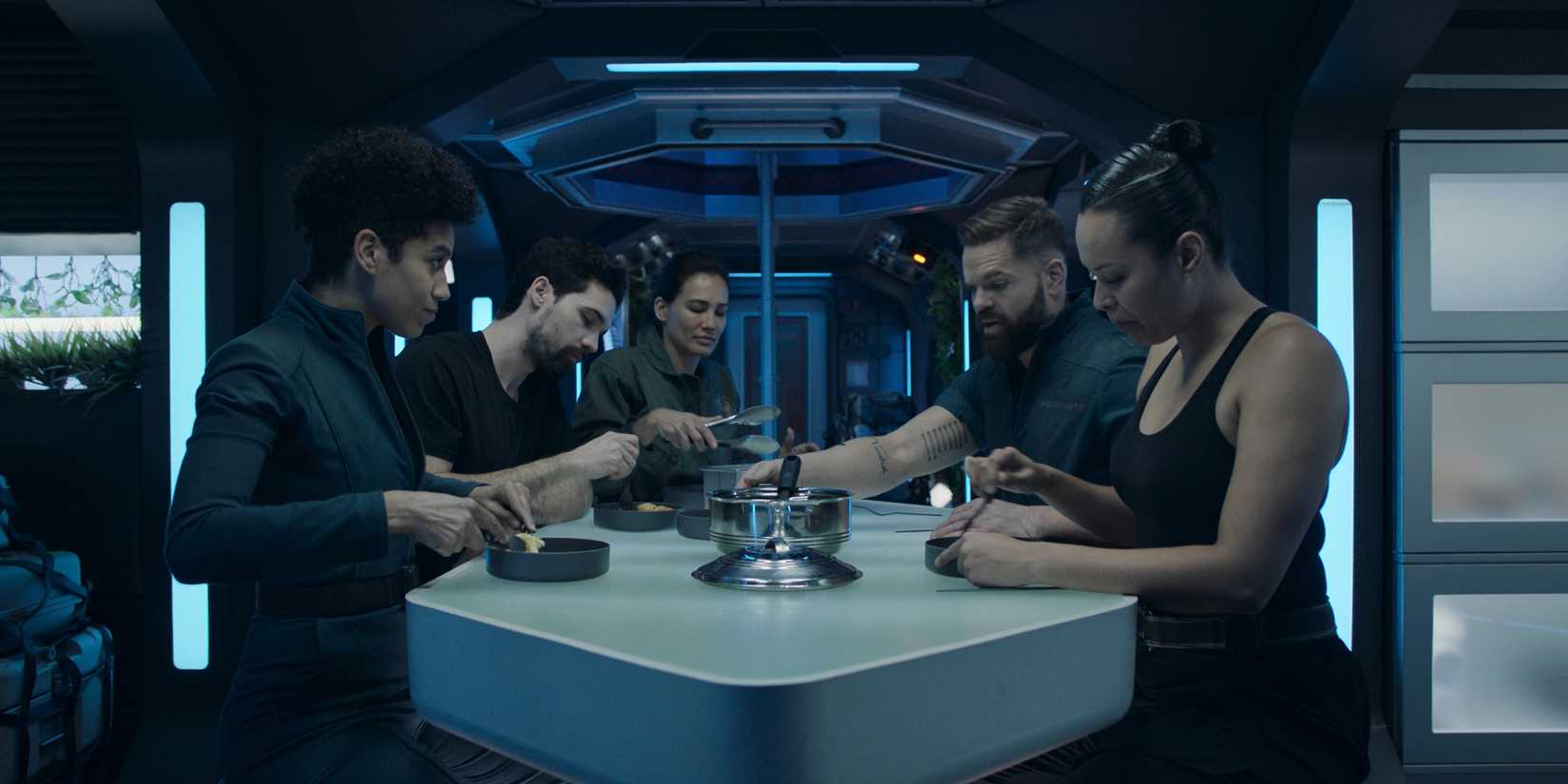
The Expanse is set in a colonized solar system where humanity has expanded across Earth, Mars, and the Asteroid Belt. The humans in the series don’t exactly live in unity. Society is fractured by limited resources, political tension, and the discovery of the powerful protomolecule. The crew of the spaceship, the Rocinante, led by James Holden, becomes the center of the story after they get embroiled in a mystery involving a missing young woman.
|
The Expanse Rotten Tomatoes Score |
|
|
Critics' Score |
Audience Score |
|
95% |
85% |
The Expanse is widely considered one of the best sci-fi TV shows because it tackles the question of what it would be like if humanity lived in space using real physics principles. The factions in The Expanse also contribute to why the sprawling space saga has a realistic feel to it.
For instance, Earth is depicted as being resource-heavy, Mars is militarized, while the Belters are basically exploited workers living in less-than-desirable conditions. Essentially, The Expanse is a series that offers a look at what humanity’s future would be like if physics, politics, and human nature are factored into the equation.








 English (US) ·