
 3 weeks ago
23
3 weeks ago
23

Published Sep 13, 2026, 1:00 PM EDT
Never too square for some absolute bangers
Sign in to your Polygon.com account
The Nintendo GameCube is the last time Nintendo made a priority out of competing with the technical specifications offered by its competition, and it did so while shipping everything in a purple box with a handle. It looked like the sort of thing you might accidentally take with you to school instead of your lunch pail, but it featured some of the best games of its era. People didn’t always play them at the time, but there’s no reason (besides the cost involved) that they can’t rectify that situation now. Here are 10 near-perfect GameCube games nobody played that deserve a second look today.
1 Billy Hatcher and the Giant Egg
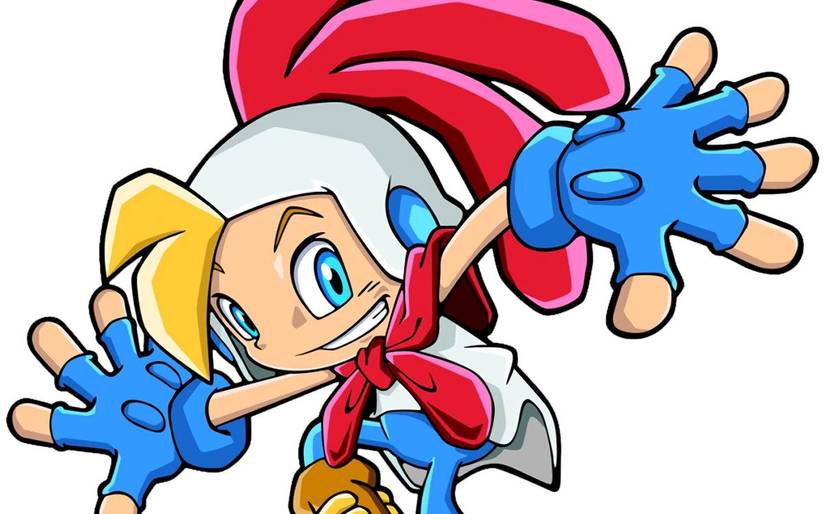 Image: Sonic Team/Sega
Publisher: Sega
Release date: Sep. 23, 2003
Billy Hatcher and the Giant Egg was included on the Nintendo GameCube Preview Disc that Nintendo made available during the 2003 holiday season, but that exposure didn’t lead to critical success for Sega. Developed by Sonic Team, the game had unique mechanics that felt like they might have fit naturally in a Sonic Adventure title. Players moved giant eggs around while completing missions and avoiding hazards throughout puzzling stages. Mainstream success may have eluded it, but the game is a fun time when you approach it with the right mindset.
2 Gotcha Force
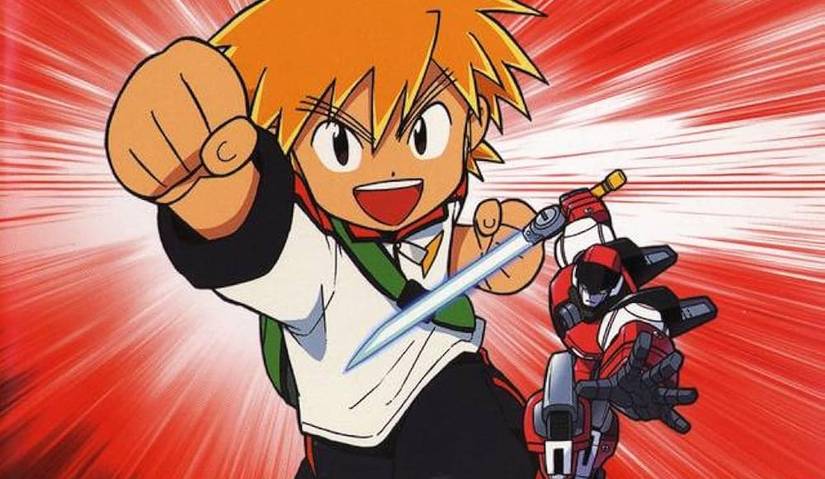 Image: Capcom
Publisher: Capcom
Release date: Nov. 27, 2003
Capcom enjoyed tremendous success and published numerous hits on the GameCube, but Gotcha Force managed to slip under the radar despite offering compelling 3D shooting action. Players went through its lengthy campaign multiple times to unlock a massive fighting force of well-armed toys, which they pitted against squads controlled by up to three other players. The arcade stylings aren’t for everyone, and the camera could have done with some additional refinement. But for players in the mood for something competitive along the lines of Power Stone, there’s a lot to like.
3 Lost Kingdoms
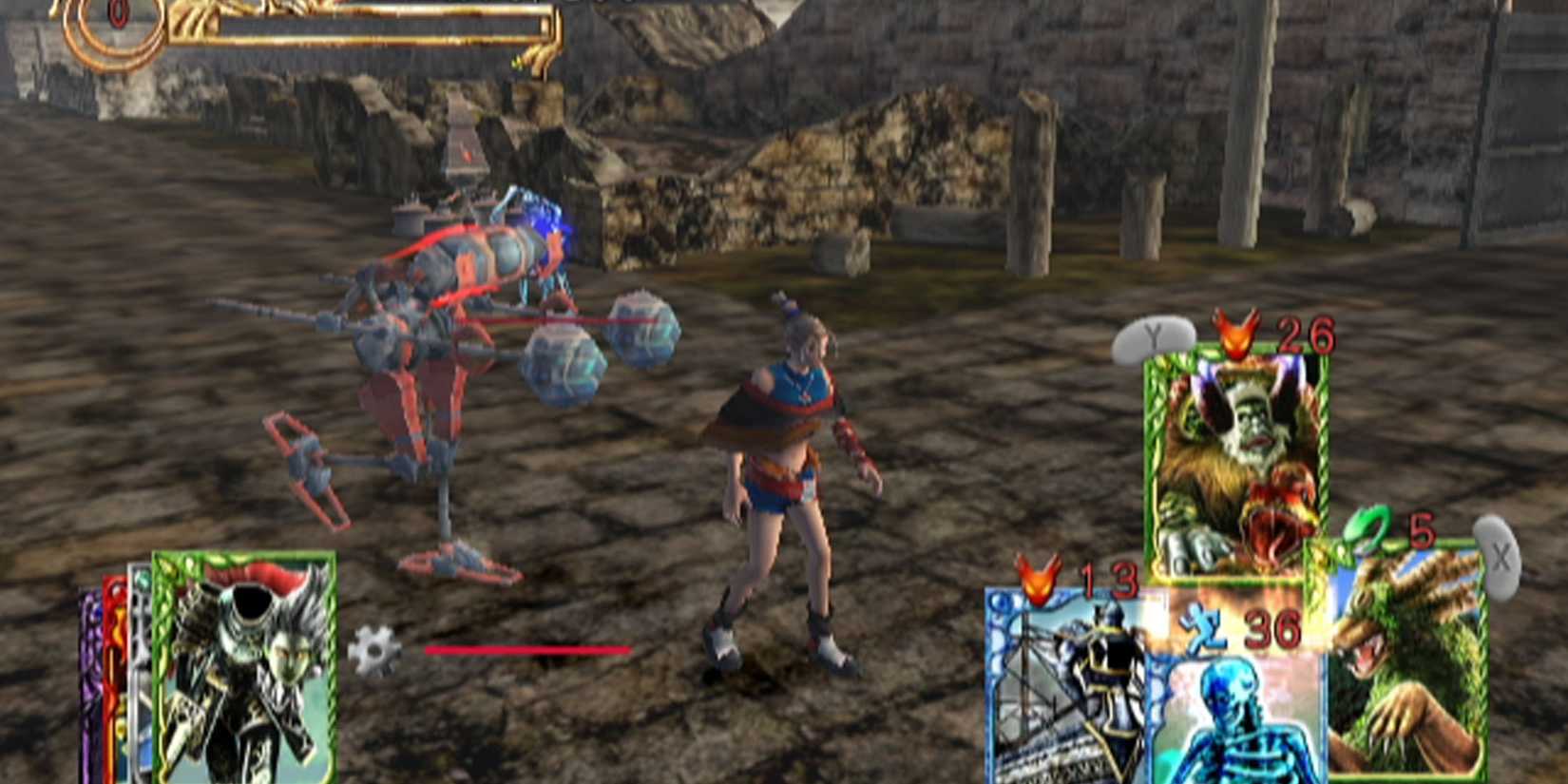 Image: FromSoftware/Activision
Publisher: Activision
Release date: Apr. 25, 2002
Before it became known for Dark Souls and the like, From Software developed a number of interesting projects across various genres. One of them, Lost Kingdoms, launched in Japan as Rune. It featured a determined protagonist named Katia who worked her way through a fantasy kingdom covered in fog. Along the way, she battled monsters with skills from her magical deck of cards. The visuals were very good for the time, and the real-time battles with cards as the primary weapon encouraged new approaches compared to more traditional titles. Card modification was another compelling aspect of the game. It did well enough to inspire a 2003 sequel, but after that the series didn’t go anywhere.
 Free sign-up
Get Polygon’s Wishlister newsletter
A weekly cheat sheet to what you’ll eventually love to play. No buying, no commitment — just saving for later.
Sign up freeFree. Unsubscribe anytime.
4 Chibi-Robo!
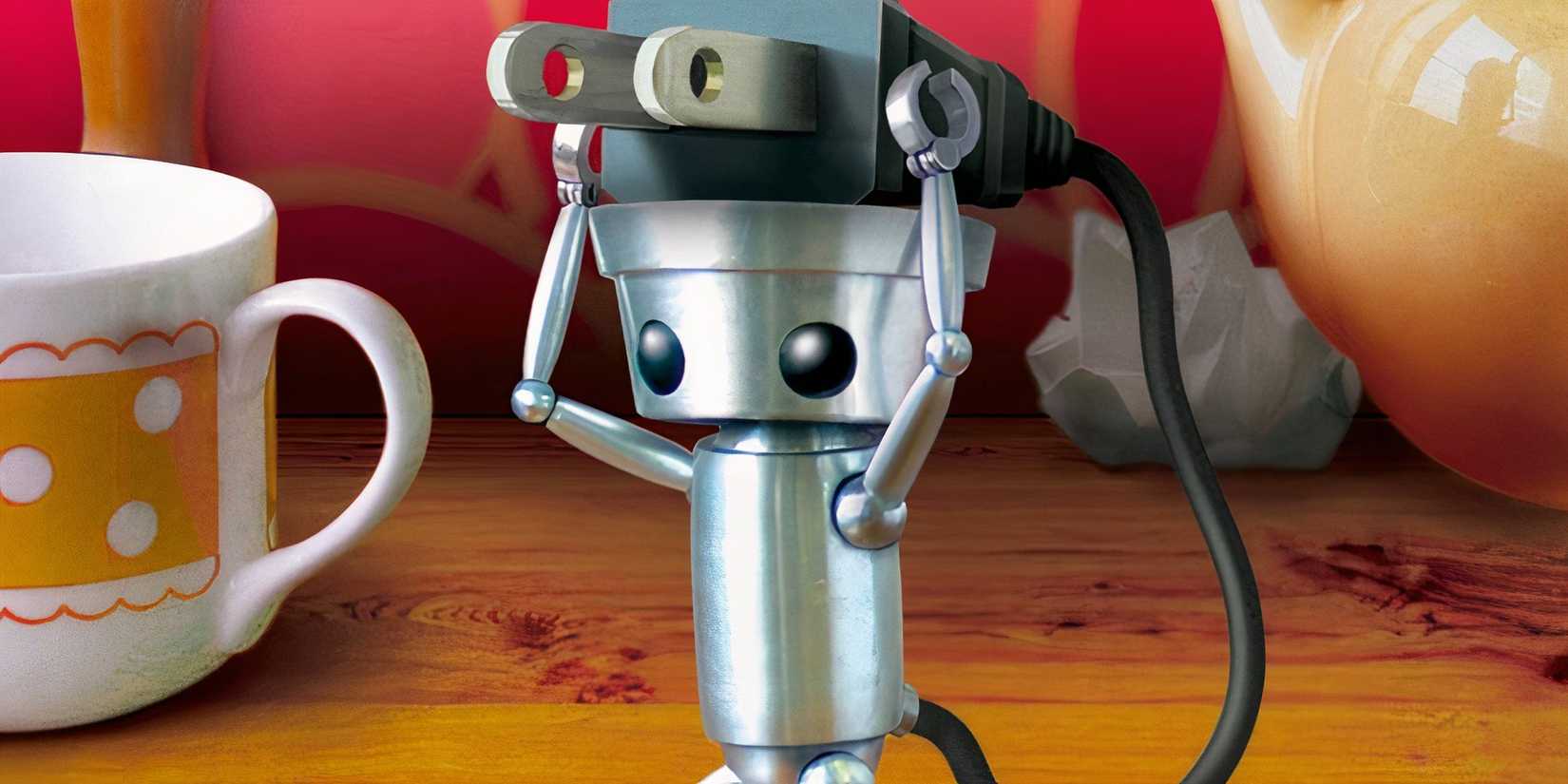 Image: Nintendo
Publisher: Nintendo
Release date: June 23, 2005
Skip Ltd. was a small developer best known for partnering with Nintendo. Its biggest success came with Chibi-Robo!, an adventure game released on the GameCube in Japan in 2005 before heading to North America and Europe in 2006. Players controlled tiny robots as they spread happiness around various environments and gathered “happy points.” The series performed unevenly after its first installment and concluded with the underwhelming Chibi-Robo!: Zip Lash in 2015, but the GameCube original is still worth a look if you’re interested in exploring a cheery little something that lies off the beaten path. It’s also available through Nintendo Switch Online, which is convenient if you want to try it out on your Switch 2.
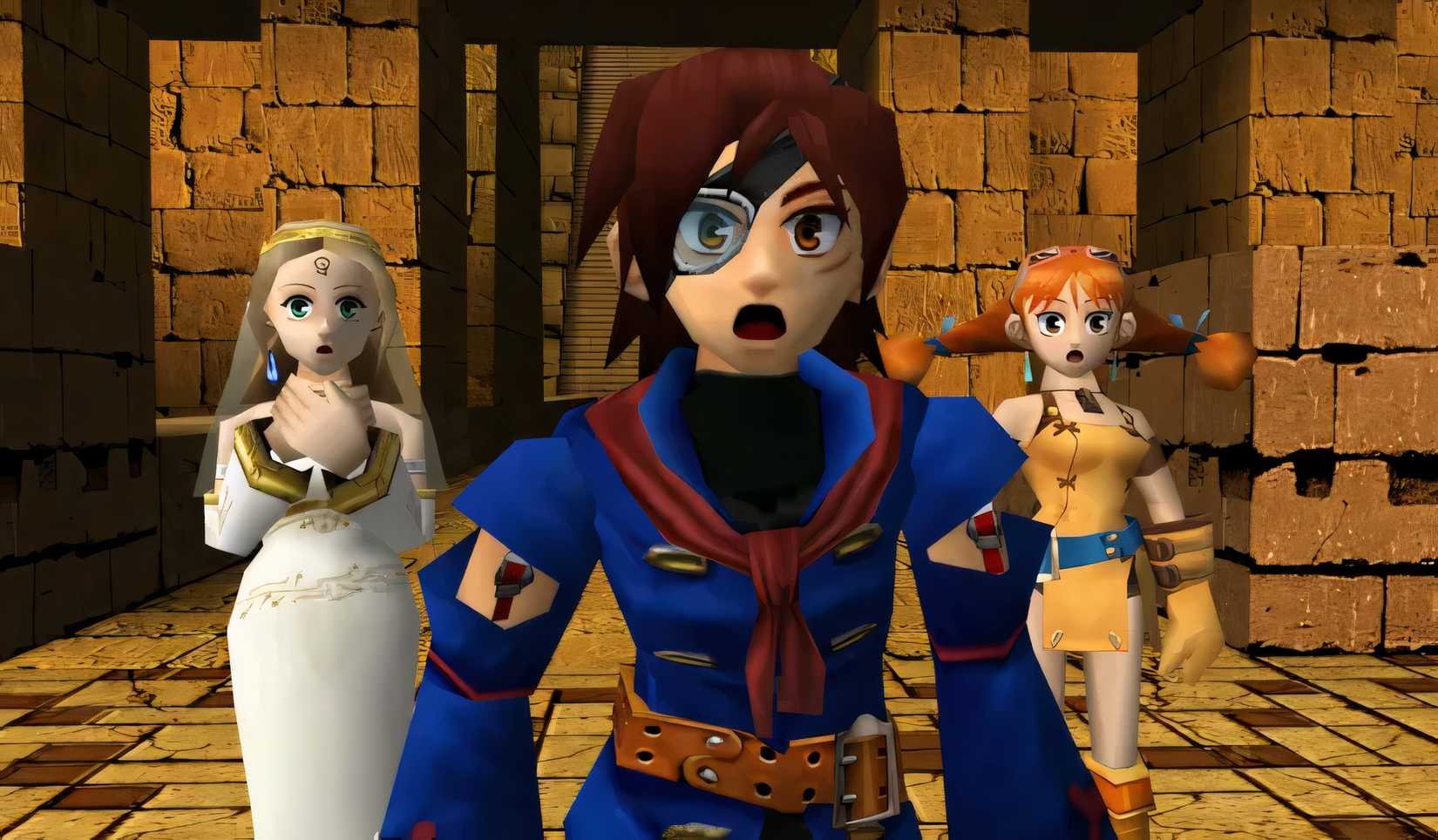 Image: Sega
Publisher: Sega
Release date: Dec. 26, 2002
Skies of Arcadia is one of the best RPGs ever released that very few people, outside of devoted fans, seem to know about. It arrived first on the Dreamcast, then came to GameCube with superior content (such as more detailed character models, reduced loading times, and additional side quests) as Skies of Arcadia Legends. At the time, the game’s beautiful worlds in the sky, combined with battles waged between airships and compelling turn-based combat, provided an experience both classic and wondrous. Newer players would likely enjoy getting to know Vyse and his chipper pirate crew on their journey through fantastic worlds, but so far, it hasn’t been made available on more recent hardware.
6 Custom Robo
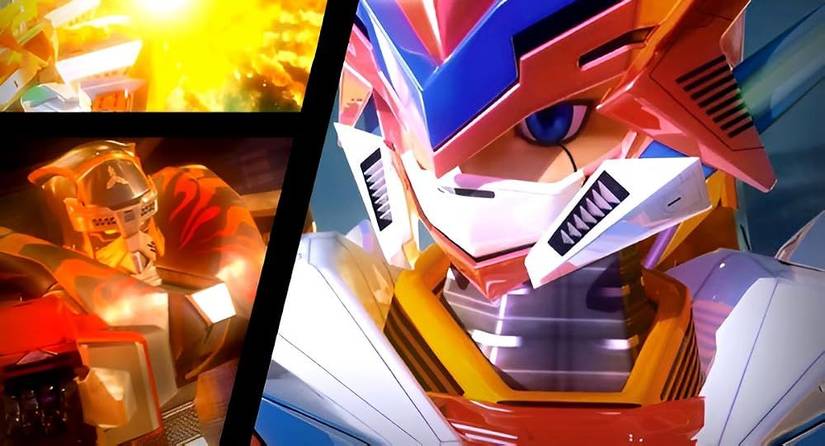 Image: Noise Inc./Nintendo
Publisher: Nintendo
Release date: Mar. 4, 2004
Custom Robo is a short-lived franchise developed by Noise Inc. and published by Nintendo. Only the GameCube and DS installments ever reached North America, and neither of those two games found a wide enough audience to keep the series going. However, Custom Robo on the GameCube is a genuine delight. Players control miniature war machines in virtual arenas, using custom parts and weapons ranging from bombs to homing pods. Battles take place from third-person or first-person viewpoints. Winning allows the player to proceed through a story mode known as “A New Journey,” which rewards the player with new options upon completion. It’s a satisfying experience, and there isn’t anything else much like it available on the system.
7 Odama
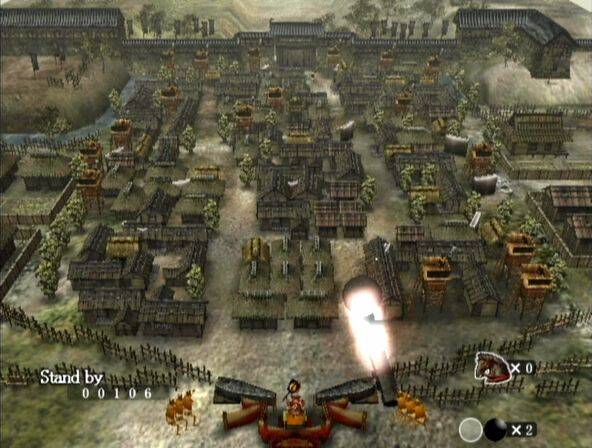 Image: Vivarium/Nintendo
Publisher: Nintendo
Release date: Mar. 31, 2006
If you ever played pinball and thought that it would be so much cooler if you could knock it around a battlefield you controlled with your voice, Odama is your game. The unique experience it offered was made possible by the special microphone peripheral. One came packaged in the box, in case consumers didn’t already have one from purchasing some other title, like one of the later Mario Party games. Players used the device to shout orders to their forces. Meanwhile, they relied on the standard controller to activate giant flippers and interact with the mythical Odama, an enormous ball that brought vengeance upon their feudal enemies. Yoot Saito, best known for Seaman, served as the game’s producer.
8 Baten Kaitos: Eternal Wings and the Lost Ocean
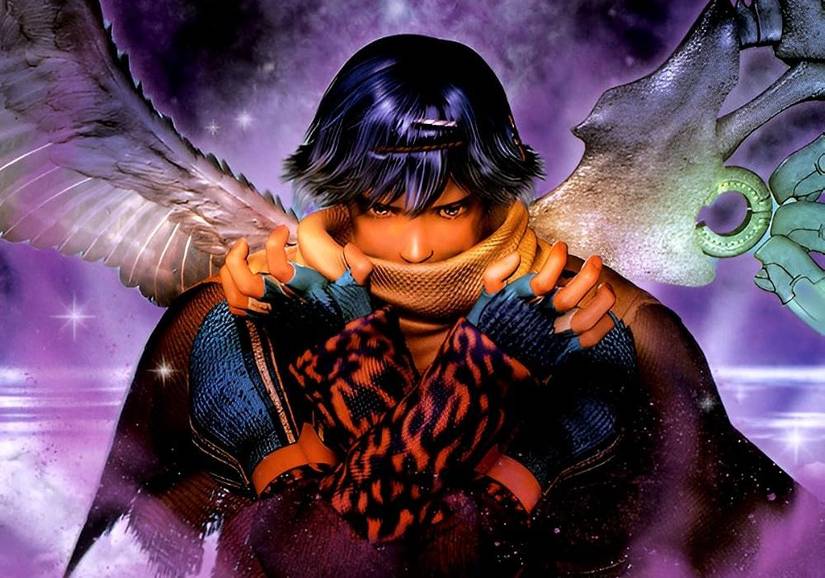 Image: Monolith Soft/tri-Crescendo/Namco
Publisher: Namco
Release date: Nov. 16, 2004
When people think of Namco and its RPGs, they usually remember the Tales series, or sometimes the Xenosaga games. But the studio published another short-lived series, which was co-developed by studios Monolith Soft and tri-Crescendo. It began with Baten Kaitos: Eternal Wings and the Lost Ocean, which combined an epic RPG story and beautiful visuals with complex turn-based battles that incorporated collectible cards. For genre fans, the game was one of the meatiest and prettiest options on the platform. Happily, you can easily play both it and its prequel, Baten Kaitos Origins, today. They were updated and released in 2023 as Baten Kaitos 1 & 2 HD Remaster on Nintendo Switch, and on Windows PC in 2024.
9 Geist
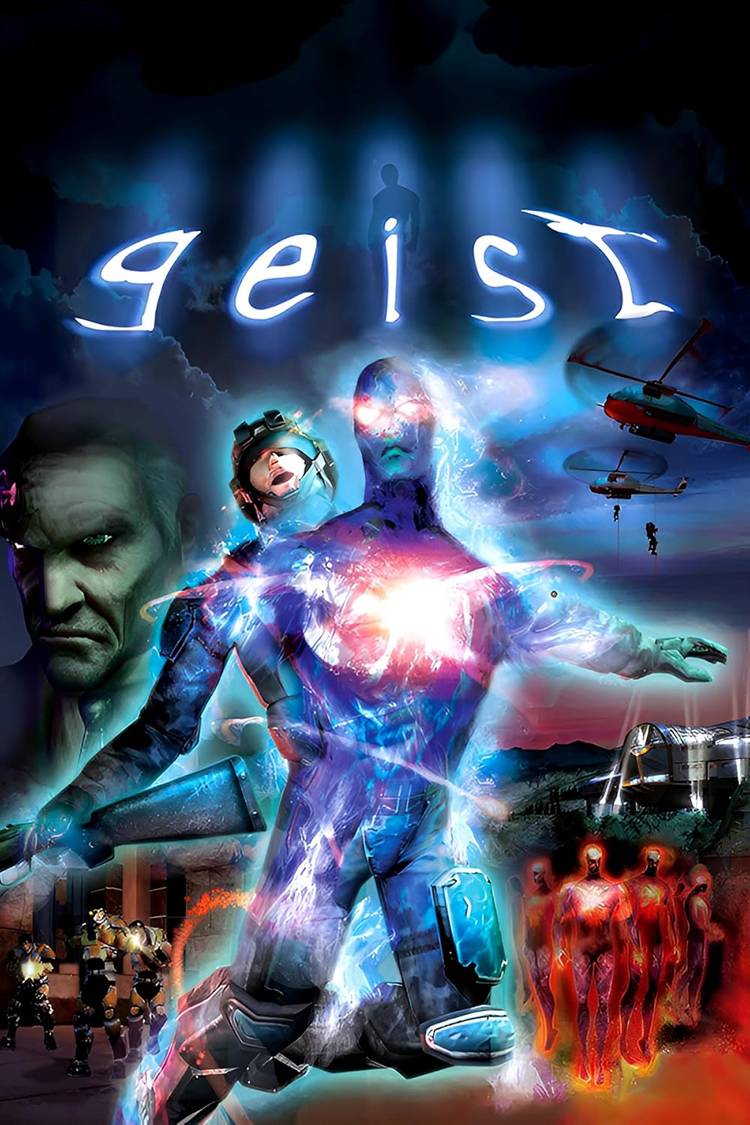 Image: n-Space/Nintendo
Publisher: Nintendo
Release date: Aug. 15, 2005
Nintendo is known for catering to audiences of all ages, with emphasis on family-friendly fare. That’s especially true in North America, where it censored religious references and violence out of much of its lineup. But during the GameCube era, it colored outside the lines a bit, both with Eternal Darkness: Sanity’s Requiem and with Geist. The latter title, developed by n-Space, introduced John Raimi, a scientist embedded with a counter-terrorism team who takes on a spectral identity following a disastrous encounter in France. The M-rated game features creative gameplay and allows players to “possess” inanimate objects. In turn, they use those objects to terrify living targets and take over their bodies, which allows them to complete various objectives and advance through the dramatic plot. Inventive local multiplayer modes are also available, ensuring that players who enjoy the concepts can have lasting fun experiencing it with likeminded friends.
10 Cubivore: Survival of the Fittest
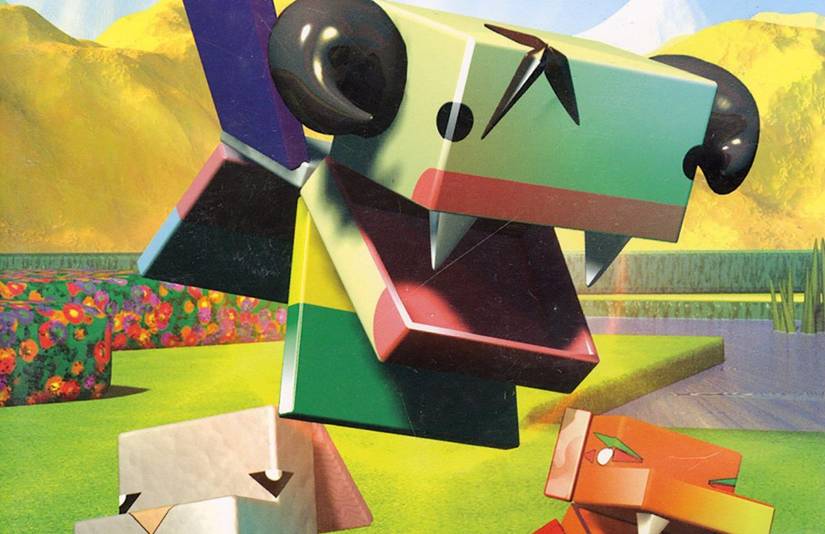 Image: Saru Brunei/Atlus
Publisher: Atlus
Release date: Feb. 21, 2002
At one point, Nintendo was going to publish Cubivore: Survival of the Fittest in North America, as it had in Japan. The publisher eventually changed its mind, and Atlus stepped in to save the day. That’s good news, because it meant more players got to enjoy the game in English, but it also translated to a small print run that ensured the game is today one of the most expensive titles to acquire second-hand. In the days before Persona became so successful, the publisher wasn’t exactly known for large print runs. Cubivore has attracted a lot of interest over time, too, thanks to its unique design. Players control a cube-shaped critter that consumes other monsters to develop useful mutations that ensure its continued survival. Eating everything might sound like the way to go, but smart players will advance by making careful decisions about how they evolve their monster, adding some compelling strategic elements to the mix. There’s also a “mating” mechanic that might lead to new offspring with desirable capabilities. If you’re looking for something truly unique to play and you don’t mind dated visuals (apparently, the game started as a Nintendo 64DD title), Cubivore is a natural selection.





 English (US) ·