
 Image via Universal Pictures
Published Jun 27, 2026, 5:15 PM EDT
Diego Pineda has been a devout storyteller his whole life. He has self-published a fantasy novel and a book of short stories, and is actively working on publishing his second novel.
A lifelong fan of watching movies and talking about them endlessly, he writes reviews and analyses on his Instagram page dedicated to cinema, and occasionally on his blog. His favorite filmmakers are Andrei Tarkovsky and Charlie Chaplin. He loves modern Mexican cinema and thinks it's tragically underappreciated.
Other interests of Diego's include reading, gaming, roller coasters, writing reviews on his Letterboxd account (username: DPP_reviews), and going down rabbit holes of whatever topic he's interested in at any given point.
Sign in to your Collider account
Whether based on fact or fiction, one of the most special things a period film can do is tell its story with historical accuracy. It's always expected that a film will take some liberties to dramatize its narrative, but when done right, a period piece will know how to tell an engaging story while still staying mostly faithful to historical events, the historical context of its setting, and the timeline of its story.
Regardless of how they went about achieving historical accuracy, there have been 10 particularly noteworthy cinematic masterpieces throughout history which received the most praise from critics specifically for their truthfulness to history. Though historical accuracy is not necessary in order for a period piece to be great, it certainly goes a long way in making it legendary.
10 'Saving Private Ryan' (1998)
 Image via DreamWorks Pictures
Steven Spielberg is well-known as the father and king of Hollywood blockbusters, and it just so happens that one of his best is also one of the most perfect war epics in film history. It is, of course, Saving Private Ryan. Even though its story about a group of soldiers on a mission to locate a missing Private and bring him home safely is fictional, it was inspired by the true story of the Niland brothers from New York.
Of course, anyone even slightly familiar with the war genre and historical accuracy in the movies should be perfectly familiar with the film's universally-hailed opening sequence, a harrowingly realistic depiction of the D-Day landings in Normandy. That's not the only thing that Saving Private Ryan has going for it, though, since critics also praised its visceral realism in how it depicts WWII combat, military tactics, and the like.
9 'Lincoln' (2012)
 Image via DreamWorks Pictures
There are plenty of great movies based on American history, but leave it to the legendary Steven Spielberg to make one of the best ever: Lincoln, covering the final four months of the life of the 16th President of the United States of America. Daniel Day-Lewis' towering Oscar-winning performance alone is worth the price of admission, but by no means is it the only factor that makes Lincoln such a historically accurate biopic.
Historians have identified certain embellishments and oversimplifications in Tony Kushner's script, but that's the sort of thing you can expect from a biopic as ambitious as this one. For the most part, Lincoln's recreation of the 19th century is impressive beyond description, and it depicts Lincoln's demeanor and the politics of the era with the utmost authenticity.
8 '12 Years a Slave' (2013)
Winner of three Academy Awards (including Best Picture), Steve McQueen's 12 Years a Slave is one of the best Oscar-winning biopics ever made. It tells the story of Solomon Northup, a free Black man from upstate New York who was kidnapped and sold into slavery in the South in the years leading up to the American Civil War. The film was based on Northup's own memoir of the same title.
McQueen has never been a director to approach sensitive subjects with any sort of sensationalism, and the subject of slavery in the Antebellum South is no exception. Both the director and screenwriter John Ridley stick close both to Northup's memoir and to the visuals, economics, and social nuances of its historical setting. As a result, many historians and critics praised 12 Years a Slave for being one of the most historically informed cinematic portrayals of American slavery ever made.
Collider Exclusive · Oscar Best Picture Quiz
Which Oscar Best Picture
Is Your Perfect Movie?
Parasite · Everything Everywhere · Oppenheimer · Birdman · No Country
Five Oscar Best Picture winners. Five completely different visions of what cinema can be — and what it can do to you. One of them is the film that was made for the way your mind works. Ten questions will figure out which one.
🪜Parasite
🌀Everything Everywhere
☢️Oppenheimer
🐦Birdman
🪙No Country for Old Men
FIND YOUR FILM →
01
What kind of film experience do you actually want? The best movies don't just entertain — they leave something behind.
ASomething that pulls the rug out — that makes me think I'm watching one kind of film and then reveals I'm watching another entirely. BSomething overwhelming — funny, sad, absurd, and genuinely moving, all at once. CSomething grand and weighty — a film that makes me feel the full scale of what I'm watching. DSomething formally daring — a film that pushes what cinema can even do. ESomething lean and relentless — pure tension with no wasted frame.
NEXT QUESTION →
02
Which idea grabs you most in a film? Great films are driven by a central obsession. What's yours?
AClass, inequality, and what people are willing to do when desperation meets opportunity. BIdentity, family, and the chaos of trying to hold your life together when everything is falling apart. CGenius, moral responsibility, and the catastrophic weight of a decision you can never take back. DEgo, legacy, and the terror of becoming irrelevant while you're still alive to watch it happen. EEvil, chance, and whether moral order actually exists or if we just tell ourselves it does.
NEXT QUESTION →
03
How do you like your story told? Form is content. The way a story is shaped changes what it means.
AGenre-twisting — I want it to start in one lane and migrate into something completely different. BMaximalist and genre-blending — comedy, action, drama, sci-fi, all in one ride. CEpic and non-linear — cutting between timelines, building a mosaic of cause and consequence. DA single unbroken flow — I want to feel like I'm living it in real time, no cuts to safety. ESpare and precise — every scene doing exactly what it needs to do and nothing more.
NEXT QUESTION →
04
What makes a truly great antagonist? The opposition defines the protagonist. What kind of opposition fascinates you?
AA system — invisible, structural, and almost impossible to fight because it has no single face. BThe self — the ways we sabotage, abandon, and fail the people we love most. CHistory — the unstoppable momentum of events that no single person can stop or redirect. DThe industry — the machinery of culture that chews up talent and spits out irrelevance. EPure, implacable evil — a force so certain of itself it becomes almost philosophical.
NEXT QUESTION →
05
What do you want from a film's ending? The final note is the one that lingers. What do you want it to sound like?
AShock and inevitability — a conclusion that recontextualises everything that came before it. BEarned emotion — I want to cry, laugh, and feel genuinely hopeful, even if the world is a mess. CDevastation and grandeur — an ending that makes me sit in silence for a few minutes after. DAmbiguity — something that leaves enough open that I'm still thinking about it days later. EBleakness — an honest refusal to pretend the world is tidier than it actually is.
NEXT QUESTION →
06
Which setting pulls you in most? Where a film takes place shapes everything — mood, stakes, what's even possible.
AA gleaming modern city with a hidden underside — beauty masking rot, wealth masking desperation. BA collapsing suburban life that opens onto something infinite — the multiverse of a single ordinary person. CThe corridors of power and science at a world-historical turning point — where decisions echo for decades. DThe grimy, alive chaos of New York and Hollywood — fame as both destination and trap. EVast, indifferent landscape — desert and highway where violence arrives without warning or reason.
NEXT QUESTION →
07
What cinematic craft impresses you most? Every great film has a signature — a technical or artistic element that makes it unmistakable.
AProduction design and mise-en-scène — every frame composed to carry meaning beneath the surface. BEditing and tonal control — the ability to move between registers without losing the audience. CScore and sound design — music that becomes inseparable from the dread and awe of what you're watching. DCinematography as performance — the camera not recording events but participating in them. ESilence and restraint — what's left unsaid and unshown doing more work than any dialogue could.
NEXT QUESTION →
08
What kind of main character do you root for? The protagonist is the lens. Who you choose to follow says something about you.
ASomeone smart and resourceful who makes increasingly dangerous decisions under pressure. BSomeone overwhelmed and ordinary who turns out to be capable of something extraordinary. CA brilliant, tortured figure whose gifts and flaws are inseparable from each other. DA self-destructive artist whose ego is both their superpower and their undoing. EA quiet, principled person trying to make sense of a world that has stopped making sense.
NEXT QUESTION →
09
How do you feel about a film that takes its time? Pace is a choice. Some films sprint; others let tension accumulate slowly, deliberately.
AI love a slow build when I know the payoff is going to be seismic — patience for a devastating reveal. BGive me relentless momentum — I want to feel breathless and emotionally spent by the end. CEpic runtime doesn't scare me — if the material demands three hours, give me three hours. DI want it to feel propulsive even when nothing is technically happening — restless energy throughout. EDeliberate and unhurried — I want dread to accumulate in the spaces between the action.
NEXT QUESTION →
10
What do you want to feel walking out of the cinema? The best films leave a mark. What kind of mark do you want?
AUnsettled — like I've just seen something I can't fully explain but can't stop thinking about. BMoved and energised — like the film reminded me what actually matters and gave me something to hold onto. CHumbled — like I've been in the presence of something genuinely important and overwhelming. DExhilarated — like I've just seen cinema doing something it's never quite done before. EHaunted — like a cold, quiet dread that stays with me for days.
REVEAL MY FILM →
The Academy Has Decided Your Perfect Film Is…
Your answers have pointed to one Oscar Best Picture winner above all others. This is the film that was made for the way your mind works.
Parasite
You are drawn to films that operate on multiple levels simultaneously — that begin in one genre and quietly, brilliantly migrate into another. Bong Joon-ho's Parasite is a film about class, desire, and the architecture of inequality that manages to be darkly funny, deeply suspenseful, and genuinely shocking across a single extraordinary running time. Your instinct is for cinema that hides its true intentions until the moment it's ready to reveal them. Parasite is exactly that — a film that rewards close attention and punishes assumptions, right up to its devastating final image.
Everything Everywhere All at Once
You want it all — and this film gives you all of it. The Daniels' Everything Everywhere All at Once is one of the most maximalist films ever made: action comedy, multiverse sci-fi, family drama, existential crisis, and a genuinely earned emotional core that sneaks up on you amid the chaos. You are someone who responds to ambition, who doesn't want cinema to choose between being entertaining and being meaningful. This film refuses that choice entirely. It is overwhelming by design, and its overwhelming nature is precisely the point — because the feeling of being crushed by infinite possibility is exactly what it's about.
Oppenheimer
You are drawn to cinema on a grand scale — films that understand history not as a backdrop but as a force, and that place their characters inside that force and watch what happens. Christopher Nolan's Oppenheimer is a film about the terrifying gap between what we can do and what we should do, told with the full weight of one of the most consequential moments in human history behind it. You want your films to feel important without feeling self-important — to earn their ambition through sheer craft and the gravity of their subject. Oppenheimer does exactly that. It is enormous, complicated, and refuses easy comfort.
Birdman
You are drawn to films that foreground their own construction — that make the how of the filmmaking part of the what it's about. Alejandro González Iñárritu's Birdman, shot to appear as a single continuous take, is cinema examining itself through the cracked mirror of a fading actor's ego. You respond to formal daring, to the feeling that a film is doing something that probably shouldn't be possible. Michael Keaton's performance and Emmanuel Lubezki's restless camera create something genuinely unlike anything else — a film that is simultaneously about creativity, relevance, self-destruction, and the impossibility of ever truly knowing if your work means anything at all.
No Country for Old Men
You are drawn to cinema that trusts silence, that refuses to explain itself, and that treats dread as a form of meaning. The Coen Brothers' No Country for Old Men is a film about the arrival of a new kind of evil — implacable, arbitrary, and utterly indifferent to the moral frameworks we use to make sense of the world. It is one of the most formally controlled films ever made, and its controlled restraint is what makes it so terrifying. You want your films to haunt you, not comfort you. You are not interested in resolution if resolution would be dishonest. No Country for Old Men is honest in a way that most cinema never dares to be.
↻ RETAKE THE QUIZ
7 'All the President's Men' (1976)
 Image via Warner Bros. Pictures
Based on the 1974 non-fiction book of the same name by Carl Bernstein and Bob Woodward, Alan J. Pakula's All the President's Men follows the story of the two journalists' investigation of the Watergate scandal that brought down the presidency of Richard Nixon. It's one of those movie masterpieces that are even more relevant today than they were back when they originally released.
It's often easy for journalistic films of this nature to be tempted to exaggerate and sensationalize their stories to make them seem more explosive, but All the President's Men's subject matter was already so engrossing by itself that Pakula wisely decided to stick as closely as possible to the facts. The movie portrays the day-to-day realities of investigative journalism with an exhaustive level of attention to detail that this genre rarely sees.
6 'Tora! Tora! Tora!' (1970)
 Image via 20th Century Studios
Tora! Tora! Tora! is no Pearl Harbor. Whereas Michael Bay's war epic is widely criticized for its lack of historical accuracy, critics loved the two-and-a-half-hour epic Tora! Tora! Tora! for its faithfully realistic portrayal of the events leading up to the attacks on Pearl Harbor in 1941. That's why it's still one of the best World War II epics ever made, even if it doesn't often receive nearly as much love as it deserves nowadays.
Despite being nominated for five Academy Awards, the film actually polarized American critics upon release; but there was one element that they praised pretty much all across the board, and that was the movie's historical accuracy. Widely regarded as one of the most factual and balanced portrayals of the Pearl Harbor attack in film history, this American-Japanese co-production was praised for its objectivity, attention to detail, and well-researched script.
5 'United 93' (2006)
 Image via Universal Pictures
Paul Greengrass is a filmmaker widely praised for his commitment to authenticity and realism, and that signature style lent itself flawlessly to United 93. It's an account of the events that transpired on one of the planes hijacked on the 9/11 attacks, on which passengers foiled the terrorist plot. It's one of the most perfect movies that take place in real time, and perhaps even one of the best docudramas of the 2000s.
The movie actually begins with a disclaimer that though it recounts the events of its story with as much veracity as possible, it does take some creative license. That doesn't make the film's meticulous faithfulness to all available historical evidence any less impressive—if anything, it speaks volumes about Greengrass' commitment to avoiding any sort of Hollywoodesque sensationalism.
4 'Master and Commander: The Far Side of the World' (2003)
 Image via 20th Century Studios
There are plenty of great films set during the Napoleonic Wars, but none better or more iconic than Master and Commander: The Far Side of the World. It's one of the most exciting war movies ever made, an adventure epic about a brash British captain pushing his ship's crew to their limits in pursuit of a formidable French war vessel around South America.
Celebrated by critics, historians, and maritime enthusiasts alike as one of the most authentic and realistic depictions of life in the early 19th-century Royal Navy, Master and Commander has both period-accurate production values and historically-accurate depictions of naval warfare. It definitely also helps that it's such an immersive, wonderfully character-driven story whose entertainment value is off the charts.
3 'Downfall' (2004)
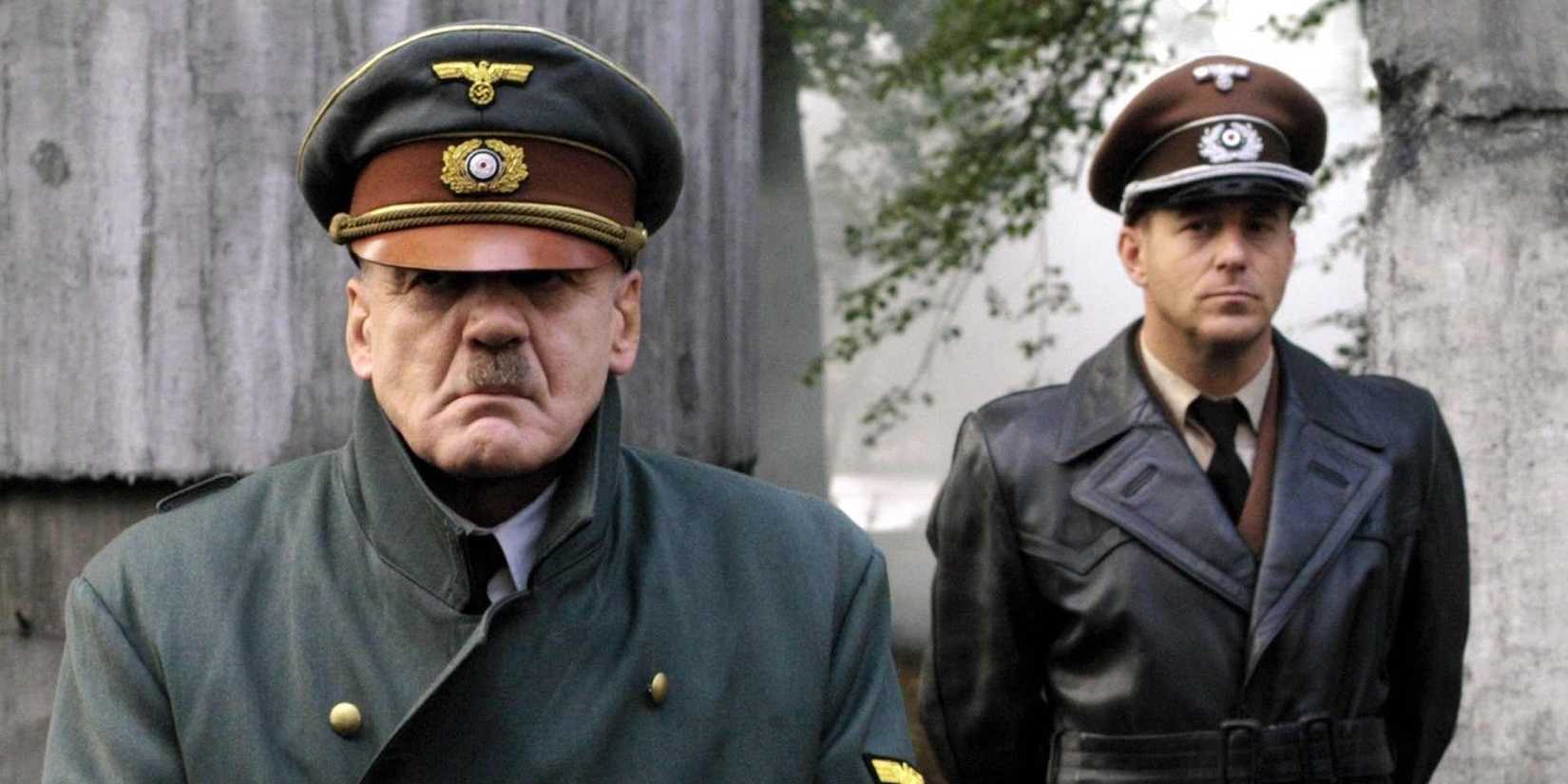 Image via Constantin Film
Making a film about Adolf Hitler's final days during the Battle of Berlin sounds like such an ambitious task that the vast majority of filmmakers would steer clear of the mere prospect. Not Oliver Hirschbiegel. He directed Downfall, where Bruno Ganz delivers the boldest and most exceptional performance of his career as Hitler in a drama that peels back the layers of the dictator's fragility, narcissism, and delusion brilliantly.
It's one of the most perfect war movies of the 21st century, proposing the idea that it's easiest to learn from history if its worst people are seen and studied as humans rather than cartoonish monsters. The film was praised for its meticulously-researched story and its faithful recreation of the Führerbunker, and though there are definitely some elements of dramatization, they're always in favor of that feeling of authenticity that characterizes the movie.
2 'Apollo 13' (1995)
 Image via Universal Pictures
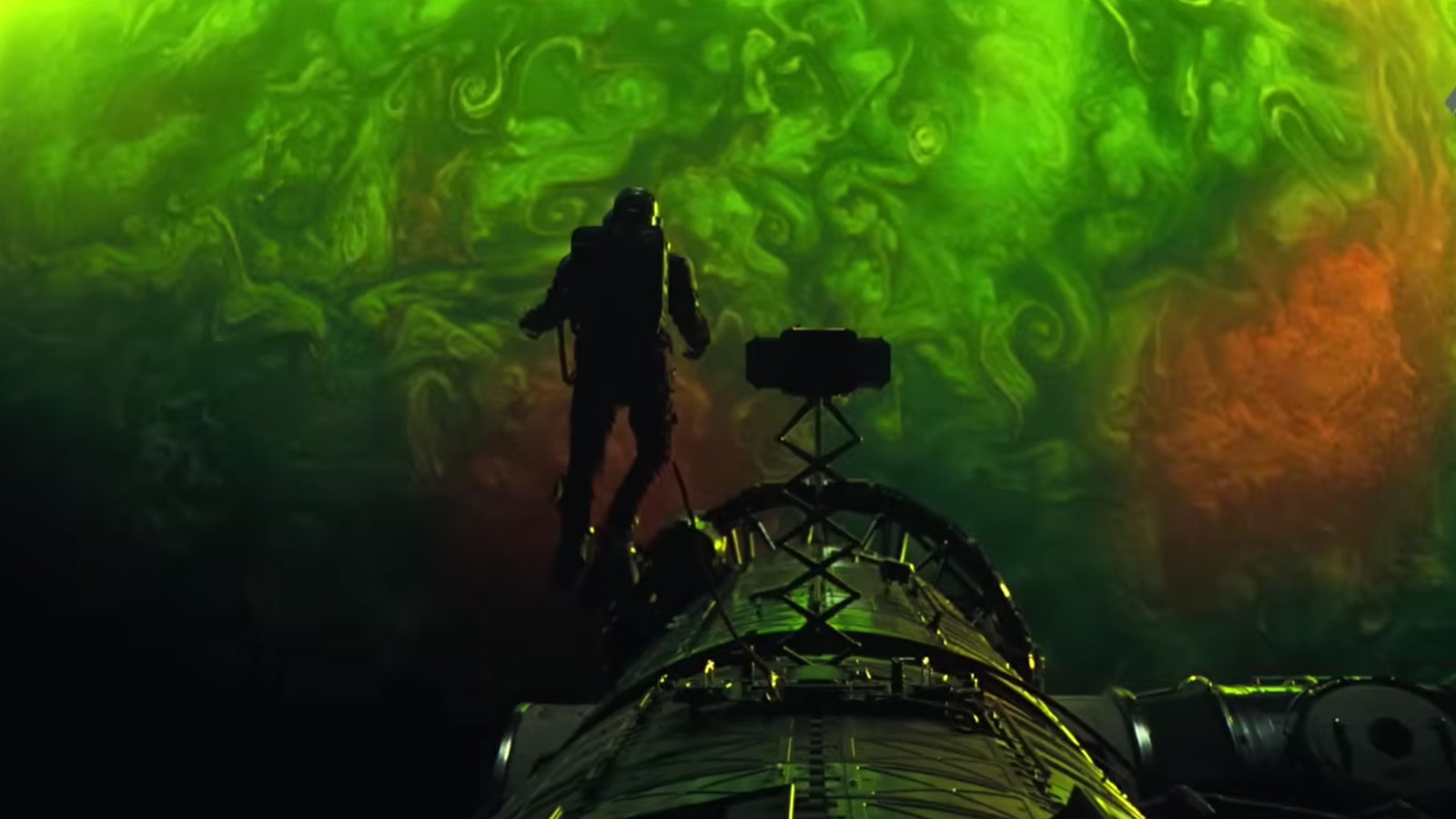
Widely praised as one of the most scientifically accurate sci-fi movies ever made, Apollo 13 is generally recognized as one of the greatest films that Ron Howard has directed to date. Dramatizing the aborted eponymous lunar mission from 1970, the film was made with the specific goal of making as technically accurate of a movie as possible, with help from consultants directly from NASA.
Of course, as one can pretty much always except from a Hollywood blockbuster, Howard took some creative liberties here; but for the most part, critics had nothing but admiration for how accurately he portrayed actual space exploration. Even the cast underwent rigorous training to make the zero-gravity sequences feel authentic, and the result couldn't have possibly been better.
1 'The Battle of Algiers' (1966)
 Image via Allied Artists
Many anti-war movies have been made over the years, and the vast majority of them can only ever dream of being even half as effective, authentic, and groundbreaking as Gillo Pontecorvo's The Battle of Algiers. This Italian-Algerian docudrama is one of the best anti-war movies of all time, chronicling the actions undertaken by rebels during the Algerian War against the French government in North Africa.
Shot on location in a newsreel style inspired by the revolutionary work of Italian auteur Roberto Rossellini, it's a film so incredibly raw and authentic that it would be abundantly easy for people not in the know to think that it's an actual documentary. In fact, extensive use of the film as a training manual for guerrilla warfare and military counter-insurgency groups has been widely documented. As for critics, they were in awe of the level of accuracy and authenticity achieved by Pontecorvo, which is how this has aged as one of the greatest war films in history.

The Battle of Algiers
Release Date September 20, 1967
Runtime 121 Minutes
Director Gillo Pontecorvo
Writers Franco Solinas, Gillo Pontecorvo



 English (US) ·