
 Image via Paramount Pictures

Published Mar 9, 2026, 8:02 PM EDT
Jeremy has more than 2300 published articles on Collider to his name, and has been writing for the site since February 2022. He's an omnivore when it comes to his movie-watching diet, so will gladly watch and write about almost anything, from old Godzilla films to gangster flicks to samurai movies to classic musicals to the French New Wave to the MCU... well, maybe not the Disney+ shows.
His favorite directors include Martin Scorsese, Sergio Leone, Akira Kurosawa, Quentin Tarantino, Werner Herzog, John Woo, Bob Fosse, Fritz Lang, Guillermo del Toro, and Yoji Yamada. He's also very proud of the fact that he's seen every single Nicolas Cage movie released before 2022, even though doing so often felt like a tremendous waste of time. He's plagued by the question of whether or not The Room is genuinely terrible or some kind of accidental masterpiece, and has been for more than 12 years (and a similar number of viewings).
When he's not writing lists - and the occasional feature article - for Collider, he also likes to upload film reviews to his Letterboxd profile (username: Jeremy Urquhart) and Instagram account.
He has achieved his 2025 goal of reading all 13,467 novels written by Stephen King, and plans to spend the next year or two getting through the author's 82,756 short stories and 105,433 novellas.
Sign in to your Collider account
Oh no, it’s that time of year. Or it might be, depending on when you're reading this. At the time of writing, it’s sort of that time of year, at least. And that time of year is Oscar season. People who get excited about the Oscars like to talk about the Oscars, and then people who don’t like the Oscars get excited about talking smack about the Oscars. And those behind the Oscars are probably happy either way.
The following is an attempt to look at times in Oscar history when there was a clear winner for the award of Best Director, and that director won. It’s not necessarily the best of the best when it comes to Academy Award-winning directors, because some of these examples were standout winners in years that weren’t too competitive. Not every year is like 2023, for example, when Christopher Nolan won for Oppenheimer, but just about everyone else would've also been a worthy winner (Jonathan Glazer for The Zone of Interest, Yorgos Lanthimos for Poor Things, Martin Scorsese for Killers of the Flower Moon, or Justine Triet for Anatomy of a Fall… big year).
10 William Wyler
'Ben-Hur' (1959)
 Image via Loews, Inc.
If Ben-Hur ain't perfect, then it’s close enough to it that it might as well be. Or, if you're still feeling critical, it’s an amazing production (if a little slow in parts), yet not without some of the best sequences in the history of the whole epic genre. Hell, maybe even the best in cinema history. That chariot race is – and always has been – worth the price of admission alone.
Ben-Hur was done on such a massive scale that the fact it didn’t collapse under its own weight was something of a miracle, and William Wyler, as its director, had to have played a naturally important role in keeping it all together, even if only just. Gone with the Wind had been similarly massive 20 years earlier, sure, and Victor Fleming had won for his directing there, though that win was maybe slightly less indisputable, owing to 1939 being a famously strong year for cinema (and hey, what do you know: Wyler was also nominated that year, for directing Wuthering Heights. No, not that one).
9 James Cameron
'Titanic' (1997)
 Image via Paramount Pictures
There are complaints that people make about Titanic, since it’s all very broad in some ways, and it also isn't really the most original movie in the world, but it’s still a wildly impressive technical and directorial achievement, in any event. It’s a tearjerker romance film and a disaster movie, and those two things are combined incredibly well. So, yes, Titanic is well-written (it’s quotable, too), even with some of the clichés and well-worn narrative conventions used.
James Cameron has made plenty of other great movies, so whether Titanic is his absolute best is hard to say, but it feels like the film of his that most deserved to win him a Best Director Oscar. He was king of the world, as he said, on that night in March 1998. That’s a wild thing to say, in most circumstances, yet here, Cameron did honestly earn the right to say it… just.
8 Lewis Milestone
'All Quiet on the Western Front' (1930)
 Image via Universal Pictures
All Quiet on the Western Front was one of the first big Oscar successes, naturally, since it won Best Picture and Best Director at the 3rd Academy Awards. Lewis Milestone won for directing a World War I movie that was, in many regards, quite ahead of its time, in a way that maybe was felt, to some extent, even back then. One can imagine All Quiet on the Western Front succeeding at shocking people, at least.
It’s anti-war in a way that’s been done by plenty of great movies since, and the impact here isn't going to be as intense if you watch it now, nearly 100 years later, but you can still admire the heaviness of this, by the standards of the early 1930s. As for Milestone’s competition, there were some other directors nominated that year who are fairly well-remembered, at least by those who like older films (like King Vidor and Ernst Lubitsch), but none for helming particularly well-remembered movies, so Milestone and All Quiet on the Western Front felt like the most obvious and deserving picks.
7 Martin Scorsese
'The Departed' (2006)
 Image via Warner Bros. Pictures
Look, Martin Scorsese should’ve won an Oscar for his directing before 2006, or technically before 2007, because that’s the year his 2006 film, The Departed, finally got him an Academy Award, and it was also the first movie of his to win Best Picture (that’s surprising, too). Honestly, movies like Raging Bull, Taxi Driver, and Goodfellas were arguably more deserving of a Best Picture win, and Best Director wins for Scorsese specifically.
So, “deserving” here takes Scorsese’s career into account, and the notion that he was kind of overdue. Also, The Departed is still a pretty great movie, so quality-wise, it wasn’t anywhere near an unworthy winner, for either Best Picture or Best Director. The debatable best movie of that year, though, wasn’t nominated in either of those categories: Pan’s Labyrinth (directed by Guillermo del Toro). And the same goes for Children of Men, especially as far as directing’s concerned, as Alfonso Cuarón not being at least nominated for Best Director feels like an oversight.
6 Steven Spielberg
'Schindler's List' (1993)
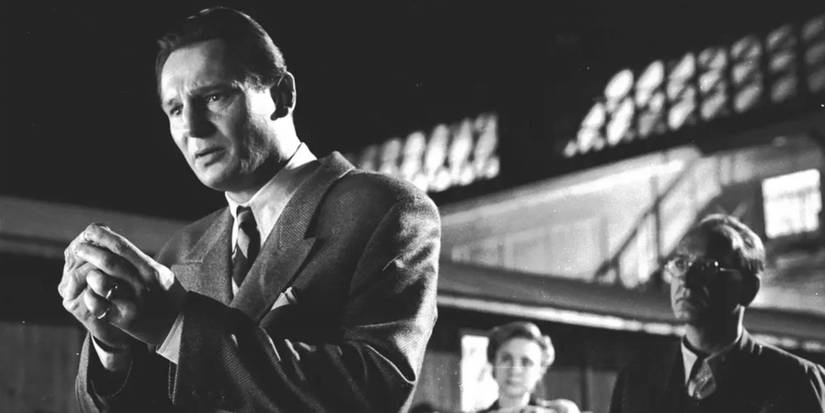 Image via Universal Pictures
In 1993, two of the best movies Steven Spielberg ever directed came out, and both were completely different in tone and genre. Jurassic Park dominated that year box office-wise, and it still holds up as an absolute classic sci-fi/adventure/thriller movie, while Schindler’s List was that year’s biggest success at the Academy Awards, winning seven in total, including Best Picture and a Best Director win for Spielberg.
Spielberg wasn’t as overdue for a win as Scorsese was, in 2006, but still, he’d made some incredible movies in the two decades that preceded Schindler’s List, so it was still a decently long time coming, given that Spielberg had thrived when it came to both quality (for the most part) and quantity. Schindler’s List was a worthy first win for Spielberg, and he won the Best Director Oscar again five years later for another World War II movie: Saving Private Ryan (though that one did lose Best Picture, somewhat infamously, to Shakespeare in Love).
5 Robert Wise and Jerome Robbins
'West Side Story' (1961)
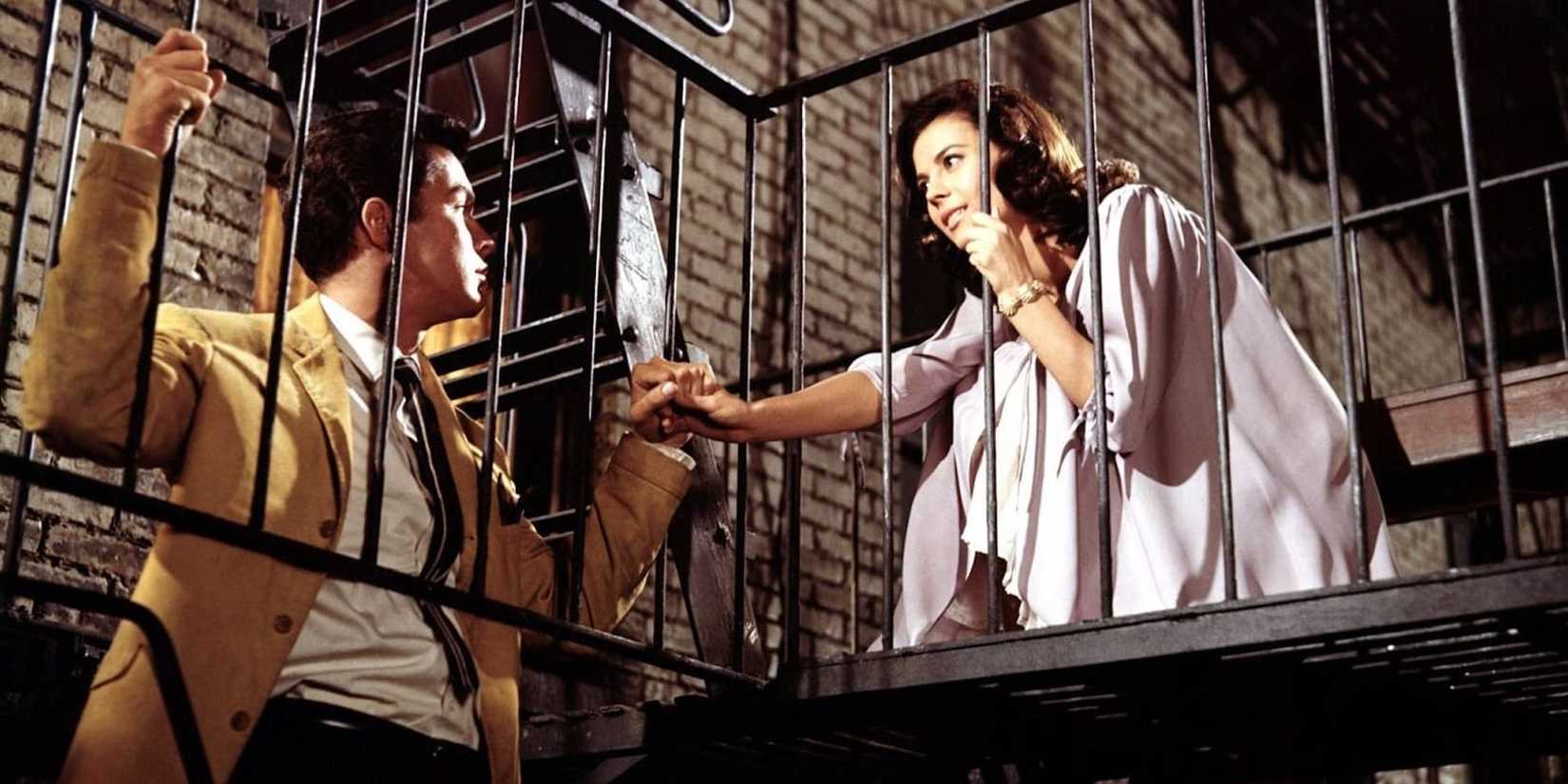 Image via United Artists
West Side Story marked the first time two people were given the Oscar for Best Director in the same year and for the same movie: Robert Wise and Jerome Robbins. For a while, they were the only duo (so to speak) to do so, at least until the Coen Brothers won for No Country for Old Men. With West Side Story, you probably know the deal, though, like, narrative-wise. Romeo and Juliet in New York City, and with singing.
It’s not really a fun or wholesome musical, yet it is an amazing one, and is a contender for the best-directed musical released during the genre’s heyday (at least in the U.S., that was the 1950s and then a good chunk of the 1960s). Wise and Robbins do a particularly impressive job at retaining the feel of the stage production they're adapting, yet without pushing the artificiality or theatricality too far. And Robbins was key to that side of things, since he was credited with producing and directing the original stage production of West Side Story in 1957.
4 Peter Jackson
'The Lord of the Rings: The Return of the King' (2003)
 Image via New Line Cinema
Peter Jackson’s Best Director win in 2003 wasn’t officially for his work on directing all three movies in The Lord of the Rings trilogy, but unofficially… like, it kind of/probably was. He won for The Lord of the Rings: The Return of the King, and that was the only one of the three that also won Best Picture, but the whole trilogy was kind of one giant production and story (you can easily watch them back-to-back-to-back, provided you have enough time), and it all obviously culminates with this one.
Whether The Return of the King is the genuine best of the three is up for debate, but the main thing is that the landing was stuck (or landings were stuck), and the destination (or destinations) ended up being as immensely satisfying as the journey. For the 21st century so far, there is also a pretty good argument to be made that The Lord of the Rings: The Return of the King is the best of the Best Picture winners.
3 Francis Ford Coppola
'The Godfather Part II' (1974)
Things were tight in 1972, because Francis Ford Coppola didn’t win the Oscar for Best Director for his work on the original The Godfather. Maybe he should’ve, but also, Bob Fosse’s win for Cabaret was fairly well-deserved, or at least you can understand why that film won. Also, both directors did arguably their best work in 1979, with Fosse’s All That Jazz and Coppola’s Apocalypse Now, yet neither won that year. Best Director went to Robert Benton for Kramer vs. Kramer, instead.
Anyway, Coppola did win in 1974, and even if you don’t like The Godfather Part II quite as much as the first, you can probably agree that it’s on a similar level quality-wise (what with it being one of the most acclaimed sequels of all time and everything). Also, it was a more ambitious – and overall grander in scope – movie than The Godfather, so Coppola managing to oversee it all and keep it so consistent and focused was an impressive filmmaking achievement. Chinatown would've also been a deserving winner that year, though The Godfather Part II is probably more impressive overall, and if the award for Coppola was also, in part, acknowledging his nomination without a win for the first movie, then that makes his win further understandable.
2 David Lean
'Lawrence of Arabia' (1962)
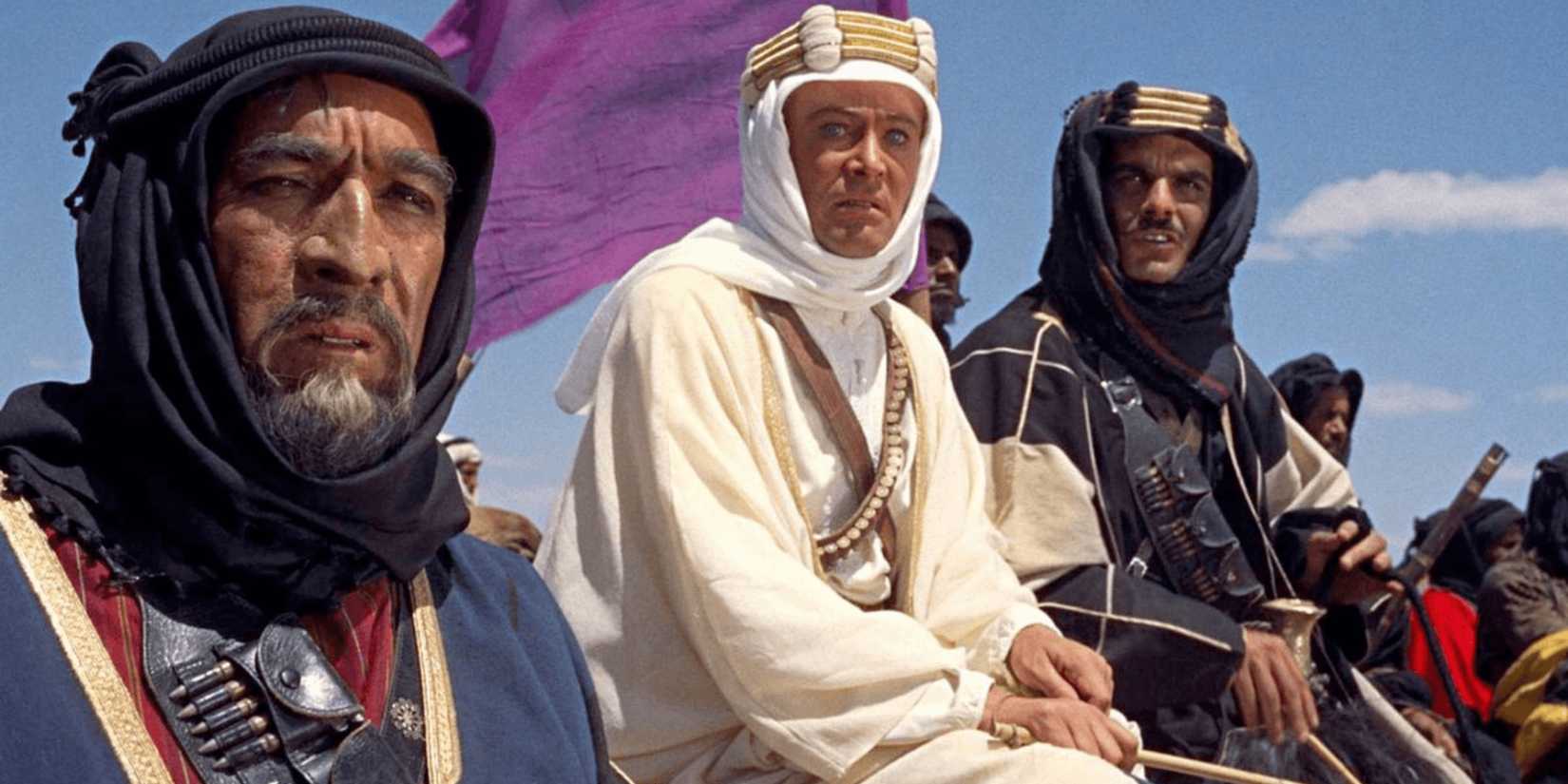 Image via Columbia Pictures
A movie like Lawrence of Arabia inspires hyperbolic things to be said about it, and it’s super obvious that it was an amazing achievement on the part of David Lean, who’d already won Best Director at the Academy Awards before, for The Bridge on the River Kwai. That movie won for 1957, and was also a deserving win, albeit not as clear a winner as was Lawrence of Arabia, since Lean had some tough competition for the award, owing to Sidney Lumet also being nominated that year for 12 Angry Men.
Life's not too short to experience a film like Lawrence of Arabia a bunch of times, even if it's an incredibly long watch.
Also, the award was technically called “Best Directing” back then, so if you wanted to be annoying, you could say Lean didn’t actually ever win an Oscar for Best Director; not by that exact name. But why would you want to be annoying? Life’s too short to be annoying, though it’s not too short to experience a film like Lawrence of Arabia a bunch of times, even if it’s an incredibly long watch (might well be the most rewatchable movie that has a runtime of nearly four hours).
1 Miloš Forman
'Amadeus' (1984)
 Image via Orion Pictures
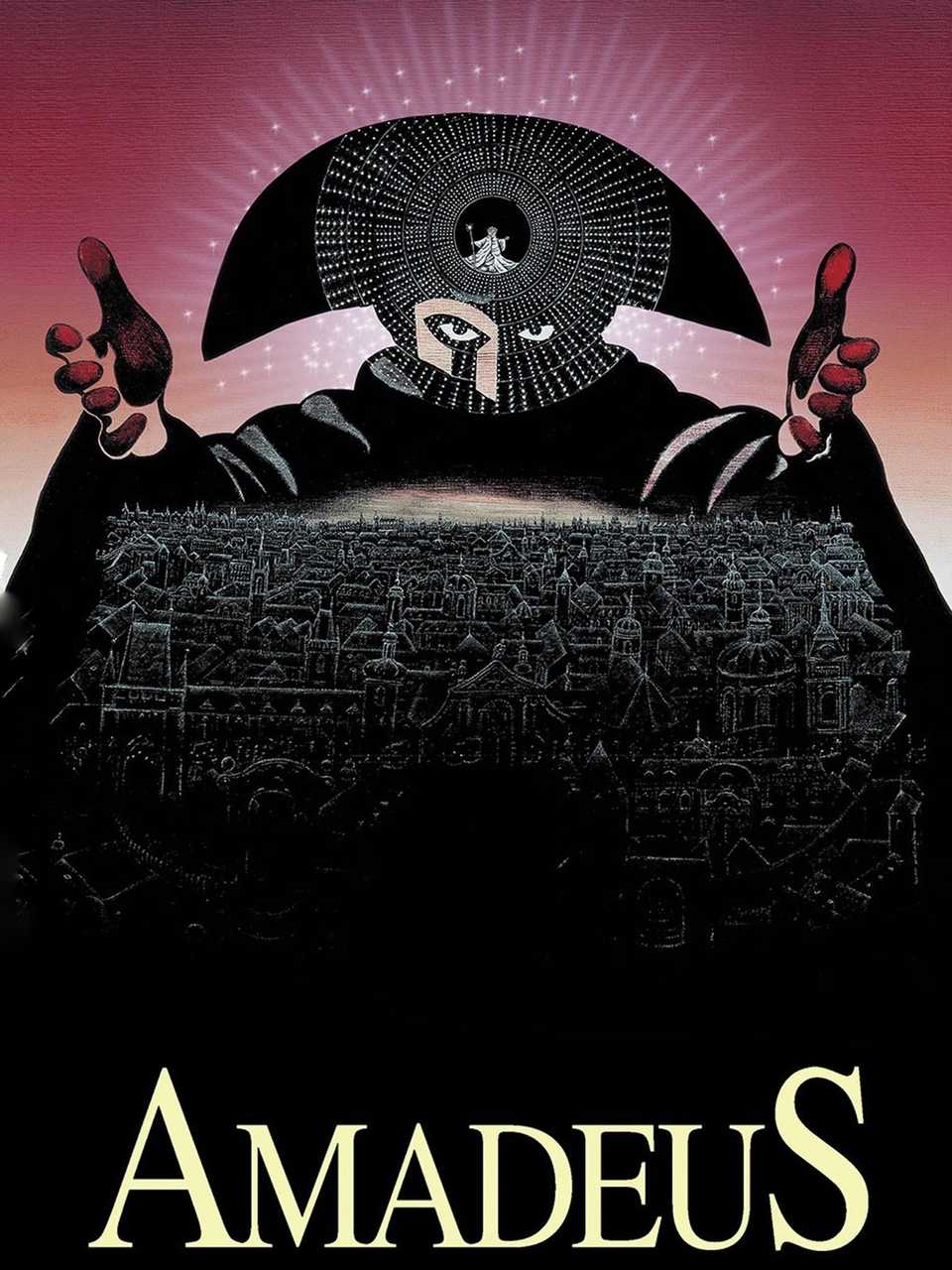
Like David Lean, Miloš Forman also won two Oscars for Best Director, with Amadeus being arguably the most deserving win of his two. Funnily enough, when it won in 1984, one of Forman’s competitors was Lean himself, who’d been nominated for directing what ended up being his final film, A Passage to India. Forman’s other win was for One Flew Over the Cuckoo’s Nest, which famously dominated its year when it came to the Academy Awards, winning the big five.
It’s just that Best Director for 1975 was a stacked category: Federico Fellini for Amarcord, Stanley Kubrick for Barry Lyndon, Sidney Lumet for Dog Day Afternoon, and Robert Altman for Nashville. Like, damn. So, Forman winning in 1984 felt like more of a sure thing, since Amadeus is remarkable in just about every way, and the other nominees for the Directing category didn’t really stand a chance (if Sergio Leone had been nominated as he deserved, though, for directing Once Upon a Time in America… well, that’d be another story).
Amadeus
Release Date September 19, 1984
Runtime 160 minutes
Director Milos Forman
Writers Peter Shaffer
![New 100% RT Cyber Thriller Unleashes 10-Minute Sneak Peek [Exclusive]](https://static0.colliderimages.com/wordpress/wp-content/uploads/2026/01/wardriver-sasha-calle-dane-dehaan.jpg?w=1600&h=900&fit=crop)





 English (US) ·