
Thriller trilogies are the easiest thing to get wrong. The first movie hooks you, the second repeats the same beats, and the third tries to go bigger instead of smarter. Then you’re stuck watching a franchise stumble to the finish line. Most trilogies lose momentum right when they should peak.
So I wrote this list for people who actually care about plot pressure. The trilogies below keep tightening the problem, shifting the threat, and forcing the characters into decisions that cost something. No coasting. No lazy resets. A thriller ideology raises the stakes and you feel it while watching. And a heads up: the last one isn’t exactly a trilogy but those three are the installments I love the most.
10 The Unbreakable Trilogy (2000–2019)
 Image via Walt Disney Studios Motion Pictures
This trilogy sets the exact standard a thrilling trilogy needs: a first film that feels complete on its own, then sequels that make the original feel more dangerous after the fact. It’s not perfect but it fits the criteria. For example, Unbreakable is the quiet kind of gripping where you keep leaning in. David Dunn (Bruce Willis) is interesting because he doesn’t chase the spotlight, and the plot keeps cornering him anyway. Elijah Price (Samuel L. Jackson) is the reason it works. He drives the story forward with purpose, and every scene builds pressure because each test forces Dunn closer to acting in public.
Then, Split and Glass keep the pressure alive by changing the type of threat instead of repeating the same movie. Split turns it into a hostage driven survival story through Kevin Wendell Crumb (James McAvoy), and the tension comes from how unstable the situation is from minute to minute. Glass forces a collision where control, witnesses, and timing matter more than brute strength, so the ending depends on execution rather than luck. The trilogy stays popular because people remember the characters clearly and they remember the turns clearly. The escalation stays logical across all three.
9 The Cornetto Trilogy (2004–2013)
 Image via Rogue Pictures
If you’ve seen Shaun of the Dead, you know exactly when it stops being a funny zombie movie and starts feeling mean in the best way: plans don’t work, safe spots don’t stay safe, and the cost of one dumb delay shows up in the next scene. Shaun (Simon Pegg) tries to move through crisis with the same habits he had before the outbreak, and the movie keeps punishing that denial, missed timing, wrong priorities, and the brutal reality that someone else pays when he freezes. Small delays kill in this one, and the story never lets you forget it or turn away.
Now the trilogy pulls a neat trick: it keeps the momentum but swaps the engine. Hot Fuzz turns Nicholas Angel (Simon Pegg) into the guy nobody wants around because he notices too much, and the suspense is baked into how alone he is once he starts digging; his support evaporates one conversation at a time. Then The World’s End makes the social dynamic the weapon. Gary King (Simon Pegg) drags the group forward on pride and nostalgia even when the smarter move is to stop, regroup, or leave.
8 Planet of the Apes (Reboot Trilogy) (2011–2017)
 Image via 20th Century Studios
The opening punch of Rise of the Planet of the Apes is basically a smart ape being turned into a leadership problem humans created. Caesar (Andy Serkis) is forced to learn control, planning, and timing under confinement, then makes him test it under real stakes. The bridge sequence lands because it’s a release of built-up strategy, and you can track every shift in advantage without the movie talking down to you. Strategy drives tension because you see Caesar calculating who follows him, who doesn’t, and what happens when fear wins.
Dawn of the Planet of the Apes is the one I rewatch though. It has that clean escalation. The peace attempt feels real, then the story shows exactly how fragile it is, one spark, one bad actor, one moment where trust breaks and can’t be patched back together. That collapse matters because the next film doesn’t pretend it didn’t happen. War for the Planet of the Apes goes harder on survival and captivity, with Colonel McCullough (Woody Harrelson) turning it into a personal crusade that narrows Caesar’s options down to ugly choices.
7 The Dark Knight Trilogy (2005–2012)
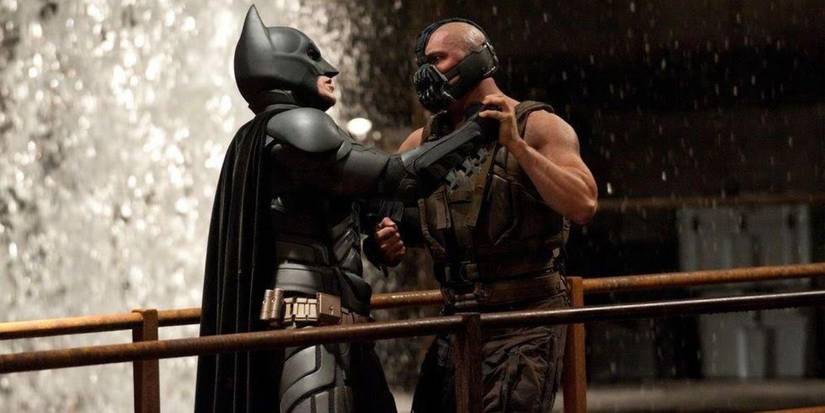 Image via Warner Bros.
It’s okay if the placement of this trilogy pisses some people off. Look, the first film earns its place because Batman Begins doesn’t treat “becoming Batman” as a montage reward; it treats it like a series of mistakes Gotham can punish. If this was the only entry, it would’ve been at #1. Bruce Wayne (Christian Bale) comes back with a mission and immediately runs into systems that move faster than one man, corruption, fear tactics, and a city that doesn’t want to be saved cleanly. The train climax works because the plot has been pushing toward it step by step, and Bruce’s choices earlier decide what tools he has left when the city’s on the edge. Consequences stack quickly and that’s why the movie feels tense even when you know who survives.
Then The Dark Knight kicks the door open with the Joker (Heath Ledger) turning Gotham into a sequence of moral traps that can’t be solved with punches. The ferry dilemma, the escalation around Harvey Dent (Aaron Eckhart), the constant sense that every “win” has a hidden cost. The Dark Knight Rises keeps the pressure by isolating Bruce, breaking him, and turning Gotham into a hostage city where time and resources matter every hour. Bane (Tom Hardy) being as scary as he is because his plan keeps working. Watching that inevitability build from start up until the end of this installment is exactly why this trilogy stays gripping.
6 Back to the Future (1985–1990)
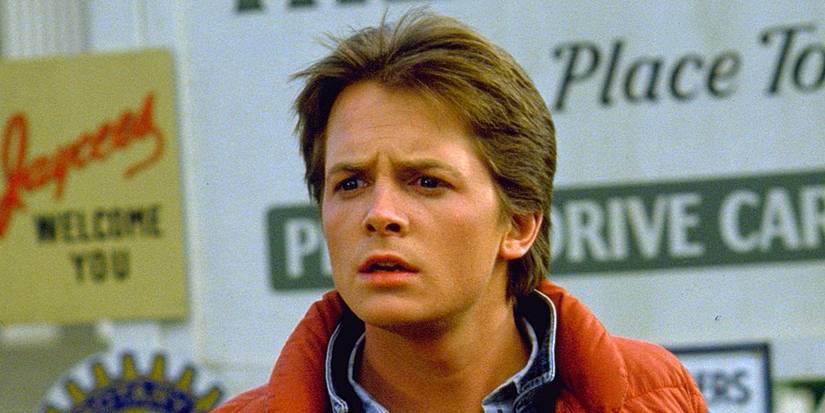 Image via Universal Pictures
The reason Back to the Future belongs on a thrilling list is simple: it runs on deadlines that feel immediate even when the tone is fun. Marty McFly (Michael J. Fox) has one job, get his parents together, and the movie keeps throwing complications at him that don’t feel random: his own interference, Biff’s (Thomas F. Wilson) pressure, George’s (Crispin Glover) insecurity, Lorraine’s (Lea Thompson) sudden interest.
Then, Back to the Future Part II is the trilogy’s chaos engine in the best way: Marty keeps trying to fix one thing and accidentally creates a new problem that actually sticks, especially once the alternate 1985 becomes its own trap. Then Back to the Future Part III shifts the setting but keeps the same pressure pattern — Doc Brown (Christopher Lloyd) makes emotional choices that complicate the plan, and Marty has to manage both the mission and Doc’s heart in real time. Buford “Mad Dog” Tannen (Wilson) keeps the danger personal and immediate. Fixes create new messes across all three, and the story never pretends time travel is tidy.
5 The Bourne Trilogy (2002–2007)
 Image via Universal Pictures
The Bourne Identity is thrilling because the movie treats information like a live grenade. Jason Bourne (Matt Damon) doesn’t know who he is, and the plot doesn’t let you know who he is but makes every new clue feel dangerous because it instantly triggers someone else’s response — tailing, attacks, shut doors, vanished contacts. Marie Kreutz (Franka Potente) matters because she turns “lonely assassin story” into “two people trying to survive choices they barely understand,” and that makes every chase feel sharper. The Bourne Supremacy then takes the most brutal route: Bourne tries to step away, and the plot drags him back by making the cost personal, fast, and irreversible. That’s where the trilogy stops being about escape and becomes confrontation.
The Bourne Ultimatum is the payoff machine. Tight sequences where one conversation leads to a sprint, one address leads to a rooftop, one contact leads to a gunfight, and each reveal pushes him closer to the people who built him. Institutional betrayal pressure is the constant fuel in the third installment, and it never softens.
4 The Dollars Trilogy (1964–1966)
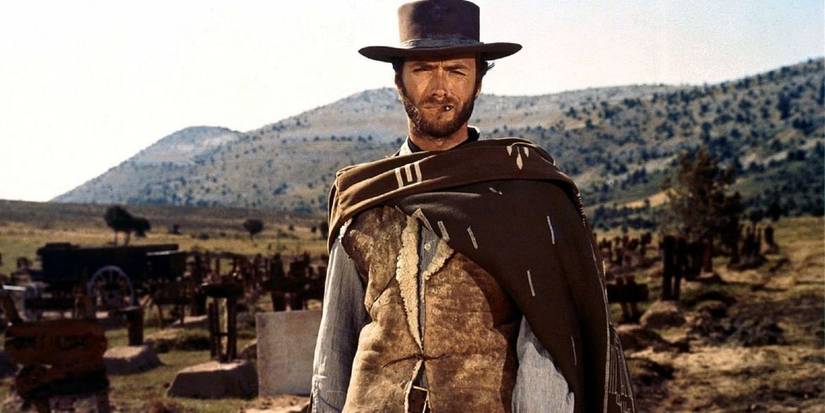 Image via United Artists
A Fistful of Dollars stays tense because you’re watching a man walk into a town where everyone’s armed, everyone’s lying, and a smart move can still get you killed if you misjudge one person. The Man with No Name (Clint Eastwood) keeps switching leverage with timing and misdirection, and the plot makes those games feel dangerous because the consequences show up immediately. Beatings, traps, people turning on him the second they smell weakness. Deals turn violent without warning, so even the quiet scenes carry threat.
For a Few Dollars More, moving forward, raises the suspense by pairing uneasy partners and making trust a tool instead of a comfort. Colonel Douglas Mortimer (Lee Van Cleef) isn’t there to befriend anyone; he’s there to finish business, and the story keeps reminding you that shared goals don’t equal shared loyalty. Then The Good, the Bad and the Ugly becomes a long, tense race where every alliance is temporary and every detour can flip who has control. Tuco Ramírez (Eli Wallach) adds instability because he’s clever, emotional, and unpredictable in a way that makes the plot feel unsafe at all times. Unstable alliances dominate the entire trilogy, and that’s why it stays gripping.
3 The Lord of the Rings (2001–2003)
 Image via New Line Cinema
The Lord of the Rings is like the king of evergreen trilogies but falls a little less on that thrill spectrum. The Fellowship of the Ring earns its suspense early: Frodo Baggins (Elijah Wood) leaves safety and the story immediately starts taking options away — Nazgûl pressure, limited routes, betrayal risks, and a mission where getting noticed equals death. The Moria stretch is peak no breathing room: a bad choice costs time, time costs safety, and safety costs people.
The Two Towers widens the battlefield without letting the ring plot drift; Frodo’s path gets more compromised, trust gets shakier, and the story keeps showing how the ring corrodes judgment at the worst moments. Samwise Gamgee (Sean Astin) becomes the emotional backbone because he’s the one person making practical choices when everyone else is fraying. The Return of the King then pays it all off with parallel endgames, war, diversion, infiltration, and the ring mission collapsing under its own weight.
2 The Original Star Wars Trilogy (1977–1983)
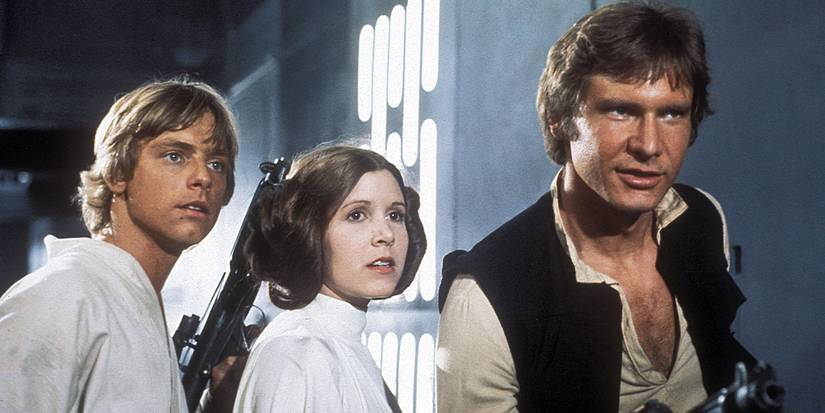 Image via Lucasfilm
Star Wars: Episode IV – A New Hope works as an opener and follows Luke Skywalker (Mark Hamill) jumping from farm life to real combat fast, and the movie doesn’t protect him with chosen one shortcuts. He fails, learns, and survives on help. That’s the thrill-builder. The Death Star run is thrilling because the plan has multiple ways to collapse, and you feel that risk in the pacing, the losses, and the fact that the heroes don’t have infinite tries. Mission failure feels real in a way a lot of later blockbusters forget.
Star Wars: Episode V – The Empire Strikes Back raises the pressure by letting the heroes lose ground and stay lost. Han Solo (Harrison Ford) and Leia Organa (Carrie Fisher) spend half the movie improvising under constant pursuit, and Luke’s training is tense because every choice he makes has a cost attached. Darth Vader (James Earl Jones) changes the entire conflict with one reveal that forces Luke to rethink what winning even means. Finally, Star Wars: Episode VI – Return of the Jedi kept it tight by stacking simultaneous operations where one failure can wreck the whole plan. Peak television.
1 The First Three Alien Movies (1979–1992)
 Image by 20th Century Studios
Alien is still the cleanest trapped with a threat movie because it turns the ship into a map of bad choices. The crew makes understandable calls with incomplete info, then the plot punishes those calls as the creature’s advantage grows. Ellen Ripley (Sigourney Weaver) becomes the anchor but then the whole people disappearing thing literally has you by the edge of your seat.
Aliens, the sequel, then does the smartest escalation possible: it adds weapons and confidence, then strips that confidence in minutes. Ripley’s connection to Newt (Carrie Henn) changes every risk calculation, and the movie keeps forcing choices where saving someone creates a new threat. Then Alien 3 goes cruel on purpose. Resources vanish, help is unreliable, and Ripley’s situation becomes a containment problem with no clean solutions. The finale depends on whether scared, angry people follow through under extreme pressure. No safe reset exists across these three, and that’s exactly why they sit at #1 for me.

Alien 3
Release Date May 22, 1992
Runtime 114 minutes
Writers David Giler, Larry Ferguson, Walter Hill, Vincent Ward, Dan O'Bannon, Ronald Shusett






 English (US) ·