
I’ve always come back to gangster movies for the same reason I return to certain books. They show people making choices and then living with them for the rest of their lives. Power in these films looks tempting at first, and then the cost of it starts to surface in quiet ways. Not to forget, the real-life lessons that you grasp along the way.
Over the years, I’ve watched a lot of these films at different stages of my life, and they land each time differently. When you’re younger, the confidence of certain characters pulls you in. Later, the small details intrigue you more. The life lessons make you mature. The power dynamics teach you a lot abou tthis world. This list comes from that place. These gangster movies are some of the best ones out there. Let’s have a look at them.
10 ‘Donnie Brasco’ (1997)
 Image via Sony Pictures Releasing
Donnie Brasco never lets the undercover angle turn flashy. Joe Pistone (Johnny Depp) enters the Mafia under a fake identity, but the story stays focused on the slow erosion that comes with living a lie every day. His bond with Lefty Ruggiero (Al Pacino) grows through small routines, favors, and long conversations, not dramatic turning points. Lefty is not a powerful boss or a legend. He is a man who has given his life to an organization that keeps pushing him aside.
As time passes, Pistone’s job stops feeling like an assignment and starts shaping who he is. The danger comes less from gunfire and more from proximity, from knowing that loyalty here always comes with an expiration date. The film earns its weight by staying patient and letting the human cost surface on its own.
9 ‘Carlito’s Way’ (1993)
 Image via Universal Pictures
Carlito Brigante (Al Pacino) gets out of prison with a clear idea of what he wants: one clean exit and a life that does not end violently. The problem is that the world he returns to has not changed, and the people around him still see the same man he used to be. His lawyer and friend (Sean Penn) pulls him back into trouble through ego and shortcuts, while old rivals wait for an excuse to settle scores.
The film moves forward with a sense of inevitability that Carlito understands long before anyone else does. Every choice he makes tries to delay the ending he knows is coming. What gives the story its power is that hope never fully disappears. Even when the outcome feels sealed, Carlito keeps moving forward, which makes the final stretch land with quiet, brutal clarity.
8 ‘The Untouchables’ (1987)
 Image via Paramount Pictures
Set during Prohibition, The Untouchables centers on Eliot Ness (Kevin Costner) as he tries to enforce the law in a city where the law barely functions. Al Capone (Robert De Niro) controls Chicago through money, fear, and public charm, and the system around him bends easily. Ness starts with good intentions, but those ideals feel fragile once intimidation and corruption surface at every level.
The turning point comes when Ness accepts help from men who operate outside clean rules. Jim Malone (Sean Connery) teaches him that justice in this city demands compromise. From there, the story becomes less about winning and more about endurance. Each step forward costs something. By the end, the film frames morality as a choice made under pressure, not a badge worn proudly.
7 ‘A Bronx Tale’ (1993)
 Image via Savoy Pictures
This story of A Bronx Tale unfolds through the eyes of a boy caught between two worlds. Calogero (Lillo Brancato) grows up watching his hardworking father (Robert De Niro) struggle to stay honest, while the neighborhood gangster Sonny (Chazz Palminteri) offers protection and attention. Sonny pushes crime as fantasy, and presents it as structure, rules, and survival.
As Calogero gets older, he sees the limits of his father’s sacrifices and the dangers behind Sonny’s influence. The film moves quietly through these tensions, letting moments build through conversation and observation. What stays with you after the movie ends, is the slow understanding that growing up means choosing which values you carry forward, even when neither path feels safe.
6 ‘Scarface’ (1983)
 Image via Universal Pictures
Tony Montana (Al Pacino) arrives in Miami with nothing except hunger and patience. He starts small, watches closely, and learns how power moves through drugs, money, and fear. The city gives him space to grow because it rewards ambition without asking where it comes from. Tony does not rise because he is clever alone. He rises because he refuses to wait for his turn.
As his influence expands, his personal life narrows. Paranoia replaces trust. Excess replaces purpose. His relationships turn brittle, especially with Manny (Steven Bauer) and Elvira (Michelle Pfeiffer). The film stays focused on the cost of unchecked desire. Tony gains control over everything except himself. By the end, his downfall feels inevitable, shaped by the same aggression that once pushed him forward.
5 ‘Once Upon a Time in America’ (1984)
 Image via Warner Bros.
Once Upon a Time in America moves through decades of friendship, crime, and regret, centered on David “Noodles” Aaronson (Robert De Niro). It begins with small-time hustles and childhood bonds, built on trust and shared ambition. Those early choices linger as time stretches forward. Success arrives, but it carries unresolved wounds.
As an adult, Noodles looks back at the people he lost and the decisions he never corrected. Max (James Woods) becomes both partner and reminder of everything that fractured their bond. The story avoids easy explanations. It lets memory blur with guilt and nostalgia. Crime here is not about dominance. It is about consequences that arrive late and stay forever. The film treats time as the real judge, slow and unforgiving.
4 ‘The Irishman’ (2019)
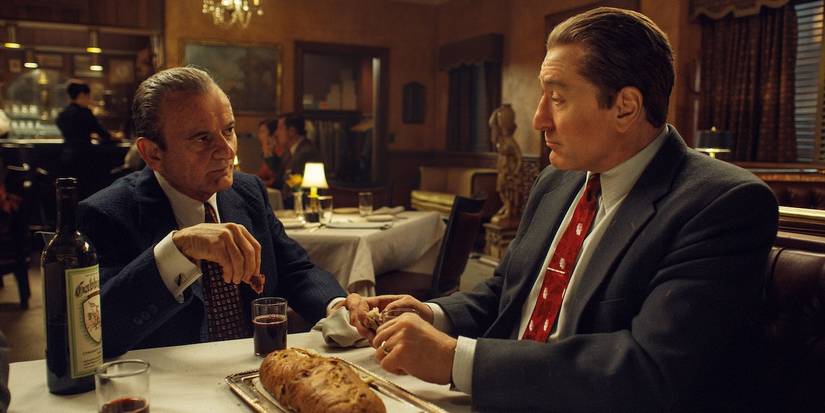 image via Netflix
Frank Sheeran (Robert De Niro) spends his life doing quiet work for louder men. He drives trucks, follows orders, and learns how loyalty operates in small gestures. When he connects with Russell Bufalino (Joe Pesci), crime becomes structured and almost administrative. Nothing feels rushed. Decisions happen over dinners, phone calls, and long stretches of waiting.
With time, Frank moves deeper into union politics and organized crime, and then his relationship with Jimmy Hoffa (Al Pacino) becomes the center of his life. Hoffa talks, trusts, and refuses to bend. Frank listens and complies, over time, those traits collide. The film stays with the aftermath of whatever has happened. Aging, isolation, and regret replace power. Violence fades into memory, but responsibility does not. By the end, Frank is left alone with choices he never questioned when they mattered.
3 ‘Goodfellas’ (1990)
 Image via Warner Bros. Pictures
Henry Hill (Ray Liotta) in Goodfellas grows up watching gangsters control his neighborhood, and he wants in early. He starts with errands and small jobs, then learns how respect works under Jimmy Conway (Robert De Niro) and Tommy DeVito (Joe Pesci). Crime here in the film feels like a routine job going on in the background. It pays well, moves fast, and rewards loyalty.
As the years pass, success becomes unstable. Money comes easier, but discipline disappears. Tommy’s violence grows unpredictable. Henry turns to drugs and loses control of his judgment. The film keeps pushing forward without pause, and shows how recklessness replaces order. There is no reflection until the system collapses. When it ends, survival comes at the cost of identity. Henry escapes prison, but he also loses the life that once made sense to him.
2 ‘The Godfather Part II’ (1974)
 Image via Paramount Pictures
Michael Corleone (Al Pacino) runs the family with control and distance. He listens more than he speaks, and every decision feels calculated. Business expands, but trust shrinks. His marriage suffers because power leaves little room for explanation or forgiveness. At the same time, the film moves back to Vito Corleone’s early years.
Young Vito (Robert De Niro) arrives in America with nothing. He learns the neighborhood first, then the people, then the rules. His rise comes from patience and attention, and he helps before he demands. That contrast matters. One story shows power being built through connection, the other shows it maintained through fear. By the end, Michael has everything Vito worked for, yet none of the warmth that once held the family together.
1 ‘The Godfather’ (1972)
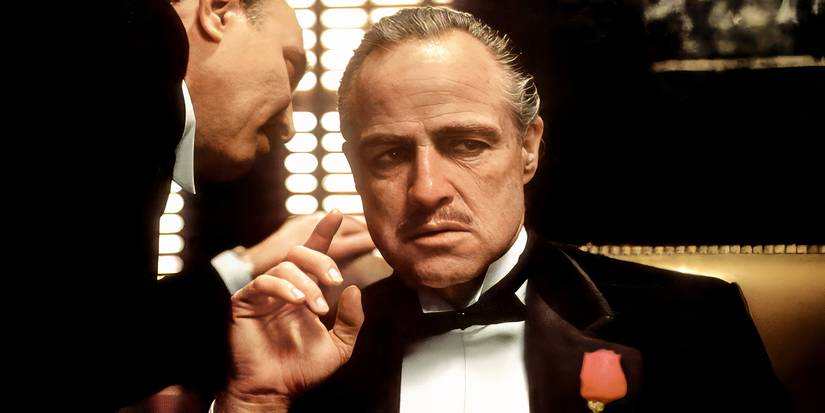 Image via Paramount Pictures
The Godfather begins with Don Vito Corleone (Marlon Brando) at the height of his influence. He listens to requests on his daughter’s wedding day, weighing loyalty and respect more than profit. His world runs on favors, patience, and memory. Michael (Al Pacino), on the other hand, starts outside that world. He wants a clean life and believes distance will protect him.
When violence enters the family, Michael steps in slowly. He observes first, then acts. Each choice pulls him closer to responsibility and further from who he was. By the time he takes control, his transformation looks complete and irreversible. The film never rushes that shift. It shows how power settles in quietly, how families justify it, and how identity changes long before anyone notices.
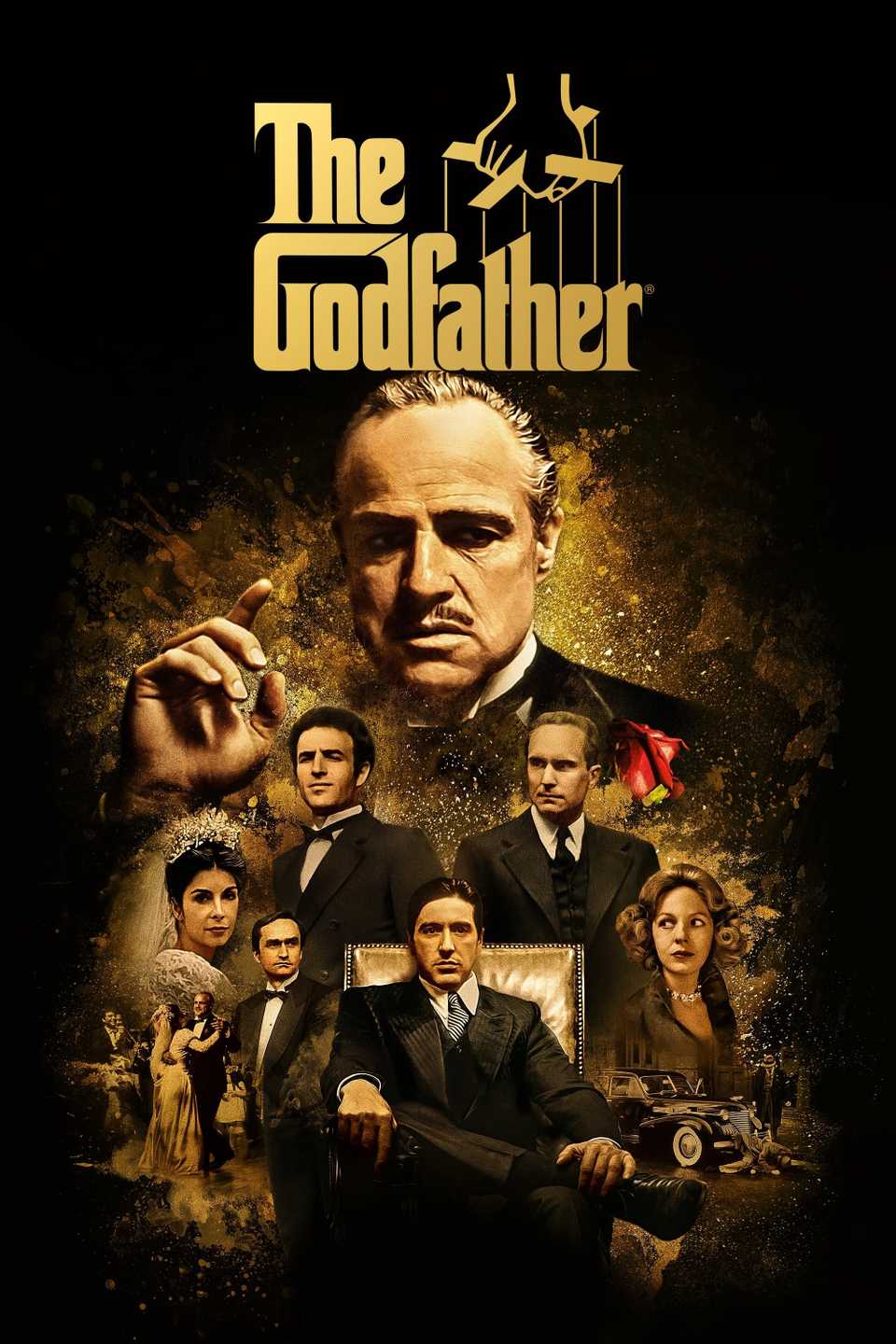
The Godfather
Release Date March 24, 1972
Runtime 175 minutes
Director Francis Ford Coppola
Writers Mario Puzo, Francis Ford Coppola
-

-

Al Pacino
Michael Corleone





 English (US) ·