
A true epic movie will usually be long as far as the runtime is concerned, immense with its production value, and believable as far as bringing a distinct time and place to life goes. Regarding the last of those, that might play some role in a good many epics being historical films, but a movie doesn’t have to be based on a true story – or willing to immerse you in a real point in history – to be considered an epic.
There are some more fantastical epics below, then a few that tell actual stories, and some others that are more easily classifiable as historical fiction. They're all united, though, by the fact that they're seriously impressive epic movies, and deliver an especially noteworthy amount of spectacle throughout. If a long movie had you going, “How on earth did they pull this off?” a few times throughout, it might well be included below.
10 'The Good, the Bad and the Ugly' (1966)
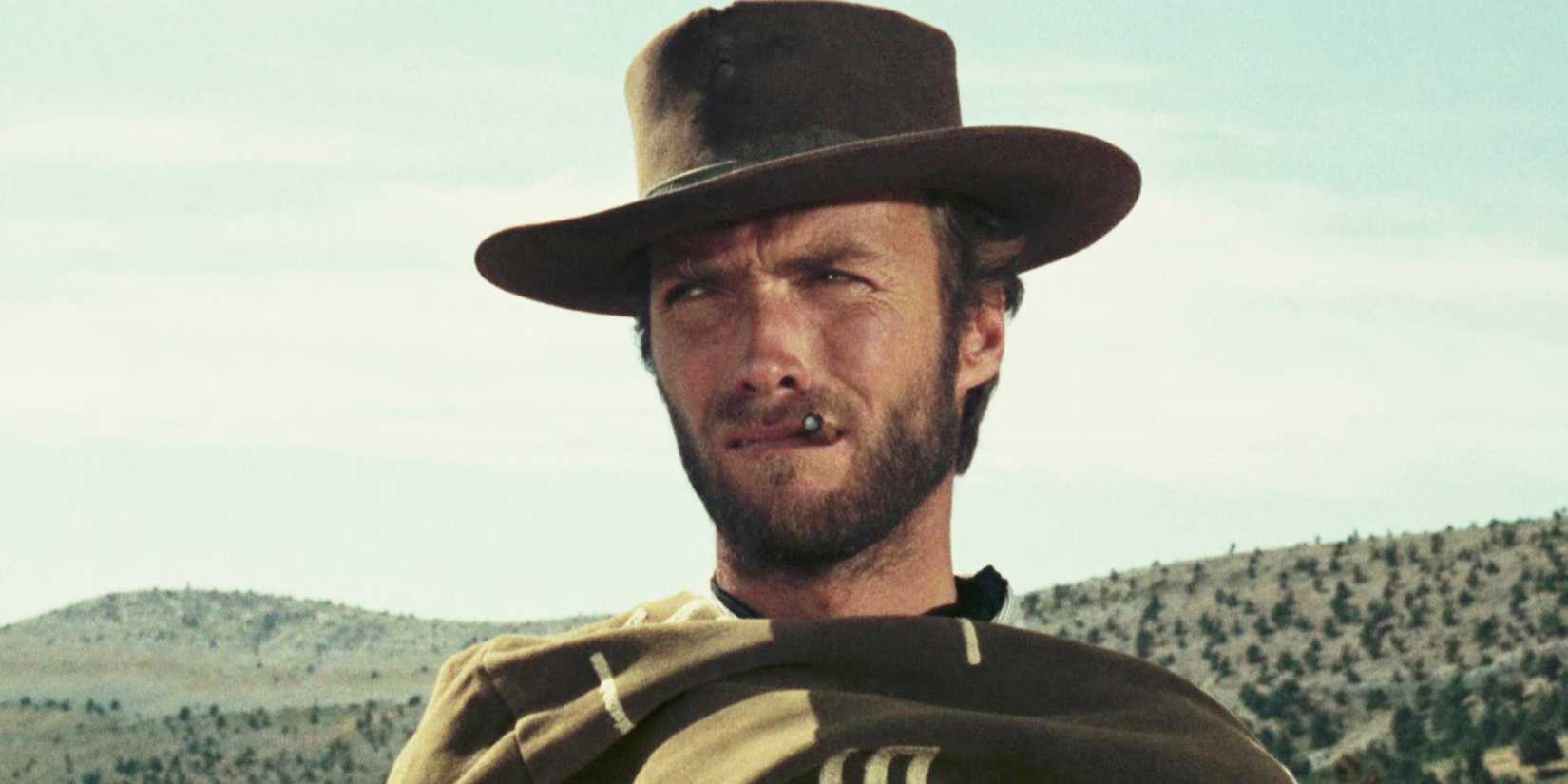 Image via Produzioni Europee Associati
Of all the big Westerns out there, The Good, the Bad and the Ugly is one of the biggest. There’s a cut out there that’s a decently lengthy 161 minutes, but the more widely available version nowadays is just a few minutes shy of three hours. Getting those scenes back in the movie involved re-dubbing done decades later, with Clint Eastwood not sounding too dissimilar, but poor Eli Wallach did sound much older (maybe understandable, considering he was in his mid-80s when the new voiceover was done).
Anyway… the movie itself has a plot that’s kind of simple, being about a competitive journey across the desert during the Civil War era to find a buried fortune. It largely works because of the escalating sense of spectacle, and because the character dynamics between the three titular characters prove continually entertaining. The Good, the Bad and the Ugly is just intensely cinematic in the best of ways, or maybe even all the ways.
9 'The Right Stuff' (1983)
 Image via Warner Bros.
The Right Stuff does indeed do a lot of stuff right. It covers a good deal of ground, historically speaking, being about a fair few characters and covering about a decade of time involving the early Space Race, or more like a decade and a half, if you include the prologue. Once the characters start traveling into space, it begins to feel like something of an adventure movie (and not a sci-fi one, like a good many space movies, since The Right Stuff is based on a true story, or true stories).
It’s also impressive because it takes real-life events and does some interesting things with them tonally, because different parts of The Right Stuff hit some incredibly different emotional beats. The film’s never quite had the level of popularity it deserves, though the critical praise and Oscar nominations do count for something. It should just be even more legendary and acclaimed as far as epics go.
8 'Gangs of New York' (2002)
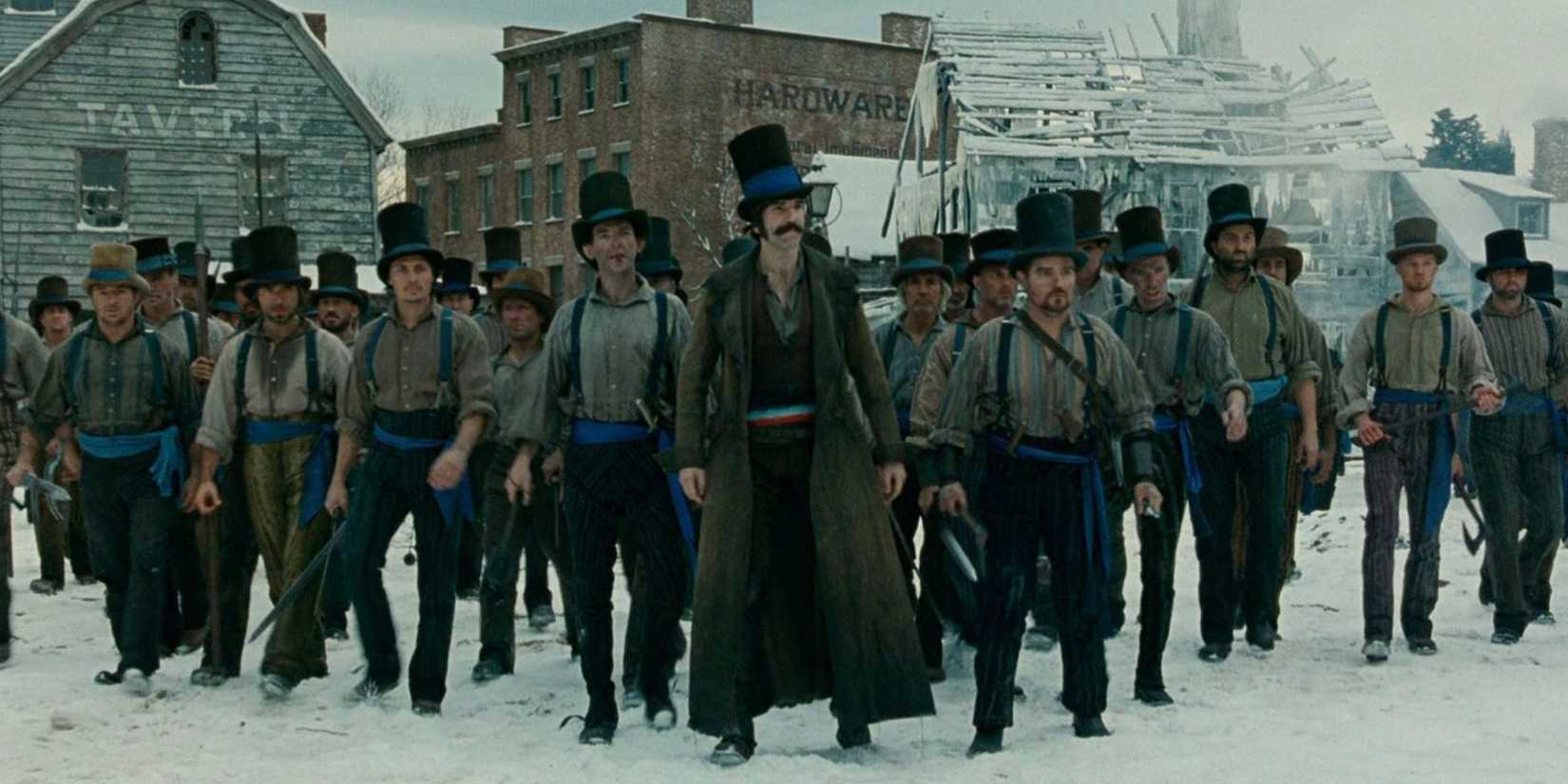 Image via Miramax Films
There are longer gangster movies directed by Martin Scorsese than Gangs of New York, yet it’s this one that honestly might be the most impressive on a technical front. And some of his gangster movies are also of a higher quality than Gangs of New York; that should be acknowledged, too. But in terms of a film being expensive and then proceeding to look and feel remarkably expensive, this one’s top-tier.
The immersion here is great, and Gangs of New York really does bring 1860s New York to life, all the while being paced better – and having higher quality performances – than some like to give it credit for. But if you're not on board with the narrative content or the acting, this film can still be appreciated for its technical qualities, and for what Scorsese and co. were able to do with the immense amount of money they were given to make this movie.
7 'Avengers: Endgame' (2019)
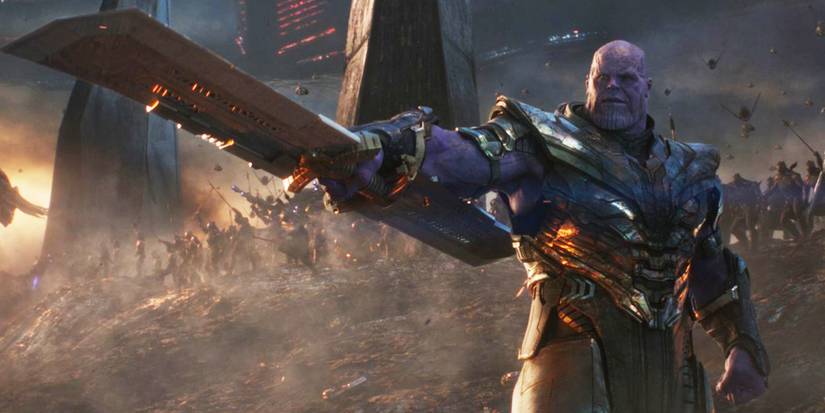 Image via Marvel Studios
On the other end of things to Gangs of New York, as far as epic movies go, is Avengers: Endgame, which is a superhero film, and so probably not the kind Martin Scorsese would be particularly enthralled with. Still, it’s an epic-length superhero movie that goes for three hours all up, and serves as a climax for the first three phases of the Marvel Cinematic Universe (even if Phase 3’s final movie was technically Spider-Man: Far From Home).
There’s a wild cliffhanger at the end of Avengers: Infinity War that involves the heroes losing in a big way, with Avengers: Endgame focusing on the core Avengers team undertaking a desperate mission to reverse what happened to the world (well, to the whole universe, technically). There are so many characters thrown into this, various older Marvel Cinematic Universe entries are revisited, and emotional catharsis (and then some) is achieved by the time the final act rolls around. The MCU has kept on going, sure, but this might well remain feeling like a culmination or climax that’s impossible to top.
6 'The Odyssey' (2026)
 Image via Universal Pictures
At the time of writing, The Odyssey is very recent; that can’t be denied. It’s also difficult to dispute how impressive it is, as a movie, so the recency of it all doesn’t matter. As of right now, it’ll probably still look, sound, and feel spectacular in a couple of decades or so… whether it’s considered a true and/or conventional classic after that much time is a good deal more challenging an argument to make. It’s not out of the question, though.
Narratively, it’s The Odyssey. That’s all. It’s about an odyssey. There’s a guy trying to get home, and he’s not too surprisingly played by Matt Damon, who’s often a guy trying to get home on the big screen. He does it well, as do all the other very recognizable faces who keep showing up, and then Christopher Nolan pulls off what might well be his most remarkable accomplishment as a filmmaker here, too (a real "star being behind the camera" kind of thing).
5 'Ben-Hur' (1959)
 Image via Loew's, Inc.
Ben-Hur came out at the end of a decade that had seen the release of some truly impressive epics, and it may well have been the most impressive out of the whole bunch. The story takes place about 2000 years ago, during the time of Jesus Christ, but without him being at the center the way you might expect from a biblical epic. Instead, it’s about a man named Judah Ben-Hur, and what happens when he’s betrayed by a childhood friend.
The Oscar for Best Picture was given to what was probably the biggest movie of 1959, a bit like how Titanic kind of towered over most of the other movies that came out in 1997, but if a big movie is also so high-quality, and successful in realizing what it’s going for, then it’s hard to complain. Ben-Hur does endure and hold up extremely well for a movie of its age, and the spectacle here, in particular, remains hard to deny.
4 'Ran' (1985)
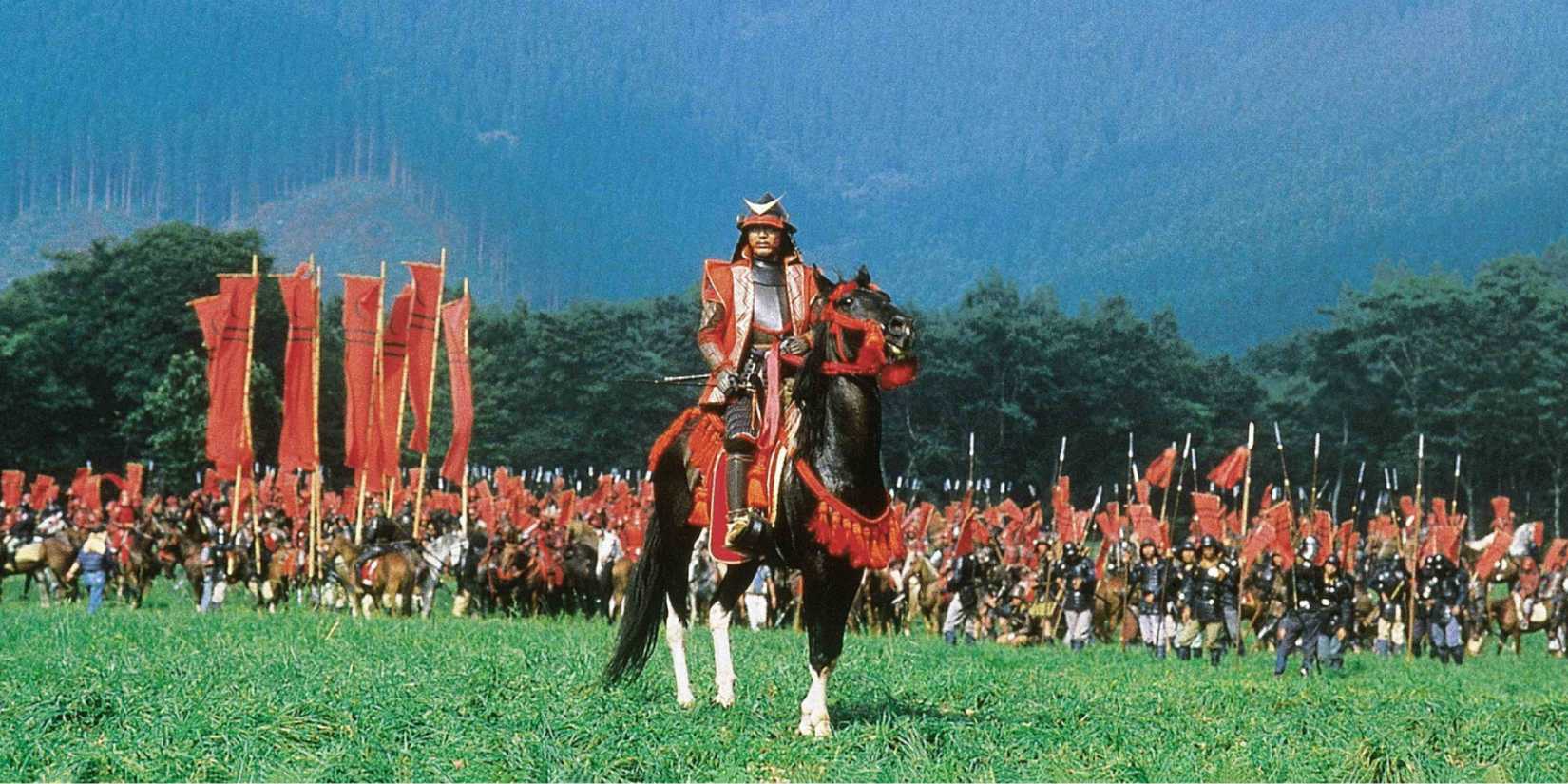 Image via Toho
Compared to some of the other movies here, Ran is patiently paced almost to the point of being slow, but it’s not a boring kind of slow, and then it’s slow-burn as well, so you get some heat alongside the “slowness.” It’s about a succession crisis, essentially, with an aging warlord failing to keep all his children happy when he tells them of his plans for their empire’s future, with family drama/conflict giving way to all-out warfare.
Before there are any battles, Ran is also spectacular to look at, but the flashier and more violent sequences do ultimately serve to kick things up a notch. There’s a lot to take in and appreciate here, which makes Ran surprisingly rewatchable (also helping is that many of the earlier scenes prove more compelling once you know where everything is eventually headed).
3 'Lawrence of Arabia' (1962)
 Image via Columbia Pictures
Lawrence of Arabia is in a similar camp to Ben-Hur, with both being quintessential epics, and perhaps even the two films that are most likely to come to mind when people hear the phrase “epic movie.” Differences, though, would be that Lawrence of Arabia feels a bit darker overall, and doesn’t have many sequences that could be described as action-packed, though it doesn’t really need “action” in the traditional sense.
It unfolds pretty much perfectly over a runtime that’s almost four hours, but really doesn’t feel that long.
It’s still very exciting and sweeping in its own way, plus it can be called an adventure movie alongside being a war epic and a drama-heavy character study/biographical film. It unfolds pretty much perfectly over a runtime that’s almost four hours, but really doesn’t feel that long, and so it’s really hard to deny the well-earned legacy Lawrence of Arabia has – and continues to have – all these decades on from its release.
2 'The Lord of the Rings' (2001–2003)
With these last two “movies,” they're multipart ones, so maybe that means they’ve got an advantage over the other epics here, but oh well. The main thing is they were massive films split into parts, and so yeah, The Lord of the Rings is more or less one huge movie that serves as an overall adaptation of the very long novel of the same name (J.R.R. Tolkien’s source material was itself written as one book, but published in three parts).
If you have nine hours to spare, or a bit longer for the extended editions, there is something tremendously rewarding about watching The Lord of the Rings in a single sitting… well, a few sittings across the same day, since bathroom/snack breaks at least between parts are probably essential. The ambition here is undeniable, and most easily appreciable if you approach The Lord of the Rings as one massive movie that somehow did the original novel justice, even without it being the most direct of adaptations.
1 'War and Peace' (1965–1967)
 Image via Mosfilm
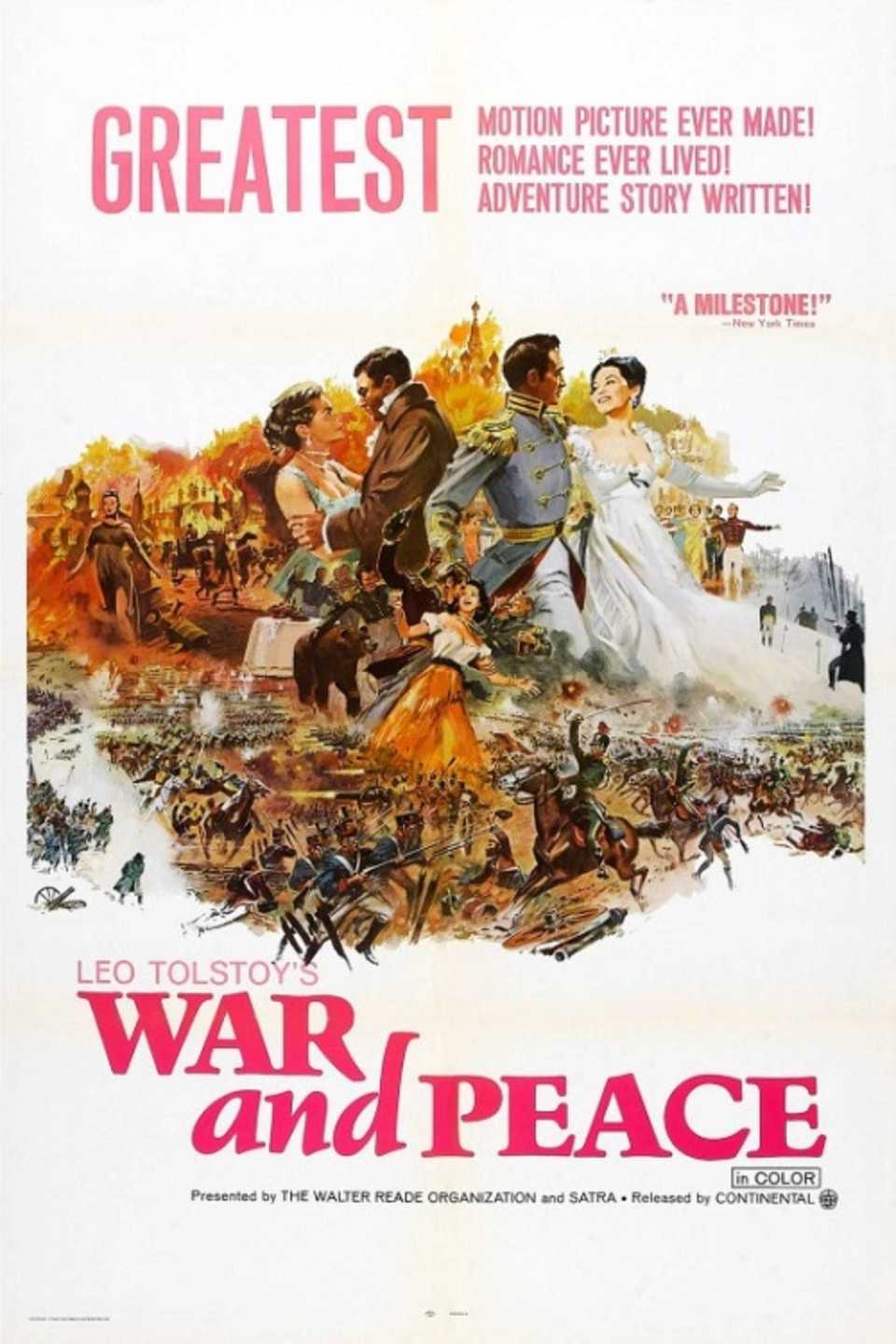
Like The Lord of the Rings, War and Peace took a massive and undeniably classic novel and condensed it into one film, sort of. It was another “one film” split into multiple parts, here being four, and those four parts taken together adding up to about seven hours. It’s necessary to capture the scope of the novel, and the many (tumultuous) years that get covered throughout, though this adaptation of War and Peace does condense things to some extent.
The book’s about 1400 pages long, and the formatting is such that the words on all those pages are pretty small, so some streamlining was necessary. You still get much of what makes the novel a classic found in this four-part movie, with there being maybe an added emphasis on battle scenes the way you can also find in the movie adaptation of The Lord of the Rings, but when such sequences add to the spectacle to such a great extent, maybe that’s okay.
War and Peace
Release Date March 14, 1966
Runtime 393 Minutes
Director Sergey Bondarchuk
Writers Sergey Bondarchuk, Vasiliy Solovyov, Leo Tolstoy



 English (US) ·