
 Image via Everett Collection
Published Sep 13, 2026, 5:26 AM EDT
Ryan Heffernan is a Senior Writer at Collider. Storytelling has been one of his interests since an early age, with his appreciation for film and television becoming a particular interest of his during his teenage years.
This passion saw Ryan graduate from the University of Canberra in 2020 with an Honours Degree in Film Production. In the years since, he has found freelance work as a videographer and editor in the Canberra region while also becoming entrenched in the city's film-making community.
In addition to cinema and writing, Ryan's other major interest is sport, with him having a particular love for Australian Rules football, Formula 1, and cricket. He also has casual interests in reading, gaming, and history.
Sign in to your Collider account
Television is renowned for giving viewers stories they can watch unfurl season after season, long-format odysseys that can either be watched over the years as each season is released or binged watched over the course of a few weeks. However, sometimes people don’t want to have to make such a commitment. Sometimes they want something they can enjoy in its entirety over the course of a lazy weekend nestled on the couch.
From heartbreaking romantic dramas that have become modern sensations of small-screen drama to gripping crime mysteries, absorbing historical epics, and even an international gem for those who like to binge something a little more eclectic and cerebral, these miniseries marvels are perfect to dive into the next time a quiet weekend rolls around. Some are hopeful and happy while others are haunting and heavy, but all 10 of these limited series releases are great for binge-watching in a short span of time.
10 'The Haunting of Hill House' (2018)
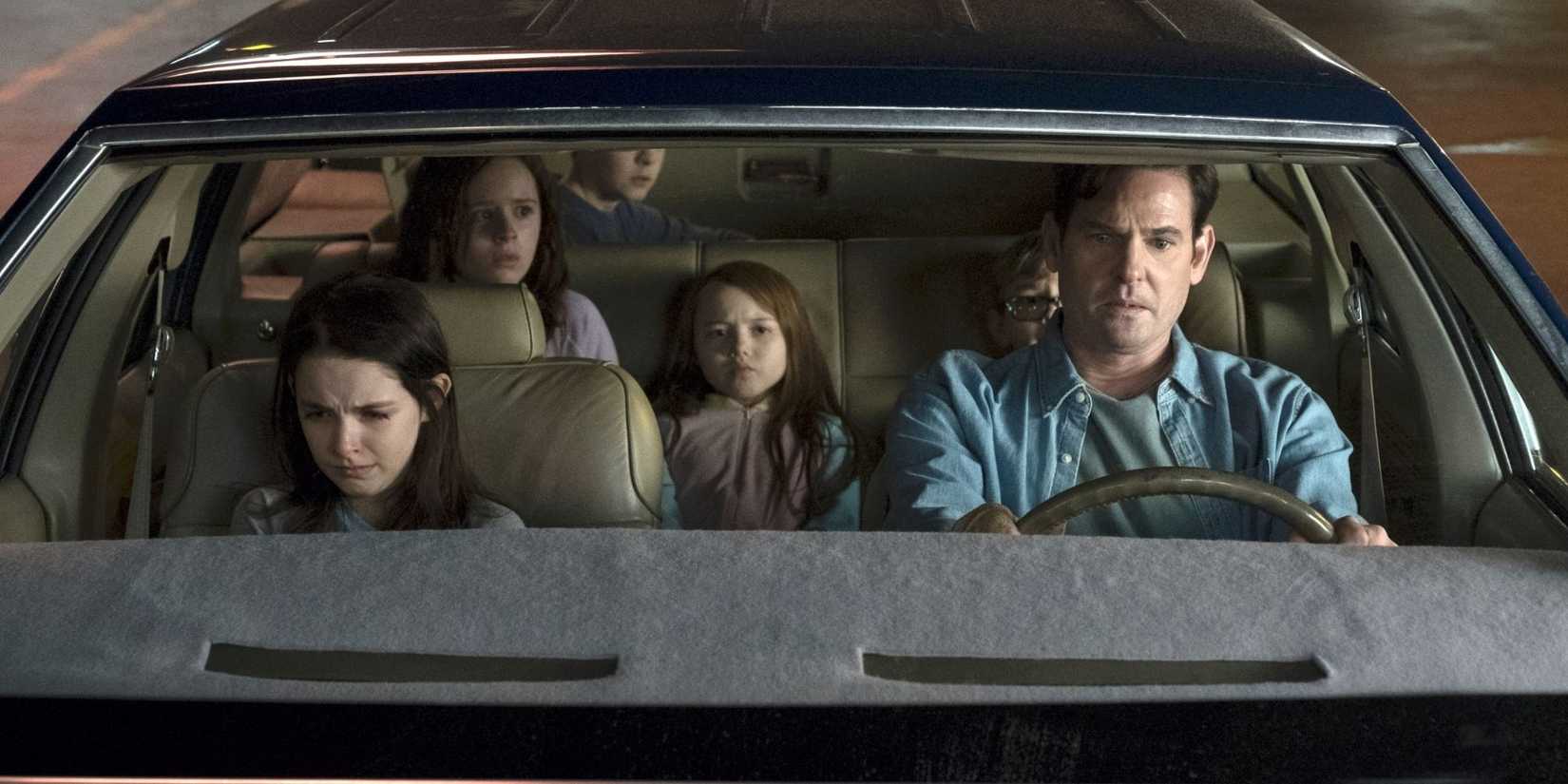 Image via Netflix
The collaborations between Netflix productions and Mike Flanagan have provided many of the most enthralling horror series in recent years, from bold and modernizing adaptations like The Fall of the House of Usher to clever original ideas like Midnight Mass. The very best of Flanagan’s productions for Netflix, however, is undeniably his debut in the format, 2018’s The Haunting of Hill House. Based on Shirley Jackson’s 1959 novel, its split narrative follows the Crain family, depicting the nightmare they endured as they are besieged by paranormal phenomena while renovating a house in 1992 and, in the modern day, exploring the lingering trauma the survivors continue to live with.
Combining its unique horror allure with beautifully realized character depth and compelling puzzle-box storytelling that ensures every episode asks more questions than it answers, The Haunting of Hill House is horror television at its most fiendishly entertaining. Also, given it starts off slow and methodical before ramping up the intensity, the 10-part miniseries gathers a certain momentum that can become quite irrepressible once the viewer is truly into it.
9 'The Night Of' (2016)
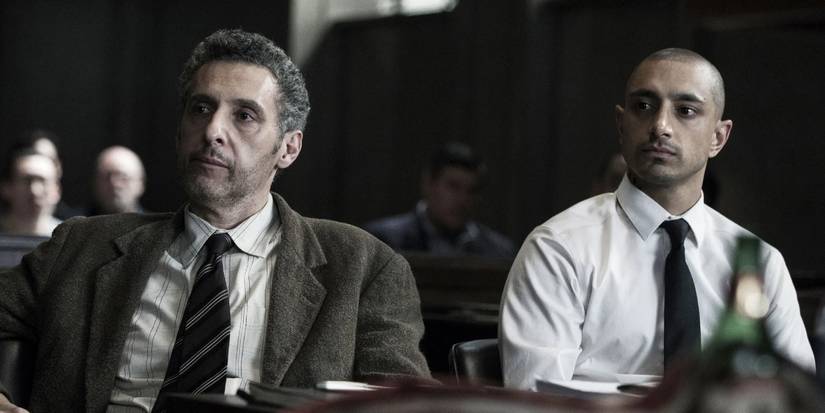 Image via HBO
Remembered by the few who have seen it as an underrated gem of 2010s television, The Night Of balances ensnaring crime thrills against a scorching critique of institutional issues as it revolves around the arrest and trial of Nasir Khan (Riz Ahmed). Following a night of partying with a stranger, Nasir awakens to find the mysterious girl murdered in bed next to him. When he is apprehended soon after, the police and prosecution treat it as a closed case, but defense attorney John Stone (John Turturro) represents Khan, believing there is more to the story.
Evolving from a police procedural thriller to a courtroom drama, a private eye mystery, and even to a bleak coming-of-age journey as Nasir learns harsh truths of the world behind bars while awaiting trial, The Night Of packs its eight-episode run with high drama that makes its measured pacing completely addictive. With a total runtime of eight hours on the dot, the HBO miniseries is perfect for a lengthy weekend binge, especially for those who love high-stakes crime dramas that mix thematically bold storytelling with a penchant for plot twists and rich cinematic visuals.
8 'Normal People' (2020)
 Image via Hulu
Consisting of 12 half-hour episodes, Normal People excels at delivering bite-sized drama that allows viewers to progress at their own pace through a raw, powerful, and heartbreaking story of young love and early adulthood. Opening in a secondary school in Ireland, it follows the romance that blooms between Connell (Paul Mescal), a popular athletic student, and Marianne (Daisy Edgar-Jones), his ostracized and targeted classmate. Complications in the relationship arise as Connell and Marianne begin to decide what they want to achieve in their lives and the paths they will have to take to get there.
Anchored in the engrossing chemistry between the two stars, Normal People explores the depths and agony of first loves, teenage ambition, and the harsh realities of coming of age with profound tenderness and beauty. Taking viewers on a spellbinding emotional roller-coaster of soaring highs and devastating lows, the 12-part limited series is one of the defining TV releases of the 2020s so far and is a perfect weekend watch, particularly for those in the mood for a romantic tearjerker.
7 'Godless' (2017)
 Image via Netflix
Buoyed by its on-location filming, its gritty Western allure, clever progressive spin on the genre, and its ticking clock premise, Godless stands as an underrated gem of Netflix’s production catalog as well as a uniquely exciting dose of miniseries action. It largely transpires in a town where almost all the men have been killed in a mining accident. When an outlaw on the run, Roy Goode (Jack O’Connell), stumbles upon the settlement with his former gang hot on his heels, the women realize they’ll have to defend themselves, or the consequences could be dire.
Powered by smart writing that mixes traditional Western tropes with the premise’s female-centric evolution of the genre as well as a litany of exceptional performances, the seven-part miniseries presents an absorbing Old West epic that is only further propelled by its cinematography and sets. Its combination of grounded character drama, mounting suspense, and action impact only makes the miniseries all the more binge-worthy.
6 'Dekalog' (1989)
 Image via Zespol Filmowy "Tor"
A thematically connected series of 10 stories centered in a Polish apartment complex may not sound like the most riveting binge-watch experience to some, but those who love contemplative, high-minded drama would do well to seek out 1989’s Dekalog. Directed in its entirety by Krzysztof Kieślowski, each of the miniseries’ 10 episodes is inspired by one of the 10 Commandments as different characters in the housing complex face their own ethical dilemmas as they go about their ordinary lives in 1980s Poland.
Considering the episodes tend to focus on standalone stories rather than an overarching idea, Dekalog is surprisingly rewarding to watch over the course of a weekend as it allows the subtle links between episodes to be recognized in full. With the limited series also thriving off the back of its rich atmosphere, distinct visual motifs, and the endlessly fascinating mood of late ‘80s Eastern Europe, Dekalog is one of the most arresting miniseries ever made, though it might not necessarily be to everyone’s taste.
Collider Exclusive · Sci-Fi Survival Quiz Which Sci-Fi World Would You Survive? The Matrix · Mad Max · Blade Runner · Dune · Star Wars
Five universes. Five completely different ways the future went wrong — or sideways, or up in flames. Only one of them is the world your instincts were built for. Eight questions will figure out which dystopia, galaxy, or desert wasteland you'd actually make it out of alive.
💊The Matrix
🔥Mad Max
🌧️Blade Runner
🏜️Dune
🚀Star Wars
TEST YOUR SURVIVAL →
01
You sense something is deeply wrong with the world around you. What do you do? The first instinct is often the truest one.
APull on every thread until I understand the system — then figure out how to break it. BStop asking questions and start stockpiling — food, fuel, weapons. Questions don't keep you alive. CKeep my head down, observe carefully, and trust no one until I know who's pulling the strings. DStudy the patterns. Every system has a rhythm — learn it, and you learn how to survive it. EFind the people fighting back and join them. You can't fix a broken galaxy alone.
NEXT QUESTION →
02
In a world of scarcity, what resource do you guard most fiercely? What we protect reveals what we believe survival actually requires.
AKnowledge. If you understand the system, you don't need resources — you can generate them. BFuel. Everything else — movement, power, escape — runs on it. CTrust. In a world of fakes and informants, a truly reliable ally is rarer than any commodity. DWater. And after water, information — the two things empires are truly built on. EShips and credits. The galaxy is big — you survive it by being able to move through it freely.
NEXT QUESTION →
03
What kind of threat keeps you up at night? Fear is useful data — if you're honest about what you're actually afraid of.
AThat reality itself is a lie — that everything I experience has been constructed to keep me compliant. BA raid. No warning, no mercy — just the roar of engines and then nothing left. CBeing identified. Once someone with power decides you're a problem, you're already out of time. DBeing outmanoeuvred — losing a political game I didn't even know I was playing. EThe Empire tightening its grip until there's nowhere left to run.
NEXT QUESTION →
04
How do you deal with authority you don't trust? Every dystopia has a power structure. Your approach to it determines everything.
ASubvert it from the inside — learn its rules well enough to weaponise them against it. BIgnore it and stay out of its reach. The further from any power structure, the better. CAppear to comply while doing exactly what I need to do. Visibility is the enemy. DManoeuvre within it carefully. You can't beat a system you refuse to understand. EResist openly when I have to. Some things are worth the risk of being seen.
NEXT QUESTION →
05
Which environment could you actually endure long-term? Survival isn't just tactical — it's physical, psychological, and very much about where you are.
AUnderground bunkers and server rooms — cramped, artificial, but with access to everything that matters. BOpen wasteland — brutal sun, no shelter, constant movement. At least the threat is honest. CA dense, rain-soaked city where you can disappear into the crowd and nobody asks questions. DMerciless desert — extreme heat, no water, and something enormous living beneath the sand. EThe fringe — backwater planets and busy spaceports where the Empire's attention rarely reaches.
NEXT QUESTION →
06
Who do you want in your corner when things fall apart? The company you keep is the clearest signal of who you actually are.
AA tight crew of believers who've seen behind the curtain and have nothing left to lose. BOne or two people I'd trust with my life. Any more than that and someone talks. CNobody, ideally. Alliances are liabilities. I work alone unless I have no choice. DA community bound by shared hardship and mutual survival — people who need each other to last. EA ragtag team with wildly different skills and total commitment when it counts.
NEXT QUESTION →
07
Where do you draw the line — if you draw one at all? Every survivor eventually faces a moment that tests what they're actually made of.
AI won't harm the innocent — even the ones who'd report me without hesitation. BI do what I have to to protect the people I've chosen. Everything else is negotiable. CThe line shifts depending on who's asking and what's at stake. DI draw a long-term line — nothing that compromises my people's future, even if it'd help now. ESome lines, once crossed, can't be uncrossed. I know which ones they are.
NEXT QUESTION →
08
What would actually make survival worth it? Staying alive is one thing. Having a reason to is another.
AWaking others up — dismantling the illusion so no one else has to live inside it. BFinding somewhere — or someone — worth protecting. A reason to keep moving. CAnswers. Understanding what I am, what any of this means, before time runs out. DLegacy — shaping the future in a way that outlasts me by generations. EFreedom — for myself, for others, for every world still living under someone else's boot.
REVEAL MY WORLD →
Your Fate Has Been Calculated You'd Survive In…
Your answers point to the world your instincts were built for. This is the universe your temperament, your survival instincts, and your particular brand of stubbornness were made for.
The Matrix
You took the red pill a long time ago — probably before anyone offered it to you. You're a systems thinker who can't help but notice the seams in things.
- You're drawn to understanding how the system works before figuring out how to break it.
- You'd find the Resistance, or it would find you — your instinct for spotting constructed realities is the machines' worst nightmare.
- You function best when you have access to information and the freedom to act on it.
- The Matrix built an airtight prison. You'd be the one probing the walls for the door.
Mad Max
The wasteland doesn't reward the clever or the well-connected — it rewards those who are hard to kill and harder to break. That's you.
- You don't need comfort, community, or a cause larger than the next horizon.
- You need a vehicle, a clear threat, and enough fuel to outrun it — and you're good at all three.
- You are unsentimental enough to survive that world, and decent enough — just barely — to be something more than another raider.
- In the wasteland, that distinction is everything.
Blade Runner
You'd survive here because you know how to exist in moral grey areas without losing yourself completely.
- You read people accurately, keep your circle small, and ask the questions others prefer not to answer.
- In a city where humanity is a legal designation rather than a feeling, you hold onto something that keeps you functional.
- You're not a hero. But you're not lost, either.
- In Blade Runner's world, that distinction is everything.
Dune
Arrakis is the most hostile environment in the known universe — and you are precisely the kind of person it rewards.
- Patience, discipline, and political awareness are your core strengths — and on Arrakis, they're survival tools.
- You understand that the long game matters more than any single victory.
- Others come to Dune and are consumed by it. You'd learn its logic and earn its respect.
- In time, you wouldn't just survive Arrakis — you'd begin to reshape it.
Star Wars
The galaxy far, far away is vast, loud, and in a constant state of violent political upheaval — and you wouldn't have it any other way.
- You find meaning in being part of something larger than yourself — a cause, a crew, a rebellion.
- You'd gravitate toward the Rebellion, or the fringes, or whatever pocket of the galaxy still believes the Empire's grip can be broken.
- You fight — not because you have to, but because standing aside isn't something you're capable of.
- In Star Wars, that willingness is what makes all the difference.
↻ RETAKE THE QUIZ
5 'Station Eleven' (2021)
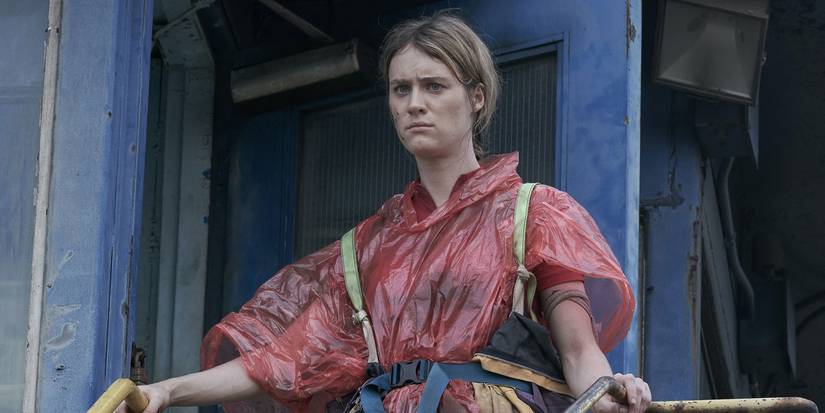 Image via HBO Max
Post-apocalyptic drama has given television lovers plenty of addictive and binge-worthy series over the years, from the frenetic high-stakes action of The Walking Dead to the contained, controlled suspense of Apple TV’s Silo. The one thing all series in the genre tend to share is a sense of cynical inhumanity, but HBO’s criminally underrated Station Eleven changes even that, re-envisioning the decimation of mankind as a time when human values of kindness, connection, and community would be strongest.
While the miniseries isn’t ignorant of the darker side of human behavior, HBO's Station Eleven does well to maintain a sense of optimistic charm as it follows a group of traveling actors navigating the ruins of civilization 20 years after a flu virus wiped out the majority of humanity. Station Eleven’s ability to embed viewers in what is a unique presentation of Armageddon while still delivering plenty of rewarding emotional beats and handling a compelling non-linear narrative with deftness and nous defines the brilliance of its 10-episode run, making for an end-of-the-world drama that is incredibly easy to indulge in over the course of a weekend.
4 'The Queen's Gambit' (2020)
 Image via Netflix
Astonishingly, six years have passed since The Queen’s Gambit was released on Netflix, where it became an instant classic of small-screen drama. Many will have already seen the period character drama, but if there are some out there who somehow haven’t enjoyed the series yet, then there is no better time than now to finally get stuck into it. Based on Walter Tevis’ novel, it follows child chess prodigy Beth Harmon (Anya Taylor-Joy) as she strives to prove herself in the world’s best tournaments while succumbing to issues of addiction, alcoholism, and emotional instability.
The seven-episode show seizes a sense of propulsive momentum that is impossible to resist. This allure is conjured by everything from Taylor-Joy’s ensnaring lead performance to the attention-grabbing period detail, the snappy progression of the story, and even its penchant for ending episodes with tantalizing hooks. Given that many would have binge-watched The Queen’s Gambit within a day, the expanses of a full weekend present more than enough time for viewers to grapple with the depth and divinity of the miniseries.
3 'Brideshead Revisited' (1981)
 Image via ITV
With a total runtime on the cusp of 11 hours, Brideshead Revisited certainly isn’t the shortest miniseries around, but once viewers find themselves enraptured in its tragic tale of time, nostalgia, war, and societal change, it becomes very difficult to resist that “next episode” button. Based on Evelyn Waugh’s 1945 novel, it follows British Army officer Charles Ryder (Jeremy Irons) as his unit use the Brideshead house—the former home of his affluent friends, the Flyte family—as a temporary base. Remembering back to 1922, Ryder recalls his many experiences and adventures with the Flytes.
Tinged with an air of tragedy and fruitless yearning, Brideshead Revisited is ultimately an enrapturing tale about the passage of time, the impact of war, and the inevitability of cultural change. Supported by its beautiful and meaningful cinematography, wafting narrative pacing, and its thematic interest in the downfall of British aristocracy, Brideshead Revisited has lost none of its impact or allure over the past 45 years and is still a must-see miniseries masterpiece that can easily fill a quiet weekend.
2 'Sharp Objects' (2018)
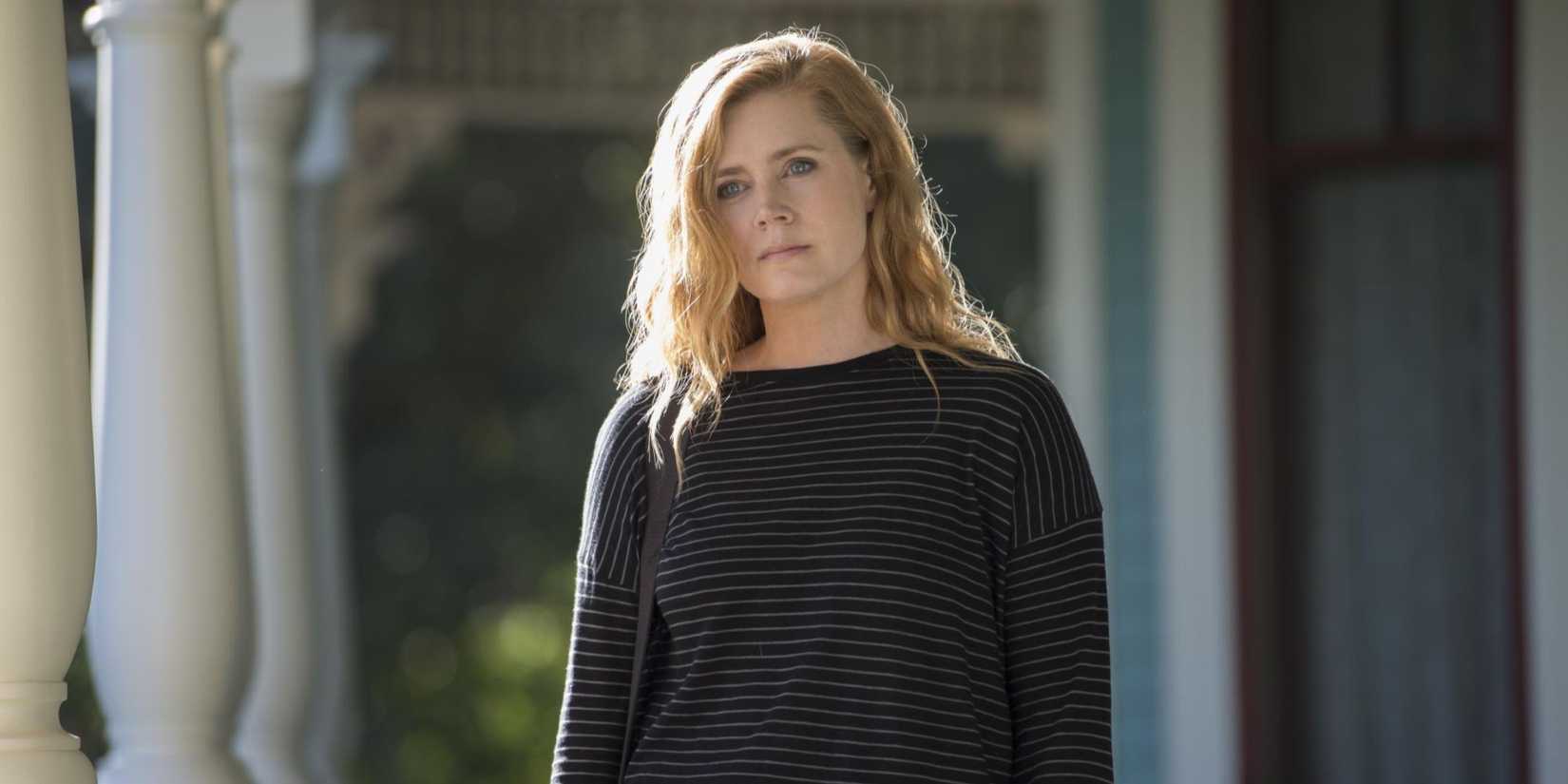 Image via HBO
Combining the slow-burn intensity of murder mystery intrigue with a commanding ability to cultivate the arresting and eerie atmosphere of Southern Gothic aesthetic, Sharp Objects delivers eight episodes of frightful though gripping tension that, once started, is almost impossible to stop. Based on Gillian Flynn’s novel, it follows crime reporter Camille Preaker (Amy Adams) as she returns to her hometown after being released from a psychiatric facility to investigate the murder of two young girls.
Masterfully handled as both an exercise in relentless suspense and a triumph of character-driven drama, the miniseries excels at prying deeper into the inhumanity of the crime while also investing heavily in Preaker’s own trauma tied to her disturbing family life. Complementing this morbid though undeniably engrossing dramatic punch with a knack for delivering shocking plot twists, Sharp Objects imposes itself as one of the most absorbing miniseries of all time, one that is a treat to binge-watch over the course of a weekend.
1 'Chernobyl' (2019)
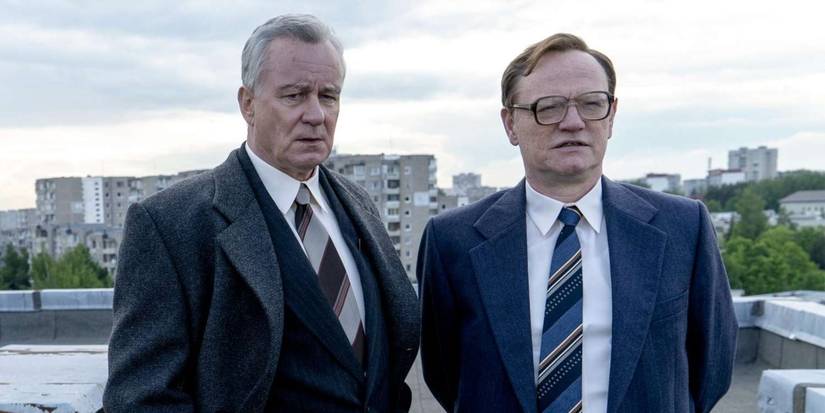 Image via HBO
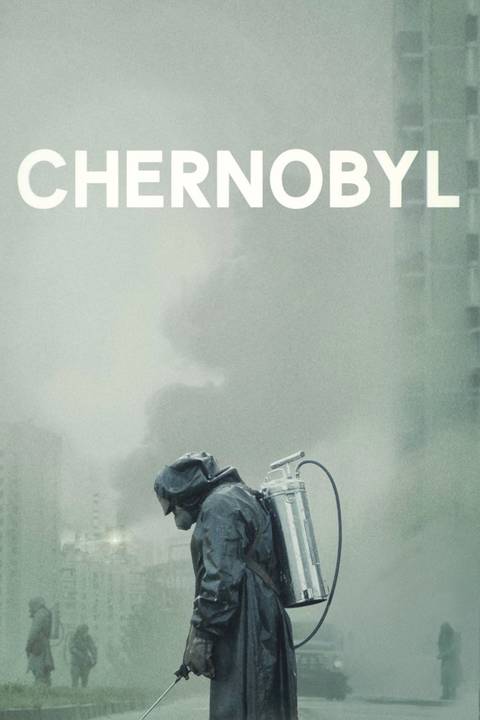
With a runtime of just five-and-a-half hours spread across five episodes, Chernobyl is one of the shorter miniseries to feature on this list. However, it would probably be the one that takes the longest to watch as well, given how it offsets its gripping sense of tension with a deeply disturbing acknowledgment of the real horrors it depicts. Dramatizing the Chernobyl nuclear power plant disaster of 1986, it dissects the events that led to the reactor meltdown, the heinous fates of the first responders, the extensive containment operation in the days prior, and the eventual political aftermath.
Strengthened by HBO’s outstanding production value that brings mid-'80s Europe to life with visceral realism, the unrivaled brilliance of the ensemble cast, and the grim though important attention to historical detail, Chernobyl delivers a pressing sense of non-stop tension that can be as ensnaring as it is terrifying. Still, the sheer magnificence of the production, writing, action, and direction is sure to keep viewers coming back, making for a miniseries masterpiece that is as incredibly binge-worthy as it is devastatingly powerful.
Chernobyl
Release Date 2019 - 2019
Network HBO
Showrunner Craig Mazin
Directors Johan Renck







 English (US) ·