

Published Aug 1, 2026, 9:00 PM EDT
Shawn S. Lealos is an entertainment writer who is a voting member of the Oklahoma Film Critics Circle. He has written for Screen Rant, CBR, ComicBook, The Direct, The Sportster, Chud, 411mania, Renegade Cinema, Yahoo Movies, and many more.
Shawn has a bachelor's degree in professional writing and a minor in film studies from the University of Oklahoma. He also has won numerous awards, including several Columbia Gold Circle Awards and an SPJ honor.
He also wrote Dollar Deal: The Story of the Stephen King Dollar Baby Filmmakers, the first official book about the Dollar Baby film program. Shawn is also currently writing his first fiction novel under a pen name, based in the fantasy genre.
To learn more, visit his website at shawnlealos.net.
War movies serve many purposes. One is to tell a story that reveals the history of classical wartime events and battles. Another is to glorify the men and women who fight in these wars and the lengths they go to for survival. Others are to show the camaraderie of the troops and soldiers as they fight for each other as much as they fight for their own country. That is what makes the endings so important to land right.
Throughout history, there have been war movies that focused on everything from the American Revolution and Civil War to the World Wars and battles in countries like Korea, Vietnam, and Afghanistan. These movies all lead to big moments. In some cases, it is a look at the final battle between the forces on the battlefield, and in other cases, it is the soldiers after the battles are finished.
Some of these war endings are foundational with marquee endings, whether they are about celebrating moments, remembering the fallen, or staring at the true horror of war. These movies remain among the best war movies ever made, in large part because their endings prove a final image can say more about combat than all the battlefield fighting ever could.
10 Letters From Iwo Jima (2006)

In 2006, Clint Eastwood directed two war movies about one event. In Flags of Our Fathers, Eastwood tells the story of the men at the Battle of Iwo Jima who planted the American flag at the battle. Letters from Iwo Jima tells the story of the Japanese troops on the losing side of the battlefield. While Flags of Our Fathers ended on a triumphant note, Letters from Iwo Jima closed on a mournful one.
The film is framed by a present-day sequence in which searchers in the island's tunnels unearth a buried sack of the soldiers' letters home. Decades after the battle, hundreds of letters are dug out of the soil, giving faces and voices back to the men who died there. Throughout the film, the soldiers write letters knowing they will never leave the island. The ending literally digs the men's inner lives out of the ground.
9 The Deer Hunter (1978)
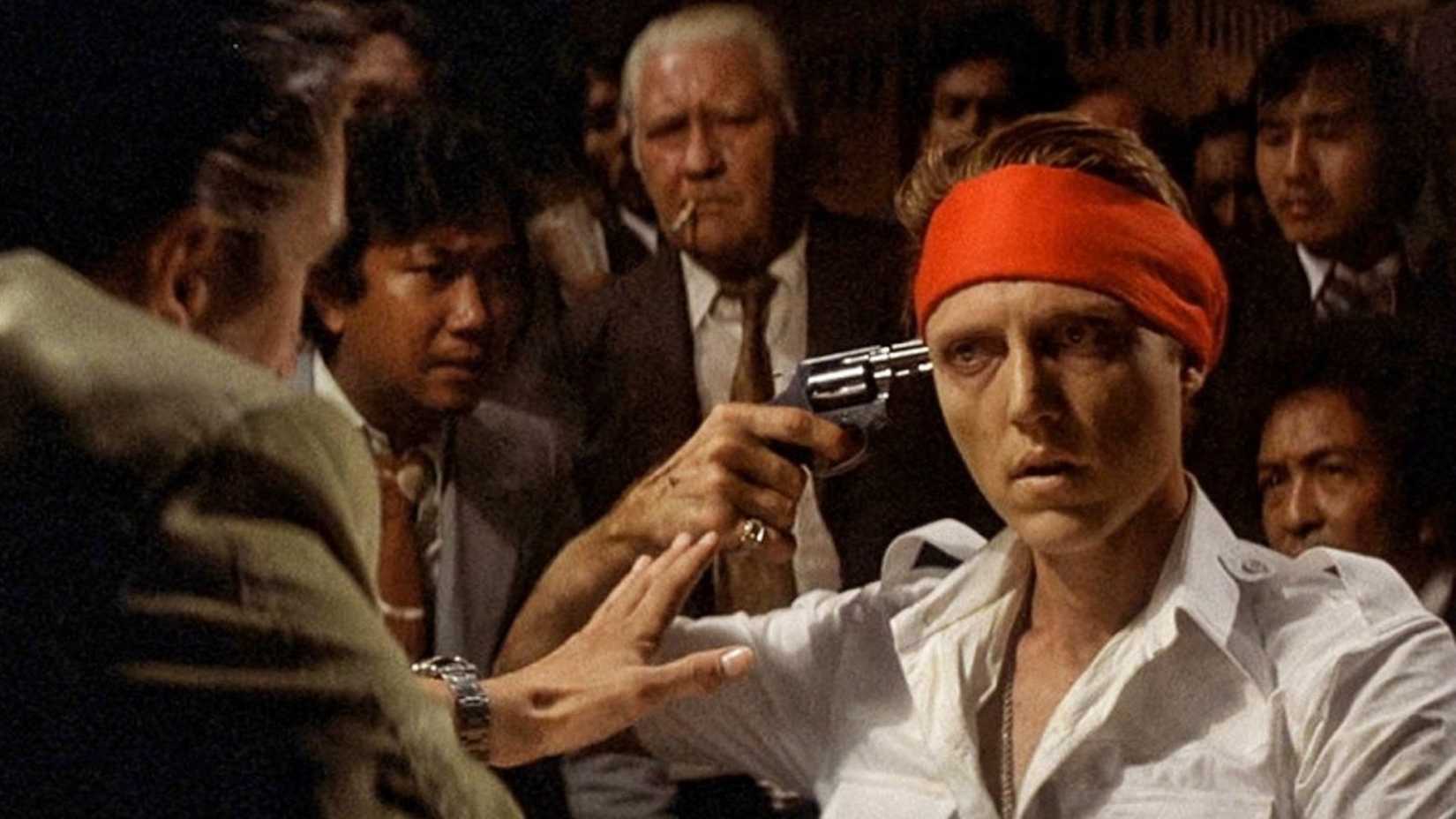
Directed by Michael Cimino, The Deer Hunter is a drama about the Vietnam War and its impact on Pennsylvania steelworker friends. Robert De Niro, Christopher Walken, Meryl Streep, John Savage, and John Cazale star in the movie. The film follows friends who go to war, and none of them come back with their minds intact. The film builds to the moment when they find Nick (Walken) playing Russian roulette, with no desire left to live.
The final scene sees the mourners sitting at breakfast together at a bar after Nick's funeral, and they all quietly sing "God Bless America." The song is deliberately ambiguous, at once a love of country and a lament for everything that country cost these people. It plays as both a hollow celebration of patriotic ideals and as an attempt at healing.

Most people who talk about Full Metal Jacket remember the first half of the movie, where the soldiers are tormented by their drill instructor, as the military attempts to break them down and rebuild them as killing machines. While R. Lee Ermey's performance as Gunnery Sergeant Hartman and Vincent D'Onofrio's breakdown as Gomer Pyle are memorable, the ending shows the actual fallout.
The second half of the movie is about these men in war, and in the final scene, the Joker platoon marches through the burning ruins of Hue singing the "Mickey Mouse March." The childish Disney tune against a smoldering war captures war absurdity and the soldiers' lost innocence. The mass sing-along after a massacre forces viewers to connect American cultural innocence with the senseless killing.
7 1917 (2019)

Sam Mendes directed a masterful war movie in 2019, with 1917 set up to appear to be one single shot, with the movie told in real time, although there was a single deliberate cut when Schofield (George MacKay) was knocked out. The film follows two soldiers who must race across the battlefield to stop a doomed attack before the troops are sent to their deaths.
The movie's ending was cathartic. Having stopped a doomed attack and told Lieutenant Blake of his brother's death, an exhausted Schofield sits against a tree and looks at photos of his wife and children. The photos represent what he fights for, which is to do his duty, where he has to lock his emotions away and accept he might never see his family again.
6 The Bridge On The River Kwai (1957)
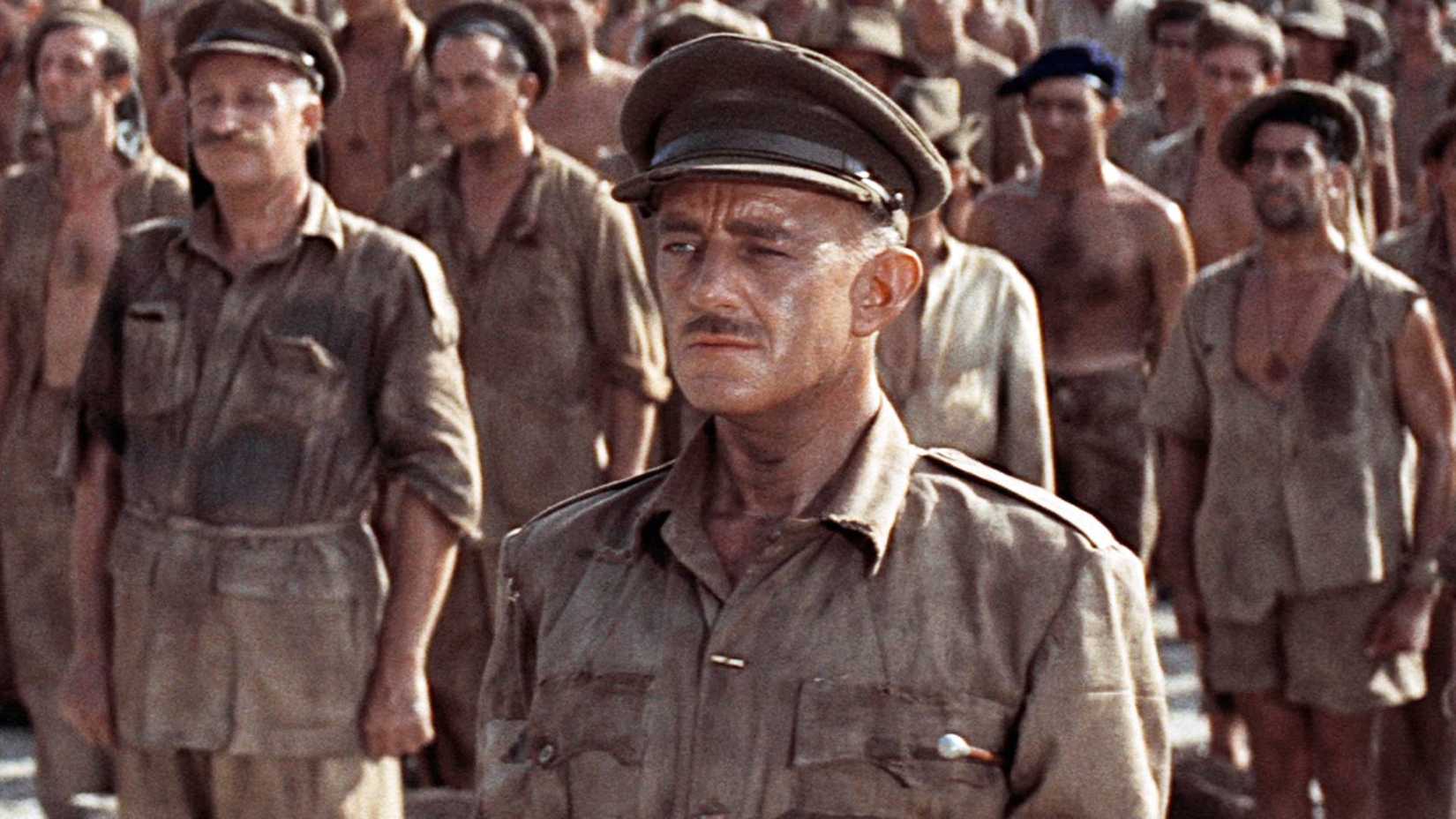
Directed by David Lean, The Bridge on the River Kwai features British POWs who are forced to build a railway bridge in Japanese-occupied Burma. The movie stars Alec Guinness, William Holden, Jack Hawkins, and Sessue Hayakawa. The entire movie has these POWs forced to do something that they don't want to do, but they also know they have a chance to help in the war, even when captured.
The ending sees Nicholson (Guinness) finding the commando's demolition wires. In the chaos, the bridge blows as the train crosses when the wounded Nicholson falls onto the detonator. The last moment said it all as the army doctor, Clipton, looks at the carnage and says, "Madness, madness." Nicholson realizes too late that he has effectively committed treason in the name of honor.
5 Grave Of The Fireflies (1988)
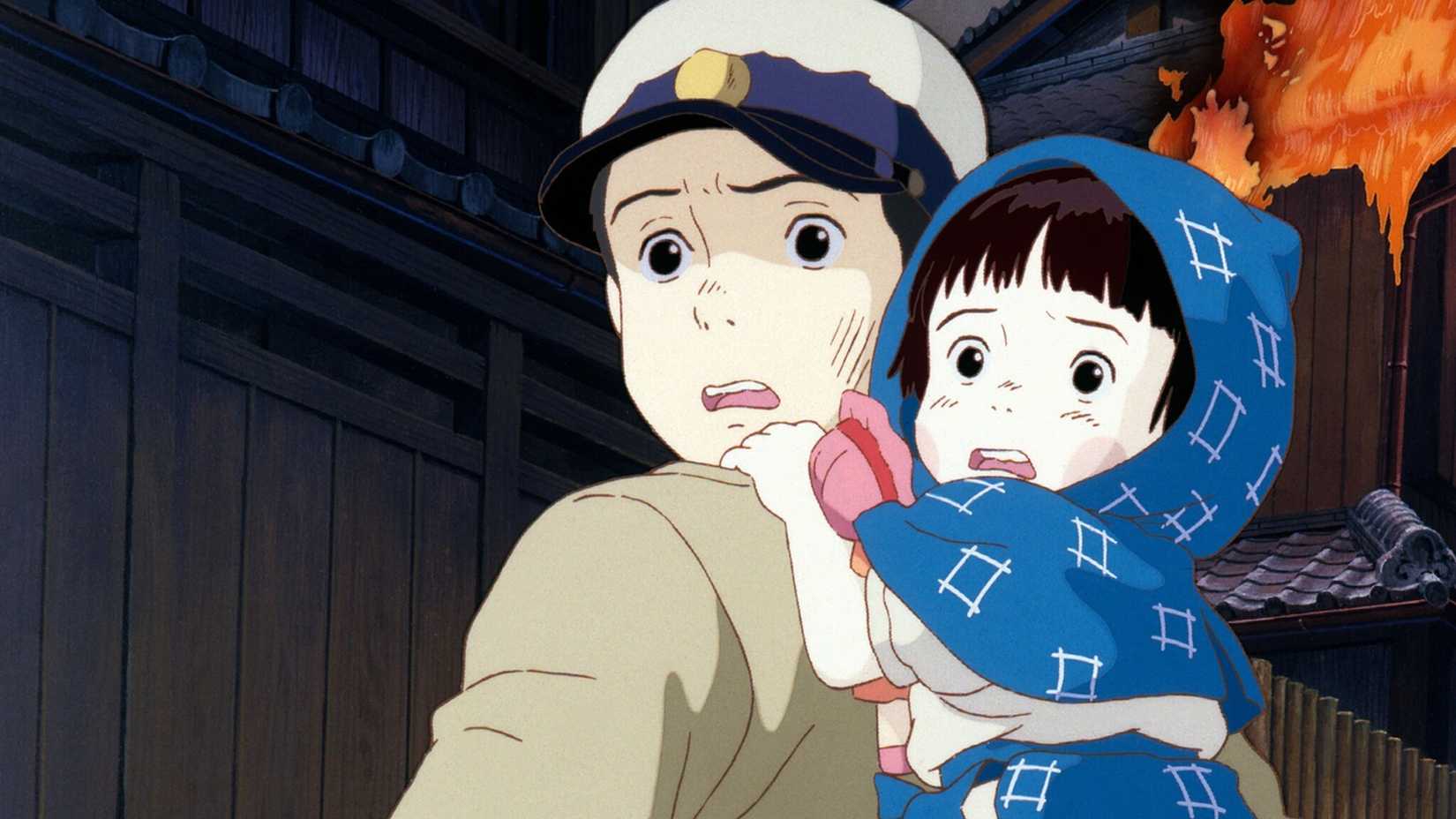
Written and directed by Isao Takahata for Studio Ghibli, Grave of the Fireflies is an anime that shows the effects of the end of World War II on the innocent citizens of Japan. The movie follows two children, a brother and sister, in the final months of the Pacific War. These two children survive on the streets alone as the March 1945 incendiary raids on Kobe decimate their city.
By the end of the movie, young Setsuko has already died. In the final scene, the spirits of Seita and the already-deceased Setsuko reunite, run through a field of fireflies, and sit on a bench overlooking a modern 1980s cityscape. The children are trapped as wandering spirits endlessly trying to reclaim the innocent childhood the war stole from them. It is the perfect anti-war movie.
4 All Quiet On The Western Front (1930)

Directed by Lewis Milestone and based on Erich Maria Remarque's novel, All Quiet on the Western Front follows young German soldier Paul Bäumer through World War I. This is an interesting story since few movies follow the Germans in the war, and almost no other movie shows them as sympathetically as this one does. The movie shows soldiers from training to the war, where they realize they were sent out to die.
The ending takes place in the trench, when Paul reaches out toward a butterfly and is shot dead by a sniper. The butterfly symbolizes life's fragility and the contrast between nature's beauty and war's brutality. The image also calls back to an earlier scene in which Paul discusses his childhood butterfly collection with his sister. Without a word of dialogue, the wordless death summarizes the film's message that war only destroys.
3 Apocalypse Now (1979)
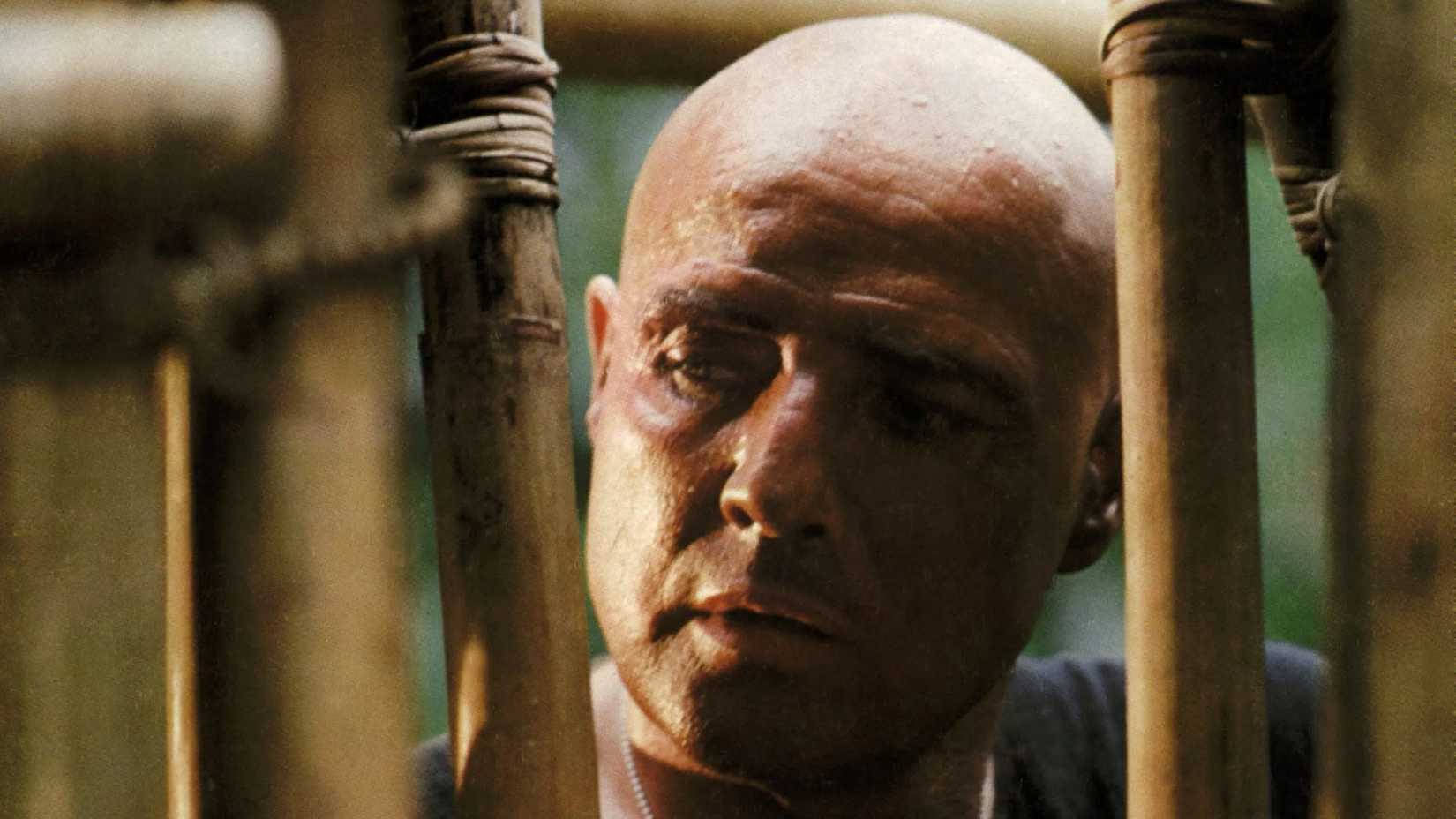
Directed by Francis Ford Coppola and loosely based on Joseph Conrad's Heart of Darkness, Apocalypse Now stars Martin Sheen as Captain Willard, a man sent to eliminate Marlon Brando's rogue U.S. Army Colonel Kurtz. This movie shows the American military ordering the death of one of their own to protect their own interest, as well as a former soldier disenfranchised by the war.
The ending has Kurtz's followers ritually slaughtering a water buffalo, with Willard hacking Kurtz to death in parallel. Kurtz's dying words are "The horror... the horror." Kurtz preached winning through moral terror, and in his final moment he realizes the horror never ends. He is a victim of the darkness he absorbed. Kurtz's followers bow to Willard as their new leader, but he refuses and leaves, while remaining mentally scarred.
2 Paths Of Glory (1957)

Directed by Stanley Kubrick, Paths of Glory was an antiwar movie that stars Kirk Douglas as a soldier who agrees to represent a trio of soldiers standing trial for cowardice. The movie had a strong message, as a commanding officer was sending these men to die in a suicide attack, and when they refused, they had to stand trial for cowardice, while the commanding officer lied about everything.
Col. Dax (Douglas) realizes the court case was not honest, and the men would die regardless, but he helped bring disgrace to the commanding officer. In the end, the soldiers were drunk and mocking a young German girl in a bar, and then suddenly stopped when she began to sing a song, and the men were brought to tears, humanizing these soldiers and reminding them of their lost humanity.
1 Saving Private Ryan (1998)

Directed by Steven Spielberg, Saving Private Ryan remains one of the best war movies of all time, renowned for its Omaha Beach D-Day opening. While that opening was impressive, the story ended up having one group of soldiers sent to retrieve Private Ryan after his brothers were killed in the attacks so they could pull him out and send him back home. Many of these soldiers died in the mission, making the ending so memorable.
The film is bookended by an elderly veteran visiting the American Cemetery at Normandy with his family. This veteran is Ryan, and he remembers a mortally wounded Capt. John Miller (Tom Hanks) tells Ryan to "Earn this." The ending is back at the graveside, and it shows that Ryan is visiting Miller's grave. "Earn this" has haunted Ryan's whole life, and the ending asks whether a full life justified the men who died saving him.


![[Virtual Event] Building a Secure AI Strategy for the Enterprise](https://eu-images.contentstack.com/v3/assets/blt6d90778a997de1cd/blt11afeac15e7adbb9/6a921187f8aef68330d6ae57/DRIW-AI-Strategy-VE-Oct26.jpg?width=720&quality=80&disable=upscale)


 English (US) ·