

Published Nov 27, 2026, 6:00 PM EST
Hannah is a senior writer and self-publisher at ScreenRant. There, she focuses on writing news, features, and list-style articles about all things comics, books, anime, and manga. She works as a freelance writer in the entertainment industry, focusing on video games, anime, and literature.
Her published works can be found on Screen Rant, FinanceBuzz, She Reads, and She Writes.
Superhero history is often told through the American comic-book giants, but the genre has never belonged to one country. Japan built lasting heroes for television and manga, Britain developed unconventional figures in its weekly comics, and India and Latin America created champions rooted in their own pop culture. Their styles differ, yet each expanded what a superhero could be.
This ranking weighs longevity, cultural influence, originality, and reach beyond a character’s home market. It includes comic-book heroes and screen-born icons, rather than limiting the field to capes and masks. The ten selections below were first created outside the United States; several became global franchises, while others remain especially meaningful in the countries that shaped them.
10 Captain Canuck
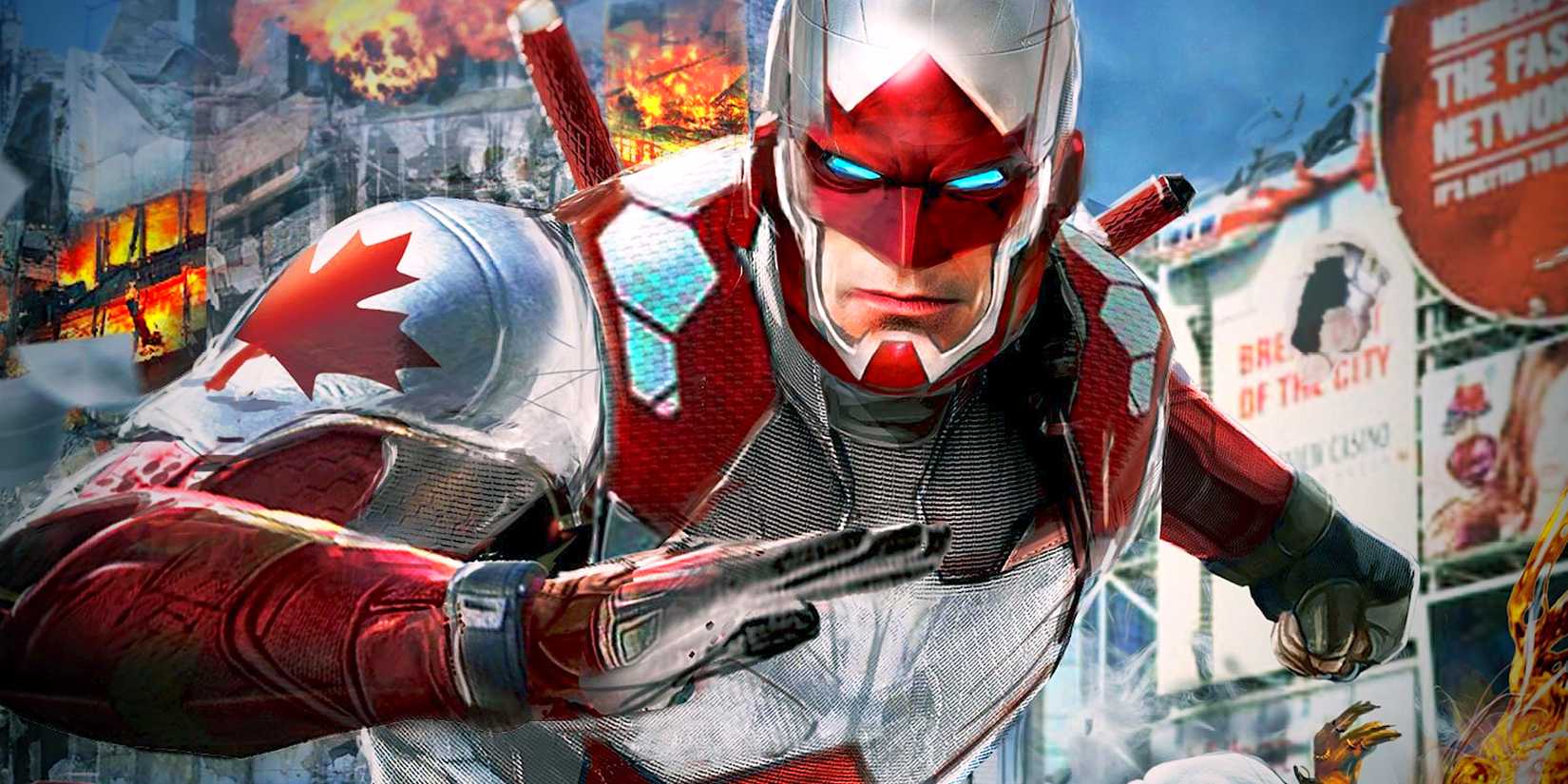
Canada’s most recognizable homegrown superhero began with a distinctly national identity. Richard Comely developed Captain Canuck with early input from Ron Leishman, who designed the red-and-white costume and its maple-leaf details. The first issue, published by Comely Comix in Winnipeg in July 1975, introduced secret agent Tom Evans as a protector of Canada.
Captain Canuck’s importance is larger than the relatively small run of his original comic. He gave Canadian creators a locally recognizable answer to American superheroes, grounding high-stakes adventure in Canadian institutions and imagery. The character has since returned in multiple revivals, making him an enduring symbol of the country’s comic-book ambitions.
9 Super Commando Dhruva
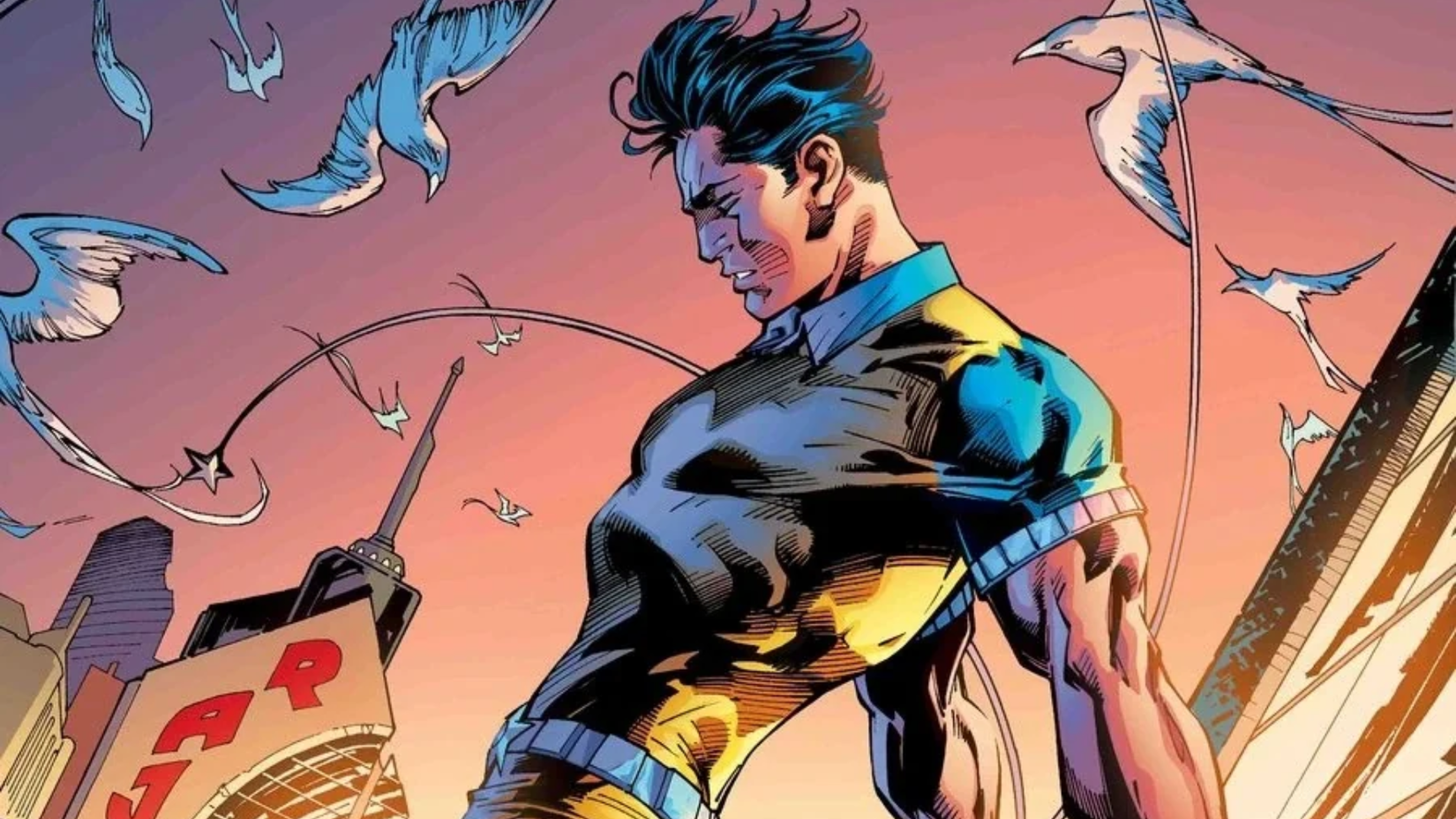
Raj Comics introduced Super Commando Dhruva in 1987, with writer and artist Anupam Sinha creating a hero whose abilities come from discipline rather than conventional superpowers. Born to circus performers, Dhruva develops extraordinary agility, combat skills, and detective instincts after tragedy strikes his family. His first appearance came in Pratishodh Ki Jwala.
Dhruva stands apart from many powered heroes because he relies on observation, preparation, and a strict commitment to justice. He also communicates with animals and uses gadgets, but his resourcefulness remains the defining trait. As one of Raj Comics’ flagship characters, he helped establish an Indian superhero tradition outside the American publisher system.
8 Nagraj

Nagraj arrived in 1986 as Raj Comics’ first major superhero hit, drawing on Indian serpent mythology for a unique origin and power set. The character debuted in Nagraj #1, written by Parshuram Sharma and illustrated by Pratap Mullick. Initially controlled by an evil scientist, he breaks free and redirects his abilities toward fighting crime.
His powers make him one of the more imaginative entries in international superhero comics, as Nagraj commands snakes, carries venom, can shed his skin, and possesses superhuman strength. Raj Comics describes the first issue as a critical and commercial success, helping launch its identity as a home for Indian superheroes.
7 Kaliman
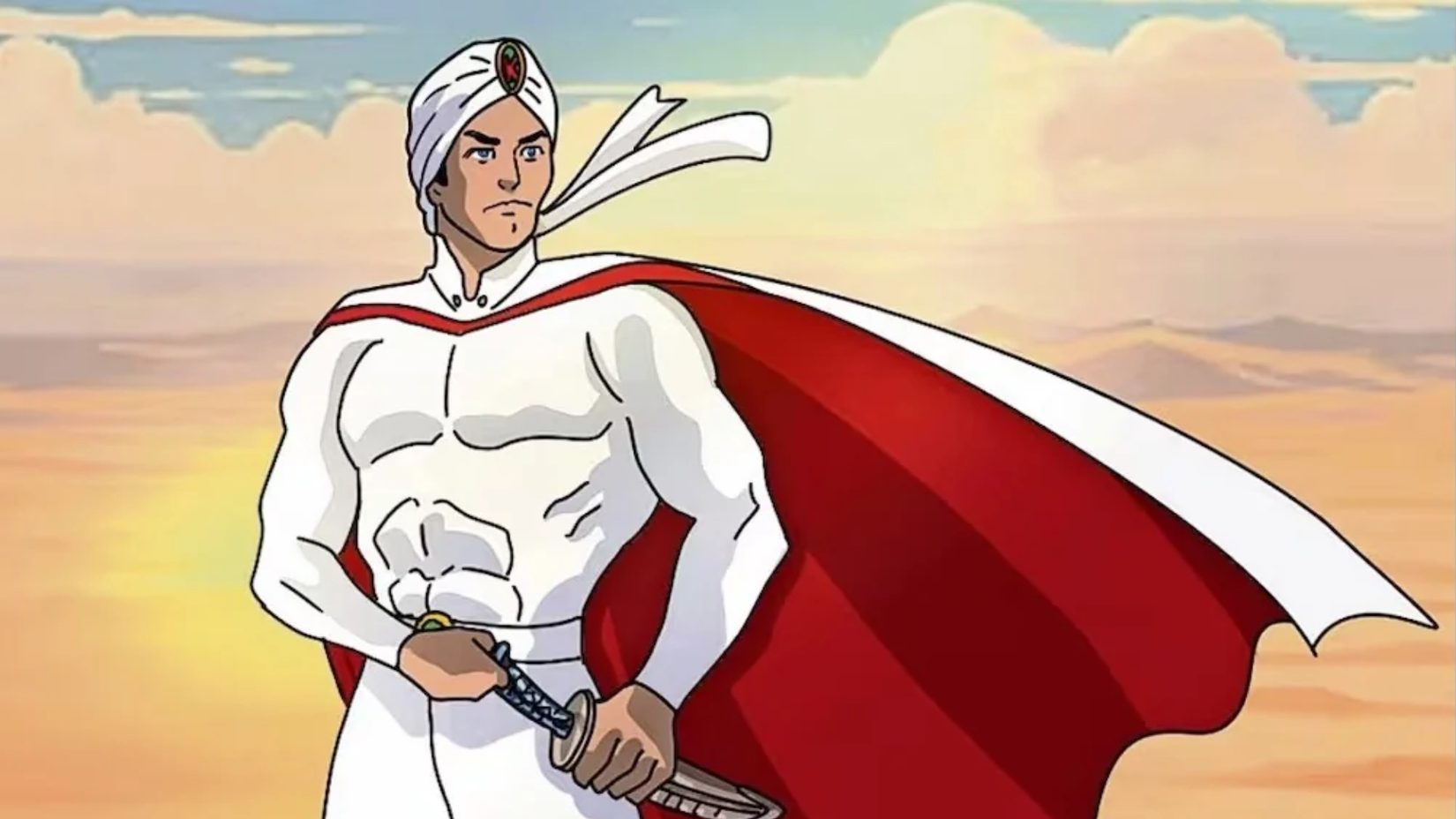
Kalimán began not on a comic-book page but on Mexican radio in 1963. Created by Modesto Vázquez González and Rafael Cutberto Navarro, the adventure series introduced a calm, highly trained champion who travels with his young companion Solín. The character moved into comics in 1965, turning a successful radio serial into a major print phenomenon.
The comic ran for 26 uninterrupted years and produced 1,351 consecutive issues, according to Mexico’s Secretariat of Culture. Kalimán’s appeal came from intelligence and restraint as much as physical ability: he uses martial arts, hypnosis, telepathy, and scientific knowledge, often preferring reason before force. His patient catchphrase became part of Mexican popular culture.
6 The Steel Claw

British readers first encountered the Steel Claw in Valiant #1, dated October 6, 1962. The strip followed Louis Crandell, a laboratory assistant whose right hand is replaced with a metal prosthesis. An electrical accident gives him the ability to turn invisible, although the steel hand remains visible, creating a memorable visual signature.
Crandell initially uses his power selfishly, making his gradual move toward heroism part of the strip’s appeal. Written by Ken Bulmer and illustrated by Jesús Blasco in its early run, The Steel Claw became one of the best-remembered British adventure strips of the 1960s and 1970s. Its unusual premise still feels distinct from American superhero formulas.
5 Miracleman

Miracleman began life in Britain as Marvelman, created by Mick Anglo in 1954 for publisher L. Miller & Son. The character was designed to fill the gap left when the publisher stopped reprinting American Captain Marvel stories. Rather than simply copying that hero, Anglo gave British readers a new champion with his own stories and mythology.
The character’s place in comics history grew considerably when Alan Moore reinvented him in the 1980s, turning a seemingly straightforward superhero into a darker examination of power and responsibility. Later work by Neil Gaiman and artists including Mark Buckingham further expanded the lore. Miracleman’s influence comes from challenging the genre’s assumptions while remaining unmistakably a superhero.
4 Sailor Moon

Naoko Takeuchi’s Sailor Moon originated in Japan in 1992 and follows Usagi Tsukino, a schoolgirl who transforms into a heroine tasked with defending the world. Its combination of secret identities, cosmic threats, friendship, and romance helped reshape the magical-girl genre. Sailor Moon is also one of manga’s defining female superhero figures.
The series’ influence reaches beyond its original readership. Kodansha has described Sailor Moon as a groundbreaking shojo manga whose American release helped establish a larger audience for girls’ comics in the United States. Its ensemble of Sailor Guardians made heroism collaborative, while Usagi’s compassion and vulnerability gave the central heroine a different kind of strength.
3 Kamen Rider

Created by manga artist Shotaro Ishinomori, Kamen Rider premiered on Japanese television on April 3, 1971. Its first hero, Takeshi Hongo, is transformed into a grasshopper-inspired cyborg by the villainous organization Shocker, then turns against his creators. The motorcycle-riding fighter’s transformation pose and “Henshin!” call became instantly recognizable.
The original series helped trigger Japan’s transformation-hero boom and became a long-running franchise, with successive Riders bringing new designs and stories to each generation. Unlike many American superheroes, Kamen Rider’s identity is built around physical transformation, martial-arts combat, and the tragedy of being altered by evil. That unique formula has lasted for more than five decades.
2 Ultraman

Ultraman debuted in 1966 in a Japanese television series produced by Tsuburaya Productions. The giant alien hero merges his life force with pilot Shin Hayata after a fatal accident, allowing Hayata to transform when Earth faces monstrous threats. The original series ran for 39 episodes and established a science-fiction superhero unlike the costumed crimefighters dominating American comics.
The franchise’s reach is enormous, as Tsuburaya’s corporate history notes that more than 30 Ultra Heroes emerged as the series expanded. Ultraman’s battles also helped define the visual style and technique of Japanese special-effects television, pairing spectacular monster fights with stories about protecting humanity. His blend of cosmic scale and moral purpose makes him an international icon.
1 Astro Boy

Osamu Tezuka’s Astro Boy, known in Japan as Tetsuwan Atom, began as a manga in 1952 and became one of the most influential heroes in Japanese popular culture. Built by Dr. Tenma after the death of his son, Astro is a powerful robot who struggles to protect humans despite being treated as something less than human.
The 1963 television adaptation was Japan’s first 30-minute animated series and became a landmark in the development of anime. Tezuka’s official history records that the show reached a 40.7 percent audience rating and was broadcast internationally. Astro Boy combines superhero action with questions about prejudice, technology, and empathy, giving his adventures a lasting emotional and cultural impact.






 English (US) ·