
When it comes to classic sci-fi, these ten TV shows created before the year 2000 are the best of the best. 77 years have passed since the first multi-episode science fiction TV show, Captain Video and His Video Rangers, debuted, and the once-niche genre is now more mainstream than ever before. There's plenty of variety, with new shows coming out regularly. Philosophical sci-fi shows, like Severance and Pluribus, have made a splash with critics and viewers alike. Sci-fi and horror are mashed up in the streaming hits Alien: Earth and Stranger Things. Hard sci-fi shines with gems like 3 Body Problem and For All Mankind.
However, new shows aren't the only thing getting more attention. Streamers have also taken the opportunity to acquire older TV shows, which is thrilling. Classic sci-fi walked so that newer shows could run. Whether you're new to classic sci-fi or looking to revisit old shows, these ten series created before 2000 are the best picks. They not only provide entertainment, but they also helped shape the genre, making it what it is today.
When creating this list, I chose not to include any shows that started in the last few years of the 90s and spent more time on the air in the 2000s than before the millennium, since that's a gray area. However, I want to give an honorable mention to Stargate: SG-1, which is still one of the best sci-fi shows out there.
10 Blake's 7

Although it’s mostly forgotten these days, Blake’s 7 revolutionized the sci-fi genre. The story follows Blake, a resistance fighter framed for crimes, who escapes with criminals aboard the Liberator, an advanced alien ship. These individuals team up to take down the Federation, each with their own motivations.
The show features a bleak tone and serialized narratives, both of which weren’t common in a world of Doctor Who and Star Trek. Characters were no longer categorized as “good” or “bad,” instead leaning into selfish anti-heroes who became unlikely revolutionaries.
The Terran Federation was an oppressive fascist government that didn’t care about its people, and Blake’s 7 showed exactly the consequences of resisting their control. These choices laid the groundwork for shows like the Battlestar Galactica reboot and Andor. What’s more, the show rose above its extremely minuscule budget to provide high-quality entertainment.
9 Lost in Space
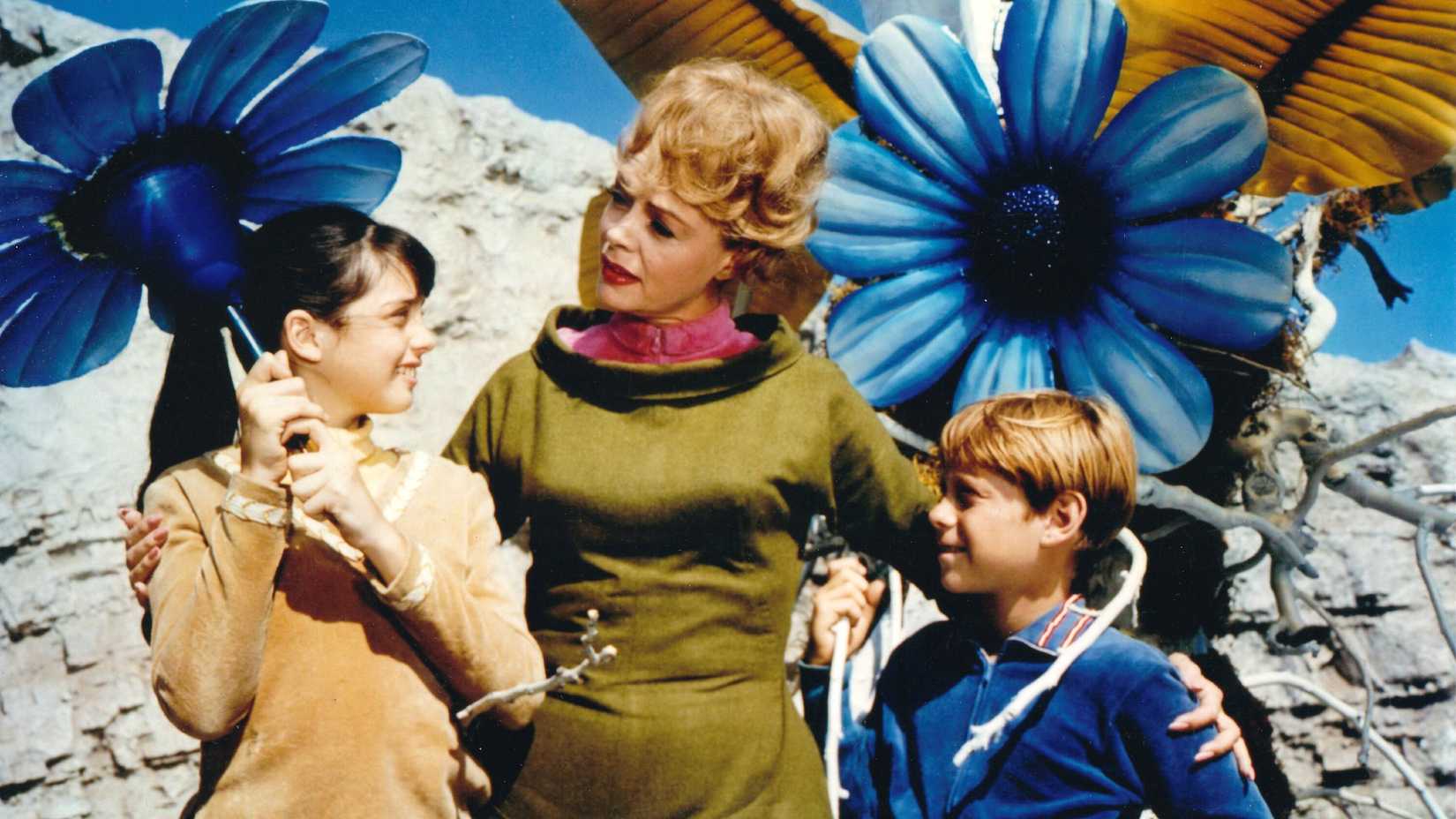 MovieStills DB
Lost in Space, based on Swiss Family Robinson, follows a pioneering family on their travels. First, they crash-land on a planet and must survive. Then, they have space adventures. Many sci-fis of the 50s and 60s focused on spaceship crews and militaries, but Lost in Space’s shift towards family added much-needed warmth and familiarity.
|
Lost in Space (1965-1968) |
Live Action TV |
|
Lost in Space (1873) |
Animated Pilot |
|
Lost in Space Forever (1998) |
Live Action TV Special |
|
Lost in Space (1998) |
Live Action Movie |
|
The Robinsons: Lost in Space (2004) |
TV Pilot |
|
Lost in Space (2018-2021) |
Netflix Live Action TV |
On top of that, Jonathan Harris’ Dr. Zachary Smith is such an iconic character that he, alone, could land the show on “best sci-fi” lists. Instead of being a hostile and manipulative villain, Dr. Smith is a cowardly, self-serving man who’s wonderfully flamboyant. Plus, they give him the most quotable dialogue.
What’s more, Lost in Space feels like a great successor to science fiction B-movies. Aside from the first half of the first season, the show is pure camp in the best way possible.
8 Quantum Leap
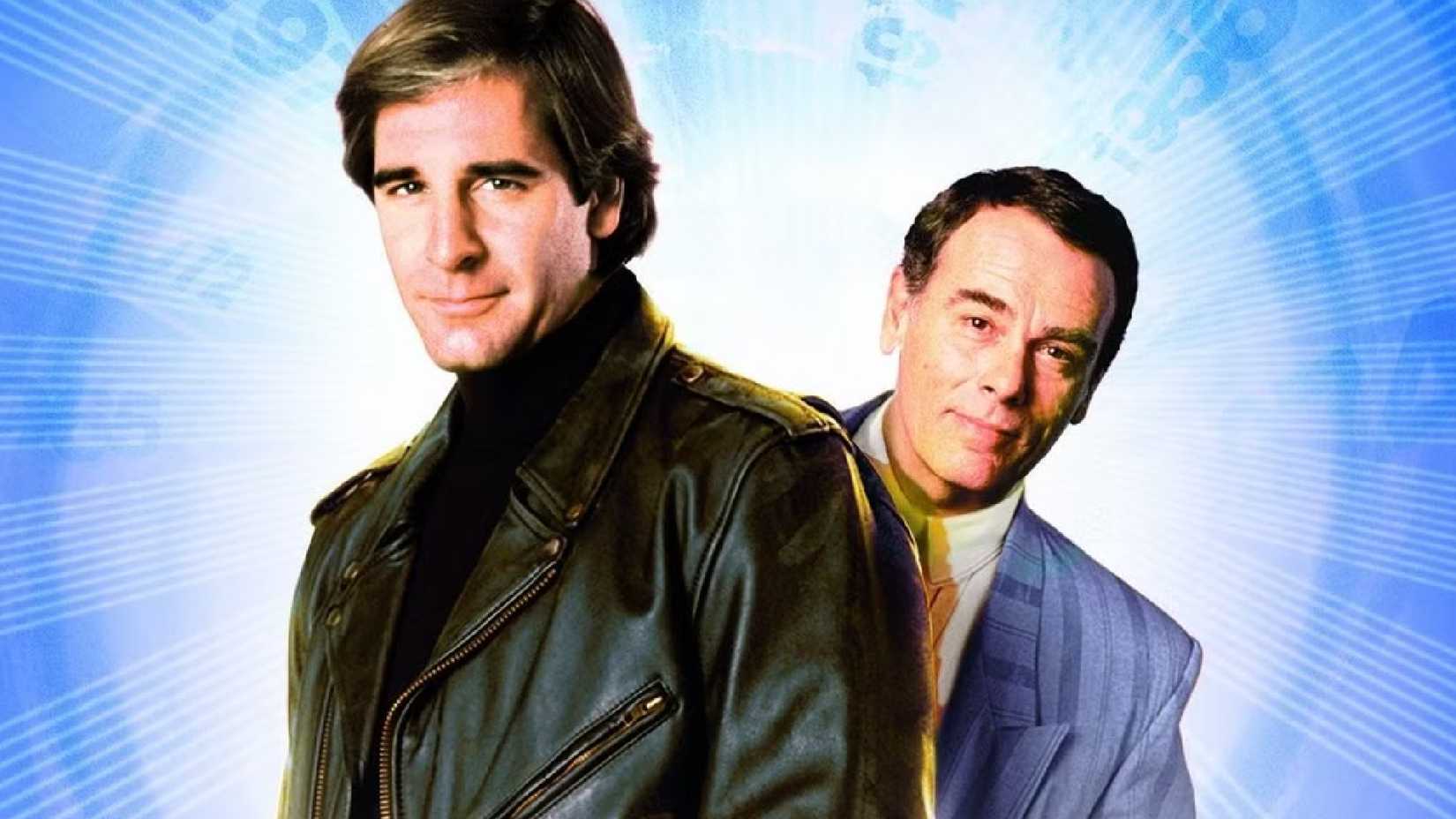
Although plenty of time-travel shows exist nowadays, the time-travel show Quantum Leap is still one of the best. Every week, Dr. Sam Beckett steps through a quantum accelerator and wakes up in the body of someone else in a different location and time period. With the help of the hologram Al and the computer Ziggy, he races against time to help them with their problem.
Rather than focusing on the mechanics of time travel, Quantum Leap explores human nature, empathy, and compassion for different life experiences. Sam treats every person like they matter.
Some aspects of Quantum Leap definitely didn’t age well. For instance, the lines of consent are blurred when Sam’s in someone else’s body. However, the show’s heart and willingness to explore serious social issues make Quantum Leap special. Now, shows like Travelers share the same DNA.
7 The Prisoner

In the British sci-fi series The Prisoner, a retired spy, known only as Number Six, is taken captive by a mysterious entity and placed in a deceptively bright and cheerful setting called The Village. When he tries to escape, he gets psychologically experimented on by 17 interchangeable individuals, all called Number 2. They keep mentally pressuring him, trying to break him.
The Prisoner was prestige TV long before prestige TV even existed. The character-driven story is just as much a mystery thriller as it is a sci-fi, complete with a claustrophobic setting that leans into surrealism.
Across seventeen episodes, The Prisoner is a deeply philosophical exploration of the individual versus the oppressive collective, mass surveillance, and the loss of identity. Many fan-favorite science fiction shows, including Severance, Twin Peaks, and Lost, owe a great debt to The Prisoner.
6 Babylon 5
 MovieStillsDB
In the time of mostly soft sci-fi space operas and paranormal thrillers, Babylon 5 brought realistic military sci-fi to the TV screen. The story takes place on a five-mile-long space station that serves as an intergalactic United Nations, where aliens and humans must navigate political issues through diplomacy and, eventually, war.
Babylon 5 is impressive for so many reasons, most notably that the writers planned all five seasons of the show before filming began. The show combined serialized stories and episodic A-plots and B-plots. This complex storytelling allowed for impeccable worldbuilding and lore. Additionally, the sci-fi series doesn’t portray humans as the best species, highlighting humanity's flaws.
In addition, they advanced technology by combining CGI and practical effects to create awe-inspiring, cinematic battles for the small screen. Ultimately, there’s so much to appreciate about Babylon 5.
5 The X-Files
 Image via Everett Collection
Although it blends together elements of paranormal, horror, and thriller, The X-Files deserves a spot among the best sci-fi shows. FBI agents Fox Mulder and Dana Scully travel across the United States investigating mysterious, unexplained phenomena. The monster-of-the-week concept goes in dozens of directions. Plus, the show has a strong mythology that unfolds over time.
Another strong point that ranks it among the best sci-fi is its leads. The characters are well-developed, compelling, and believably flawed. Mulder and Scully are a fantastic duo with a great buddy-cop dynamic that eventually turns romantic. Plus, they bounce off each other perfectly.
On top of that, the show aged fairly well. A few episodes wouldn’t happen today, but the larger show holds up, especially in the way women are portrayed. What’s more, The X-Files influenced brilliant shows like Fringe, Supernatural, and Buffy the Vampire Slayer.
4 Red Dwarf

The Britcom Red Dwarf mashes up comedy and sci-fi, succeeding in both genres. A low-ranking space miner, Dave Lister, survives his crew’s deaths because he’s in stasis. Three million years later, he’s stuck with Rimmer, a hologram of his dead bunkmate; Cat, a human-cat hybrid; Holly, the computer; and Kryten, a sanitation robot.
Red Dwarf is wonderfully crude, profane, and lewd. The three have a workplace sitcom dynamic, like The Office or The IT Crowd. The story features time loops, genetic mutations, and a vast multiverse to keep the laughs coming. Plus, the four have an Odd Couple dynamic.
The best part about Red Dwarf is that it doesn’t try to make sense. It’s packed with logical inconsistencies and nonsensical plot holes, never explaining them. The audience must embrace the chaos. The approach paves the way for future sci-fi sitcoms like Avenue 5 and Hyperdrive.
3 Doctor Who
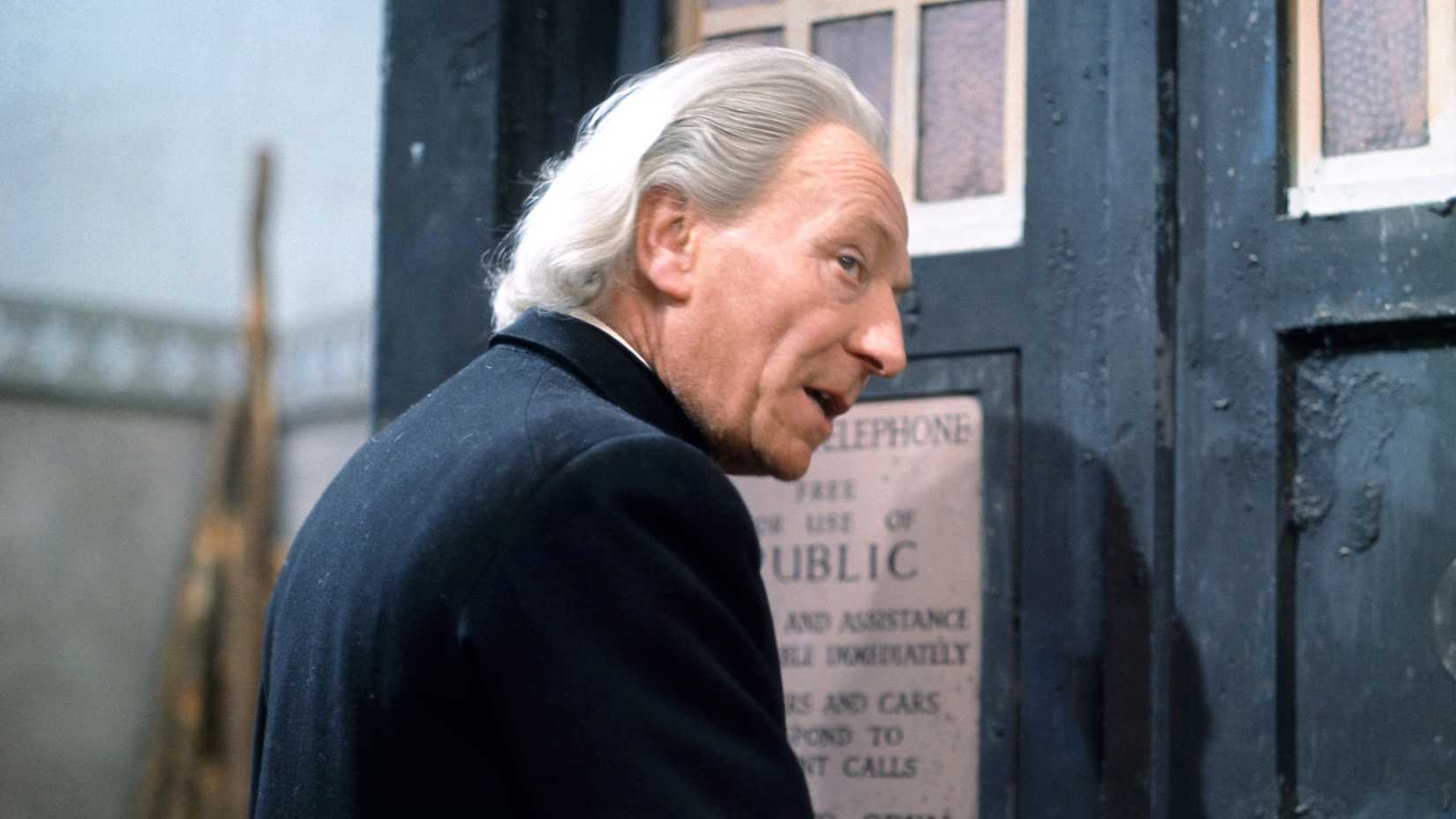 Credit: BBC
Over 60 years after its debut, Doctor Who continues to be one of the best sci-fi shows of all time. The series centers on The Doctor, a humanoid alien who travels through time and space in a blue police box called the TARDIS alongside companions, most of whom are human. They go on adventures that mix together sci-fi, fantasy, and history.
Time Lords can regenerate, dying and coming back to life in a new body, allowing the show to reinvent itself regularly. Doctor Who manages to keep itself fresh by bringing on new actors to play the Doctor and their companions.
Across six decades, the sci-fi show has invented many memorable villains with detailed backstories and motivations. Nothing competes with the Daleks and Cybermen, which seem to have inspired sci-fi villains like The Borg and the Cylons. Plus, Doctor Who has a rich lore that continues to evolve and grow over time.
2 Star Trek: The Original Series
 Credit: MovieStillsDB
Star Trek hit TVs when dystopian and pessimistic sci-fi was the norm. However, Gene Roddenberry's show refused to comply with this vision of the world. The story follows the crew of the U.S.S. Enterprise, led by Captain James T. Kirk, as they explore space in the 23rd century.
Their mission is stated at the start of each episode: “To explore strange new worlds, to seek out new life and civilizations, to boldly go where no man has gone before.” This goal makes it clear that greatness comes from cooperation and curiosity, not division and close-mindedness. Social commentary is baked into every episode.
On top of that, Star Trek is unapologetically diverse. It presents a future where xenophobia, nationalism, and racism aren’t widespread anymore. Ultimately, Star Trek offers hope, which is as necessary today as it was back then. What's more, it inspired shows like The Orville and movies like Galaxy Quest.
1 The Twilight Zone
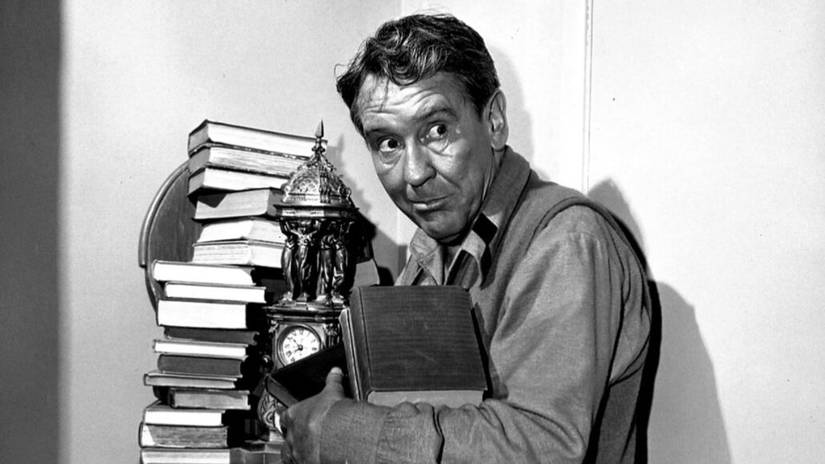
The Twilight Zone is not only one of the best sci-fi shows of the 20th century, but it’s also one of the best TV shows of all time. The anthological series, hosted and narrated by creator Rod Serling, revolutionized sci-fi and TV. The show popularized the anthology format. The writing was truly above and beyond, and it perfected the twist ending.
Creator Rod Serling believed writers had a responsibility to be social activists and address society's issues (via Smithsonian Magazine), and he created The Twilight Zone only in direct response to censorship. As such, he baked social commentary and critique into every episode.
The show proved that it was possible to incorporate real-life issues into sci-fi and speculative genres without losing audiences. What’s more, The Twilight Zone holds up today in a way some of the other sci-fi shows on this list don’t. Ultimately, the series created a whole wave of shows, like Black Mirror and Channel Zero, attempting to capture the same magic.





 English (US) ·