
 Image via HBO
Published Jul 18, 2026, 5:41 PM EDT
Sign in to your Collider account
World-building is the process of establishing the universe of your story. This goes beyond showing off a few cool places or made-up creatures, although this is part of it. World-building also entails presenting the politics, cultures, and intricacies of one's fictional universe, and doing it in a way that doesn't feel super overwhelming to the audience. However, it's also important not to bore the audience with generic, uninspired worlds.
This process is a crucial part of the fantasy genre, since many fantasy stories take place in worlds that are completely separate from our own. This means making the world feel alive and realistic, regardless of the medium. In the world of television, this has been attempted numerous times, sometimes without much success. However, many fantasy TV shows have come out that have amazing world-building, which helps to suck the viewer in right from the get-go.
10 'Star Wars: The Clone Wars' (2008–2020)
 Image via Cartoon Network
You might think Star Wars: The Clone Wars is sci-fi, but George Lucas, who created the franchise back in 1977, said himself that he feels it is more in line with fantasy and mythology than science fiction, so it still counts. While a lot of the brand's shows and movies have had fantastic world-building (or is it worlds-building?), The Clone Wars is the one TV show that did the most in this regard. Or at least, outside the movies, anyway.
This was the first TV show to be considered canon in the franchise, which means it introduced a lot of interesting concepts that only added to the mythos of the galaxy far, far away. From the Nightsisters of Dathomir to the mysterious planet of Mortis to clone culture on Kamino, the show added a plethora of new information to the IP. Sure, some of this was borrowed from non-canon sources, but these things still belong in canon anyway, so it's great that this show brought them in. Plus, its animated format meant it could take viewers to planets and places even stranger than the movies could offer. At the end of the day, it really expanded the universe and made it feel more fleshed out by adding new and interesting concepts.
9 'Attack on Titan' (2013–2023)
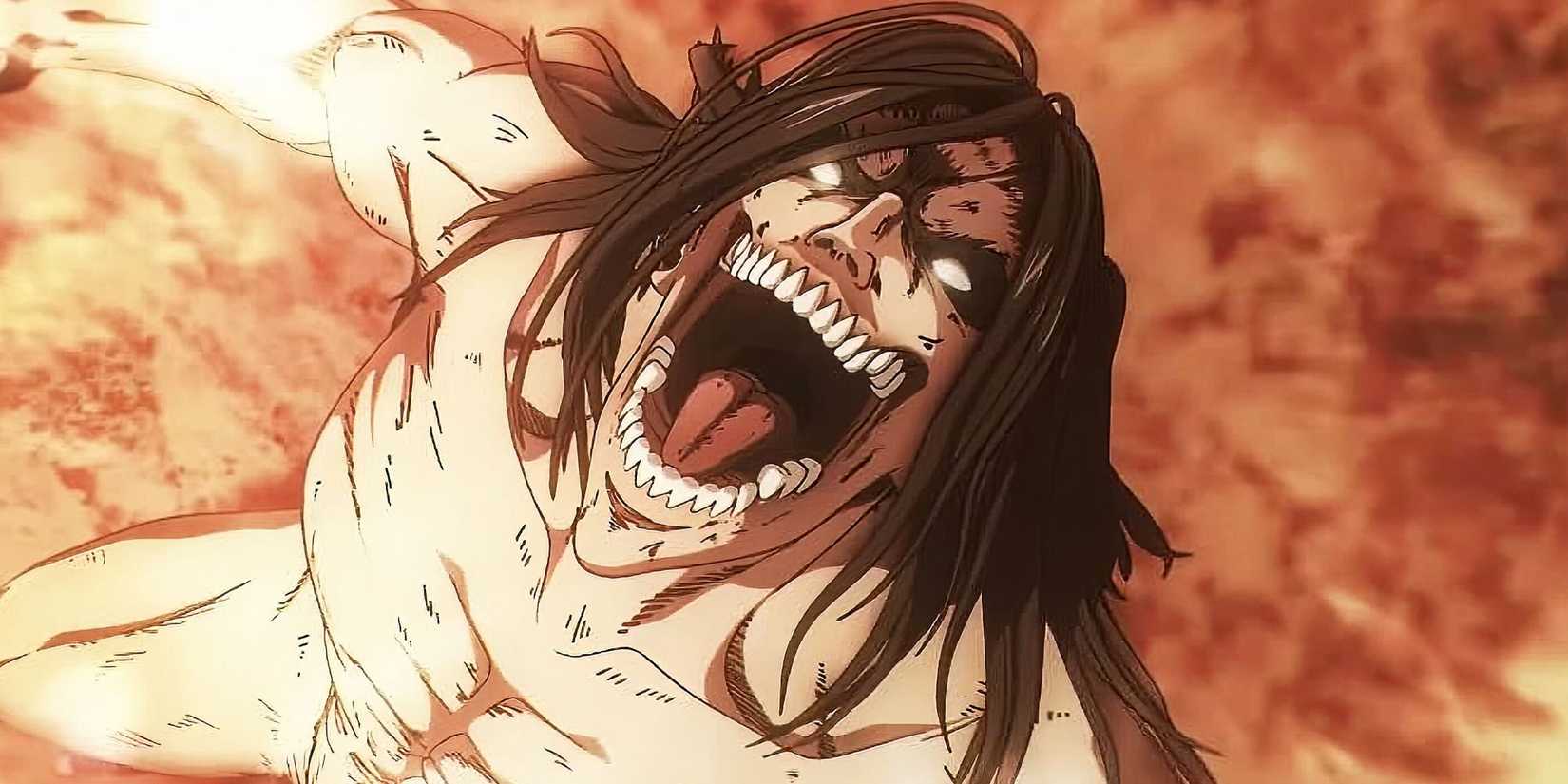 Image via Wit Studio
Attack on Titan opens by immediately establishing its dystopian world. For 100 years, humanity has sought shelter behind a series of towering walls, which are their last refuge from the flesh-eating titans that roam the outside world. Until one fateful day, the titans breach the wall, and human society is completely upended, forced to fight in a war for its very survival. Lots of things are well-thought-out in this series, especially the machines that humans use as weapons against the titans.
The walls have names, there are outlier towns, and there are three military divisions that each serve different purposes. On top of that, different types of titans, called "abnormals," are observed. However, where the show really exceeds is in building its atmosphere of existential dread. From the moment the Shinganshina district is breached, the anime makes it very clear that humans are at a disadvantage. Titan anatomy is deeply explored in the show, and the episodes even feature commercial breaks where little blurbs and diagrams are displayed about various bits of lore. This show not only has good world-building, but it also makes the audience feel the oppressiveness of being confined to what is, essentially, a pen for cattle.
8 'The Dark Crystal: Age of Resistance' (2019)
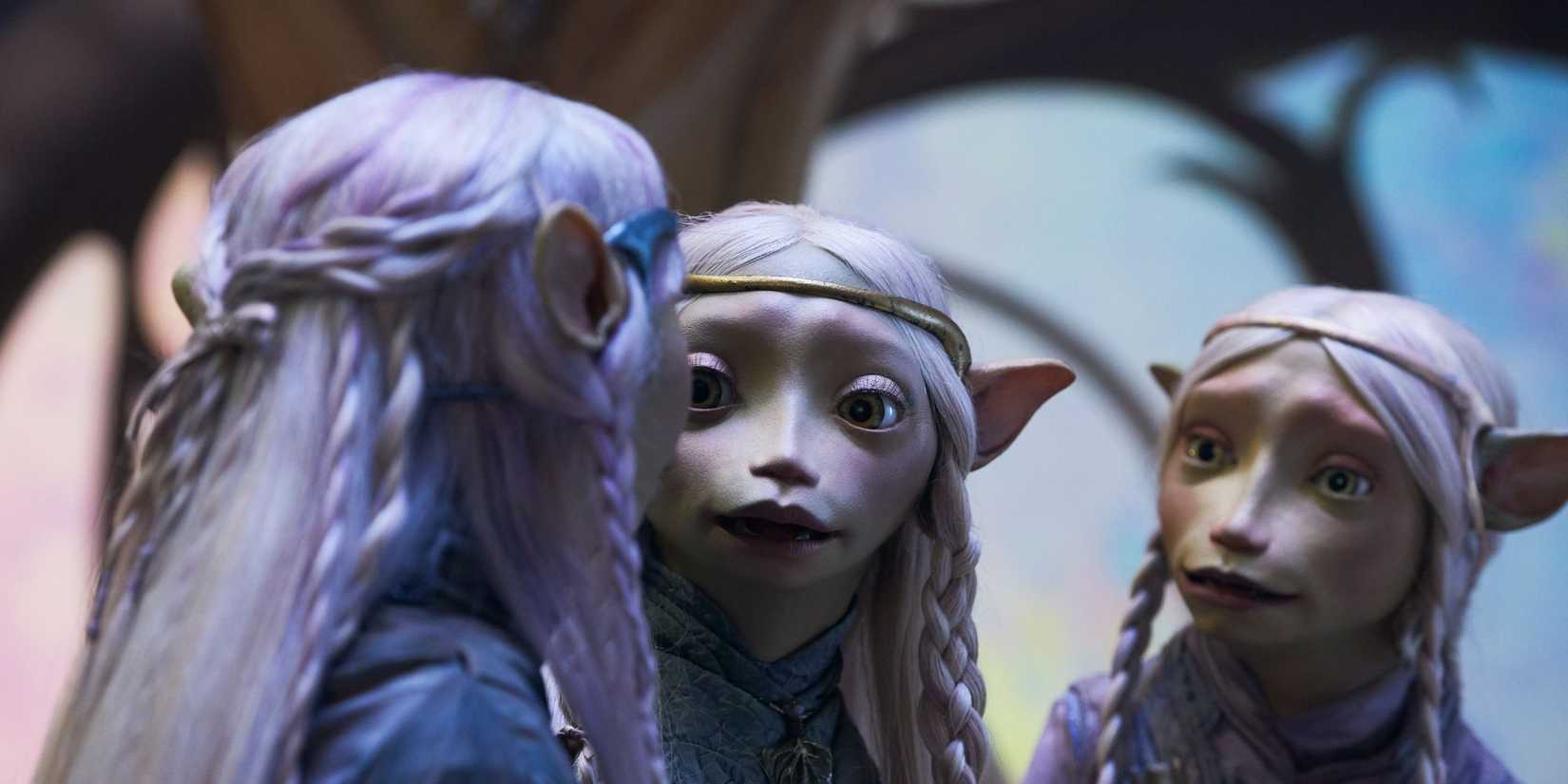 Image via Netflix
The Dark Crystal: Age of Resistance is a prequel series to the 1982 Jim Henson film. It once again takes audiences back to the weird and wonderful world of Thra, a place where the imagination can really run wild. Using gorgeous sets and intricate puppetry, the show tells the story of how the eponymous Dark Crystal splintered, creating two new species with the burst of magic that was released. These consist of the Mystics and the villainous Skeksis, who are intent on conquering the native life forms of Thra and establishing an empire.
There are absolutely no humans in this series. Every single life form is so far removed from anything we have on Earth that it becomes spectacular to look at. Nothing is really off limits, and the show, much like the movie, makes sure to showcase what life on Thra is like. The flora and fauna that appear in this show are truly strange, and the geography is awe-inspiring and seemingly impossible. Just by its establishing shots, the show lets people know what Thra is all about. Each of the organisms actually feels like part of an ecosystem—they all interact with each other and with the world in some way. The world-building likely would have only gotten better if Netflix had just let the show go past its first season.
7 'Deltora Quest' (2007–2008)
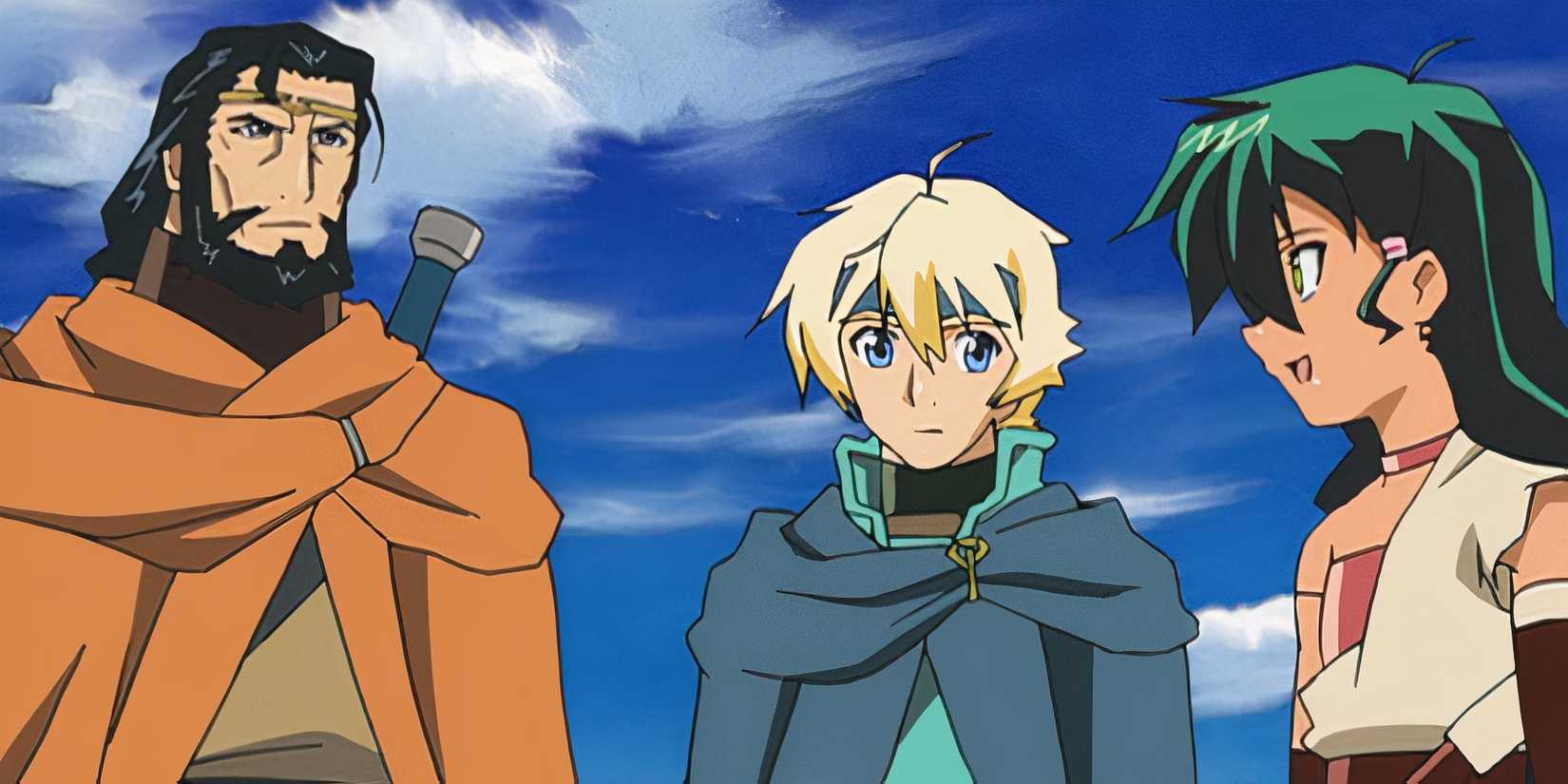 Image via TXN
Deltora Quest is a children's anime series based on the original novels by Australian author Emily Rodda. The forgotten fantasy show never really got much attention, which is a shame, because the world-building in it is absolutely top-notch. The story is about Lief, an adolescent boy who embarks on a quest to restore the Belt of Deltora, which was shattered 16 years ago by the Shadow Lord. To repair it, he must travel to all seven gem territories of Deltora and find their corresponding gems, which have been deposited in the most dangerous locations across the land.
The story is simple, but the world is surprisingly intricate. Each gem territory has its own unique geography, flora, fauna, and culture. For example, there are the people of the Lapis Lazuli Territory, the desert-dwelling Mere tribe, who are very combat-oriented. Or there are the cleanliness-obsessed people of the Opal Plains in the hidden city of Noradz. Both of these neighboring lands actually have their own unique creatures too, from the Terreochti of the Shifting Sands to the three-legged steeds of the Hira Plain known as Muddlets. It's honestly remarkable what Rodda was able to build with this series. It easily has some of the best world-building in all of fantasy.
6 'The Wheel of Time' (2021–2025)
 Image via Prime Video
The Wheel of Time is based on a massive novel series by Robert Jordan, which was later finished by Brandon Sanderson after Jordan's untimely death. The show is actually set on Earth, the very same planet we call home. Although it is set thousands upon thousands of years in the future, after a cataclysmic event known as the Breaking of the World basically reverted everything back to the Stone Age. So, that explains why technology is still fairly Medieval.
The Breaking of the World changed the planetscape entirely, to the point that it's barely even recognizable anymore. This new, unfamiliar version of Earth makes it much easier for the creators to establish an interesting world. This is something they do well, showing off magnificent sights like sprawling cities, vast deserts, and the scenic Two Rivers region. But that's not all, as the show's magic system is meticulously detailed and dark creatures known as Shadowspawn are introduced. This world has several clearly defined cultures and kingdoms, and they all feel pretty different from one another, from the East Asia-based Northern realms to the European Cairhienin to the African-inspired Tairens. It's a great, if bleak, world to get lost in that does a fantastic job of introducing itself.
Collider Exclusive · Game of Thrones Personality Quiz Which Game of Thrones House Do You Belong To? Stark · Lannister · Targaryen · Baratheon · Tyrell
Five great houses. Five completely different answers to the same question: how do you hold power in a world that will take it from you the moment you stop paying attention? Eight questions will determine where your loyalties — and your nature — truly lie.
🐺Stark
🦁Lannister
🐉Targaryen
🦌Baratheon
🌹Tyrell
FIND YOUR HOUSE →
01
Someone powerful is acting dishonourably and everyone knows it. What do you do? In Westeros, the answer to this question has ended more than one great house.
ACall it out, openly and on the record. If honour means anything, it has to mean something when it's costly. BUse it. Information about someone else's dishonour is leverage — and leverage is power. CAct decisively to correct it — with or without the approval of those around me. DChallenge them directly. Strength settles disputes more honestly than courtroom manoeuvring. ENavigate carefully — build alliances, apply quiet pressure, and create a situation where the right outcome becomes inevitable.
NEXT QUESTION →
02
What is the source of your power? Every house endures because of something. What is it for yours?
AThe loyalty of people who trust me — earned over generations, not bought with gold. BWealth, intelligence, and the willingness to use both without sentiment. CA legacy so fearsome and a vision so total that opposition becomes unthinkable. DPhysical strength, military force, and the respect that comes from being the kind of person nobody wants to fight. ECharm, connection, and the ability to make powerful people feel that my success is also theirs.
NEXT QUESTION →
03
Who do you truly fight for? Strip away the banners and the words. The honest answer tells you everything.
AMy family and my people — those who depend on me and have kept faith with me through everything. BMy family — the ones who share my blood, even when they exhaust me, even when they disappoint me. CMy cause — a vision larger than any single person, including me. DMyself, and those few who've proven themselves worth fighting beside. EMy house — its name, its future, the position I intend to leave it in when I'm gone.
NEXT QUESTION →
04
How do you deal with your enemies? A house's method reveals its character as clearly as its words ever could.
AHonestly — I face them directly, and I give quarter when it's warranted. BThoroughly — I don't leave loose ends, and I don't make the same enemy twice. CDecisively — fire answers questions that diplomacy only delays. DHead-on — I'd rather meet a threat on the battlefield than behind closed doors. EElegantly — I prefer to make former enemies into allies, or at least into people who owe me something.
NEXT QUESTION →
05
What kind of ruler do you believe in? Westeros is full of answers to this question. Most of them end badly.
AA just one — someone who serves the realm rather than using it, who leads by example rather than fear. BA capable one — someone smart enough to navigate the game, ruthless enough to win it, and realistic about what winning costs. CA transformative one — someone who doesn't just rule what exists but reshapes what's possible. DA strong one — someone whose authority is beyond question because the alternative is obviously worse. EA wise one — someone who understands that the realm is fed by more than armies, and that a full stomach keeps more peace than a sharp sword.
NEXT QUESTION →
06
You suffer a devastating loss. How does your house respond? How a house handles defeat tells you more about it than how it handles victory.
AWe grieve, properly and together — and then we endure, because endurance is what we do. BWe adapt. We reassess. And we ensure that whoever caused this loss comes to regret it completely. CWe burn hotter. Setbacks don't soften us — they clarify what needs to happen next. DWe hit back. Grief and revenge are the same motion in our house. EWe regroup quietly, rebuild our position, and return when we're ready — on our terms, not theirs.
NEXT QUESTION →
07
Which of these truths about Westeros do you most believe? Every house has a philosophy. This is yours.
AThe lone wolf dies, but the pack survives. Nothing matters more than the people you protect. BA Lannister always pays their debts — in gold or in kind. Reputation is built on consistency. CI am the blood of the dragon. Some destinies are written before the person who carries them is born. DOurs is the fury. When we move, we move completely — and we don't stop until it's done. EGrowing strong means knowing when to bloom and when to wait. Patience is its own kind of power.
NEXT QUESTION →
08
The Iron Throne is within reach. What do you do? The answer reveals not just your ambition — but your character.
AClaim it only if the realm needs me to — and rule in a way that makes it worth having. BEnsure someone who owes us sits in it. The power behind the throne is safer than the throne itself. CTake it. It was always meant to be mine — I feel that in my bones and in my blood. DSeize it — with both hands, without hesitation. Opportunity in Westeros does not wait to be asked. EPosition my house to be indispensable to whoever sits there — influence outlasts any single reign.
REVEAL MY HOUSE →
The Maester Has Spoken Your House Is…
Your answers point to the great house whose words, values, and way of surviving in Westeros match your own. Bend the knee — or don't. That's very much up to you.
🐺 House Stark
Winter is Coming — and you have always known it. You prepare not out of fear but out of duty, because the people who depend on you deserve someone who takes the long view.
- You lead with honour even when it costs you, because you understand that a reputation built on integrity is the only one worth having.
- Your loyalty to family and people runs deep — not as sentiment but as a code that doesn't bend when things get difficult.
- The North endures because Starks endure — not by being the cleverest players in the game, but by being the kind of people others are willing to follow into the cold.
- You are that kind of person. The pack survives. The lone wolf dies. You already know which one you are.
🦁 House Lannister
You understand the game — its rules, its exceptions, and exactly when the rules become the exception. You play it without illusions and without apology.
- You are sharper than most people realise, and you have learned to use that gap to your advantage.
- A Lannister always pays their debts — and you always keep your word, because your word is an instrument of power, and instruments must be kept in working order.
- You love your family with a ferocity that sometimes blinds you, and you know it, and you do it anyway.
- The lion doesn't concern itself with the opinion of sheep. Neither, in the end, do you.
🐉 House Targaryen
You carry a sense of destiny that is difficult to explain and impossible to ignore — the feeling that you are not simply participating in the world but meant to reshape it.
- You are capable of extraordinary things, and you know it, and that knowledge is both your greatest strength and your most dangerous quality.
- Fire and blood are not just words to you — they are a philosophy about what change requires and what it costs.
- The Targaryens at their best were transformative rulers who broke chains and defied the limits of what anyone thought possible.
- At your best, so are you. The dragon has three heads. You are one of them.
🦌 House Baratheon
You are a force — direct, powerful, and difficult to ignore when you enter a room or a conflict. You do not negotiate with challenges. You meet them.
- Ours is the fury — and yours is a kind of intensity that commands attention, respect, and occasionally fear from those who underestimate what's behind it.
- You value strength and straight dealing. You'd rather know where you stand in a fight than navigate a web of courtly whispers.
- The Baratheons built their house on the back of one of the greatest military victories in Westerosi history — and then struggled with what came after.
- The lesson of your house is that winning is not the end of the story. Governing is. You are learning that too.
🌹 House Tyrell
You understand that power does not always announce itself — that sometimes it arrives with flowers, good wine, and a smile that doesn't quite reach the eyes.
- Growing strong is your house's motto, and you live it: patiently, strategically, always investing in the relationships and resources that will matter most when it counts.
- You are charming by choice and calculating by nature — a combination that makes you one of the most effective players in any room you enter.
- The Tyrells fed King's Landing and shaped its politics without ever sitting on the Iron Throne — and they were arguably more powerful for it.
- You know that the person who controls the food controls the kingdom. And you always know where the food is.
↻ RETAKE THE QUIZ
5 'Shadow and Bone' (2021–2023)
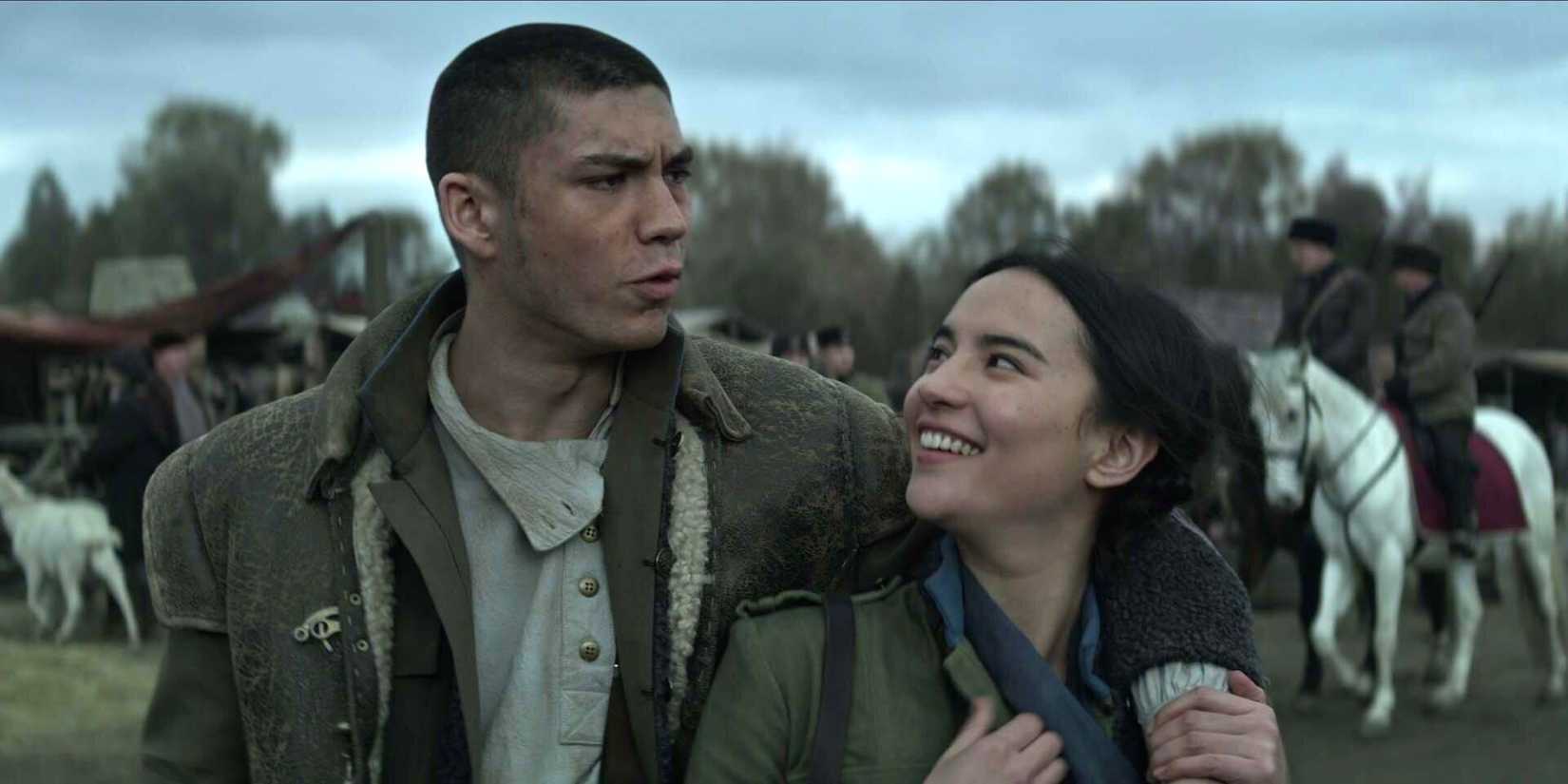 Image via Netflix
Shadow and Bone is based on the novels by Leigh Bardugo, which became known for their world-building. Though most high fantasy settings tend to favor Medieval Europe, this one felt more like Victorian England. It's a lot more steampunk-y, which helps set it apart from other fantasy TV shows. The magic system is also surprisingly in-depth, with divisions and orders of users that correspond to their abilities.
A magic user, known as a Grisha, can't just use magic all willy-nilly; they need to find their talents and their order first, and are usually only able to cast spells from that specific order. Some are healers, some can use elemental magic, and some are telepathic. A lot of ground is covered in this regard. Shadow and Bone really should have been given the chance to continue, because it did a phenomenal job of world-building.
4 'His Dark Materials' (2019–2022)
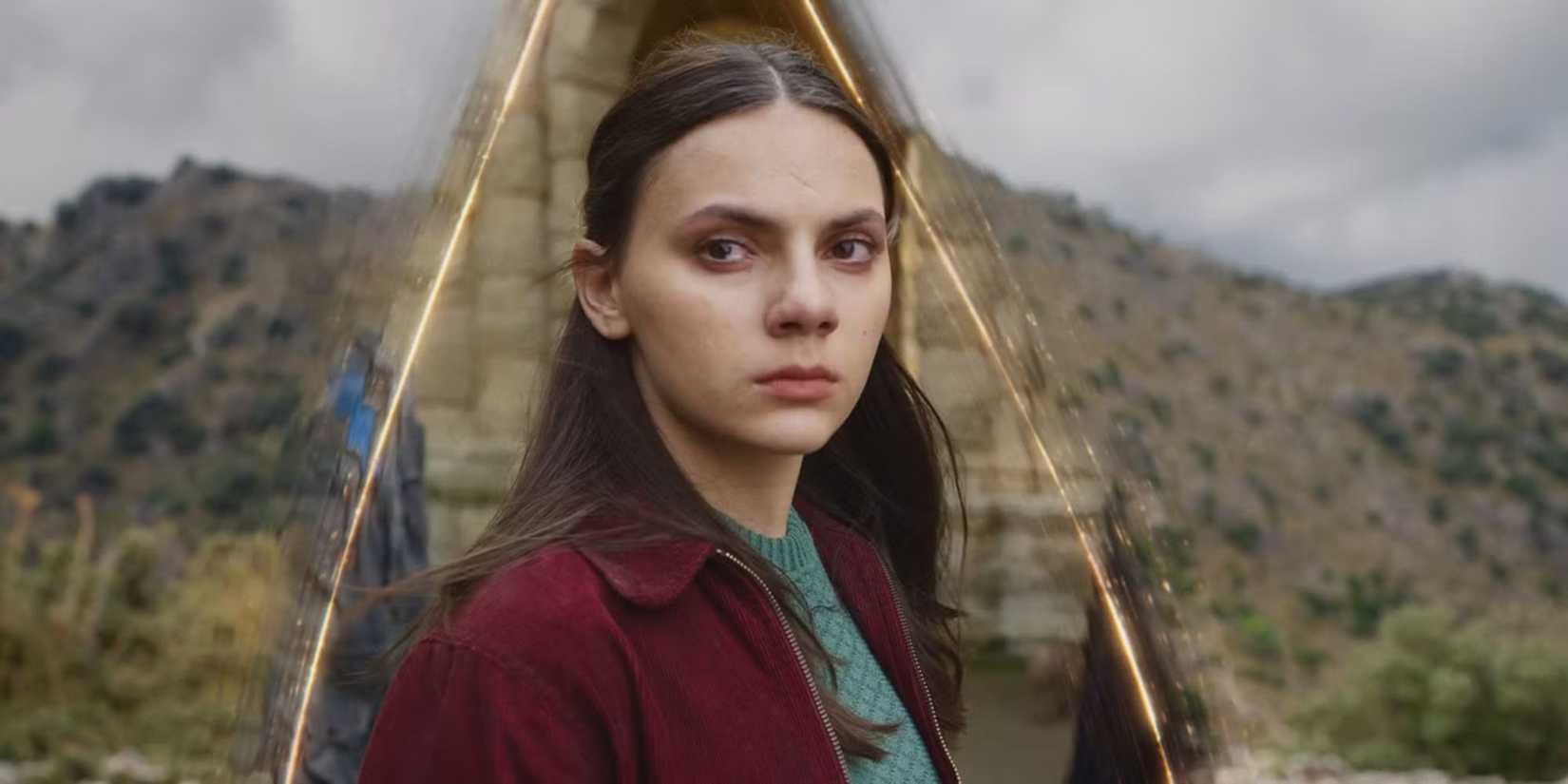 Image via HBO
His Dark Materials is also based on a novel series, this time by Philip Pullman. The world in which it is set is honestly just an alternate version of Earth, but the books and the show make sure to add enough to it to make it feel distinct and different. Otherwise, it would be a pretty boring show. For one, numerous mythological and fantastical creatures exist in this world, and it's common knowledge, too. Everyone in this new world knows that witches exist, for instance.
Moreover, a lot of the cultures in this alternate version of Earth are completely different from the ones we have in our world. The technology is different, the laws of physics themselves appear to be different, and it feels like a whole new world rather than just some other version of our own. It also delves a bit into themes of alternate dimensions and the multiverse, but that's another story. In any event, this show did a good job of world-building, which was aided by the fact that the creators were clearly fans of the books and poured a lot of love for the franchise into things.
3 'The Dragon Prince' (2018–2024)
 Image via Netflix
The Dragon Prince is set on the continent of Xadia. The continent used to be in one piece until humanity discovered a new form of magic: dark magic. They used this power to wage war against the elves, forcing the dragons to intervene. They split the continent in half, with the West belonging to the humans and the East belonging to the elves and the dragons. The border is defined by a river of molten lava, which is guarded over by the king of dragons himself. Or at least, until the humans used dark magic to slay him.
This world might seem fairly simple, but it does get a lot more interesting. Elves have six distinct cultures that correspond with the six primal sources of magic, and humans are divided into their own kingdoms. There are various mystical locations, such as the Cursed Caldera, that serve to make things more interesting. The world isn't just vibrant and beautiful: it actually feels like magic is embedded into everything. It's a world that wastes no time showing off what it has and delivering everything that the viewer wants out of a fantasy series.
2 'Avatar: The Last Airbender' (2005–2008)
 Image via Nickelodeon
Avatar: The Last Airbender has a very simple world, yet one that works in so many ways. The continent the acclaimed animated TV series is set in is known as the Four Nations. This is because it consists of nations that correspond to the elements of Fire, Earth, Air, and Water. Each nation has its own distinct culture. For example, the Water Nation is more nomadic and rural, whereas the Fire Nation is heavily industrialized.
Within each nation are gifted individuals known as "benders," who can manipulate their nation's element to their whim. For example, an Earthbender would be able to move rocks and stones around using their mind and specific actions, usually reminiscent of martial arts techniques. Avatar: The Last Airbender became a masterpiece for numerous reasons, and one of them is due to its stellar world-building. It provides a world that is not only easy to digest but easy to get lost in, too.
1 'Game of Thrones' (2011–2019)
 Image via HBO/Helen Sloan
When it comes to fantasy TV shows with excellent world-building, there are few that rival Game of Thrones. Everything in the world of Westeros is so well-defined. There are distinct cultures, vast and distant continents, but most importantly, family lineage. Each region of Westeros is ruled over by a noble house, which, in turn, has smaller noble houses supporting it. Each house has its own castle, sigil, motto, and more.
This allows the show to really dive deep into the politics of the Seven Kingdoms, seeing who is allied with whom and which realms attempt to strike out on their own. And yet, this is only a small part of the world. The show also displays pieces of the continent of Essos, which is filled with more mysterious places and cultures. There are several religions explored, numerous races, an uncountable number of cultures, and an endless supply of characters. You could spend years literally studying all the lore that George R. R. Martin laid out in his original books, a lot of which the show captures successfully. This is only made more extensive with the release of two spin-off series. Although none will ever be able to display the vast world that the original Game of Thrones did.




 English (US) ·