10 Fantasy Movies With the Best Crowd-Pleasing Endings
2 days ago
6
Image via Walt Disney Studios Motion Pictures
Published Oct 20, 2026, 7:03 AM EDT
Ryan Heffernan is a Senior Writer at Collider. Storytelling has been one of his interests since an early age, with his appreciation for film and television becoming a particular interest of his during his teenage years.
This passion saw Ryan graduate from the University of Canberra in 2020 with an Honours Degree in Film Production. In the years since, he has found freelance work as a videographer and editor in the Canberra region while also becoming entrenched in the city's film-making community.
In addition to cinema and writing, Ryan's other major interest is sport, with him having a particular love for Australian Rules football, Formula 1, and cricket. He also has casual interests in reading, gaming, and history.
By the very nature of the genre’s tropes, fantasy storytelling finds its appeal in a sense of wonder, an adventurous escapism that has so often presented soaring, life-affirming glee with profound impact. This typically unfolds with brilliant worldbuilding, inviting characters, immersive stories of magic and awe, and, of course, note-perfect resolutions that inspire a feeling of joyous satisfaction in the audience.
Ranging from astonishing, medium-defining epics to gentle Old Hollywood classics, underrated masterpieces, and even to the vibrancy of family animation, these fantasy films have outstanding feel-good endings that allow viewers to embrace a sense of happy, hopeful humanity. As such, they stand not only among the best climaxes in fantasy film, but as some of the greatest movie endings of all time as well.
'The Lord of the Rings: The Return of the King' (2003)
Image via New Line Cinema
There are some who criticize The Lord of the Rings: The Return of the King for its many endings, but the final act in the stunning trilogy delivers a beautiful conclusion that knows exactly how to use charm and warmth for an emotional, crowd-pleasing resolution. From the reunion of the fellowship in Minas Tirith to the tear-jerking “you bow to no one” scene, the hobbits’ return to The Shire, and Frodo’s (Elijah Wood) departure for the Undying Lands, the trilogy culminates with a procession of sublime moments that leave viewers feeling triumphant and hopeful.
Its flowing emotional string of farewells and happily-ever-afters captures the essence of J. R. R. Tolkien’s novels magnificently, emphasizing the heroic virtue of simply human decency as good prospers over evil and the hobbits humbly return to their ordinary lives. It is a precise blending of bittersweet realism and rousing validation, combining Howard Shore’s evocative score with the last glimpses of Middle-earth’s beauty: the Elven ship departing Rivendell and Sam (Sean Astin) returning to his family in The Shire. The result is one of the most beautifully devastating yet utterly fulfilling and feel-good endings epic cinema has ever seen.
'Stardust' (2007)
Image via Paramount Pictures
Based on Neil Gaiman’s fantasy novel of the same name, Stardust evokes a sense of gleeful adventure. It follows a lovestruck boy who journeys into the magical realm of Stormhold to retrieve a fallen star for his love's hand in marriage. However, his simple conquest grows complex when he discovers the star is a woman, Yvaine (Claire Danes), being hunted by princes and witches for her power. It is a brilliant and vibrant adaptation, but director Matthew Vaughn andwriter Jane Goldman adjust the book’s melancholic ending in favor of happily-ever-after romance and idealistic charm.
It sees Tristan (Charlie Cox) crowned king of Stormhold, marry Yvaine, and rule for 80 years of peace before they ascend to the sky to live for eternity together as stars. Unafraid of indulging in fantasy’s fairy-tale wonder, Stardust ends on a note of comforting, crowd-pleasing warmth that embraces the joy of a happy ending with a few delightful gags thrown in for good measure. It complements the movie’s jovial tone perfectly, capping it off as a true underrated gem of the genre that all fantasy purists will adore.
'Aladdin' (1992)
Image via Walt Disney Studios Motion Pictures
One of Disney’s defining classics of its ‘90s renaissance era, Aladdin ends on a powerful note of true love, earned character development, and hopeful integrity. It follows the titular street thief as he discovers a Genie (Robin Williams) and uses its powers to present himself as a prince in order to be closer to Princess Jasmine (Linda Larkin). After using his wits to best a nefarious sorcerer, Aladdin (Scott Weinger) decides to grant Genie freedom rather than use his final wish to maintain his royal façade, a choice that is rewarded when the archaic social order is upended, allowing for Aladdin and Jasmine to be together.
Between the rousing romantic triumph, Genie being free to explore the world, and Jafar’s (Jonathan Freeman) wicked desire for power being poetically thwarted, Aladdin presents one of the most rewarding finales animated cinema has ever seen. It is masterfully written and unforgettably feel-good, making for one of Disney’s most famous crowd-pleasing endings and a true highlight of fantasy family cinema full of optimism and goodwill.
'Harry Potter and the Deathly Hallows – Part 2' (2011)
Image via Warner Bros. Pictures
After eight movies of magical adventure and intensifying stakes revolving around Harry Potter’s (Daniel Radcliffe) tenure at Hogwarts and the evil Lord Voldemort’s (Ralph Fiennes) conquest to kill him and rule the wizarding world, the Harry Potter franchise comes to a perfect conclusion. While Harry and his friends defeating Voldemort and destroying the Elder Wand is a triumph of good in its own right, the final touch comes in the movie’s epilogue.
Flawlessly adapting the book's ending, it jumps forward 19 years as Harry, now married to Ginny (Bonnie Wright), joins Ron (Rupert Grint) and Hermione (Emma Watson) on platform 9 ¾ to send their own kids to embark on their first year at Hogwarts. By bringing absolute closure to the arcs of all the primary heroes and showcasing that the wizarding world lives on, Harry Potter and the Deathly Hallows – Part 2 closes with an overwhelming sense of generational peace and comfort that proudly displays how the efforts of Harry and his friends have a long-lasting impact on the story world.
'Pinocchio' (1940)
Image via Walt Disney Studios Motion Pictures
When Carlo Collodi first penned “The Adventures of Pinocchio” in 1881, the Italian author had no intention of delivering a heartwarming conclusion. His original tragic finale inspired public outrage, however, forcing him to make a dramatic change and, as they say, the rest is history. That rewarding resolution is what is depicted in Disney’s Pinocchio, with the absorbing animated adventure ending with Pinocchio (Dickie Jones) achieving his ambition of transforming into a real boy.
The movie cleverly teases tragedy with the puppet’s apparent death, a blow made all the more devastating by the response of Geppetto (Christian Rub) and Jiminy Cricket (Cliff Edwards). It makes Pinocchio’s eventual revival as a living human child all the more impactful, especially as it's compounded by Geppetto’s unbridled delight and Jiminy Cricket being acknowledged for his work as Pinocchio’s “conscience.” It inspires joyous laughter and triumphant tears in equal measure, and, even after 86 years, it remains one of the greatest endings in Disney’s pantheon of animated masterpieces.
'Harvey' (1950)
Image via Universal Pictures
So often, across all genres but particularly fantasy, the rewarding triumph of the ending is intricately tied to the protagonist’s development. Harvey doesn’t work that way. On account of his alcoholism, whimsical nature, and the fact that he seems to have befriended an invisible, six-foot-tall talking rabbit called Harvey, Elwood P. Dowd’s (James Stewart) family tries to have him admitted to an insane asylum. It is a witty comedy of Dowd’s gentle, unassuming kindness clashing against a callous and close-minded reality, with the question always being floated, “Is Elwood actually insane?”
Concluding with Elwood’s sister's complete conversion from trying to force Elwood to be treated to refusing doctors to inject him, Harvey ends with a powerful message of radical kindness triumphing over brutal conformity. The final scene, a nod to the idea that Harvey was real all along, is the ultimate cherry on top, a heartwarming ode to real-world magic that inspires hope and joy, and affirms the film’s message of pleasantry being more important than ignorant, icy realism.
'Shrek' (2001)
Image via DreamWorks Pictures
Whether they be decades-old classics or modern masterpieces, animated cinema has long delivered feel-good fantasy finales through its interest in fairy tale wonder and traditional storytelling. Thriving as a playful parody of Disney’s animated classics, Shrek shakes things up a little when it comes to the genre’s set tropes and form. Still, there is no denying its beating heart captures the same sense of charm and feel-good enthusiasm. It follows the titular ogre in his venture to rescue a trapped princess in exchange for a peaceful life of isolation in his swamp.
Compounding traditional ideas of love, valor, and righteousness with more modern concepts like self-acceptance and inner beauty, Shrek lands an unforgettable crowd-pleasing ending as Shrek (Mike Myers) and Fiona (Cameron Diaz) get married in the swamp. Complimented by a healthy dose of Smash Mouth and plenty of gags that reference both fairy tale folklore and the nature of classical Disney movie endings, Shrek is the perfect balance of parody and sincerity right up until its final scene.
'The Princess Bride' (1987)
Image via 20th Century Studios
Combining the wish-fulfilment and wonder of fairy tale whimsy with a grounded sense of human morality, The Princess Bride brilliantly subverts fantasy tropes to its betterment, culminating in a triumphant, fun-loving ending of poetic justice and true love. Everything from Westley (Cary Elwes) and Princess Buttercup’s (Robin Wright) reunion to Inigo Montoya’s (Mandy Patinkin) revenge, the humiliating defeat of Prince Humperdinck (Chris Sarandon), and even the real-world culmination with the sick boy and his grandfather, works in harmony.
The fantasy elements alone are a celebration of good-natured heroes triumphing over corruption and evil. However, the final note of the cynical and reluctant child being swept away in his grandfather’s tale of adventure and love is a touching testament to the power of storytelling as a uniting force of humanity and hope. Rob Reiner’s delicate direction and William Goldman’s magnificent writing only bolster the beauty of the ending. The Princess Bride is a quintessential classic of fantasy cinema at its buoyant, endearing best from its opening shot right through to its final second.
'My Neighbor Totoro' (1988)
Image via Studio Ghibli
While Studio Ghibli films don’t always lean towards happy, feel-good endings, My Neighbor Totoro does resolve on a comforting note of family, love, and optimism. Following two young sisters who move to rural Japan with their father to be closer to their hospitalized mother, the film balances the emotionally tender atmosphere of angst with invigorating adventure as the girls befriend the playful spirits that live in the nearby forest. It is a masterclass in balancing real-world stakes with fantasy escapism, and it comes to a gorgeous conclusion.
When the girls learn their mother has had a setback in her treatment, the youngest leaves for the hospital but gets lost on the way, prompting her sister to reach out to Totoro (Hitoshi Takagi) for help finding her. Even the credits play into the crowd-pleasing warmth, presenting a series of images of the sisters’ mother returning home and the girls playing with other kids while Totoro and the other forest sprites watch on from afar.
'It’s a Wonderful Life' (1946)
Image via RKO Radio Pictures
A crowd-pleasing conclusion shouldn’t make you cry, should it? Well, if that is true, nobody told Frank Capra, with the director’s unconquerable sense of optimism and humanity imbuing It’s a Wonderful Life with qualities that have cemented it as one of cinema’s all-time greatest stories. Its resolution plays a monumental part in its iconic standing, with George Bailey (James Stewart), having seen what Bedford Falls would have been like had he never been born, returning to his family with a renewed appreciation for life and all its gifts.
The message that he is so happy to be alive that he doesn’t care what consequences he must face is powerful enough. Coupled with the final beat of his lifetime of generosity and compassion being rewarded by the support of his community, the movie elevates to an unrivaled level of feel-good warmth. Whether it’s a toast to George, an inscription in a book about friendship, a bell signaling an angel earning his wings, or just the overwhelming cheer of a family triumph, It’s a Wonderful Life delivers what is comfortably the greatest crowd-pleasing ending cinema has ever seen.

 Image via Walt Disney Studios Motion Pictures

 Image via New Line Cinema
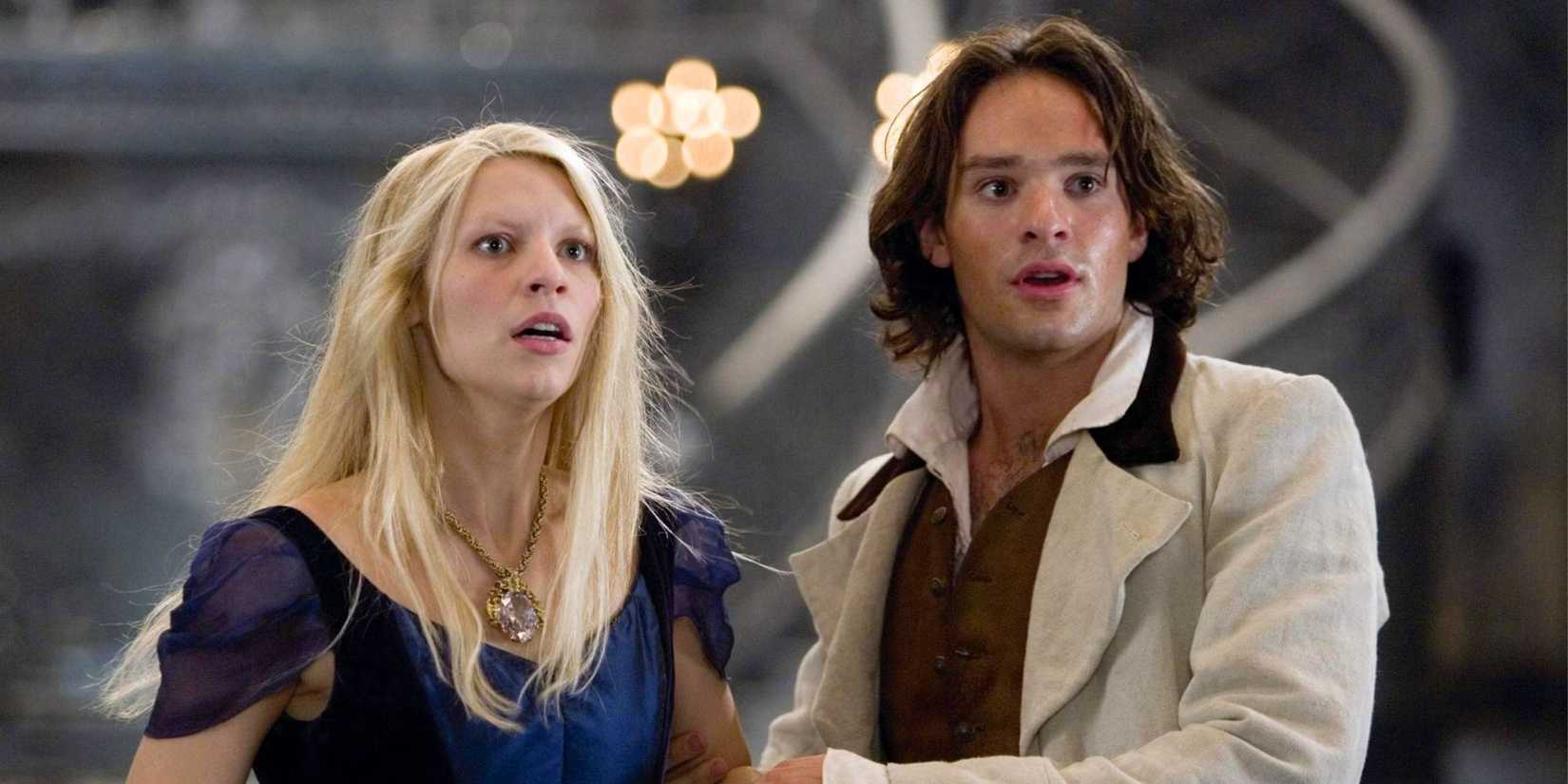 Image via Paramount Pictures
 Image via Walt Disney Studios Motion Pictures
 Image via Warner Bros. Pictures
 Image via Walt Disney Studios Motion Pictures
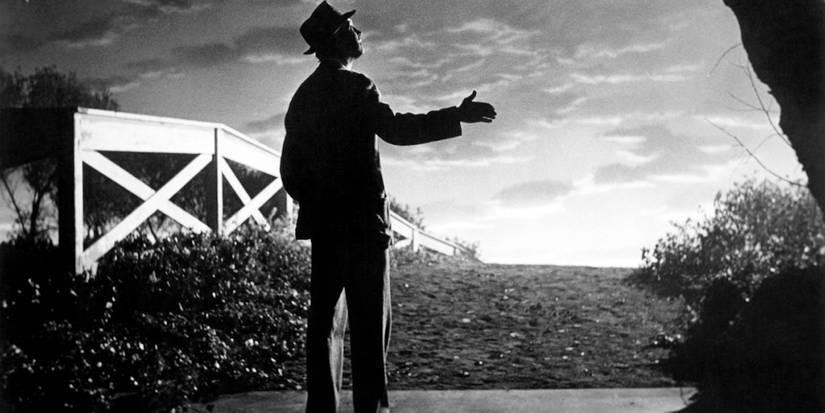 Image via Universal Pictures
 Image via DreamWorks Pictures
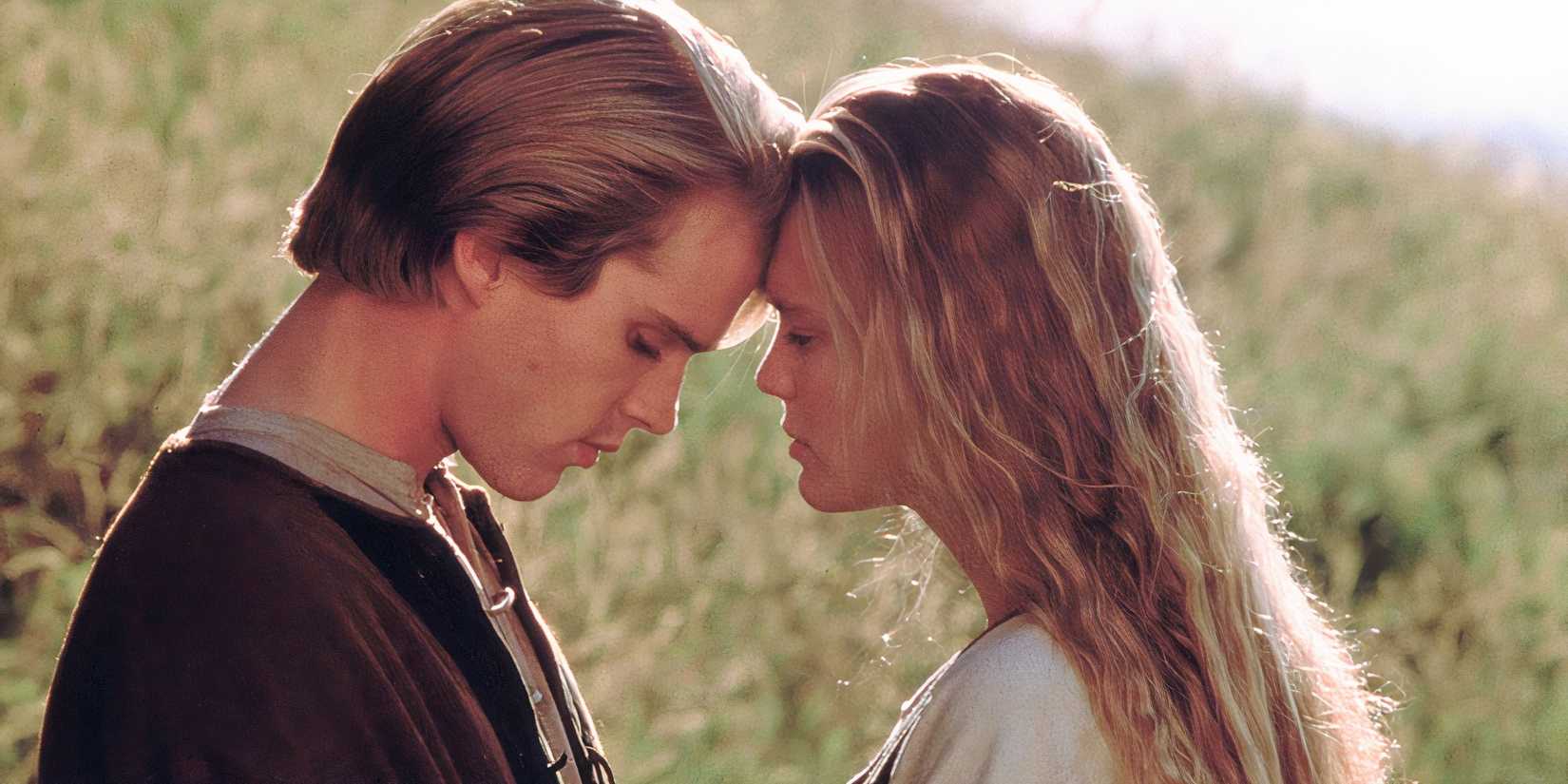 Image via 20th Century Studios
 Image via Studio Ghibli
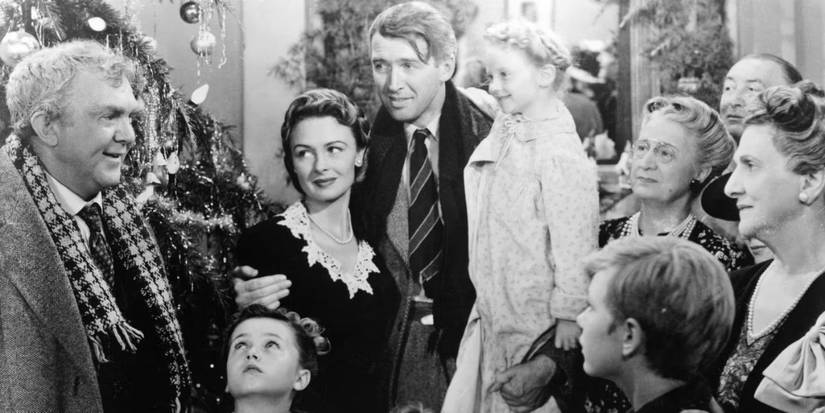 Image via RKO Radio Pictures

 English (US) ·