
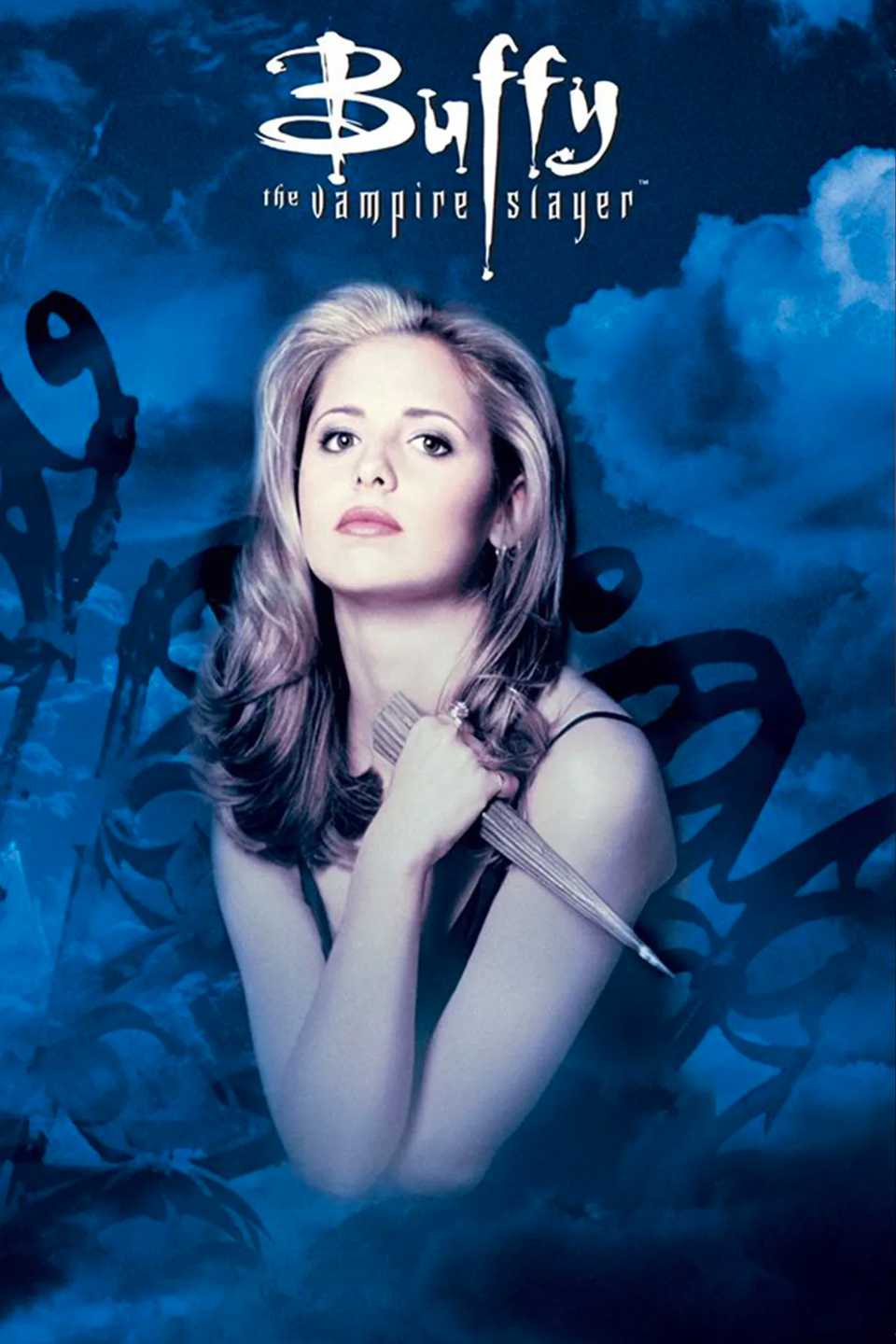
Buffy the Vampire Slayer may be one of the most influential series of all time, but the pillar of horror television also had its fair share of missteps. Led by Sarah Michelle Gellar as the eponymous vampire slayer Buffy Summers, the teen drama was a defining title of the late 1990s/early 2000s. In fact, the Buffy the Vampire Slayer franchise as a whole is far from dead, with longtime fans weighing the merits and risks of a revival to this day.
Yet, while there are plenty of Buffy the Vampire Slayer moments that have aged well, there are just as many uncomfortable scenes, unbelievable storylines, and frustrating twists that grate on viewers. Whether it's a disappointing arc to skip on your next rewatch or a near-miss that almost ruined the show's icon status, Buffy the Vampire Slayer's worst episodes are an undeniable blemish on the legendary franchise's very legacy.
“Teacher’s Pet”
Season 1, Episode 4

There were plenty of growing pains in Buffy the Vampire Slayer season 1, but "Teacher's Pet" is one of the most egregious. The fourth episode of the series mainly focuses on Xander Harris (Nicholas Brendon) as he is targeted by a "She-Mantis" disguised as a substitute science teacher. The monster lures in men and young boys who have never had sex before and, like a true praying mantis, beheads her victims after completing her twisted mating ritual.
The creature design is underwhelming and far from effective, but the clumsy handling of the grooming storyline makes it an especially painful watch for modern audiences. Although it's clear the cannibalistic teacher is the episode's villain, her pursuit of Xander— and the key character's lack of sexual experience itself— feels almost comedic in nature. Of course, it would have been wildly progressive for the time period, but it nonetheless leaves a sour taste in the 2026 viewer's mouth.
“Go Fish”
Season 2, Episode 20

Similarly, season 2's "Go Fish" has one of the visually weakest villains in Buffy the Vampire Slayer: the steroid-ridden gill monsters who double as high school swimmers. The so-called fearsome foes are dulled by their dated looks, which feel more akin to a B-horror film than a major network series.
Far more unpalatable is the episode's constant propagation of rape culture. Buffy is subjected to a never-ending slew of scrutiny, with the villainous swim coach even blaming her for his star athlete's rebuffed advances. Had the series continued down the path of monster-of-the-week escapades with poor character designs, it's extremely unlikely Buffy the Vampire Slayer would have survived for seven seasons.
“Dead Man’s Party”
Season 3, Episode 2
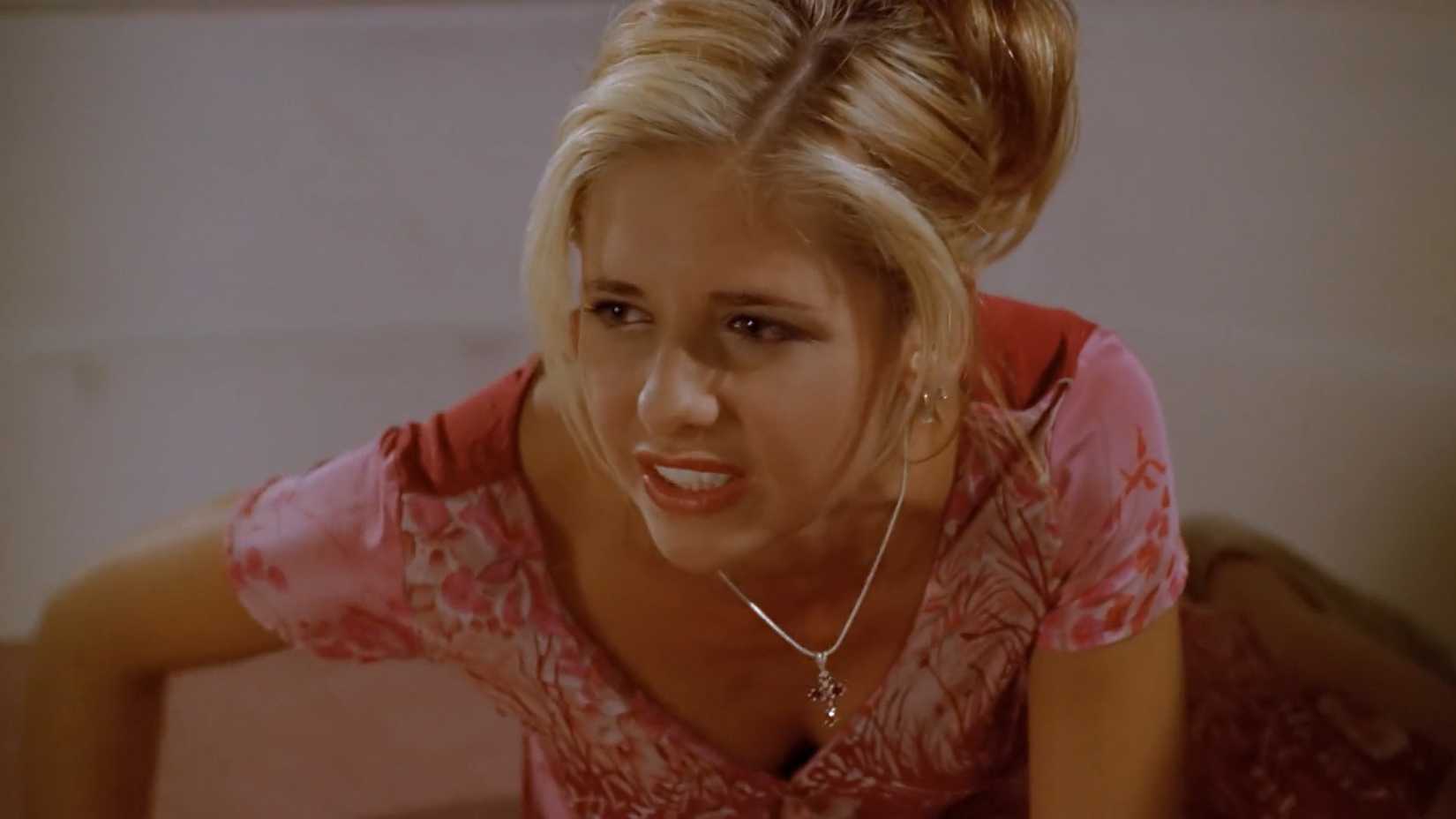
The "Scoobies" (also known as the "Scooby Gang") were often Buffy's closest confidants, but "Dead Man's Party" jeopardized the show's integral found family element early on. Following her anticlimactic return to Sunnydale in season 3, Buffy struggles to reconcile with her friends, with Xander and Willow Rosenberg (Alyson Hannigan) holding palpable grudges.
Even Buffy's mother, Joyce (Kristine Sutherland), fails to empathize with her daughter's struggles, instead berating the main character at her welcome-back party. What's worse is that the show forces Buffy to apologize in the end, implying the Scoobies were justified in their anger and apathy. The protagonist isn't offered the same grace, but the core friend group at least grows closer throughout the series— though their dynamic is never perfected.
“Beer Bad”
Season 4, Episode 5

After Xander lands a job bartending at a local pub, Buffy— in an attempt to drown her recently-dumped sorrows— finds a group of drinking buddies in her college cohort. Unbeknownst to her, however, one of the brews has been poisoned by a warlock, causing the patrons to revert to a primitive state. Whereas her new friends become full-fledged Neanderthals, Buffy's cavewoman counterpart simply touts a messy hairstyle and stunted speech.
There are some aspects of "Beer Bad" that almost veer into camp territory, but the overwhelming consensus is that the episode is merely a heavy-handed campaign against underage drinking. To that end, the PSA's prescriptive morality goes against the fundamental nature of Buffy the Vampire Slayer, making "Beer Bad" stand out as an oddly puritanical turn.
“Where the Wild Things Are”
Season 4, Episode 18

Despite Buffy the Vampire Slayer starting in 1997, the show itself is rooted in a feminist progression of horror's Final Girl trope, allowing its main character the agency to fight her own battles without sacrificing her personhood. Sadly, that genre-redefining choice is nowhere to be found in "Where the Wild Things Are".
The entire episode revolves around a rager at a haunted frat house, but every time Buffy and Riley Finn (Marc Blucas) have sex, a new paranormal event takes the party by storm. Lust-ridden young women are compelled to cut their hair off, the men are all but drowned in a bathtub baptism, and ghosts of orphaned children attack en masse while Buffy and Riley are stuck in coitus. The orgasm wall and winding vines are memorable enough, but the regressive signal that undercuts the entire series is clear: wanton sex is death.
“Into the Woods”
Season 5, Episode 10

Riley was never a fan-favorite staple of the Buffy the Vampire Slayer cast, but even he deserved a better sendoff than what "Into the Woods" provided. When Spike (James Marsters) exposes Riley's secret propensity for paying vampires to feed on him, Buffy's confrontation devolves into a bitter fight wherein Riley blames her for being bitten by Dracula.
By the time Riley is ready to flee Sunnydale to hunt demons with the government, there's little for the audience to root for, in spite of Xander's valiant efforts to paint his and Buffy's relationship as anything other than fodder. Nevertheless, Riley's goodbye is utterly unfulfilling, as it renders his romance with Buffy pointless in the grand scheme of things.
“Wrecked”
Season 6, Episode 10

Arguably the harshest reality of Buffy the Vampire Slayer is that the series doesn't always stick the landing on its real-world commentary. On its own, "Wrecked" has promising glimpses at a fascinating allegory: dark magic in the place of hard drugs. How the storyline is actually presented, however, detracts from its depth.
Frankly, Willow's sudden pivot to magic-based addiction lacks subtlety— and, in turn, lacks the nuance to make it a satisfying arc. Rather, "Wrecked" rushes through genuine food for thought and sets the tone for the show's distinctly morbid final seasons. In retrospect, the episode is the beginning of the end for many of Buffy the Vampire Slayer's biggest plots, not least of which is Willow's love story with Tara Maclay (Amber Benson).
“As You Were”
Season 6, Episode 15

Buffy the Vampire Slayer season 6 is widely regarded as one of the worst installments of the series, and "As You Were" certainly left a less-than-stellar impression. Truthfully, the hour-long affair can be encompassed in a single phrase: Riley's unnecessary return.
A year after their abrupt breakup, Buffy the Vampire Slayer brings back Riley to rub salt in Buffy's wounds with his beautiful monster-hunting wife in tow. From oddly out-of-character encounters to an onslaught of second-hand embarrassment, "As You Were" underlines Riley's off-screen success for no reason other than exacerbating Buffy's depression.
“Seeing Red”
Season 6, Episode 19

Without question, "Seeing Red" is the most infamous episode of Buffy the Vampire Slayer ever made. At its most innocuous, the episode is unsettling. At its most gratuitous, "Seeing Red" is unwatchable. Tara's death follows the tragic "bury your gays" trope, making her character yet another martyr in queer TV history. Alyson Hannigan's performance is viscerally upsetting, especially in the haunting final scene.
Meanwhile, the on-and-off romance between Spike and Buffy goes far beyond the line of flirty banter and forbidden love, as the vampire attempts to sexually assault the protagonist. Furthermore, as Buffy herself admits, Spike's plan only falls through because of her ability to physically fight him off. Subsequently, the show adds insult to injury by delving into Spike's moral dilemma and path to redemption rather than allowing its main character to confront her trauma. No matter how much he changed after regaining his soul, it's impossible to see Spike as Buffy's true love after such a grotesque scene.
“Empty Places”
Season 7, Episode 19

Merely three episodes prior to Buffy the Vampire Slayer's series finale, the show released one of its worst entries. "Empty Places" follows Buffy clashing with the Scoobies and the Potentials, culminating in an immature vote to dethrone the de facto leader and replace her with Faith (Eliza Dushku).
The episode also has unsavory moments that are unceremoniously brushed off, like the police brutality Faith faces outside the club, but the predominant talking point that most viewers cannot get over is how Buffy is kicked out of her own home by her supposed best friends. Luckily, any residual bad blood is washed away with the final showdown.
Regardless of its lowest moments, Buffy the Vampire Slayer is undeniably one of the best-crafted shows of modern television history. As such, its ongoing popularity is a well-earned reflection of career-defining performances, gorgeous cinematography, and usually indomitable storytelling.
Release Date 1997 - 2003-00-00
Network The WB





 English (US) ·