
C.S. Lewis’ The Chronicles of Narnia has undoubtedly left its mark on the fantasy genre. The novel’s depiction of talking animals, enchanted wardrobes, and allegorical battles between good and evil has shaped generations of readers. However, epic fantasy has evolved since Narnia first opened its snowy doorway in 1950.
Some fantasy books that came after Narnia are more complex, have better character work, and are less interested in telling stories that are reliant on the simple narrative of good versus evil. Narnia, however, is by design a children's book first, which explains why it is such a gentle story.
The mark of any good fantasy book lies not only in its scope but in its ability to challenge its reader and leave them aching for more. Novels like The Magicians have magic systems so complicated they feel like physics, political schemes that are layered, and worlds that are unlike anything we’ve seen before. Other entries in the genre are cozier and focus on important themes like friendship.
The question isn’t whether Narnia is still important. It’s about how far fantasy has come since then, and how many new doorways have opened for readers willing to step beyond the wardrobe.
The Name Of The Wind by Patrick Rothfuss
2007

The first entry in Patrick Rothfuss's The Kingkiller Chronicle trilogy, The Name of the Wind tells the story of Kvothe, a legendary figure whose life has become myth, rumor, and exaggeration. The novel unfolds slowly and explains its protagonists' journey in stunning detail. Kvothe, now living in hiding as a humble innkeeper, recounts the true story of his life to a scribe. What follows is a personal and detailed coming-of-age tale.
As epic as Narnia is, it's a story about children, and its writing style shows that. The Name of the Wind, however, is written lyrically and poetically, which makes it easier to get lost in Kvothe’s story. From the get-go, Narnia takes a stance on the morality of its characters: they are either good or bad. In The Name of the Wind, Kvothe is not a straightforward hero. He’s brilliant, arrogant, vulnerable, reckless, and often his own worst enemy.
Assassin's Apprentice by Robin Hobb
1995

Assassin's Apprentice follows FitzChivalry Farseer, the illegitimate son of a royal prince. As a bastard, Fitz is both a threat and a tool to the royal family. He’s brought to the castle of Buckkeep and raised in the shadows of power, never fully accepted, but too important to ignore. Fitz’s life quickly becomes complicated when he is secretly trained as an assassin in service to the crown, learning poisons, stealth, and political manipulation.
Robin Hobb’s first novel in the Farseer trilogy offers a masterclass on character study. As the story goes on, readers come to understand Fitz better and feel what everything he does costs him. His loneliness, confusion, and longing are explored in raw and sometimes painful detail. Narnia, on the other hand, focuses on allegory and adventure, which isn’t a bad thing, but Assassin’s Apprentice is better for readers looking for a darker story with more mature themes.
The Magicians by Lev Grossman
2009

The Magicians is often described as Harry Potter meets Narnia, but for adults. However, that comparison only scratches the surface. The novel centers around Quentin Coldwater, a brilliant but unhappy teenager obsessed with a fictional fantasy series about a magical land called Fillory (a clear echo of Narnia). Despite his intelligence, Quentin feels disconnected from the real world. His life changes when he is admitted to Brakebills University for Magical Pedagogy, a hidden college where students are trained in real magic.
Lev Grossman's The Magicians, in a way, pops the fantasy bubble. Fantasy, for many, represents a magical world where dreams come true and anything is possible. That isn’t the case for The Magicians, as it proves that escapism isn’t always the answer. The novel painstakingly builds its magic system. Having powers doesn’t make things easy in The Magicians: it takes practice, study, and a lot of perseverance to master the supernatural ability of being able to cast spells.
The Hobbit by J.R.R. Tolkien
1937
 Custom image by Yailin Chacon
J.R.R. Tolkien’s The Lord of the Rings novels cemented his place as one of the greatest fantasy writers of all time. Initially, The Hobbit was written as a standalone story, but it now serves as a prequel to the LotR books and details the origin of the One Ring. The novel is set in the peaceful land of the Shire, where Bilbo Baggins, a comfort-loving hobbit, enjoys a simple life of food, reading, and routine. His life is upended when Gandalf arrives with a group of 13 dwarves led by Thorin Oakenshield.
 Related
10 Fantasy Book Series That Are Considered Masterpieces
There are 10 fantasy book series that are considered masterpieces for various reasons, but they have all made their own mark on the fantasy genre.
Tolkien did a wonderful job of building Middle-earth. It's filled with distinct cultures and characters, fascinating geography, and deep history, resulting in a world that feels lived in. Bilbo Baggins is the reason The Hobbit is such an interesting book. He begins his story as an ordinary individual who transforms into a hero rather than being a chosen one from the start, like the protagonists in Narnia.
The Blade Itself by Joe Abercrombie
2006
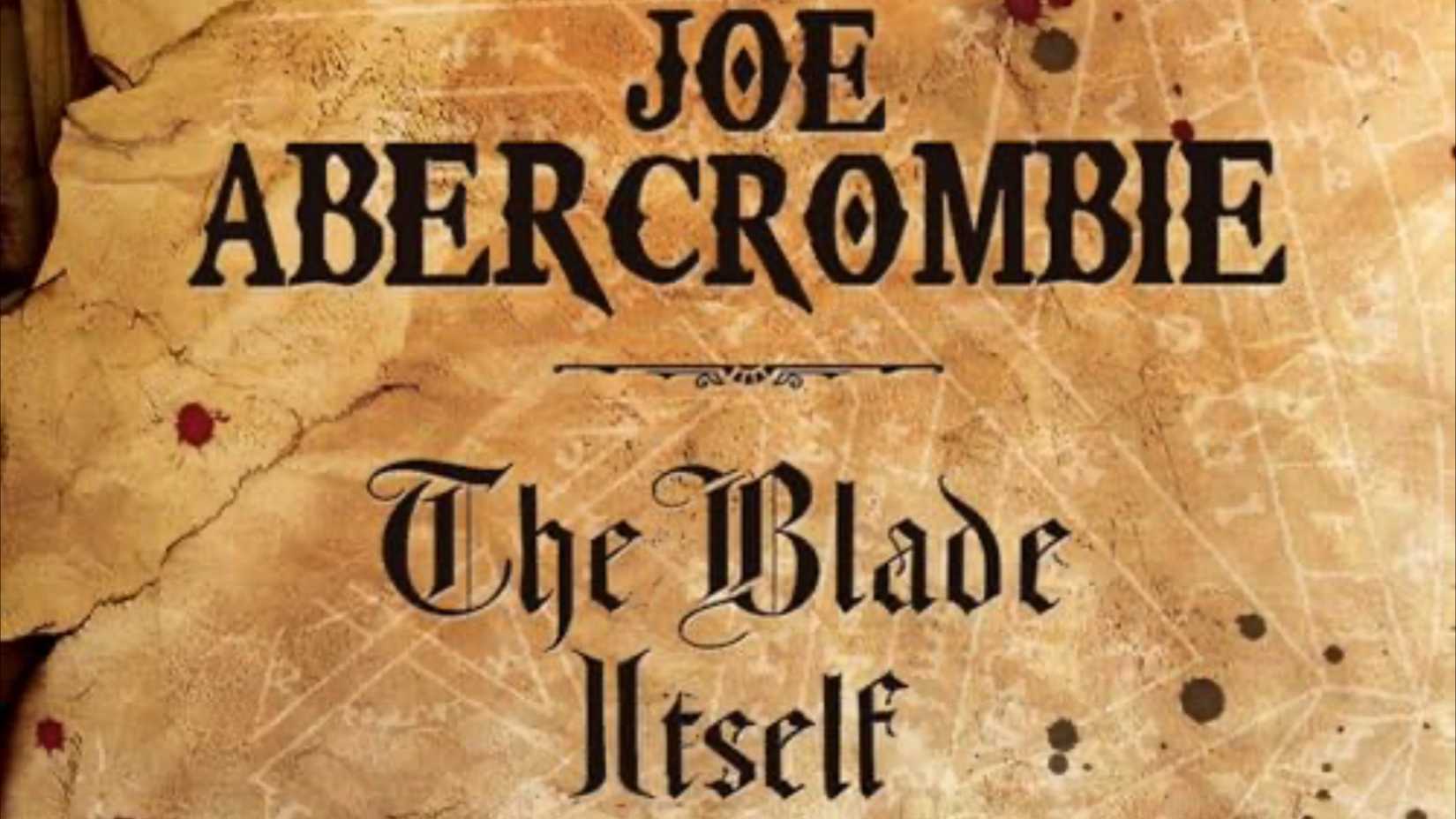
The Blade Itself is one of the defining modern grimdark fantasy novels, a style that strips away traditional heroism and replaces it with moral ambiguity and realism. Joe Abercrombie’s novel chronicles the journey of multiple characters as their fates intertwine and war looms.
While dark, The Blade Itself is hilarious and leans on its humor to soften its sometimes unsettling premise. The novel excels at subverting fantasy tropes. There are no clear heroes in the book series, but each character has demons that they struggle to overcome. Even magic, which some fantasy novels treat as a good thing, is seen as mysterious and decaying in The Blade Itself.
A Game Of Thrones by George R.R. Martin
1996
A Game of Thrones is one of the biggest books in the fantasy landscape and became even more famous after the success of the HBO TV show of the same name. The high fantasy book series is set in Westeros, and it weaves together multiple storylines centered on power, survival, and ambition. At the heart of the story is the battle for the Iron Throne, the seat of power in the Seven Kingdoms. Noble families like the Starks, Lannisters, and Targaryens maneuver, betray, and wage war to claim it.
Narnia does beat Game of Thrones when it comes to its magic system. George R.R. Martin’s book, although vast, isn’t filled with a lot of fantasy elements and doesn’t spend too much time on them. Instead, Westeros feels like a real, functioning world with religions, histories, and political alliances. However, GoT is better than Narnia in the sense that it is a story that thrives on unpredictability. No character is safe, and anything that can change the entire trajectory of the story can — and does — happen at any time.
The Priory Of The Orange Tree by Samantha Shannon
2019
 Custom Image by Hannah Diffey
The Priory of the Orange Tree by Samantha Shannon is fantasy at its best. The novel has everything any genre fan could dream of: dragons, magic, and political tension. The world in The Priory of the Orange Tree is split into two parts. The East worships and coexists with benevolent dragons and treats them as divine protectors, and the West, which fears dragons, remembers them as monsters of destruction.
In Shannon’s epic fantasy novel, dragons are not seen as mere characters who are just there to benefit the hero on his journey. They are depicted as powerful beings who have a rich history and are actually participants in the world they live in. One of Priory’s strengths is its scope. As readers follow Samantha, Ead, and Tané on their journeys, they get to experience different cultures, lore, and political structures.
The House In The Cerulean Sea by TJ Klune
2020

TJ Klune is exceptional at weaving cozy and intimate fantasy stories. In The House in the Cerulean Sea, Linus Baker, a very by-the-book government caseworker who inspects orphanages that house magical children, lives a lonely life until he meets six extraordinary children who disturb his mundane existence.
Like The Chronicles of Narnia, The House in the Cerulean Sea is about children, but the books handle their themes in different ways. Where Narnia is about instruction, Klune’s novel focuses on healing and found family. The House in the Cerulean Sea doesn’t have the same high stakes as Narnia, and that, in a way, is what makes it better. The novel encourages readers not to judge a book by its cover and places compassion over heroism.
His Dark Materials by Phillip Pullman
1995-2000

His Dark Materials is probably one of the most complicated and fascinating fantasy novel series out there. Written by Phillip Pullman, the trilogy centers around Lyra Belacqua, a girl who is pulled into a conspiracy involving a mysterious substance called Dust, the Magisterium, and alternate universes. The series takes place in a parallel world where human beings are permanently connected to daemons, animal companions that are external manifestations of the soul.
His Dark Materials, though centered on children, doesn’t shy away from critiquing organized religion, which, incidentally, is one of the most divisive aspects of the novel. The book’s depiction of alternate realities, talking animals, and a powerful protagonist creates a world that is not only vast but also easy for one to lose oneself in. Perhaps His Dark Materials' strongest element is Lyra herself because she isn’t good in the traditional sense. Lyra is stubborn and will do anything to get her way, which differentiates her from the typical chosen one characters.
The Way of Kings by Brandon Sanderson
2010
 Custom Image by Hannah Diffey
Brandon Sanderson’s sprawling fantasy epic, The Way of Kings, is the first entry in The Stormlight Archive series, which consists of five books and two novellas. The story takes place on Roshar, a world constantly battered by magical superstorms, which forced civilizations to adapt in fascinating ways by building cities into rock, using stormlight as fuel, and fighting wars with mystical weapons called Shardblades and Shardplate. Rather than following a single hero, the novel focuses on different characters such as Khaladin, Shallan, and Dalinar.
Apple is adapting The Stormlight Archive series into a TV show.
The Way of Kings' wordbuilding is probably the best of any fantasy novel. Sanderson describes Roshar as if it's a living, breathing thing with a unique environment shaped by the constant storms. Even the magic in The Way of Kings is pretty complex and follows strict rules that its wilders have to adhere to. In comparison, The Chronicles of Narnia is a much simpler novel that has an incredible world, but it isn’t on the same level as The Way of Kings.
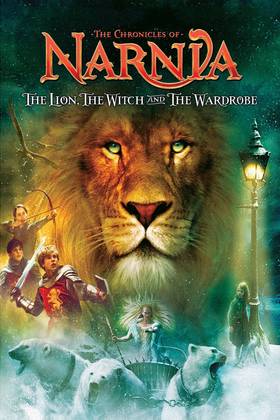
Created by C.S. Lewis
First Film The Chronicles of Narnia: The Lion, the Witch and the Wardrobe
Latest Film The Chronicles of Narnia: The Voyage of the Dawn Treader
First TV Show The Chronicles of Narnia
First Episode Air Date November 13, 1988
Cast Georgie Henley, William Moseley, Skandar Keynes, Anna Popplewell, Ben Barnes, Liam Neeson, Tilda Swinton, James McAvoy, Will Poulter, Simon Pegg
The Chronicles of Narnia is a fantasy franchise based on the seven-book series written by C.S. Lewis between 1950 and 1956. The series is set in the magical world of Narnia, where children from our world are transported to fulfill prophecies, battle evil forces, and restore peace under the guidance of Aslan, a mystical lion. The franchise has seen multiple adaptations, including a BBC television series in the late 1980s, three major Hollywood films between 2005 and 2010, and an upcoming reboot by Netflix, which has generated significant anticipation. The franchise is beloved for its rich allegorical storytelling, blending Christian themes with epic fantasy elements.







 English (US) ·