
There are iconic TV shows through the decades, including controversial ones that remain topic of conversation today. But there are a few divisive shows from decades past that most people have long forgotten about. All these shows were bold in their approach. Some depicted topics that, at least at the time, were even considered risqué. Others were divisive for different reasons.
Each of these shows has made its mark on history one way or another, loved or hated by viewers and critics, some a little bit of both. From reality TV to teen dramas, sitcoms, and even a kids' musical show, many of these series have long been forgotten. But at one point in time, they caused uproar, or at least some negative pushback.
10 'Degrassi Junior High' (1987–1989)
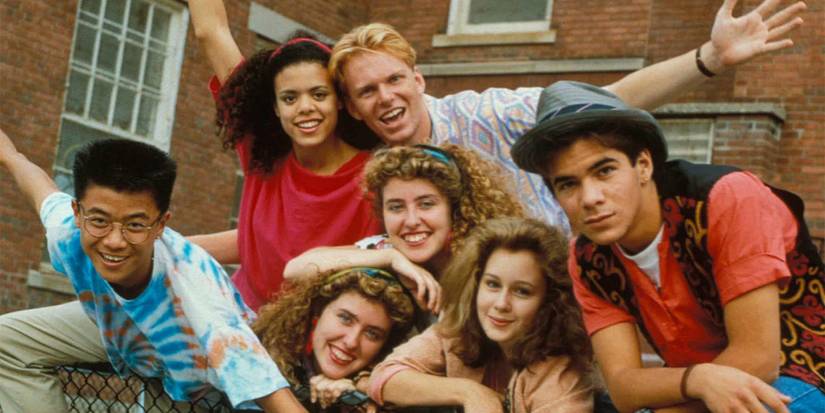 Image via CBC
Long before shows like Beverly Hills, 90210 and Dawson's Creek, there was a little Canadian teen drama called Degrassi Junior High that eventually became popular in the U.S. once it began airing on PBS. While shows like Euphoria have since pushed the envelope for what teen dramas can be, Degrassi Junior High was progressive for its time.
The series covers controversial topics like teen pregnancy, drug use, eating disorders, abuse, and more. This is par for the course today. But back in the late '80s, the realism in the show caused a stir, some believing it was a little too real. But by and large, Degrassi Junior High is considered one of the forgotten but pioneering teen drama shows that showed relatable stories from real teenage actors. While many remember Degrassi: The Next Generation, a revival that aired from 2001 through 2015 and famously starred Drake, many of the younger generation who watched had never seen the show it was based on.
9 'Bosom Buddies' (1980–1982)
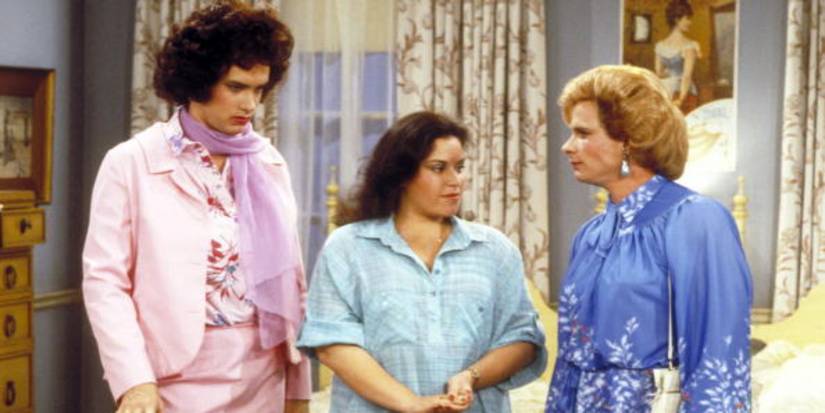 Image via ABC
In one of Tom Hanks' earliest high-profile roles, he plays Kip Wilson in the sitcom Bosom Buddies, a man who convinces his friend Henry (Peter Scolari) to dress as a woman so they can live in the female-only Susan B. Anthony Hotel and take advantage of the cheap rent. It's easy to see why this premise is frowned upon today, as many feel it makes a mockery of the LGBTQ+ community.
Of course, Bosom Buddies was meant to be a lighthearted comedy, not setting out to be offensive in any way. But since Hanks' popularity exploded, and he has become an A-list movie actor, this role has fallen into the background of his career, not to mention sitcom history. The show had some recent attention with the tragic passing of Scolari in 2021. But it's merely a blip on Hanks' resume today.
8 'Skins' (2007–2013)
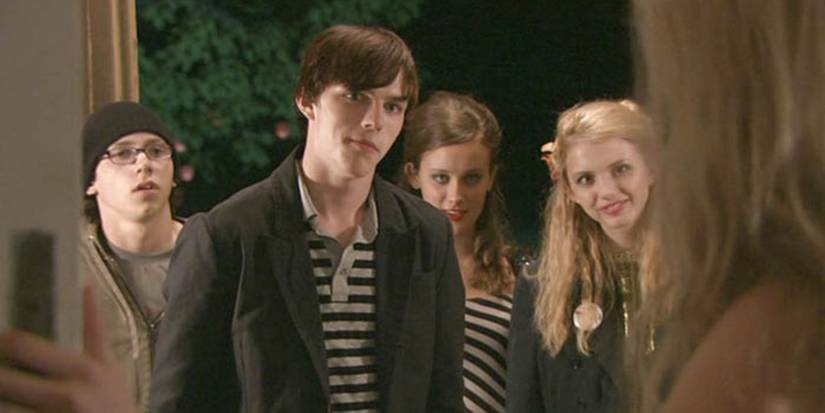 Image via E4
The British teen drama is not much different than others of its kind today, like Euphoria and 13 Reasons Why. But Skins was arguably a decade too soon, sparking controversy for its depiction of heavy topics among teens, including mental health conditions, depression, sexuality, and bullying. While fans love the realness and rawness of the show, some felt the mature themes and the graphic ways in which they were presented were too much for the younger audience the show was attracting.
One of the most divisive shows ever made, Skins ended up becoming a cult classic. Looking at it compared to other series today, the show clearly knew where the landscape was going. Skins spawned an American remake of the same name in 2011, but the heavy sexual content led to advertiser pushback, and the show only lasted a single season.
7 'Dear White People' (2017–2021)
 Image via Netflix
A more recent show, Dear White People, attracted a massive following of fans who love its depiction of Black college students in an Ivy League school. The show touches on race from the opposite lens of what's usually depicted on television, a welcome change that highlights the Black experience in modern-day culture.
However, some people felt that in doing so, Dear White People highlights discrimination against white people. But the comedy-drama is written to be provocative and serve as social commentary, and it does. The goal was met, sparking conversation with topics like white privilege and systemic racism intentionally presented in a satirical but also uncomfortable way.
6 'Minipops' (1983)
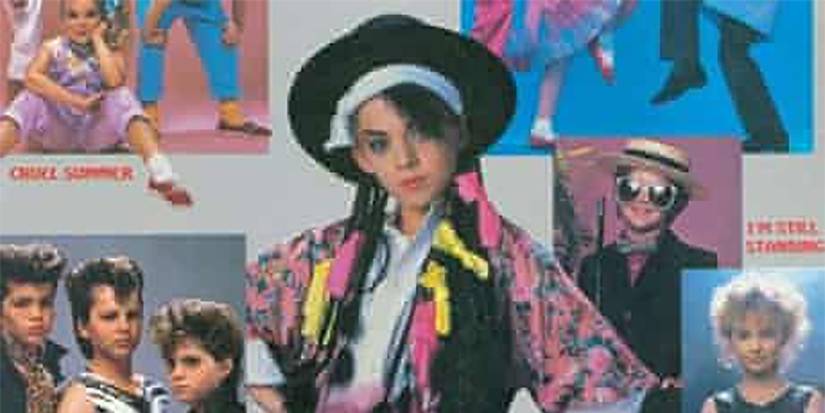 Image via Channel 4
Anyone who grew up in the '80s remembers the kids' musical group Minipops, but you may have forgotten about the short-lived TV show. Airing in the U.K., the show features the young cast singing and performing modern-day pop songs and older classics, dressed to look like the original performers. It's cute, fun, and energetic, but some viewers did not like that the pre-teens were sometimes singing lyrics with sexual innuendo. The adult costumes and heavy make-up didn't sit right with some, either, some believing this could have negative psychological effects on children.
Of course, had we been able to predict shows like Toddlers and Tiaras, Minipops looks tame in comparison. A five-year-old singing the words "we make love" in the song "9 to 5," for example, was cause for a stir. Today, you'll find that many song covers sung by kids in groups like Minipops and others use altered, child-friendly lyrics to ensure appropriateness.
Collider Exclusive · TV Medicine Quiz Which Fictional Hospital Would You Work Best In? The Pitt · ER · Grey's Anatomy · House · Scrubs
Five hospitals. Five completely different ways medicine goes sideways on television — brutal, chaotic, romantic, brilliant, and ridiculous. Only one of them is the ward your instincts were built for. Eight questions will figure out exactly where you belong.
🚨The Pitt
🏥ER
💉Grey's
🔬House
🩺Scrubs
FIND YOUR HOSPITAL →
01
A critical patient comes through the door. What's your first instinct? Medicine under pressure reveals who you actually are.
AStay completely present — block everything else out and work through it step by step, right now. BTriage fast and delegate — get the right people on the right problems immediately. CTrust my gut and move — I work best when I stop overthinking and just act. DAsk the question everyone else is ignoring — what's the thing that doesn't fit? ETake a breath, make a joke to cut the tension, and then get to work — panic helps no one.
NEXT QUESTION →
02
Why did you go into medicine in the first place? The honest answer says more about you than the one you'd give in an interview.
ABecause I wanted to be where it matters most — right at the edge, when someone's life is actually on the line. BBecause I wanted to help people — genuinely, one patient at a time, in a system that makes it hard. CBecause I was drawn to the intensity of it — the stakes, the drama, the feeling of being fully alive. DBecause medicine is the most interesting puzzle there is — and I needed a problem worth solving. EBecause I wanted to make a difference — and also, honestly, I didn't know what else to do with my life.
NEXT QUESTION →
03
What do you actually want from the people you work with? Who you want beside you under pressure is who you are.
ACompetence and calm — I need people who don't fall apart when things get bad. BTrust and reliability — I want to know that when I pass something off, it's handled. CConnection — I want colleagues who become family, even if that gets complicated. DIntelligence and the willingness to be challenged — I have no interest in people who just agree with me. EFriendship — people I actually like spending twelve hours a day with, because those hours are going to happen either way.
NEXT QUESTION →
04
You lose a patient you fought hard to save. How do you carry it? Every doctor who's worked a long shift has had to answer this question.
AI carry it. All of it. I don't look for ways to put it down — that weight is part of doing this work honestly. BI process it and move — you have to, or the next patient suffers for the one you just lost. CI feel it deeply and lean on the people around me — I don't think you're supposed to handle that alone. DI go back over every decision — not to punish myself, but because I need to understand what I missed. EI grieve it genuinely, find some way to laugh about something unrelated, and try to be kind to myself — imperfectly.
NEXT QUESTION →
05
How would your colleagues describe the way you work? Your reputation on the floor is usually more accurate than your self-image.
AIntense and completely present — no small talk during a shift, but exactly who you want there. BSteady and dependable — not the flashiest in the room but never the one who drops something. CPassionate and occasionally chaotic — brilliant on the hard cases, prone to drama everywhere else. DBrilliant and difficult — right more often than anyone else, and everyone knows it, including me. EWarm and self-deprecating — not the most intimidating presence, but genuinely good at this and easy to like.
NEXT QUESTION →
06
How do you feel about hospital protocol and procedure? Every institution has rules. What you do with them is a choice.
AProtocol is the floor, not the ceiling — I follow it until the patient needs something it can't provide. BI respect it — the system is broken in places, but the structure is there for a reason and I work within it. CI follow it until my instincts tell me not to — and my instincts are usually right, even when they cause problems. DRules are for people who haven't thought hard enough about when to break them. EI try to follow it and mostly do — with a few memorable exceptions that still come up in meetings.
NEXT QUESTION →
07
What does this job cost you personally? Nobody works in medicine without paying a price. What's yours?
AEverything outside these walls — I've given this job my full attention and the rest of my life has gone around it. BMy idealism, mostly — I came in believing the system could be fixed and I've made a complicated peace with that. CStability — my personal life has been as chaotic as the OR, and that's not entirely a coincidence. DMy relationships — I am not easy to know, and the people who've tried to would probably agree. EMy sense of gravity — I use humour as a coping mechanism, which not everyone appreciates in a hospital.
NEXT QUESTION →
08
At the end of a long shift, what keeps you coming back? The answer to this question is the most honest thing about you.
AThe fact that it's real — that nothing else I could be doing would matter this much, right now, today. BThe patients — individual human beings who needed something and got it because I was there. CThe people I work with — I have walked through impossible things with these people and I'd do it again. DThe next unsolved case — there's always another puzzle, and I'm not done yet. EBecause despite everything — the exhaustion, the loss, the absurdity — I actually love this job.
REVEAL MY HOSPITAL →
Your Assignment Has Been Made You Belong In…
Your answers have pointed to one fictional hospital above all others. This is the ward your instincts, your temperament, and your particular brand of dysfunction were built for.
The Pitt
You are built for the most unsparing version of emergency medicine television has ever shown — one that puts you inside a single fifteen-hour shift and doesn't let you look away.
- You need your work to be real, not romanticised — meaning over drama, honesty over aesthetics.
- You find purpose inside the work itself, not in the chaos surrounding it.
- You've made peace with the fact that this job takes from you constantly, and gives back in ways that are harder to name.
- Pittsburgh Trauma Medical Center demands exactly that kind of person — and you would not want to be anywhere else.
ER
You are the person who keeps the whole floor running — not the most brilliant in the room, but possibly the most essential.
- You show up, do the work, absorb the losses, and come back the next day without needing the job to be anything other than what it is.
- You care about patients as individual human beings, not as cases to solve or dramas to live through.
- You believe in the system even when it fails you — and you understand that emergency medicine is about holding the line just long enough.
- ER is television about endurance. You have it.
Grey's Anatomy
You came to medicine with your whole self — your ambition, your emotions, your relationships, your history — and you have never quite managed to leave any of it at the door.
- You feel things fully and form deep attachments to the people you work with.
- Your personal and professional lives are permanently, chaotically entangled — and that entanglement drives both your greatest disasters and your most remarkable saves.
- You understand that extraordinary medicine often happens at the intersection of clinical skill and profound human connection.
- It's messy at Grey Sloan. You would not have it any other way.
House
You are drawn to the problem above everything else — the symptom that doesn't fit, the diagnosis hiding underneath the obvious one.
- You're not primarily motivated by the patient as a person — though you are capable of caring, even if you'd deny it.
- You work best when the stakes are highest and the standard answer is wrong.
- Princeton-Plainsboro exists to house one extraordinary, impossible mind — and everyone around that mind is there because they're smart enough to keep up.
- The only way forward here is to think harder than everyone else in the room. That is exactly what you do.
Scrubs
You understand that medicine is tragic and absurd in almost equal measure — and that the only sane response is to hold both of those things at the same time.
- You are warm, self-aware, and funnier than most people in your field.
- You use humour to get through terrible moments — and at Sacred Heart, that's not a flaw, it's a survival strategy.
- You lean on the people around you and let them lean back. The laughter and the grief are genuinely inseparable here.
- Scrubs is a show about learning to become someone worthy of the job. You are still very much in the middle of that process — which is exactly right.
↻ RETAKE THE QUIZ
5 'The Colbys' (1985–1987)
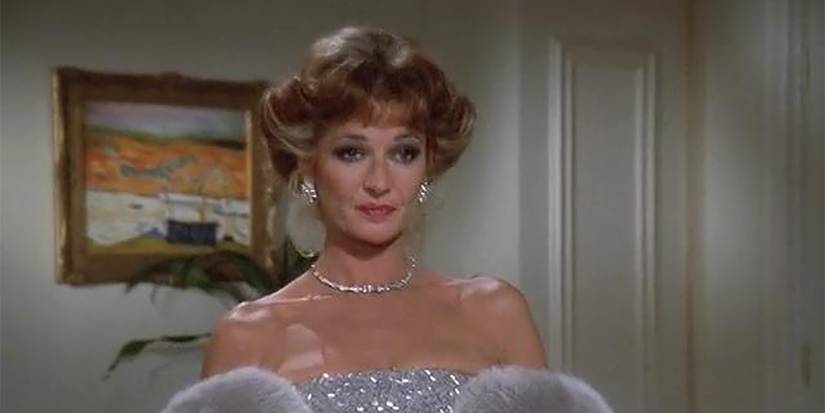 Image via ABC
The Colbys was arguably among the first series to prove that just because a show does amazingly well doesn't mean a spinoff will. The primetime soap opera is a spinoff of Dynasty, one of the most iconic soap operas ever made. But it didn't quite hit the same. The series has a fantastic cast that includes Charlton Heston, Barbara Stanwyck, and Ricardo Montalbán, and centers on the rival wealthy family. While die-hard fans of Dynasty loved it, the show just didn't get the viewership it needed.
The biggest mistake The Colbys arguably made was serving as a copy of Dynasty with different characters and storylines that were far too similar. It didn't stand on its own, though it had the potential to do so. Even the actors were divided on the show, with Stanwyck reportedly believing it was not working while Heston thought it had promise to continue. One thing we can agree on: the series had one of the most iconic TV plot twists of the '80s with its series finale.
4 'Joe Millionaire' (2003)
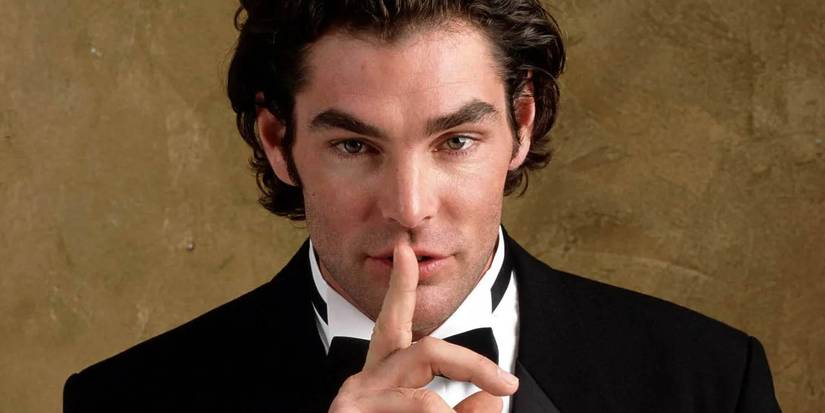 Image via Fox Television
As far as reality dating shows go, Joe Millionaire was by far one of the most bizarre. It was largely forgotten until it was brought back in 2022 for a third season. The show's first season centers around Evan Marriott, a handsome man presented to potential suitors as a millionaire businessman. But he's actually a working-class construction worker. As he goes through the process of dating all the women, he must pare it down to his one choice, then reveal the truth and see if she stays with him or not.
Some appreciated the premise that set out to hopefully show that love means more than money. But there's no denying that deception isn't really the way to go about proving that point. It made for great entertainment but didn't really result in any meaningful moral lessons. Nonetheless, Joe Millionaire was the type of show you wanted to see through to the end to get to the explosive reveal.
3 'The Tom Green Show' (1994–2000)
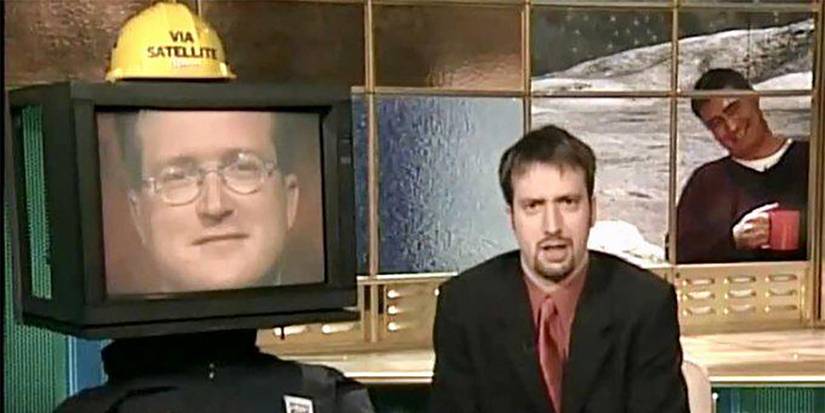 Image via CBC / The Comedy Network
Aside from an appearance on Celebrity Big Brother back in 2019 and starring in the Canadian comedy series The Trades, Tom Green hasn't really been in the spotlight for some time. But once upon a time, his show, The Tom Green Show, was a big hit. Airing on MTV in the U.S. from 1999, the show presents the type of raunchy, risqué humor that people either love or hate.
Green hosts the show along with others, and it employs a sketch comedy style, usually involving stunts that poke fun at his parents or embarrass people (and himself) in public. Think surprising his parents in bed with a severed cow's head. The shock comedy slant is similar to the series Jackass, which itself is one of those shows that's an acquired taste. Green himself is considered an acquired taste, which is why the show was beloved by some, widely criticized by others.
2 'Tiger King' (2020–2021)
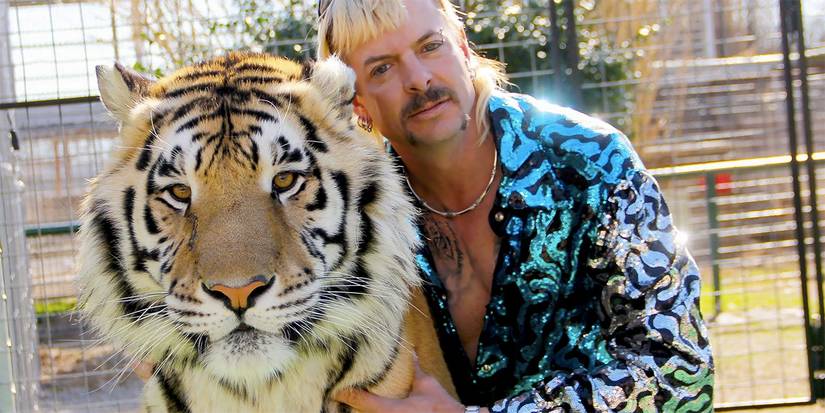 Image via Netflix
Tiger King, also known as Tiger King: Murder, Mayhem, and Madness, was the darling of the COVID-19 pandemic. It came out at the perfect time when people were stuck at home looking for ways to fill their time. Once you caught the first episode of this true crime docuseries, you were completely hooked and couldn't look away. It tells the story of eccentric former zookeeper Joe Exotic, who gets into a dangerous war with rival big cat conservationist Carole Baskin. The story takes unbelievable twists and turns, the characters and their stories drawing you in such that you can't believe it really happened.
Tiger King was beloved enough that the series led to a second and third season, and inspired a flood of memes online. But some organizations and individuals didn't take kindly to the inaccuracies about wildlife conservation, the second and third seasons even spawning a lawsuit relating to the footage used. Nonetheless, Tiger King goes down in history as one of the most successful and talked-about Netflix docuseries that everyone has since forgotten about.
1 'Iron Fist' (2017–2018)
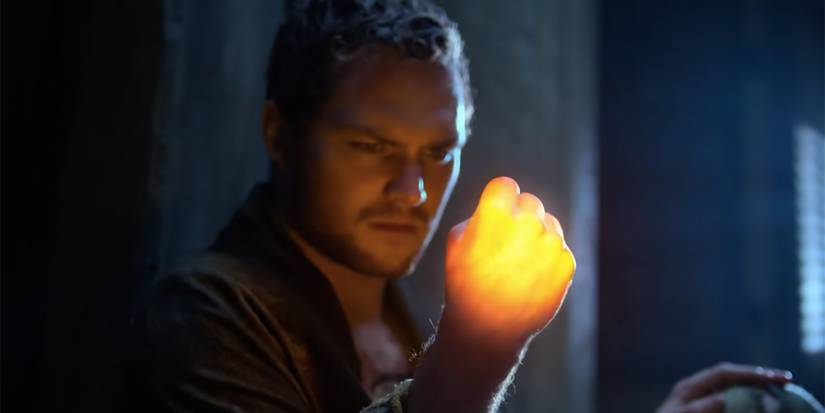 Image via Netflix
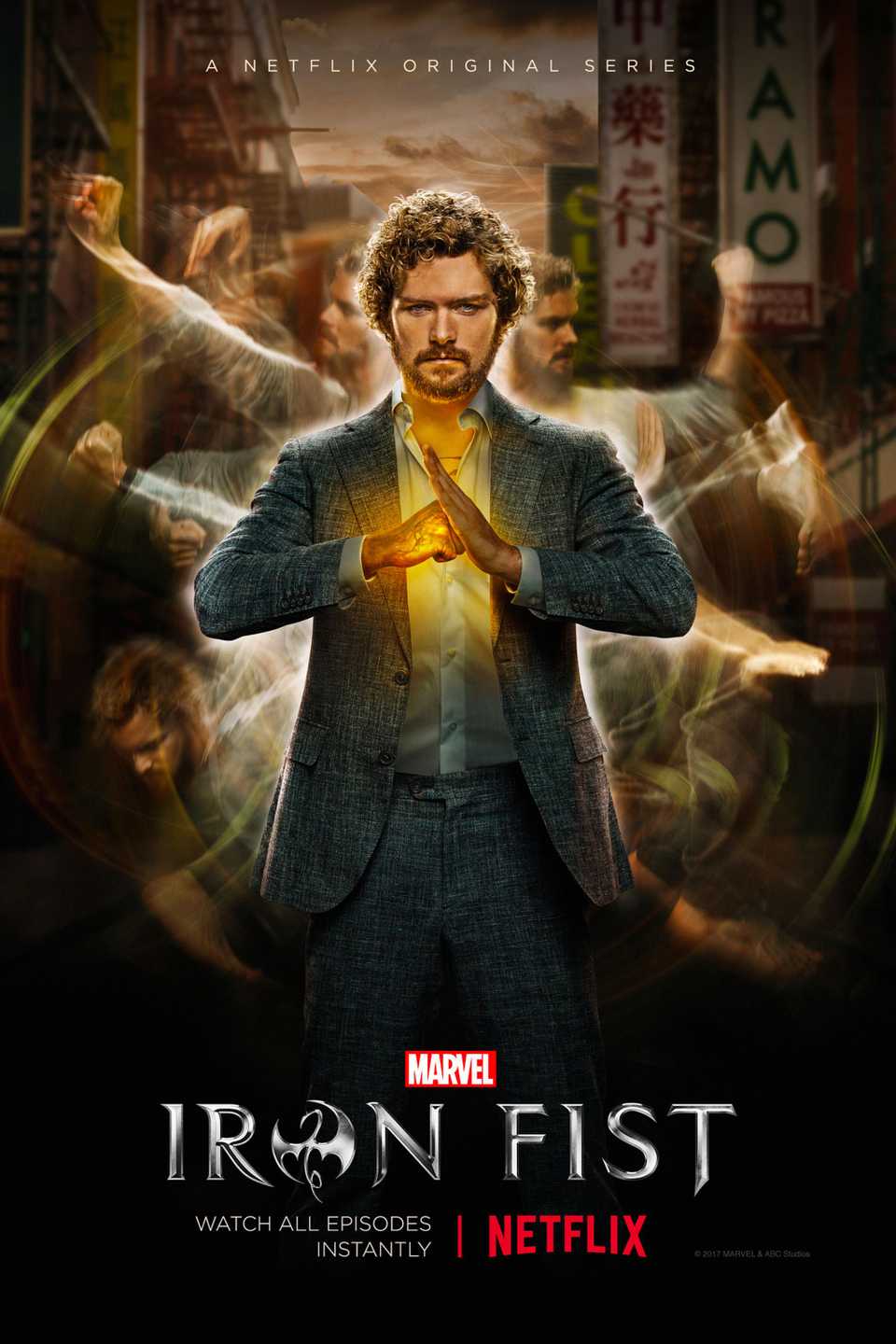
It seems like pretty much everything within the Marvel Cinematic Universe (MCU) is, at the very least, memorable. But Iron Fist, also known as Marvel's Iron Fist, is perhaps the most polarizing. The series, which shares continuity with the movies, was the fourth for Netflix and stars Finn Jones as the titular character, a martial arts expert with the special power of an iron fist.
Despite strong viewership numbers, Iron Fist got mostly negative reviews and was canceled after two seasons. After being removed from Netflix and with Disney now offering all Marvel series, the show has largely been forgotten. But the drastic difference in reception from critics versus audience, just a 20% Rotten Tomatoes critics score for Season 1 compared to 71% by fans, suggests the show remains one of the most divisive MCU titles.
Iron Fist
Release Date March 17, 2017
Network Disney Channel
Showrunner Scott Buck
Directors Scott Buck






 English (US) ·