
Since rising to prominence in the latter stages of the 1990s, HBO has established and consistently delivered upon a reputation of piercing dramatic excellence, a quality defined by its endeavor to break new ground for the medium with its unflinching and often confronting stories that range from gritty crime drama to dazzling fantasy. As such, the cable network has come to be known for the darkness of many of its series, a trait stemming from its grasp on the moral ambiguity of human nature.
Able to marry this tonal grimness with enrapturing stories of high drama and captivating tension, HBO’s impressive catalog is defined by its best and bleakest titles. Such is its commitment to darker and more distressing series, iconic shows like The Sopranos, Barry, and Sharp Objects have narrowly missed out on featuring on this list. The series that do appear present HBO drama in all its macabre and malevolent divinity.
10 'Watchmen' (2019)
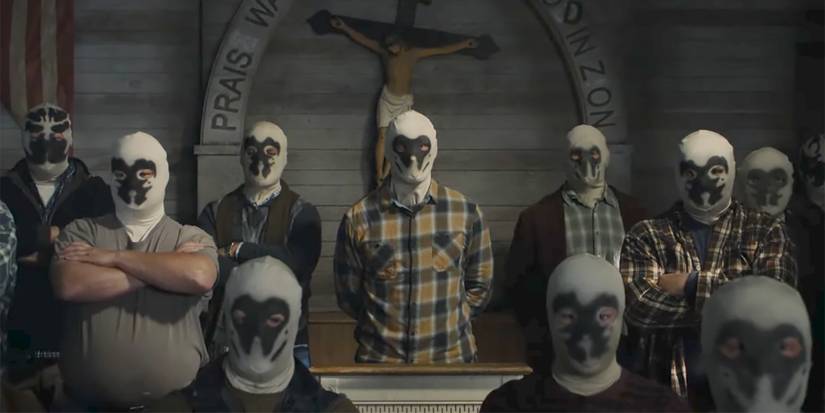 Image via HBO
While Alan Moore’s dismissal of the miniseries led to a mixed initial reception from viewers, Watchmen has gradually come to be heralded as one of the best and boldest television titles of the past decade. A continuation of the “Watchmen” graphic novel, it eschews its source material’s themes of nuclear paranoia and Cold War anxieties in order to use the entrancing story world to explore ideas of system violence, racial trauma in America, and social decay while stripping masked vigilantes of the air of heroism most superhero stories associate with them in favor of a cutting analysis of far-right extremism and law enforcement authority.
Series creator Damon Lindelof focuses on these themes with the same intensity and raw realism that made Moore’s limited comic book series such a stirring success in the 1980s, making for a subversive marriage of superhero tropes and societal urgency. With even the protagonists steeped in layers of moral ambiguity and textured flaws, Watchmen soars as a bleakly thought-provoking viewing experience throughout the entirety of its nine-episode run. It is not only one of HBO’s darkest miniseries, but one of the most commanding and confronting superhero stories to hit screens in many years as well.
9 'Six Feet Under' (2001–2005)
 Image via HBO
A compelling marriage of dark comedy and societal drama revolving around the dysfunctional Fisher family and their funeral home business, Six Feet Under has become a forgotten and criminally underrated series from HBO that is every bit as good today as it was when it was airing 25 years ago. Its unique episode structure—each episode opens with a superfluous character’s death, then delves into Fisher & Sons’ handling of their funeral arrangements—the series is a relentless exploration of mortality, one laced with melancholy and macabre laughs as each member of the family navigates their own personal issues.
The series is able to grapple with the often-anti-climactic nature of one’s death while simultaneously taking viewers on a surreal and spiritual journey, one that is almost always somber and psychologically probing. There is undoubtedly a beauty and humanity to Six Feet Under, one that is especially prevalent in its outstanding series finale, but it finds its glimpses of optimism, tenderness, and hope while traversing a morbid sea of darkness steeped in the fragile faults of human nature.
8 'Game of Thrones' (2011–2019)
 Image via HBO
It would be easy to jest that Game of Thrones was never darker than during that nighttime battle between the living and the White Walkers in Season 8, but the audacious fantasy series does deserve a plethora of praise for the gripping sense of dramatic tension it exuded throughout much of its eight-season run. Its earlier seasons were particularly brilliant at exploring such a vast story of a fantasy realm at war with a piercing and merciless understanding of the darkest aspects of human nature that conjured an enthralling and often numbing tale of betrayals, murders, political conniving, and outright evil.
Unforgettable sequences like the Red Wedding and Stannis Baratheon (Stephen Dillane) sacrificing his own daughter to appease his gods underline the grueling, guttural darkness that the series was capable of reaching. Entranced audiences often watched episodes in a state of perpetual, stomach-churning anxiety for fear of what frightful fates may await their favorite characters. Game of Thrones’ ability to juggle flickering hope with all-consuming darkness and villainy was what made it the record-breaking, medium-defining phenomenon it was, and when it was at its best, few series were as decadently dark as it.
7 'The Outsider' (2020)
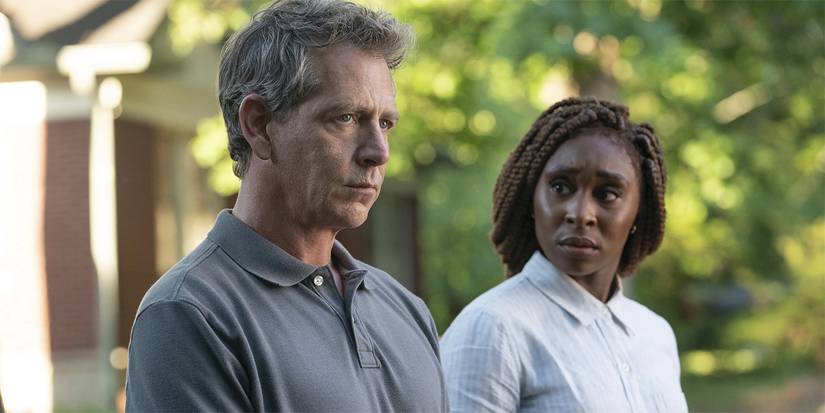 Image via HBO
Any film or television series based on the work of Stephen King is all but guaranteed to have some dark elements to it. The author’s mastery not only of creeping supernatural horror but also of combining it with real-world evil as well is one of his most defining and distinguished qualities. It is on full display in The Outsider. Underappreciated by the masses, the 2020 miniseries revolves around the disturbing case of a child’s murder. Suburban parent Terry Maitland (Jason Bateman) is accused of committing the crime, but Detective Ralph Anderson (Ben Mendelsohn) and private investigator Holly Gibney (Cynthia Erivo) struggle to solve the bizarre case as each clue points to an increasingly unnatural explanation.
The details of the murder alone are harrowing, but the way in which the series weaves together its air of paranormal dread with the community aftermath of family breakdowns, suicide, and revenge killings elevates the darkness of the series from being merely a bleak supernatural horror to a deeply uncomfortable exploration of grief, trauma, and humanity’s desire for understanding (and the disturbing uncertainty when understanding is inaccessible). Complemented by its slow-burn pacing and gloomy visual display, The Outsider is an agonizing yet absorbing depiction of escalating paranoia and psychological turmoil, one that is ceaselessly dark throughout the entirety of its 10-episode run.
6 'Oz' (1997–2003)
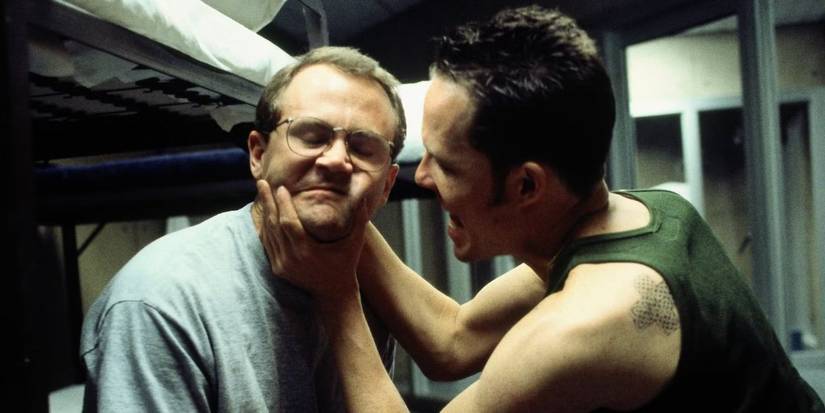 Image via HBO
Not only a pivotal release in the context of HBO, but standing as one of the most significant series in modern television history, Oz stands as the cable network’s first-ever one-hour scripted series. It also stands as one of the most relentlessly disturbing and cutthroat shows television has ever seen, a feat that completely rewrote the rules of what small-screen drama could exhibit and explore when it began airing in the late 1990s.
Set inside the Oswald Maximum Security Correctional Facility, the six-season series quickly garnered a reputation for brutality as it revolves around the lives and experiences of inmates in an experimental new ward designed to emphasize rehabilitation and reform. Running less as a plot-driven story and more as a bleak immersion into the nightmarish violence of life behind bars, Oz is uncompromising in its endeavor to depict acts of sadistic violence, gangland hostility, and the psychological torment of victimhood and power. It revels in showcasing humanity at its absolute worst, presenting real-world evil in a manner that is deeply distressing to solidify it as one of the darkest and most confronting television series ever made.
Collider Exclusive · Sci-Fi Survival Quiz Which Sci-Fi World Would You Survive? The Matrix · Mad Max · Blade Runner · Dune · Star Wars
Five universes. Five completely different ways the future went wrong — or sideways, or up in flames. Only one of them is the world your instincts were built for. Eight questions will figure out which dystopia, galaxy, or desert wasteland you'd actually make it out of alive.
💊The Matrix
🔥Mad Max
🌧️Blade Runner
🏜️Dune
🚀Star Wars
TEST YOUR SURVIVAL →
01
You sense something is deeply wrong with the world around you. What do you do? The first instinct is often the truest one.
APull on every thread until I understand the system — then figure out how to break it. BStop asking questions and start stockpiling — food, fuel, weapons. Questions don't keep you alive. CKeep my head down, observe carefully, and trust no one until I know who's pulling the strings. DStudy the patterns. Every system has a rhythm — learn it, and you learn how to survive it. EFind the people fighting back and join them. You can't fix a broken galaxy alone.
NEXT QUESTION →
02
In a world of scarcity, what resource do you guard most fiercely? What we protect reveals what we believe survival actually requires.
AKnowledge. If you understand the system, you don't need resources — you can generate them. BFuel. Everything else — movement, power, escape — runs on it. CTrust. In a world of fakes and informants, a truly reliable ally is rarer than any commodity. DWater. And after water, information — the two things empires are truly built on. EShips and credits. The galaxy is big — you survive it by being able to move through it freely.
NEXT QUESTION →
03
What kind of threat keeps you up at night? Fear is useful data — if you're honest about what you're actually afraid of.
AThat reality itself is a lie — that everything I experience has been constructed to keep me compliant. BA raid. No warning, no mercy — just the roar of engines and then nothing left. CBeing identified. Once someone with power decides you're a problem, you're already out of time. DBeing outmanoeuvred — losing a political game I didn't even know I was playing. EThe Empire tightening its grip until there's nowhere left to run.
NEXT QUESTION →
04
How do you deal with authority you don't trust? Every dystopia has a power structure. Your approach to it determines everything.
ASubvert it from the inside — learn its rules well enough to weaponise them against it. BIgnore it and stay out of its reach. The further from any power structure, the better. CAppear to comply while doing exactly what I need to do. Visibility is the enemy. DManoeuvre within it carefully. You can't beat a system you refuse to understand. EResist openly when I have to. Some things are worth the risk of being seen.
NEXT QUESTION →
05
Which environment could you actually endure long-term? Survival isn't just tactical — it's physical, psychological, and very much about where you are.
AUnderground bunkers and server rooms — cramped, artificial, but with access to everything that matters. BOpen wasteland — brutal sun, no shelter, constant movement. At least the threat is honest. CA dense, rain-soaked city where you can disappear into the crowd and nobody asks questions. DMerciless desert — extreme heat, no water, and something enormous living beneath the sand. EThe fringe — backwater planets and busy spaceports where the Empire's attention rarely reaches.
NEXT QUESTION →
06
Who do you want in your corner when things fall apart? The company you keep is the clearest signal of who you actually are.
AA tight crew of believers who've seen behind the curtain and have nothing left to lose. BOne or two people I'd trust with my life. Any more than that and someone talks. CNobody, ideally. Alliances are liabilities. I work alone unless I have no choice. DA community bound by shared hardship and mutual survival — people who need each other to last. EA ragtag team with wildly different skills and total commitment when it counts.
NEXT QUESTION →
07
Where do you draw the line — if you draw one at all? Every survivor eventually faces a moment that tests what they're actually made of.
AI won't harm the innocent — even the ones who'd report me without hesitation. BI do what I have to to protect the people I've chosen. Everything else is negotiable. CThe line shifts depending on who's asking and what's at stake. DI draw a long-term line — nothing that compromises my people's future, even if it'd help now. ESome lines, once crossed, can't be uncrossed. I know which ones they are.
NEXT QUESTION →
08
What would actually make survival worth it? Staying alive is one thing. Having a reason to is another.
AWaking others up — dismantling the illusion so no one else has to live inside it. BFinding somewhere — or someone — worth protecting. A reason to keep moving. CAnswers. Understanding what I am, what any of this means, before time runs out. DLegacy — shaping the future in a way that outlasts me by generations. EFreedom — for myself, for others, for every world still living under someone else's boot.
REVEAL MY WORLD →
Your Fate Has Been Calculated You'd Survive In…
Your answers point to the world your instincts were built for. This is the universe your temperament, your survival instincts, and your particular brand of stubbornness were made for.
The Matrix
You took the red pill a long time ago — probably before anyone offered it to you. You're a systems thinker who can't help but notice the seams in things.
- You're drawn to understanding how the system works before figuring out how to break it.
- You'd find the Resistance, or it would find you — your instinct for spotting constructed realities is the machines' worst nightmare.
- You function best when you have access to information and the freedom to act on it.
- The Matrix built an airtight prison. You'd be the one probing the walls for the door.
Mad Max
The wasteland doesn't reward the clever or the well-connected — it rewards those who are hard to kill and harder to break. That's you.
- You don't need comfort, community, or a cause larger than the next horizon.
- You need a vehicle, a clear threat, and enough fuel to outrun it — and you're good at all three.
- You are unsentimental enough to survive that world, and decent enough — just barely — to be something more than another raider.
- In the wasteland, that distinction is everything.
Blade Runner
You'd survive here because you know how to exist in moral grey areas without losing yourself completely.
- You read people accurately, keep your circle small, and ask the questions others prefer not to answer.
- In a city where humanity is a legal designation rather than a feeling, you hold onto something that keeps you functional.
- You're not a hero. But you're not lost, either.
- In Blade Runner's world, that distinction is everything.
Dune
Arrakis is the most hostile environment in the known universe — and you are precisely the kind of person it rewards.
- Patience, discipline, and political awareness are your core strengths — and on Arrakis, they're survival tools.
- You understand that the long game matters more than any single victory.
- Others come to Dune and are consumed by it. You'd learn its logic and earn its respect.
- In time, you wouldn't just survive Arrakis — you'd begin to reshape it.
Star Wars
The galaxy far, far away is vast, loud, and in a constant state of violent political upheaval — and you wouldn't have it any other way.
- You find meaning in being part of something larger than yourself — a cause, a crew, a rebellion.
- You'd gravitate toward the Rebellion, or the fringes, or whatever pocket of the galaxy still believes the Empire's grip can be broken.
- You fight — not because you have to, but because standing aside isn't something you're capable of.
- In Star Wars, that willingness is what makes all the difference.
↻ RETAKE THE QUIZ
5 'True Detective' (Season 1) (2014)
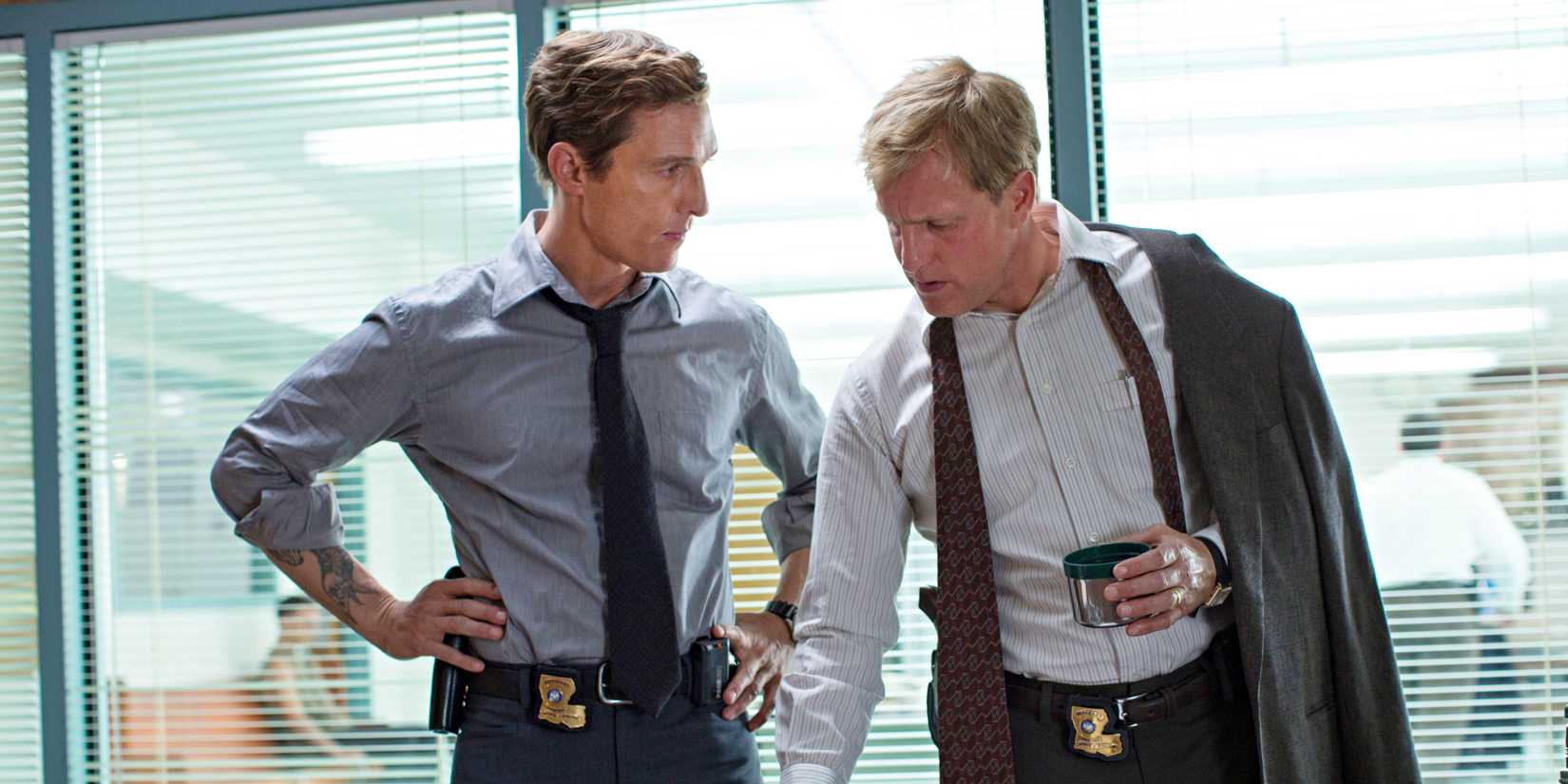 Image via HBO
The 2010s are considered by many to be a defining chapter in the golden age of television, and one of its most noteworthy and celebrated triumphs is undoubtedly the first season of True Detective. In many respects, it pioneered the tone and style of crime mystery drama on the small screen as it has existed over the past decade, employing a slower, more meticulous narrative tempo while showing the conviction to delve into issues of social and moral corruption and real-world evil as it follows two detectives’ decades-spanning investigation of an occult serial killer in rural Louisiana.
Complemented by its eerie Southern Gothic aesthetic and two outstanding lead performances from Matthew McConaughey and Woody Harrelson, the season impresses a haunting atmosphere of psychological nihilism upon the audience, one laced with a haunting sense of insignificance and the societal power of evil, and one that understands the draining weight investigators of such cases take home with them to their families. It is worth mentioning that the ensuing seasons of True Detective, while nowhere near as brilliant, still maintain a sense of darkness and thematic dare. That being said, Season 1 is a quintessential masterpiece of crime television that strikes a perfect balance between character intrigue and case revelations, and between imposing darkness and slight flickers of hope.
4 'Mare of Easttown' (2021)
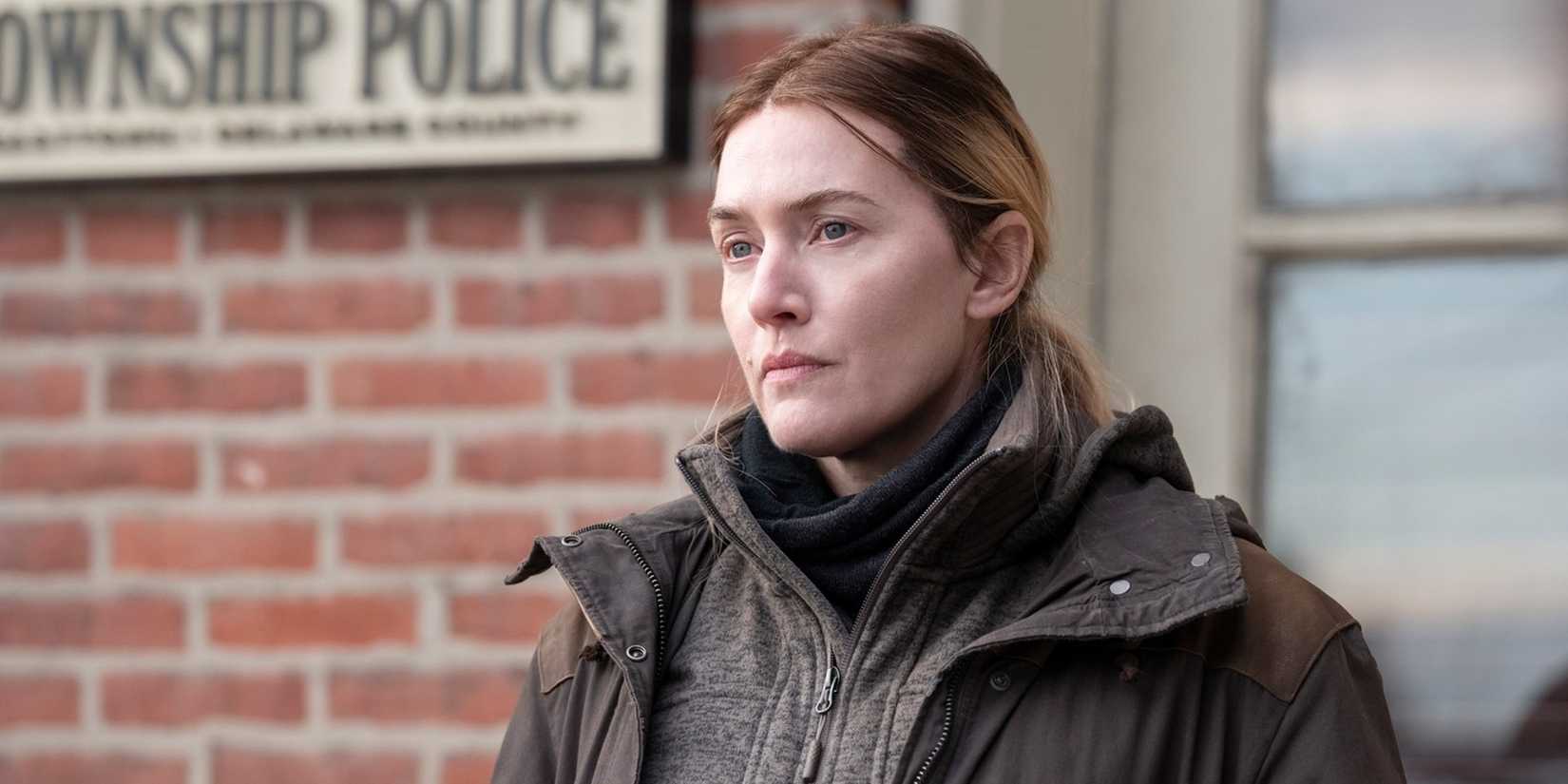 Image via HBO
Few crime series can lay claim to being anywhere near as dark as True Detective. One of the very rare ones that can—and arguably even surpass it in terms of sheer tonal bleakness—is 2021’s murder mystery miniseries, Mare of Easttown. Everything from the central case investigating a teenage mother’s murder to the layers of deep-seated personal trauma Kate Winslet’s protagonist grapples with, the atmosphere of defeated hopelessness conjured in the small-town setting, and even the lingering ideas of economic hardship and moral decay that abound throughout the seven-episode run make Mare of Easttown a grim and grueling viewing experience.
Even when breakthroughs are made in the case, they disturb and distort more so than bring a sense of closure or catharsis, highlighting not only the agony of grief and loss, but the sad reality that what comfort resides in knowing the truth can be meaningless in comparison to the hollowness of having to endure such tragedy. The miniseries’ glum visuals of dulled blues and dreary greys only accentuate this tone of despair, making Mare of Easttown a striking exploration of ruin and hopelessness that tends to linger long on the mind, and with a great weight of futility as well.
3 'The Wire' (2002–2008)
 Image via HBO
Realism, as has been evinced by many titles on this list already, is paramount to imbuing a series with dramatic darkness that deeply affects viewers. Created by Baltimore crime reporter David Simon and veteran police officer Ed Burns, The Wire captures an air of authenticity that is as unmistakable as it is confronting. The series isn’t merely an immersion in the nature of the drug trade and the efforts of the police to combat it, but a grueling analysis of systemic and institutional failures in modern-day America and the debilitating consequences such failures have on the most vulnerable people in society.
Every single season examines this painful truth with conviction and humanity, but it is impossible to look beyond The Wire’s fourth season as the most pressing example of this brutality and brilliance, with the series shifting its eye to the inadequacy of the public school system to protect and provide for students, and how that leads to many youths becoming involved in the drug trade. What makes the darkness of The Wire all the more pressing is that the series does show that there are good people in the world who want to make a difference; it just also exhibits how their honorable intentions pale in comparison to the machine-like cycle of corruption, regardless of whether they are police, criminals, ordinary people, or even politicians.
2 'Chernobyl' (2019)
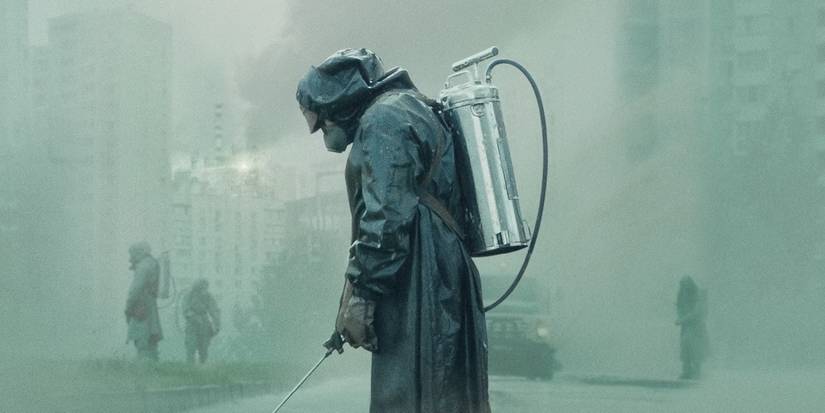 Image via HBO
Not dissimilar to The Wire, Chernobyl takes a powerful story of human desperation and high-stakes intensity and uses it to examine issues of corruption and morality. The major difference is its basis on a true historical disaster that caused the deaths of an untold figure of human beings. The five-part miniseries dramatizes the Chernobyl nuclear power plant catastrophe of 1986, starting with the reactor meltdown and the immediate responders, covering the execution of the containment plan to reduce the impact of the fallout and the many people who sacrificed their livelihoods to enact it, and going through to the eventual trials to determine the exact cause of the disaster and who should be held responsible.
Within the historical story, there are plenty of sequences of rousing heroism and immense courage, but the emphasis on the way Soviet Union leaders tried to conceal the severity of the meltdown from the rest of the world and then escape accountability by laying the blame on innocent people is an aspect of the miniseries that is most unforgettable. Chernobyl is confronting in its authentic and detailed depiction of radiation poisoning, but it achieves the true might of its darkness in its examination of institutionalized rot and political self-interest amid a time of desperate tragedy.
1 'The Leftovers' (2014–2017)
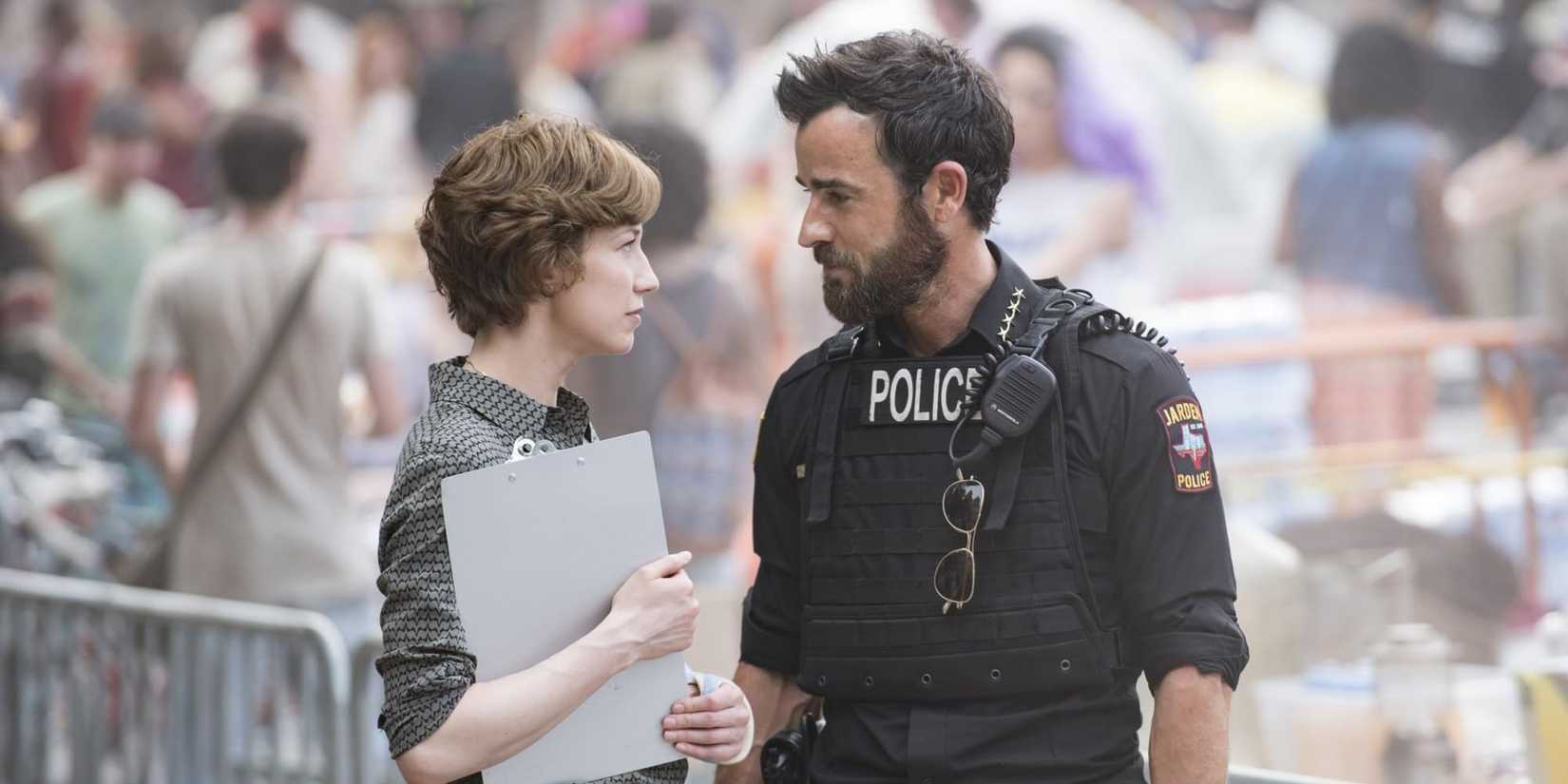 Image via HBO
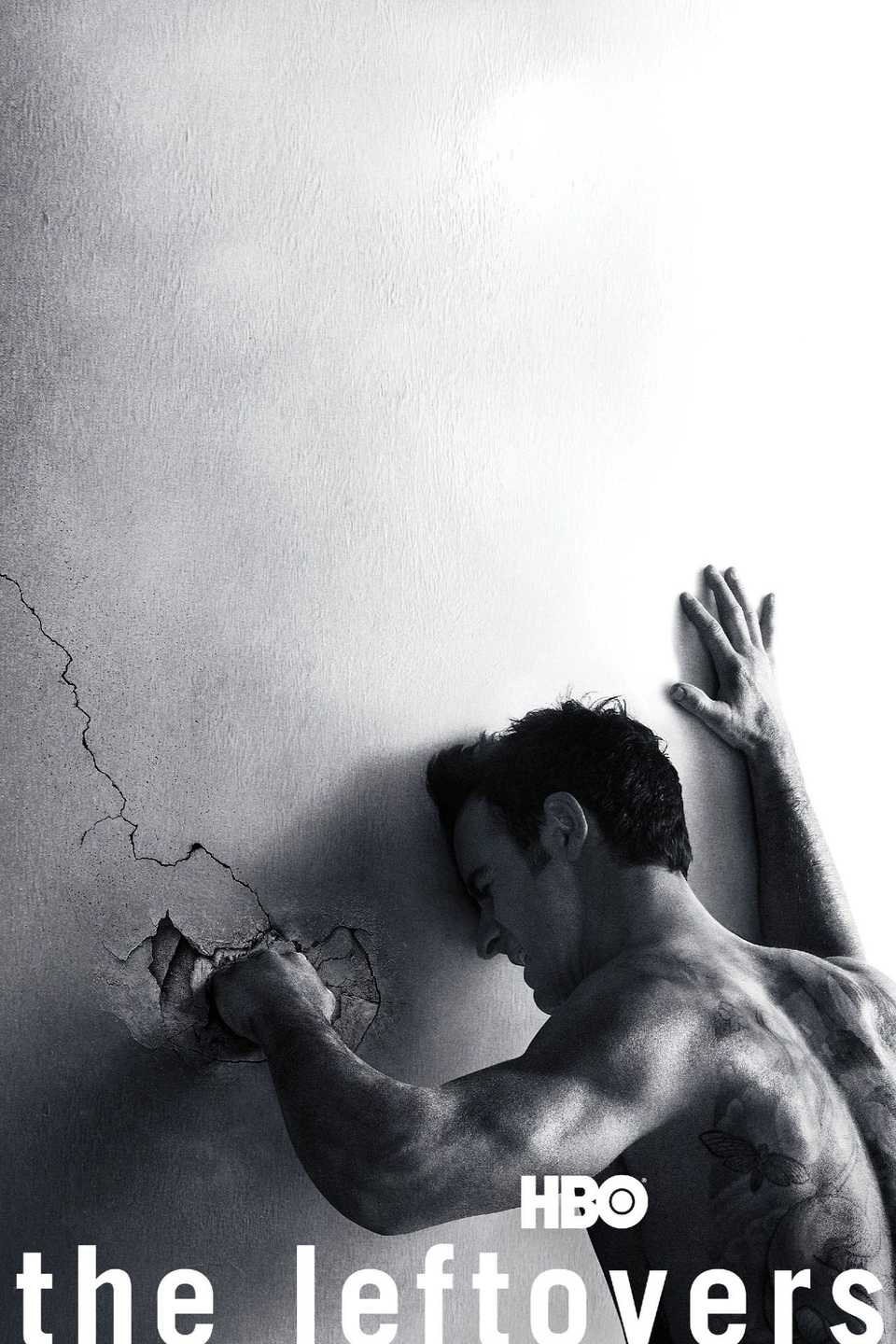
A series that basks in its exploration of the psychological, emotional, and societal aftermath of mass trauma, The Leftovers is both compelling and confronting with its focus on existential dread. Set three years after an inexplicable event known as the “Sudden Departure,” in which 2% of the world’s population simply vanished, it transpires in a world of seeping with hopelessness and despair. Major religions have all but disappeared as a sense of faithless damnation takes hold, with survivors stranded between suffering indefinitely with feelings of injustice and rage, and trying to move on in a world that has been forever changed.
Series creators Damon Lindelof and Tom Perrotta purposefully avoid answering the mystifying nature of the Sudden Departure, instead choosing to focus on the frustrating, irrational, and often absurd ways people try to cope with their grief in lieu of offering resolution. Even as the series’ setting changes in Seasons 2 and 3 and major characters begin to find some semblance of catharsis and acceptance in their lives, The Leftovers persists with its pressing and imposing sense of bleak despair, making it one of the most dramatic and emotionally draining series television has seen, and the outright darkest HBO has ever produced.
The Leftovers
Release Date 2014 - 2017-00-00
Showrunner Damon Lindelof
Writers Damon Lindelof, Tom Perrotta

![Disney Store's New Star Wars Day 2026 Merch Pits Rebels Vs Imperials And Celebrates Trilogies [Exclusive]](https://www.slashfilm.com/img/gallery/star-wars-day-2026-disney-store-rebels-imperials-trilogy-jerseys-merchandise/l-intro-1776373503.jpg)



 English (US) ·