

Published Aug 1, 2026, 5:55 PM EDT
Dalton is a freelance writer, novelist, and filmmaker from Orlando Florida. He currently lives in Charlotte, North Carolina, and pursues writing full-time. He is an avid reader, film buff, and amateur historian who also publishes novels on the side. Dalton graduated from the University of Central Florida with a BFA in Film and he often applies his industry-specific knowledge when writing about film and television. Along with his blog, Dalton's critical essays on film have been published in various places online.
There are so many classics in the western genre that some are bound to slip through the cracks, but these 10 certified gems are all but forgotten today. Though the genre is far removed from its heyday, the western remains one of the most powerful parts of the American cinematic canon. It was the genre that helped popularize movies as one of the great modern entertainments.
The beloved films of the '40s, '50s, and '60s are cemented as the all-time best, with stars like John Wayne and Clint Eastwood setting the standard for what a western star looks like. Though the genre evolved over time, a lot of the same tropes remained constant across generations. The best westerns of all time are well known, but they aren't the only classics.
So many westerns were produced during Hollywood's Golden Age, that a ton of bona fide classics have been forgotten by modern audiences. It's not that they are inferior films, in fact, some actually surpass the beloved flicks that are still enjoyed today. Continued interest in the western genre means viewers are often digging into the past to find forgotten relics that they haven't seen yet.
These forgotten classics run the gamut from the 1940s to the 1990s, and they represent a vast swath of what the western genre has to offer. Some are conventional classics with gunslinging heroes and simple morality, while others deconstruct the genre and its various clichés. Either way, these amazing westerns deserve just as much praise as their more famous counterparts.
10 Track Of The Cat (1954)

There aren't many survival thriller dramas in the western canon, and Track of the Cat is perhaps the only film that truly fits that bill. It stars Robert Mitchum as a member of a dysfunctional family who sets out to slay a panther after it kills his brother. The film firmly establishes the complex relationships in the Bridges clan before launching into the survivor thriller part of its narrative.
Mitchum is amazing as the vengeful antihero, and his realistic performance is in stark contrast to the staged quality of many Golden Age actors. The winter western has stark visuals and even bleaker themes, and is the kind of movie that takes a bit of analysis to truly appreciate. Many westerns from the '50s are shallow, but Track of the Cat is quite deep.
9 Junior Bonner (1972)

Sam Peckinpah's westerns are best known for their overt violence and gritty themes, but Junior Bonner is a departure from the norm. The title character is a veteran rodeo rider who returns to his small town and tries to reintegrate into his eccentric family dynamic. Set in the modern day, the film is what's known as a contemporary western. However, it is thematically linked to stories of the Old West.
Peckinpah trades in blazing six guns for a charming drama, but his skills as a master storyteller are still on full display. Junior Bonner's cast is delightful, and the film has a warm and restless energy that draws the viewer into the narrative. It may not have outlaws and heroes, but it still embraces the rugged western spirit that makes the genre so beloved.
8 Rancho Notorious (1952)

Considering it's one of the best westerns of the 1950s, it's shocking that Rancho Notorious isn't better known today. It concerns a man desperate for revenge, who infiltrates the inner circle of a criminal gang who is responsible for his wife's death. What seems like a classic revenge story on the surface is actually one of the most intriguing westerns of the classic era.
Director Fritz Lang combines a noir sensibility with an almost absurdist approach to western tropes. It's a pretty raunchy movie for the time period, and it goes places a lot of '50s westerns wouldn't dare tread. Marlene Dietrich brings a bit of Old Hollywood charm, and Rancho Notorious is a subversive twist on the well-worn themes seen in westerns for decades.
7 Quigley Down Under (1990)
The '90s are best known for westerns like Tombstone or Unforgiven, but Quigley Down Under is another gem from the decade. An American sharpshooter comes to Australia to do a job, but his refusal to kill indigenous people puts him in deadly danger. The Outback setting offers a nice twist on the formula, but it's familiar to fans of the conventional Old West locales of most westerns.
Tom Selleck is perfectly cast as the charming title hero, and it hearkens back to the idealistic films of decades gone by. The action is exciting, and the acting is strong, and it's a wonder that more western fans don't sing the movie's praises. Quigley Down Under is one of the few modern westerns that can truly be called a forgotten classic.
6 The Baron Of Arizona (1950)

In only his second feature film as a director, Samuel Fuller delivered one of the most unique westerns of the 1950s. Vincent Price stars as a con-man who concocts an elaborate scheme to claim the territory of Arizona as his own before it becomes a state. Though the movie takes artistic liberties, The Baron of Arizona is based on a true story.
Like most Fuller movies, the characters offer a rich and complex tapestry. There's sly commentary about contemporary political issues, and the film has a distinct noir sensibility. Price is perfect as the suave huckster, and it's unusual for a film from 1950 to feature a main character who is so utterly despicable. In an era of black and white morality, The Baron of Arizona is surprisingly grey.
5 The Ballad Of Gregorio Cortez (1982)

The western is an excellent platform to grapple with modern issues through an obfuscated lens, making hard themes easier to digest. The Ballad of Gregorio Cortez is an overlooked '80s western about a Mexican man who speaks no English, who becomes a fugitive after a misunderstanding with the law. The film takes a cold, hard look at the concept of justice in the Old West, and it nods at contemporary problems.
Though it lacks a lot of action, there is a heightened sense of suspense and drama. It intentionally eschews the usual western clichés, showcasing a more realistic slice of life during the time period. There are obvious references to modern political issues like immigration, though the movie never gets lost in its own ideology. The Ballad of Gregorio Cortez is a rare ray of light from a pretty boring time for westerns.
4 Ride Lonesome (1959)
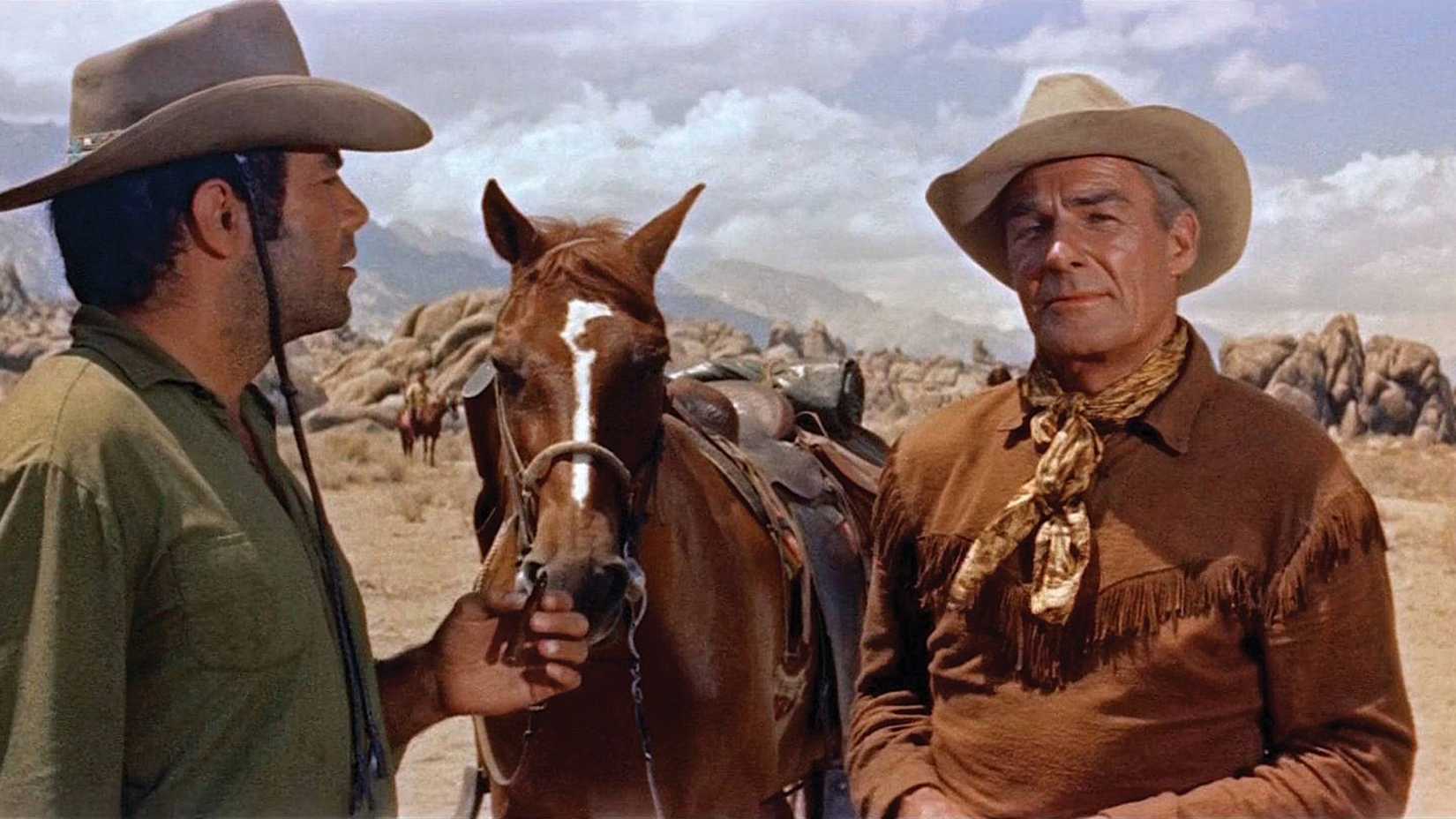
Ride Lonesome is a short western that packs a mighty big punch. A bounty hunter is escorting his target back to California when he falls in with a group of people stuck in dangerous territory. But can anybody really trust anybody else? The Budd Boetticher masterpiece is a lesson in Old West tension, and every moment crackles with energy. The gritty flick is an excellent example of the diversity of classic westerns.
The dynamic between the characters is complex and cynical, and everything builds to an inevitable and violent climax. There are no shining heroes or glossy melodrama in Ride Lonesome, and the film is intentionally challenging in the best ways. Boetticher's impressive roster of westerns are known for their complexity and hard edge, but Ride Lonesome might be the best of the underrated bunch.
3 The Naked Spur (1953)

James Stewart's westerns are some of the actor's best movies, but The Naked Spur is a forgotten jewel in his stacked filmography. Stewart plays a bounty hunter in hot pursuit of a killer. When he gets help from some locals, their shaky alliance falls apart. Psychological and beautiful in equal measure, The Naked Spur is the best of both worlds.
The film combines sweeping visuals and bombastic thrills with a whip-smart script. Stewart plays a somewhat villainous leading role, and he steps out of his comfort zone with surprising aplomb. The film lives and dies on its tension, and The Naked Spur takes hold of the viewer and never lets them go.
2 The Big Gundown (1967)
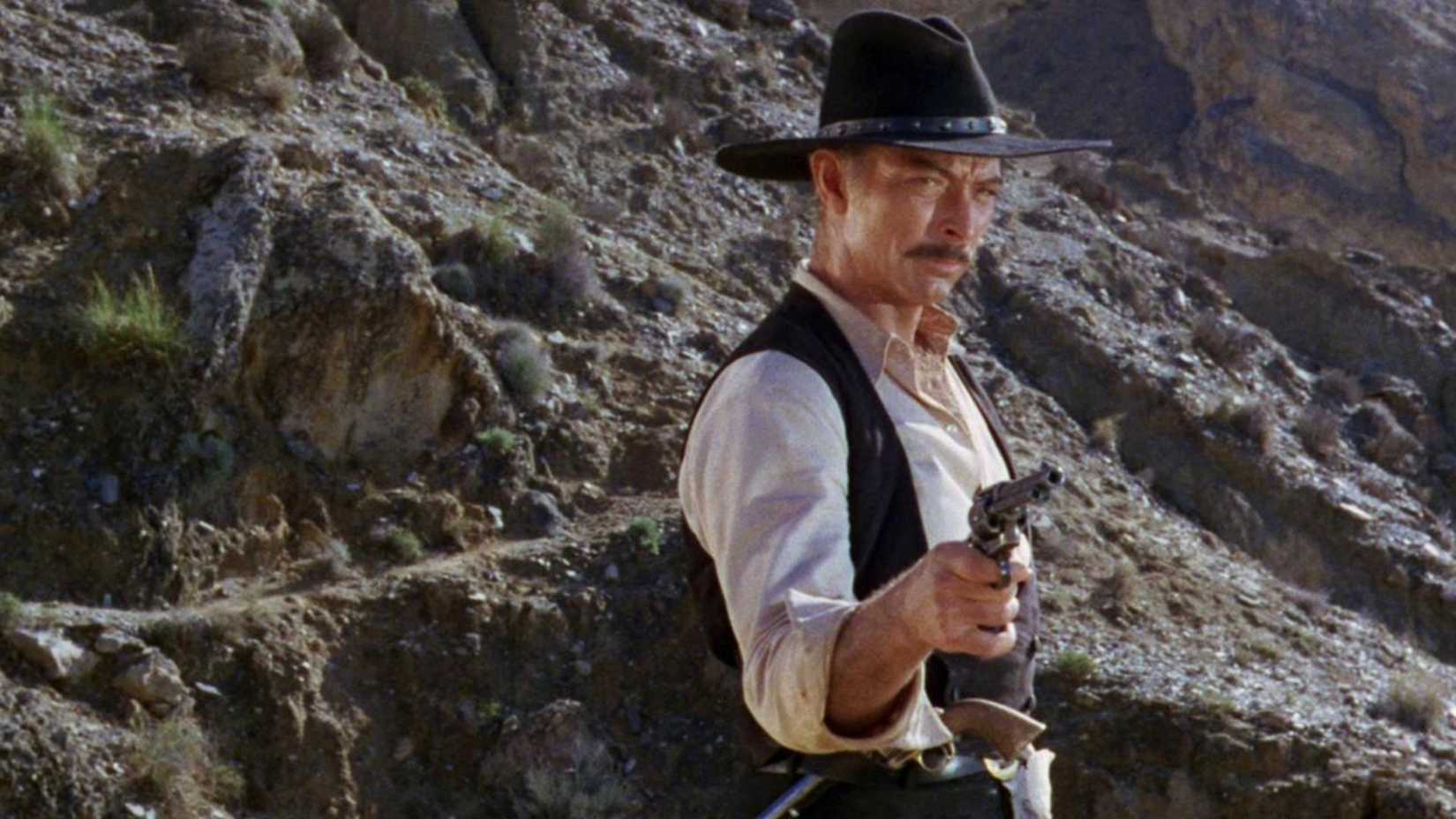
Arguably the best spaghetti western that few movie fans have even heard of, The Big Gundown is a must-see from the '60s. A lawman is assigned to track a notorious criminal on both sides of the Mexican border, but his dogged pursuit of justice is more complex than he ever imagined. Lee Van Cleef gets to shine in the lead role, and he doesn't disappoint.
There's a brutal simplicity to The Big Gundown that makes it so compelling. The score by Ennio Morricone is a highlight, and the ambiance is impeccably cinematic. It revels in grey morality, pitting the rigors of justice against the wily and ethereal nature of folk heroism. The spaghetti western craze is typically defined by the films of Sergio Leone, but The Big Gundown is almost as good.
1 The Ox-Bow Incident (1943)

There was very little subversion in the westerns of the 1940s, but one classic challenged the status quo way before the rest. The Ox-Bow Incident tells the story of a posse who chases down suspected criminals, only to struggle with how to dispense frontier justice. Westerns rarely stop and think, but that's exactly what the Henry Fonda gem does.
The Ox-Bow Incident is a thoughtful exploration of the very notion of right and wrong, and it features some of the best performances of the era. Its moral quandary is still relevant all these years later, but it's especially poignant because it was made during WWII. Because it offers a much richer experience than the average classic western, it should be required viewing for anyone calling themselves a movie buff.



![[Virtual Event] Building a Secure AI Strategy for the Enterprise](https://eu-images.contentstack.com/v3/assets/blt6d90778a997de1cd/blt11afeac15e7adbb9/6a921187f8aef68330d6ae57/DRIW-AI-Strategy-VE-Oct26.jpg?width=720&quality=80&disable=upscale)


 English (US) ·