

Published Oct 15, 2026, 2:46 PM EDT
Abby Shewmaker is a journalist covering books, art, entertainment, and culture. She studied Communications and History at the University of California, Los Angeles (UCLA), and is a Contributing Writer at FLAUNT Magazine.
There are some characters you can’t help but love—even when they’re terrible people. While a strong protagonist gives a novel a driving force, a good villain can make a book feel more alive: they’re funnier, sharper, stranger, or more unpredictable than everyone trying to stop them. That doesn’t make their actions forgivable, but it does mean that they’re the characters that keep readers thinking about them after they've finished reading.
Villains can bring a story its wit, tension, and most memorable moments. From the reviled Cathy in East of Eden to the imprisoned serial killer Hannibal Lecter in The Silence of the Lambs, well-written and interesting villains have captivated audiences far and wide, and across numerous genres and novels.
Gone Girl (2012) by Gillian Flynn
Amy Dunne
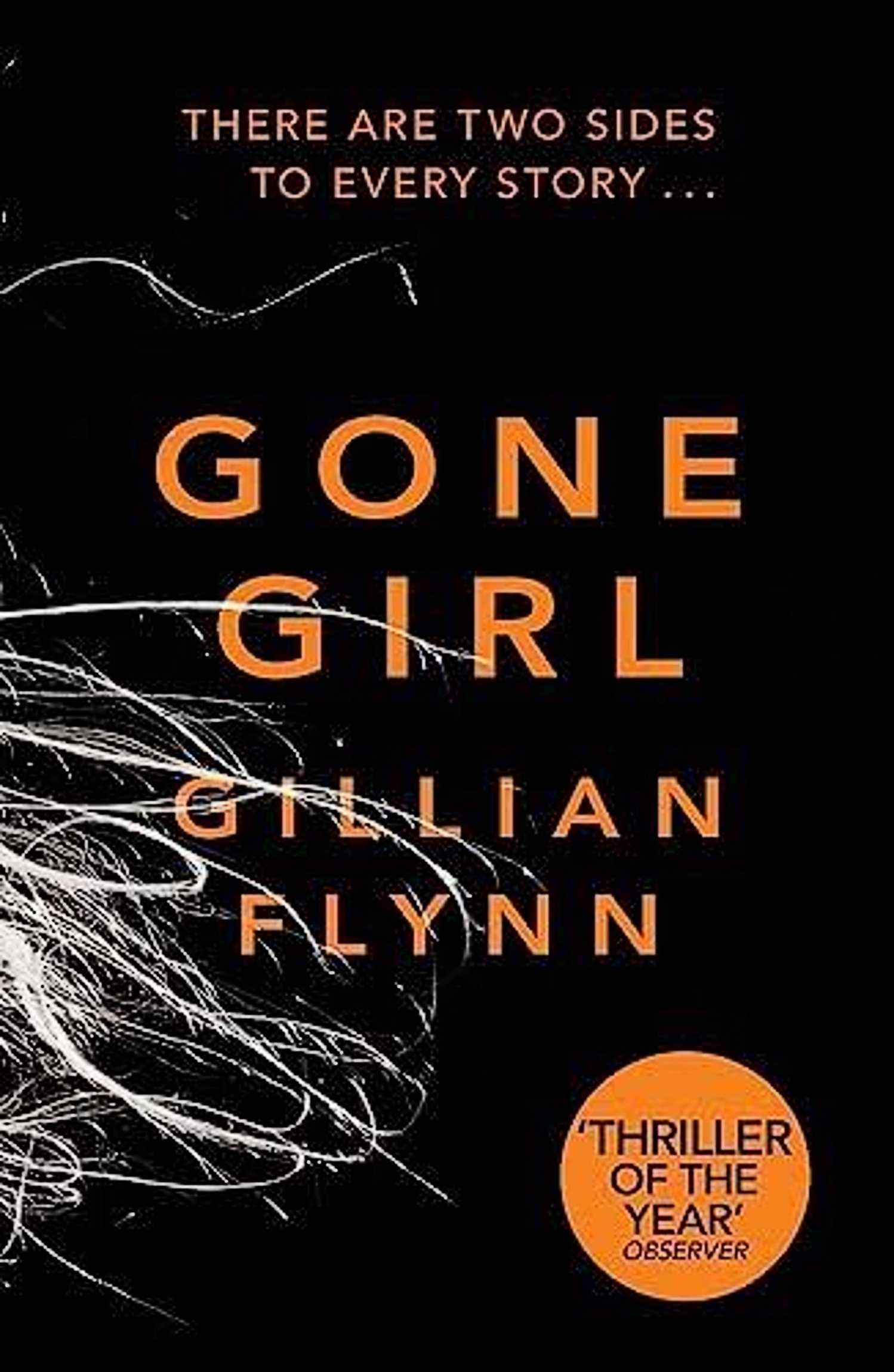
Amy Dunne is a character keen on constructing a specific image of herself. When she disappears on her fifth wedding anniversary, her husband Nick becomes the prime suspect, and Amy’s carefully crafted version of their marriage begins to unravel. She’s calculating, vindictive, and funny in a way that makes her worst choices even more entertaining. Gone Girl is a novel that puts the villain in the driver's seat: Flynn lets Amy narrate herself, so readers watch as she lies and manipulates the craft the story of her own disappearance. Amy might not be likable in any conventional sense, but she’s a sharp, darkly funny presence who makes every page more tense.
Gone Girl is available to purchase now through this link.
The Secret History (1992) by Donna Tartt
Henry Winter

Henry Winter is a calculated villain who makes murder sound like the only way through. Tall, bespectacled, and formal in manner, he seems, to the novel's protagonist, Richard, like a person who can’t be shaken. After he and his friends, classics students at an elite liberal arts college, accidentally kill a farmer during a drunken ritual, Bunny learns what happened and threatens to expose them. Henry carefully plans Bunny’s murder, then persuades the others that they have no way out.
That’s what makes him so compelling: his knowledge of Greek tragedy and his cool sense of logic let him manipulate the group into going along with his plans. The group trusts his judgment because he sounds certain, and Henry uses that trust to make an unforgivable act seem like a reasonable thing to do. Henry can be attentive and merciless—a contradiction that makes him so compelling—and disturbing.
The Secret History is available to purchase now through this link.
East of Eden (1952) by John Steinbeck
Cathy Ames

Cathy Ames, who later goes by Kate, is one of the most openly evil characters in American fiction, representing pure, unconscionable evil in John Steinbeck's epic retelling of the story of Cain and Abel. She enters the Trask family’s life with a fragile appearance that hides a talent for manipulation. Cathy drugs Adam on their wedding night, shoots him, and leaves him to raise their twin sons alone; later, she becomes the owner of a brothel.
Steinbeck gives her little interest in remorse or belonging. That makes Cathy a chilling villain, though readers may find her less well-rounded than the novel’s other central figures. Cathy is an unnerving counterpoint to the novel’s central question of whether people can choose good: she keeps choosing cruelty and shows no interest in changing.
East of Eden is available to purchase now through this link.
The Picture of Dorian Gray (1890) by Oscar Wilde
Dorian Gray

Dorian Gray wishes he could stay beautiful forever. His wish comes true in the worst way: he remains untouched by age while his portrait records the damage he inflicts with his choices. Dorian’s appeal is tied to the novel’s central discomfort. He’s charming and privileged, but also incredibly cruel, and the book keeps returning to the gap between his beautiful face and the person he’s becoming.
Lord Henry may supply the most quotable lines, but Dorian gives Wilde’s story its darkness, as well as its momentum. Watching him choose vanity over conscience is the point—and pleasure—of the book.
The Picture of Dorian Gray is available to purchase now through this link.
The Silence of the Lambs (1988) by Thomas Harris
Hannibal Lecter
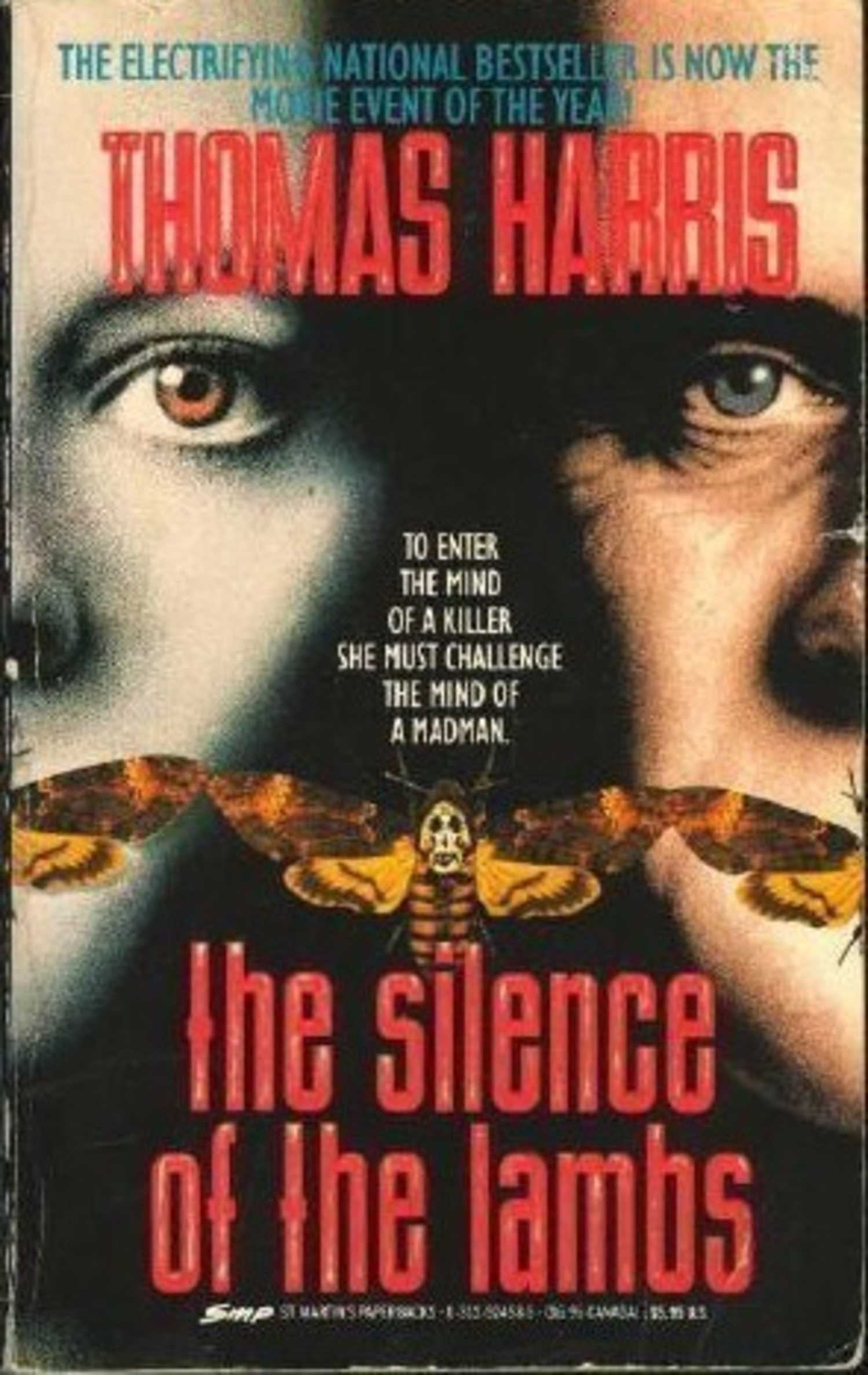
Hannibal Lecter doesn’t need much space on the page to take control of a scene. The imprisoned psychiatrist and killer agrees to help FBI trainee Clarice Starling understand another murderer, but in every conversation Lecter is studying her as much as she is studying him. Although he's useful in Clarice's work, his attention to her is deeply unsettling, making him one of the most memorable villains in popular culture today. Hannibal's aptitude for control makes him such a compelling character, and keeps readers on the edge of their seats throughout the entire novel.
The Silence of the Lambs is available to purchase now through this link.
A Clockwork Orange (1962) by Anthony Burgess
Alex

Alex is a violent teenager who leads his friends, whom he calls his “droogs,” through a nightmarish version of London. He’s vain, cruel, and takes great joy in the suffering he causes. He’s also the narrator, speaking in a funny, musical, unsettling, and slang-heavy voice that pulls readers along even when Alex is doing something despicable. Alex is a horrible person who does horrible things, but the novel makes him impossible to ignore.
His narration is funny and smug, and his love of Beethoven exists alongside his love of violence, without explaining or excusing it. That’s where Burgess’s argument reaches its crux: the government can force Alex to behave, but it can’t make him good by removing his ability to choose.
A Clockwork Orange is available to purchase now through this link.
Misery (1987) by Stephen King
Annie Wilkes
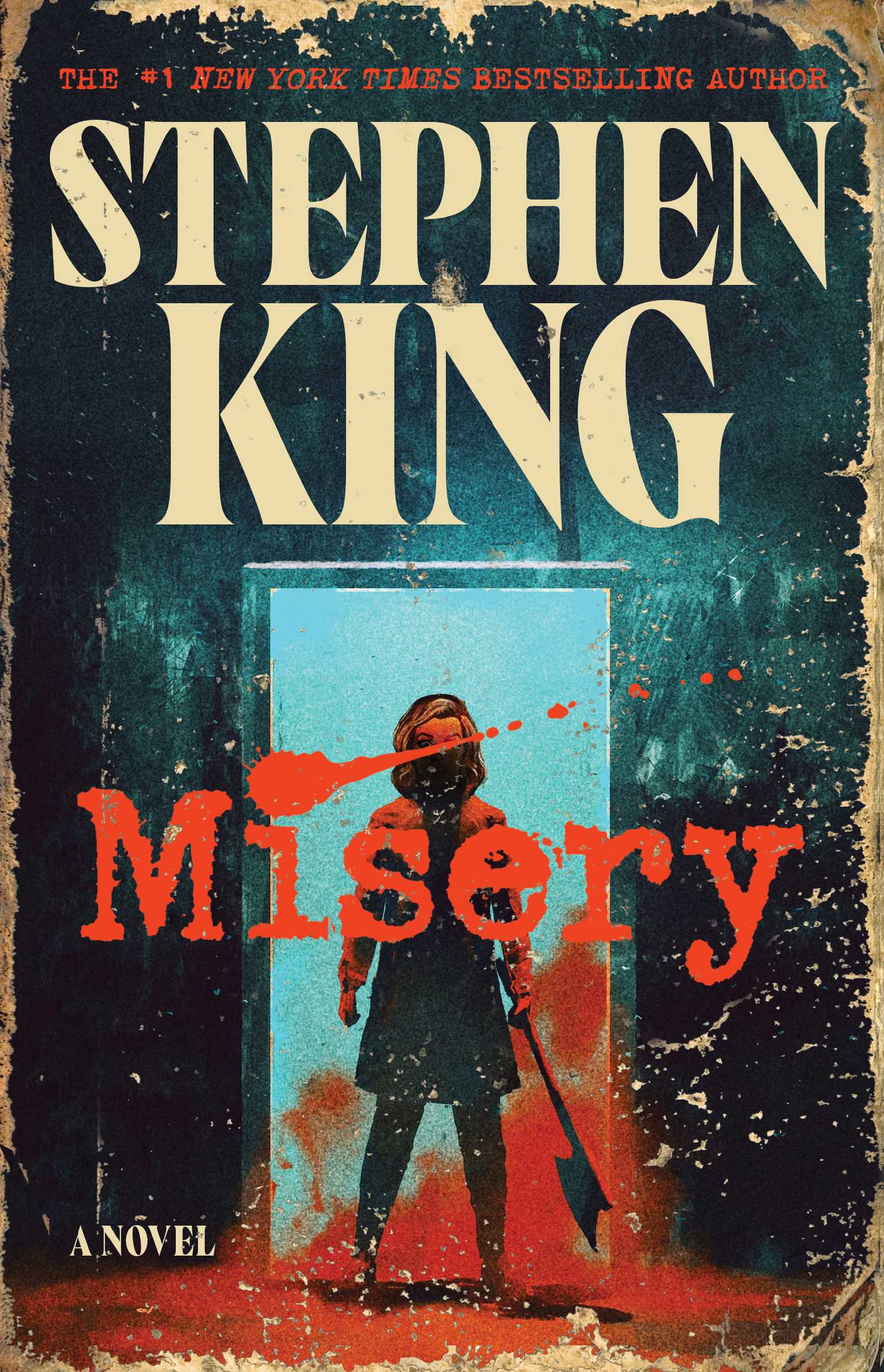
Annie Wilkes is Paul Sheldon’s self-proclaimed number-one fan, and she rescues the novelist after a car accident. When she discovers he has killed off her favorite character, her devotion turns into a trap: she keeps Paul prisoner and forces him to write the ending she wants. Annie is frightening because her sense of right and wrong is off-kilter and entirely her own, but it makes her an utterly entertaining villain to read. She’s a fan who believes loving a story gives her the right to control its author—and that idea still feels uncomfortably recognizable today.
Misery is available to purchase now through this link.
The Witches (1983) by Roald Dahl
The Grand High Witch

The Grand High Witch leads a secret society that disguises itself as ordinary women while plotting to make children disappear. She’s theatrical, vain, and terrifying, with an outsized personality that makes her feel larger than life, and the book’s young hero. Dahl gives her the energy of a campy horror villain: she can be grotesque and funny, all in the same breath. The Grand High Witch takes the book’s child-sized fears seriously. Adults who seem normal may be hiding something monstrous; a cheerful smile can mask a very real threat.
The Witches is available to purchase now through this link.
Rebecca (1938) by Daphne du Maurier
Mrs. Danvers

Mrs. Danvers, the housekeeper at Manderley, is devoted to the dead Rebecca and hostile toward the new Mrs. de Winter. She keeps Rebecca’s room untouched and makes the new wife feel like an intruder in her own home. Under Mrs. Danvers’s care, every room at Manderley preserves Rebecca’s presence, leaving the new Mrs. de Winter to feel unwelcome in her own home. Her obsession is unsettling, and it gives the novel its claustrophobic charge. Through Mrs. Danvers, Rebecca’s memory haunts every part of the new Mrs. de Winter’s life at Manderley.
Rebecca is available to purchase now through this link.
The Talented Mr. Ripley (1955) by Patricia Highsmith
Tom Ripley

Tom Ripley is a liar, thief, and murderer, and he’s an expert at improvising his way out of trouble. When he travels to Italy to bring Dickie Greenleaf home, Tom becomes fascinated by Dickie’s life of wealth and luxury, and wishes to slip into that life himself. His crimes are shocking, and his ability to make each new lie sound plausible makes his character a thrill to read. Highsmith gives Tom a cool, practical mind that keeps adapting as the stakes continue to rise. You may not want him to get away with it, but once he starts constructing his next identity, it’s hard not to wonder how far he’ll take it.
The Talented Mr. Ripley is available to purchase now through this link.





 English (US) ·