
A24 has a huge hit on its hands in 2026 with the liminal space horror movie Backrooms. The film, directed by a YouTube star and based on a creepypasta, has shattered records for A24 and enjoyed the highest-grossing opening weekend of the year for horror movies. There are a lot of reasons for its success, but part of it was the use of liminal spaces, a trend that goes back decades and includes some of the biggest horror movies in history.
The term liminal space refers to empty, transitional, or unsettling locations. In the case of Backrooms, the movie was based on a creepypasta about a large, mostly empty room that unnerved the internet. However, it isn't always empty rooms. Anthropologist Arnold van Gennep defined liminality as a transitional threshold, and the term is now often shorthand for human-made spaces emptied of people that feel familiar but wrong.
Liminal spaces can also refer to unsettling locations or spaces that change as time passes, still causing a surreal sense of dread. This adds to the horror as it makes things even more unnerving than movies that rely on terror or jump scares. These movies go back years, as Stanley Kubrick used it to great effect with the Overlook Hotel in The Shining, which was mostly empty of people, and was full of rooms that hosted ghosts and dark memories. Empty rooms have always lived among horror's scariest monsters.
Lost Highway (1997)
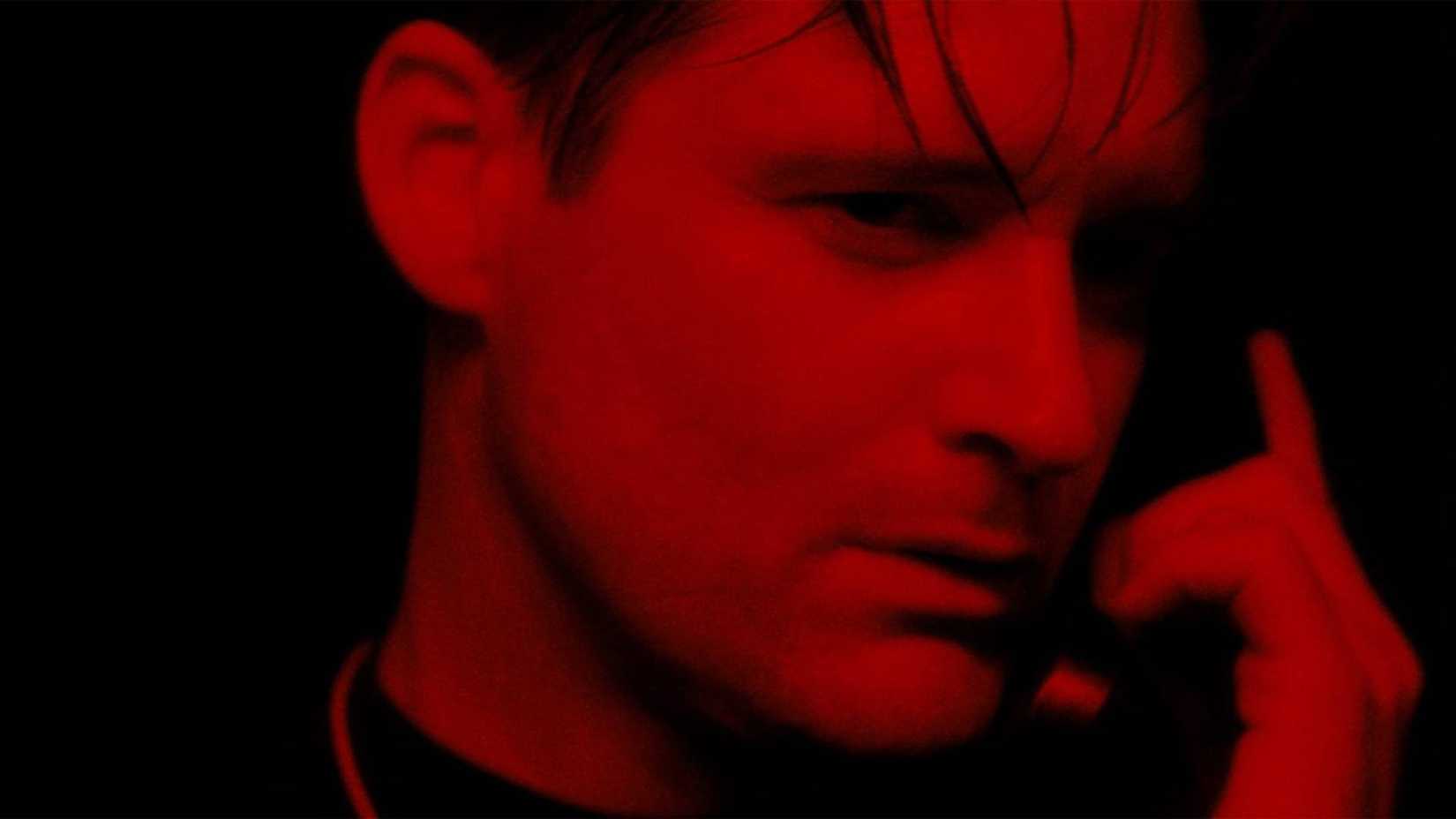
In 1997, David Lynch directed the surrealist neo-noir horror movie Lost Highway. The movie stars Bill Pullman as saxophonist Fred Madison, who receives anonymous VHS tapes filmed inside his own home. Soon, he is arrested for his wife Renee's (Patricia Arquette) murder, then inexplicably transforms in his jail cell into young mechanic Pete Dayton (Balthazar Getty). That is bizarre enough, but it soon opens up the liminal space horror elements.
The liminal space is the Madisons' home, with impossibly dark, elongated hallways, displayed in extended takes that force the viewer to stare into pure black space where Fred himself dissolves into shadow. Lynch uses hotels, corridors, and waiting rooms where everything feels familiar, yet very different. The hallway itself is not a passage to a room, but what leads Fred from the conscious to the unconscious self.
Backrooms (2026)
Backrooms was expected to be a success story when A24 released it in 2026. However, the box office predictions more than doubled after the movie was released, and it ended up as the highest-grossing opening weekend of any horror movie in 2026. Chiwetel Ejiofor stars as Clark, a man who tells his therapist, Dr. Mary Kline (Renate Reinsve), about a labyrinth of rooms hiding secrets.
This movie uses liminal spaces as a horror technique, as it was based on the creepypasta that resulted from a photo that caused internet unease on 4chan. The rooms have yellowed walls and moldy carpet, and there are often things sitting around, making it feel like a familiar location that has deadly secrets hiding around every corner. Backrooms' massive success proves that liminal horror is all it takes to deliver nightmare situations to audiences.
Skinamarink (2022)
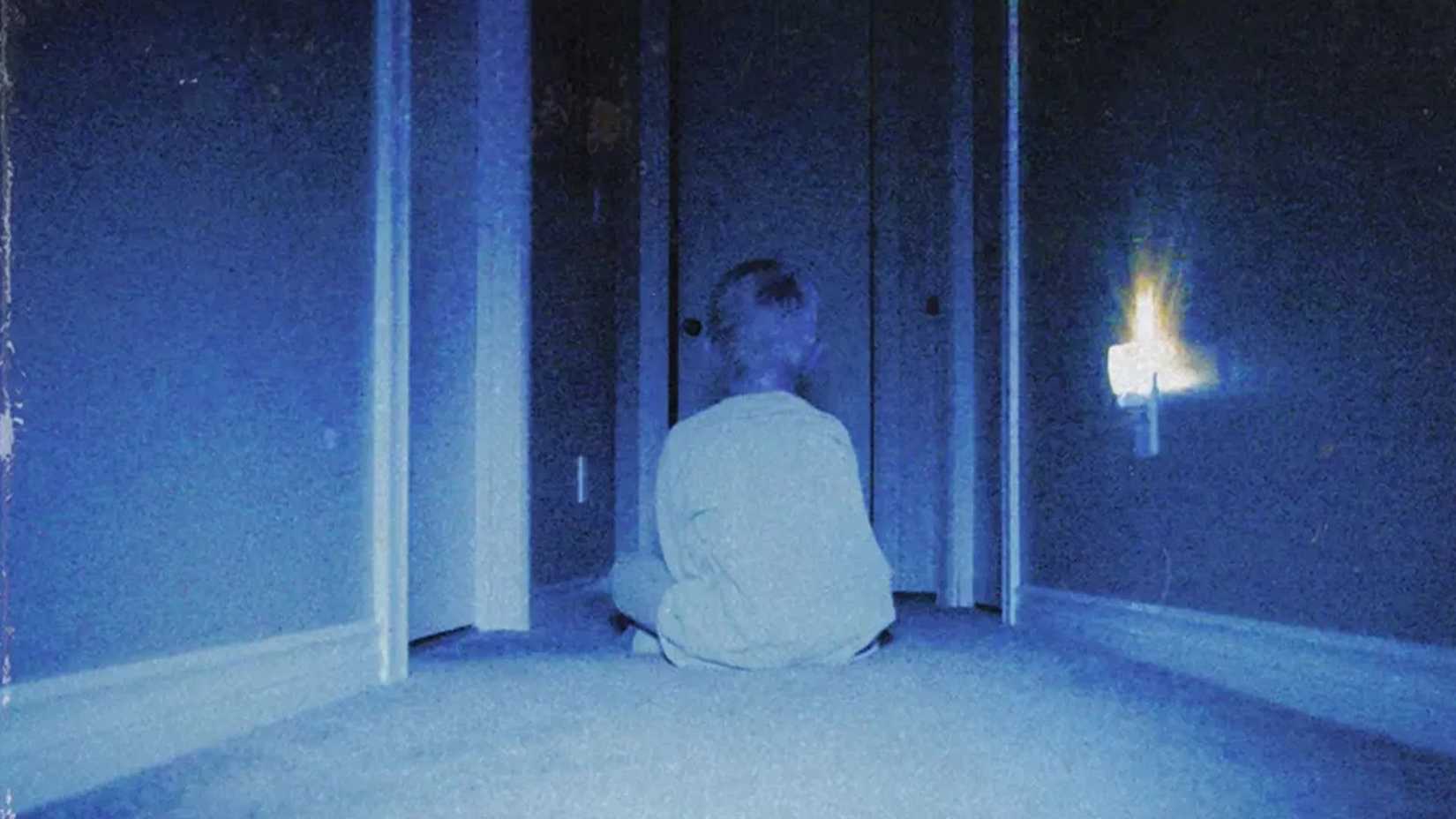
Skinamarink is a 2022 movie that was highly polarizing, but that is because the liminal spaces that carry the story are also part of a meditative horror movie that takes its time reaching its endpoint. Directed by Kyle Edward Ball, this is an experimental horror movie. Four-year-old Kevin and six-year-old Kaylee wake up one night to find their father gone and the doors, windows, and even the toilet vanishing from their suburban house.
This childhood home is a liminal space, and with the filming done in grainy, low-light shots of the ceilings, floors, and walls, it never feels natural. The hallways here travel into unknown locations, and this makes the entire idea of a childhood home feel terrifying rather than comforting. The liminal spaces in this movie show that the kids' house is no longer their home.
Vivarium (2019)

Released in 2019, Vivarium is a movie that turns an entire town into liminal spaces. Directed by Lorcan Finnegan, the movie follows a schoolteacher named Gemma (Imogen Poots) and her boyfriend Tom (Jesse Eisenberg) touring a new suburban development called Yonder. However, when they visit a home, they find it is impossible to drive out of its identical cul-de-sacs, and they are delivered a baby in a cardboard box, with instructions to raise it if they ever want to leave.
The liminal space is the entire Yonder development. These are rows of identical pastel houses, and all are empty. It is a perfect neighborhood that is empty and has a sense of dread, where a welcoming nature was expected. Vivarium is suburbia rendered as a Backrooms-style trap, complete with no humans except the captives.
Session 9 (2001)
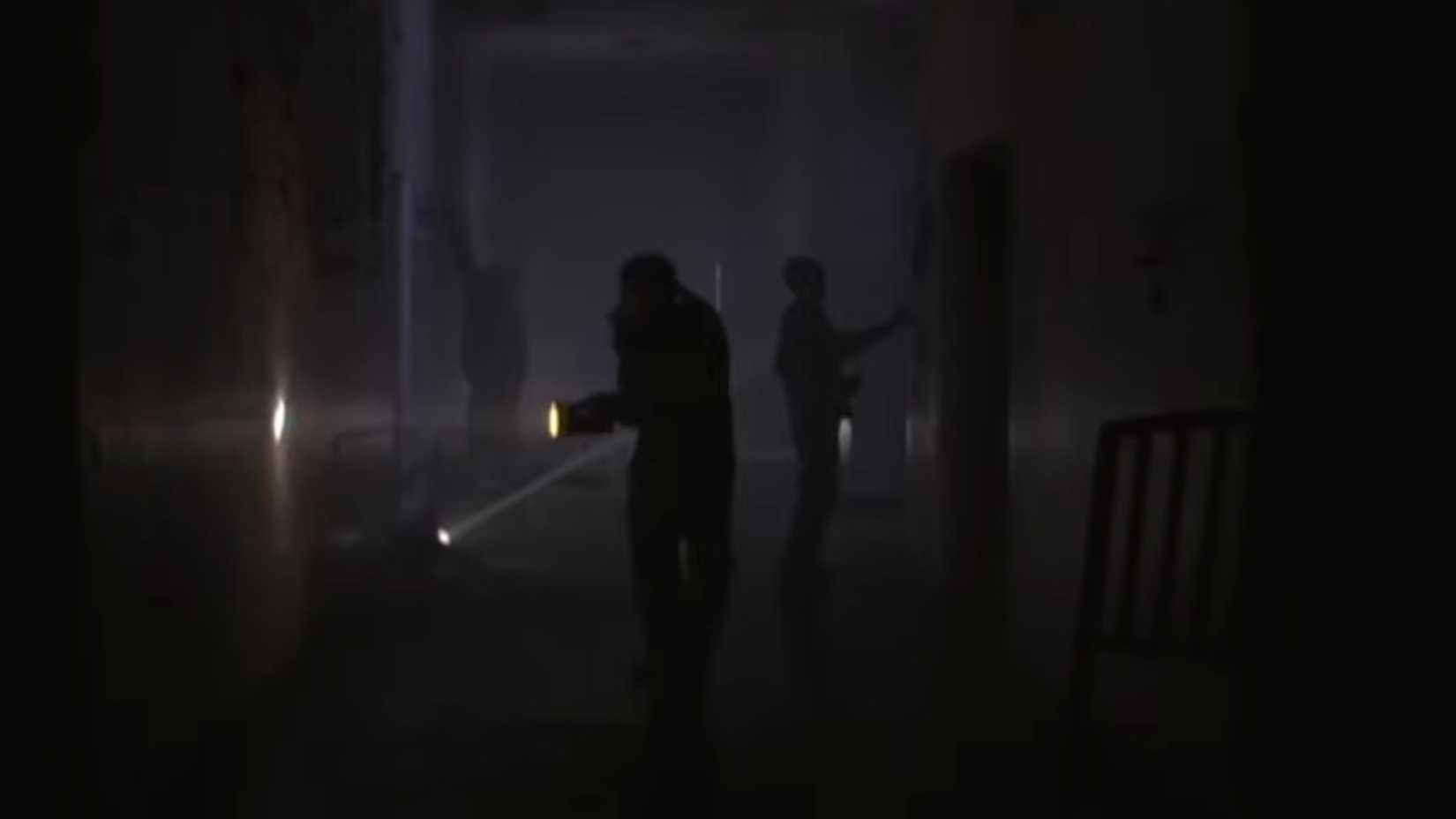
Session 9 is a 2001 horror movie directed by Brad Anderson, and it follows an asbestos-abatement crew who accepts an aggressive one-week contract to clean out an abandoned Massachusetts mental hospital. However, when one team member begins to listen to therapy tapes labeled Session 1-9, weird things start to happen, and the team realizes they might not be alone in the abandoned hospital.
The liminal space is the real-world Danvers State Hospital, shot on location in its disused wards, with paint-peeled corridors, empty hydrotherapy rooms, and the infamous Kirkbride radial layout. The asylum itself feels like an actual character in the movie, and it often overshadows the actors, which include David Caruso, Peter Mullan, Josh Lucas, and Brendan Sexton III. The real abandoned asylum delivers an authenticity that built sets never could.
Pulse (2001)
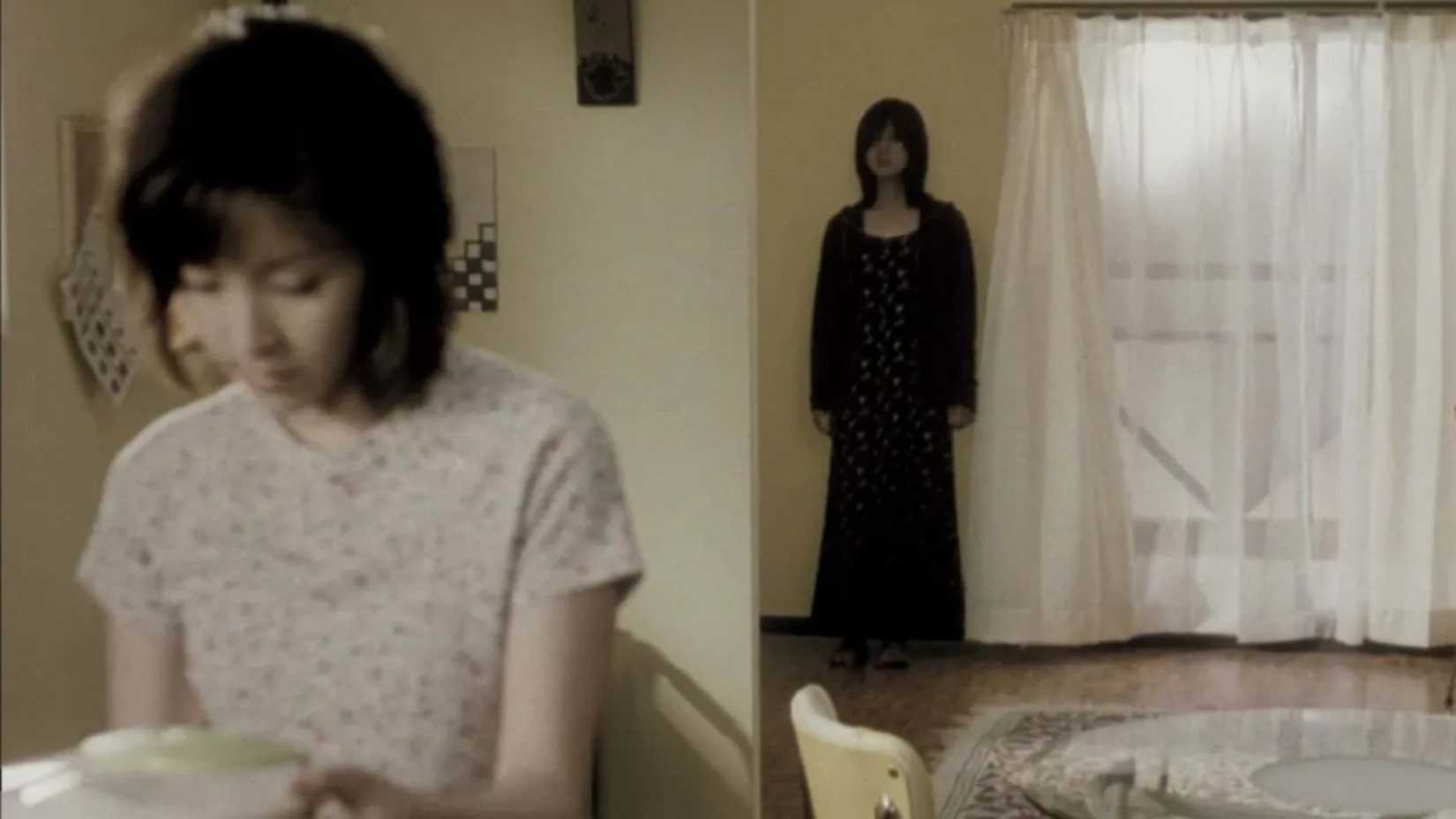
Pulse is a Japanese ghost horror movie released in 2001, as part of the wave of similar J-horror films that defined the late 1990s and early 2000s. This movie combined the fear of technology with ghost stories, as the dead begin to show up in Tokyo on computer screens. The main character is a young college student whose friend dies by suicide, and then the dead start overflowing into the real world.
The liminal space here is the Forbidden Rooms, which are ordinary apartments whose doors and windows are sealed with red tape, marking them as crossing-points between the living world and an overcrowded land of the dead. As ghosts flow through the negative spaces, this is where horror thrives. In this movie, the liminal spaces represent the idea that death is eternal loneliness, which the emptiness of these rooms signifies.
I Saw The TV Glow (2024)
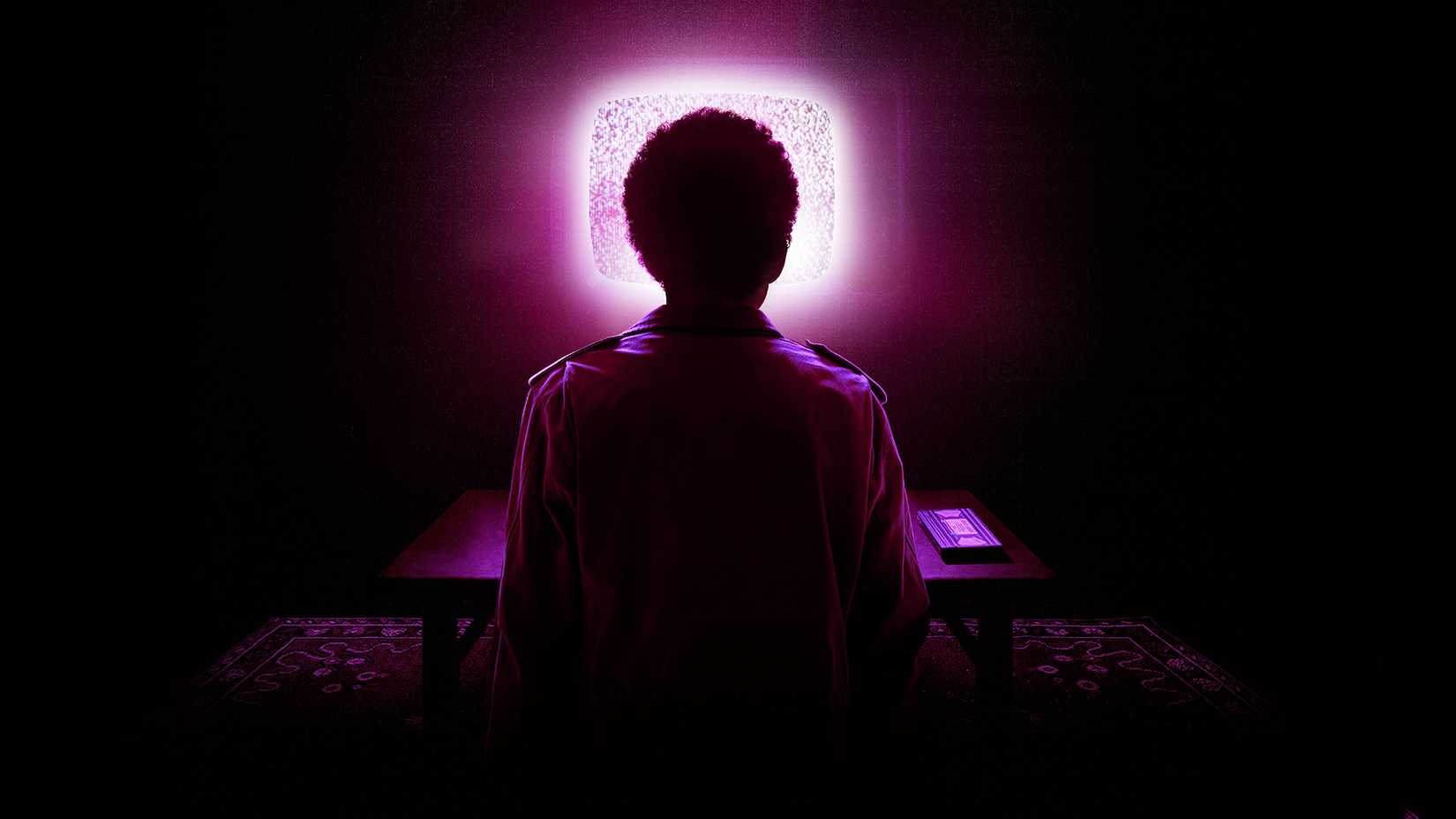
I Saw the TV Glow is one of A24's most inventive psychological horror movies, with Justice Smith starring as teenage Owen, a young man who bonds with his classmate Maddy (Brigette Lundy-Paine) over the young adult supernatural TV show, The Pink Opaque. When Maddy disappears and later returns, claiming the show is real, Owen must decide whether to follow her through the screen to learn the truth.
The liminal space in I Saw the TV Glow is the 1990s late-night suburbia, with empty cul-de-sacs, school bleachers under sodium lights, a planetarium-pink Fun Center, and the warm blue glow of a CRT in a darkened living room. Shot in a saturated, dreamlike tone, it offers familiar spaces that feel like there is something wrong with every location. The reason for the liminal spaces is that they parallel Owen's own self, where he is never what he appears to be on the outside.
Cube (1997)

In 1997, Vincenzo Natali directed the horror movie Cube, and the idea of escape rooms grew instantly in popularity. The movie follows seven strangers who wake up with memories inside a vast prison composed of identical cube-shaped rooms. Each room has six hatches to neighboring rooms, many of which are rigged with deadly traps. This movie was the template that future horror films like Saw owe their entire existence to.
The liminal space here is the cube itself, with thousands of color-coded, fluorescent-lit cubic rooms that look exactly alike, with no signage, no exits, and no indication of where in the structure they sit. The cubes themselves are the antagonistic force of this movie. The best part is that Cube only had one cube in the movie, and the production team just changed its design for each room, making everything feel similar but just a little different, repeating seemingly forever as each person dies.
Coraline (2009)

Based on the novel by Neil Gaiman, Coraline is an animated stop-motion movie by Henry Selick that follows an 11-year-old girl named Coraline who moves to a new home, and laments the fact that she has no friends and her parents have no time for her. However, when she finds a mysterious passage through a hole in the wall, she finds another world where the Other Mother has all the time in the world for the girl.
The liminal space here is the passageway, from the hole in the wall in Coraline's new home to the home of the Other Mother. Coraline crawls through this passageway constantly, and the more she does, the more it decays and shows that she might one day never find her way back home. The Other World is also uncannily similar to the real world, but just different enough to show that it is very wrong there.
The Shining (1980)
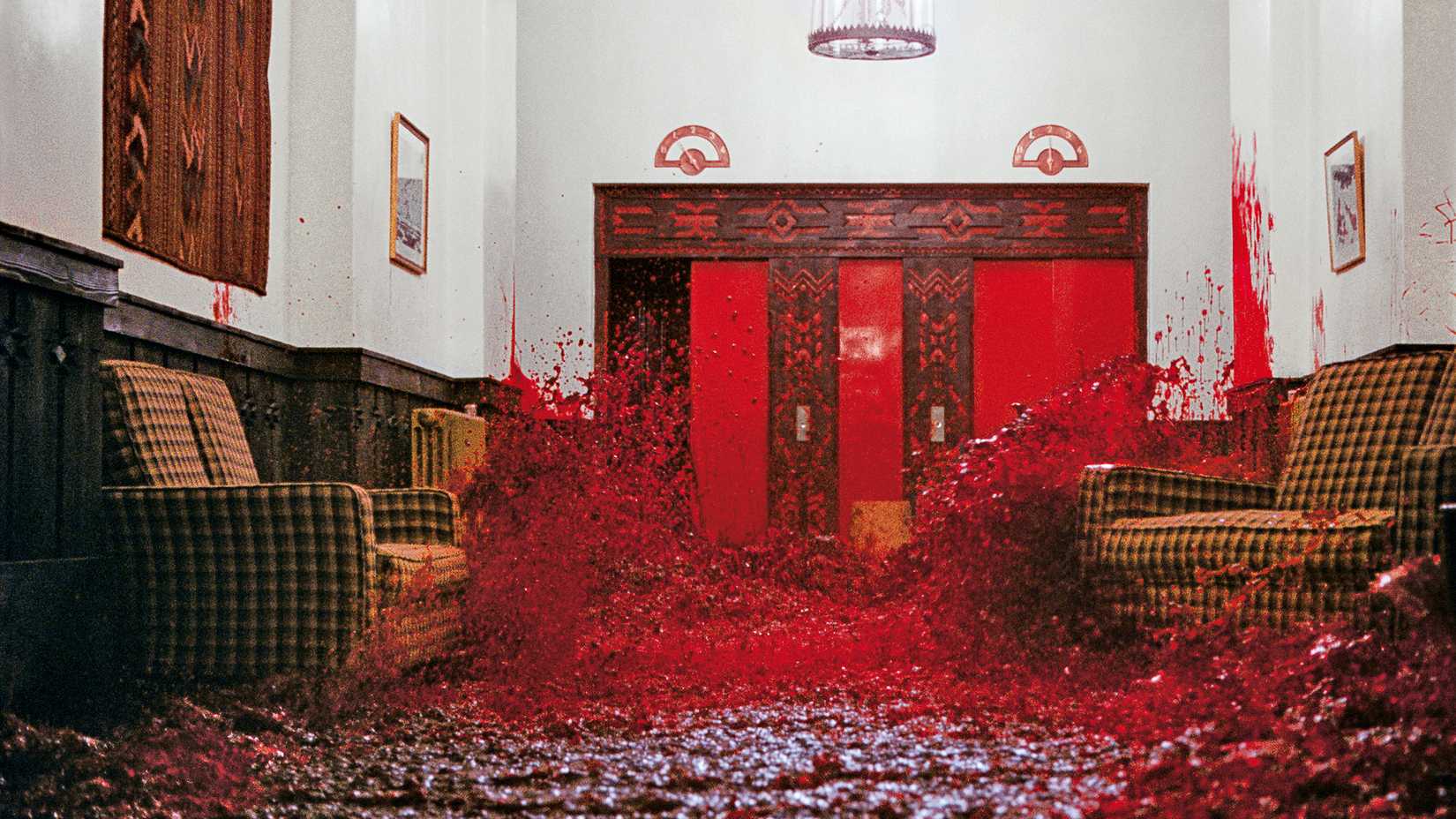
The greatest movie ever made using liminal spaces is the Stanley Kubrick horror film, The Shining. Based on Stephen King's novel, Jack Nicholson stars as Jack Torrance, a man who agrees to be the winter caretaker for the Overlook Hotel in Colorado while it is closed down during the winter months. He brings his wife Wendy and son Danny, and when they are alone in the hotel, that is when the horrors start.
The liminal space is the Overlook Hotel itself. Shots of Danny riding his tricycle through the endless halls with the hypnotic carpet design set up the dizzying puzzle. The ghostly girls, the room with the older ghost woman, the visions of past residents showing up in rooms, the bright white lighting behind the kindly bartender, and the hedge maze outside throw the viewer off balance and never let up. The Overlook is the foundational text of cinematic liminal horror, and every movie since owes its existence to its structure and design.







 English (US) ·