
 Image via AMC
Published Jan 30, 2026, 6:35 PM EST
Ryan Heffernan is a Senior Writer at Collider. Storytelling has been one of his interests since an early age, with his appreciation for film and television becoming a particular interest of his during his teenage years.
This passion saw Ryan graduate from the University of Canberra in 2020 with an Honours Degree in Film Production. In the years since, he has found freelance work as a videographer and editor in the Canberra region while also becoming entrenched in the city's film-making community.
In addition to cinema and writing, Ryan's other major interest is sport, with him having a particular love for Australian Rules football, Formula 1, and cricket. He also has casual interests in reading, gaming, and history.
Sign in to your Collider account
The 2000s are cited by many as being the dawn of television’s golden age, the start of a new era of prestige entertainment for the small screen that, in the eyes of many, stands as the greatest decade the medium has ever seen. Defined by the onset of gripping serialized drama, a growing interest in more mature and confronting material, and the perfection of the writing and performances, the best series of the decade made an immediate impact with their ceaseless excellence.
It is also impossible to deny that the ability of so many great shows of the era to deliver rewarding finales has played a huge part in making them such enduring highlights of the form, solidifying them as series fans can revisit multiple times without dreading a dismal ending. Ranging from groundbreaking crime dramas to dark comedy dramas, winding sci-fi spectacles, and even an animated sensation, these series delivered some of the best series finales of all time.
10 "The End" (Season 6, Episode 18)
'Lost' (2004–2012)
 Image via ABC
A television phenomenon of biblical proportions, especially when it started, Lost entranced viewers with its gripping premise. Following a plane crash, survivors find themselves stranded on a mysterious island, having to work together as they fight for their lives while discovering the many dark secrets the island harbors. What is interesting about Lost’s finale is that it delivers a brilliant conclusion to a series that suffered from fluctuating quality throughout much of its run, with even the sixth and final season suffering from lulls in quality across its 18-episode run.
Bringing the series’ integral themes of purpose, faith, and destiny full circle, “The End” delivers an emotionally gratifying conclusion to the series. It perhaps doesn’t get the credit it deserves—and it even divided fans when it aired—as it was widely misinterpreted by fans as revealing the characters had been dead the entire time and the island was purgatory, but it soars as a rewarding finale that is wise to prioritize resonant character beats over plot-focused resolutions, presenting an ambiguous but ultimately satisfying ending to what still stands as one of the greatest television icons of the 21st century so far.
9 "Daybreak" (Season 4, Episode 21)
'Battlestar Galactica' (2004–2009)
 Image via Syfy
An enduring hit of sci-fi spectacle on the small screen that also serves as a razor-sharp re-imagining of the original series from the 1970s, Battlestar Galactica is a true treat of genre excellence, a gripping tale of survival, faith vs. science, political control, and the cyclical nature of hate and anger following the surviving remnants of humanity as they search for Earth while evading the dreaded Cylons. Battlestar Galactica's best episodes are dazzling displays of sci-fi wonder, intense drama, action awe, and captivating suspense loaded with strong thematic discussion, and its grand finale stands tall among its finest installments.
Defined by its powerful resolution to multiple character arcs and the overarching conflict between humanity and the Cylons, “Daybreak” excels at landing a conclusion of well-earned gravitas and optimism with what is effectively a three-part finale stretched over the last three episodes. With a mind towards real-world history and an eye for anti-tech messaging (which was somewhat divisive among fans to be fair), Battlestar Galactica resolves its story with boldness and conviction, exhibiting a dismantling of the cycle of violence as mankind and the Cylons hope to pave a new future of unity and peace.
8 "Always" (Season 5, Episode 13)
'Friday Night Lights' (2006–2011)
 Image via NBC
An all-encompassing look at the many personalities involved in a high school football team, Friday Night Lights made an immediate impact on American viewers with its striking and raw documentary style and its vast array of pivotal characters, all of which centered on the sport of American football. Over the course of its five-season run, it made its mark with its exploration of a wide range of themes tied to adolescence and American culture, while engrossing viewers in the spectacle and intensity of the game. It comes to a sublime conclusion in the form of “Always.”
The marvelous finale excels at striking the perfect balance between illustrating the passion of sport and contextualizing it as ultimately being a small facet of someone’s life, emphasizing the personal growth and trajectory of its characters away from the game even more so than within it. It celebrates the community aspect of American football and the inspirational stories all sports present of determination, teamwork, and resilience, but it also focuses on the evolutionary and often sacrificial nature of healthy relationships. Buoyed by its cinéma vérité style, Friday Night Lights scores big with its ending, balancing heartbreak, humor, and humanity against the grand stage of football.
7 "Family Meeting" (Season 7, Episode 13)
'The Shield' (2002–2008)
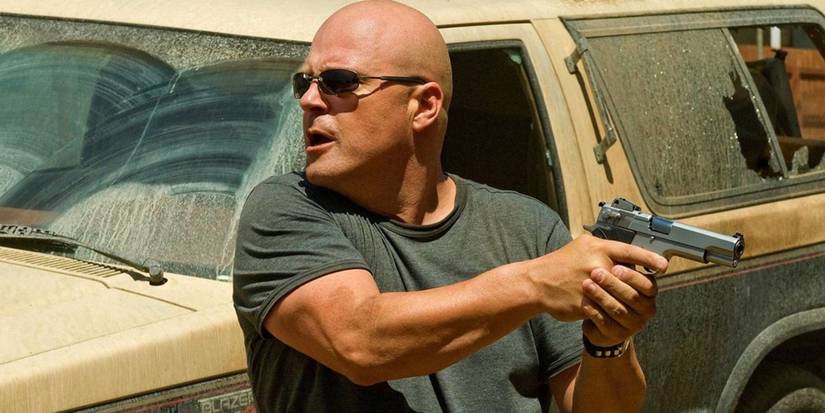 Image via FX
A confronting deconstruction of police corruption, The Shield follows Vic Mackey (Michael Chiklis) as the head of the Strike Team, an intense LAPD outfit based in one of the city’s most crime-riddled districts, as they resort to illegal methods to uphold the law while making a profit off the street as well. Its seven-season run comes to a magnificent close, with “Family Meeting” standing as a bleak and realistic analysis of consequences that intelligently avoids clichés while delivering just resolutions to the characters’ arcs.
What it does so brilliantly is it displaces Mackey in a vacuum of morality, leaving him with only his destructive impulses as his world of authority and immunity crumbles around him. The final scene alone is unforgettable as an encapsulation of Mackey’s psyche, a reflection on his imbalance of chaos and violence over a clean break away from the life that suggests some people never change, no matter what repercussions they face for their actions. Complementing this thematic gravitas with equally brilliant endings to the journeys of the supporting characters, The Shield ends its run at its compelling best.
6 "-30-" (Season 5, Episode 10)
'The Wire' (2002–2008)
 Image via HBO
Coming from Baltimore crime reporter David Simon, The Wire excels as a full-scale immersion into the city’s drug trade, exploring how it thrives in the housing projects and on the streets while also exploring the inner workings of the police department and the shifting priorities of city hall. It is epic in scope, and by Season 5, its focus has spanned everywhere, from the public school system to the corruption within the newspaper. “-30-” brilliantly brings all the series’ character stories to a conclusion, bringing closure to their arcs while signaling what would lie ahead in each character’s life.
It captures the tragedy of the cyclical nature of crime and addiction, the pitfalls of Baltimore’s broken institutions, and how they fail the most vulnerable people in society while doing little to quell the rampancy of gangland violence. By bringing poignant moments of closure to individual characters and illustrating how power in the criminal landscape never subsides, only changes hands, The Wire uses its finale to deliver a hammer blow of brutal reality, a somber meditation on the unchanging system that doesn’t implore viewers to seek to break down the structure nor repair it, but simply to acknowledge flaws in society and the devastating effect they have on the lives of millions of people.
5 "Sozin's Comet" (Season 3, Episode 21)
'Avatar the Last Airbender' (2005–2008)
 Image via Nickelodeon
While it isn’t itself an anime series—it was made in America and emulated the visual style of Japanese anime—Avatar the Last Airbender must still be considered an instrumental title in the worldwide popularization of the form. Despite only running for three seasons, the fantasy action-adventure has become an enduring icon of animated television, with its ability to combine fun and engaging storytelling with mature themes like war, genocide, and trauma, making for an epic saga of overlapping stories and multiple central characters.
The finale, “Sozin’s Comet,” masterfully brings all these ideas and characters together, interweaving all the pivotal arcs with tremendous poise and impact to deliver a conclusion defined by its emotional gravitas, thematic might, and visual divinity. It brings an ending to the central conflict, the Hundred Year War, in a manner that is richly rewarding, while the conclusion to the arcs of characters like Aang (Zach Tyler Eisen) and Zuko (Dante Basco) presents a stirring and triumphant resolution that has been fondly remembered for nearly 20 years.
4 "Made in America" (Season 6, Episode 21)
'The Sopranos' (1999–2007)
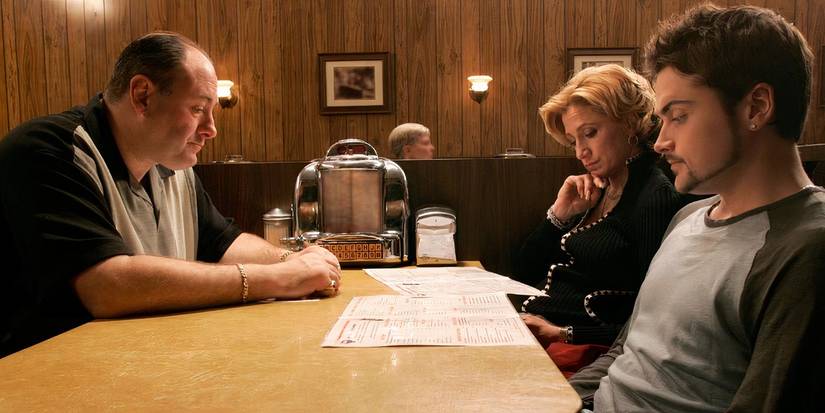 Image via HBO
 Almost 20 years have passed since The Sopranos came to an end, and still its final moments remain a lively topic of conversation for television lovers the world over. While it initially aggravated some viewers, the finale has proven itself to be a masterpiece of ambiguity and resolution, a gem of open-to-interpretation finality that gives people the tools to come to their own conclusions about the fate of Tony Soprano (James Gandolfini). The HBO crime classic follows a New Jersey mobster as he struggles to maintain peace and balance in both his professional and personal lives, and begins attending therapy in secrecy to help him manage his inner turmoil.
The finale as a whole is a masterpiece of tension and anticipation, playing on fans’ expectations of violence while extrapolating on themes of morality, existentialism, and modern American identity with delicate yet precise conviction. Its iconic cut-to-black ending is more than just a discussion topic or a question for the audience; it’s a comment on the fragility of life, an acknowledgment of the lingering shadow of death that hung over Tony’s head throughout the series, and the full stop on one of the most groundbreaking and bold series television has ever seen.
3 "Person to Person" (Season 7, Episode 14)
'Mad Men' (2007–2015)
 Image via AMC
Mad Men has been praised by many fans and critics alike as being among the sharpest-written pieces of television of all time. Its finale is a testament to this commendation. After seven seasons following New York advertising maestro Don Draper (Jon Hamm) through the social upheaval of the 1960s, “Person to Person” closes the series with a touching emphasis on his family relationships, an eye to the lives his peers may embark on through the 70s, and a tight-knit thematic resolution on the series’ overarching ideas of identity, consumerism, and the intersection between the American Dream and personal fulfillment.
The series’ final moments, implying Draper’s time at a wellness retreat inspires him to produce the famous “Hilltop” Coca-Cola ad, is gloriously ambiguous, leaving viewers contemplating whether Draper’s newfound peace and acceptance established a balance in his life, or if the feelings were just more momentary joys he experienced before transferring them into his work. This compelling mixture of the freedom-loving counter-culture and capitalist exploitation is perfectly complemented by how it propels characters like Peggy Olson (Elisabeth Moss), Joan Harris (Christina Hendricks), and Pete Campbell (Vincent Kartheiser) on the next leg of their respective lives.
2 "Everyone's Waiting" (Season 5, Episode 12)
'Six Feet Under' (2001–2005)
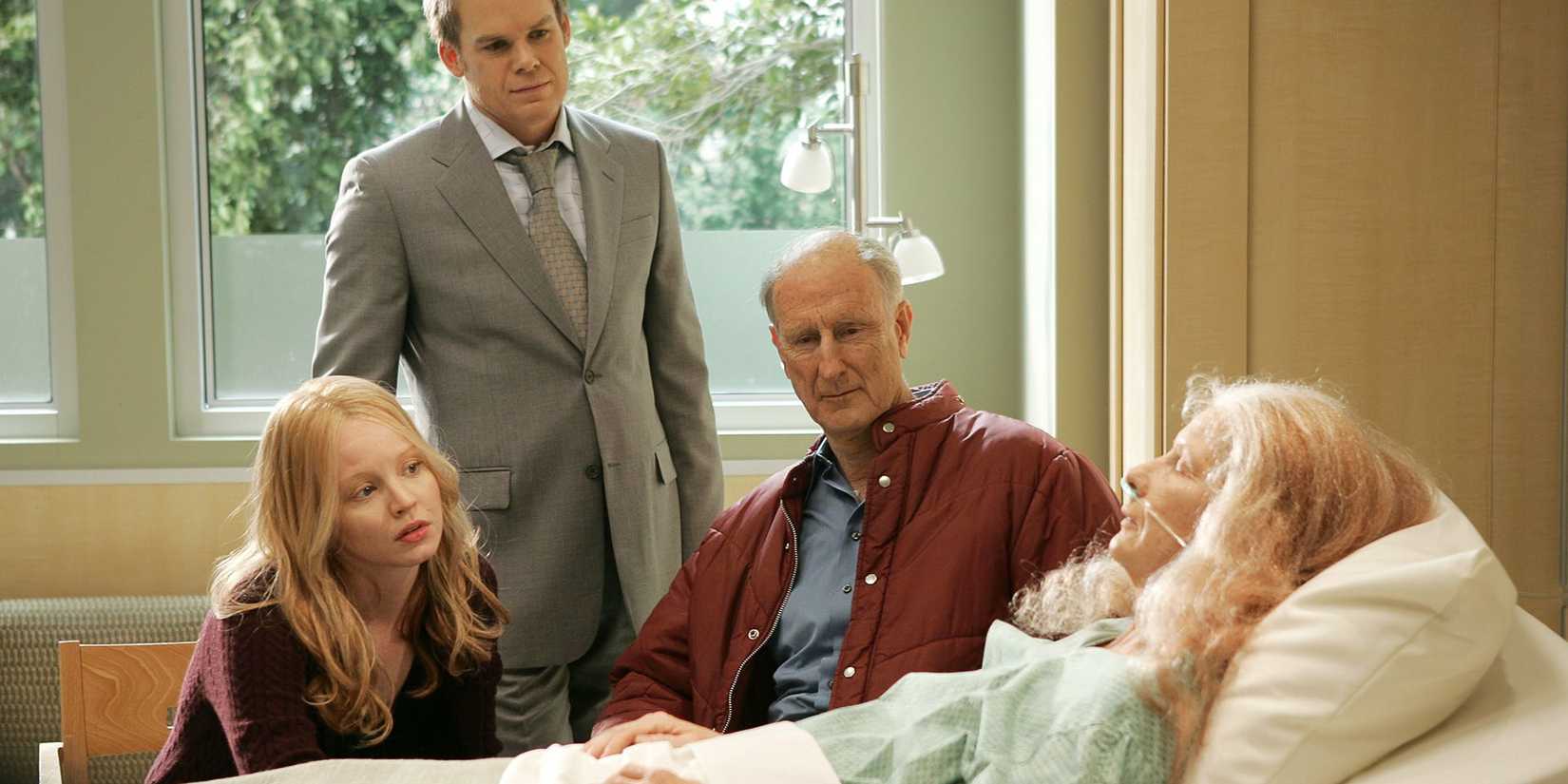 Image via HBO
It may not have secured the legacy of some of the other titles on this list, but Six Feet Under is a dazzling gem of 2000s television that, through its story of a dysfunctional family managing a funeral home, delivers an engrossing combination of grief, dark comedy, existential philosophizing, and grounded character drama. While it thrives across the entirety of its five-season run, the series remains consistently superb, but it does save its greatest episode for last with “Everyone’s Waiting” delivering a terrific spin on the series’ own established tropes to conjure a farewell of bittersweet finality as it doubles down on the integral themes of mortality and family.
Every major character has their arc resolved with poise and purpose, with an unforgettable six-minute montage closing out the series with profound emotional impact and a gorgeous air of cohesiveness, ensuring the series doesn’t dwell on its focus on death, but instead leaves viewers with a life-affirming message of the preciousness of love. A celebration of the fleeting effervescence of lived experiences, Six Feet Under’s outstanding finale is one of the most rewarding and raw hours of 2000s television, a masterpiece of conclusive writing accentuated by note-perfect performances and Sia’s “Breathe Me.” It ensures the series as a whole is still worth checking out, even over 20 years on from its ending.
1 "Felina" (Season 5, Episode 16)
'Breaking Bad' (2008–2013)
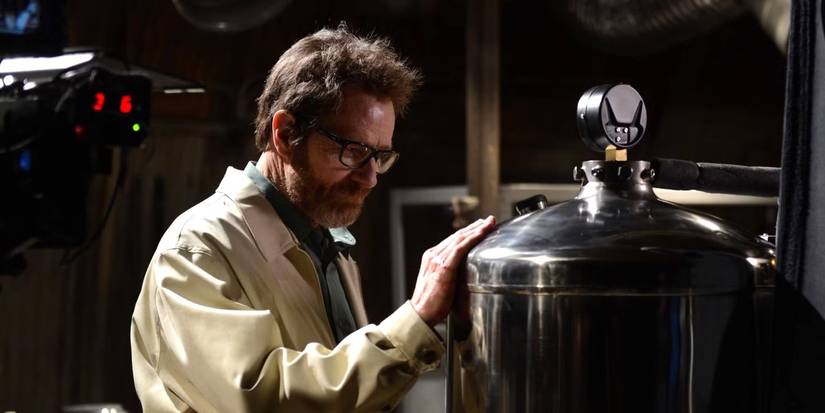 Image via AMC
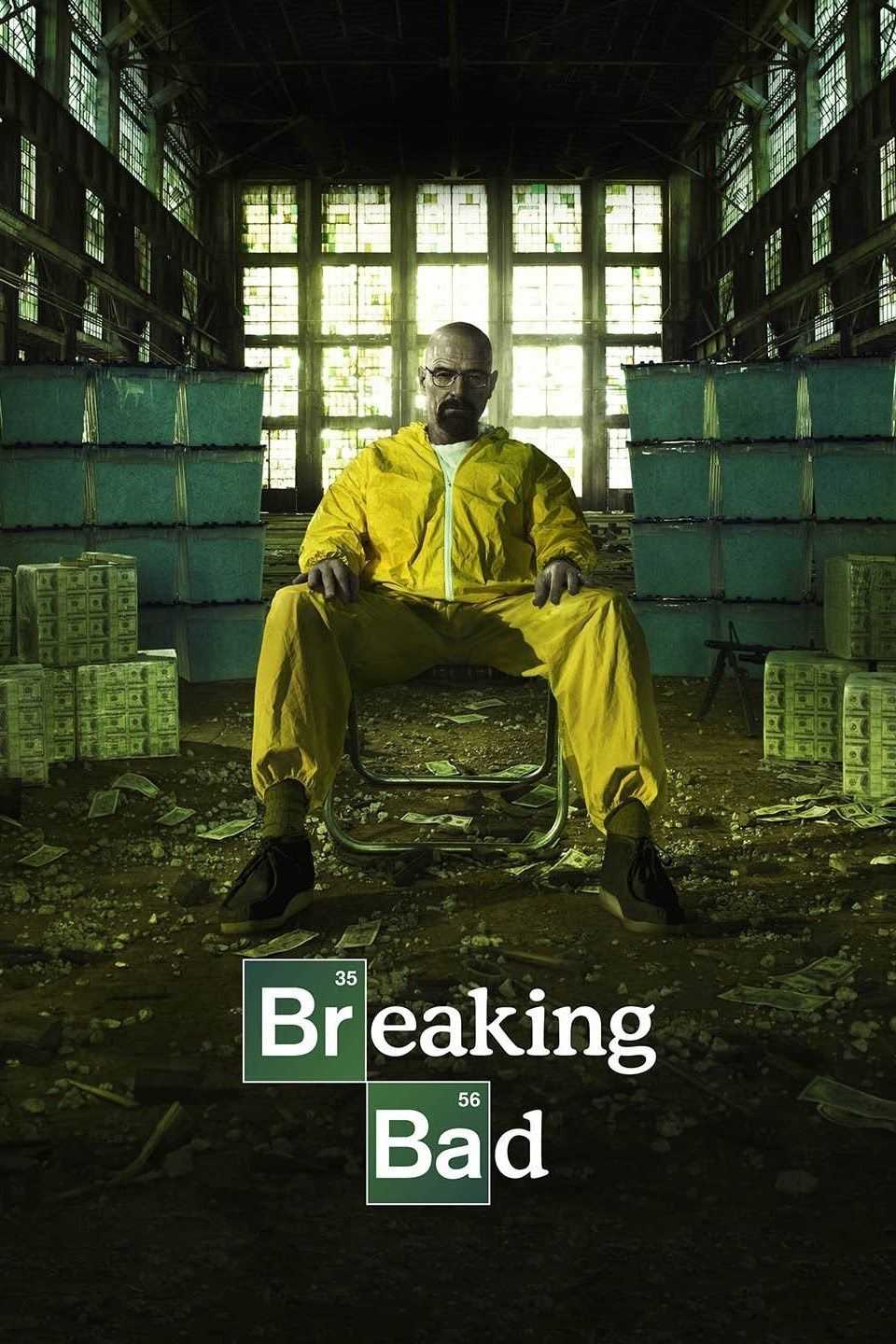
A frontrunner in the conversation of the best TV series finale of all time, Breaking Bad resolves its story with poignant closure, majestic tragedy, and a sense of full-circle completion that is compelling from start to finish. Wrapping up five seasons of drama following Walter White’s (Bryan Cranston) moral descent from a high school teacher cooking meth to provide for his family to a psychotic and power-hungry drug lord, “Felina” takes place in the ruin of Walter’s empire, his secret exposed, and he himself on the run.
Featuring both exciting sequences of carnage and violence and quiet yet devastatingly dramatic moments of unbridled emotional honesty, the series finale packs one hell of a punch as it brings an end to numerous character arcs with a sense of resonance and, in Walter’s case, no small amount of poetic justice. The final moments as he bleeds out in the drug lab, having saved Jesse Pinkman (Aaron Paul) all while Badfinger’s “Baby Blue” plays, is the perfect mixture of catharsis, tragedy, style, and conclusiveness. Buoyed by razor-sharp writing and a litany of typically faultless performances, Breaking Bad ends on a majestic masterstroke that will long be remembered for its emotional pull and its exemplary delivery of a finale.
Breaking Bad
Release Date 2008 - 2013-00-00
Network AMC
Showrunner Vince Gilligan
Directors Vince Gilligan, Michelle Maclaren






 English (US) ·