

Published Apr 12, 2026, 12:00 PM EDT
Arielle Port started as a TV producer, developing content for Netflix (Firefly Lane, Brazen) and Hallmark (The Santa Stakeout, A Christmas Treasure) before transitioning into entertainment journalism. Her love of story went from interest to lifelong passion while at The University of Pennsylvania, where she fell in with a student-run web series, Classless TV, and it was a gateway drug. Arielle Port has been a Writer for Screen Rant since August 2024. She lives in Los Angeles with her boyfriend and more importantly, her cat, Boseman.
Sitcoms in the 2010s reflected a shifting TV landscape, blending network comfort viewing with streaming-era experimentation and identity-driven storytelling. The biggest sitcoms of the 2010s, including Modern Family, Parks and Recreation, and New Girl, reflected the last era of truly dominant network comedies before streaming took over.
Across the decade, sitcoms generally moved away from traditional multi-camera laugh-track formats toward single-camera ensemble comedies and high-concept premises with emotional depth. The best hangout sitcoms like Community and Schitt’s Creek emphasized fast dialogue and ensemble chemistry.
Networks increasingly used sitcoms to explore identity, family structure, and generational change, as seen in ABC’s programming strategy with series like Black-ish and Fresh Off the Boat. At the same time, streaming services transformed expectations by allowing shorter seasons, more serialized arcs, and darker tonal experimentation, demonstrated in more experimental sitcoms like Netflix’s BoJack Horseman.
The result was a fragmented but creatively rich era where traditional network hits coexisted with cult favorites and streaming experiments, and many strong shows ended up under-seen despite high quality. These are the best sitcoms from the 2010s that you probably missed or forgot about.
The Last Man On Earth
2015-2018, 4 Seasons
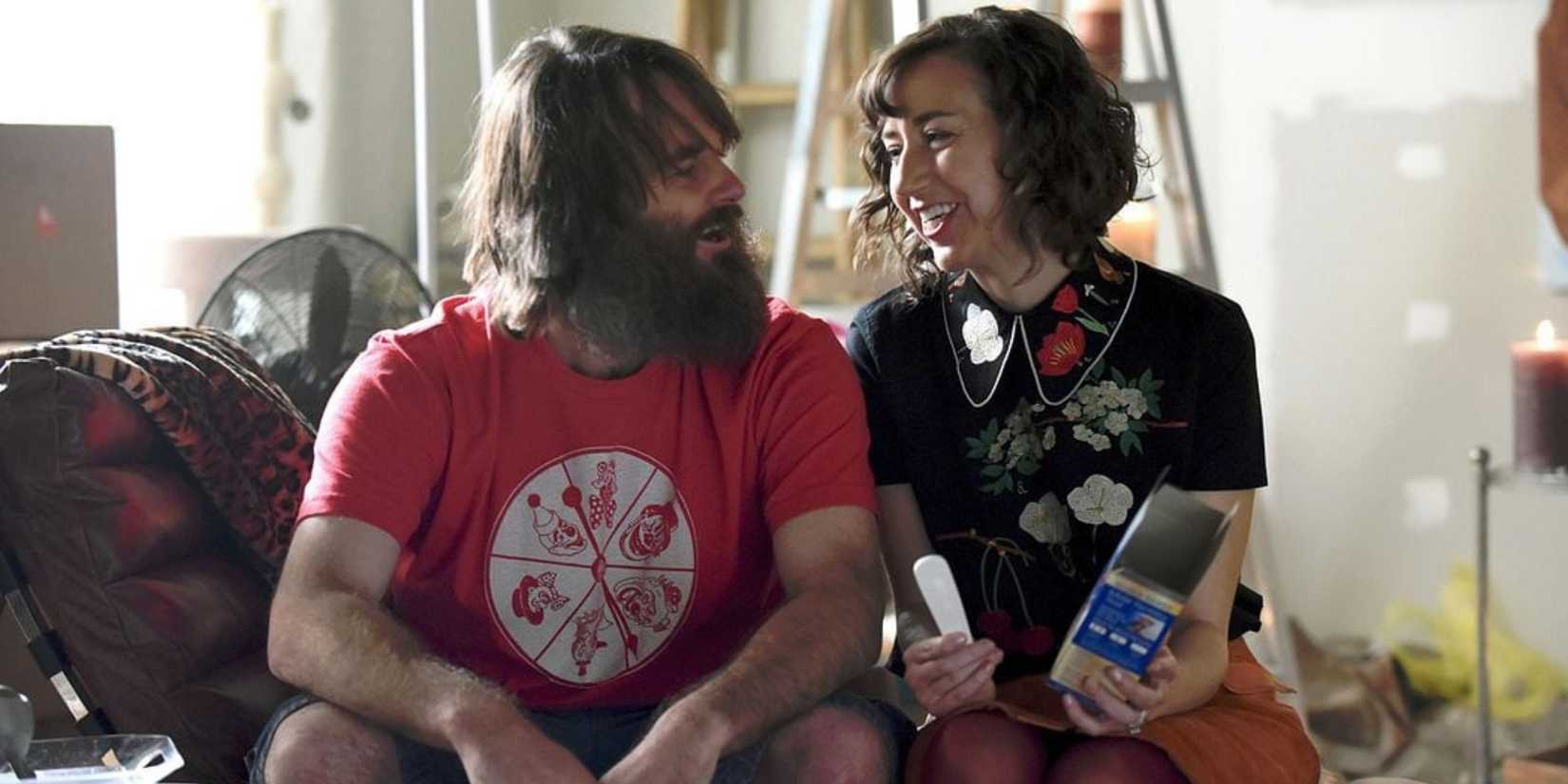
The Last Man on Earth was developed during a period when Fox was seeking higher-concept, creator-driven shows that could stand apart from traditional sitcoms. The premise itself was instantly hooky: a slacker named Phil Miller (Will Forte) believes he is the last person alive after a global virus, only to discover other survivors.
That blend of apocalyptic setup and character-driven comedy fit Fox’s early-2010s identity alongside offbeat hits like Brooklyn Nine-Nine and New Girl. Critically, the show was well-received early on for its originality and tonal boldness, but audience ratings declined over time as the premise evolved away from its initial “last man” hook into a more ensemble-driven survival dramedy.
The Last Man on Earth was ultimately canceled after four seasons in 2018, with Fox citing low ratings and the difficulty of sustaining momentum in a serialized concept. The show's legacy today is that of a bold, genuinely inventive experiment, often cited as one of the last waves of high-concept network sitcoms before streaming fully took over serialized comedy.
Wilfred
2011-2014, 4 Seasons
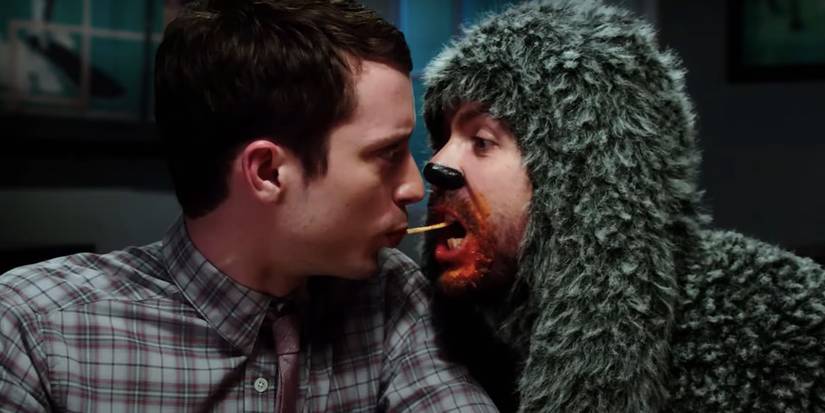
Wilfred originated as an Australian cult hit before FX adapted it for U.S. audiences, leaning into the network’s early-2010s push for edgy, creator-driven comedies like Louie and It's Always Sunny. The surreal sitcom follows Ryan (Elijah Wood), a depressed ex-lawyer who is the only person able to see his neighbor’s dog as a crude man in a dog suit.
Continuing Elijah Wood's trend of pursuing offbeat passion projects, Wilfred mixed dark humor with psychological ambiguity, making it one of the strangest comedies of the decade. Season 1 earned strong reviews for its originality and Wood’s performance, while later seasons drew more mixed responses as the mythology got darker.
Ratings were modest, but a loyal fanbase carried the show through four seasons. Today, Wilfred is largely remembered as a cult curiosity, overshadowed by bigger FX hits.
A.P. Bio
2018-2021, 4 Seasons

A.P. Bio began as a midseason replacement for NBC, initially positioned as a small, high-concept classroom comedy. The series follows disgraced Harvard philosophy professor Jack Griffin (Glenn Howerton), who returns to his hometown to teach Advanced Placement biology but refuses to actually teach, instead using his students to carry out petty revenge schemes.
The show leaned into darker, more absurd humor than typical network sitcoms. Critically, it improved over time, evolving from a cynical star vehicle into a weirder ensemble comedy with standout supporting characters.
Ratings were modest, and NBC canceled it after two seasons, but A.P. Bio was unexpectedly revived by Peacock for two more, suggesting a passionate niche audience. That unusual cancellation-and-revival arc defines its legacy, with A.P. Bio remembered as a cult favorite that found its voice late.
Angie Tribeca
2016-2018, 4 Seasons

Brooklyn Nine-Nine was a beloved cop sitcom, but Angie Tribeca was a lesser-known police procedural parody. The series arrived during TBS’s mid-2010s push to reinvent itself with distinctive, creator-driven comedies. The series had a recognizable lead in Rashida Jones as the titular detective, and created by Steve Carell and Nancy Carell, Angie Tribeca was a hysterical mixture of The Office-meets-Brooklyn Nine-Nine.
Its deadpan parody style, inspired by The Naked Gun, helped it stand out. TBS even premiered the entire first season in a 25-hour marathon to encourage binge viewing. Ratings were modest but steady, and the show ran four seasons. Today, it’s lightly remembered, often rediscovered as a hidden gem for viewers who enjoy dense, absurdist comedies.
Speechless
2016-2019, 3 Seasons

Speechless was part of ABC’s late-2010s family sitcom identity, fitting alongside warm ensemble comedies like Black-ish, Fresh Off the Boat, and The Goldbergs. Where it stood out was its focus on a nonverbal teen with cerebral palsy and the chaotic, loving family built around him, blending heart with sharper-than-expected humor.
Critics responded positively, particularly to the casting — like Minnie Driver’s fiercely protective mother — and the show’s refusal to become overly sentimental, but ratings remained modest, and it never broke out beyond a niche audience. Airing in competitive slots, the series struggled to become appointment viewing and was canceled after three seasons as ABC’s comedy strategy shifted.
Today, Speechless is remembered as a quietly respected underdog. It was a heartfelt, character-driven sitcom that built strong goodwill and now plays especially well as a rediscovered comfort binge.
Single Parents
2018-2020, 2 Seasons
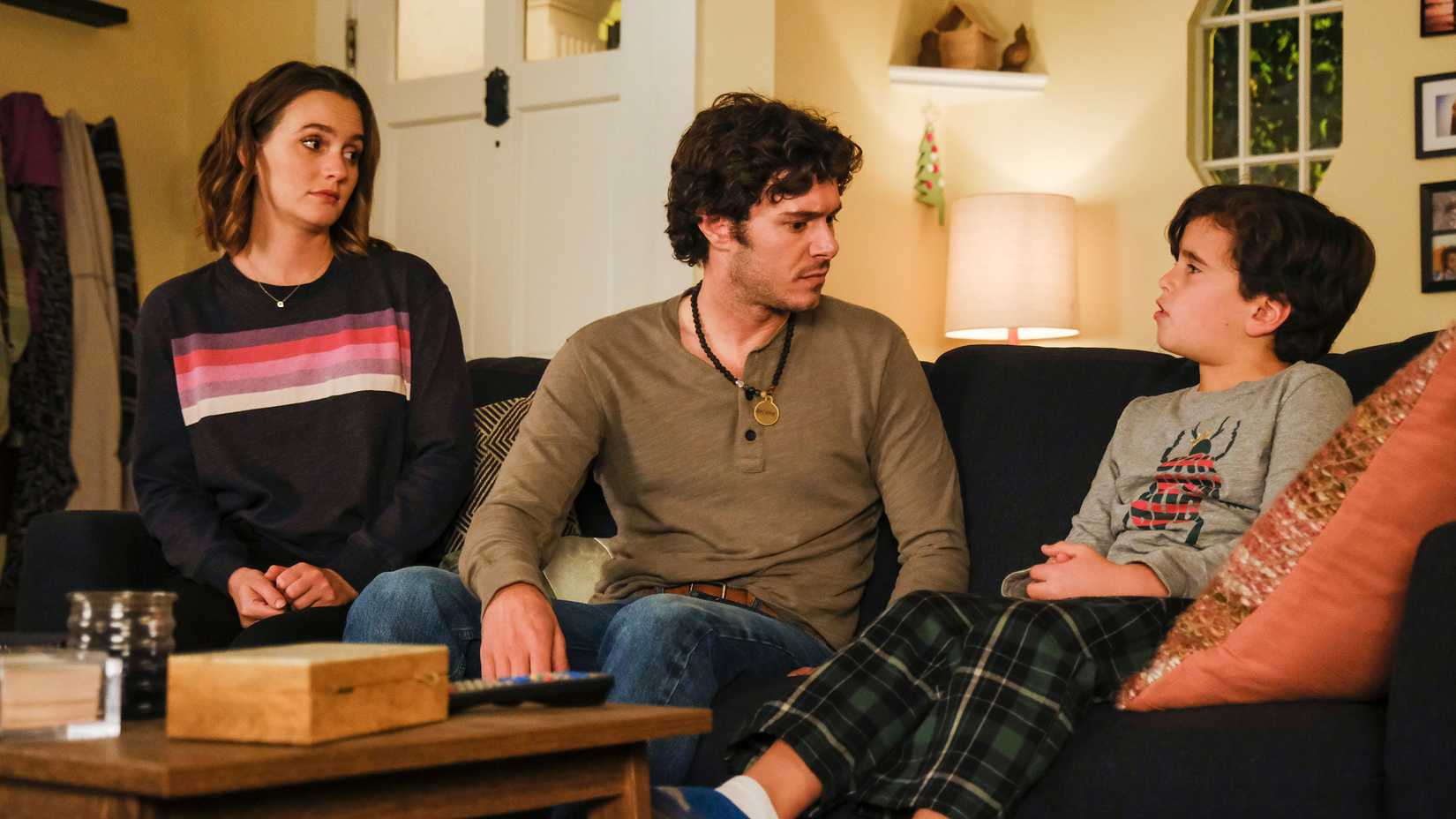
Single Parents was an underrated ensemble comedy about modern single parenting from Elizabeth Meriwether, the creator of New Girl, though it never took off in the same way. The series feels like a throwback to old-school sitcoms, built around sharply defined characters and fast, joke-heavy group dynamics.
It especially excels at casting its kids, who are given distinct personalities instead of generic plucky roles, with the deadpan twin duo delivering some of the show’s most reliable punchlines. The comedy also fit neatly into ABC’s late-2010s lineup of warm family ensembles like Modern Family.
But without a high-concept hook or a breakout star, despite leads like Taran Killam and Leighton Meester, Single Parents was quietly canceled after two seasons. While it faded quickly from collective memory, it’s the kind of low-key gem that thrives on streaming, primed to be rediscovered as a comfort binge by viewers who missed it the first time around.
Don’t Trust The B---- In Apartment 23
2012-2014, 2 Seasons

Don't Trust the B---- in Apartment 23 was an under-the-radar standout, a midseason replacement that quickly distinguished itself with a sharper, meaner comedic voice than most network sitcoms. The premise follows an earnest Midwestern woman who moves to New York and ends up living with a charmingly chaotic scam artist roommate who constantly upends her life.
Don't Trust the B---- is Krysten Ritter's best show, with critics responding well to the edgy tone, alongside the meta stunt casting of James Van Der Beek playing an exaggerated version of himself. ABC renewed it, hoping it could grow into a cult hit, but inconsistent scheduling and airing episodes of Don't Trust the B---- out of order hurt momentum.
Ratings stayed modest, and the sitcom was canceled after two seasons. Its high quality was squandered by network meddling, but Don't Trust the B remains ripe for rediscovery.
Happy Endings
2011-2013, 3 Seasons
 MovieStillsDB
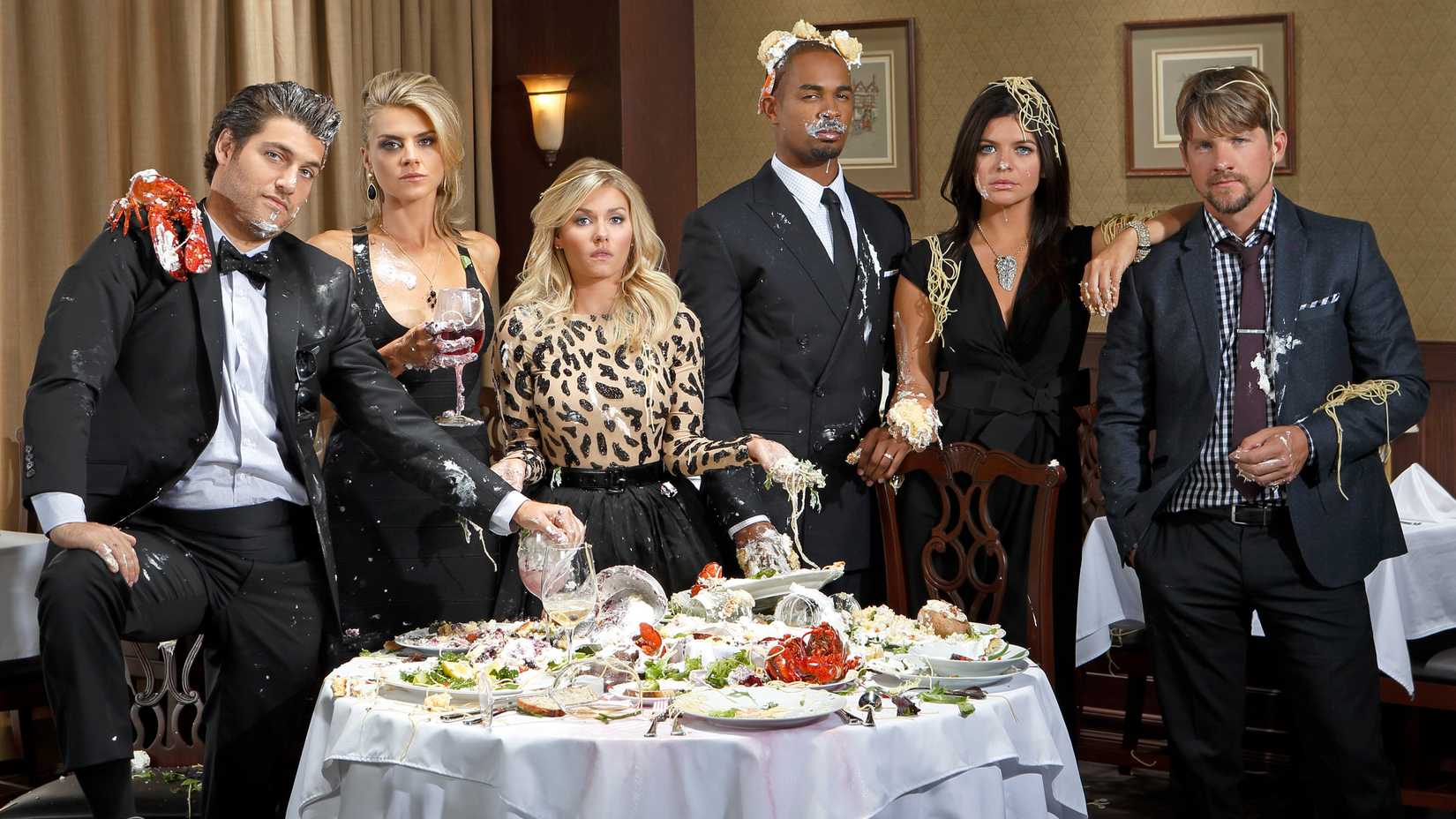
Happy Endings is a gem, a hangout sitcom like Friends with the rapid-fire joke density of 30 Rock. The series struggled with inconsistent scheduling on ABC, bouncing around the lineup frequently. After just three seasons, it was canceled, quickly earning a reputation as a “canceled too soon” sitcom casualty of poor network management.
In the years since, its legacy has only grown. Later ensemble comedies echoed its hyper-verbal pacing, heightened character dynamics, and willingness to embrace absurd jokes without losing emotional grounding. Happy Endings has steadily evolved into a cult favorite, with streaming audiences embracing it as one of the sharpest and most rewatchable friend-group sitcoms of the 2010s.
Galavant
2015-2016, 2 Seasons
Galavant was conceived as a limited-run musical comedy during a scheduling gap for Once Upon a Time, sharing only a loose medieval setting as connective tissue. The show follows the titular once-heroic knight whose life falls apart when a king steals his true love, sending him on a ridiculous, song-filled quest for revenge and redemption.
What was expected to be a one-off experiment instead became a cult curiosity, thanks largely to the inventive songwriting of celebrated Disney songwriter Alan Menken and a sharp script that gleefully skewered Arthurian legend tropes. Its self-aware humor, breakneck pacing, and willingness to fully commit to musical absurdity helped the sitcom earn an unexpected second season before cancellation.
The original audience was small, and Galavant's legacy remains surprisingly unsung today. To know it is to love it, but Galavant remains one of the most under-seen and under-discussed comedies of the 2010s.
Miracle Workers
2019-2023, 4 Seasons
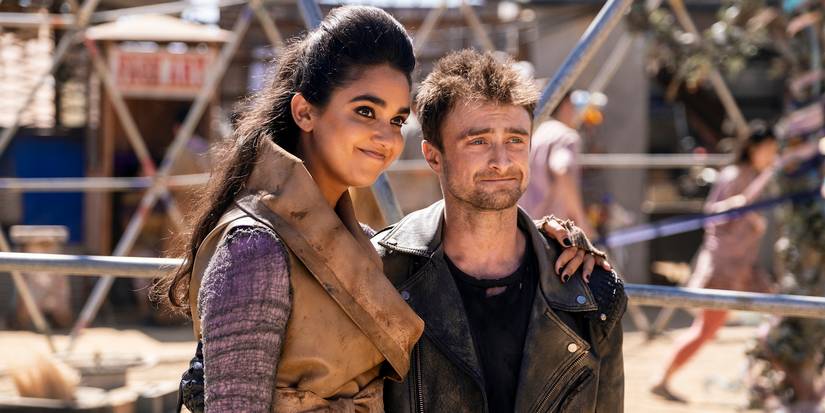
Miracle Workers was part of TBS’s late-2010s push to build quirky, talent-driven comedies that could stand out in a crowded streaming era. The pitch was appealing: an anthology sitcom with a new setting each season, based on work by Simon Rich and anchored by recognizable stars like Daniel Radcliffe and Steve Buscemi.
The settings, from heaven to the Middle Ages, the Oregon Trail, and a post-apocalyptic future, kept the show creatively fresh while the recurring cast built continuity. Critics generally praised the writing and performances, even as reactions varied by season.
Ratings were modest, but the show ran four seasons, a solid run for a niche cable comedy, before Miracle Workers was quietly canceled as TBS scaled back scripted originals. Its legacy is that of a smart, under-seen anthology experiment that is king of the forgotten sitcoms of the 2010s.





 English (US) ·