
It’s easy to develop affection for anime protagonists, particularly the charismatic ones. They’re relentless and magnetic, so fans root for them. Their successes are celebrated, and their losses mourned, leading to a tendency to form an emotional bond with them. When their stories are told with intense care, it’s only human to assume the central hero deserves admiration by default.
But here’s the truth: not every hero deserves to be looked up to. Though in the minority, some of these figures operate on woeful ideologies and fragile behavioural patterns that would be alarming if real humans exhibited them. Indeed, their losses and pain are real, but so is the damage they leave behind.
Ironically, these figures tend to be very compelling, but also far from aspirational. They exist to challenge and turn the status quo on its head. They should never be emulated. With that in mind, here’s a list of 10 anime “heroes” who are actually terrible role models, characters with incredibly fascinating stories, but are better left in films.
Light Yagami – Death Note
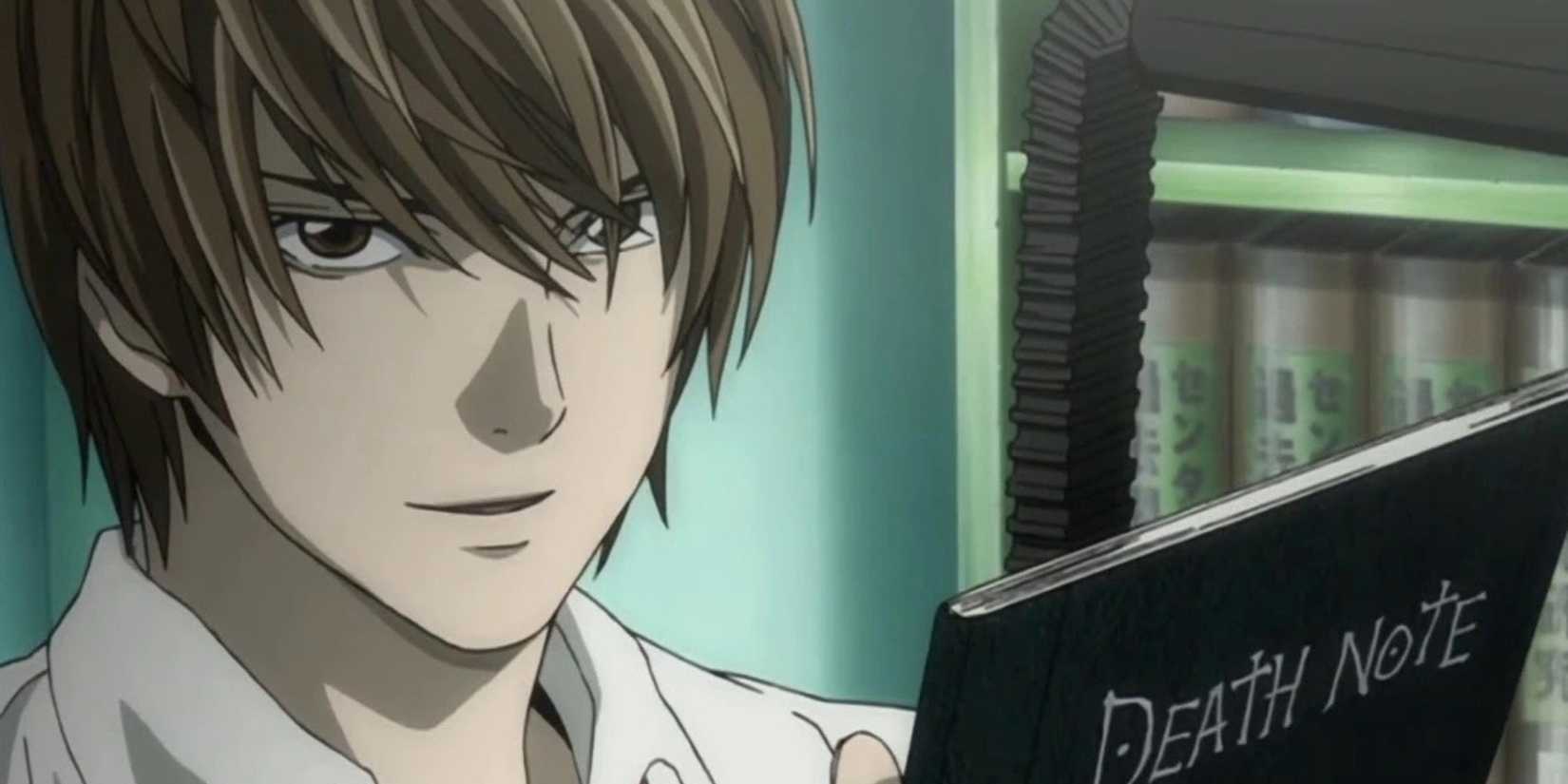
Light begins with ideals that sound noble. Noble enough that even the audience initially concur with his actions. Handed the power to kill by writing a name on the Death Note, he convinces himself that the world needs his prescribed type of justice. He embraced this new system and went on a killing spree, deciding that his personal justice was absolute.
As the story wore on, his influence and god-complex grew simultaneously, even garnering loyal followers. Light also manipulated his friends, lovers, and even his own family without hesitation. People stopped looking human to him and became mere tools, he could sacrifice to achieve his “perfect” world.
Death Note ultimately frames Light as a cautionary tale. His downfall illustrates how righteousness without accountability can degenerate into tyranny. When someone believes they alone can define the boundaries of justice, cruelty becomes inevitable.
Lelouch Lamperouge – Code Geass

Lelouch presents himself as a revolutionary hero, an exiled prince fighting a brutal empire with his brains instead of force. His intelligence, confidence, and dramatic flair make him an admirable figure. He eloquently talks about justice and freedom, and for a while, you might be compelled by his belief.
But Lelouch treats people like chess pieces. He makes no exception to any, even his sister; he sacrifices civilians, manipulates allies, erases memories, and accepts mass death as an acceptable cost for the “greater good. Lelouch trades people’s lives for the advancement of his plans, and even those closest to him are not safe from his cruel ambition.
Though his story ends in self-sacrifice, the damage is already done and irreparable. Code Geass makes it clear: noble objectives don’t excuse cruelties. Lelouch shows how revolution, when driven by ego and control, can become strikingly indistinguishable from tyranny.
Kiritsugu Emiya – Fate/Zero

Kiritsugu is the poster child for cold utilitarianism. He believes morality should be calculative and mathematical: simply sacrifice a few to save the many, no hesitation, no questions asked. To him, emotions are weaknesses, and killing is just a necessary tool. His goal, to end all conflict, sounds honest and noble, but his brutal approach overhauls his message.
Kiritsugu destroys his relationships, forcing his wife and daughter to make complicated decisions; his close allies are not safe either, as they are expendable to him. Every atrocity is justified in his head; after every atrocity, his humanity is stripped little by little.
Fate/Zero doesn’t glorify this approach; it dismantles it. Kiritsugu’s story shows that reducing human lives to numbers doesn’t prevent suffering. It multiplies it, leaving only regret, isolation, and a false sense of “victory”.
Eren Yeager – Attack on Titan
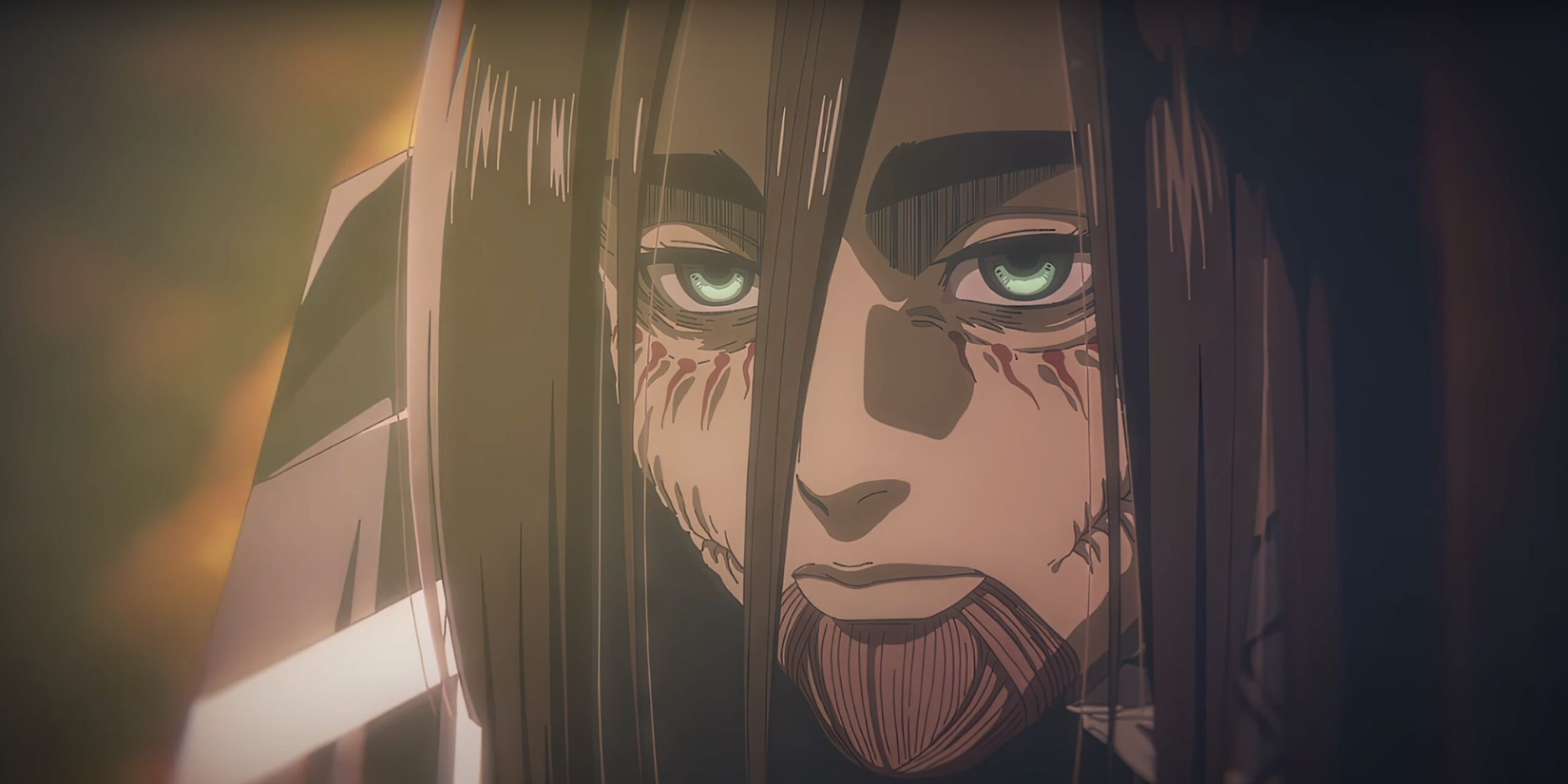
Eren starts as a protagonist fans naturally root for: fiery, daring, and willing to fight against impossible odds to protect those he loves. He’s passionate, impulsive, and driven by a sense of justice that comes off as relatable. But as the series progresses and he discovers the secrets of his world, that drive quickly turns to darkness.
Eren betrays friends, manipulates, and embraces a plan of genocide, believing it is the only way forward. He convinces himself that those are his only options and that fate has left him to make them. In doing so, he turns loyalty, friendship, and human life into tools for his vision, showing how readily righteous anger can turn into violent behaviour when unchecked.
Attack on Titan never presents Eren as a hero; he is ultimately viewed as another protagonist who became the monster he hated. Eren’s character illustrates that when protection becomes a means of justice for murder, freedom loses all meaning. The creators created a moral story about how genocide can’t save the world.
Guts - Berserk

Guts embodies relentless survival and unending rage. After surviving trauma and betrayal, he turns all his pain into a single goal: revenge. He slaughters demons and humans alike with brutality, and while fans are sympathetic to his struggles, his actions create an unending cycle of violence that affects others.
His obsession with revenge pushes people he cares about, treating vulnerability as a limitation that blindsides him. Guts becomes so consumed with vengeance that he stops himself from opportunities for growth, reconciliation, or even human connection. For much of his character, his story revolves around revenge and anger.
The series doesn’t offer an easy growth path for Guts, though; he begins to lean on others, even when it terrifies him, because that might be his only way out of the abyss. Despite this, his early rampage still sounds a warning to audiences: rage and unresolved trauma will leave you and others broken.
Shinji Ikari – Neon Genesis Evangelion

Shinji is one of anime’s most psychologically realistic protagonists, and not in a good way. His crippling self-doubt, a desperate constant need for approval, and an inability to effectively communicate leave him overwhelmed. Piloting a giant robot, he collapses under his own insecurities while dealing with his father’s emotional abuse, making every decision an intense challenge.
He encounters problems often, compliantly accepting mistreatment, and eventually descends into breakdowns. The series doesn’t glorify his behaviour; it exposes the destructive cycle of unaddressed trauma and unhealthy coping mechanisms he employs to endure the pain. Shinji’s failures are painful but human, revealing the vulnerability of a brilliant mind paralysed by fear.
Far from being a role model, Shinji is not a hero to emulate for viewers, as he depicts the chaos that ensues from avoidance and emotional suppression. His story serves as a moral lesson: that brilliance or talent alone doesn’t protect against the consequences of untreated mental and emotional struggles.
Spike Spiegel – Cowboy Bebop

Spike hides his dysfunction under a cool aesthetic. Haunted by his past, he drifts through life, unable to move forward or form meaningful connections. His obsession with a lost love and old life keeps him from valuing the present or building the future.
His fatalistic idea, believing he’s “already dead” and just waiting for his body to catch up physically, leads him to make reckless, self-destructive choices. Spike constantly puts himself and others in danger before eventually using his skill and style to cover up for the trouble he makes.
The series never frames this as a noble sacrifice; rather, Cowboy Bebop portrays him as a red flag- a warning to audiences. The creators highlight that surviving doesn’t mean living, and clinging to the past can sometimes lead to a life half-lived.
Hachiman Hikigaya – My Teen Romantic Comedy SNAFU

Hachiman is a self-inflicted villain who solves problems through self-harm. He absorbs blame and hatred, convinced that carrying everyone else’s burdens spares everyone else from conflict. His pessimistic view of connection is deplorable, and kindness is always transactional to him.
Ironically, his “strategy” worsens his isolation. He pushes away those who care, dismissing emotion as insincere, and refuses to see his own worth. His perception creates the very loneliness he claims to prefer.
The series breaks down his worldview and forces Hachiman to grow by connecting emotionally with characters like Yui and Yukino. Still, his original ideas leave an unsettling stigma on his character. When protecting others comes at the cost of self-destruction, it ultimately corrodes relationships and ruins connections that should have been formed.
Tomoya Okazaki – Clannad

Tomoya starts as an emotionally checked-out, unmotivated character; he goes through life with no sense of ambition. His broken relationship with his father fuels his contempt for responsibility, and he treats schools and people as a source of amusement and annoyance. He goes through life soothing himself by avoiding genuine relationships.
His behavior in the series initially causes pain and inconvenience for those around him. His interactions are mainly defined by a lack of emotional empathy, showing how trauma left unaddressed can manifest as cruelty.
His emotional weight comes from his eventual growth, but it also leaves viewers with a warning about letting past trauma excuse disengagement and waste potential relationships. Tomoya’s story proves that redemption is meaningful only when contrasted with the emptiness of his earlier, degenerative worldview.
Osamu Dazai – Bungo Stray Dogs

The series kicks off with a detective who jokes about existence, treating life as a joke and death as the punchline. Dazai uses his humor to mask his darkness. His obsession with finding alluring ways to die makes him disregard both his own well-being and others’ feelings, masking somewhat unbearable depression with charm and intelligence.
He derives pleasure in manipulating friends and allies, treating forged connections as mere performance rather than genuine relationships. His cheerful exterior deflects serious conversations, and authentic emotion becomes something to evade.
While the series explores his trauma, pain, and possible healing, it never excuses it. Dazai’s casual glibness toward suicide is quite alarming. He’s a reminder that brilliance and charisma don’t excuse toxic behaviour, and that entertaining characters aren’t automatically people worth emulating.

Release Date 2016 - 2023-00-00
Directors Satonobu Kikuchi
Writers Kazuyuki Fudeyasu
Franchise(s) Bungo Stray Dogs





 English (US) ·