
 11 hours ago
2
11 hours ago
2
A reminder that social media can be OK, now and then
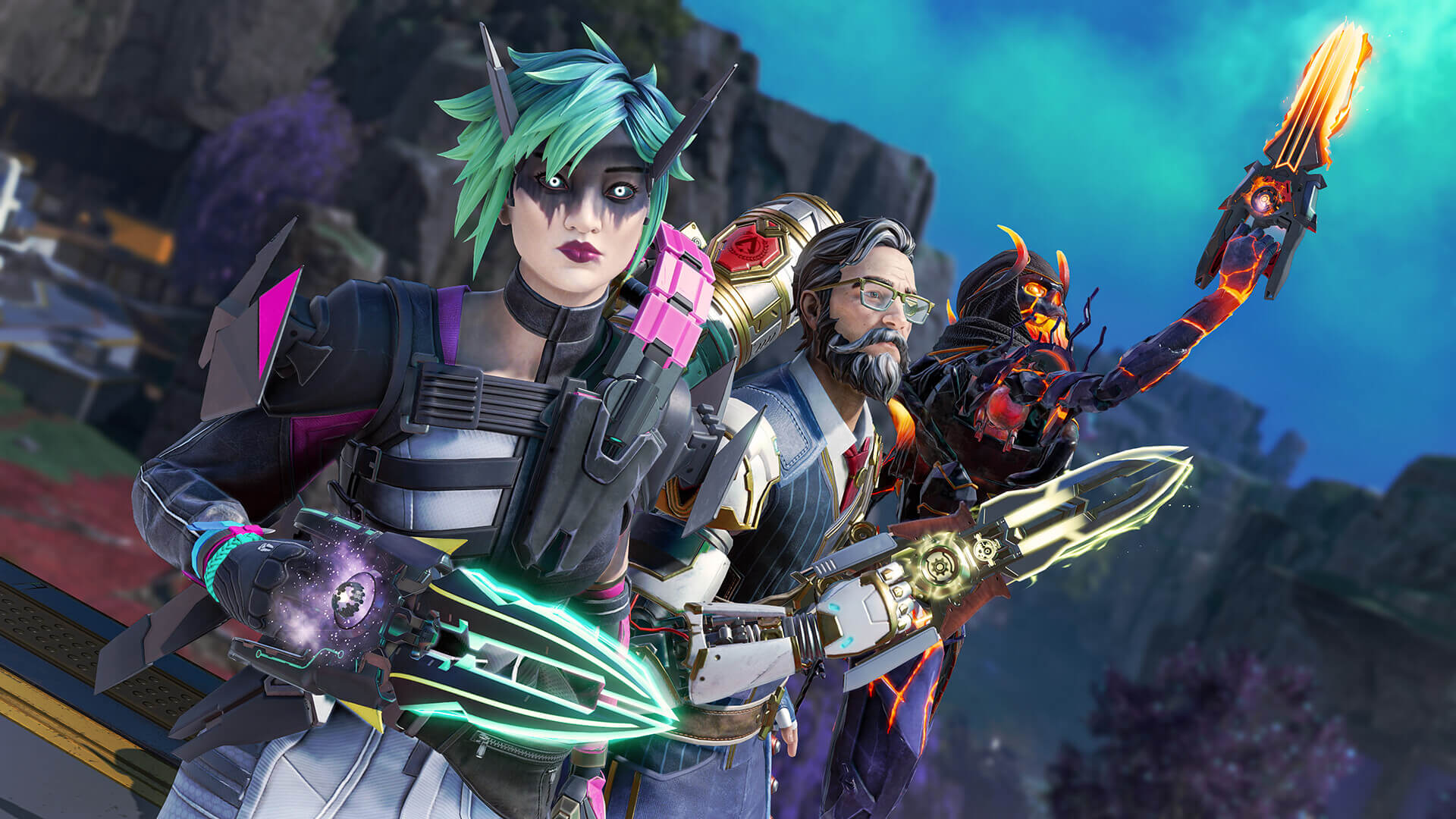
Much of the time, using social media is like fondling a wasp's nest, but sometimes, sometimes, social media is Nice. For example, Firaxis narrative director Cat Manning recently started a Bluesky thread "of small practical pieces of advice developers just starting out or unfamiliar with a genre might not know". The replies and quote-posts include thoughts from people with credits on fairly big games.
Inevitably, they run the gamut of approachability. At one end of the spectrum, you have Apex Legends engineer Jay Stevens jauntily observing that "a navmesh is a very handy thing to have, even in a multiplayer game without NPCs", which I maybe half-understand, and sounds like it could be the opening to a Broadway song of some kind. More digestibly, you have former Marvel's Avengers and current Legacy of Orsinium developer Keano Raubun commenting that the "biggest bang for buck in (open world RPG) game writing will always be NPCs having funny ambient conversations amongst themselves".
Raubun's top tip chimes with my memories of Dragon Age: Inquisition – I used to change up the party just to hear e.g. Cassandra and Vivienne have a bro-off. Raubun suggests that "8 conversations is the minimum to avoid repeats between any pair". He adds that barks - aka, quick context-sensitive voicelines - "are the real meat and potatoes of a video game". Certainly, "better than any 'dad crying about their kid; quest or wall-of-text lore bore journal found on some decaying skeleton seated on a toilet". Oof, Bethesda, oof! Are you going to let him talk to your dad/skeleton like that?
Former Star Wars: The Old Republic lead designer Damion Schubert has some thoughts on class design. "People think that the Trinity of MMO classes (tank, healer, DPS) exist to validate the healer, but it doesn't," he writes. "It exists to validate the tank." Schubert doesn't explain why, but speaking as a retired Zarya main, I am happy to nod along.
Become the Moon developer Kara Ling has notes about how long it should take a piece of menu SFX or similar to animate. "0.63 is the perfect default delay," she writes. "UI element fades, tweens and the like. If you need a long delay, do 2.3. If you need a fast delay, do 0.23. I can't explain why it feels right, just start at 0.63." (I've added that link to tweening for context.) Feels like that could be the basis for a whole gamedev conference - I'm picturing heated arguments between 0.63 advocates and 1.26 zealots, with the former constantly interrupting the latter.
On a similar theme, there's this thread from Bungie sandbox designer Viv, who writes: "Combat design one: Human beings are really only capable of 'feeling' one thing at a time. You basically get *one* meaningful gameplay interaction per tenth of a second."
Viv explains this in terms of scatter grenades and other submunitions in Destiny, which "usually have random detonation times on the order of +/- 0.06s". This makes them "feel WAYYY more powerful than if they all detonated at once, even though what you're actually doing is splitting a big explosion into smaller parts." Viv compares this to the "staging" of card interactions in Balatro once you've played your hand, remarking that "if all those things happened at once and it just displayed 'triggered 4 times!' above each card, would it really be as satisfying?"
Whether you follow the jargon or not, it's lovely to see developers chatting to each other about the craft, and I really must apologise for showing up like a vulture and writing a story. I'm very sorry. Please, carry on.
If you enjoyed the above, you might also appreciate this older conversation about games industry crunch, featuring current or former employees of Ubisoft, Naughty Dog and Remedy.





 English (US) ·